Tokyo Central · NihonbashiNo.898★★Open in map →
Nihonbashi Bridge
— Tokyo's road-origin bridge and its winged kirin
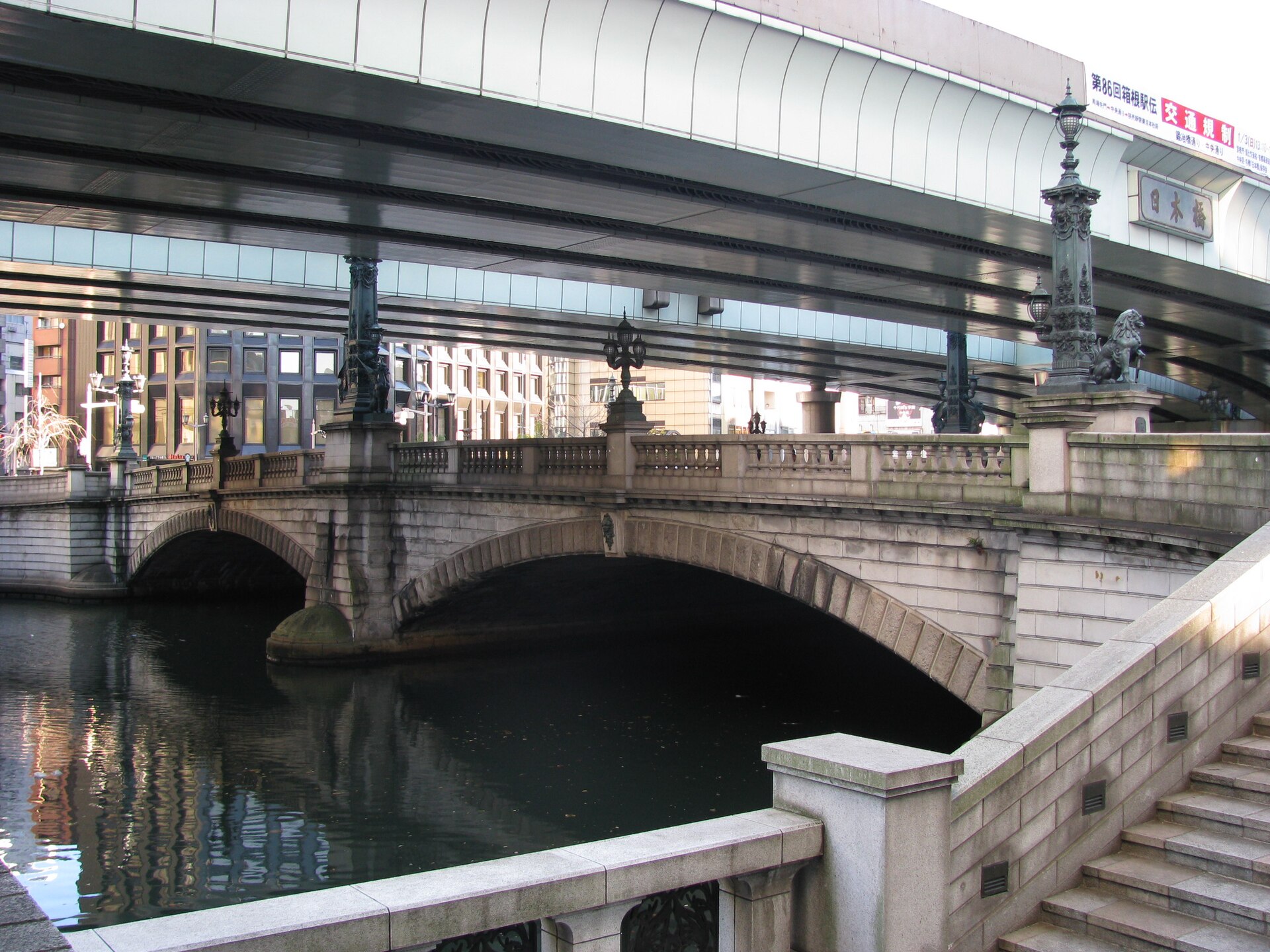
A stone arch bridge in the heart of Tokyo that doubles as the zero point of the national road network. Bronze lions, winged kirin and a marker set into the road surface all sit beneath an elevated expressway.
- FromTokyo Station
- ~15 minMetro, then a short walk
- Get off atNihonbashi Station (Tokyo Metro Ginza and Tozai Lines)
- On foot
- Nihonbashi Bridge
The sweet spot
This is a famous address rather than a hidden one, and the street over it is busy all day. What is easy to miss is everything below eye level and above head height: the sculpture, the plate in the road, the deck of the expressway. The bridge reads as scenery unless you slow down for it.
Where it is
77 more notes in Tokyo · open the map →What to look for — in walking order
- The bronze lionsguardians on the corner posts, each holding the emblem of the old City of Tokyo
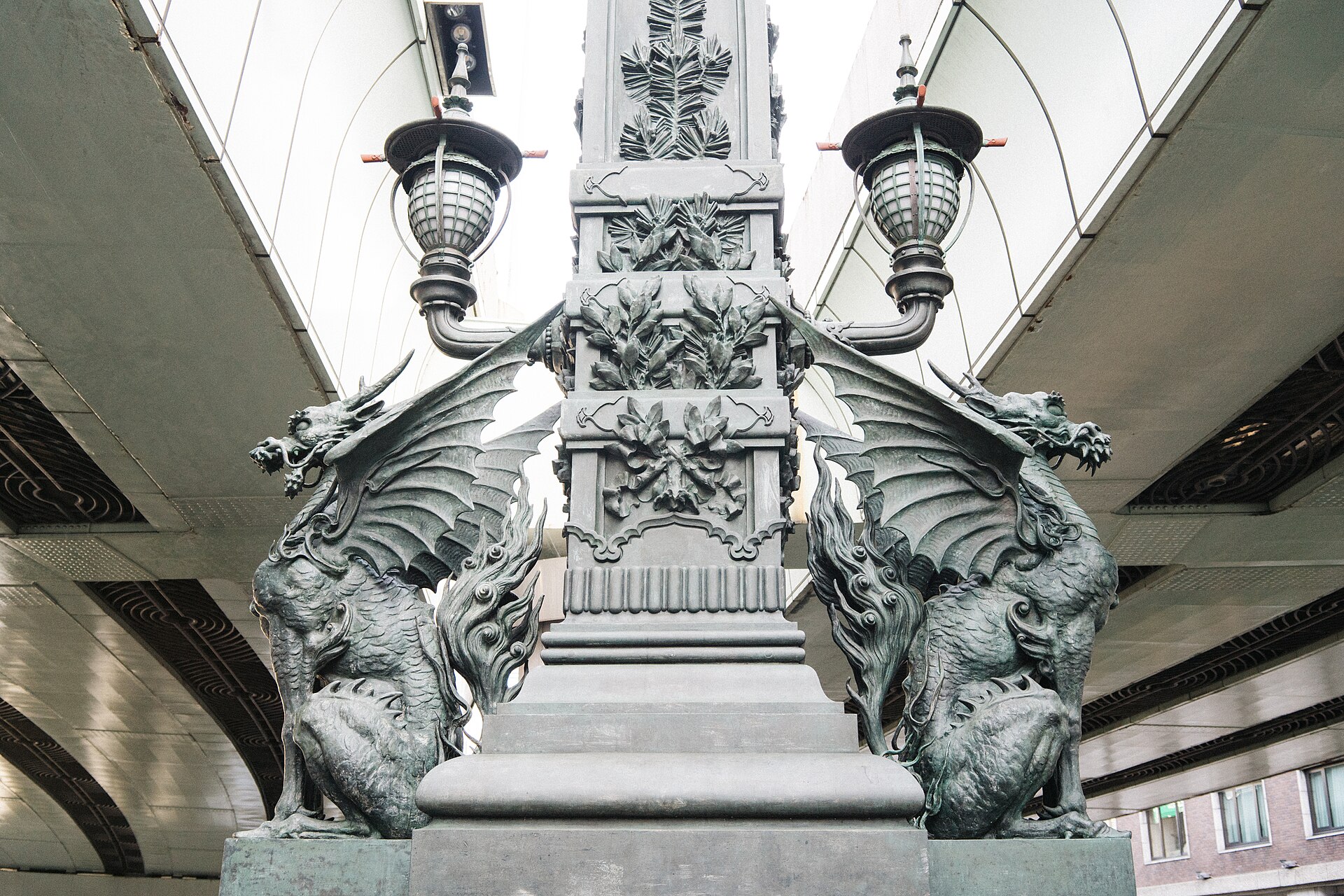
- The winged kirinbronze beasts on the central lamp pillars, given wings for the idea of setting off from the road's starting point
- Japan's road-origin markera bronze plate set into the middle of the road surface, the point highway distances are counted from
- The marker plazaa small open space beside the north bridgehead holding a replica, readable without stepping into traffic
- The expressway deckthe elevated city expressway roofing the river, now the subject of a project to move it underground
How to actually get there
- Tokyo Station → Otemachi Station (underground passage, walk about 5 min).
- Otemachi Station → Nihonbashi Station (Tokyo Metro Tozai Line, 1 stop).
- Nihonbashi Station exit B12 → the south end of the bridge (walk about 3 min north on Chuo-dori).
- Cross to the north bank for the small plaza that holds a replica of the road marker.
- Tokyo Metro Tozai Line, via Otemachi
- Tokyo Station → Otemachi Station through the underground passage (walk about 5 minutes) → Nihonbashi Station on the Tozai Line, one stop. Leave by exit B12 and walk about 3 minutes north to the bridge. Trains run every few minutes all day, so no timetable planning is needed.
- Return from Nihonbashi Station
- Take the Ginza Line or the Tozai Line back toward Otemachi and Tokyo Station, or the Ginza Line direct to Ginza, Shimbashi or Ueno. Services are frequent into the evening; the last trains leave before midnight, so check the platform board if you stay for dinner nearby.
About the place
Nihonbashi is a stone arch bridge over the Nihonbashi River in central Tokyo, and it is also a measuring point. The Edo government fixed it as the head of the five great highways, so distances out of the capital have been counted from this deck ever since. The bridge carries an ordinary city street, and most people cross it without stopping. What rewards a stop is the bronze work: lions at the corners, kirin at the centre, and a plate set into the road surface marking the origin itself. An elevated expressway runs directly overhead, which is why photographs of the bridge always seem to be taken in shade.
How to enjoy it
Come on a weekend morning, when the office crowds are gone and the pavement is empty enough to stand mid-span and look straight up at the kirin. From the north bank the walk continues in a few minutes to the Mitsukoshi main store and the Bank of Japan, so the bridge works better as the start of a route than as a destination. The plaza on the north side lets you read the replica marker without waiting for a gap in the traffic.
Background & history
A bridge has stood on this crossing since the founding of Edo, and the shogunate made it the head of the five highways that tied the capital to the rest of the country. The stone arch standing today opened in 1911, near the end of the Meiji period, with sculpture worked into its parapets and lamp pillars. It was designated a national Important Cultural Property in 1999. The kirin were given wings deliberately, for the idea of flying off from the point where every road begins.
Before you go
- Cash
- The bridge is a public road and free to cross at any hour. Tokyo Metro gates take IC cards such as Suica and Pasmo as well as cash.
- Good to know
- The bridge is open around the clock and lit at night by the bronze lamp pillars. There is no shelter from rain, and the expressway deck overhead keeps traffic noise constant.
- Another way
- From Shibuya, the Tokyo Metro Ginza Line runs straight through to Nihonbashi Station. From Ueno the same line reaches it from the opposite direction.
- After you get off
- From Nihonbashi Station take exit B12, come up onto Chuo-dori and walk north. The bridge begins where the bronze lions sit on the corner posts.
Nearby notes
 / CC BY-SA 3.0
History · Tokyo★★★
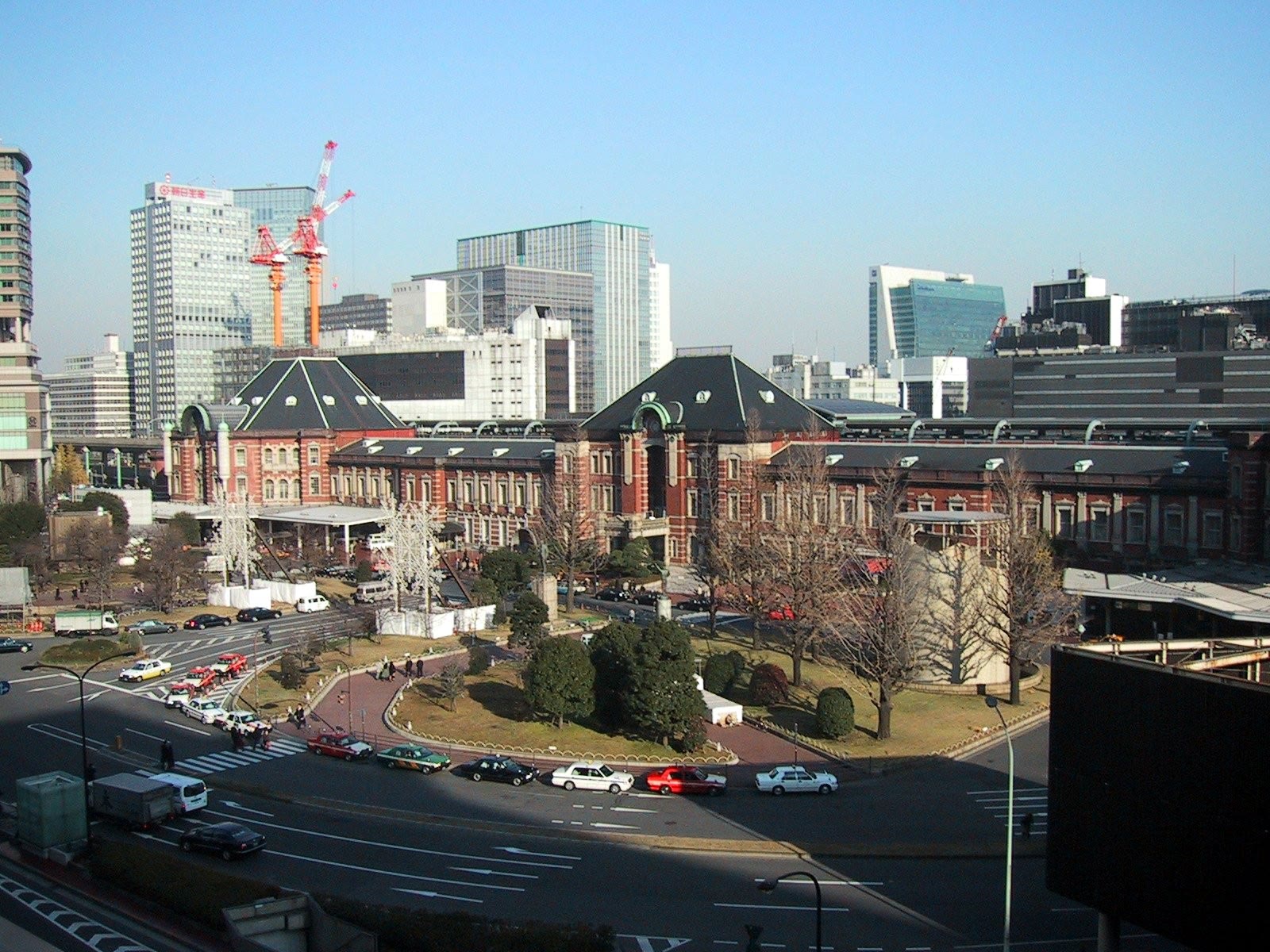
Tokyo Station
0.7 km · straight line
 AMANO Jun-ichi / CC BY 3.0
History · Tokyo★★
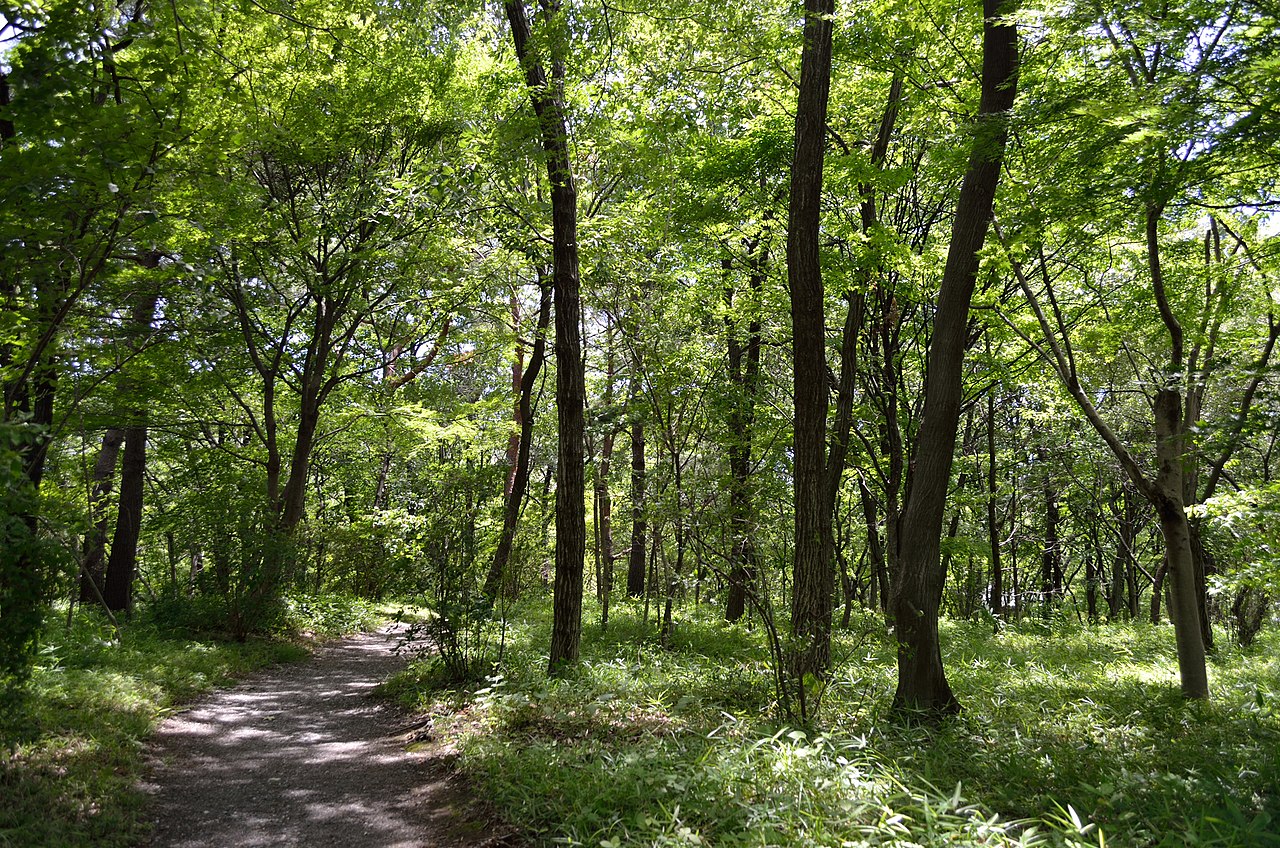
Imperial Palace East Gardens
1.6 km · straight line
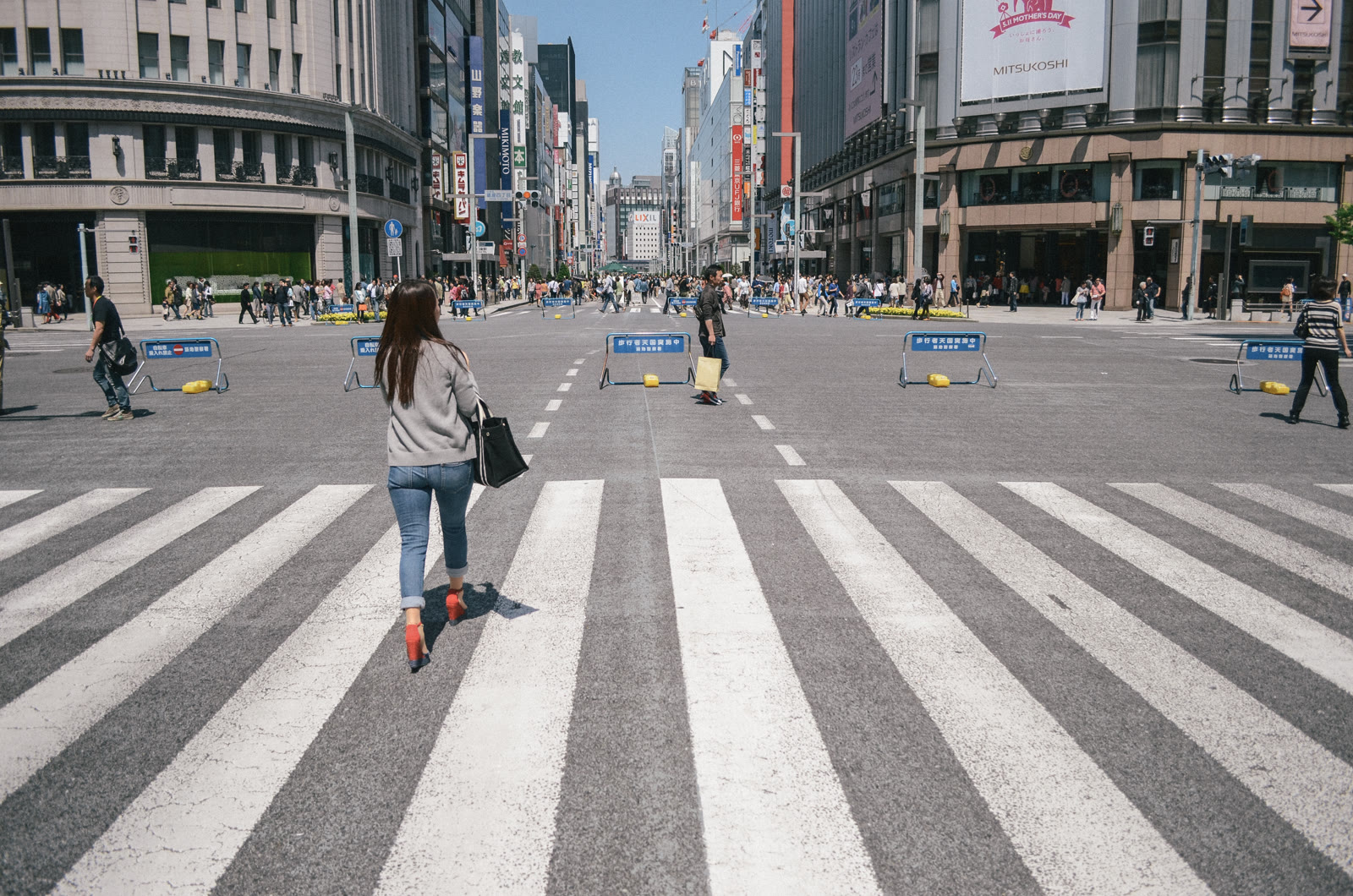 Eddy Milfort from Sydney, Australia / CC BY-SA 2.0
Local life · Tokyo★★★
Ginza
1.6 km · straight line
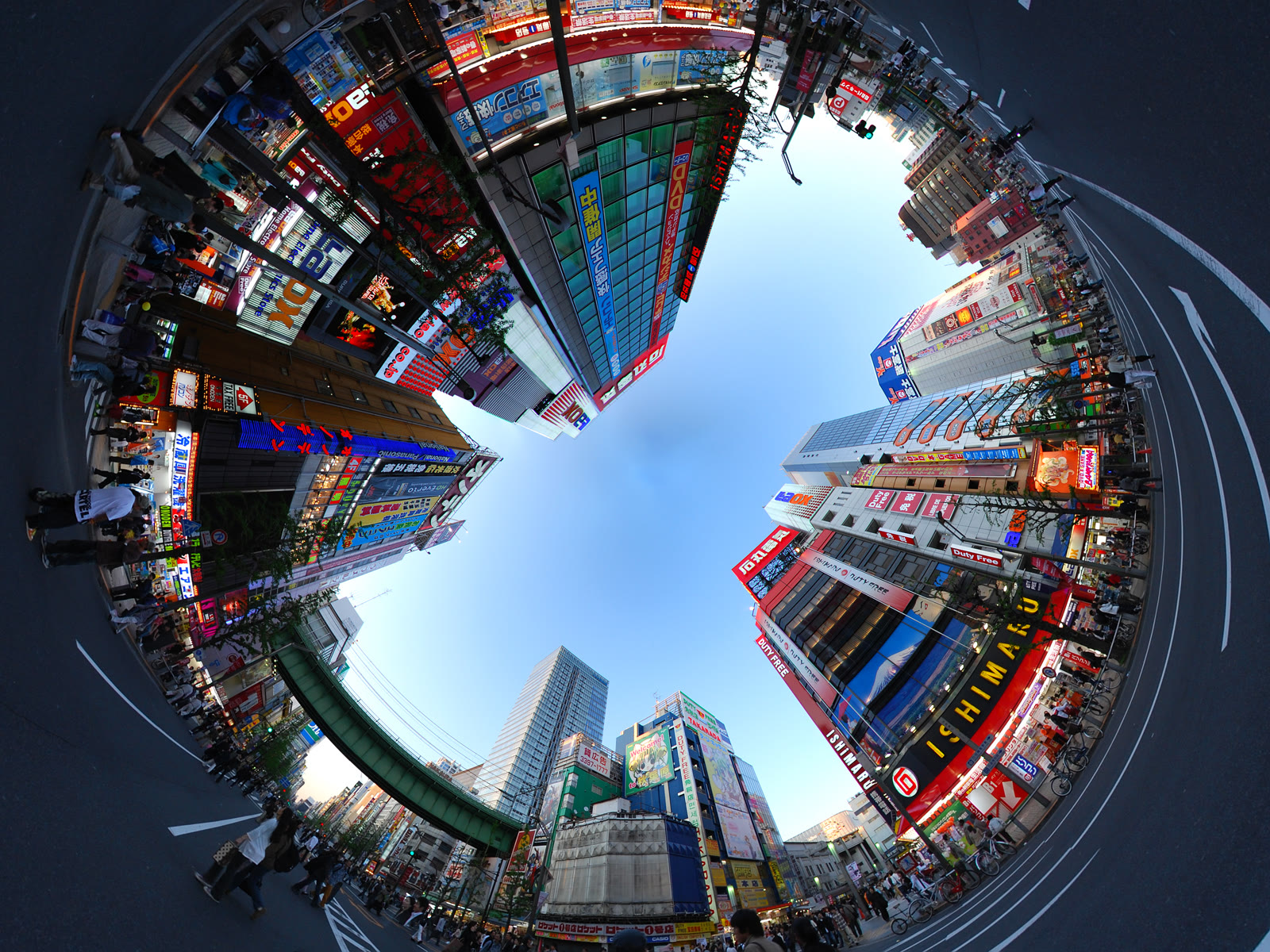 https://www.flickr.com/photos/heiwa4126 / CC BY 2.0
Local life · Tokyo★★
Akihabara
1.6 km · straight line
Distances are straight lines on the map, not travel times.