Odawara · Soga foothillsNo.102★Open in map →
Soga Bairin
— a plum grove under Mount Fuji
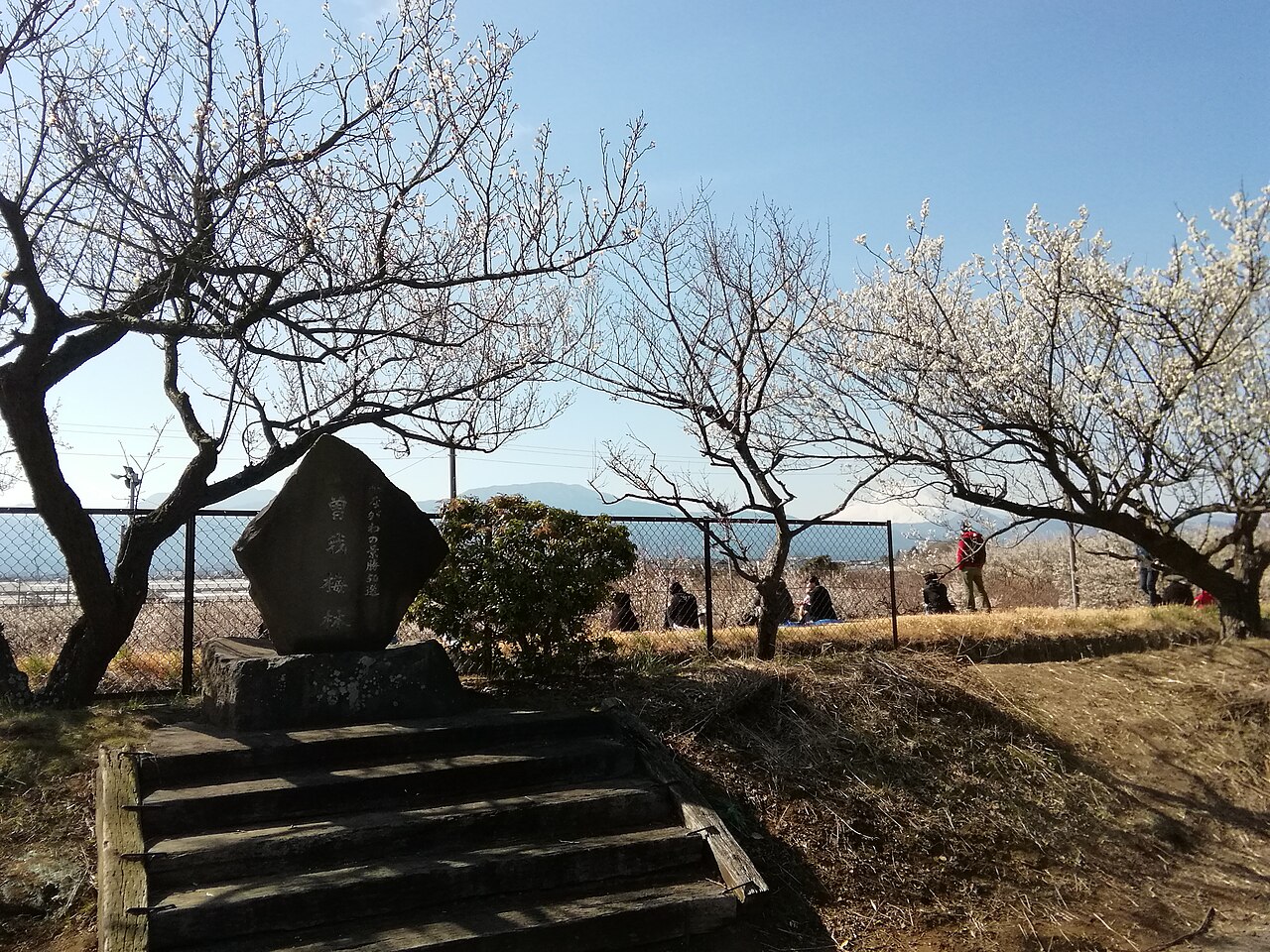
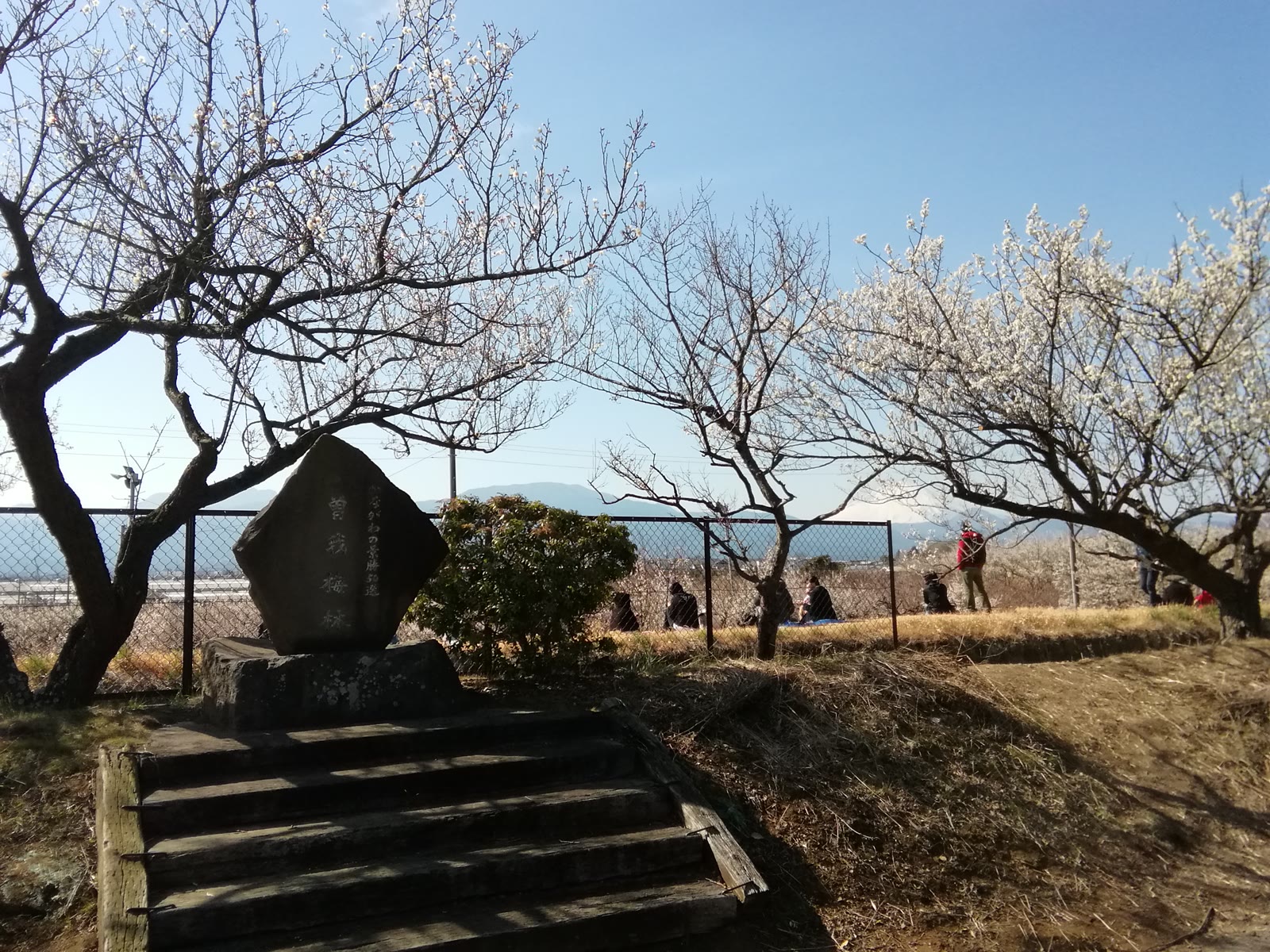
A working farm district in the hills north of Odawara where about 35,000 plum trees bloom together in February, with Mount Fuji rising behind them — a view Kanagawa Prefecture lists among the Kanto region's 100 Best Views of Fuji.
- FromTokyo Stn
- ~95 mintrain (bus infrequent)
- Get off atShimo-Soga Stn
- On foot
- Soga Bairin
The sweet spot
The grove sits on the quiet JR Gotemba Line, not the busier Hakone or Odakyu tourist routes, so foreign visitors rarely find it. There is little travel information about it in English. Local people come for the brief overlap of plum blossom and Fuji that only holds on a few clear February mornings.
Where it is
43 more notes in Kanagawa · open the map →What to look for — in walking order
- Shimo-Soga Station walk15-minute walk on paved lanes to the groves, signed during the festival
- Three farm grovesBessho, Nakagawara, and Hara — Bessho is the largest
- Fuji behind the blossomthe plum groves framing Mount Fuji, one of the prefecture's listed 100 Best Views
- Odawara Plum Festivalheld early February to early March, with lion dances, festival music, and local food stalls
How to actually get there
- Tokyo Station → Kozu Station (JR Tokaido Main Line, ~75 min).
- Kozu Station → Shimo-Soga Station (change to JR Gotemba Line, ~5 min).
- Shimo-Soga Station → plum groves (on foot, ~15 min).
- JR Tokaido Line + JR Gotemba Line
- Tokyo Stn →(JR Tokaido Main Line, ~75 min)→ Kozu Stn →(change to JR Gotemba Line, ~5 min)→ Shimo-Soga Stn, then ~15 min on foot to the grove. Total ~95 min. Note: Kozu is the boundary between JR East and JR Central, so Suica/PASMO IC cards do not work all the way through — buy a paper ticket to Shimo-Soga.
- return
- The JR Gotemba Line at Shimo-Soga runs only about one to two trains an hour, and can drop to one an hour in the middle of the day. Check the return times posted at the station when you arrive.
About the place
Soga Bairin is a plum-growing farm district spread across three neighbourhoods on the low hills of Odawara: Bessho, Nakagawara, and Hara. Roughly 35,000 trees grow here, mostly white-flowering varieties raised for their fruit, which becomes umeboshi (salted pickled plums) and umeshu (plum liqueur). The trees flower together from early February to early March, and on a clear day Mount Fuji and the Hakone mountains stand behind the blossom across the Ashigara Plain. The grove is about a fifteen-minute walk from Shimo-Soga Station on the JR Gotemba Line.
How to enjoy it
Come during the Odawara Plum Festival, early February to early March, when the trees are in bloom and the stalls are open. Pick a clear day for the Mount Fuji backdrop. Buy a paper ticket to Shimo-Soga before you go — IC cards do not work across the JR East/JR Central boundary at Kozu.
Background & history
Local tradition credits the Hojo clan of the Sengoku era and the Okubo lords who ruled the Odawara domain in the Edo period with encouraging plum cultivation here, though historians note the written record is thin. What is clear is that the area became a plum-growing center tied to umeboshi production. The grove also carries an echo of the medieval Tale of the Soga Brothers: the prized local variety called Juro is named after one of the two brothers.
Before you go
- Cash
- Festival food stalls and the local plum-goods shops are cash-only; carry coins and small notes.
- Good to know
- Seasonal: worth it during the February plum bloom only. It is a working orchard, so keep to the marked lanes.
- Another way
- Outside plum season, stay on the Tokaido Line to Odawara Station for Odawara Castle instead.
- After you get off
- From Shimo-Soga Station, walk about 15 minutes on paved lanes toward the groves; the route is signed during the festival.
Nearby notes
 663highland / CC BY 2.5
History · Kanagawa★★★
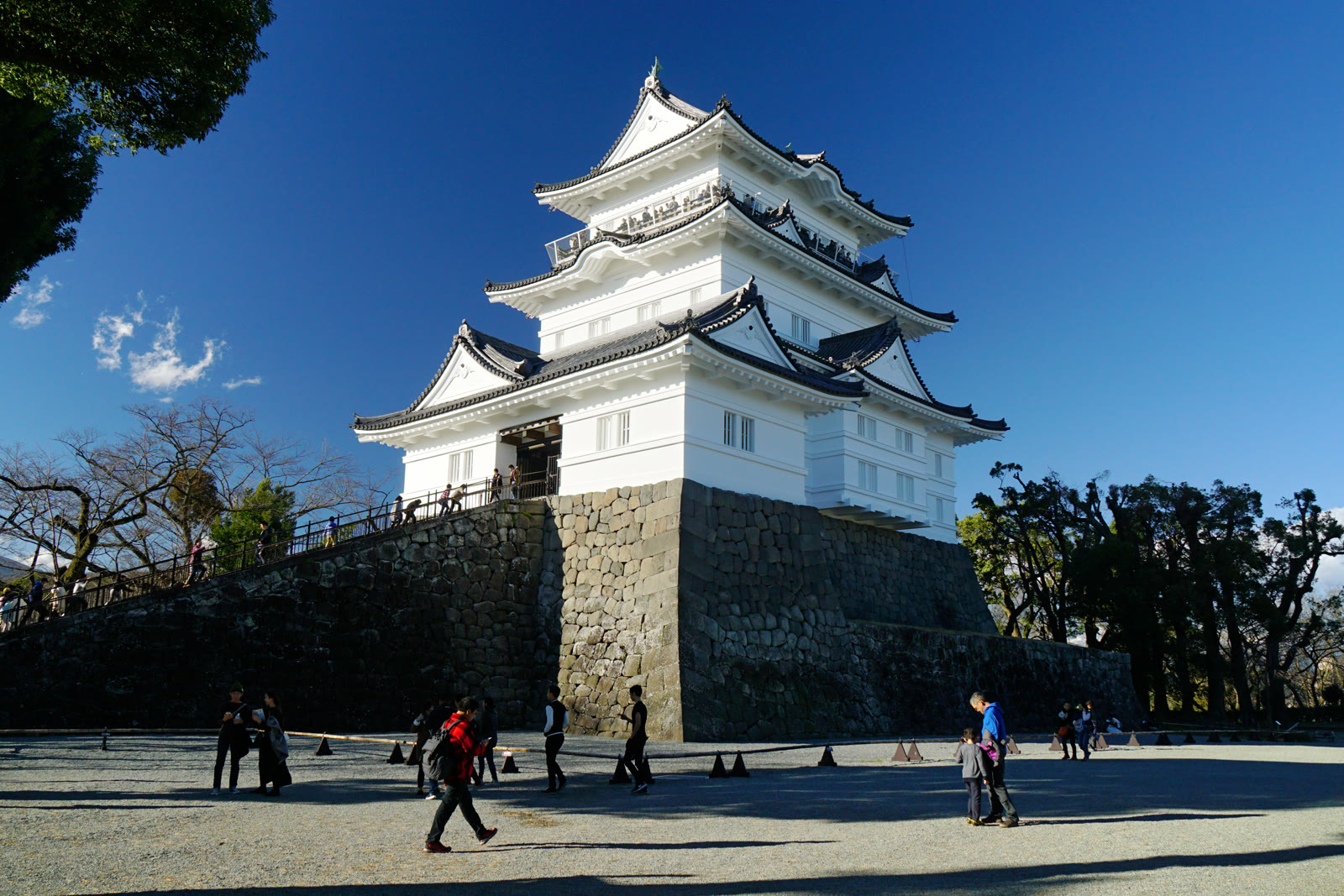
Odawara Castle
6.5 km · straight line
 Tak1701d / Public domain
History · Kanagawa★
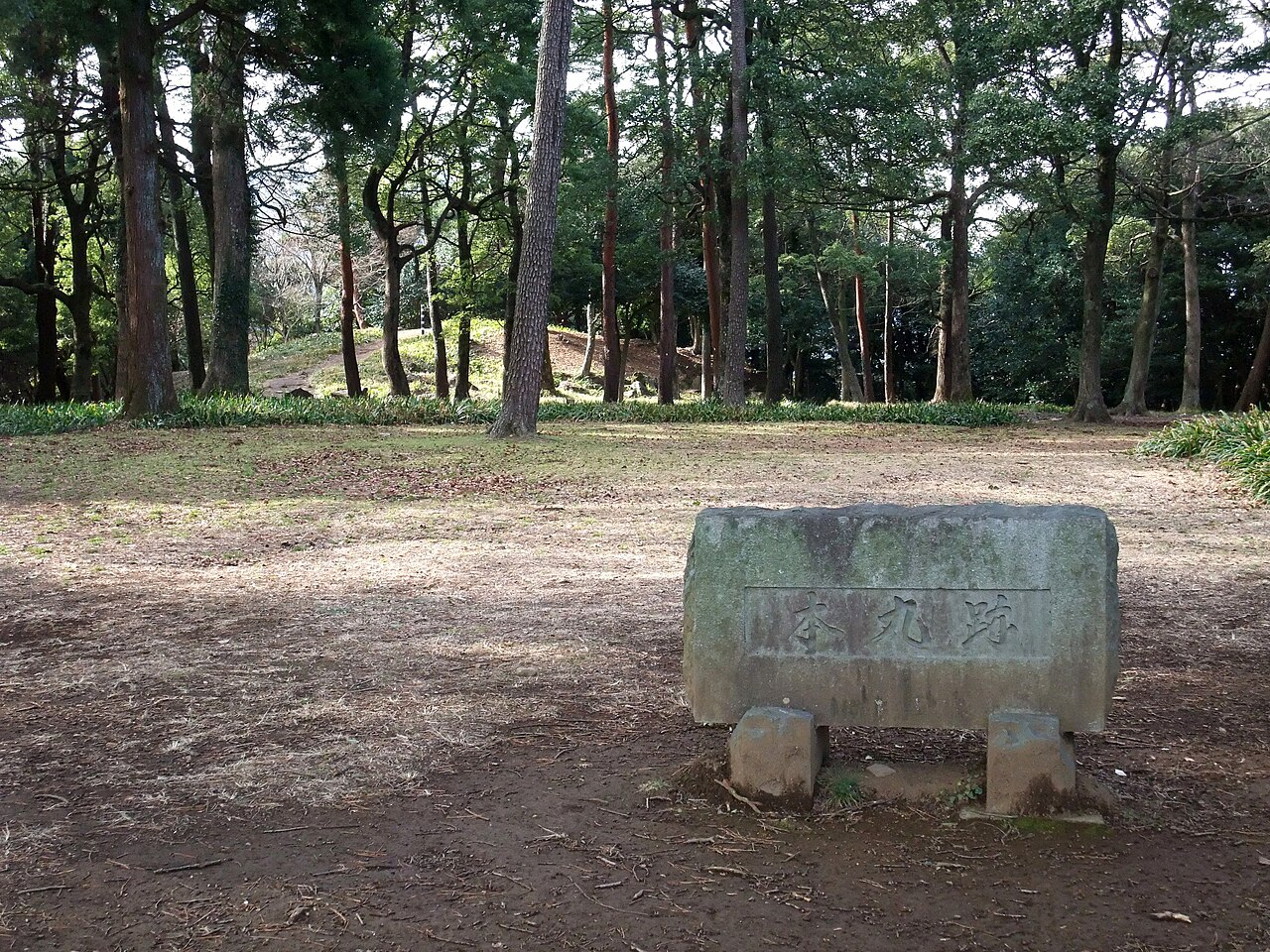
Ishigakiyama Ichiya Castle
9.2 km · straight line
 Quercus acuta / CC BY-SA 4.0
Onsen · Kanagawa★
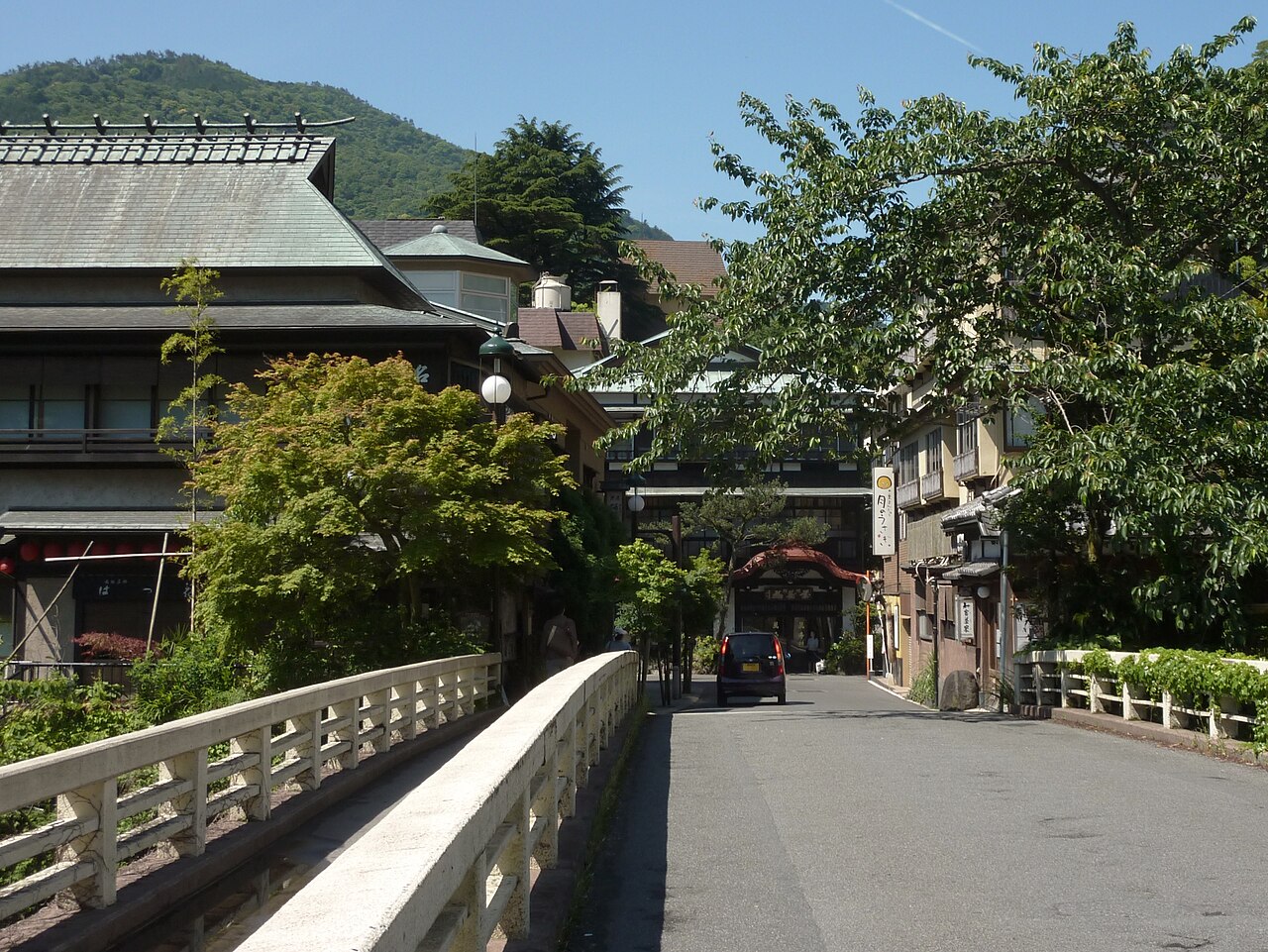
Hakone-Yumoto
11.0 km · straight line
 Nesnad / CC BY 4.0
History · Kanagawa★
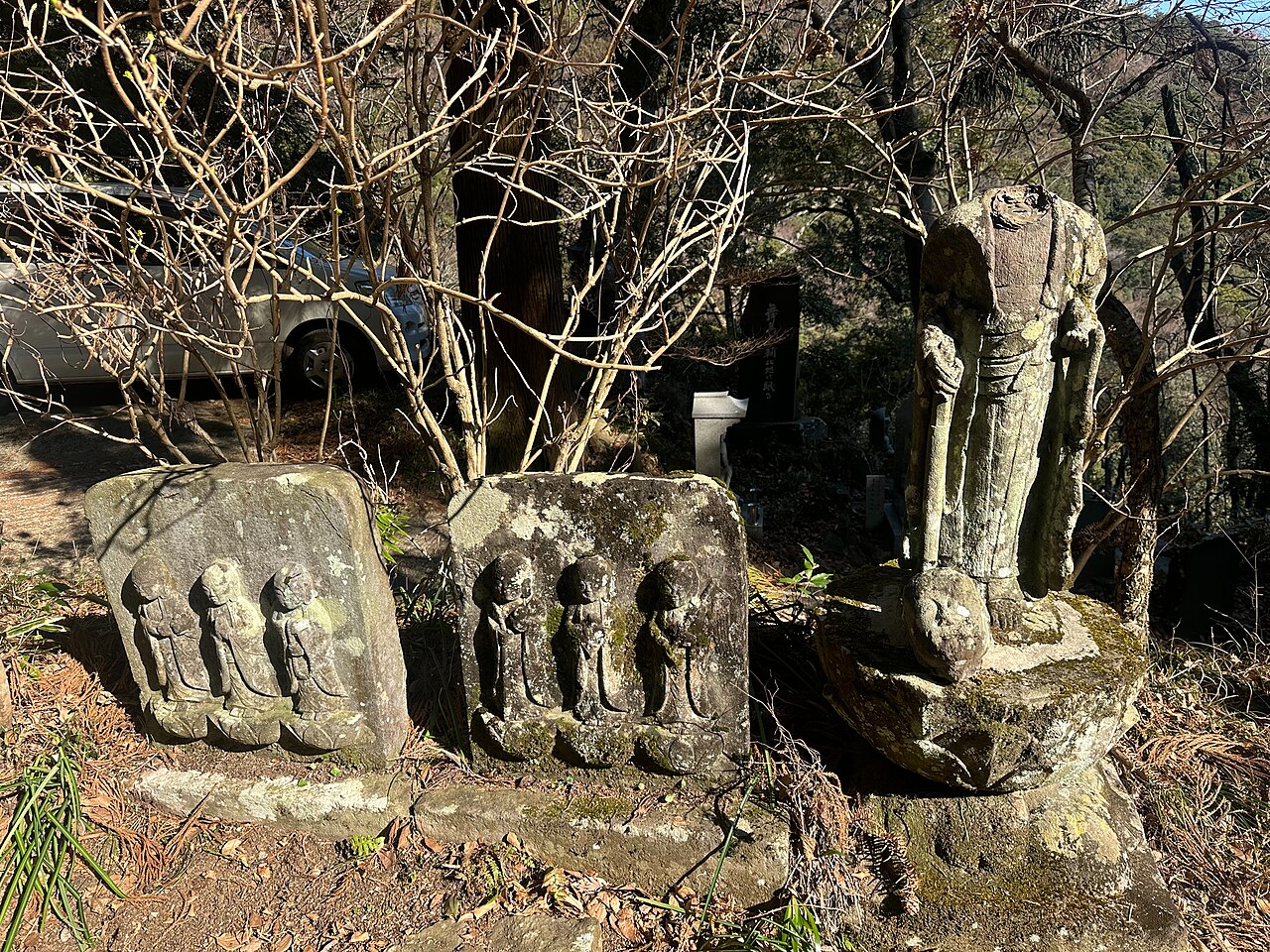
Amidaji
11.1 km · straight line
Distances are straight lines on the map, not travel times.