North Kumamoto · OguniNo.534★★Open in map →
Tsuetate Onsen
— Steam-cooking spa town on the Kumamoto-Oita border
A hot-spring town packed into a river gorge at the northern tip of Kumamoto. The source is hot enough to cook with, so alongside the baths there are public steaming stations out in the lanes, and a maze of stepped alleys behind the main street.
- FromHakata Station
- ~2 h 10 minJR to Hita, then bus
- Get off atTsuetate Onsen terminal (Hita Bus)
- From there
- Tsuetate Onsen
The sweet spot
This is a long-established spa town rather than a secret one, but it has no railway. The only public way in is a bus over the mountains from Hita, which keeps it off the standard Kyushu circuit. What survives as a result is a town in use rather than a town on display: the steaming stations, the bathhouses and the back lanes are all still ordinary equipment here.
Where it is
18 more notes in Kumamoto · open the map →What to look for
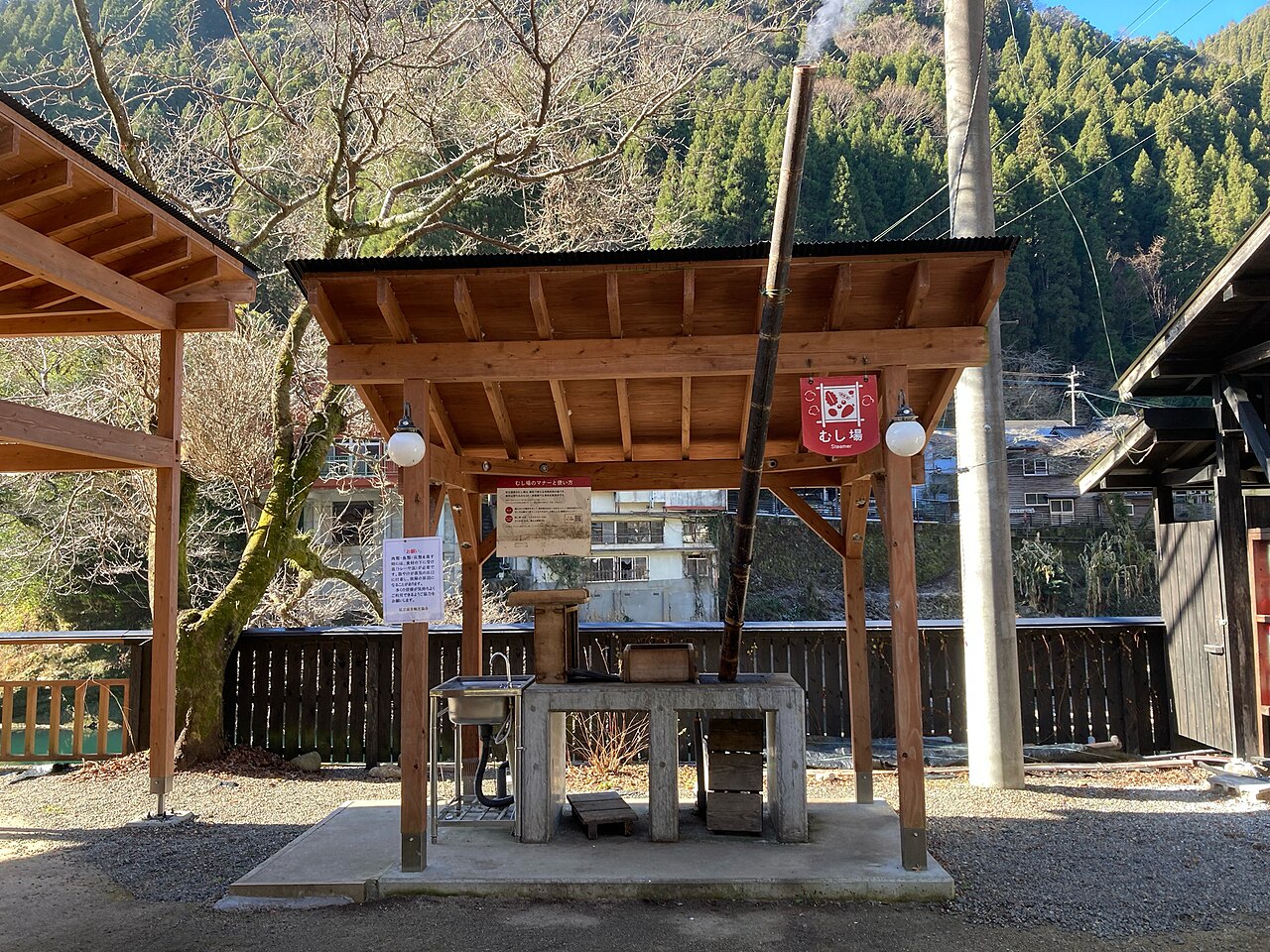
- The steaming stationspublic steam boxes fed straight from the source, used for eggs and vegetables
- Sedoya back lanesstepped alleys behind the main street, linking the riverbank to the houses up the slope
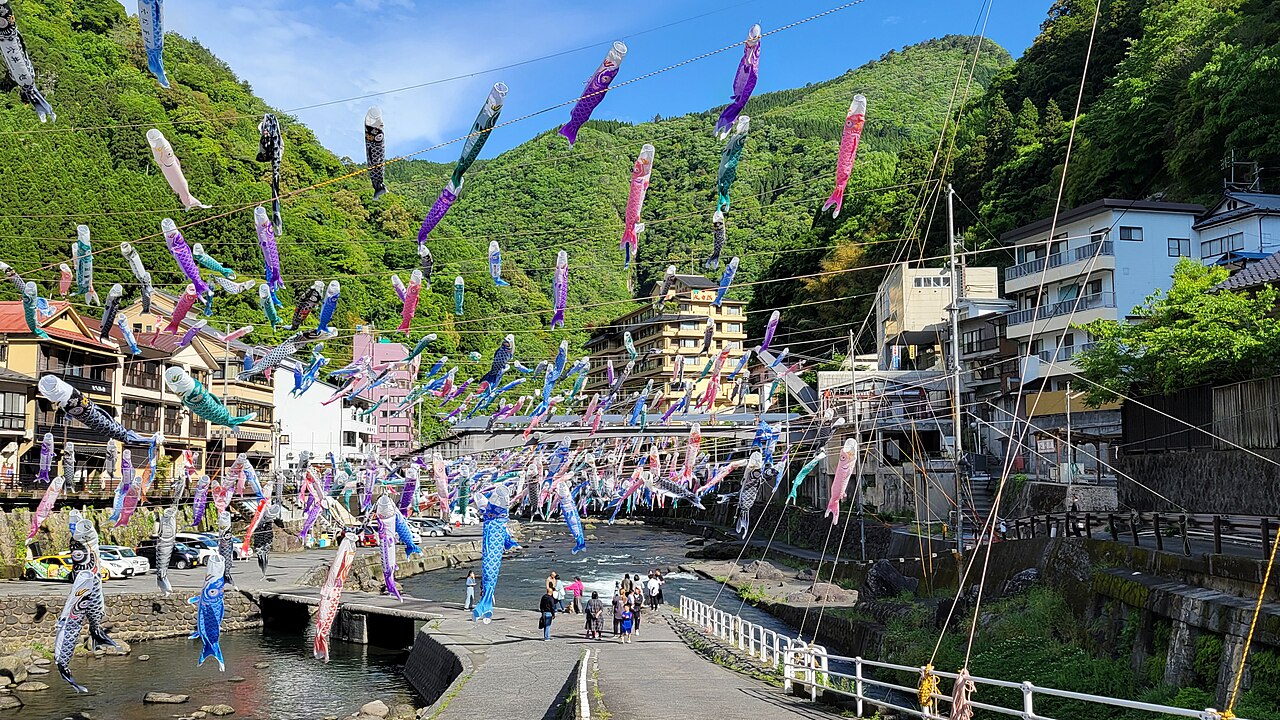
- The Tsuetate Riverthe gorge floor, roofed each spring by roughly 3,500 carp streamers
- The footbath parka riverside park with a footbath, an easy pause between stops
- The public bathhousessmall communal baths in the town itself, separate from the inns
How to actually get there
- Hakata Station → Hita Station (JR Kyudai Main Line).
- Hita Station → Tsuetate Onsen terminal (Hita Bus bound for Tsuetate, ride to the last stop).
- From the terminal, walk about two minutes along the Tsuetate River into the onsen streets.
- JR to Hita, then the Hita Bus
- Hakata Station to Hita Station on the JR Kyudai Main Line, then the Hita Bus bound for Tsuetate to the last stop. The spa association gives about 2 hours 10 minutes for the whole trip. The final leg climbs the gorge on Route 212, so allow for a slow finish.
- Back down the valley to Hita
- Take the Hita Bus from the Tsuetate terminal to Hita Station, then JR on to Hakata. This is a rural mountain route, so read the posted timetable at the terminal when you arrive rather than at the end of the day.
About the place
Tsuetate Onsen fills a narrow gorge in Oguni Town, on the northern rim of the Aso highlands. Its water surfaces unaided at about 98 degrees Celsius — too hot to step into, and hot enough to cook with. That one fact shapes the place. Steam rises through the streets, the inns are built around steam baths as much as soaking tubs, and public steaming stations sit out in the open, used for eggs and vegetables. Behind the shopfronts a lattice of stepped back lanes called sedoya climbs the slope between the riverbank and the houses above. The Tsuetate River runs down the middle of town, and the far bank is already Oita Prefecture.
How to enjoy it
April is the one month the gorge is roofed with carp streamers, but the steam is there all year and is the real reason to come. Plan an unhurried half-day: buy something to steam, set it in one of the steaming stations, and walk the sedoya lanes while it cooks. Note the return bus when you first reach the terminal, then let the town set the pace.
Background & history
Local tradition puts the spring at about 1,800 years old and ties its discovery to an imperial bathing legend. The name is usually explained by a verse attributed to the monk Kukai: those who arrived leaning on a cane left it standing when they went home. The town grew around long therapeutic stays rather than overnight tourism, and in the early twentieth century it was known as the drawing room at the back of Kyushu. The carp streamers over the river are far more recent, added in the late twentieth century and now the town's spring signature.
Before you go
- Cash
- Walking the town, the sedoya lanes and the steaming stations costs nothing. The public bathhouses charge an entry fee and the bus fare is paid on board, so carry cash — this is a small mountain town.
- Good to know
- The lanes behind the main street are stepped and steep, and the footing is poor in rain. Individual bathhouses and inns keep their own days off, so do not build a visit around one particular bath. The carp streamers over the river are a spring display only.
- Another way
- From the Aso side, buses bound for Tsuetate Onsen also run from Aso Station on the JR Hohi Main Line, which pairs the town with a day in the Aso caldera. Drivers come up Route 212, the road that follows the gorge north from Oguni toward Hita.
- After you get off
- The bus terminus sits by the bridge at the north end of town. Cross toward the river and the onsen streets begin within a couple of minutes on foot.
Nearby notes
 Big Ben in Japan / CC BY-SA 2.0
Nature · Kumamoto★★★
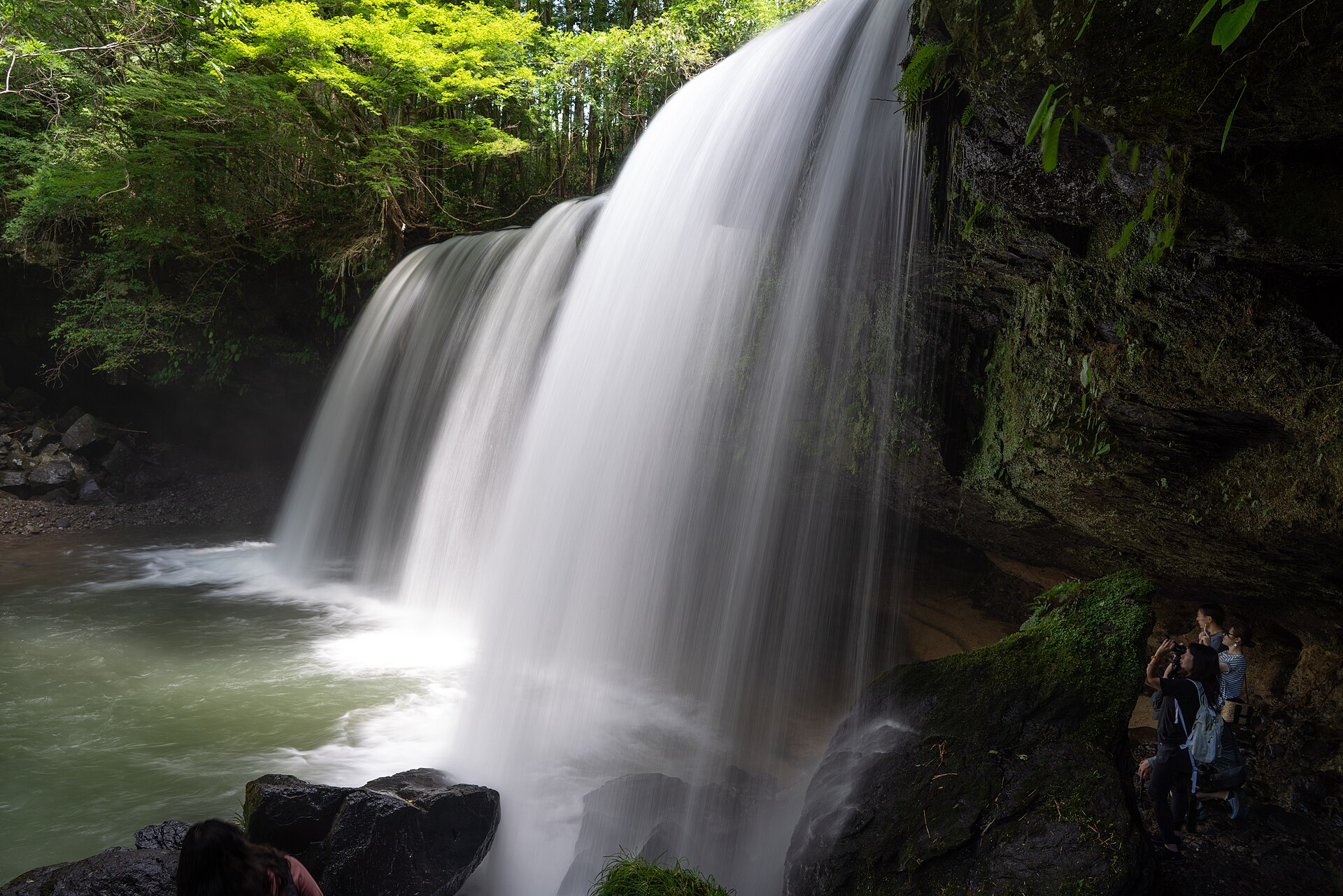
Nabegataki Falls
5.0 km · straight line
 Tzu-hsun, Hsu / CC BY-SA 4.0
Onsen · Kumamoto★★★
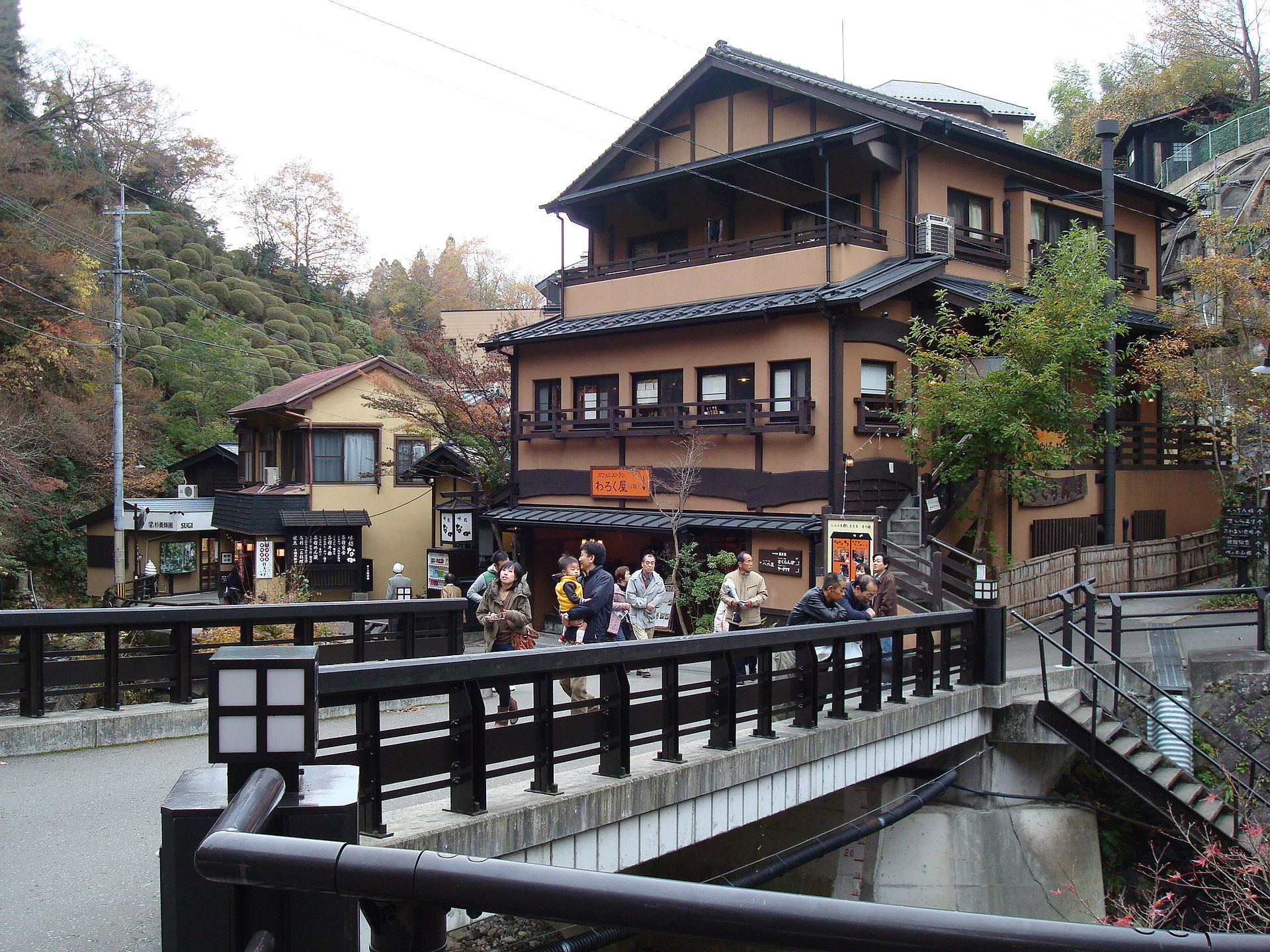
Kurokawa Onsen
15.3 km · straight line
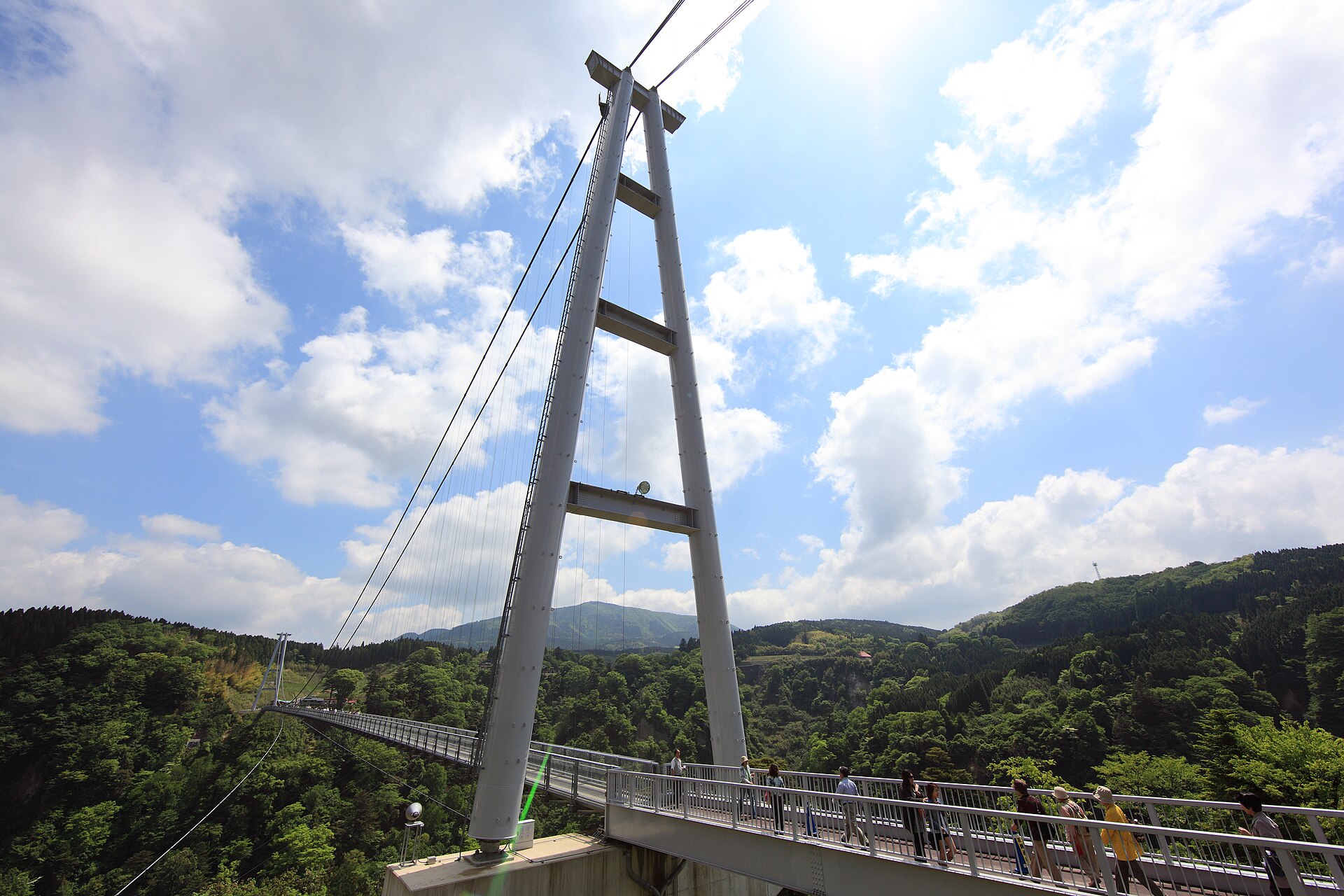 TANAKA Juuyoh (田中十洋) / CC BY 2.0
Nature · Oita★★★
Kokonoe Yume Otsurihashi
17.9 km · straight line
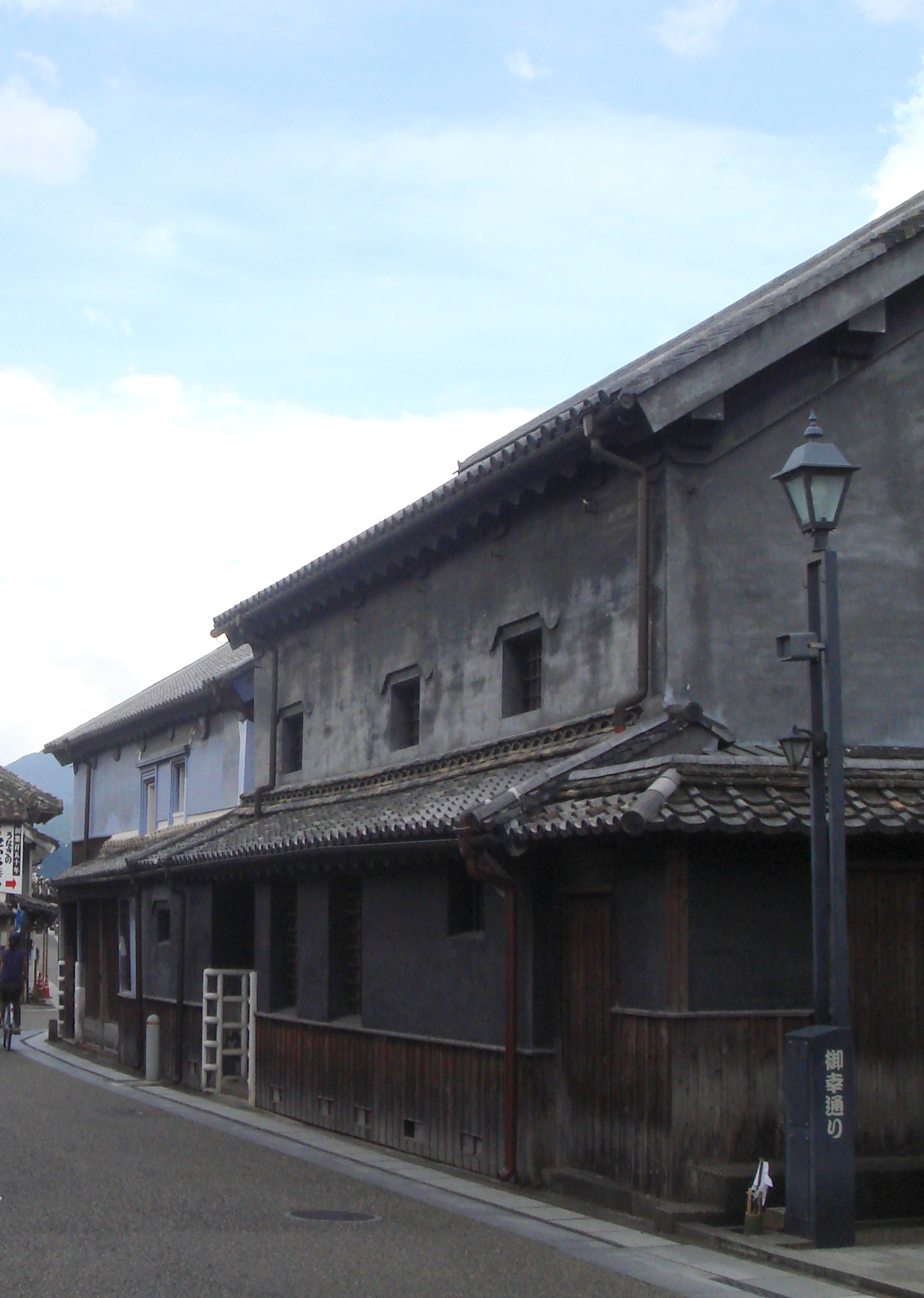 Mukai / CC BY-SA 3.0
History · Oita★★
Hita Mameda-machi
18.5 km · straight line
Distances are straight lines on the map, not travel times.