East Tokyo · ShibamataNo.074★Open in map →
Yagiri no Watashi
— Tokyo's last river ferry
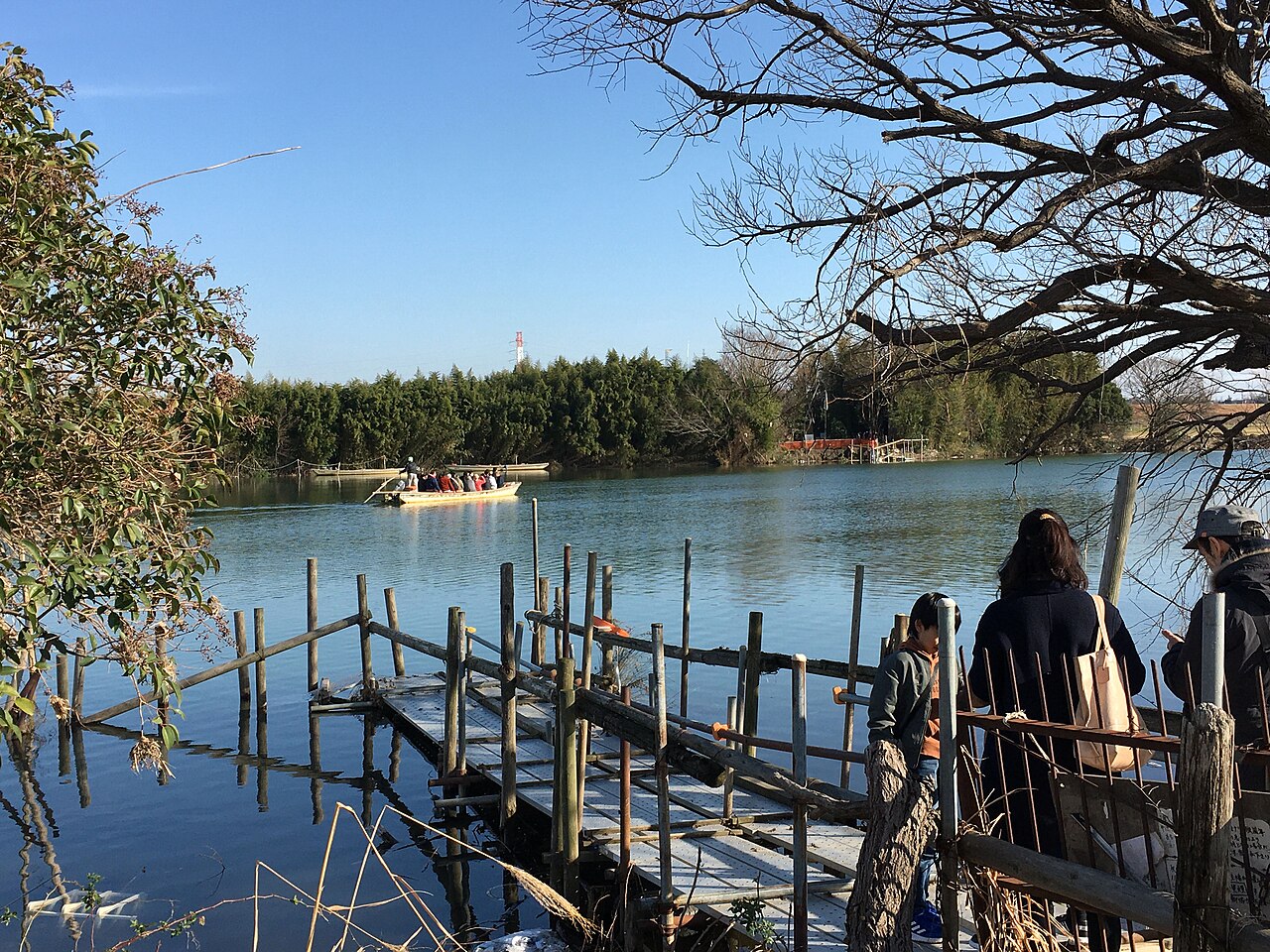
A low wooden boat crossing the Edogawa between Shibamata in Tokyo and the Yagiri bank in Chiba — the only survivor of the Edo-period ferries once permitted around the capital.
- FromKeisei Ueno Stn
- ~30 minboat (weather-dependent)
- Get off atShibamata Stn (Keisei Kanamachi Line)
- On foot
- Yagiri no Watashi
The sweet spot
The Shibamata temple street is on every Tokyo list, but almost no one walks the extra ten minutes down to the river. The ferry runs by weather and river level, not a fixed schedule, so it never fits a packaged tour, and there is little English information about it.
Where it is
77 more notes in Tokyo · open the map →What to look for — in walking order
- Shibamata temple streetthe Taishakuten approach, lined with old shops and snack stalls, en route to the river
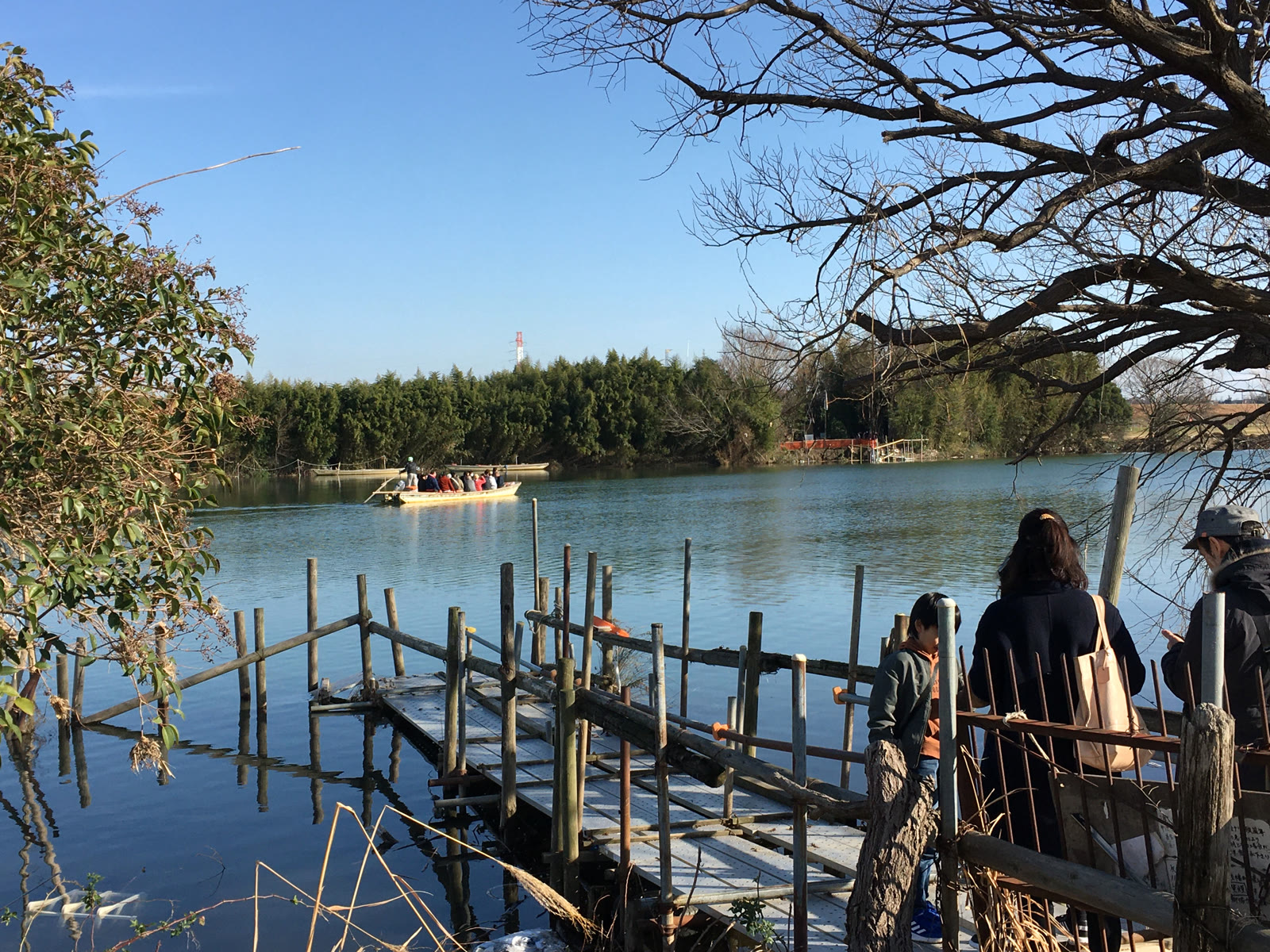
- The river crossinga five-minute ride on a low wooden boat between the Tokyo and Chiba banks of the Edo River
- Yagiri bank (Chiba side)the far shore where Ito Sachio's 1906 novel Nogiku no Haka is set; a stone literary monument marks the spot
- Japan's 100 Soundscapes markerthe ferry and temple area are designated among protected sounds by the Ministry of the Environment
How to actually get there
- Keisei Ueno Stn → Keisei Takasago Stn (Keisei Main Line, ~17 min)
- Keisei Takasago Stn → Shibamata Stn (Keisei Kanamachi Line, ~2 min)
- Shibamata Stn → the ferry landing (walk ~10 min through the temple street to the riverbank)
- Keisei trains via Takasago
- Keisei Ueno Stn →(Keisei Main Line, ~17 min)→ Keisei Takasago Stn → change to the Keisei Kanamachi Line →(~2 min)→ Shibamata Stn → walk ~10 min through the Taishakuten temple street to the riverbank landing. Total about 30 min. Trains are frequent (about every 10-15 min), but the boat runs only in fair weather and has no fixed timetable.
- same way in reverse
- The ferry stops by late afternoon (last runs end around 16:00, weather permitting), so cross back with time to spare. Walk ~10 min back to Shibamata Stn, then take the Keisei Kanamachi Line to Takasago and change for a Keisei Main Line train back into central Tokyo.
About the place
A few minutes' walk past the temple street of Shibamata, the town gives way to the wide, grassy floodplain of the Edogawa. There a narrow wooden boat carries passengers to the Yagiri bank in Matsudo, Chiba, and back, on a route farmers have used since the early Edo period. There is no fixed timetable and no ticket window — the boatman waits until enough passengers gather, then sets off for a crossing of about five minutes. The boat keeps its old low, simple shape; an outboard motor assists when weather or river conditions make hand-rowing impractical. Most visitors ride over and straight back, going for the crossing itself rather than the far shore. Together with Shibamata Taishakuten temple, the ferry is listed among Japan's 100 Soundscapes by the Ministry of the Environment.
How to enjoy it
Walk the Taishakuten temple street from Shibamata Station, then continue to the riverbank. No timetable — allow time to wait until a boatload gathers. The ferry runs roughly 10:00 to 16:00: daily from mid-March through November, and on weekends and holidays through the winter, weather permitting. The adult fare is about 300 yen each way, cash only on board.
Background & history
The crossing dates to the early Edo period, when the Tokugawa shogunate avoided building bridges near the capital for defensive reasons but allowed farmers with fields on the far bank to run their own ferries. Yagiri was one of about fifteen such crossings along the Tone River system. The Sugiura family has served as boatmen since around the early Meiji period. The route was made famous by Ito Sachio's 1906 novel Nogiku no Haka, set near Yagiri, and again by the popular 1983 song "Yagiri no Watashi."
Before you go
- Cash
- The boat fare is cash only, paid on board — carry small coins (about 300 yen per adult, each way).
- Good to know
- The ferry runs only in fair weather; high water or strong wind can cancel it with no notice. In winter it runs only on weekends, holidays, and Koshin days.
- Another way
- If the boat is not running, the riverbank path and the Yamamototei garden house near the temple are still worth the walk.
- After you get off
- From Shibamata Stn, walk through the Taishakuten temple street, past the temple, and out to the river embankment — about 10 min. The landing is down on the grass bank.
Nearby notes
 Aimaimyi / CC BY-SA 3.0
Local life · Tokyo★★
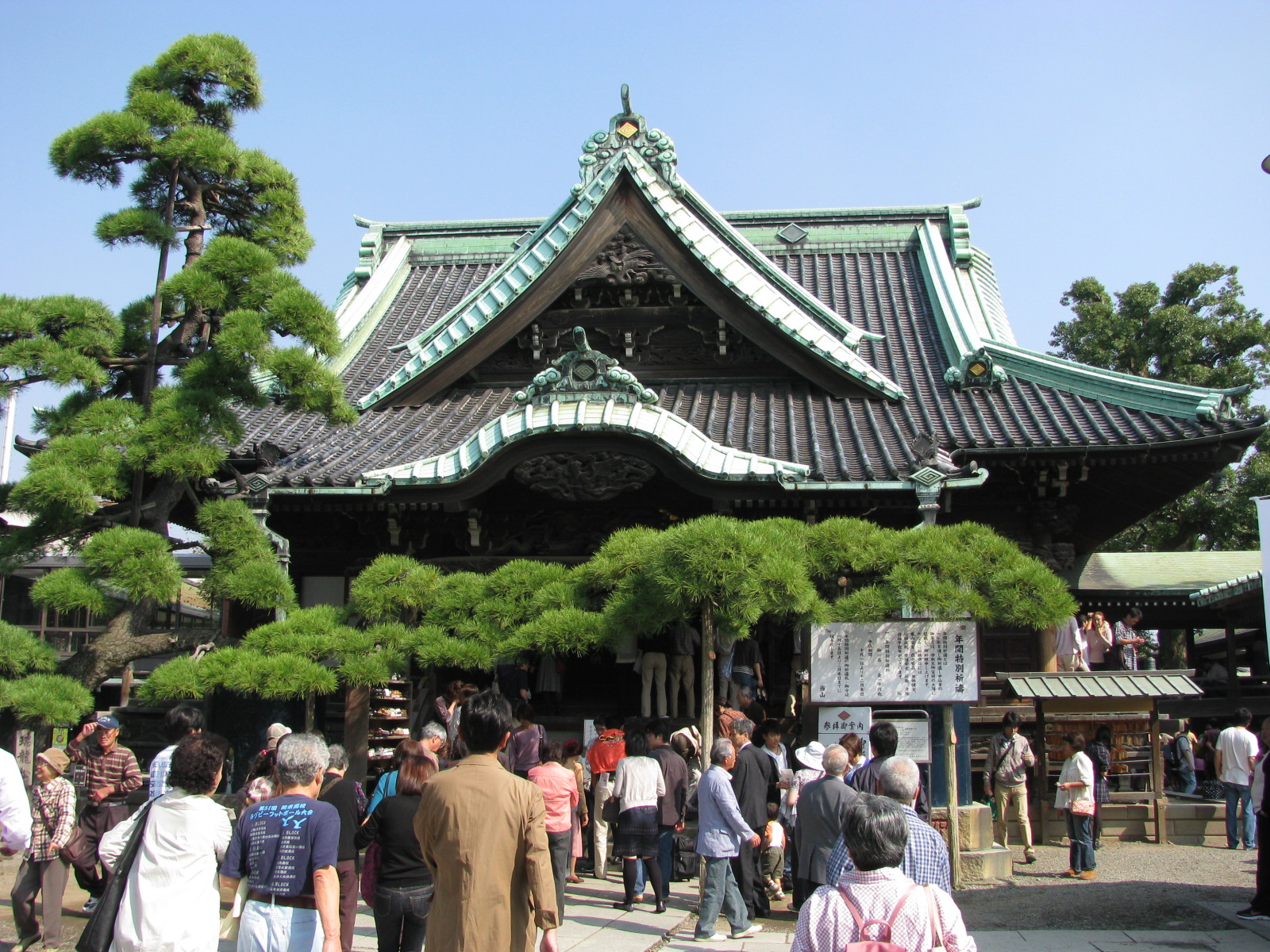
Shibamata Taishakuten
0.4 km · straight line
 Wiiii / CC BY-SA 3.0
History · Chiba★★
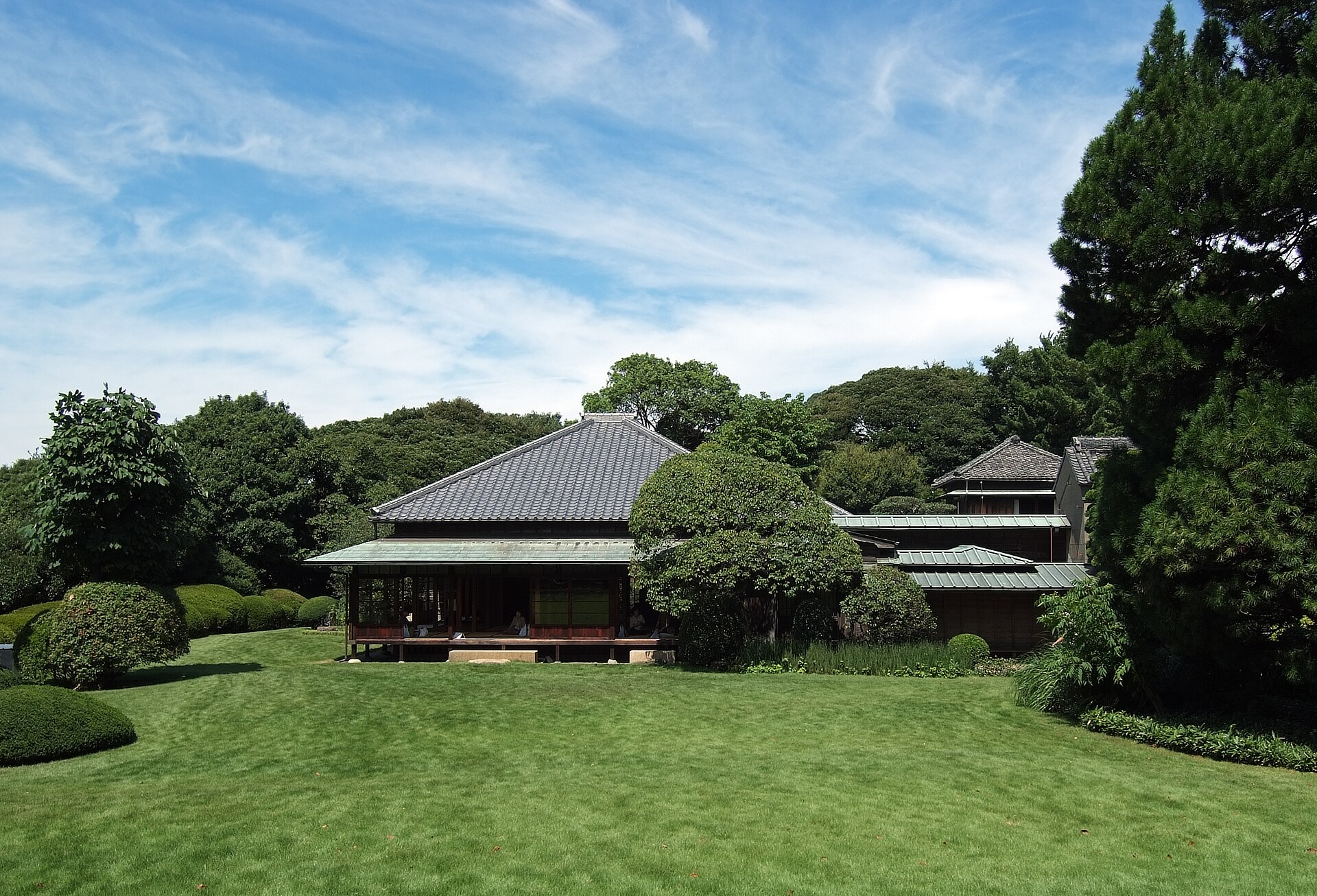
Tojo-tei Residence
2.5 km · straight line
 くろふね / CC BY 4.0
History · Chiba★★
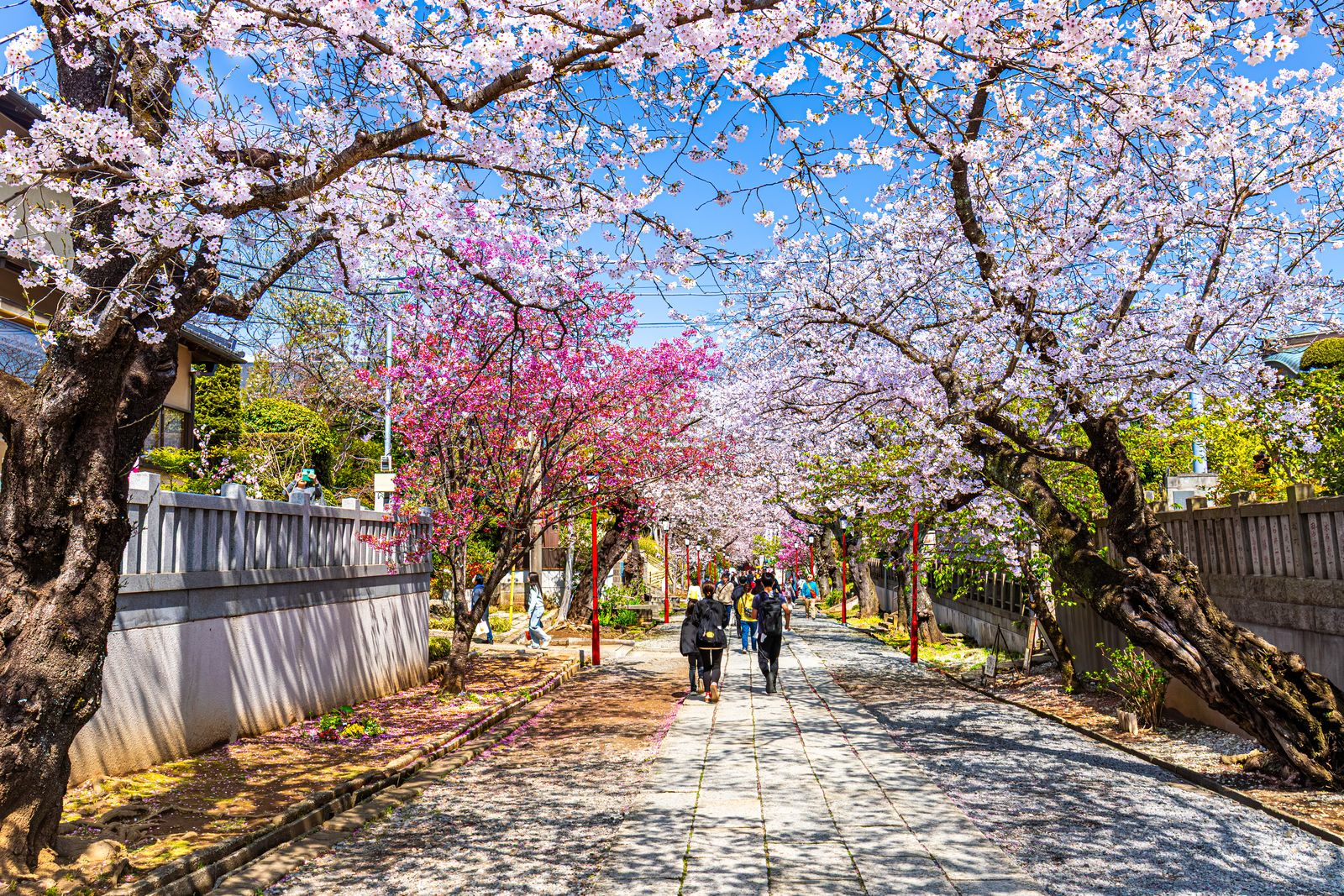
Nakayama Hokekyoji Temple Approach
7.4 km · straight line
 墨田区 / CC BY 2.1 jp
Local life · Tokyo★★★
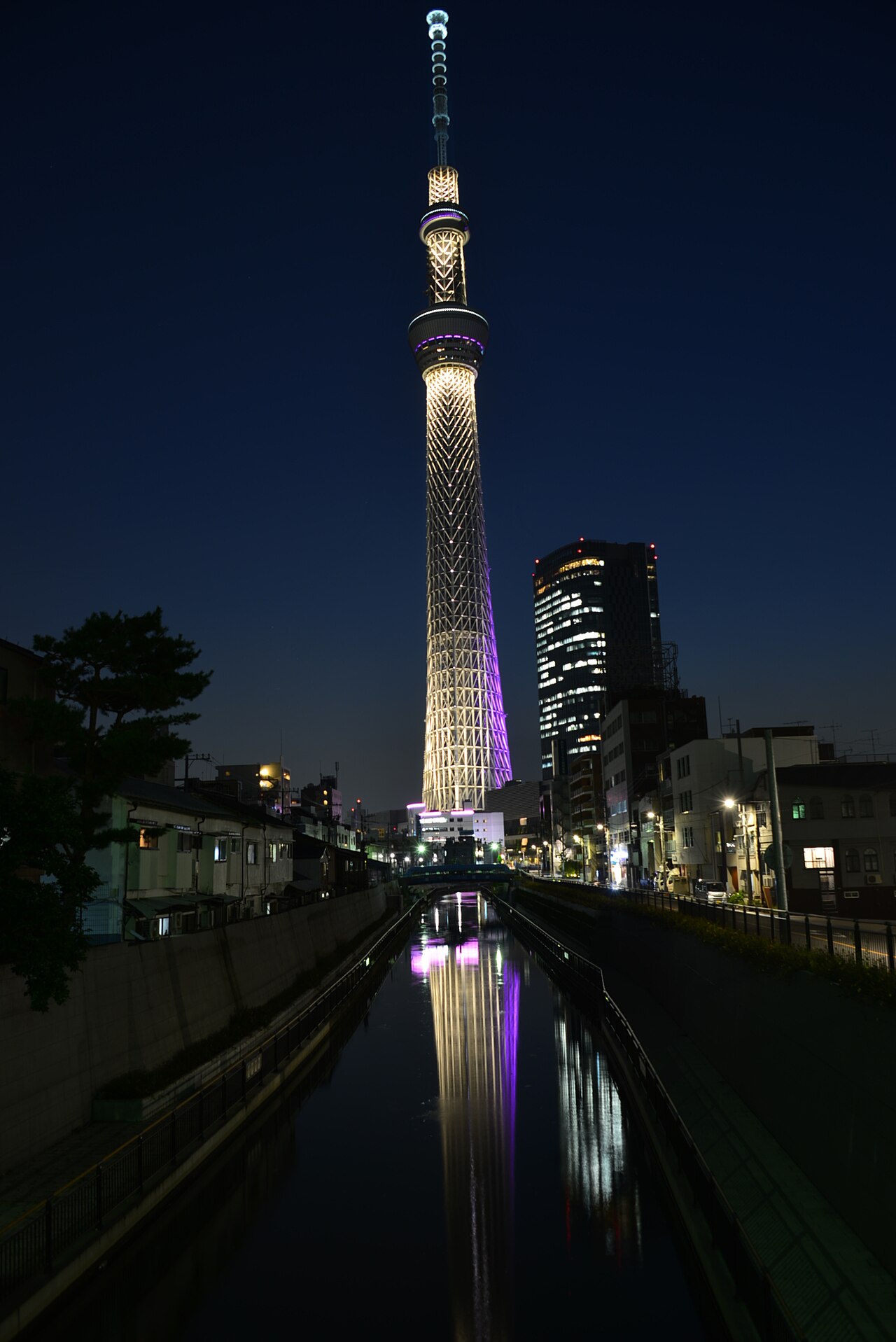
Jukken Bridge
8.1 km · straight line
Distances are straight lines on the map, not travel times.