Kanagawa · YokohamaNo.399★★★Open in map →
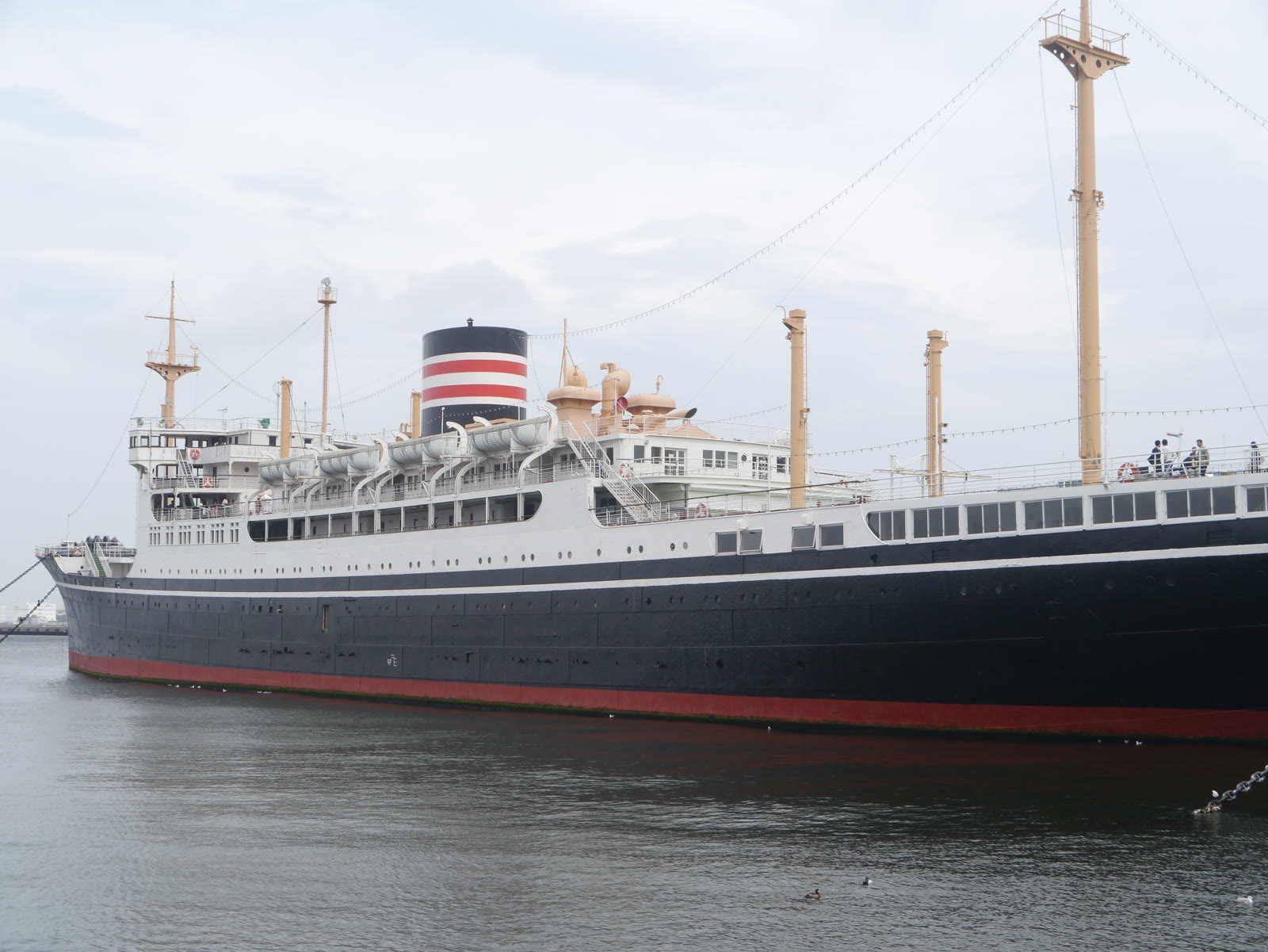
Yamashita Park and the Hikawa Maru
— a 1930 liner moored at the seafront
Yokohama's harbourfront park, created by reclaiming the sea with debris from the 1923 earthquake, with the 1930 liner Hikawa Maru moored permanently alongside. The ship is an Important Cultural Property and can be boarded.
- FromTokyo Stn
- ~40 minMinatomirai Line, 5-min walk
- Get off atMotomachi-Chukagai Station (Minatomirai Line)
- On foot
- Yamashita Park and the Hikawa Maru
Where it is
43 more notes in Kanagawa · open the map →What to look for — in walking order
- Boarding the Hikawa Maruthe 1930 liner open to walk through, from the first-class saloon down to the engine room; an Important Cultural Property since 2016
- The art deco interiorsthe first-class dining room and grand staircase, preserved with the fittings from her Seattle-route years
- The harbour promenadethe seawall walk along the park with the container terminal and Bay Bridge across the water
- The Girl with Red Shoes statue and Indian Water Towertwo small monuments in the park, the latter a gift from Yokohama's Indian community after the 1923 earthquake
How to actually get there
- Tokyo Stn → Yokohama Stn (JR Tokaido or Keihin-Tohoku Line, ~30 min).
- Yokohama Stn → Motomachi-Chukagai Stn (Minatomirai Line, ~8 min).
- Station exit 4 → Yamashita Park seawall → board the Hikawa Maru (walk, ~5 min).
- Walk the promenade west toward the Red Brick Warehouse and Minatomirai.
- Tokyo Stn → Motomachi-Chukagai Stn, then walk
- From Tokyo Station take the JR Tokaido or Keihin-Tohoku Line to Yokohama, then the Minatomirai Line to Motomachi-Chukagai, about 40 minutes in total. Alternatively the Tokyu Toyoko Line from Shibuya runs through onto the Minatomirai Line without a change. From the station it is about 5 minutes on foot to the park and the ship.
- Motomachi-Chukagai Stn → Tokyo Stn
- Reverse via Yokohama Station, or stay on the Minatomirai Line through to the Tokyu Toyoko Line for Shibuya without changing. Trains run late; the park itself has no closing time.
About the place
Yamashita Park is the strip of green along Yokohama's harbour, and its ground is not natural. After the Great Kanto Earthquake flattened the city in 1923, the rubble had to go somewhere, and Yokohama used it to reclaim this stretch of seafront; the park opened in 1930 on top of it. Moored permanently at the quay is the Hikawa Maru, a passenger-cargo liner built the same year for Nippon Yusen's Seattle route. She carried passengers across the Pacific in the 1930s, was requisitioned as a hospital ship in the war, struck mines three times and came through, then returned to the Seattle run until retirement. She was designated an Important Cultural Property in 2016 and is open to walk through: the first-class dining saloon and staircase retain their art deco interiors, and the engine room is intact below. The combination is what makes this stretch worth an hour rather than ten minutes — a park made of a destroyed city, and against it a ship that survived the war the city did not.
How to enjoy it
Combine it with the neighbourhood rather than treating it as a stop: Motomachi-Chukagai Station puts you between Chinatown and the park, so the natural line is Chinatown for lunch, the park and the ship in the afternoon, then the Red Brick Warehouse and Minatomirai on foot along the water. The ship charges a modest admission and takes about 40 minutes to walk through properly, including the engine room, which most visitors skip and which is the best part. The park is free and open at all hours; the harbour is worth seeing after dark when the Bay Bridge is lit.
Background & history
The Great Kanto Earthquake of 1923 destroyed most of Yokohama, and the debris was used to reclaim the waterfront that became Yamashita Park when it opened in 1930. The Hikawa Maru was launched the same year for Nippon Yusen's Yokohama-Seattle service and became known for her art deco interiors. Requisitioned during the Second World War, she served as a hospital ship and struck mines on three occasions without being lost — an unusual survival rate for Japanese shipping of the period. She resumed the Seattle route after the war, retired in 1960, and has been moored at Yamashita Park since. Her designation as an Important Cultural Property came in 2016.
Before you go
- Cash
- The park is free. Boarding the Hikawa Maru has a modest admission charged at the gangway. IC cards work on all the trains and at most ticket counters. Chinatown next door is mixed card and cash.
- Good to know
- The ship closes on Mondays (the following day when Monday is a public holiday) and in bad weather, with last boarding before closing time. The engine room involves steep companionway stairs. The park is exposed to the harbour wind and is markedly colder than inland Yokohama in winter.
- Another way
- JR Ishikawacho Station on the Negishi Line is about 15 minutes' walk via Chinatown. The Akai Kutsu loop bus runs between Sakuragicho, the Red Brick Warehouse and Yamashita Park.
- After you get off
- From Motomachi-Chukagai Station take exit 4 toward the water; the park is straight ahead and the Hikawa Maru is moored at the centre of the seawall, about 5 minutes away.
Nearby notes
 Aimaimyi / CC BY-SA 3.0
Food · Kanagawa★★
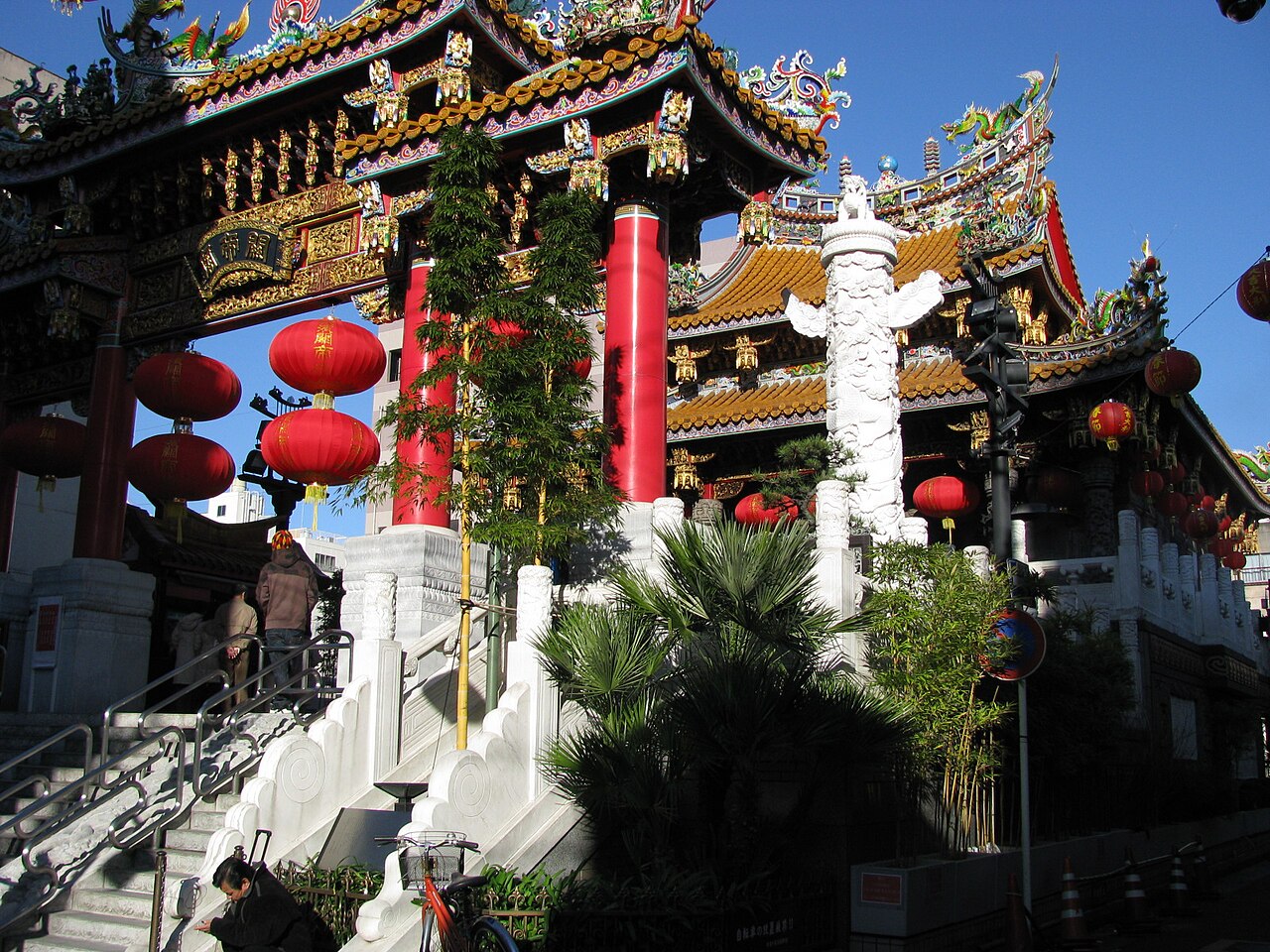
Yokohama Chinatown
0.4 km · straight line
 Fred Cherrygarden / CC BY-SA 4.0
History · Kanagawa★★
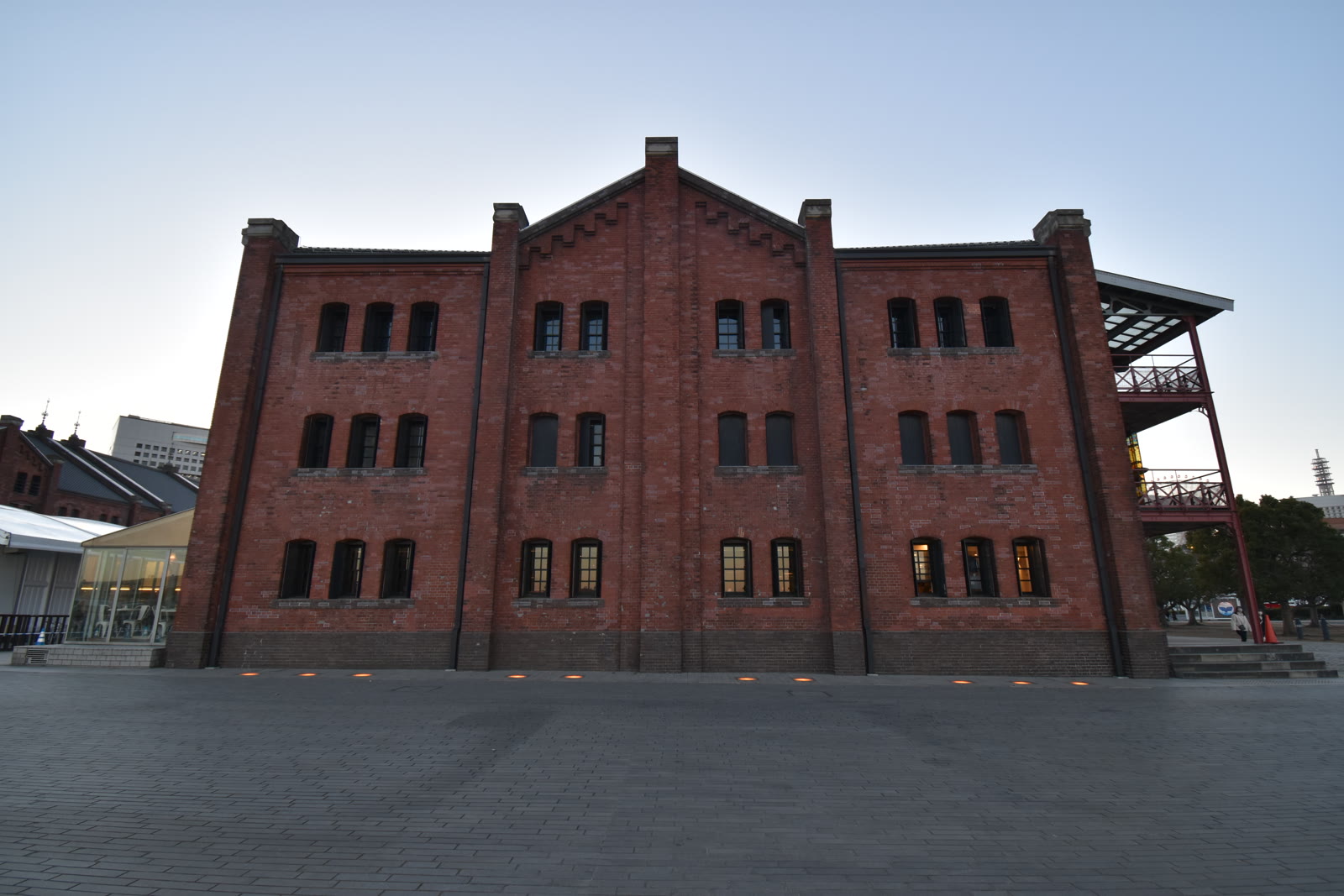
Yokohama Red Brick Warehouse
1.0 km · straight line
 Kakidai / CC BY-SA 4.0
Food · Kanagawa★
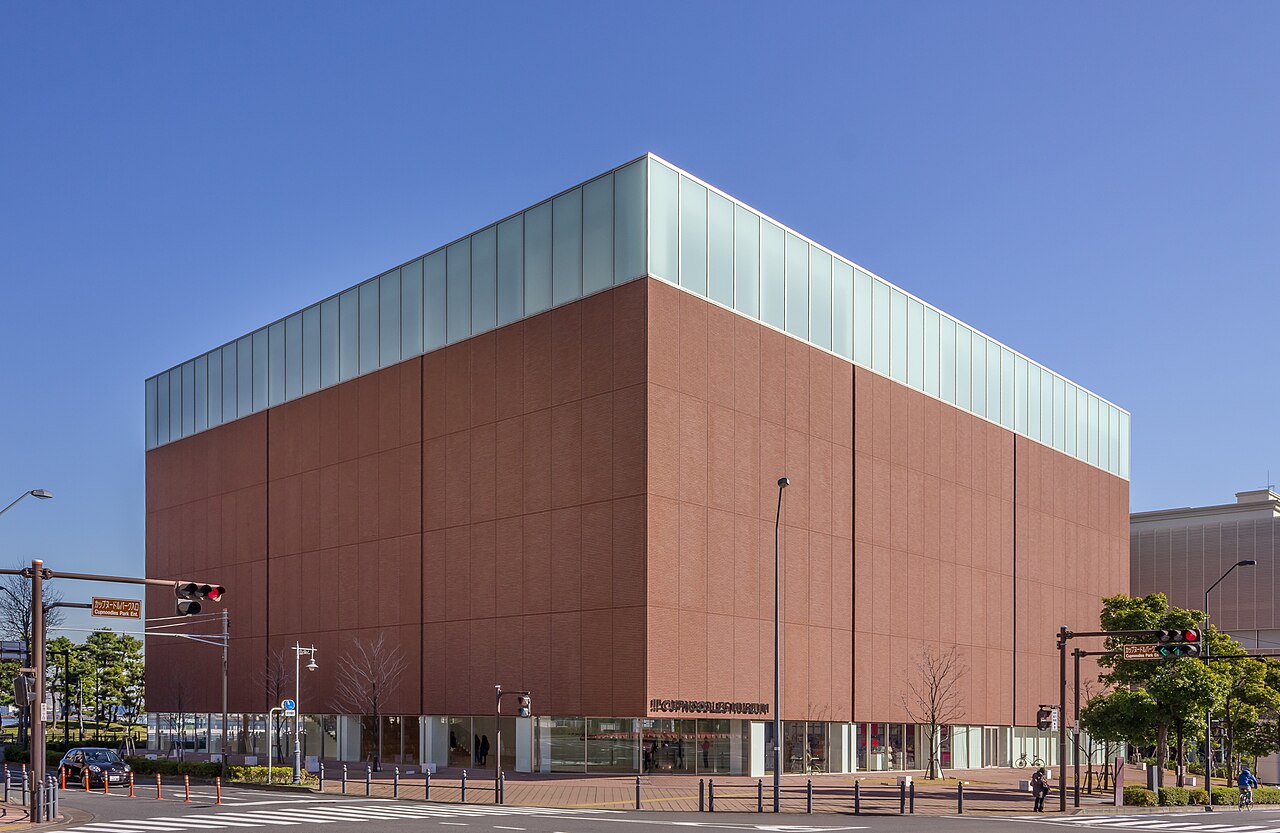
The Cupnoodles Museum in Yokohama
1.6 km · straight line
 Thirteen-fri / CC BY-SA 3.0
Local life · Kanagawa★★★
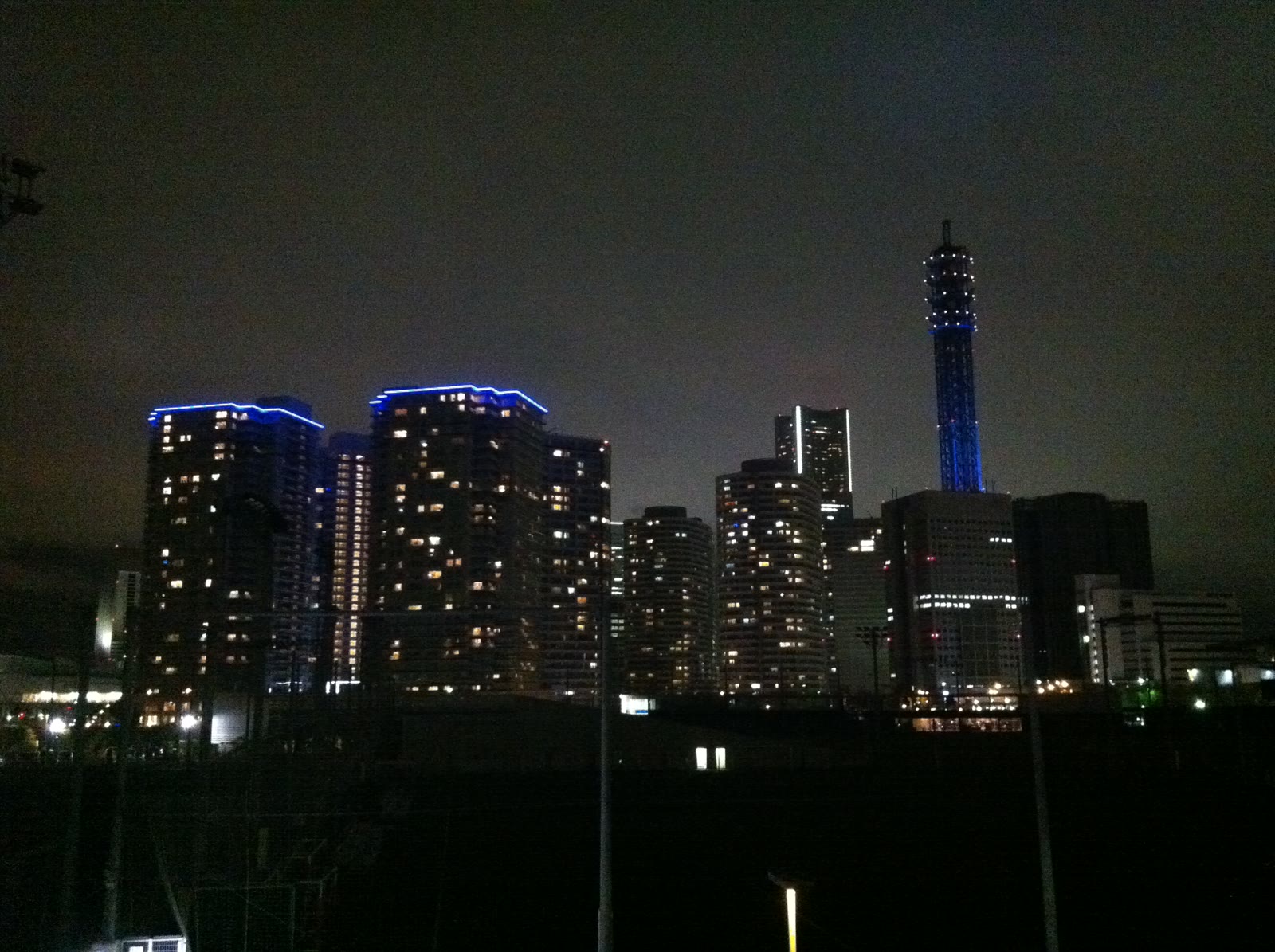
Yokohama Minato Mirai 21
2.1 km · straight line
On a curated routeYokohama, Garden to Harbour →
Distances are straight lines on the map, not travel times.