Kanagawa · Yokohama Naka-kuNo.145★★Open in map →
Yokohama Chinatown
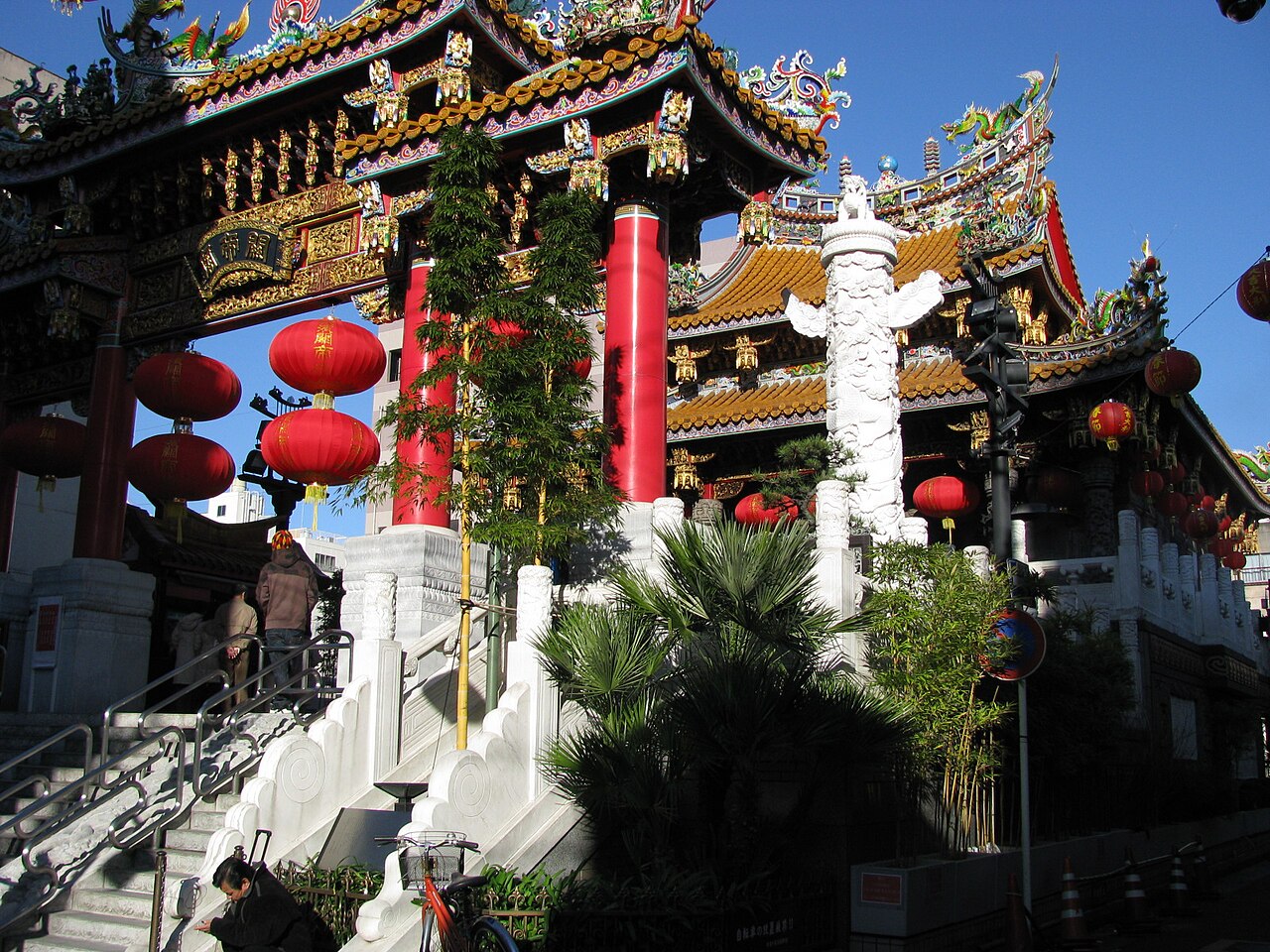
A dense grid of Chinese restaurants, shops and the ornate Kanteibyo temple, all grown from Yokohama's 1859 port opening.
- FromTokyo Stn
- ~45 mintrain direct
- Get off atMotomachi-Chukagai Station
- On foot
- Yokohama Chinatown
Where it is
43 more notes in Kanagawa · open the map →What to look for — in walking order
- Decorative gates (paifang)colourful Chinese gateways marking the district entrances
- Grid of streets and lanesseveral hundred restaurants and shops in a compact, walkable area
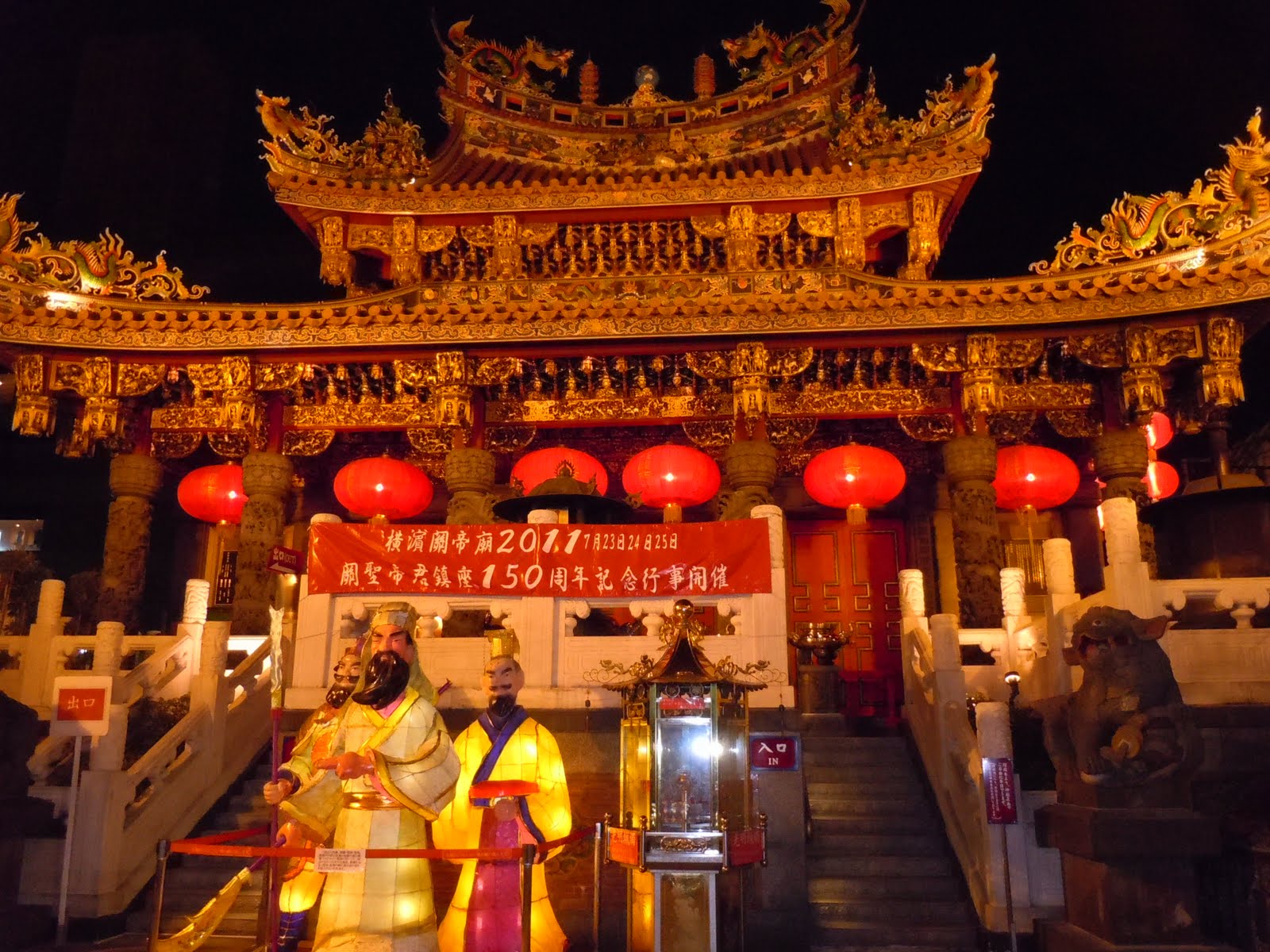
- Kanteibyo templeornate Chinese temple dedicated to Guan Yu, first built as a shrine in 1862
- Dim sum and yum chaCantonese small dishes in bamboo steamers, eaten with tea — the signature of this district
How to actually get there
- Tokyo Station → Yokohama Station (JR Keihin-Tohoku / Negishi Line, ~30 min)
- Yokohama Station → Motomachi-Chukagai Station (Minatomirai Line, ~8 min)
- Motomachi-Chukagai Station → Chinatown gates and Kanteibyo-dori (on foot, a few minutes on flat streets)
- JR to Yokohama, then Minatomirai Line
- Tokyo Station →(JR Keihin-Tohoku / Negishi Line, ~30 min)→ Yokohama Station →(Minatomirai Line, ~8 min)→ Motomachi-Chukagai Station. Total about 45 min, one transfer, roughly 760 yen. This is a city metro line, so trains run every few minutes all day.
- Return by the same route
- Take the same route in reverse from Motomachi-Chukagai Station. Trains run frequently until late at night, so no fixed last-connection to plan around. Dim sum is mainly a midday food, so many restaurants serve it best around late morning and early afternoon; check each restaurant's hours before you go.
About the place
When Yokohama's port opened in 1859, Chinese merchants and craftsmen settled in what is now Yamashita-cho, and the district gradually became the largest Chinatown in Japan. Today several hundred Chinese restaurants and shops are packed into a compact, walkable grid of streets and back lanes. Most residents trace their roots to Guangzhou and Hong Kong, which is why the cooking here is mainly Cantonese and why dim sum — small dishes served in bamboo steamers — is the defining part of the food. Several long-established restaurants have brought in chefs from Hong Kong.
How to enjoy it
Come hungry and treat it as a grazing walk rather than a single sit-down meal. Dim sum is a highlight, so look for restaurants serving bamboo-steamer dishes with tea, and give yourself time to wander the side lanes between the main streets.
Background & history
The Port of Yokohama opened in 1859, and the Chinese community that formed nearby developed into the neighbourhood seen today. At its heart stands Kanteibyo, a temple dedicated to Guan Yu — a 3rd-century general honoured as a guardian of business and prosperity. A small shrine holding a wooden statue was set up in 1862, with a full temple following in 1871. The temple has been rebuilt several times after the 1923 Great Kanto Earthquake and wartime air raids.
Before you go
- Cash
- Trains take IC cards such as Suica or Pasmo, or paper tickets. Many restaurants accept cards, but some smaller shops in the back lanes are cash only, so carry some cash.
- Good to know
- There is no single closing day for the whole district. Opening hours differ by restaurant, so check each one. The busiest times are weekend lunch hours and the week of Chinese New Year.
- Another way
- You can also take the JR Negishi Line to Ishikawacho Station (~7 min from Yokohama Station), which is a short walk to the Chinatown gates and skips the separate Minatomirai Line fare.
- After you get off
- From Motomachi-Chukagai Station, follow the Chinatown exit signs. The Chinatown gates are right at the station, and the whole district is a flat, walkable grid from there; walk in and turn toward Kanteibyo-dori street for the temple and the quieter back lanes.
Nearby notes
 Zairon / CC BY-SA 4.0
History · Kanagawa★★★
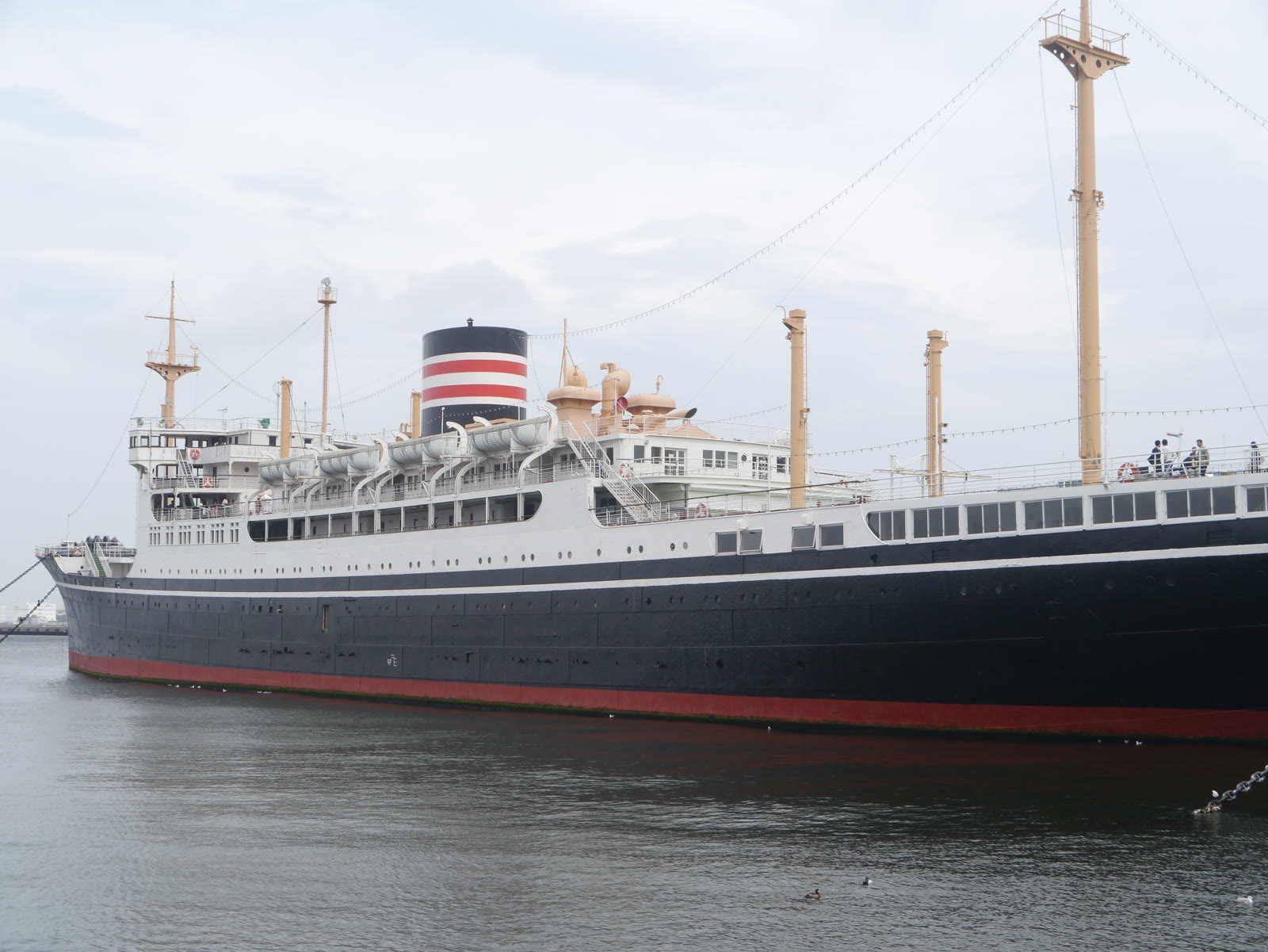
Yamashita Park and the Hikawa Maru
0.4 km · straight line
 Fred Cherrygarden / CC BY-SA 4.0
History · Kanagawa★★
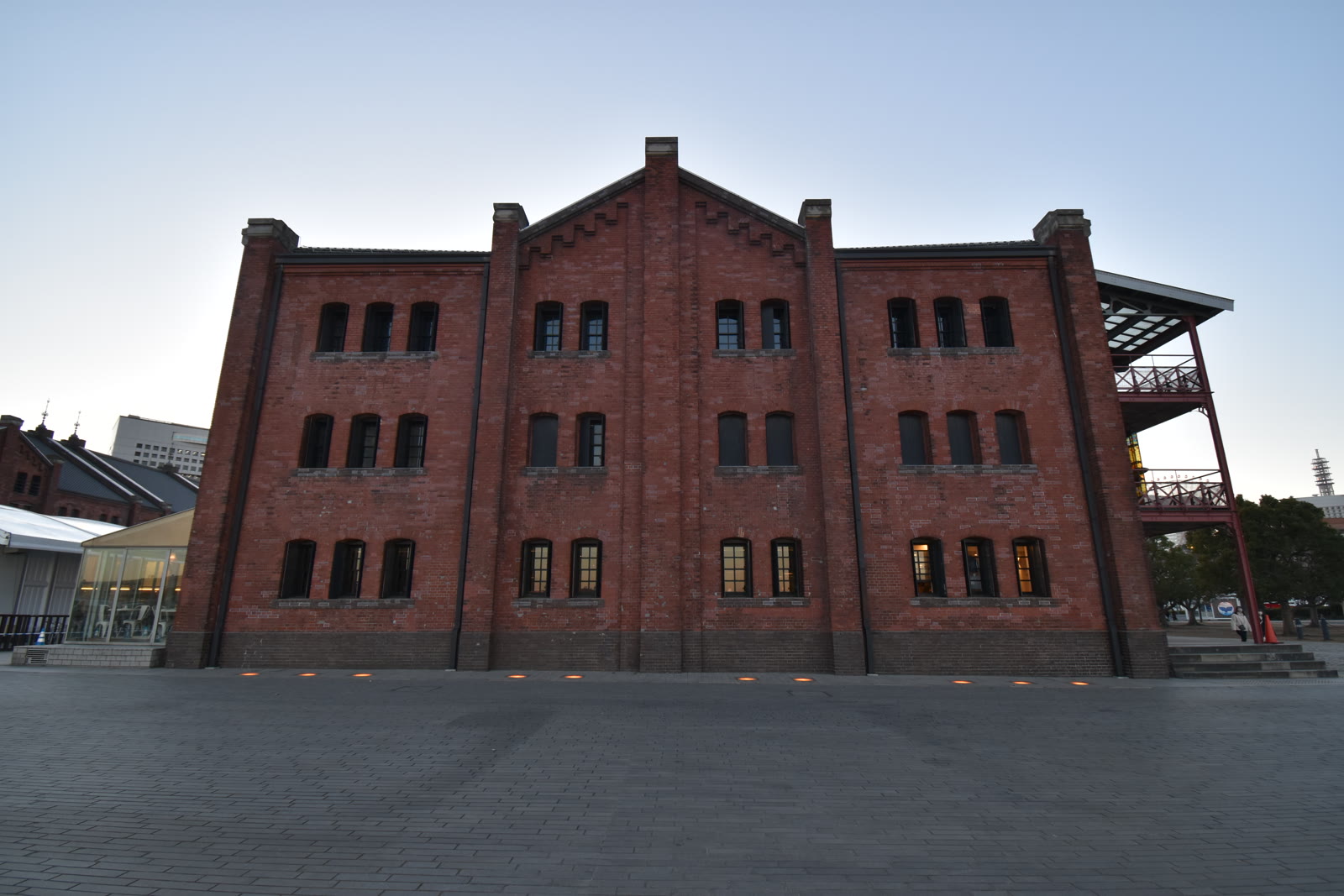
Yokohama Red Brick Warehouse
1.1 km · straight line
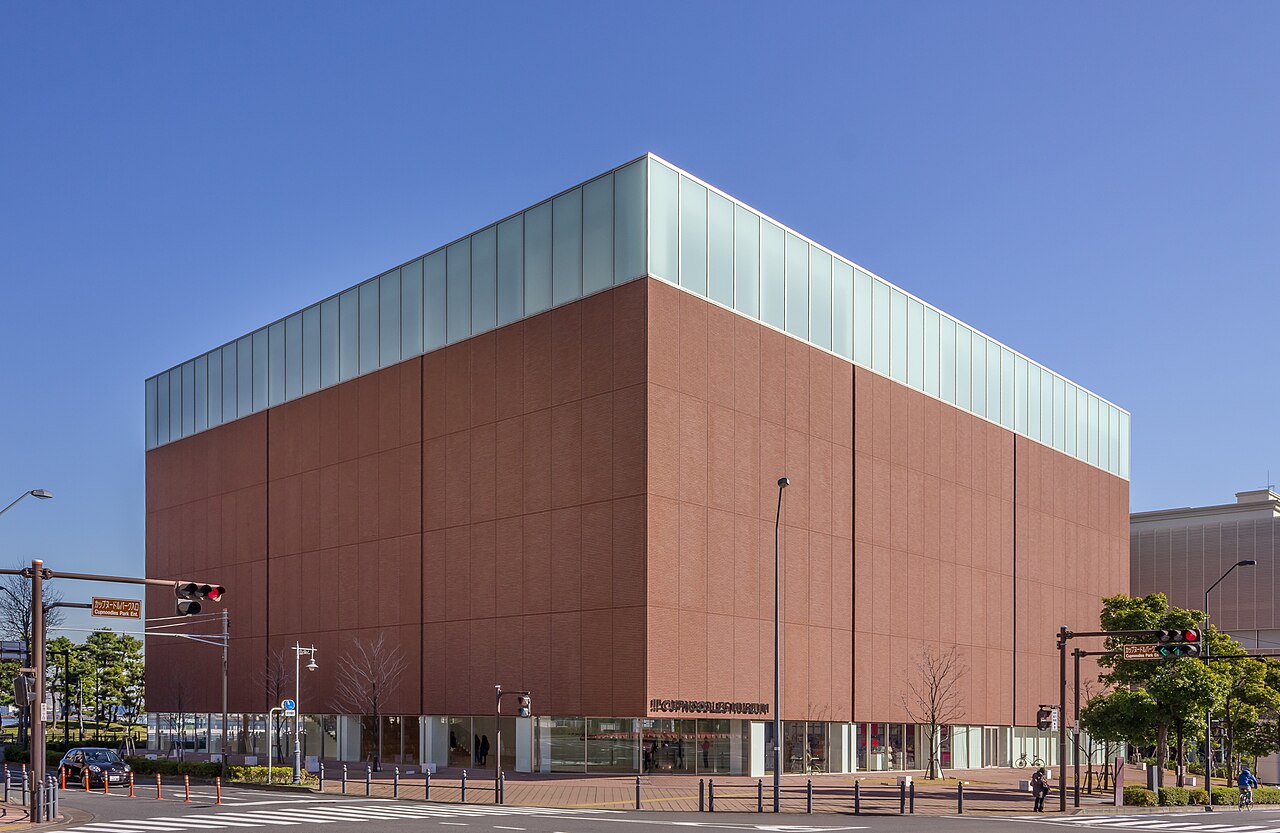 Kakidai / CC BY-SA 4.0
Food · Kanagawa★
The Cupnoodles Museum in Yokohama
1.6 km · straight line
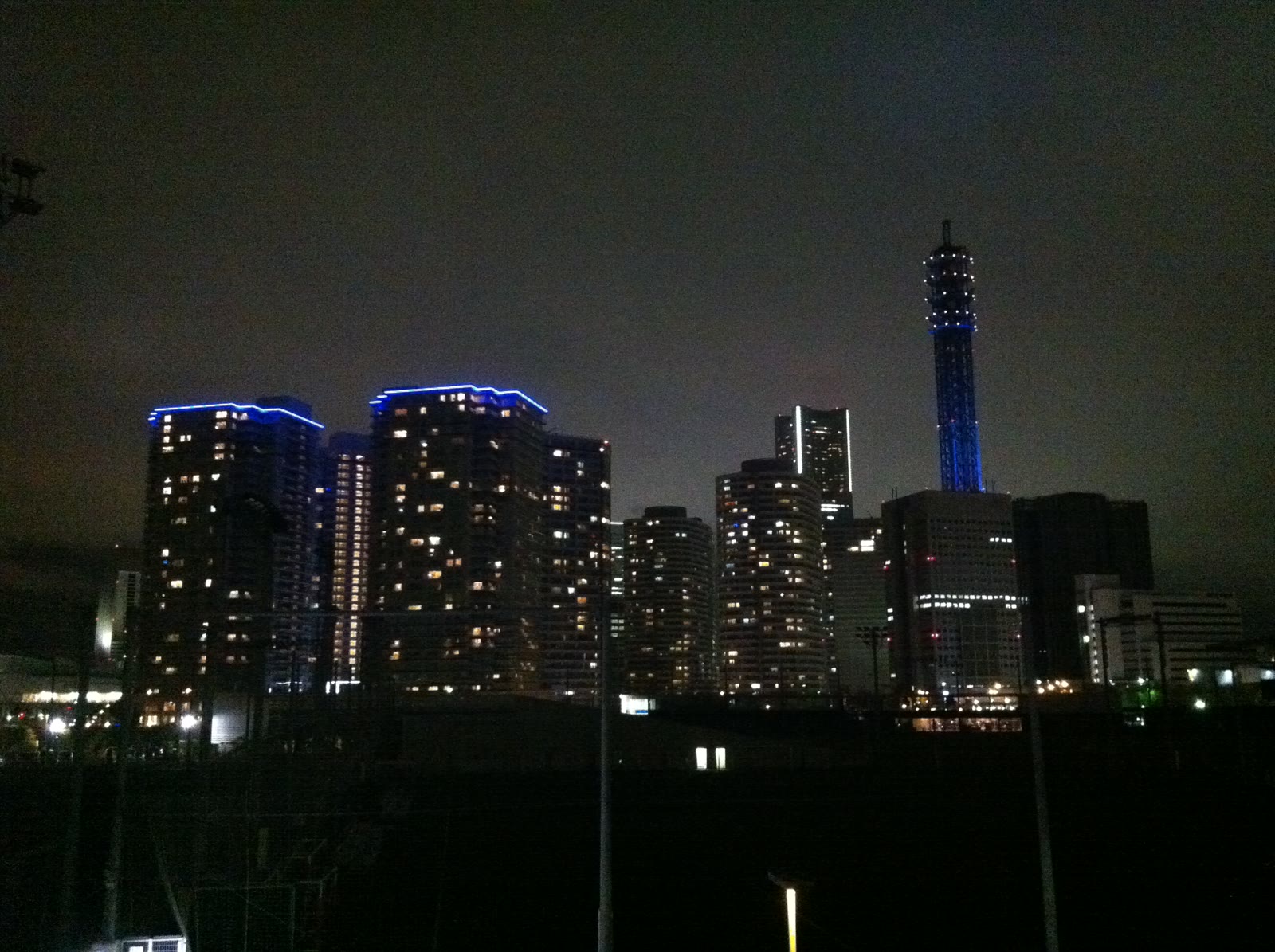 Thirteen-fri / CC BY-SA 3.0
Local life · Kanagawa★★★
Yokohama Minato Mirai 21
2.0 km · straight line
On a curated routeYokohama, Garden to Harbour →
Distances are straight lines on the map, not travel times.