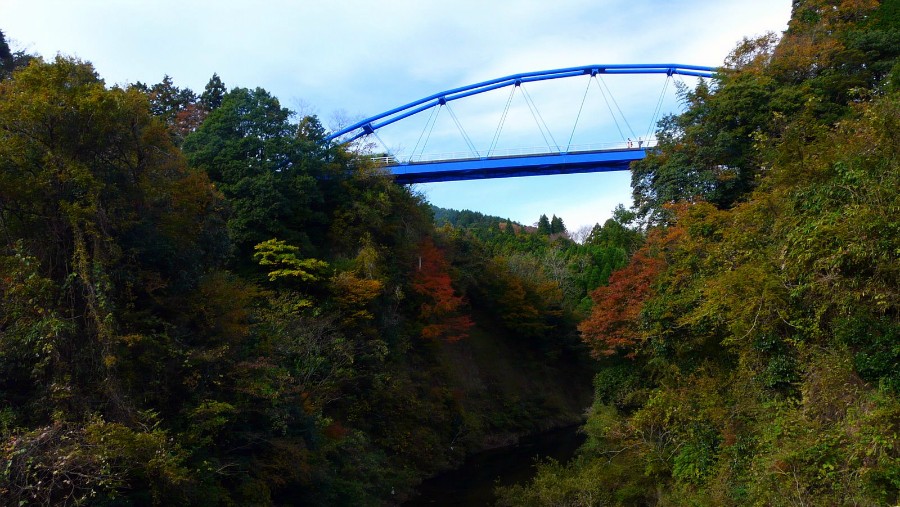
Chiba · Yoro ValleyNo.157★Open in map →
Yoro Valley's black water
— a coffee-dark onsen in central Chiba
A small river-gorge hot-spring area in the middle of Chiba's Boso Peninsula, known for coffee-colored 'black water' (kuroyu) baths and one of Japan's latest autumn-leaf seasons.
- FromTokyo Stn
- ~2 hrstrain (infrequent)
- Get off atYoro-keikoku Station (Kominato Railway)
- From there
- Yoro Valley's black water
The sweet spot
Yoro-keikoku is known within Chiba mainly for autumn leaves, and it rarely appears on the English-language hot-spring lists that foreign visitors read. The slow single-track Kominato Railway and the cash-only fares also make it more effort to reach than a mainstream resort, so it stays off the main tourist flow.
Where it is
50 more notes in Chiba · open the map →What to look for — in walking order
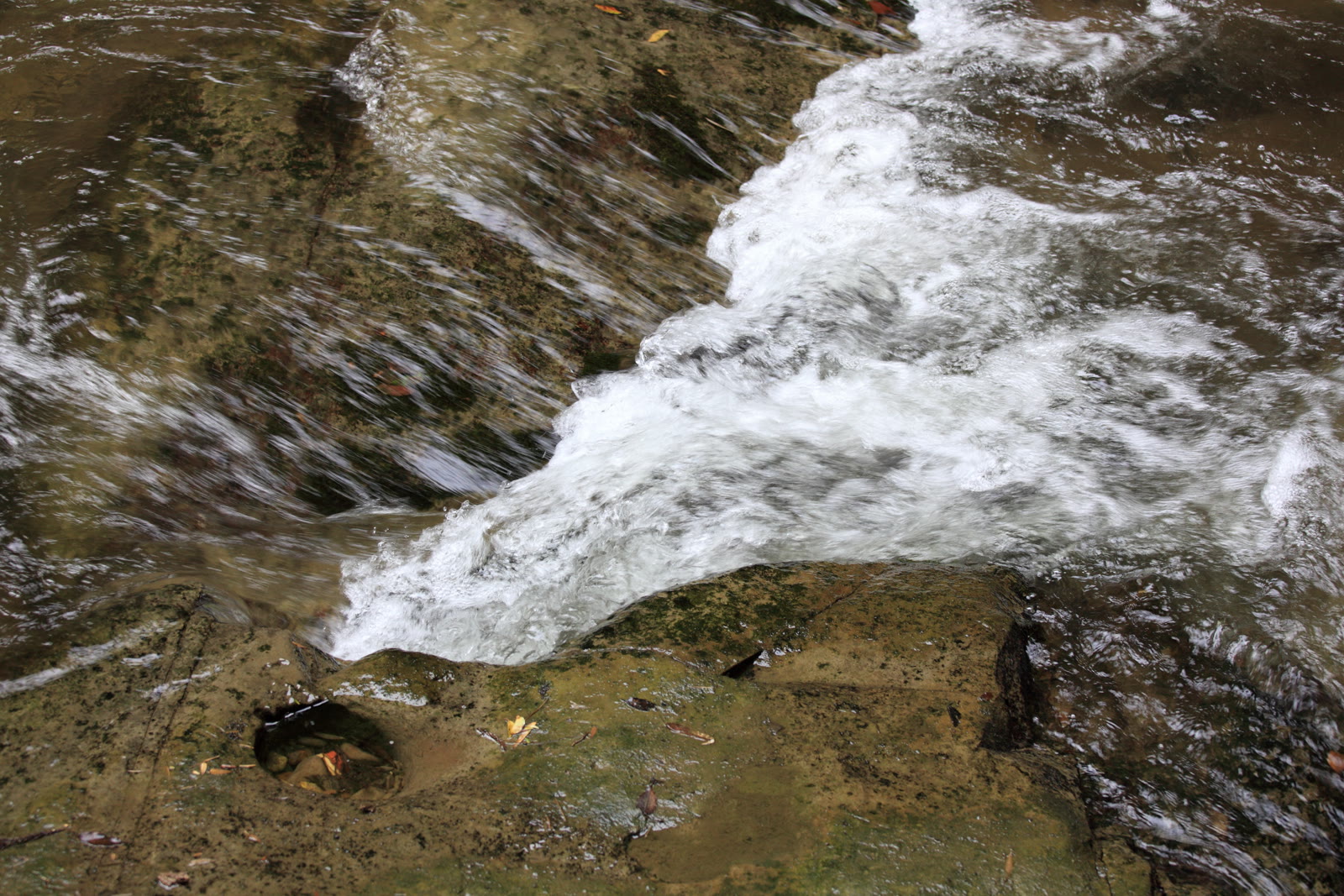
- Kuroyu black-water bathscoffee-brown chloride and bicarbonate springs with a smooth, silky feel
- Riverside inn stripryokan and minshuku lining the valley, several offering day-use bathing
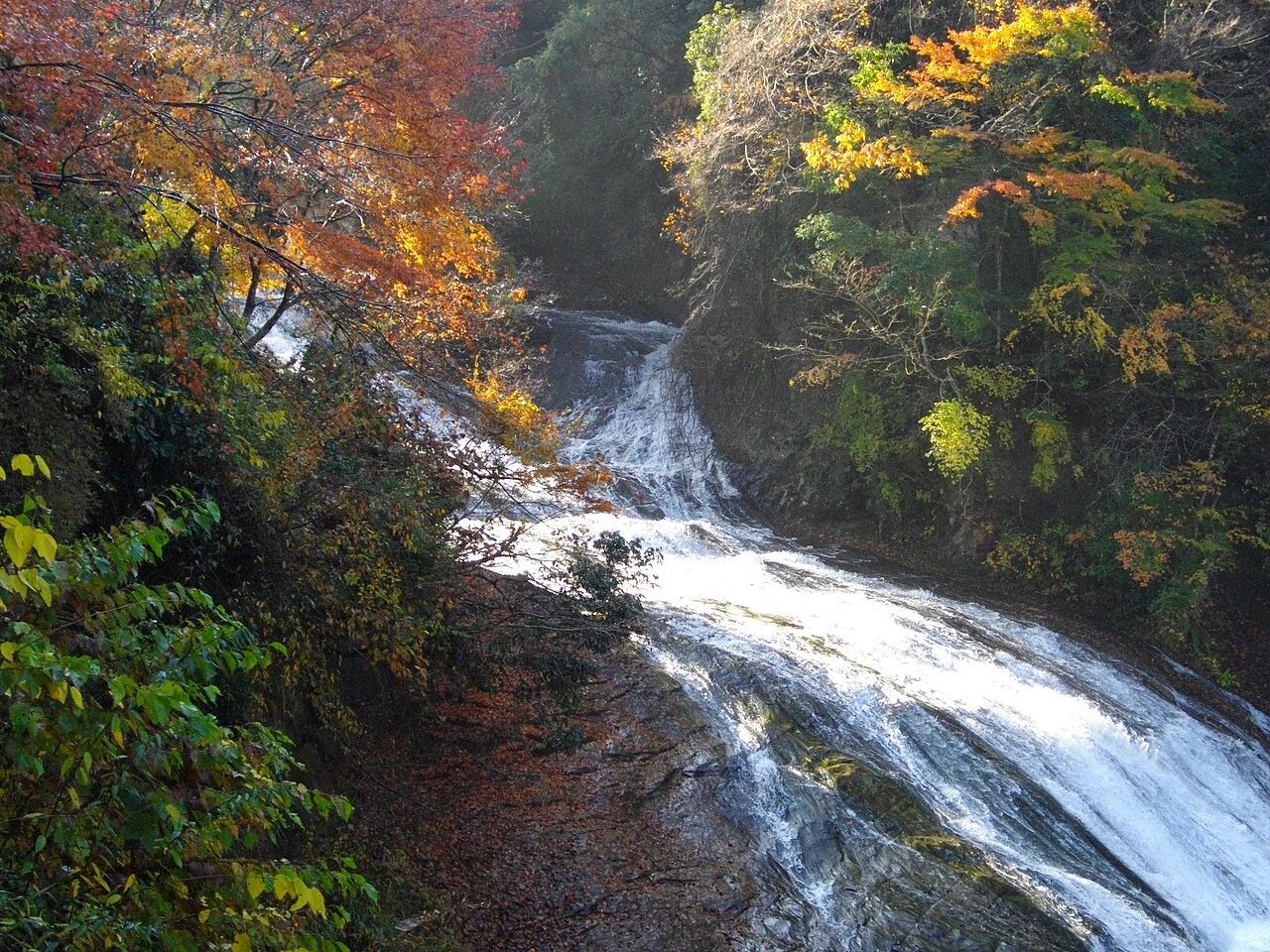
- Awamata Fallsone of Chiba's largest waterfalls, flowing gently over rock about 30 m high and 100 m long
- Late autumn leavesamong the latest color in Japan, usually peaking late November to early December
How to actually get there
- Tokyo Station → Goi Station (JR toward Chiba / Goi, ~50-60 min).
- Goi Station → Yoro-keikoku Station (Kominato Railway local train, ~70-80 min; cash only).
- Yoro-keikoku Station → onsen village (~15 min on foot, or the infrequent Kominato bus).
- JR to Goi + Kominato Railway
- Tokyo Station →(JR toward Chiba / Goi, ~50-60 min)→ Goi Station →(transfer to the Kominato Railway, a local train, ~70-80 min)→ Yoro-keikoku Station. Total roughly 2 to 2.5 hours. The Kominato Railway runs only about once an hour and not every train goes all the way to Yoro-keikoku, so check the day's timetable before you leave.
- Return the same way
- Return by the Kominato Railway to Goi, then JR back to Tokyo. Trains thin out later in the day and connections are slow, so check the return times posted at Yoro-keikoku Station as soon as you arrive and plan to head back before evening.
About the place
Yoro-keikoku Onsen sits in a wooded river gorge in the center of the Boso Peninsula. You arrive on the Kominato Railway, a slow single-track local line, riding to Yoro-keikoku Station. Its signature draw is kuroyu, 'black water': naturally coffee-brown mineral water with a smooth, silky feel. The source rises at around 20°C and is heated by the inns for bathing. A cluster of ryokan (traditional inns) and family-run minshuku lines the valley, several offering day-use bathing; some baths look out over the forest and river. The gorge is also known for its walking paths and waterfalls, and in late autumn it draws visitors as one of the last places in Japan to turn color each year.
How to enjoy it
Arrive on the Kominato Railway and pair a day-use kuroyu bath with a walk along the riverside path to the gorge's waterfalls. Late November into early December is the standout window, when the valley's leaves peak well after most of Japan has finished turning color.
Background & history
The springs date to the early Taisho era. Natural gas surfaced on private property here in 1912, and a mineral spring was struck from a well in 1914; the cool black water was then warmed with the local natural gas for bathing. Published water analyses record two spring types — a chloride spring and a sodium-bicarbonate spring — both unusually dark and low in temperature at the source. The inns grew gradually along the Yoro River into the small onsen village seen today.
Before you go
- Cash
- The Kominato Railway is cash only — IC cards such as Suica and PASMO are not accepted, so buy a paper ticket (about 1,250 yen one way from Goi). Day-use bathing at the inns is often cash too; carry enough cash.
- Good to know
- The valley road and paths along the Yoro River have little lighting after dark, so leave for the station before dusk if you are walking.
- Another way
- The Kominato bus (Yo-01 route) runs from Yoro-keikoku Station toward the onsen and Awamata Falls, but it is infrequent (only a few times a day) — check the posted times at the station.
- After you get off
- From Yoro-keikoku Station the onsen village is about a 15-minute walk, or a short ride on the infrequent Kominato bus.
Nearby notes
 Abasaa / Public domain
Nature · Chiba★
Awamata Falls
4.4 km · straight line
 Σ64 / CC BY 3.0
History · Chiba★★
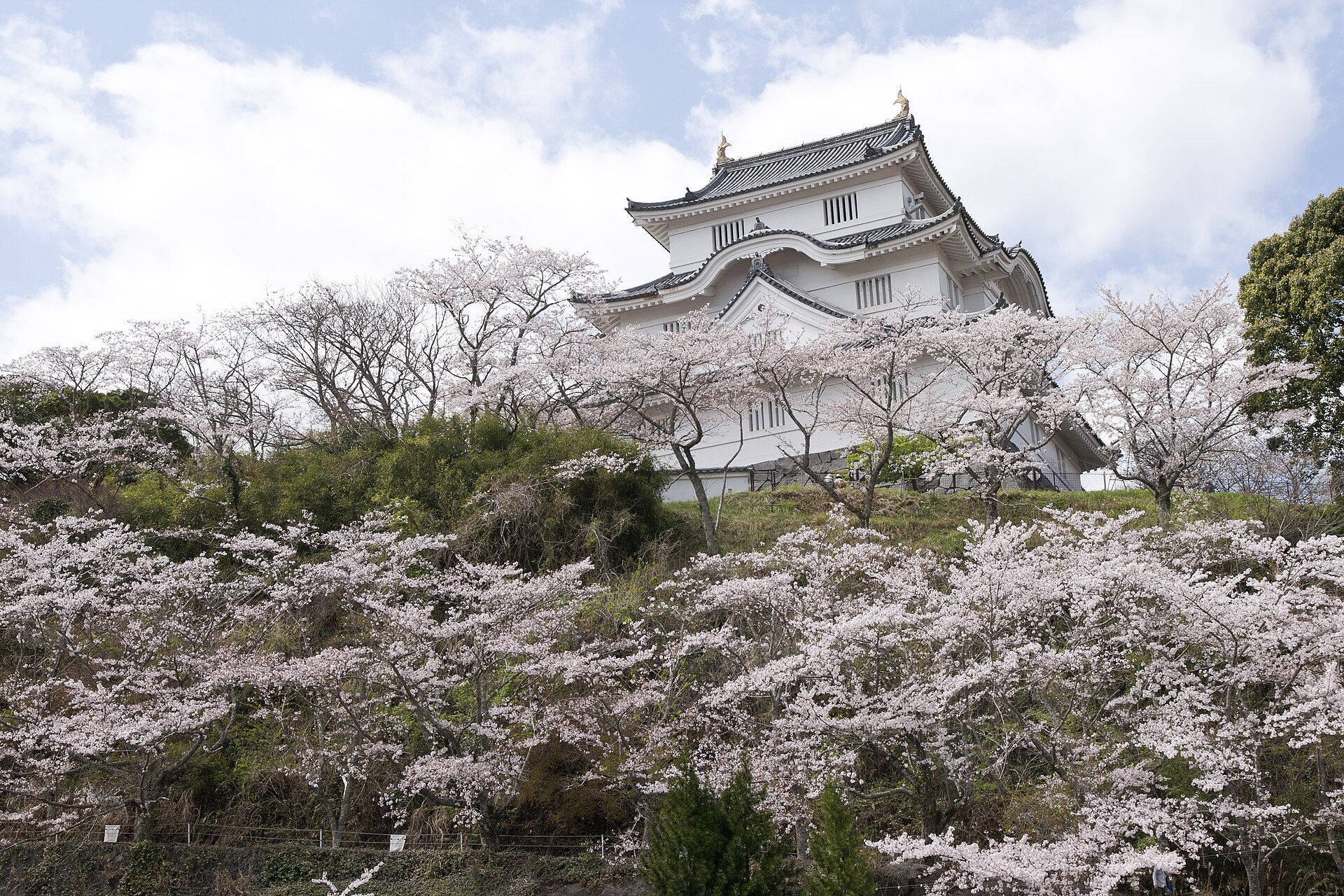
Otaki Castle Town
7.8 km · straight line
 Tetsuji Sakakibara / CC BY-SA 2.0
Nature · Chiba★★
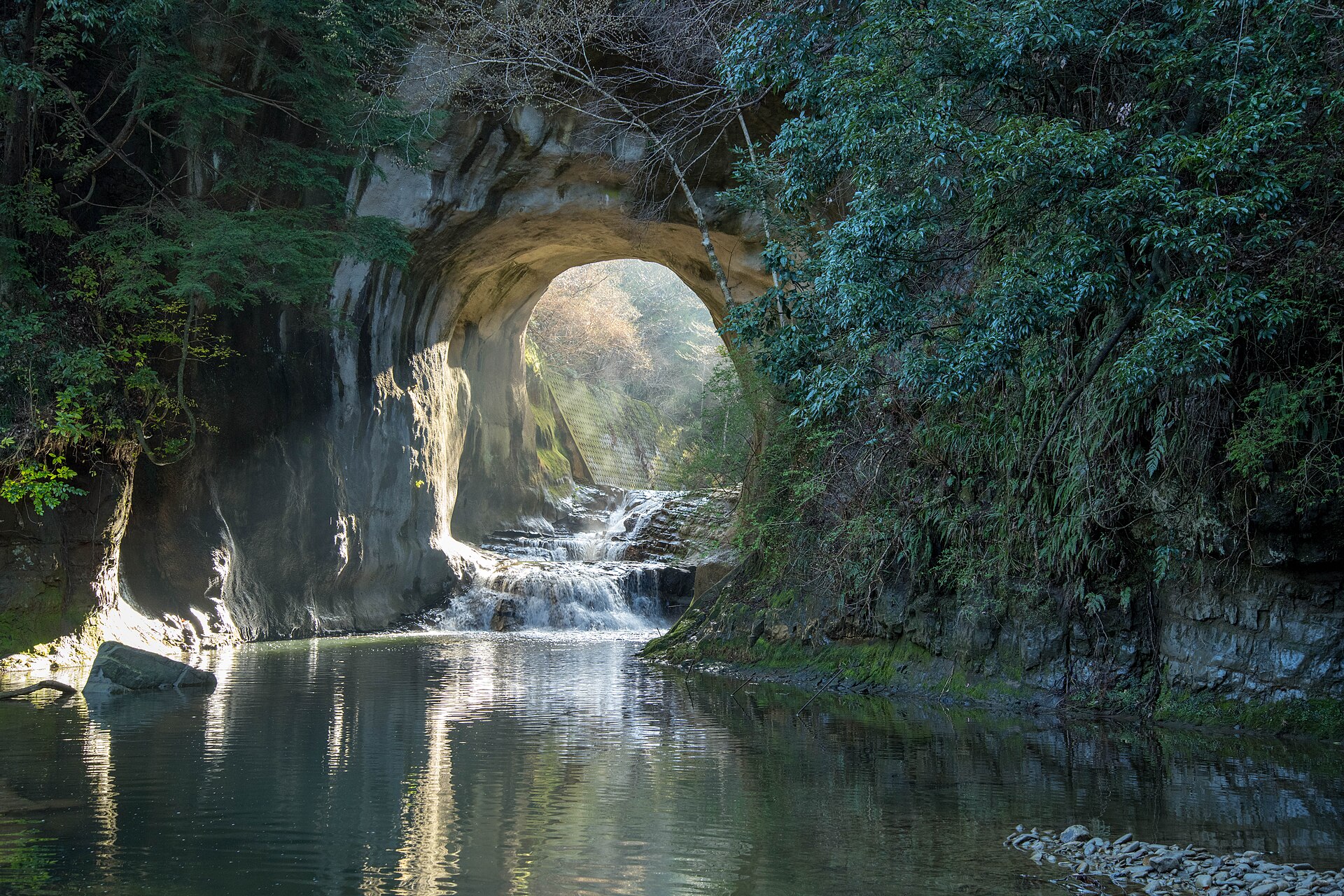
Kameiwa Cave and Nomizo Falls
12.1 km · straight line
 くろふね / CC BY-SA 4.0
Nature · Chiba★
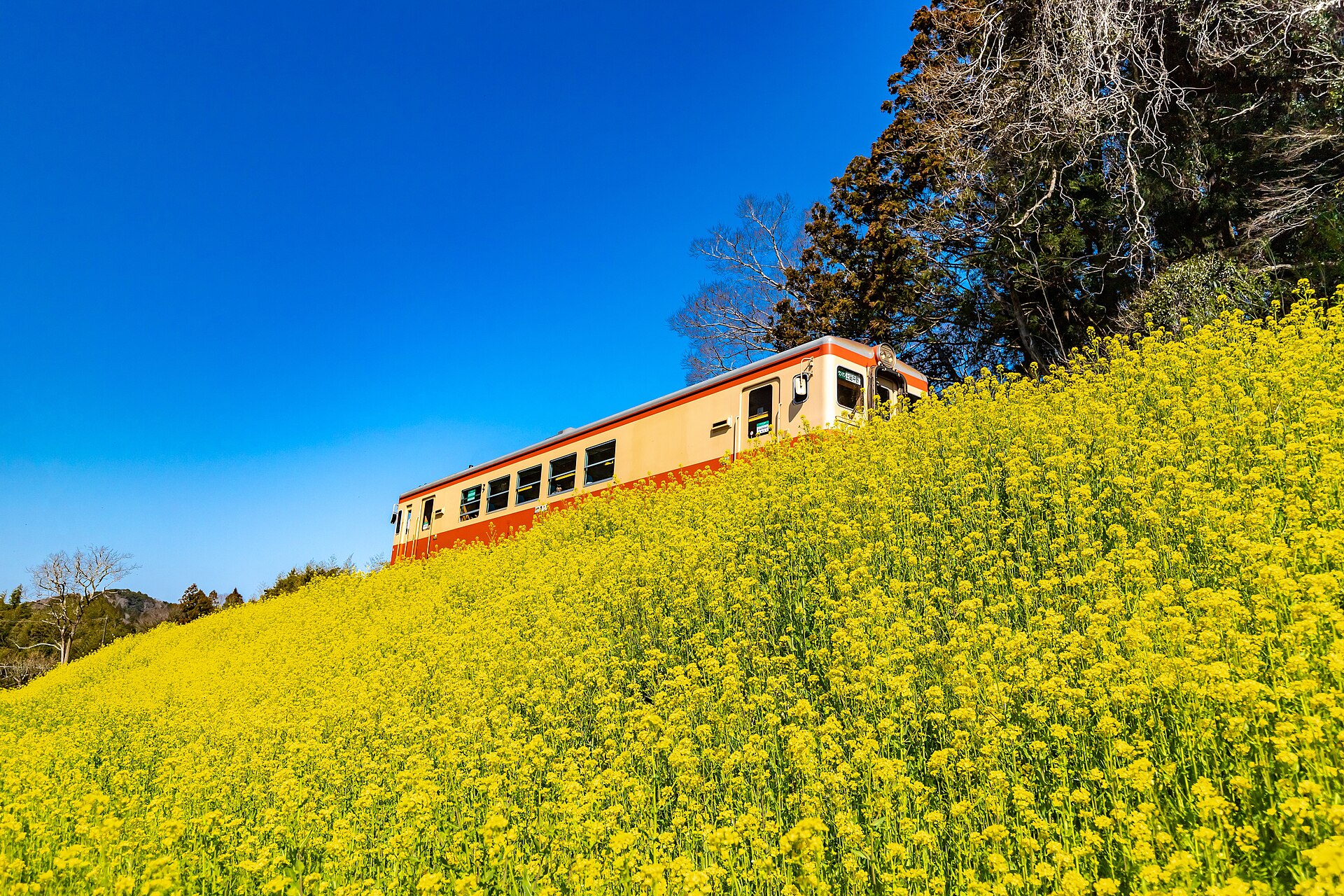
Isumi Railway Rapeseed Fields
14.1 km · straight line
Distances are straight lines on the map, not travel times.