Kameoka · YunohanaNo.153★Open in map →
Yunohana Onsen
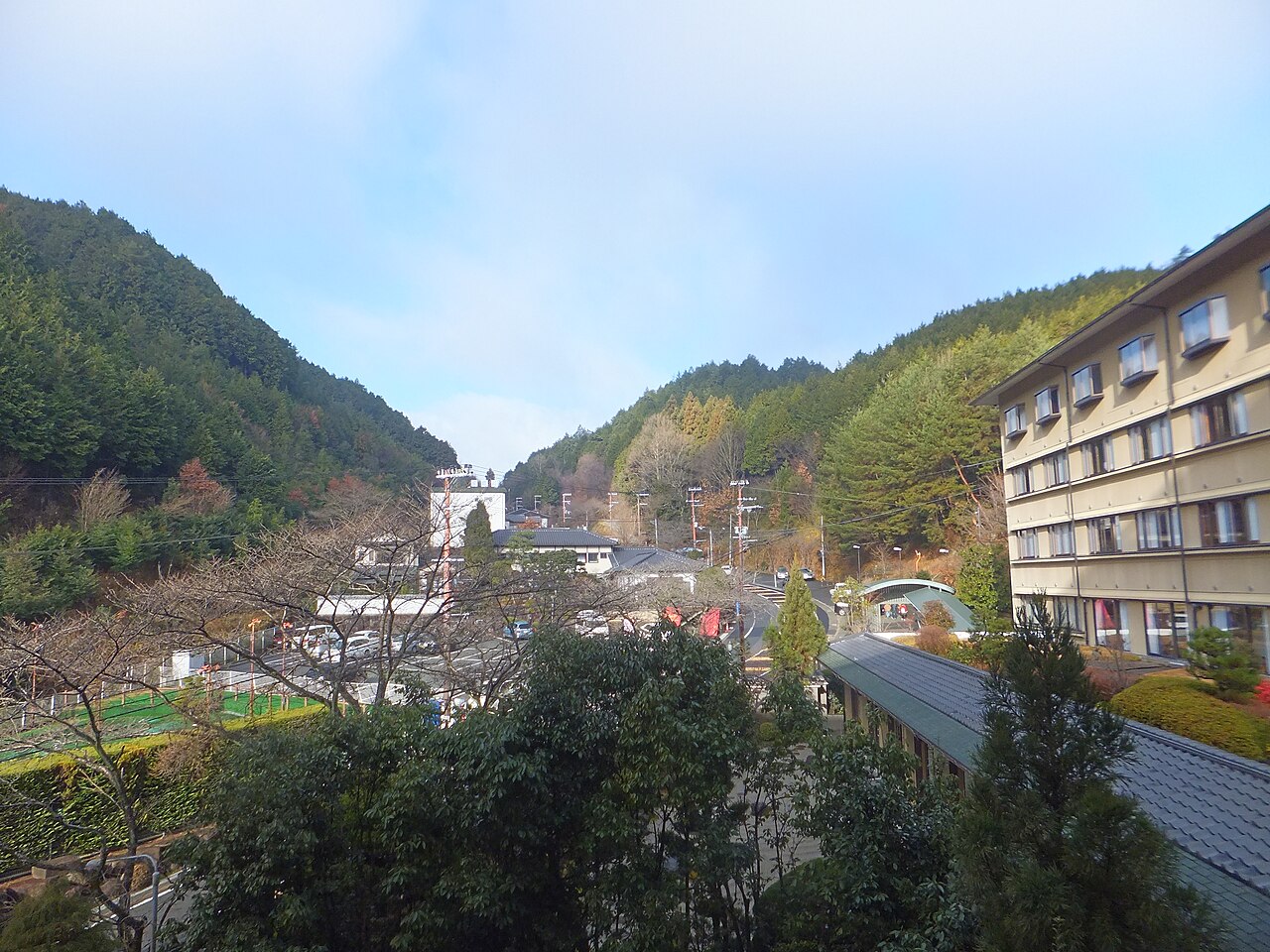
A small hot-spring hamlet in a mountain valley about 7 km west of central Kameoka, Kyoto Prefecture. Known for its natural radium water and a Sengoku-era healing legend.
- FromKyoto Stn
- ~45 mintrain + bus (infrequent)
- Get off atYunohana Onsen bus stop (Keihan Kyoto Kotsu route 40)
- From there
- Yunohana Onsen
The sweet spot
Almost all Kyoto-area onsen visitors head to Arashiyama or the city's new spa hotels. Yunohana sits at a similar distance but stays quiet: there is little English-language information about it, and the last leg is an infrequent local bus, so it falls outside the main tourist flow.
Where it is
90 more notes in Kyoto · open the map →What to look for — in walking order
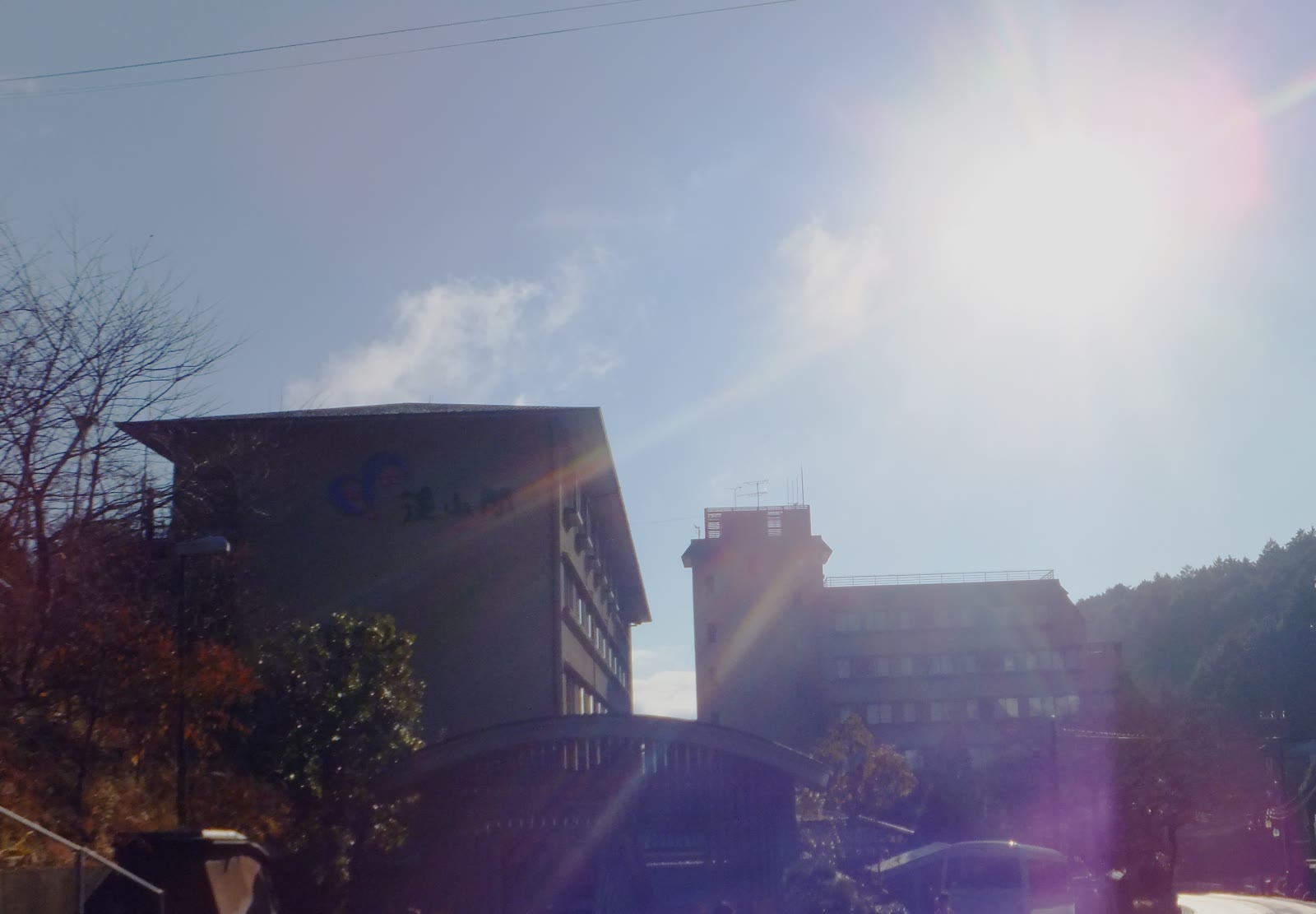
- Valley ryokansmall inns strung along a mountain stream in a forested valley
- Radium spring waternatural radium spring long valued for easing aches and tiredness
- Onsen water standa public tap in the hamlet where visitors fill a container with the spring water to take home
- Kyoto's back parloura quiet getaway just beyond the city — locals' okuzashiki, easily reached from Kyoto
How to actually get there
- Kyoto Station → Kameoka Station (JR Sagano Line, ~20 min).
- Kameoka Station south exit → Yunohana Onsen stop (Keihan Kyoto Kotsu bus route 40, ~15-23 min).
- Yunohana Onsen bus stop → the inns (short walk along the valley road).
- JR Sagano Line to Kameoka, then Keihan Kyoto Kotsu bus route 40
- Kyoto Stn →(JR Sagano Line, ~20 min rapid / ~27 min local)→ Kameoka Stn →(Keihan Kyoto Kotsu bus route 40, toward Sonobe Stn, ~15-23 min)→ Yunohana Onsen stop. Total ~40-45 min. The bus runs only a few times a day — check the day's timetable before you leave.
- Bus back to Kameoka Station, then train to Kyoto
- Take bus route 40 back to Kameoka Station, then the JR Sagano Line to Kyoto. Buses are infrequent and services end by evening — when you arrive at the stop, check the return times posted there so you do not get stranded.
About the place
Yunohana Onsen sits in a quiet cedar valley, a cluster of ryokan (traditional Japanese inns) strung along a mountain stream — Kyoto's okuzashiki, its 'back parlour.' From JR Kameoka Station a local bus climbs into the valley in about 15 to 20 minutes, putting it roughly 50 minutes total from Kyoto. The water is classified as a simple weak radioactive spring, long valued for easing nerve pain, muscle and joint aches, and tiredness. Local tradition holds that Sengoku-era warriors — among them the warlord Akechi Mitsuhide, who once ruled this region — came to heal their sword wounds in these same waters.
How to enjoy it
Yunohana works best as an unhurried overnight stay: arrive by bus from JR Kameoka Station, settle into a valley ryokan, and soak in the radium water. If you are passing through, some inns also offer a day-use bath without an overnight booking.
Background & history
Yunohana is a long-established spring town in the Tanba district, its history documented by Kameoka City and the Japan Spa Association. The Sengoku connection is a traditional story rather than confirmed history, but it has shaped the spring's identity as a healing retreat for centuries.
Before you go
- Cash
- The bus is cash only — carry coins for the fare (about 450 yen for the bus leg).
- Good to know
- From the Yunohana Onsen bus stop it is a short walk into the hamlet along the valley road; the road is narrow with no footpath, so walk facing the traffic.
- Another way
- Several inns offer a free shuttle pickup from Kameoka Station if you book ahead — a good backup when the public bus times do not fit.
- After you get off
- At Kameoka Station take the south exit, then board Keihan Kyoto Kotsu bus route 40 (toward Sonobe Station) and get off at the Yunohana Onsen stop.
Nearby notes
 江戸村のとくぞう / CC BY-SA 4.0
Nature · Kyoto★★
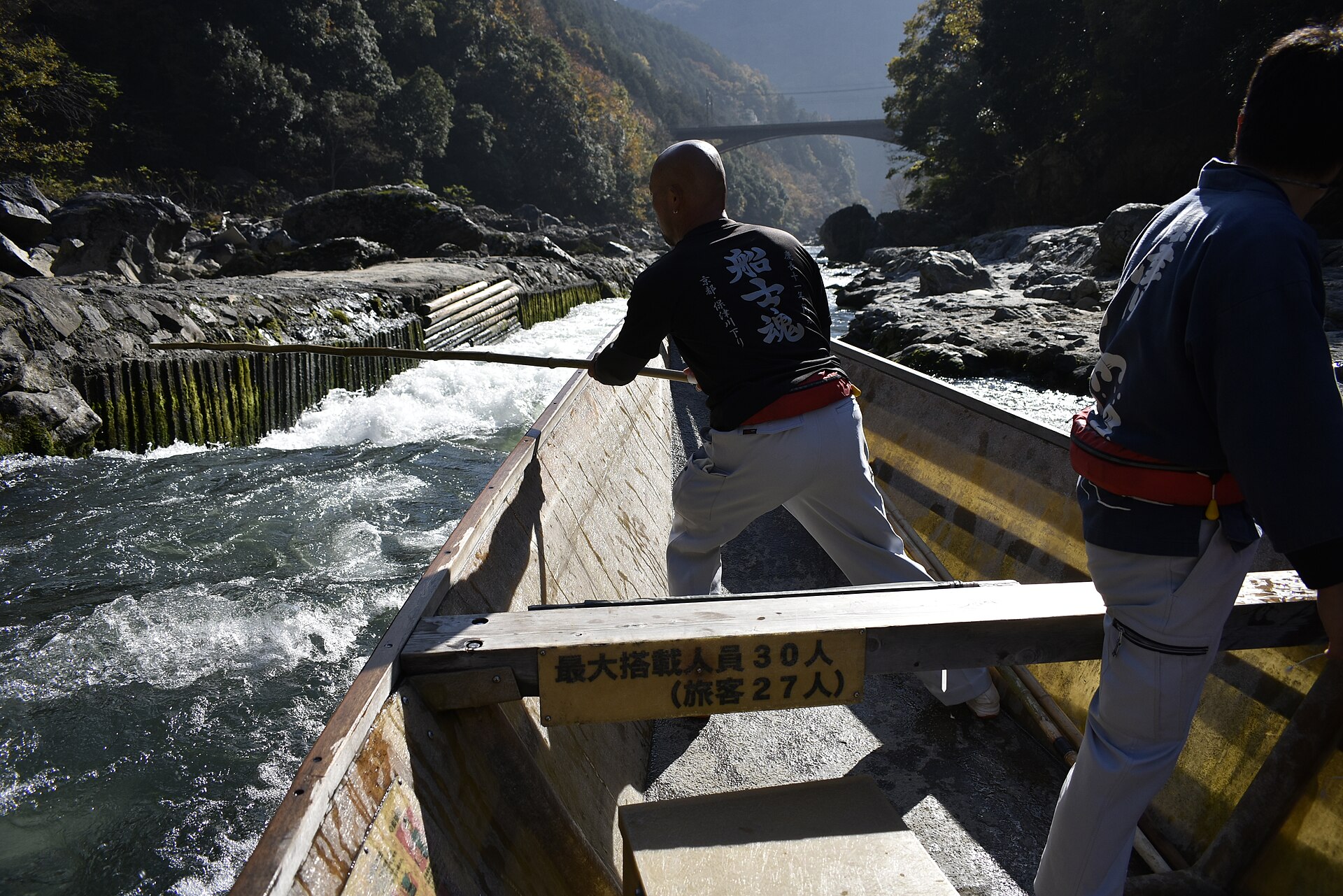
Hozugawa River Boat Ride
6.8 km · straight line
 Saigen Jiro / CC0
Nature · Kyoto★
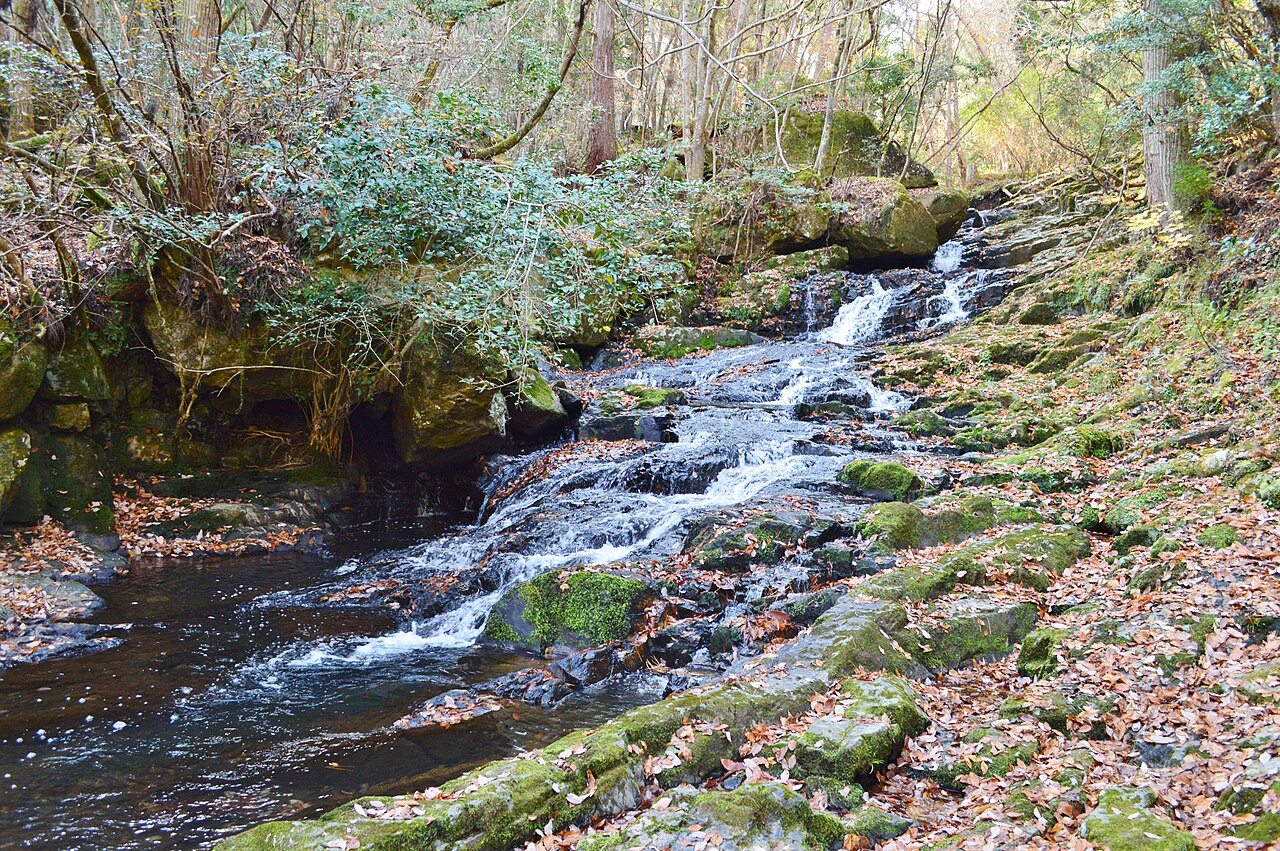
Rurikei Gorge
10.1 km · straight line
 At by At / CC BY-SA 3.0
Local life · Kyoto★
Mizuo
10.6 km · straight line
 山中紘治 / CC BY 2.1 jp
Local life · Osaka★
Miyama-no-Sato & Ryusenkyo Gorge
12.8 km · straight line
Distances are straight lines on the map, not travel times.