Kobe north · Arima OnsenNo.851★★★Open in map →
Arima Onsen
— One of Japan's three oldest hot springs, above Kobe
A hot-spring town in the hills north of Kobe, counted among the three oldest in Japan. Two public day bathhouses stand a few minutes apart on the same lane, one on the iron-red gold spring and one on the clear silver spring.
- FromSannomiya Station
- ~1 hrKobe Electric Railway to the terminus
- Get off atArima-Onsen Station (Kobe Electric Railway Arima Line)
- On foot
- Arima Onsen
Where it is
30 more notes in Hyogo · open the map →What to look for — in walking order
- Nene Bridge and Taiko Bridgethe pair of red bridges at the foot of the town, named for Hideyoshi and his wife
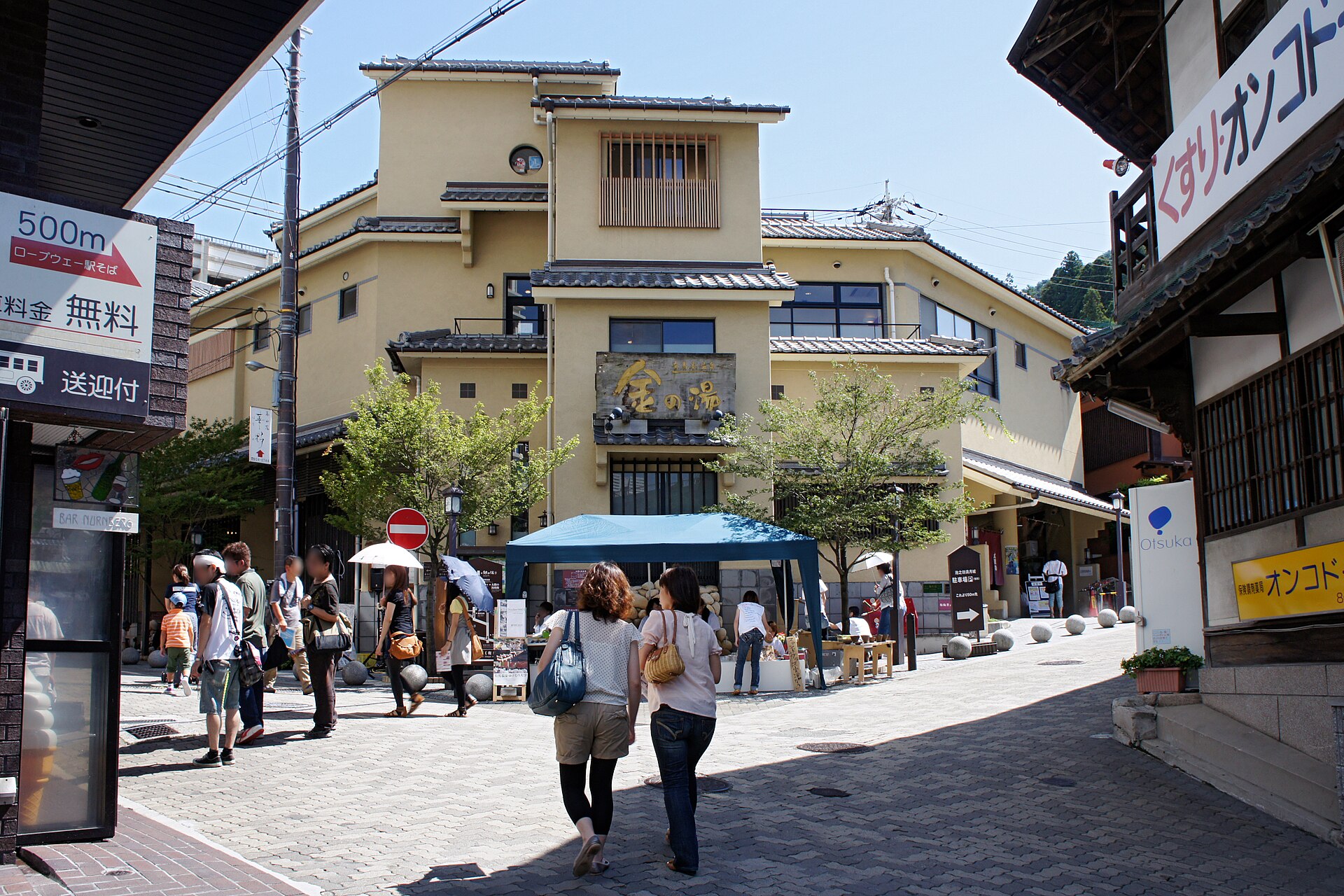
- Kin-no-yuthe gold-spring bathhouse, on water that runs clear at source and turns rust-red in air
- The free footbathan open foot pool beside Kin-no-yu, keeping the same hours and closing days as the bath
- Taiko no Yudonokana small museum of the old bath, sold in a combined ticket with the two bathhouses
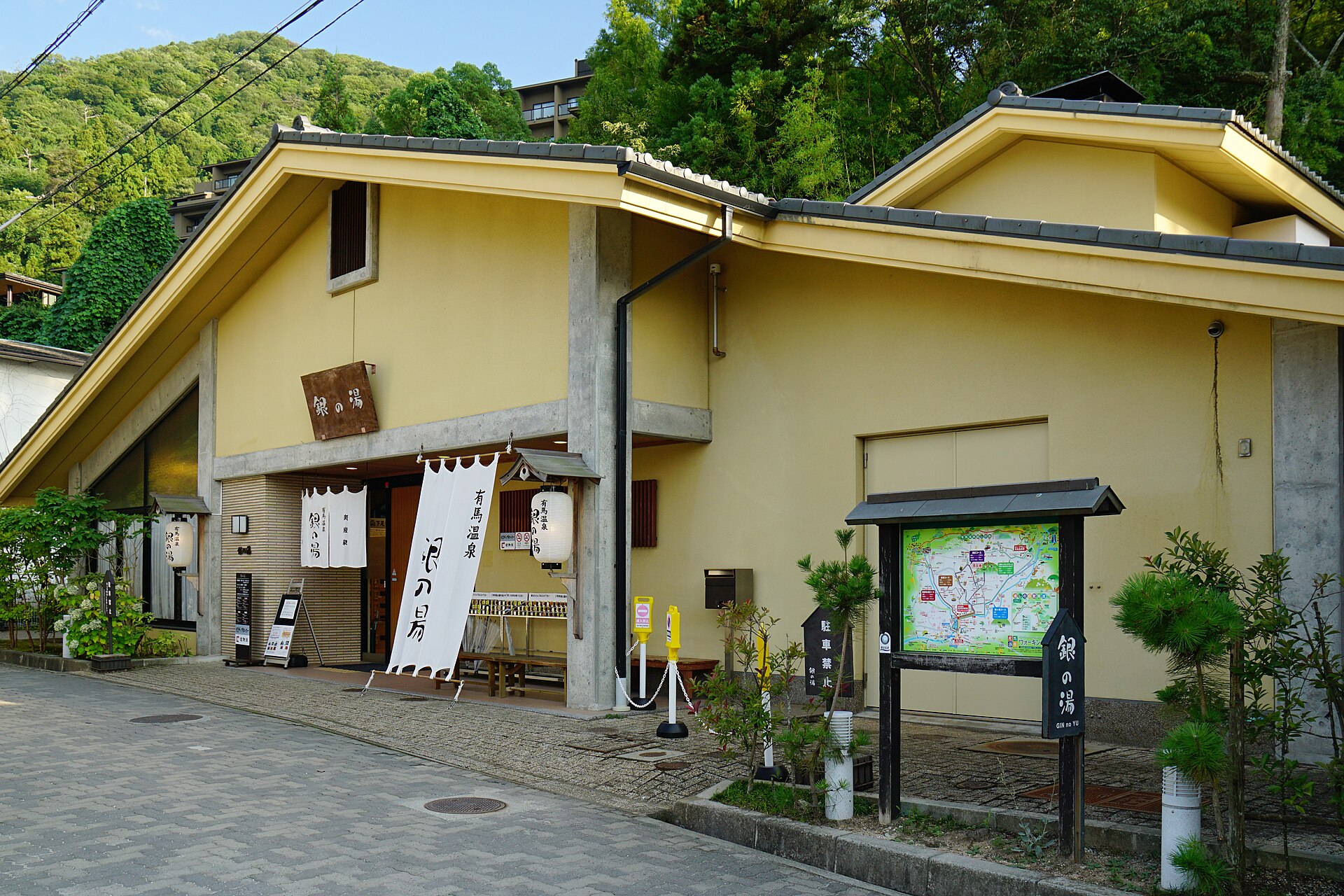
- Gin-no-yuthe silver-spring bathhouse further along, on a cool carbonated and radium water
How to actually get there
- Sannomiya Station → Tanigami Station (Kobe Municipal Subway).
- Tanigami Station → Arima-Onsen Station, changing at Arimaguchi (Kobe Electric Railway Arima Line).
- From the station, cross the red bridges and walk up the lane to Kin-no-yu; the free footbath is beside it.
- Carry on past the bath museum to Gin-no-yu for the other water.
- Kobe Electric Railway to the Arima terminus
- Arima-Onsen is the end of the Kobe Electric Railway's Arima Line. From Sannomiya, take the Kobe Municipal Subway to Tanigami, then the Arima Line with a change at Arimaguchi. Hyogo's tourism office puts the whole run at about an hour from central Kobe. A direct express bus from the Sannomiya bus terminal is the other way up.
- The same line, or the direct bus
- The Arima Line runs back through Arimaguchi to Tanigami and the subway. The direct bus to Sannomiya is the simpler return with luggage, so read the departure board at the terminal by the station before you settle into a bath rather than after.
About the place
Arima sits in a fold of the hills north of Kobe, close enough to the city for a half day and far enough up to feel like somewhere else. What makes it unusual is that two entirely different waters come up under one small town. The gold spring, kinsen, is an iron-rich, strongly saline hot water; it runs clear at the source and turns rust-red once air reaches it. The silver spring, ginsen, is a cool carbonated water carrying radium, and it stays colourless. The town has a public bathhouse on each, Kin-no-yu on the upper lane and Gin-no-yu a few minutes on, so both waters can be tried in an afternoon without booking a room.
How to enjoy it
Kin-no-yu opens at 8:00, before the shops on the lane are up, and takes its last entry at 21:30 for a 22:00 close; Gin-no-yu runs 9:00 to 21:00. Coming for the 8:00 opening puts you in the gold water before the first day-trippers arrive from Kobe, and leaves the whole lane to walk afterwards. A combined ticket covering both baths is sold at either door.
Background & history
Arima appears in the Nihon Shoki, the ancient chronicle of Japan, as a place emperors travelled to. That puts more than 1,400 years of written record behind the town, and it is why Arima is counted among the three oldest springs in the country. Toyotomi Hideyoshi came here repeatedly in the sixteenth century, and after a great earthquake damaged the sources he had the springs and the bathhouses rebuilt. The two baths on the lane today are day bathhouses, open to anyone who buys a ticket rather than to guests of an inn.
Before you go
- Cash
- Kin-no-yu is 800 yen for adults and 350 yen for school children; Gin-no-yu is 700 and 300; a combined ticket for both is 1,200 yen. On weekdays outside the busy seasons the adult prices drop. Cashless payment is accepted at the baths, but the small shops on the lane are easier with coins.
- Good to know
- Both baths shut on 1 January, and when a closing Tuesday falls on a public holiday the bath opens that day and takes the Wednesday off instead. Body soap, shampoo and hairdryers are provided; towels are sold at the desk rather than included. The gold water is not for drinking, and the notice at Kin-no-yu says so plainly.
- Another way
- Coming from Osaka rather than Kobe, the line is joined at Shinkaichi instead of Sannomiya, which is the route Hyogo's tourism office gives; the Kobe Electric Railway runs through from there to the Arima terminus.
- After you get off
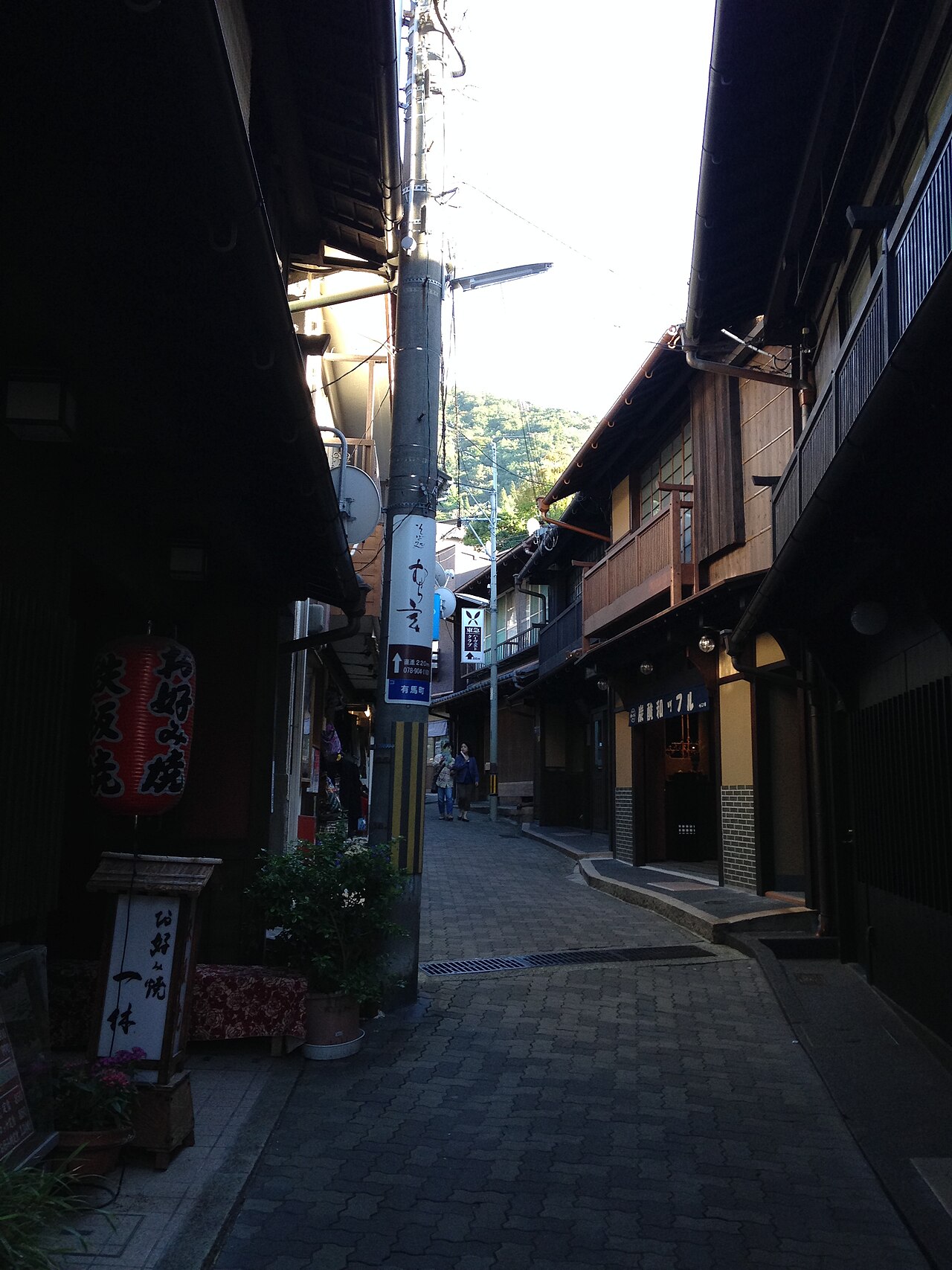
- Arima-Onsen Station sits at the lower edge of the town. Cross by the red bridges over the stream and follow the lane uphill: Kin-no-yu is a few minutes up with the footbath beside it, and Gin-no-yu a few minutes further on past the bath museum.
Nearby notes
 そらみみ / CC BY-SA 4.0
History · Hyogo★★
Arima Onsen's upper temple quarter
0.1 km · straight line
 そらみみ / CC BY-SA 4.0
Nature · Hyogo★★★
Mount Rokko
5.1 km · straight line
 Mass Ave 975 / CC BY-SA 3.0
Nature · Hyogo★
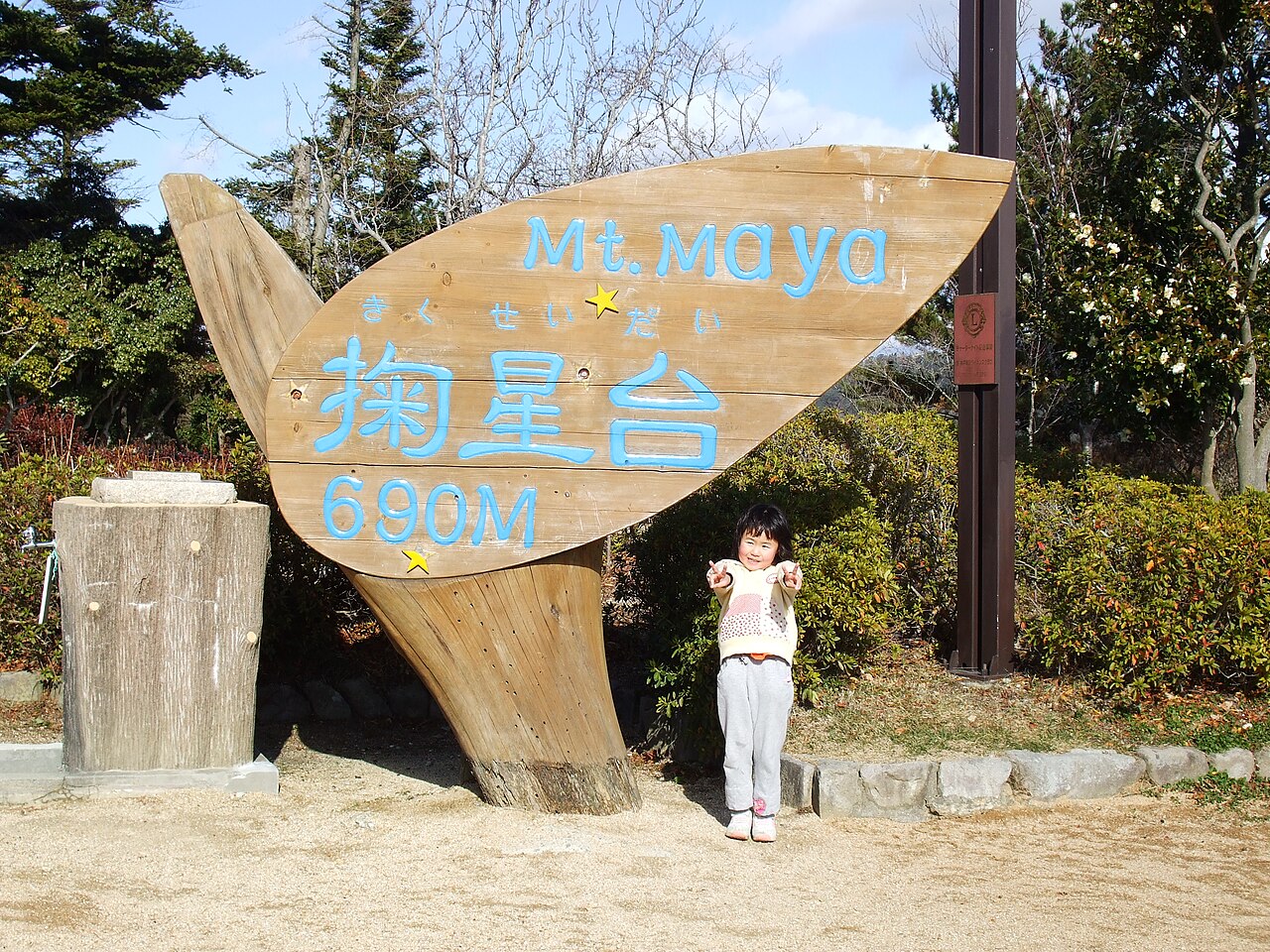
Kikuseidai on Mount Maya
7.9 km · straight line
 Gohachiyasu1214 / CC BY-SA 4.0
History · Hyogo★
Aotanido
8.3 km · straight line
Distances are straight lines on the map, not travel times.