Kobe north · Arima OnsenNo.051★★Open in map →
Arima Onsen's upper temple quarter
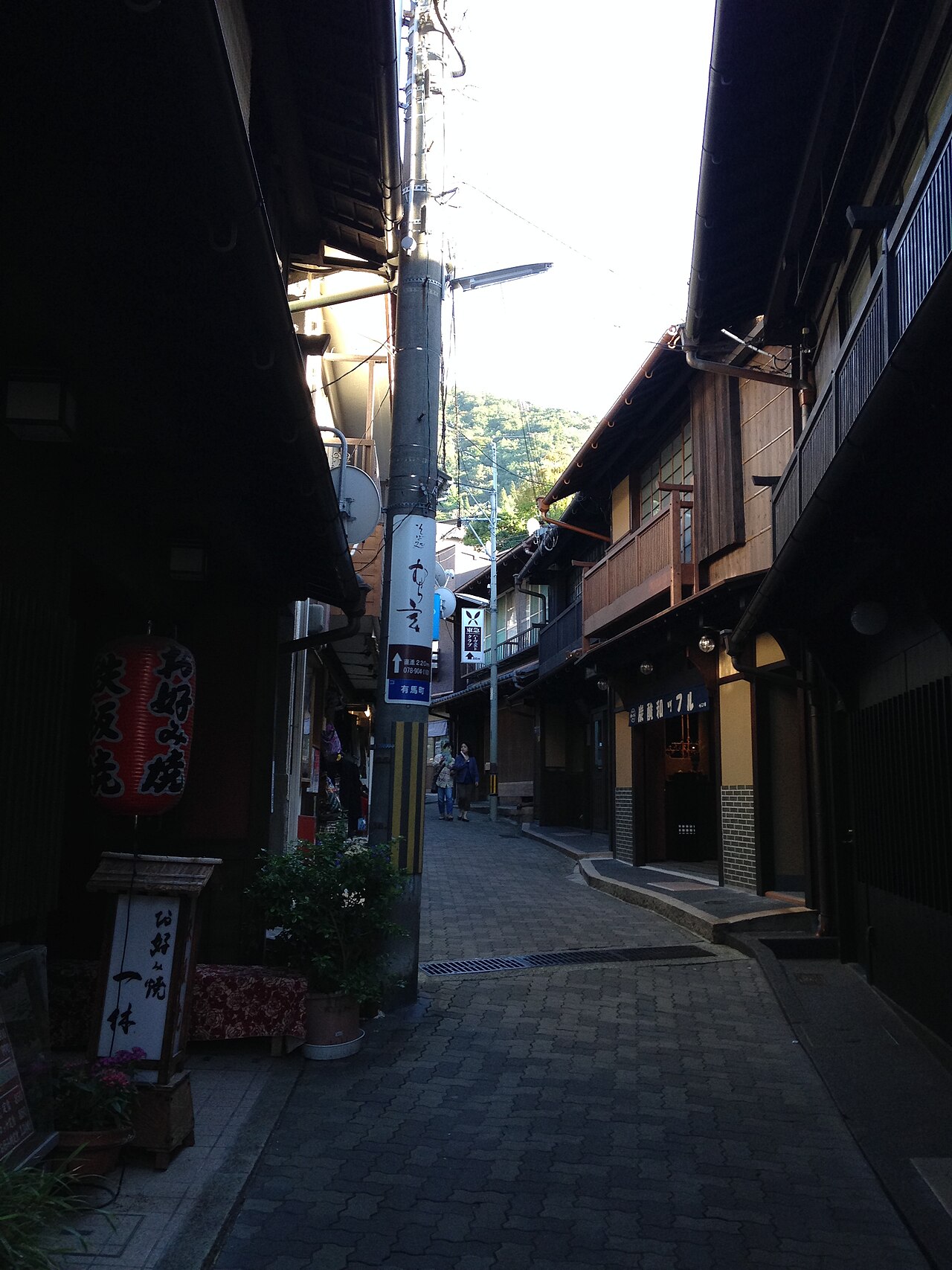
A cluster of old temples and a hot-spring shrine on the slope above the main lane of Arima Onsen, the historic hot-spring town in the hills north of Kobe.
- FromSannomiya Stn
- ~35 mintrain (frequent) + walk
- Get off atArima-Onsen Stn
- On foot
- Arima Onsen's upper temple quarter
The sweet spot
The shrine and the upper temples carry almost no English signage, and they sit off the food-stall street where day visitors gather, so tour groups rarely climb the last slope. Reaching them takes a short uphill walk that most day-trippers skip.
Where it is
30 more notes in Hyogo · open the map →What to look for — in walking order
- Onsen-ji Templetraditionally founded by the monk Gyoki; enshrines Yakushi Nyorai, the Buddha of healing
- Nenbutsu-ji's main halldocumented as Arima's oldest building, rebuilt in 1712, on the former site of Nene's villa
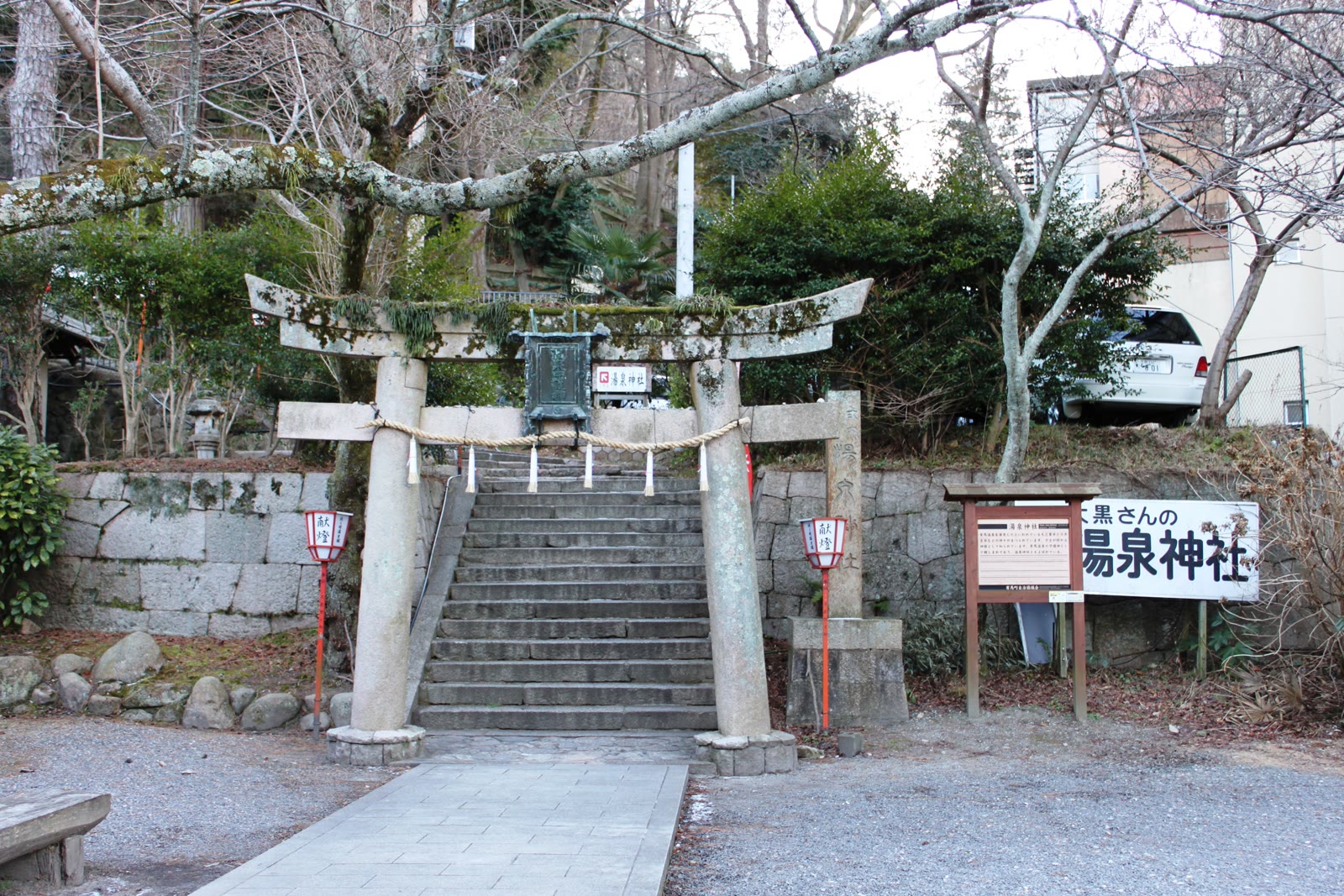
- Tosen Shrinethe guardian shrine of the hot spring, listed in the 927 Engishiki; also known for prayers for children
- The crow legendthe spring is said to have been found by watching three injured crows heal while bathing in its water
How to actually get there
- Sannomiya Stn → Tanigami Stn (Kobe Municipal Subway, ~10-15 min)
- Tanigami Stn → Arima-Onsen Stn (Kobe Electric Railway, transfer at Arimaguchi, ~20 min)
- Arima-Onsen Stn → the temples (on foot, uphill, ~8 min)
- Kobe subway + Kobe Electric Railway
- Sannomiya Stn (central Kobe) →(Kobe Municipal Subway, ~10-15 min)→ Tanigami Stn →(Kobe Electric Railway, transfer at Arimaguchi Stn, ~20 min)→ Arima-Onsen Stn. Total ~30-40 min. Trains run about 4 times an hour. A direct Shinki express bus from Sannomiya Bus Terminal is also an option (~25-30 min, about once an hour, less often on weekends).
- Same route in reverse
- Return the same way, by Kobe Electric Railway from Arima-Onsen Stn (transfer at Arimaguchi to the subway at Tanigami), or by the direct Shinki bus. Trains run frequently through the day; the direct bus is roughly hourly, so check the day's timetable at the station or stop when you arrive.
About the place
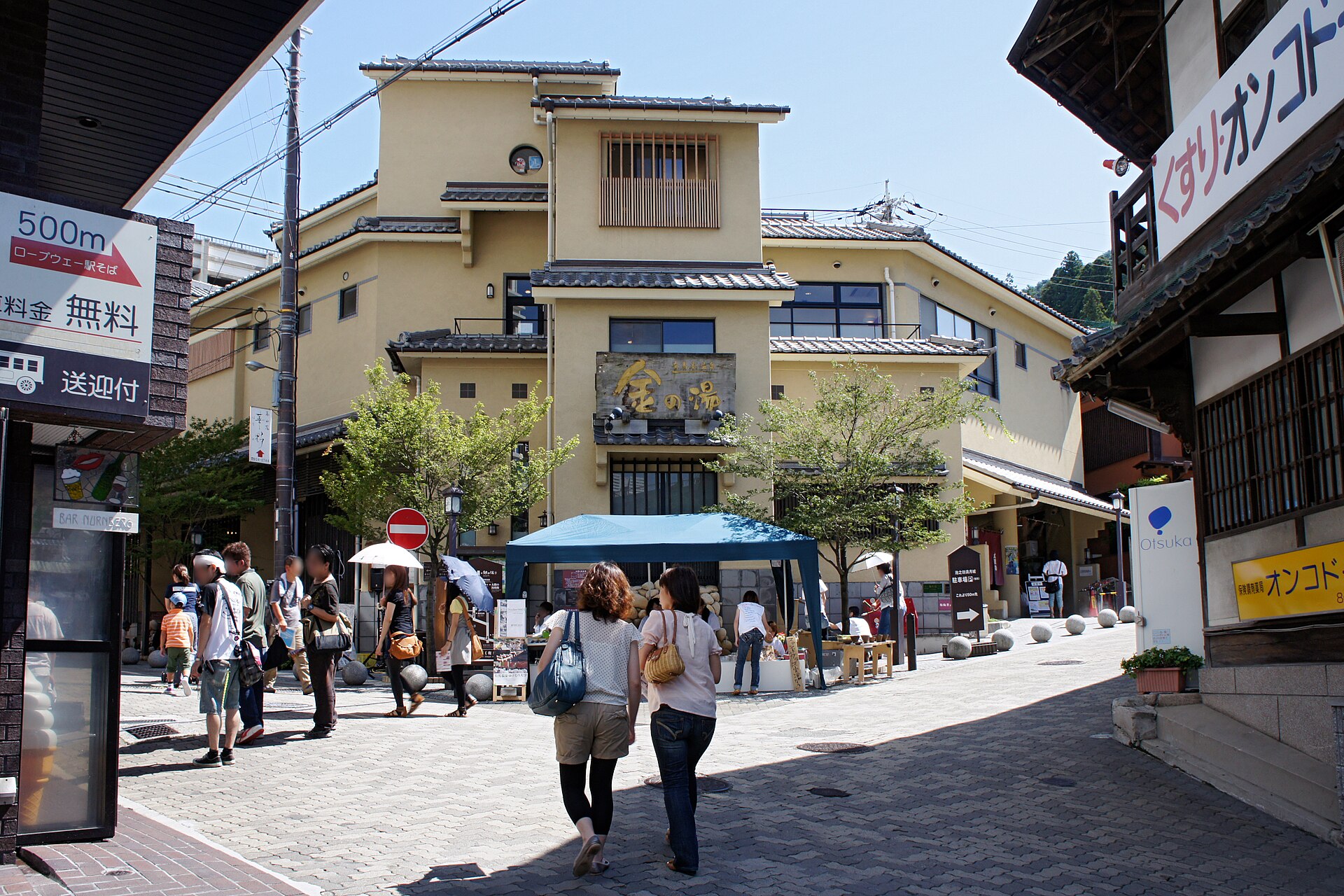
Arima Onsen's busy main street links two bathhouses — the Gold Spring and the Silver Spring. One tier up the slope from that street sits a quieter group of religious sites tied to the town's long history. Onsen-ji, a Buddhist temple traditionally founded by the monk Gyoki in the 8th century, enshrines Yakushi Nyorai, the Buddha of healing. A short walk away, Nenbutsu-ji stands on ground once occupied by a villa of Nene, the principal wife of the warlord Toyotomi Hideyoshi; its main hall is documented as the oldest building in the hot-spring town. Nearby, Tosen Shrine serves as the guardian of the spring. Together the three sites form a compact walking loop of temple lanes, all uphill from the day visitors below.
How to enjoy it
The three sites cluster on the slope about eight minutes on foot uphill from the main lane, so you can walk them as one short loop. Arriving in the morning, before the day crowds fill the baths below, keeps the temple approach at its quietest.
Background & history
Arima is counted among Japan's oldest hot springs, and its temples record that long history. Tosen Shrine is listed in the Engishiki, a code compiled in the year 927, enshrining Onamuchi and Sukunahikona. In local legend these two deities discovered the spring after watching injured crows bathe in its waters and heal; a third deity from Kumano, Kusumi, was added later. Nenbutsu-ji is a Jodo school temple; its main image, an Amida Nyorai standing statue, is traditionally attributed to the sculptor Kaikei. Founded in 1532, the temple moved in the Keicho era (around 1600) to the former site of Nene's villa, and its main hall was rebuilt in 1712.
Before you go
- Cash
- Temple offering boxes take coins only, and small lanes may not accept cards, so carry some coins and small notes.
- Good to know
- These are working temples and a working shrine — keep your voice low, and do not set up a tripod on the stone steps.
- Another way
- If the stone steps are too steep, the lower temple courtyards give the same quiet.
- After you get off
- From Arima-Onsen Station, walk up the main lane, then bear uphill toward the shrine's stone steps. The three sites cluster within about eight minutes on foot, all uphill on paved lanes.
Nearby notes
 663highland / CC BY 2.5
Onsen · Hyogo★★★
Arima Onsen
0.1 km · straight line
 そらみみ / CC BY-SA 4.0
Nature · Hyogo★★★
Mount Rokko
5.0 km · straight line
 Mass Ave 975 / CC BY-SA 3.0
Nature · Hyogo★
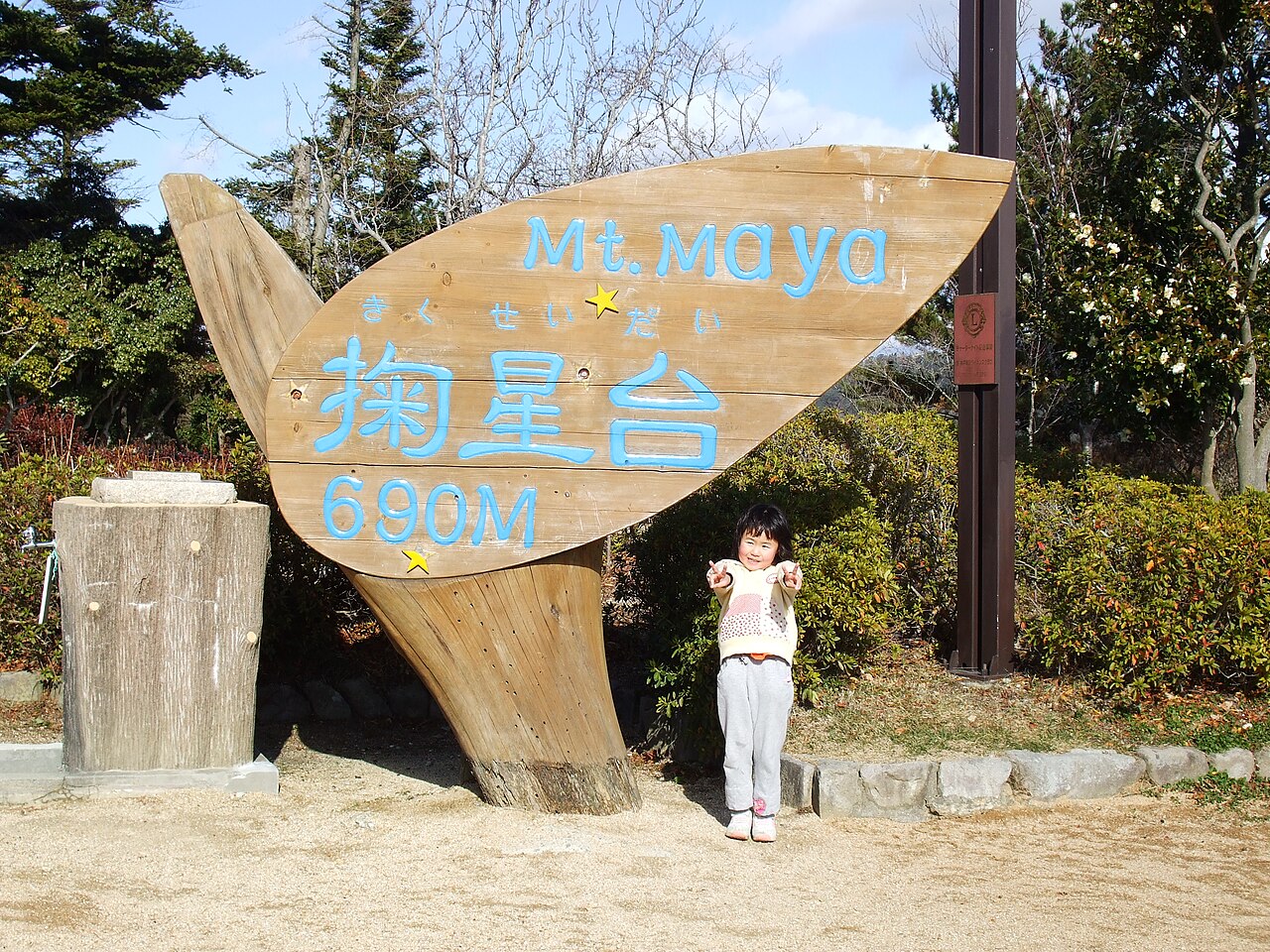
Kikuseidai on Mount Maya
7.9 km · straight line
 Gohachiyasu1214 / CC BY-SA 4.0
History · Hyogo★
Aotanido
8.2 km · straight line
Distances are straight lines on the map, not travel times.