Chichibu · OganoNo.082★Open in map →
Bishamon-sui
— a free spring from a limestone mountain
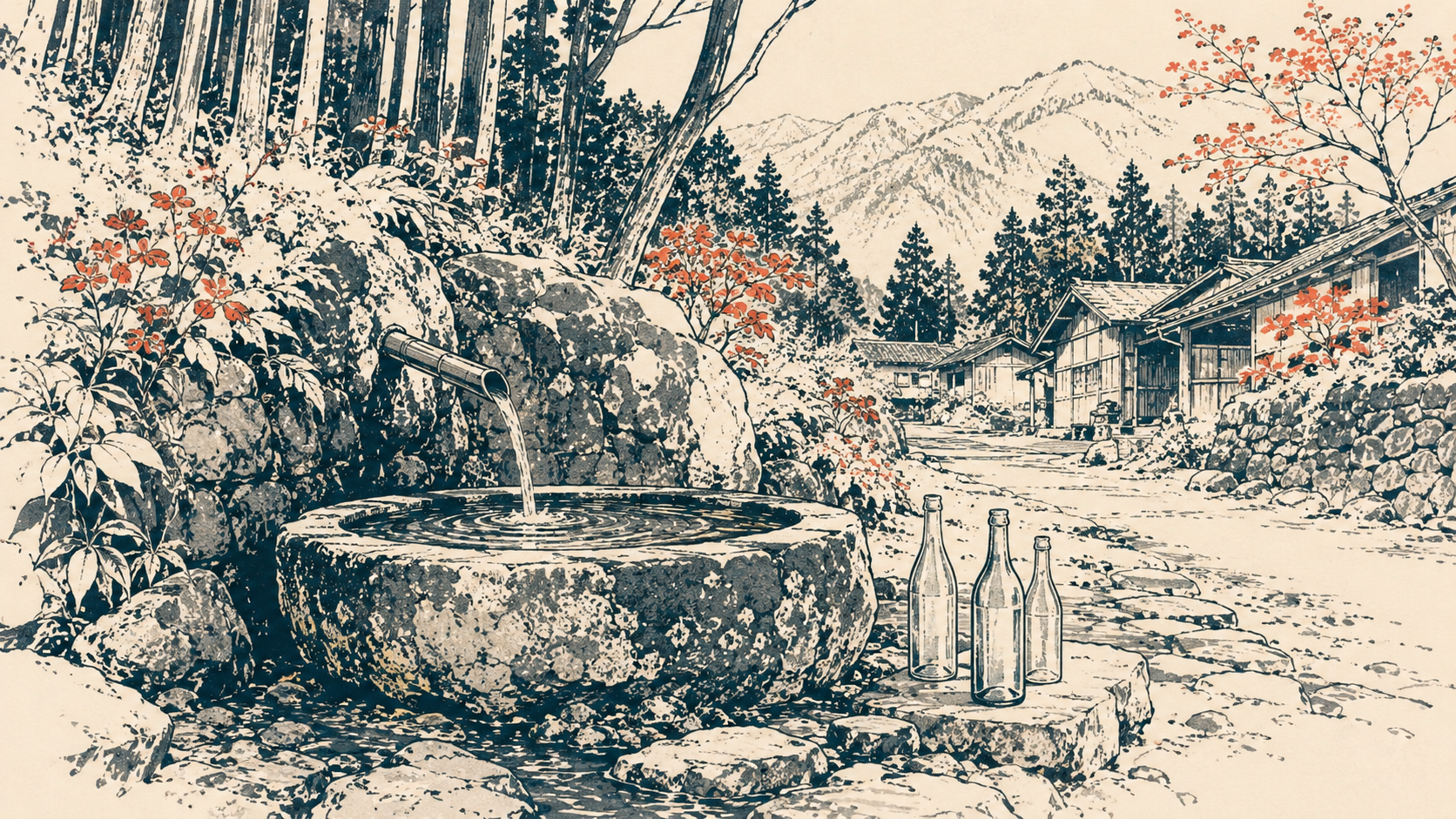
A calcium-rich natural spring in the Maue district of Ogano, a mountain town in Chichibu, Saitama. Listed among Japan's Heisei 100 Famous Waters, and still free to fill from.
- FromSeibu-Chichibu Stn
- ~2 hrbus (infrequent)
- Get off atMoue bus stop, Ogano
- On foot
- Bishamon-sui
The sweet spot
The spring sits off the main pilgrimage and gorge routes, down winding lanes deep into the Ogano hills. There is very little English information about it, and it is reached only by an infrequent local bus with a transfer, so most visitors never notice it. Locals mainly know it by word of mouth.
Where it is
19 more notes in Saitama · open the map →What to look for — in walking order
- Shiraishi-yama sourcethe limestone mountain, also called Bishamon-yama, that feeds the spring
- Heisei 100 Famous Watersa national list of 100 clean waters; the Ministry of the Environment added this spring in 2008
- Free to fillspring water collected into your own bottles at no charge
- Bishamon shaved icein summer, local vendors serve kakigori made with this mineral-rich water
How to actually get there
- Seibu-Chichibu Stn → Ogano Town Hall (Ogano town bus toward Kurio/Ogano, ~30 min)
- Ogano Town Hall → Moue stop (Seibu Kanko G14 bus toward Nagasawa, ~20 min)
- Moue stop → the roadside spring (on foot, ~3 min)
- Seibu-Chichibu Stn + 2 local buses
- Seibu-Chichibu Stn →(Ogano town bus toward Kurio/Ogano, ~30 min)→ Ogano Town Hall (Ogano-yakuba). Transfer there to the Seibu Kanko G14 Kurao-line bus toward Nagasawa →(~20 min)→ Moue stop. Then a short walk to the spring. Bus riding is about 50 min, but both buses run only about 5 times a day and you must wait for the transfer, so allow around 2 hours in total. Check the day's timetable before you leave.
- Same route in reverse
- Return the same way: G14 bus from Moue to Ogano Town Hall, then the Ogano town bus back to Seibu-Chichibu Station. These rural buses run only a few times a day and the last ones leave in the early evening, so when you arrive at Moue, first check the return times posted at the stop.
About the place
In the Maue district of Ogano, spring water emerges from the foot of Shiraishi-yama and collects in a basin where anyone can fill a bottle. Because the mountain is limestone, the water is naturally rich in calcium and minerals, and records note that it flows even in dry spells. The spring has long served the households of the Maue district, and in 2008 the Ministry of the Environment selected it as one of Japan's Heisei 100 Famous Waters — a national list of 100 clean springs and streams. The water is known simply for being clean, cold, and free to take home.
How to enjoy it
Bring clean, empty bottles and fill them from the catchment basin. The spring is reported to flow year-round. In summer, pair the visit with the local Bishamon shaved ice made from the same water.
Background & history
Shiraishi-yama, the mountain that feeds the spring, is also called Bishamon-yama. The spring is traditionally described as water under the protection of Bishamonten, a Buddhist guardian deity. The Ministry of the Environment selected Bishamon-sui for the Heisei 100 Famous Waters in 2008. The water has supported daily life in the Maue district for generations.
Before you go
- Cash
- These rural buses are cash-only, so carry coins and small notes. The spring water itself is free.
- Good to know
- This is a shared village spring, so take only what you will use and keep the basin tidy.
- Another way
- It is far easier to reach by car; there is a place to pull in near the spring.
- After you get off
- From the Moue stop it is about a 3-minute walk on a paved lane to the spring pipe.
Nearby notes
 NY066 / CC BY-SA 3.0
Onsen · Saitama★
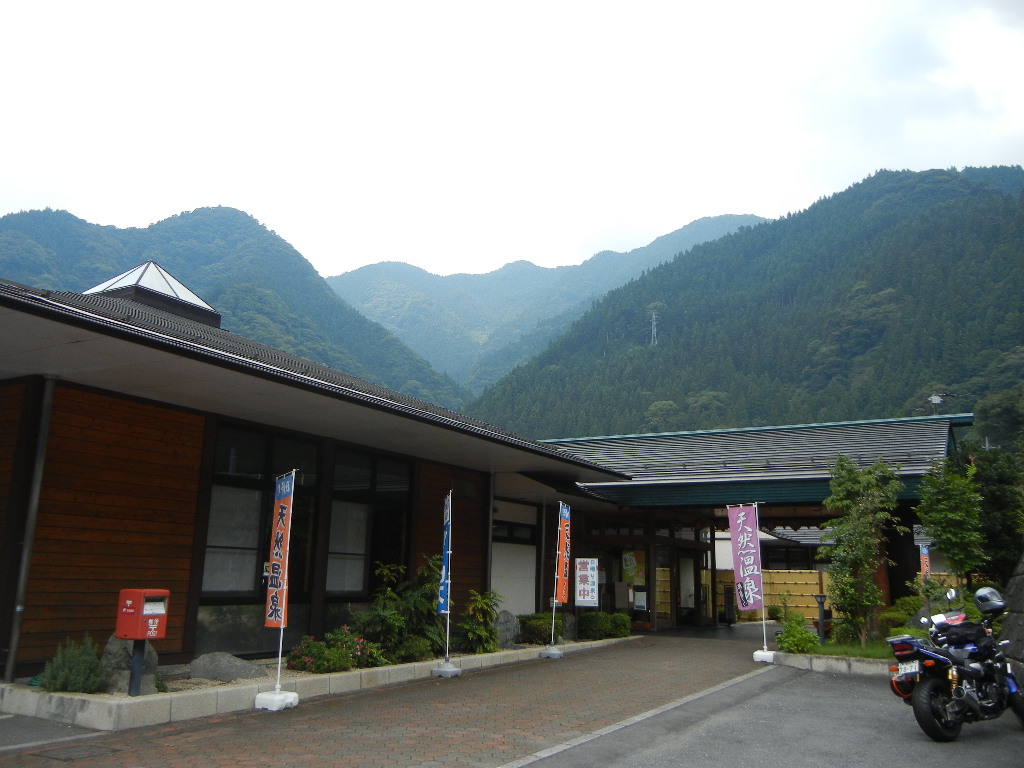
Otaki Onsen Yuyukan
11.3 km · straight line
 Mkun / CC BY-SA 4.0
History · Saitama★★★
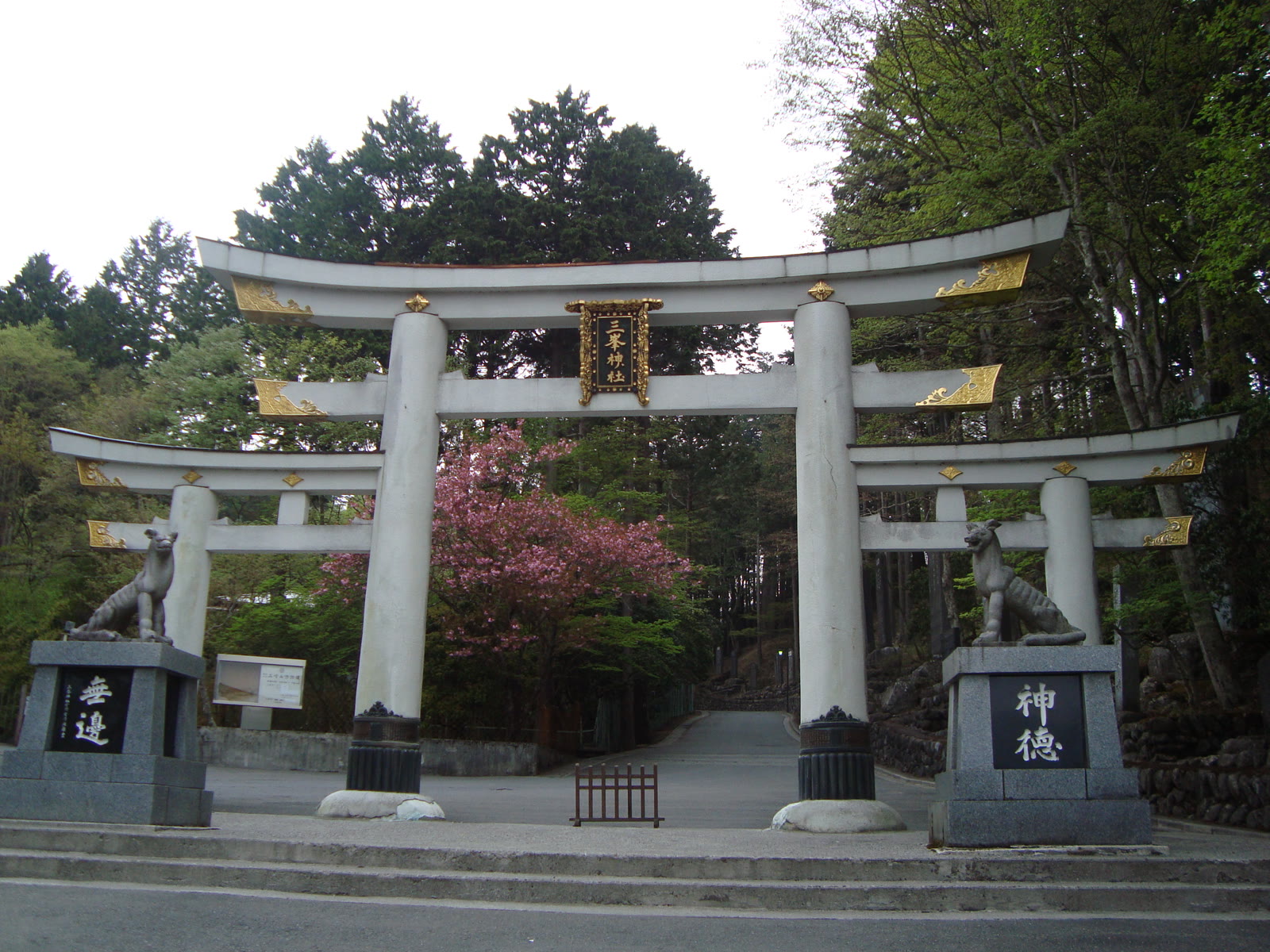
Mitsumine Shrine
14.1 km · straight line
 ちちびあん / CC BY-SA 4.0
History · Saitama★
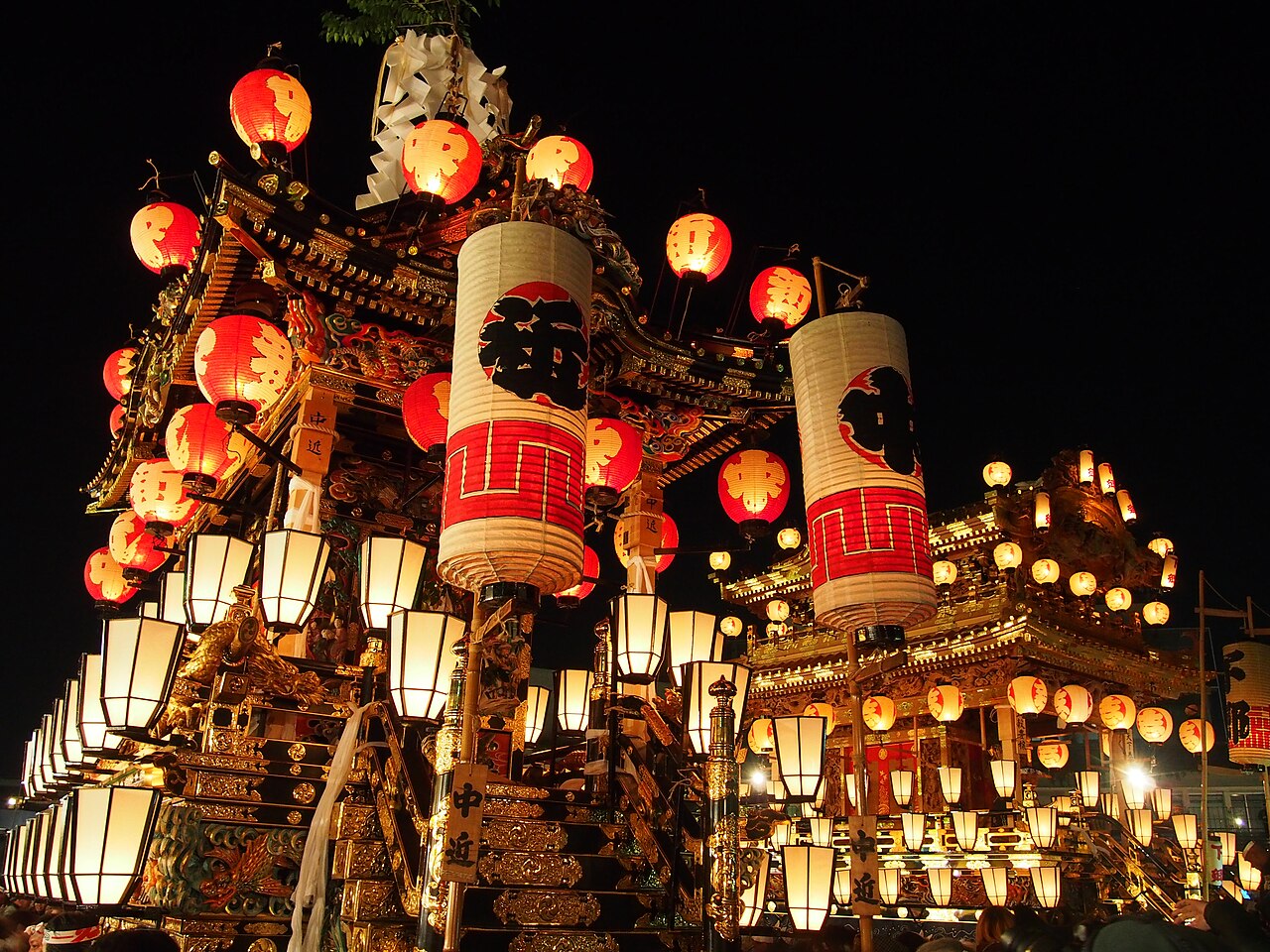
Banba-dori
14.1 km · straight line
 tak1701d / CC BY-SA 3.0
Nature · Saitama★
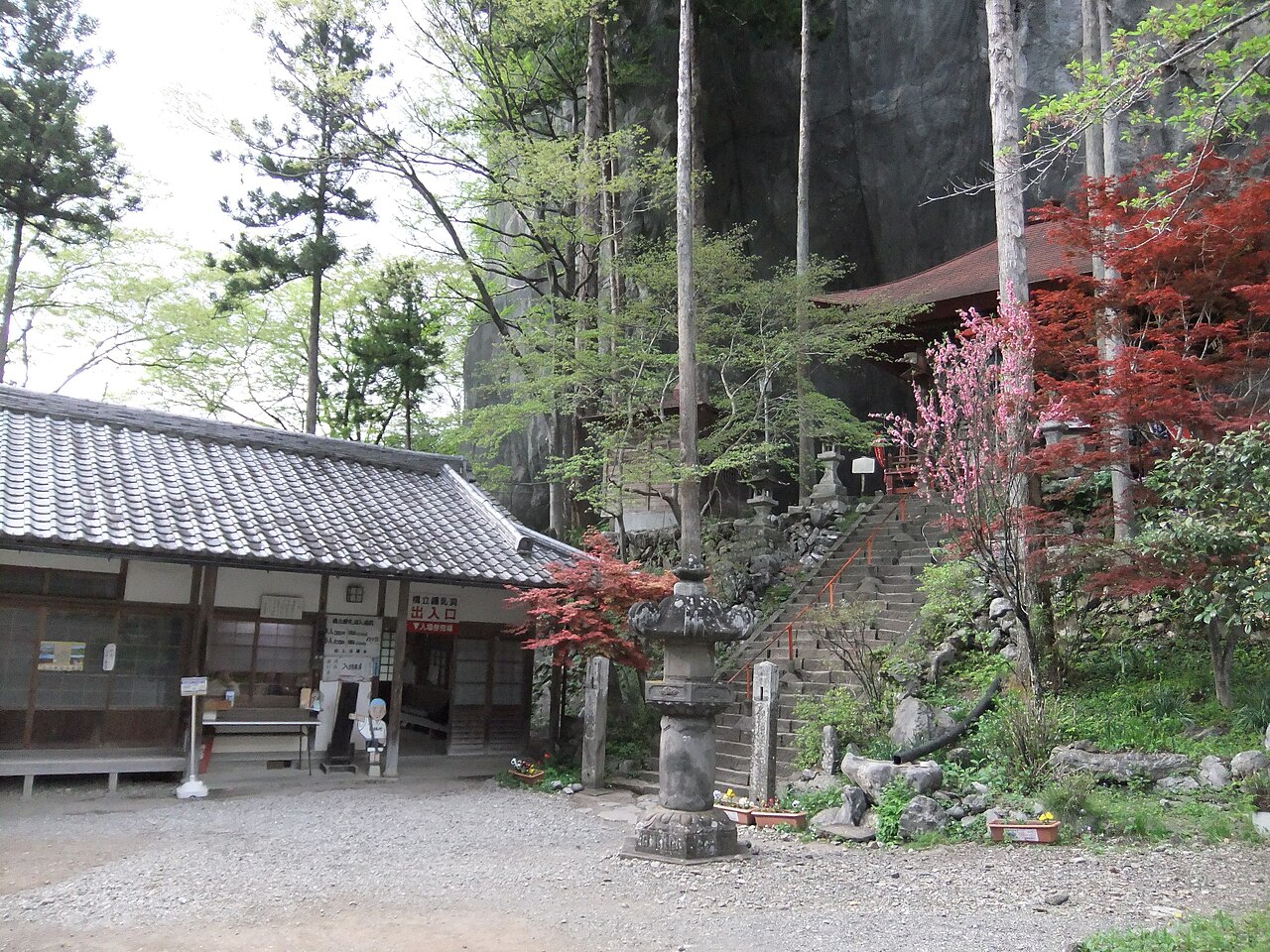
Hashidate Limestone Cave
14.6 km · straight line
Distances are straight lines on the map, not travel times.