Northwest Kyoto · SaganoNo.335★★Open in map →
Daikakuji
— an emperor's villa turned temple
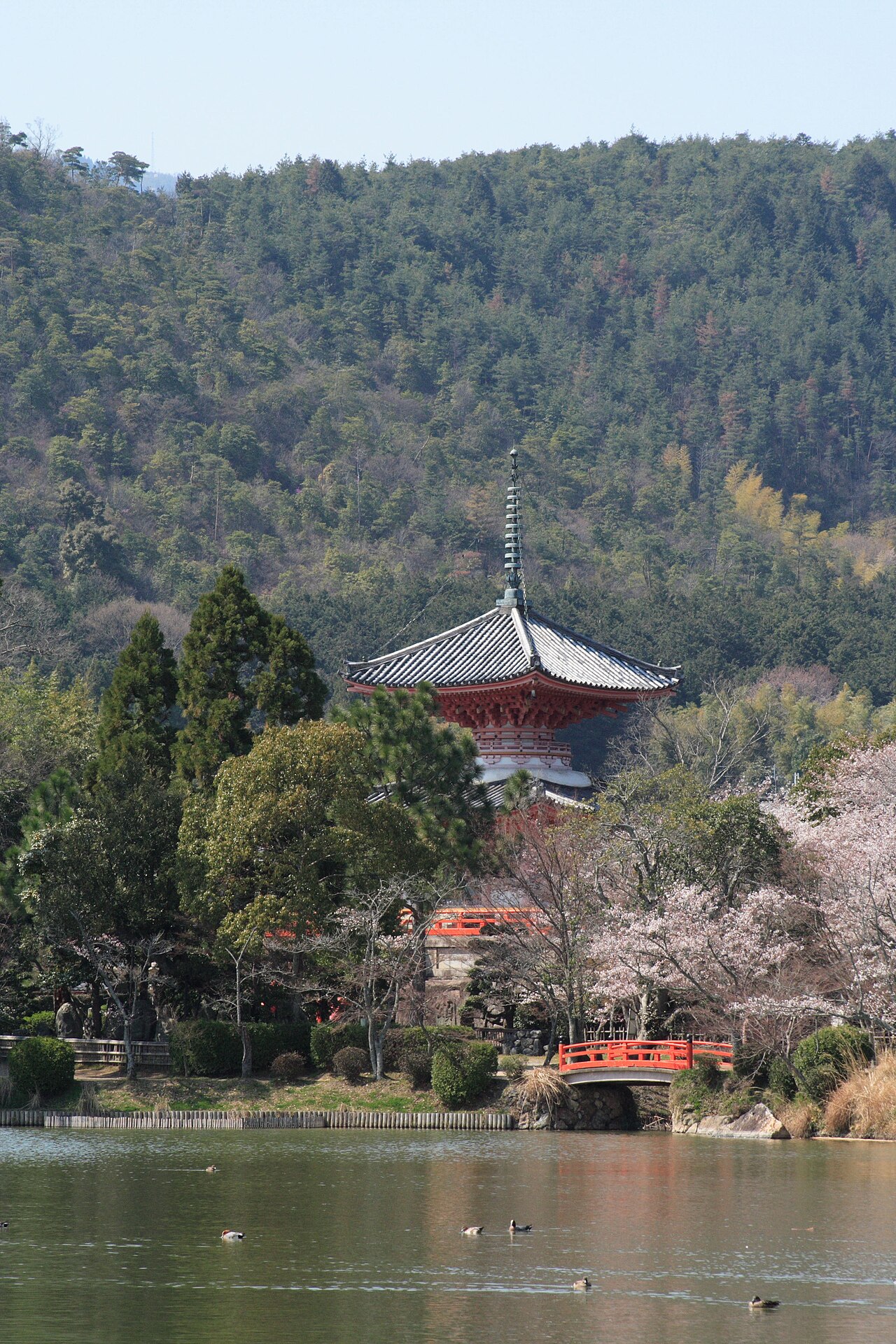
A Shingon head temple in northern Sagano that began as Emperor Saga's detached palace. Osawa Pond behind the halls is Japan's oldest surviving garden pond of its type, a designated Place of Scenic Beauty.
- FromKyoto Station
- ~30 mintrain + short bus
- Get off atDaikakuji bus stop
- On foot
- Daikakuji
The sweet spot
It is a major temple with national designations and it is only a few minutes past Arashiyama, but the tour buses stop at the bamboo grove and Tenryuji. The pond in particular is usually near-empty even in high season.
Where it is
90 more notes in Kyoto · open the map →What to look for — in walking order
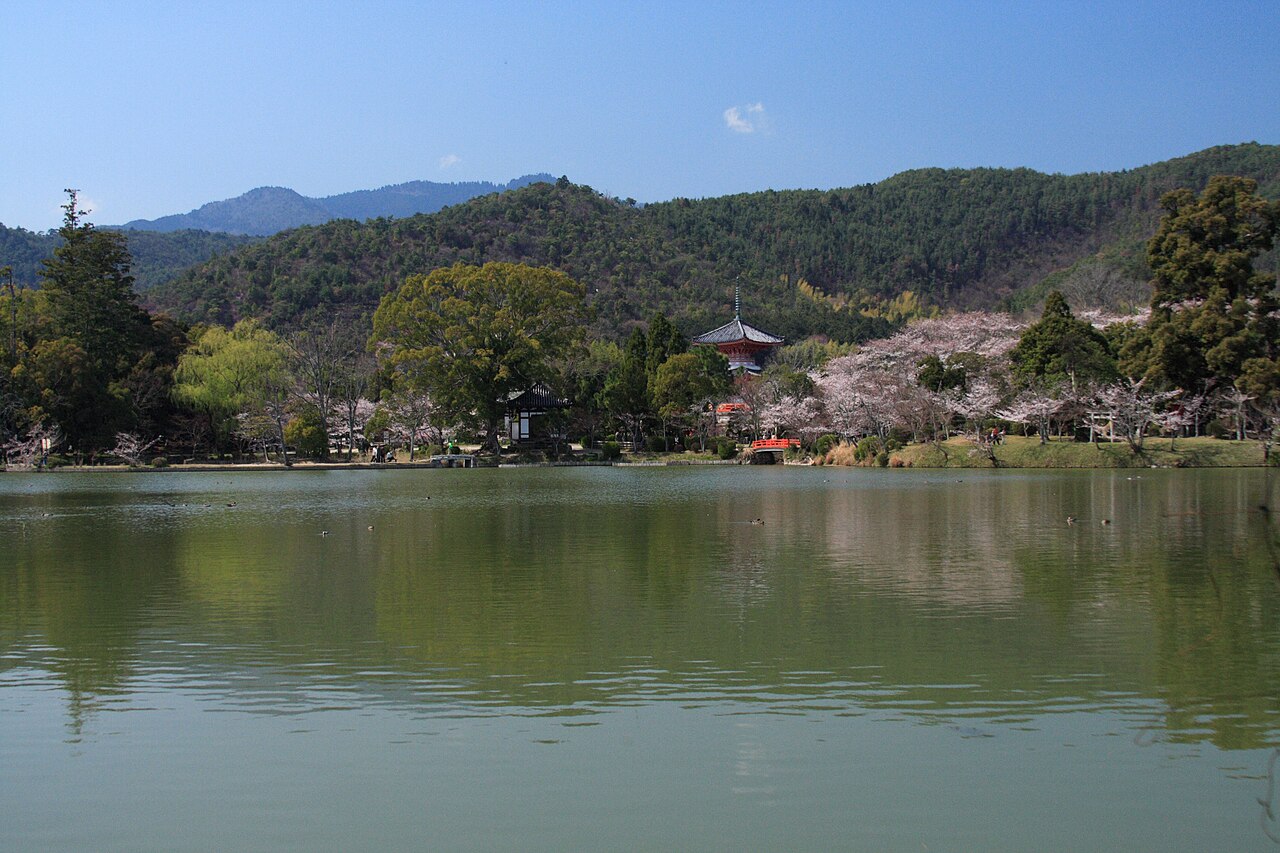
- Osawa PondJapan's oldest surviving garden pond of its type, with a full walking circuit and two islands
- Shinden (the palace hall)a shinden-style hall relocated from an imperial residence, with painted sliding panels
- The wave corridorthe covered walkway whose floor undulates, connecting the halls
- Godaidothe main worship hall, with a wide veranda looking out over the pond
How to actually get there
- Kyoto Stn → Saga-Arashiyama Stn (JR Sagano Line, ~15 min).
- Saga-Arashiyama Stn → Daikakuji (Kyoto City Bus 91, ~6 min, last stop) — or walk, ~20 min.
- Halls first (Shinden, Godaido, the wave corridor), then out to the Osawa Pond circuit.
- JR Sagano Line + City Bus 91
- Kyoto Stn →(JR Sagano Line, ~15 min)→ Saga-Arashiyama Stn →(Kyoto City Bus 91 bound for Daikakuji, ~6 min)→ Daikakuji, the last stop, right at the gate. Total about 30 minutes. You can also walk from Saga-Arashiyama Station in about 20 minutes if the bus timing is awkward.
- Bus or walk back to Saga-Arashiyama
- City Bus 91 runs back to Saga-Arashiyama Station and on toward central Kyoto; the JR Sagano Line from Saga-Arashiyama to Kyoto Station is frequent until late. The temple closes at 17:00, well before the trains, so the return is not tight.
About the place
Daikakuji stands at the north end of Sagano, where the Arashiyama tourist stream thins out to almost nothing. It began as Saga-in, the detached palace of Emperor Saga in the early ninth century, and became a temple later — which is why the buildings feel palatial rather than monastic. Painted sliding panels, a shinden-style hall moved here from an imperial residence, and a covered corridor with a floor that curves like waves. The reason to come, though, is behind the halls. Osawa Pond was dug during the Heian period in imitation of Dongting Lake in China, and it is recognised as the oldest surviving garden pond of this type in Japan — a designated Place of Scenic Beauty. There is no clever design to decode: a broad flat sheet of water, a path all the way around it, two small islands, and pines. It is the same view that Heian courtiers came out here to compose poems about, which is roughly the whole point.
How to enjoy it
Do the halls, then buy the pond ticket and walk the full circuit — most visitors skip it, and it is the older half of the place. Autumn evenings during the temple's mid-autumn moon-viewing event are the famous version, when boats with dragon prows are put on the water; outside that, a quiet weekday morning on the pond path is the better experience.
Background & history
The site was the detached palace of Emperor Saga, built in the early ninth century, and was converted to a temple later in the same century; it remains the head temple of the Daikakuji branch of Shingon Buddhism, and is still known as the Old Saga Imperial Palace. Osawa Pond was created in the Heian period in imitation of Dongting Lake in China and is designated a national Place of Scenic Beauty. The temple is also the seat of the Saga Goryu school of ikebana, whose tradition is traced back to Emperor Saga's own flower arranging.
Before you go
- Cash
- Admission is charged separately: about ¥800 for the halls and about ¥500 for the Osawa Pond area. IC cards work on the bus and the train.
- Good to know
- Open roughly 9:00-16:30 with the gate closing at 17:00. Parts of the precinct can close for temple ceremonies — check the official site if you are travelling specifically for the halls.
- Another way
- Walking south from the pond takes you through quiet Sagano lanes to Gioji and the Adashino area before you reach the Arashiyama crowds.
- After you get off
- The Daikakuji bus stop is at the temple gate. From Saga-Arashiyama Station it is about 20 minutes on foot if you prefer to walk.
Nearby notes
 Streetdeck / CC BY-SA 4.0
Nature · Kyoto★
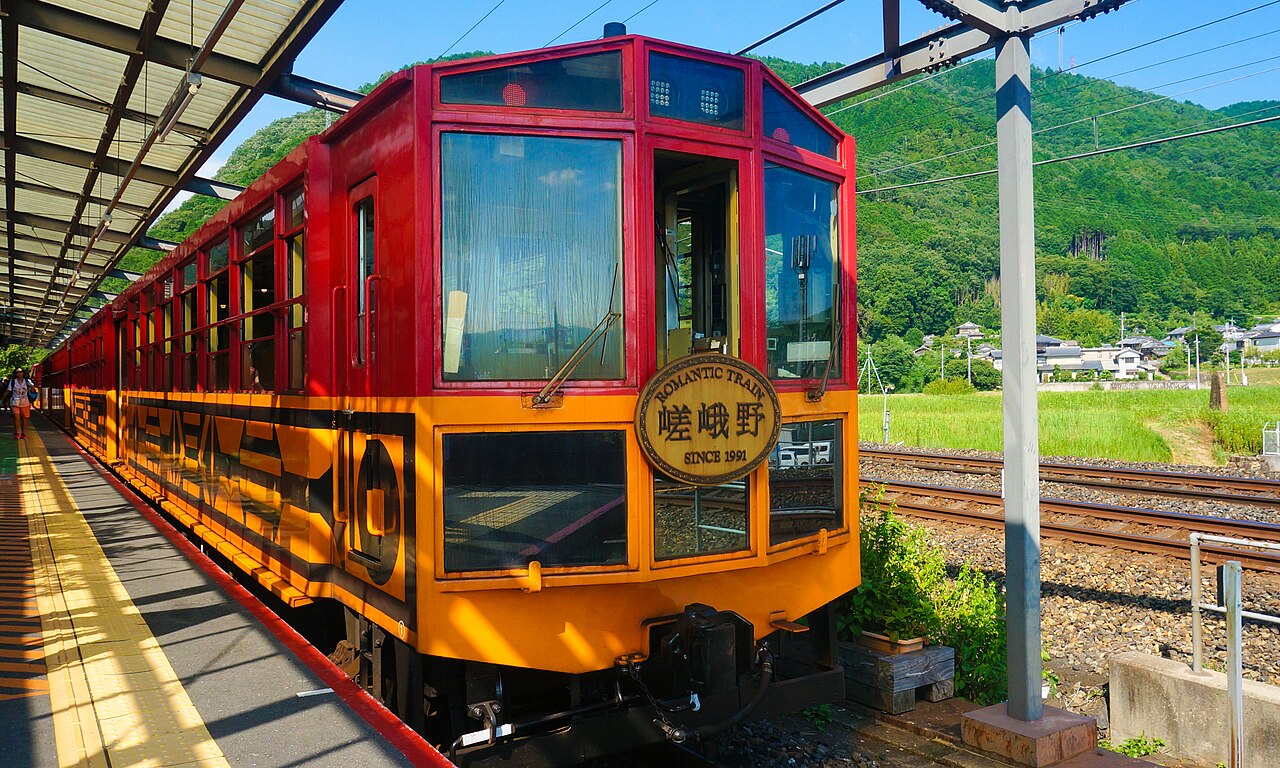
Sagano Romantic Train
1.1 km · straight line
 663highland / CC BY 2.5
History · Kyoto★
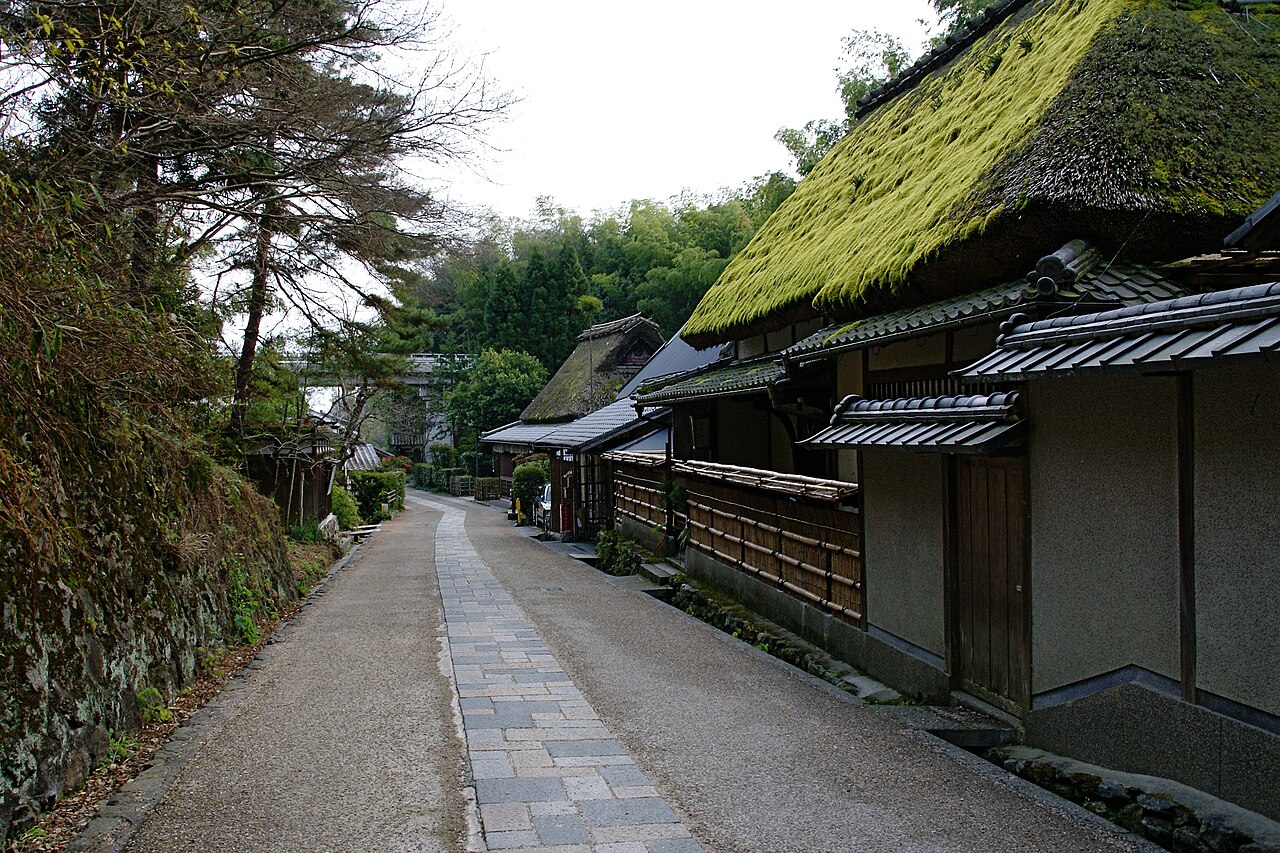
Saga-Toriimoto
1.2 km · straight line
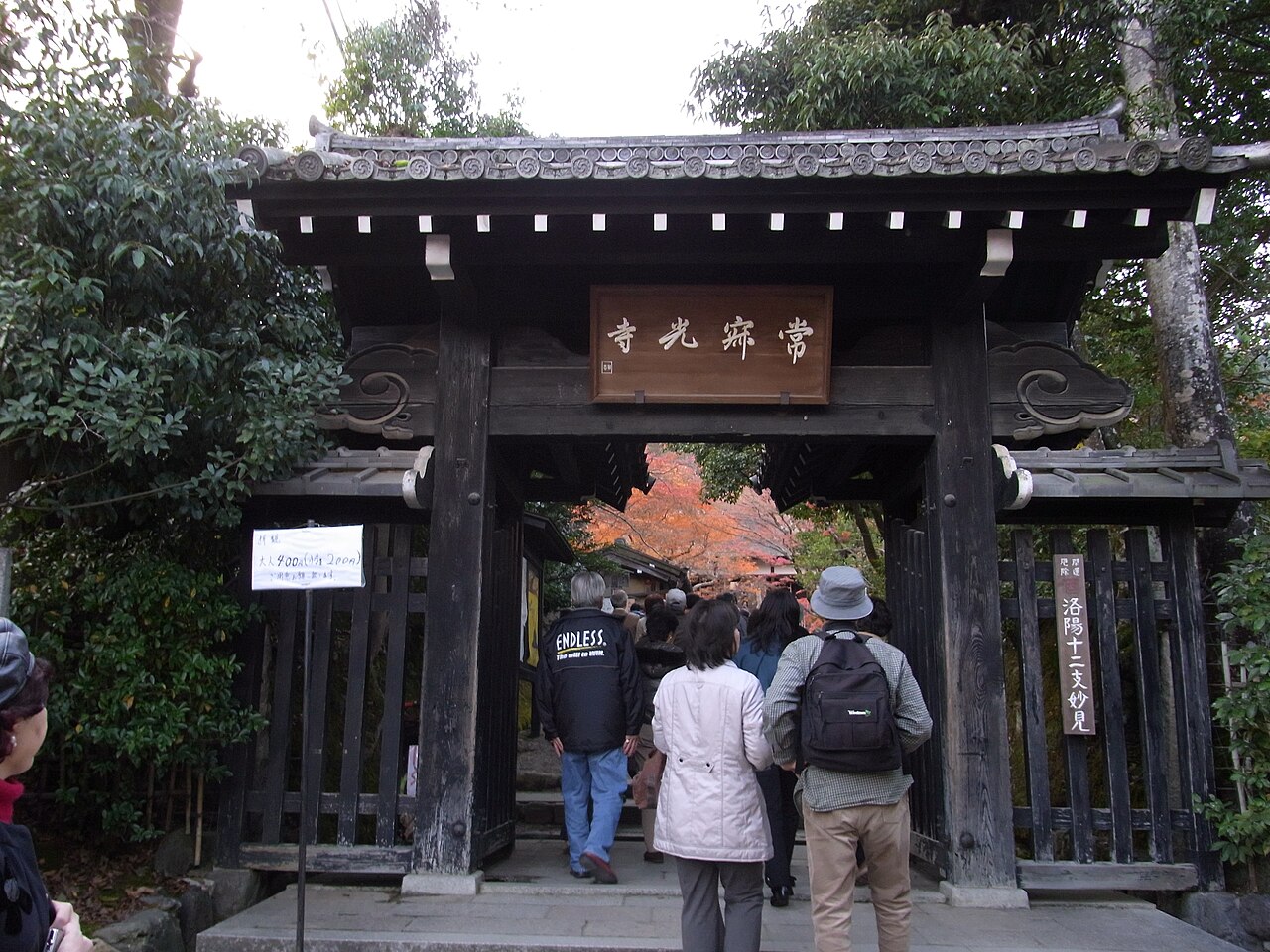 江戸村のとくぞう / CC BY-SA 4.0
History · Kyoto★★
Jojakko-ji
1.2 km · straight line
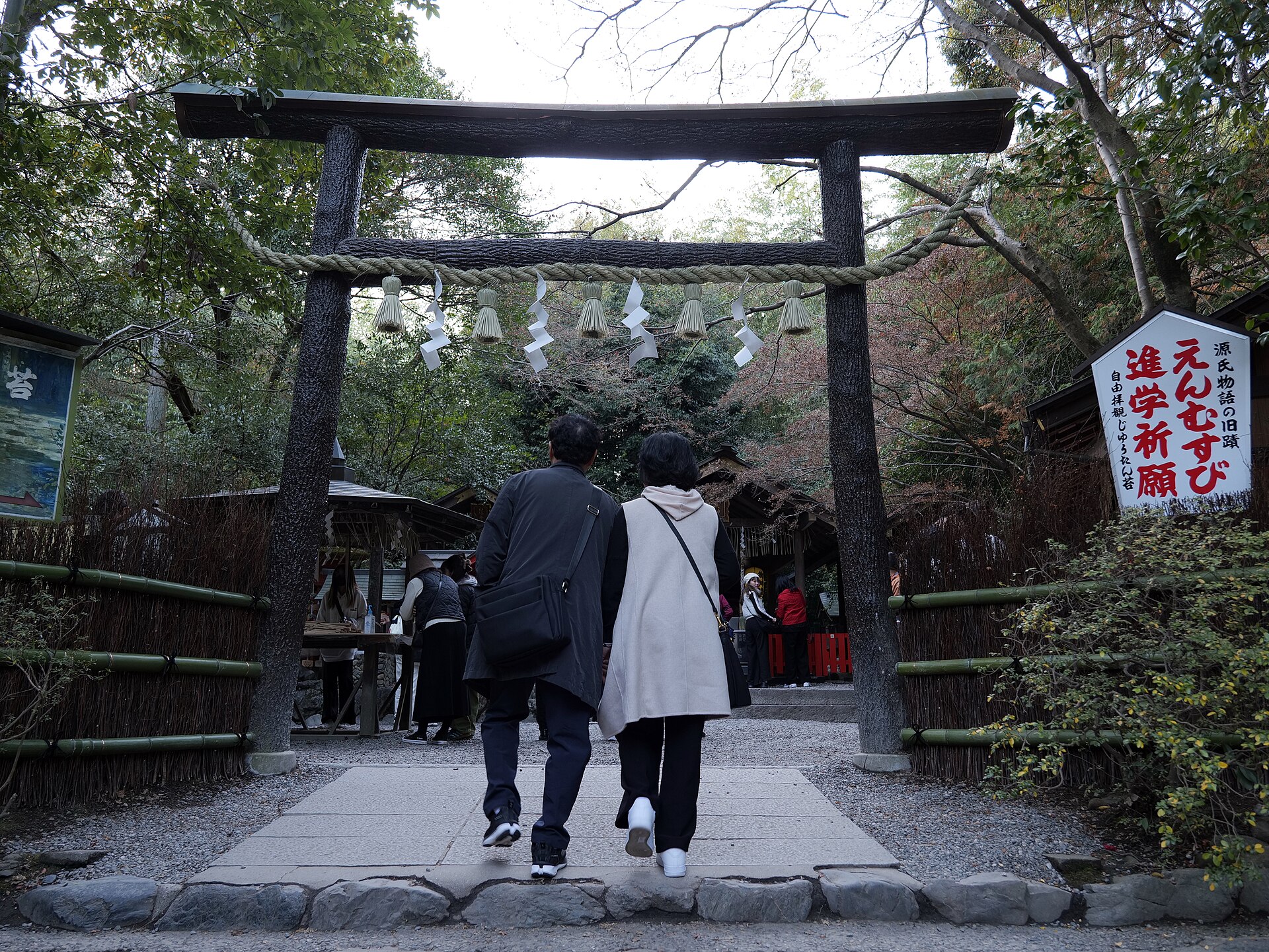 Hyppolyte de Saint-Rambert / CC BY 4.0
History · Kyoto★★
Nonomiya Shrine
1.2 km · straight line
Distances are straight lines on the map, not travel times.