Northwest Kyoto · OkusagaNo.009★Open in map →
Saga-Toriimoto
— the pilgrimage lane above Arashiyama
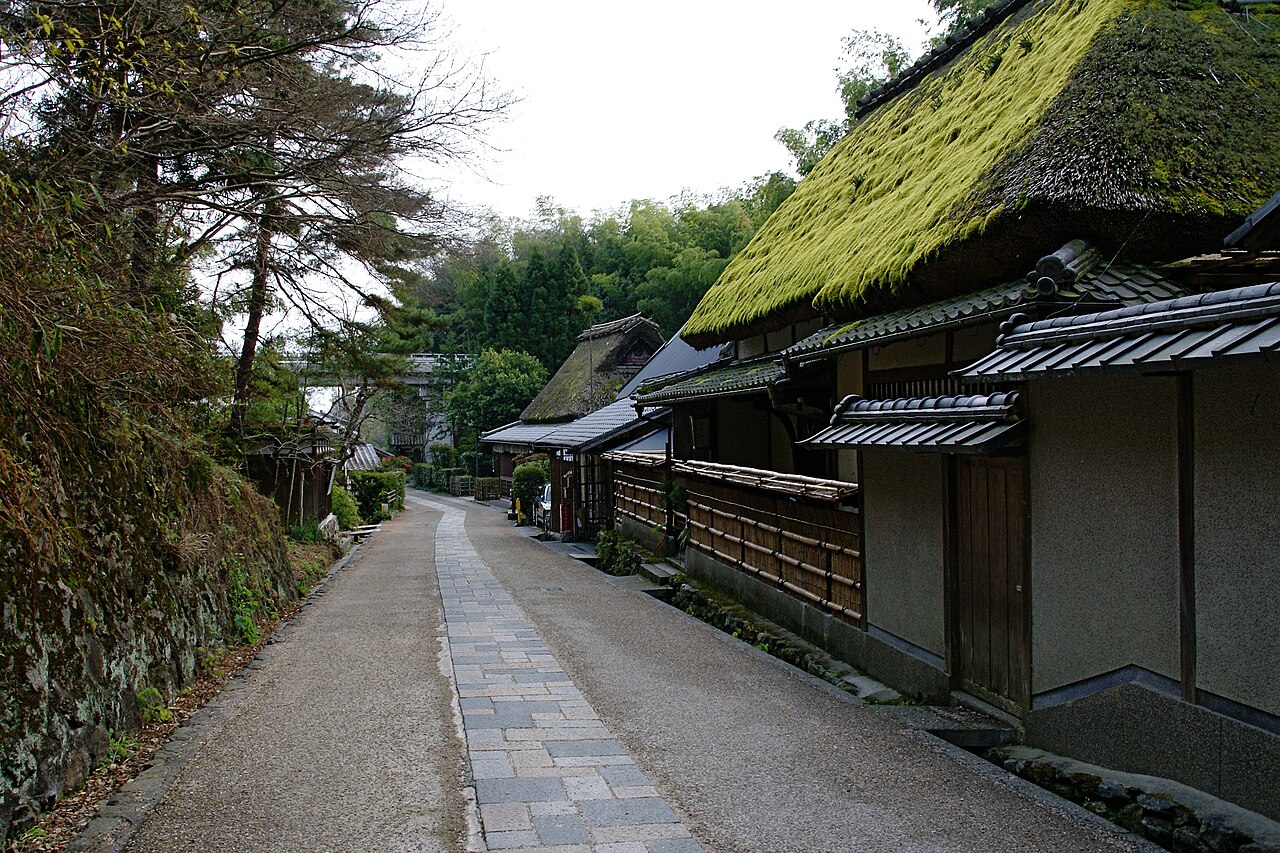
A preserved shrine-gate street stretching about 600 metres along the old Atago pilgrimage road, lined with thatched farmhouses and latticed townhouses.
- FromKyoto Stn
- ~45 mintrain + walk
- Get off atSaga-Arashiyama Stn
- From there
- Saga-Toriimoto
The sweet spot
It sits at the far, upstream end of Arashiyama, about a 25-30 minute walk beyond the famous bamboo grove and bridge, so most day-trippers turn back before reaching it. There is little English travel information about it, and the houses are ordinary lived-in homes rather than a staged tourist set, so it stays quiet.
Where it is
90 more notes in Kyoto · open the map →What to look for — in walking order
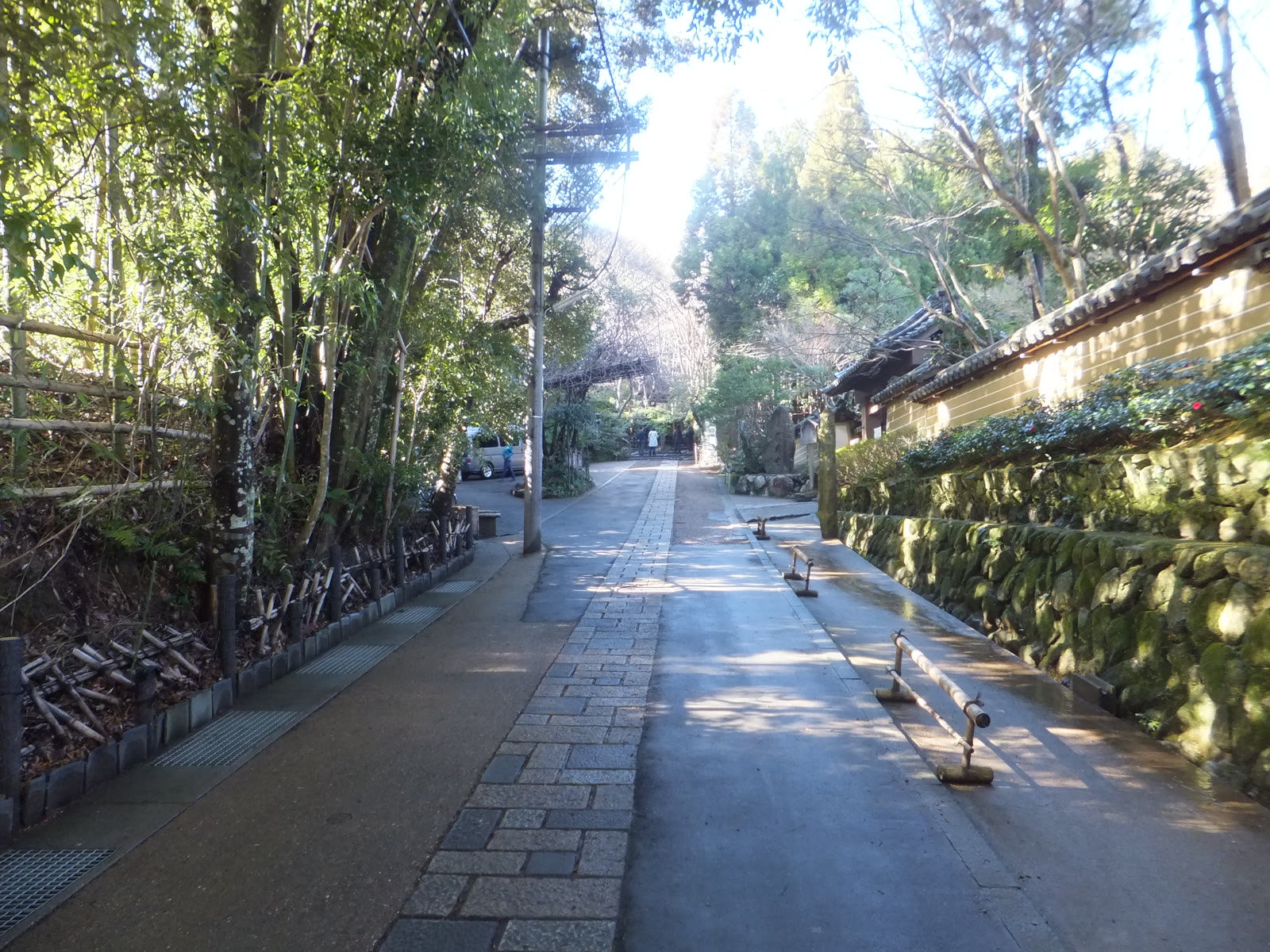
- Lower machiya sectionlatticed, tiled two-storey townhouses on the pilgrimage road below Adashino Nenbutsu-ji
- Adashino Nenbutsu-jia Buddhist temple holding roughly 8,000 stone Buddha figures, gathered here to memorialise the unclaimed dead of the Sagano district
- Upper thatched sectionfarmhouse-style buildings with thatched roofs, on the road above the temple
- The first toriithe large vermilion shrine gate of Atago Shrine that gives the district its name — Toriimoto means 'at the foot of the gate'
How to actually get there
- Kyoto Stn → Saga-Arashiyama Stn (JR Sagano Line, ~15 min).
- Saga-Arashiyama Stn → the preserved street (walk northwest, ~25-30 min, gently uphill).
- Walk the ~600 m street uphill toward the vermilion torii gate at the top.
- JR train + walk (via Saga-Arashiyama)
- Kyoto Stn →(JR Sagano Line, ~15 min, ¥240)→ Saga-Arashiyama Stn →(walk northwest, ~25-30 min, gently uphill)→ the preserved street. Total ~45 min. A Kyoto Bus toward Kiyotaki also passes nearby, but it runs only a few times a day (about 6-8 runs, mostly midday) — check the day's timetable before relying on it; the walk is the reliable option.
- Return the same way
- Walk back down to Saga-Arashiyama Stn (~25-30 min) for frequent JR trains to central Kyoto. If you take the Kyoto Bus toward Arashiyama instead, note that its service ends in the afternoon and early evening — check the return time posted at the stop when you arrive, as buses here are infrequent.
About the place
Saga-Toriimoto sits at the deep end of Sagano, the district northwest of central Kyoto. The street follows the Atago-kaido, a road that once carried pilgrims up to Atago Shrine on the mountain above. In 1979 the government designated it an Important Preservation District for Groups of Traditional Buildings. The roughly 600-metre stretch divides naturally around Adashino Nenbutsu-ji temple: thatched farmhouse-style buildings on the upper section, latticed tiled two-storey machiya on the lower. The result reads as a working record of a shrine town — one built to serve pilgrims, not tourists.
How to enjoy it
Walk the full length of the street from bottom to top, taking in the shift from machiya to thatched farmhouses as you climb. Adashino Nenbutsu-ji holds its Sento-Kuyo candle memorial on the last Saturday and Sunday of August each year, when around a thousand candles are lit among the stone Buddhas.
Background & history
The settlement opened around the late Muromachi period (1400s–1500s) as a village of farmers and woodcutters. From the mid-Edo period (1700s) it took on the added role of a monzen-machi — a town at the foot of a shrine gate — serving pilgrims bound for Atago Shrine. Townhouses, farmhouses and teahouses continued to line the road through the Meiji and Taisho eras. The district covers roughly 2.6 hectares, and the vermilion first torii of Atago Shrine stands near the top of the street.
Before you go
- Cash
- Small teahouses along the lane are often cash-only, and rural bus fares may need coins — carry some cash to be safe.
- Good to know
- People live in these houses. Photograph the street itself, not inside windows, gates or private yards.
- Another way
- Instead of waiting for the infrequent bus, walk up from Saga-Arashiyama Stn through the temple area (~25-30 min); it is a pleasant, mostly gentle uphill route.
- After you get off
- From Saga-Arashiyama Stn, head northwest and uphill on the paved lane; the preserved street runs up toward the stone torii gate at the top.
Nearby notes
 663highland / CC BY 2.5
Craft · Kyoto★
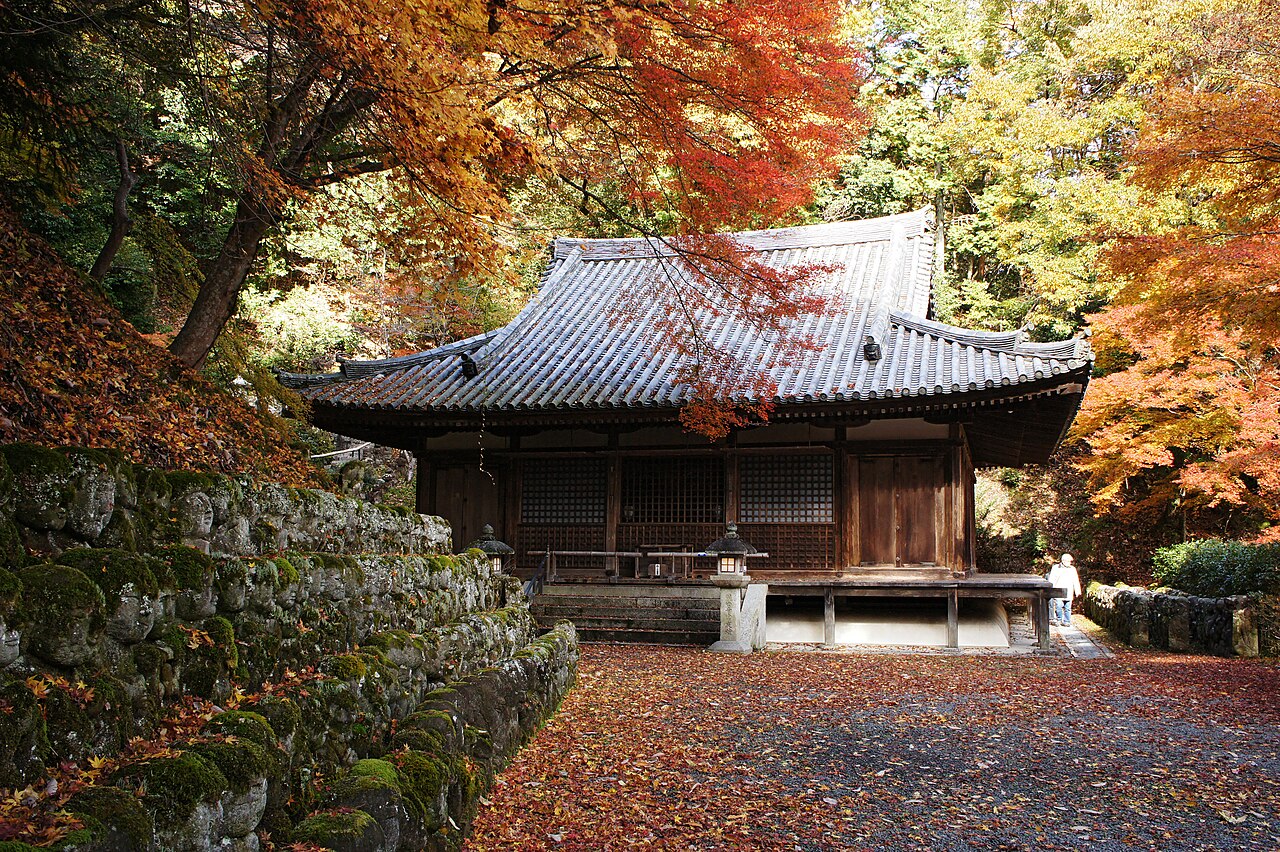
Otagi Nenbutsu-ji
0.6 km · straight line
 江戸村のとくぞう / CC BY-SA 4.0
History · Kyoto★★
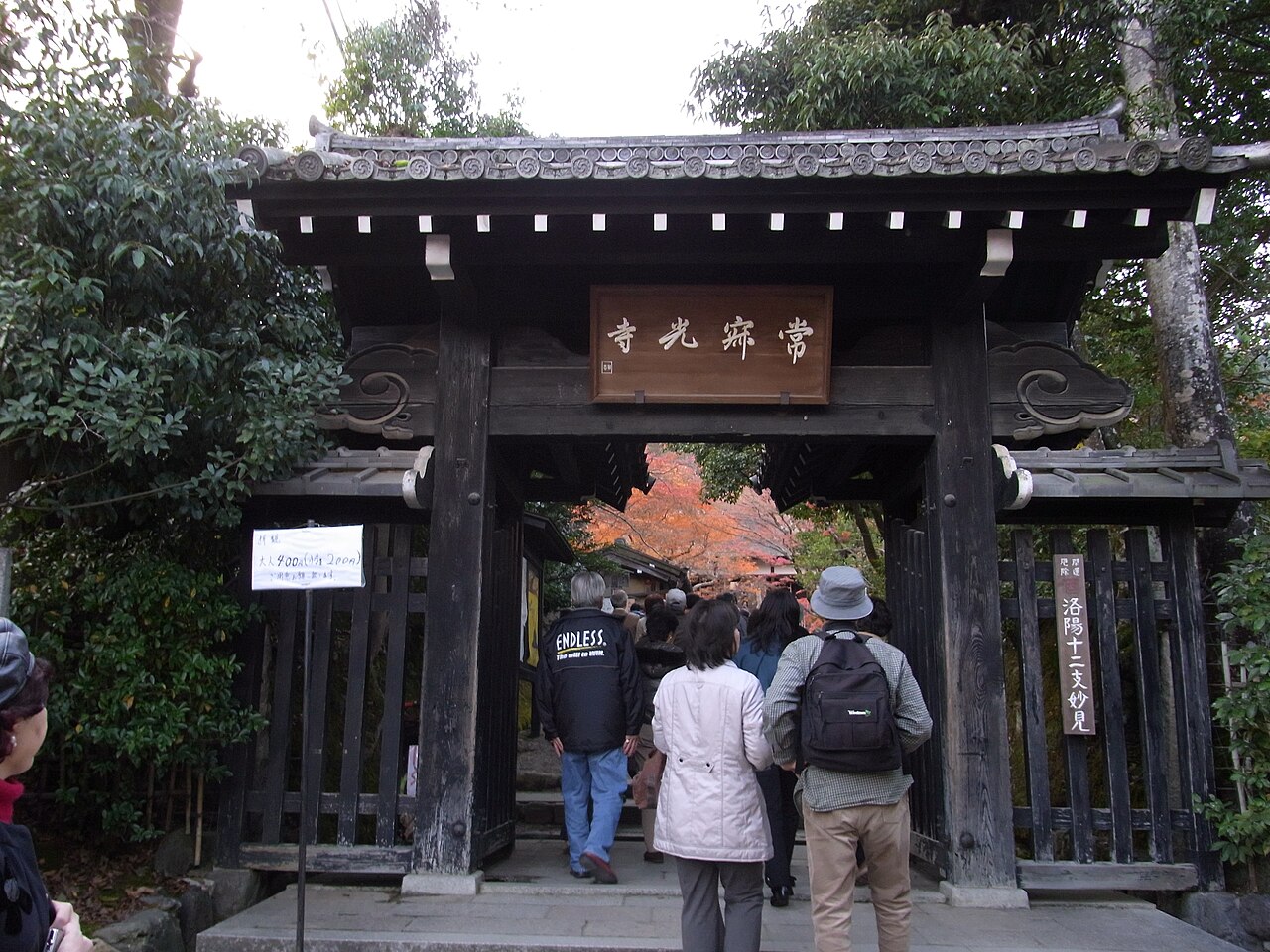
Jojakko-ji
0.7 km · straight line
 ignis / CC BY-SA 3.0
History · Kyoto★★
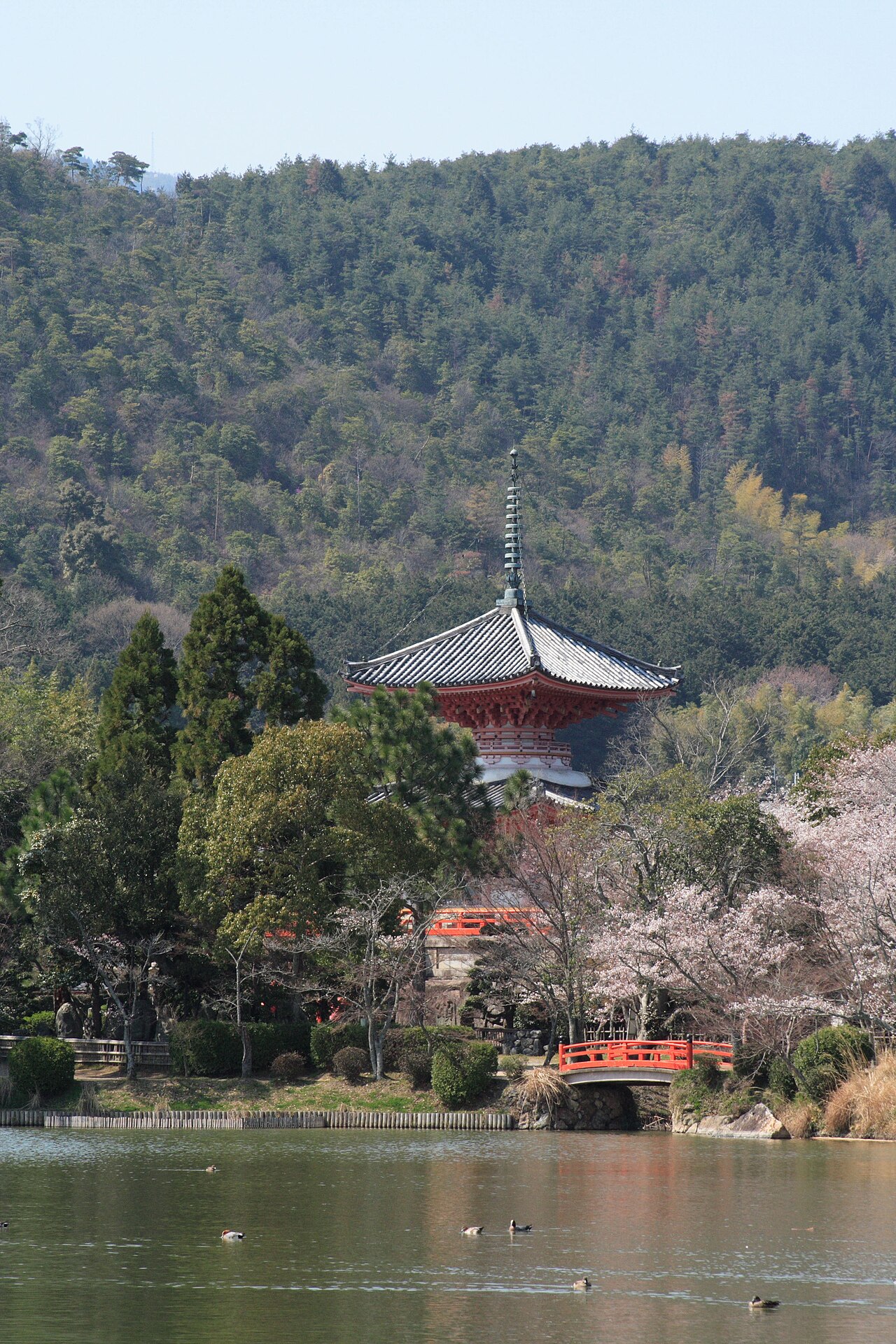
Daikakuji
1.2 km · straight line
 Erol Ahmed / CC0
Nature · Kyoto★★★
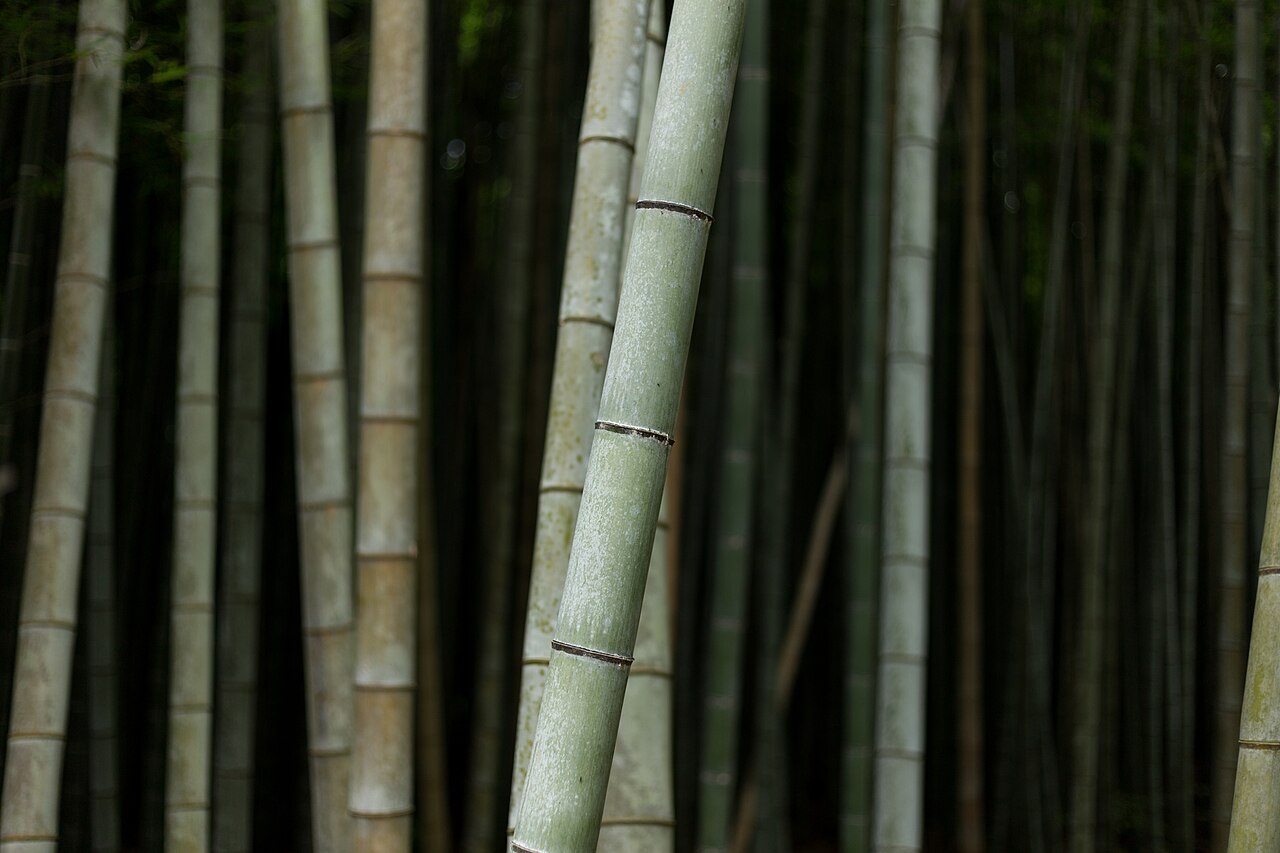
Arashiyama Bamboo Grove
1.3 km · straight line
Distances are straight lines on the map, not travel times.