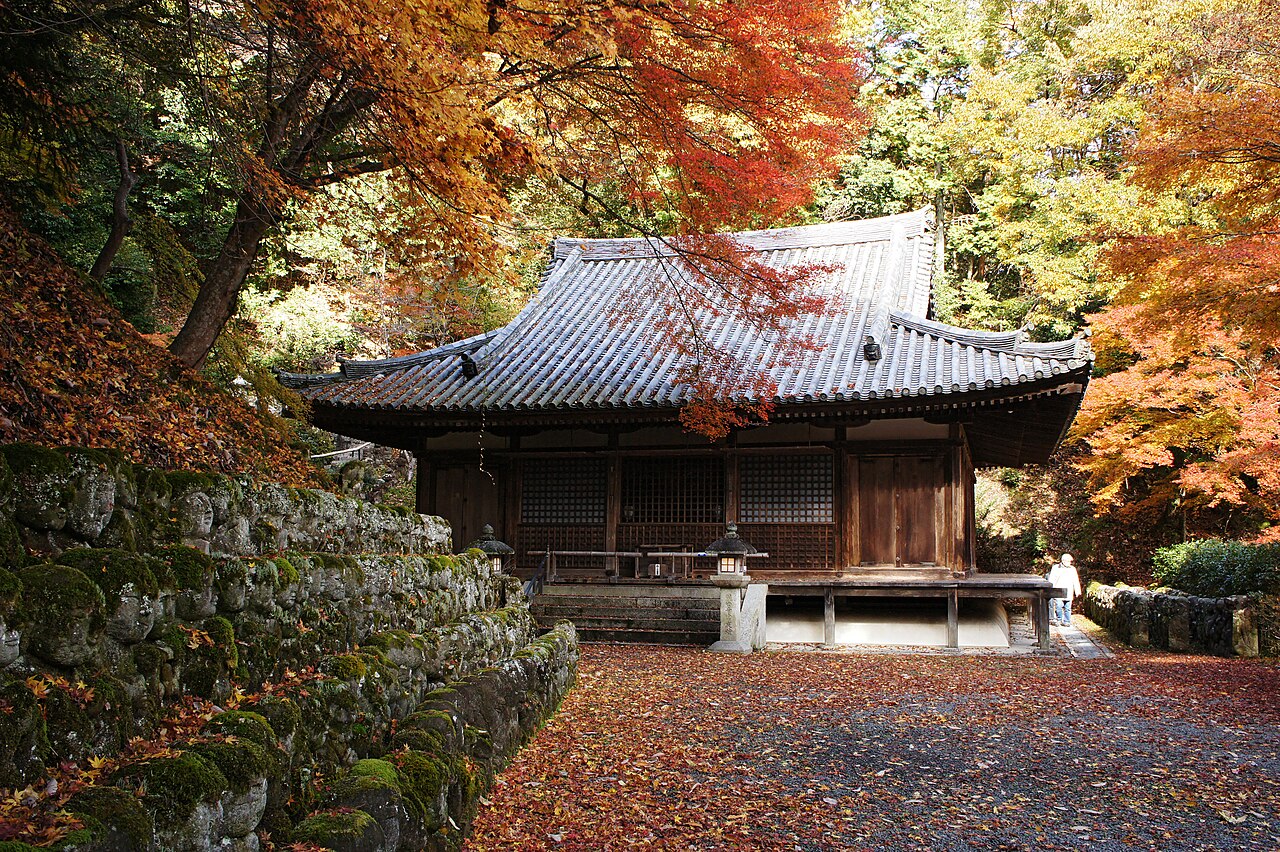
Northwest Kyoto · OkusagaNo.010★Open in map →
Otagi Nenbutsu-ji
— the temple of 1,200 hand-carved rakan
A small temple at the foot of Mt. Atago whose mossy grounds are filled with roughly 1,200 stone rakan — Buddhist disciples — each carved by a different member of the public.
- FromKyoto Stn
- ~55–70 mintrain + bus (infrequent)
- Get off atOtagidera-mae bus stop
- On foot
- Otagi Nenbutsu-ji
The sweet spot
It sits at the far end of the Arashiyama valley, past the main tourist stops, so most day-trippers and tour buses never reach it. The rakan are a community art project from the 1980s rather than a classical treasure, so guidebooks tend to give it little space, and there is little English information about it.
Where it is
90 more notes in Kyoto · open the map →What to look for — in walking order
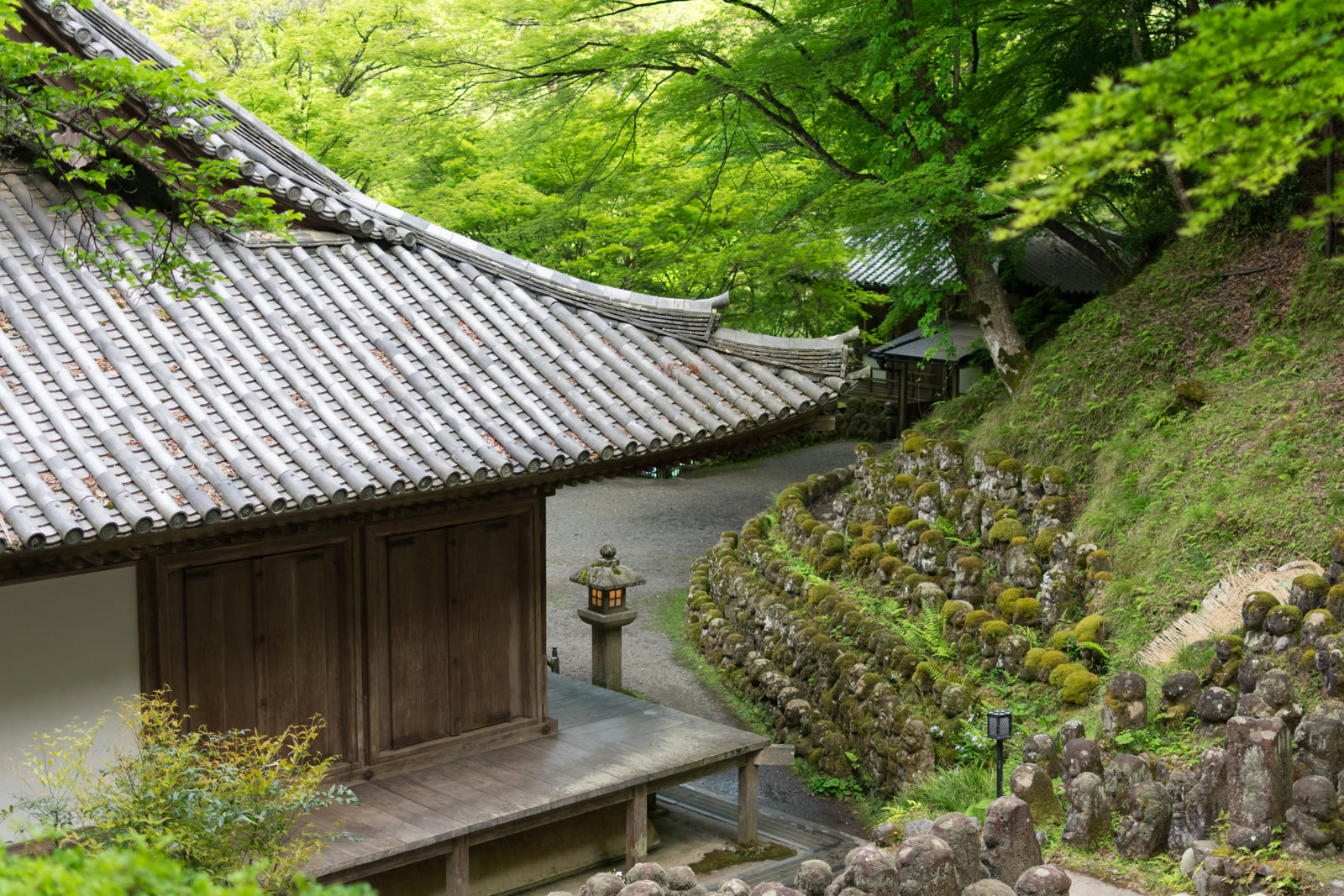
- The relocated hall and gatethe temple's main hall and gate, moved to this site in 1922 from eastern Kyoto
- The rakan sloperoughly 1,200 stone disciples covering the mossy hillside, each carved by a different hand
- Playful expressionsfigures range from solemn prayer to laughter; some hold a tennis racket, a cassette player, or a cup of sake shared between two statues
- Moss and weatheringrain and moss have aged the 1980s carvings so they look far older than they are
How to actually get there
- Kyoto Station → Saga-Arashiyama Station (JR Sagano Line, ~15 min)
- Saga-Arashiyama Station → Nonomiya bus stop (walk, ~10 min)
- Nonomiya → Otagidera-mae (Kyoto Bus #94 toward Kiyotaki, ~25 min)
- Otagidera-mae stop → temple gate (walk uphill, ~2 min)
- JR train + Kyoto Bus
- Kyoto Station →(JR Sagano Line, ~15 min)→ Saga-Arashiyama Station. Then walk about 10 min to the Nonomiya bus stop, and take Kyoto Bus #94 bound for Kiyotaki →(~25 min)→ Otagidera-mae stop, right by the temple gate. Total about 55–70 min. Bus #94 runs only a few times a day (roughly late morning to mid-afternoon) — check the day's timetable before you leave.
- Return the same way
- Take Kyoto Bus #94 back toward Arashiyama, then the JR Sagano Line to Kyoto. The Kiyotaki buses end in the afternoon, so when you arrive, check the return times posted at the Otagidera-mae stop. A taxi to Saga-Arashiyama Station is about 5 min if you miss the bus.
About the place
Otagi Nenbutsu-ji sits at the top of the Okusaga road, near the foot of Mt. Atago in the far-northwest hills of Kyoto. Its grounds are covered with roughly 1,200 small stone rakan — the disciples of the Buddha. They were carved between 1981 and 1991 by ordinary members of the public, not professional sculptors, who came to learn the craft under the temple's head priest. Because each figure came from a different hand, the expressions vary widely: some sit in solemn prayer, many smile or laugh, and some hold objects that hint at a carver's hobby. Decades of rain and moss have since softened the stone, so statues barely forty years old can look far older.
How to enjoy it
The temple stands at the very top of the Okusaga road, making it a natural pair with Saga-Toriimoto, the preserved old townscape of wooden houses just below. Go slowly and look closely — the reward is in spotting individual faces and small personal objects, rather than taking in the crowd of statues at a glance.
Background & history
By tradition the temple was founded in 766, established by order of Empress Shotoku near Gion in eastern Kyoto. Flooding of the Kamo River destroyed it, and it was re-established during the Heian period (794–1185). In 1922 the surviving main hall and gate were moved to the present hillside site in the Arashiyama hills. The rakan project grew from the temple's restoration under Kocho Nishimura (1915–2003), a trained sculptor appointed head priest in 1955, who invited visitors to carve their own figure and to draw out the individual hidden in each stone.
Before you go
- Cash
- Admission is a small fee, cash only — carry coins and small notes, as the rural bus is also often cash-only.
- Good to know
- The stone statues are fragile. Please look only — do not climb on them or lean against them.
- Another way
- On the same walk you can combine it with Saga-Toriimoto, the preserved old street just below the temple.
- After you get off
- From the Otagidera-mae stop it is about a 2-minute walk uphill to the temple gate.
Nearby notes
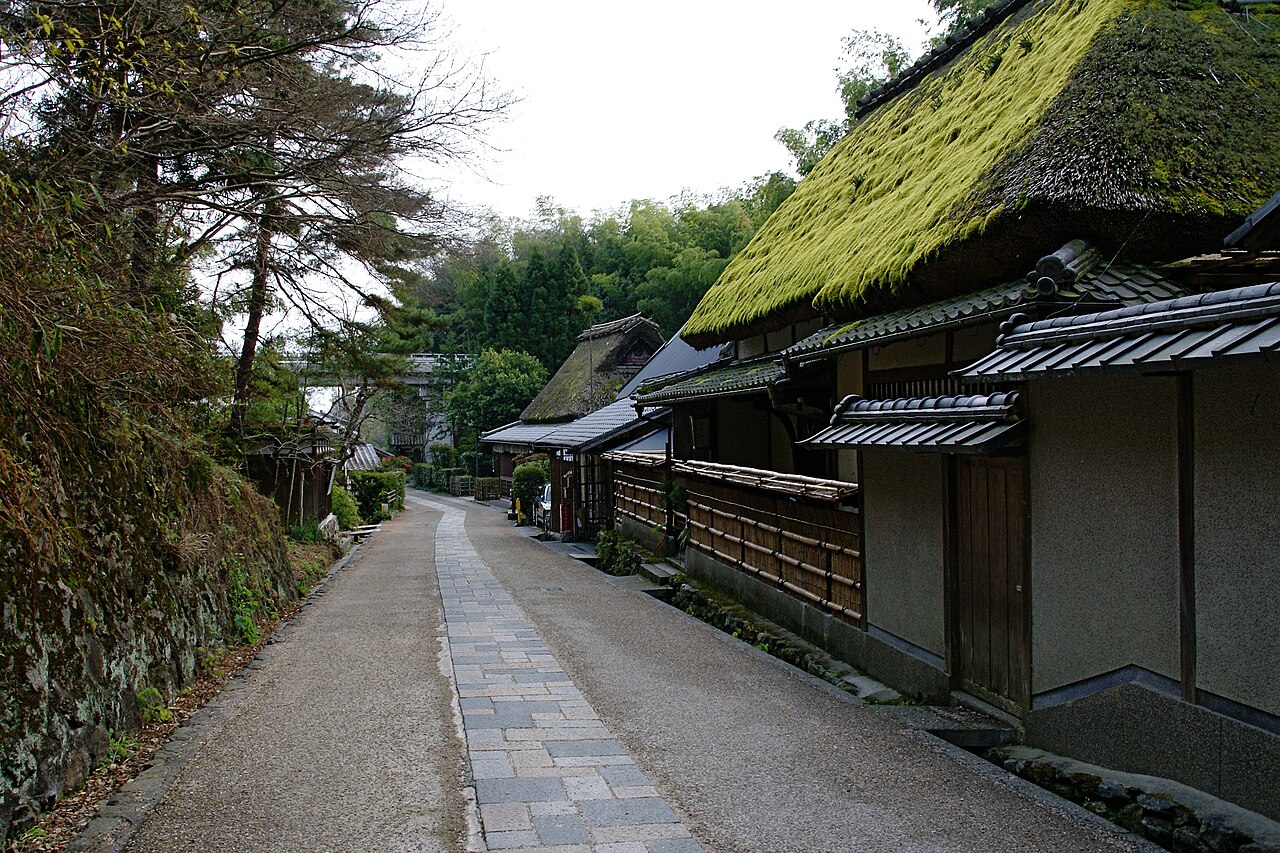 663highland / CC BY 2.5
History · Kyoto★
Saga-Toriimoto
0.6 km · straight line
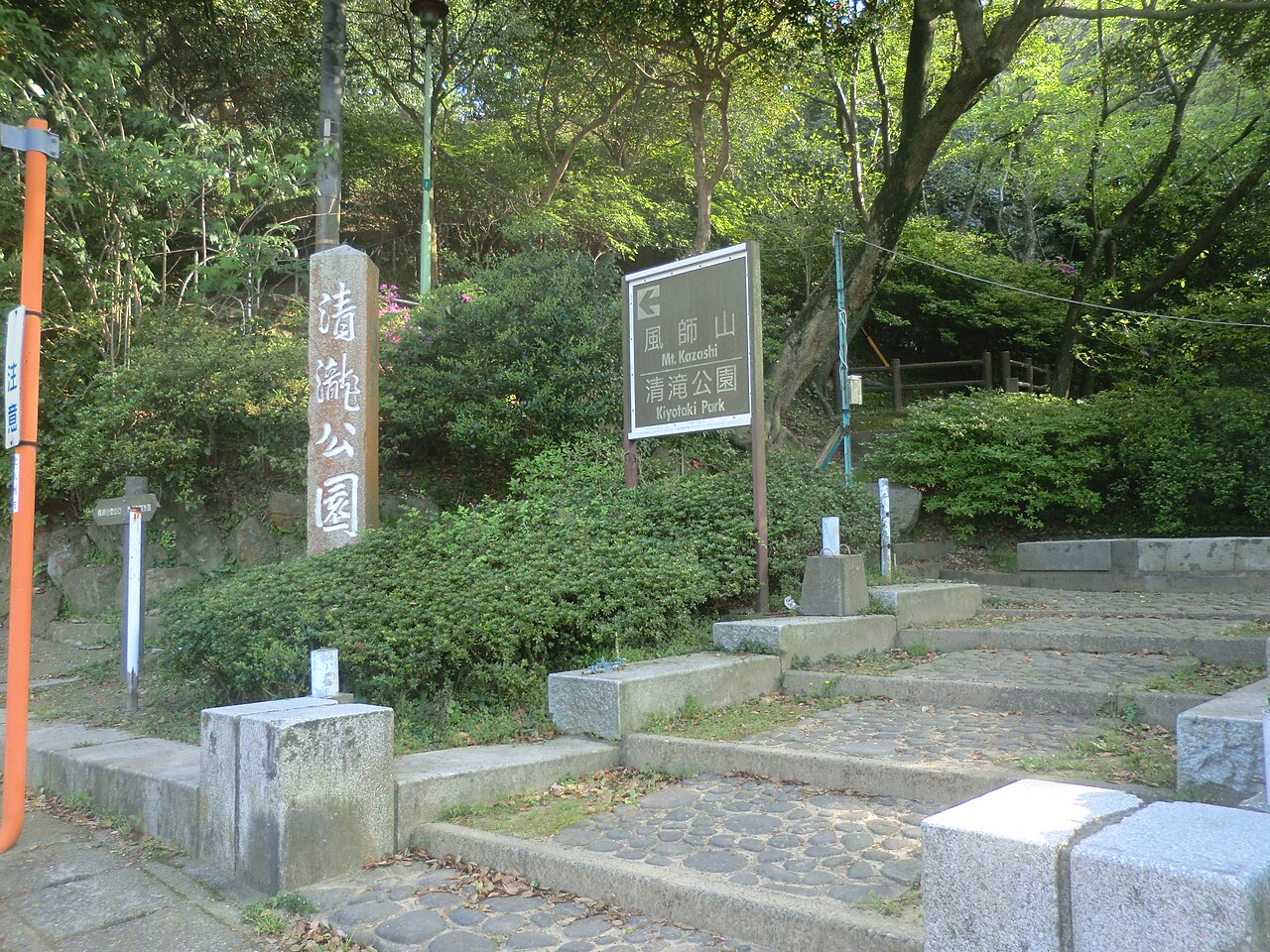 Nissy-KITAQ / CC BY-SA 3.0
Nature · Kyoto★
Kiyotaki
0.8 km · straight line
 江戸村のとくぞう / CC BY-SA 4.0
History · Kyoto★★
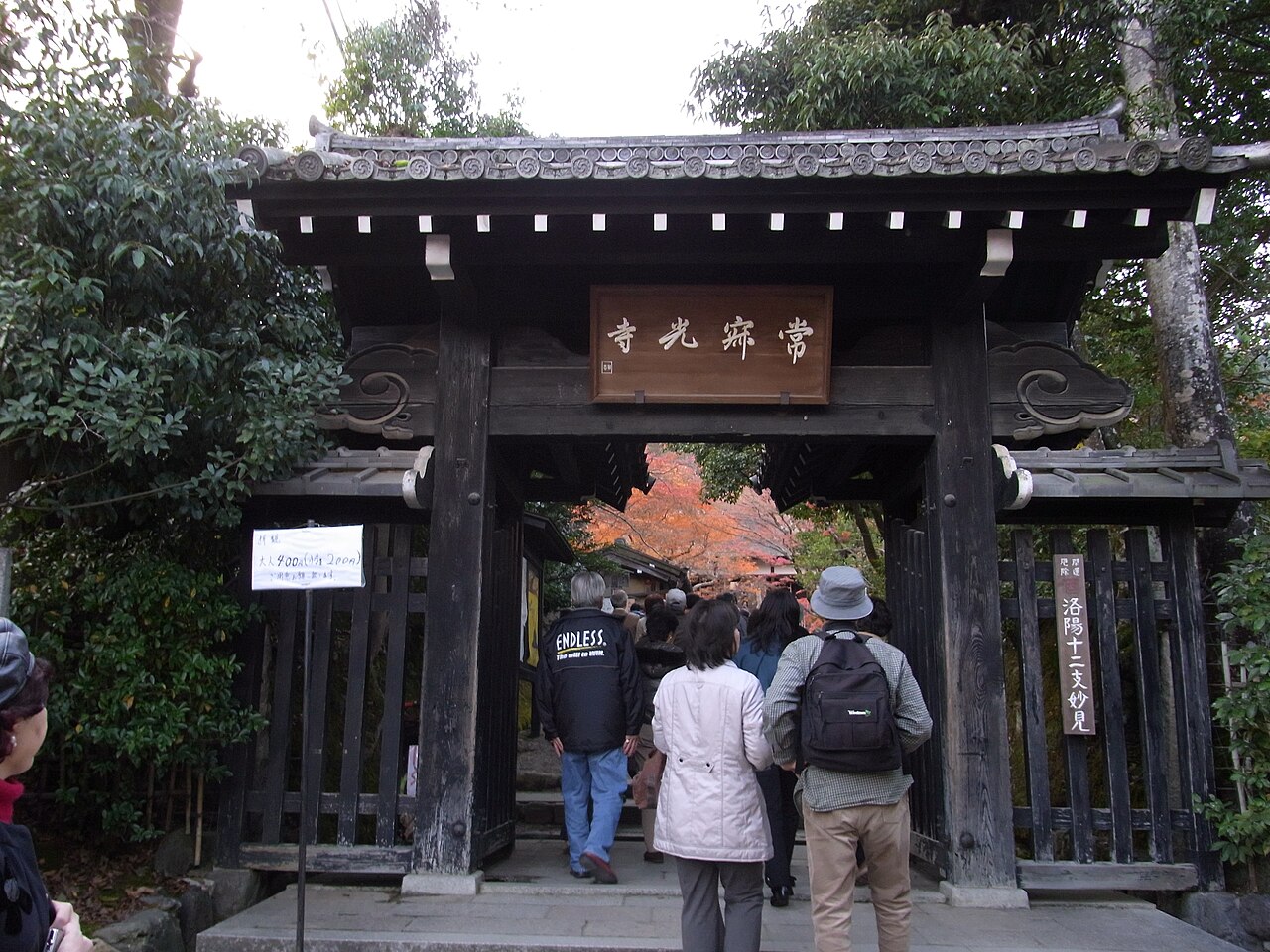
Jojakko-ji
1.3 km · straight line
 ignis / CC BY-SA 3.0
History · Kyoto★★
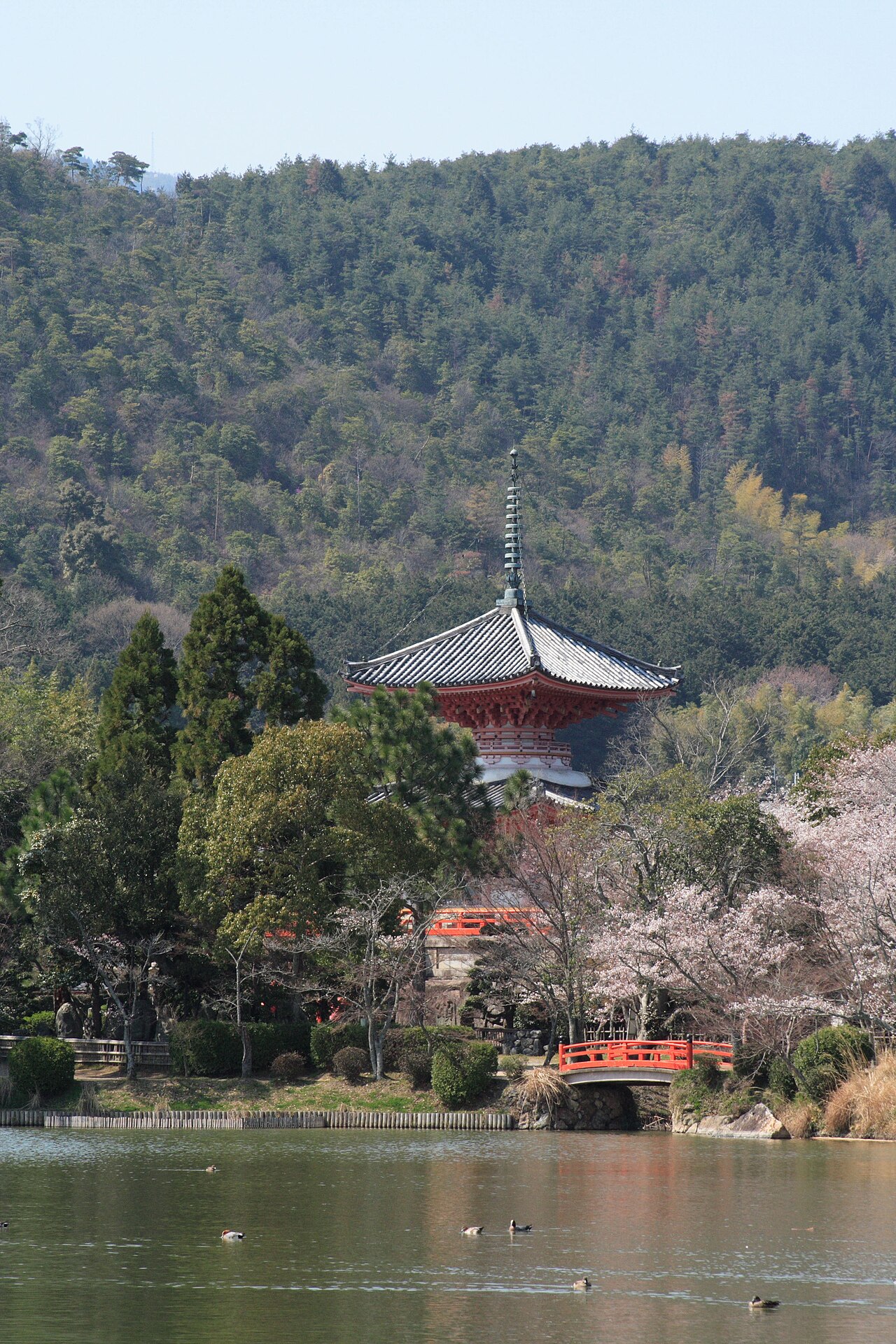
Daikakuji
1.6 km · straight line
Distances are straight lines on the map, not travel times.