Kyoto/Shiga border · Mt. HieiNo.222★★★Open in map →
Enryaku-ji Temple
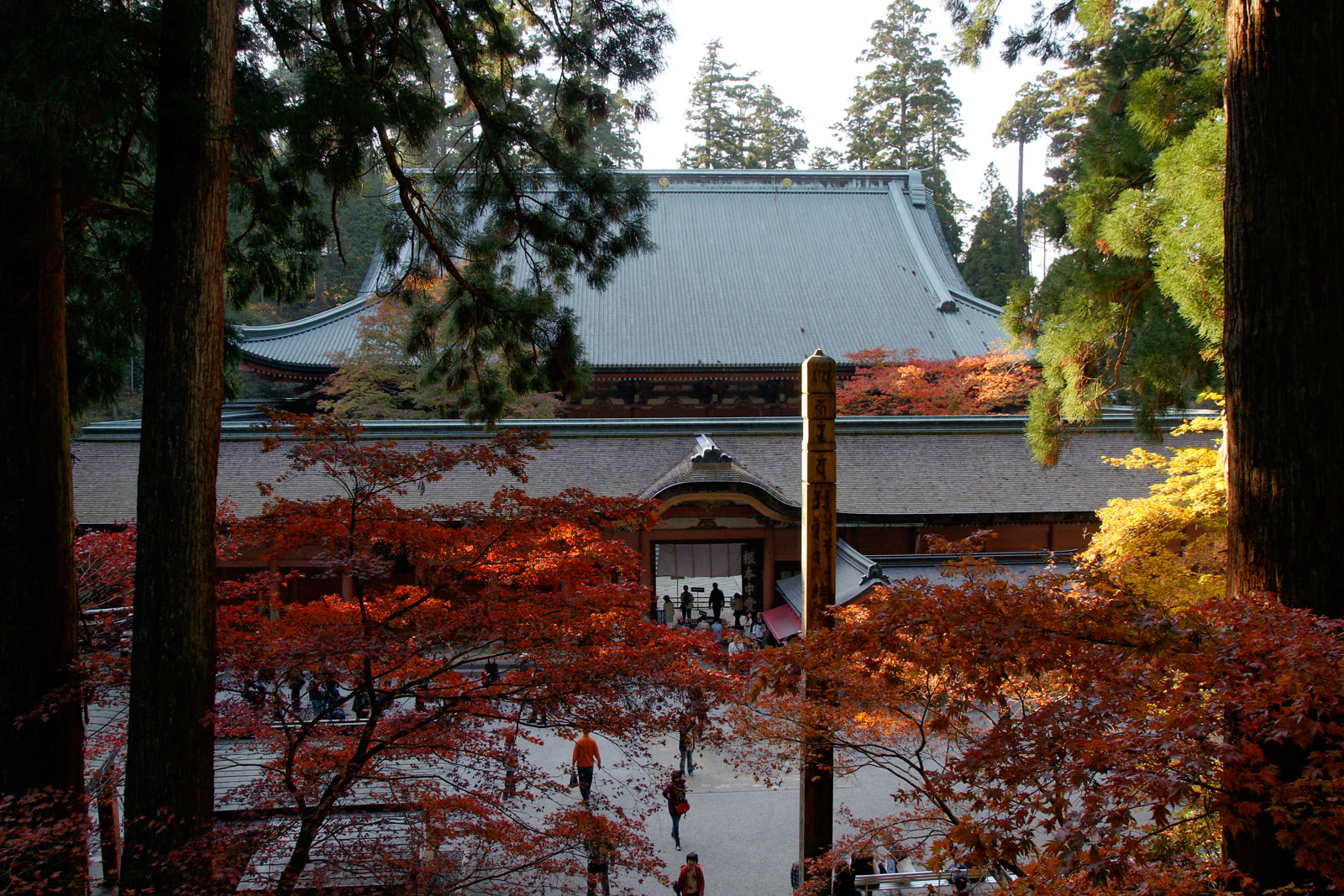
Spread across the forested ridgeline of Mount Hiei on the Kyoto–Shiga border, Enryaku-ji is the head temple of the Tendai Buddhist sect. Founded by the monk Saicho in 788, it is a UNESCO World Heritage Site and the training ground of Buddhism's major schools.
- FromKyoto Stn
- ~60 minEizan Railway + cable + ropeway
- Get off atDemachiyanagi Station (Eizan Electric Railway) → Yase-Hieizanguchi → cable car → ropeway
- From there
- Enryaku-ji Temple
Where it is
21 more notes in Shiga · open the map →What to look for — in walking order
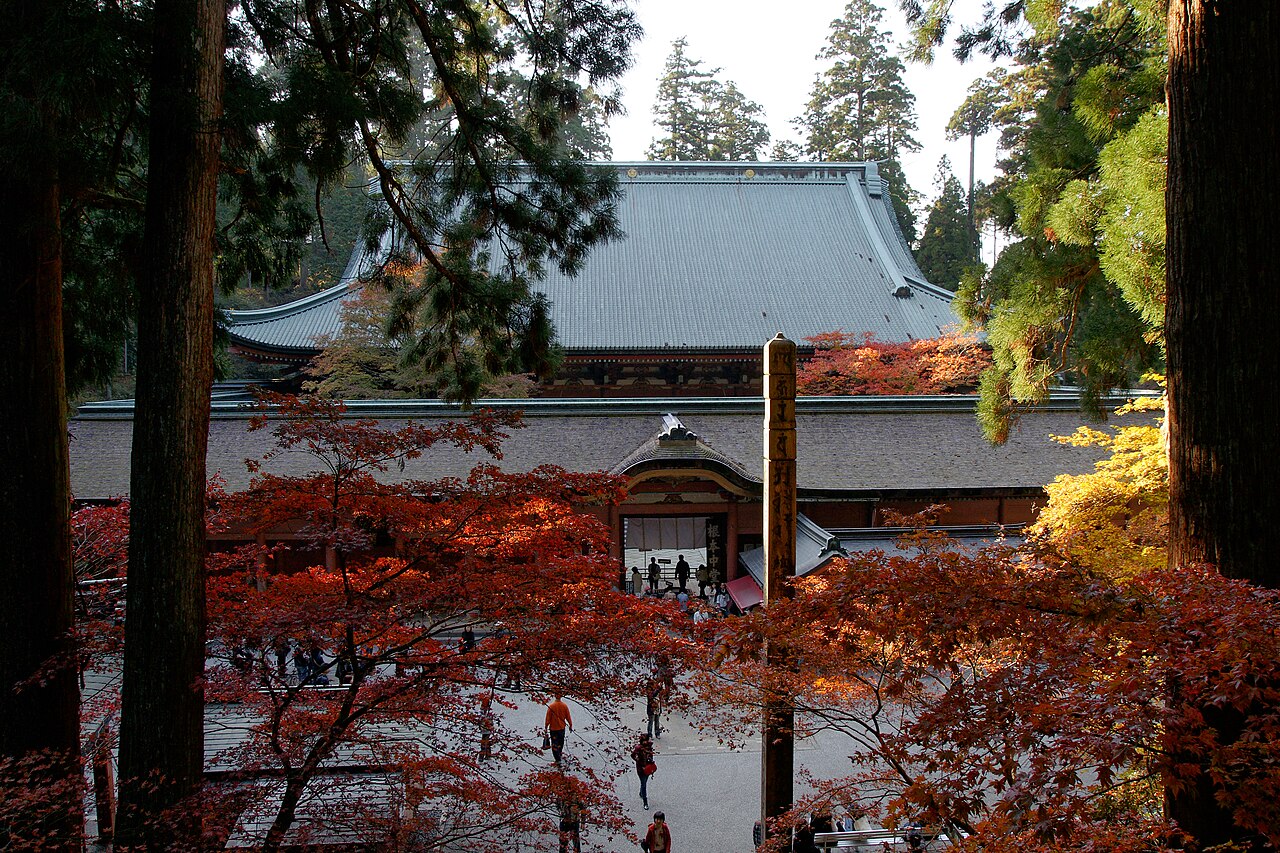
- Konpon Chudo (main hall, Todo zone)the National Treasure central hall; the 'eternal flame of the dharma' has burned without interruption since Saicho's founding
- Daikodo (Great Lecture Hall, Todo zone)holds statues of the founders of Japan's major Buddhist schools — Honen, Shinran, Eisai, Dogen, Nichiren, and others
- Sai-to zone (West Pagoda)a quieter precinct with the Shaka-do (Important Cultural Property) set among cedar trees; accessible by connecting bus
- Views over Lake Biwathe eastern face of Mount Hiei looks out over Lake Biwa; visible from several points across the complex on clear days
How to actually get there
- Demachiyanagi Station → Eizan Electric Railway → Yase-Hieizanguchi Station (~30 min).
- Yase-Hieizanguchi → Hiei Cable Car (~9 min) → Hiei Ropeway (~3 min) → Enryakuji Bus Center.
- Todo zone: Konpon Chudo → Daikodo → (optional shuttle bus to Saito or Yokawa zones).
- Eizan Electric Railway + Hiei Cable Car + Ropeway (most scenic)
- Kyoto Station → (Subway Karasuma Line to Kokusaikaikan, ~20 min) OR (JR/Keihan to Demachiyanagi, ~35 min) → Eizan Electric Railway from Demachiyanagi to Yase-Hieizanguchi Station (~30 min) → Hiei Cable Car (~9 min) → Hiei Ropeway (~3 min) → Enryakuji Bus Center. Total about 60–70 min. Alternatively, Kyoto Bus runs directly to the Enryakuji Bus Center from central Kyoto (approximately 60 min, 840 yen one way).
- Return by cable car and ropeway, or Kyoto Bus
- Take the same cable-car and ropeway route back to Yase-Hieizanguchi and the Eizan Railway. The Kyoto Bus return from Enryakuji Bus Center is an option if you want a single-vehicle return. Last cable cars depart before dusk — check the schedule at the summit.
About the place
At the top of Mount Hiei, where Kyoto Prefecture meets Shiga, the Enryaku-ji complex spreads across a forested ridge in three separated zones. The cable car rises from Yase into the trees, and the ropeway crosses to the summit; from there the Todo zone opens with its wide gravel paths and the massive Konpon Chudo at its centre. Inside the hall, the air is heavy with incense and the three lamps that have burned since the eighth century. Beyond the hall, the Daikodo holds statues of Honen, Shinran, Eisai, Dogen, and Nichiren side by side — all of them trained here before founding the sects that define Japanese Buddhism today. Mount Hiei has been both seminary and stronghold; Oda Nobunaga burned it to the ground in 1571, and it rose again.
How to enjoy it
A combined admission (1,200 yen) covers all three zones — Todo, Saito, and Yokawa. Todo (East Pagoda) is the core and closest to the cable-car arrival; most visitors spend 1.5–2 hours here. Inter-zone shuttle buses run between the three areas (fee separate). The Konpon Chudo interior is dim and solemn — the three oil lamps before the altar are the eternal flames. Open 8:30–16:30 (March–November); 9:00–16:00 (December–February). The cable car and ropeway from Yase do not operate from early January to mid-March — check hieizan.or.jp before visiting in winter.
Background & history
The monk Saicho climbed Mount Hiei in 788 and built a small hall enshrining Yakushi Nyorai, laying the foundation of Enryaku-ji. In 805 he returned from Tang China with the Tendai teachings and established the sect at this site. Over the centuries the temple complex grew into a city-like institution with halls across the mountain; at its peak it housed more than 3,000 sub-temples. Nearly every founder of Japan's major medieval Buddhist schools — Honen (Pure Land), Shinran (Shin Buddhism), Eisai (Rinzai Zen), Dogen (Soto Zen), and Nichiren — trained here on Mount Hiei. The complex was destroyed by Oda Nobunaga in 1571 and rebuilt by Toyotomi Hideyoshi and Tokugawa Iemitsu in the early Edo period. The existing Konpon Chudo is a National Treasure, rebuilt in 1642. The site was inscribed as a UNESCO World Heritage Site in 1994.
Before you go
- Cash
- Cable car and ropeway combined: 900 yen one way / 1,800 yen round trip. Temple combined admission: 1,200 yen (all three zones) or 700 yen (Todo zone only). All fares are cash or IC card at the cable-car station; temple admission is cash at the gate.
- Good to know
- The cable car and ropeway from Yase do not operate from early January to mid-March annually. Open hours are 8:30–16:30 (March–November) / 9:00–16:00 (December–February). Check hieizan.or.jp for current schedules.
- Another way
- From Osaka, take the JR Biwako Line east to Hieizan-Sakamoto Station (Shiga side), then the Sakamoto Cable Car directly up to the temple precincts — about 70 minutes total, and the cable car on this side operates year-round.
- After you get off
- From Yase-Hieizanguchi Station, the Hiei Cable Car station (Cable Yase) is a short walk away. The cable car ascends to Hiei Summit Station, where the ropeway continues to the Enryakuji Bus Center near Todo.
Nearby notes
 663highland / CC BY 2.5
Craft · Shiga★
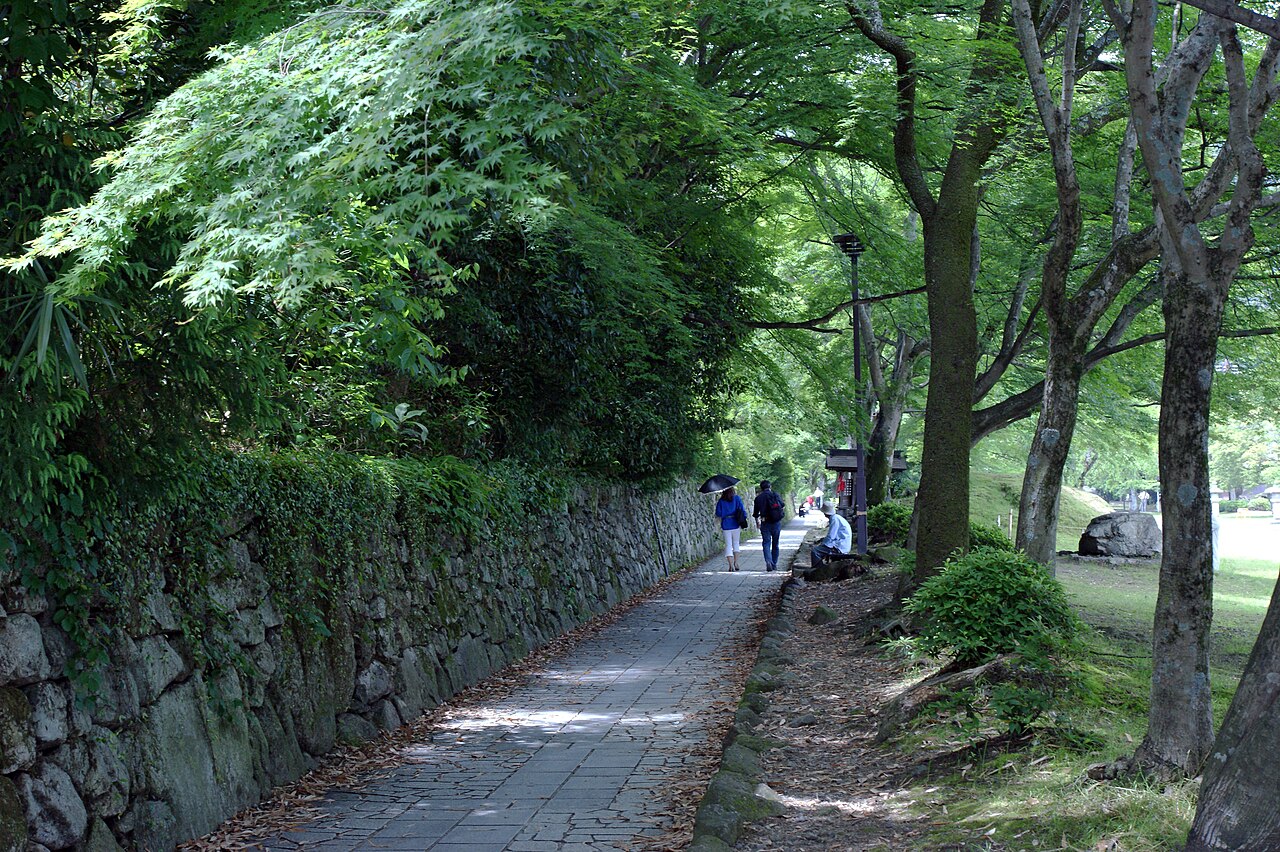
Sakamoto
2.7 km · straight line
 Hahifuheho / CC0
Nature · Kyoto★
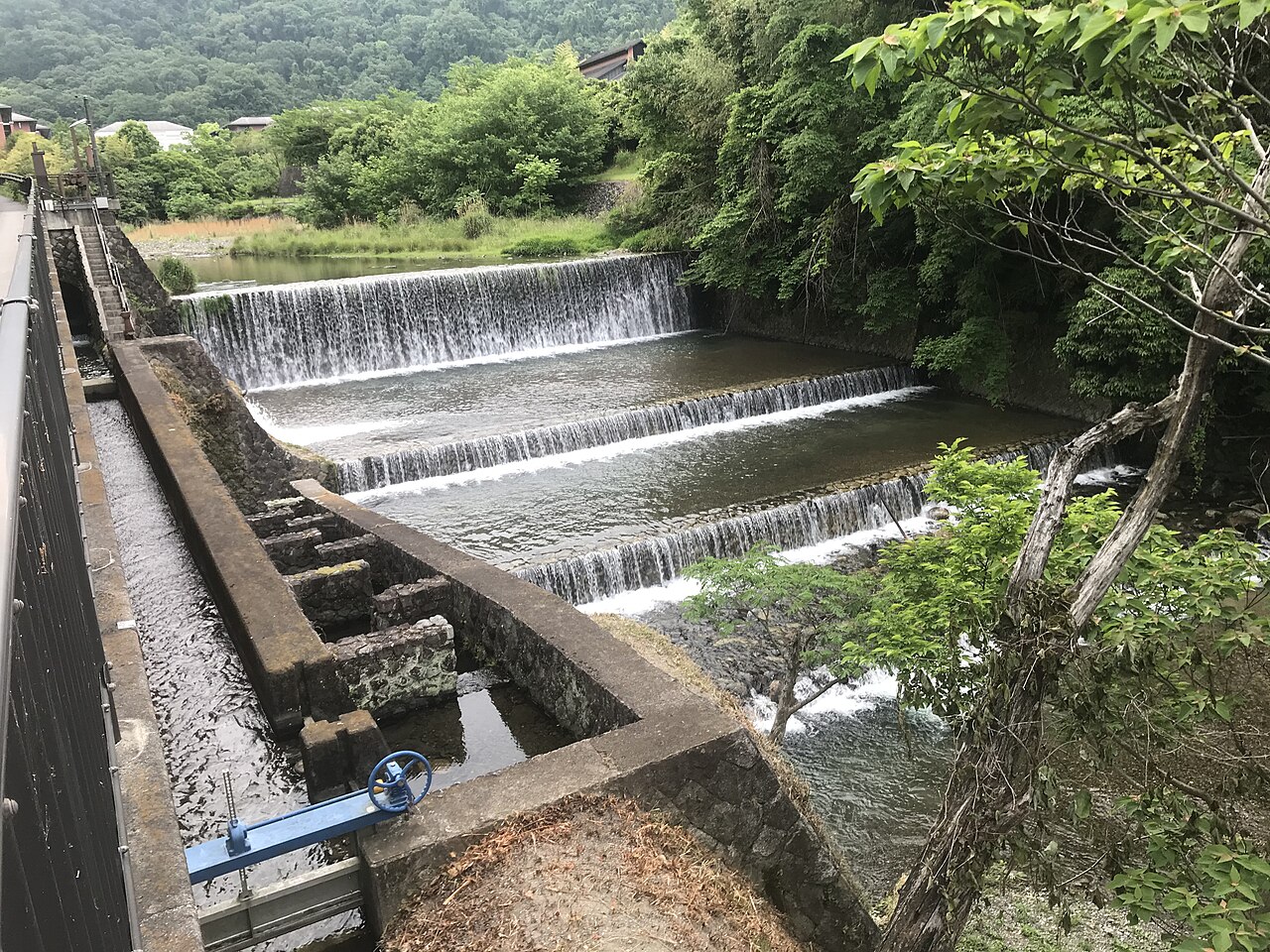
Yase & the Takano River
2.8 km · straight line
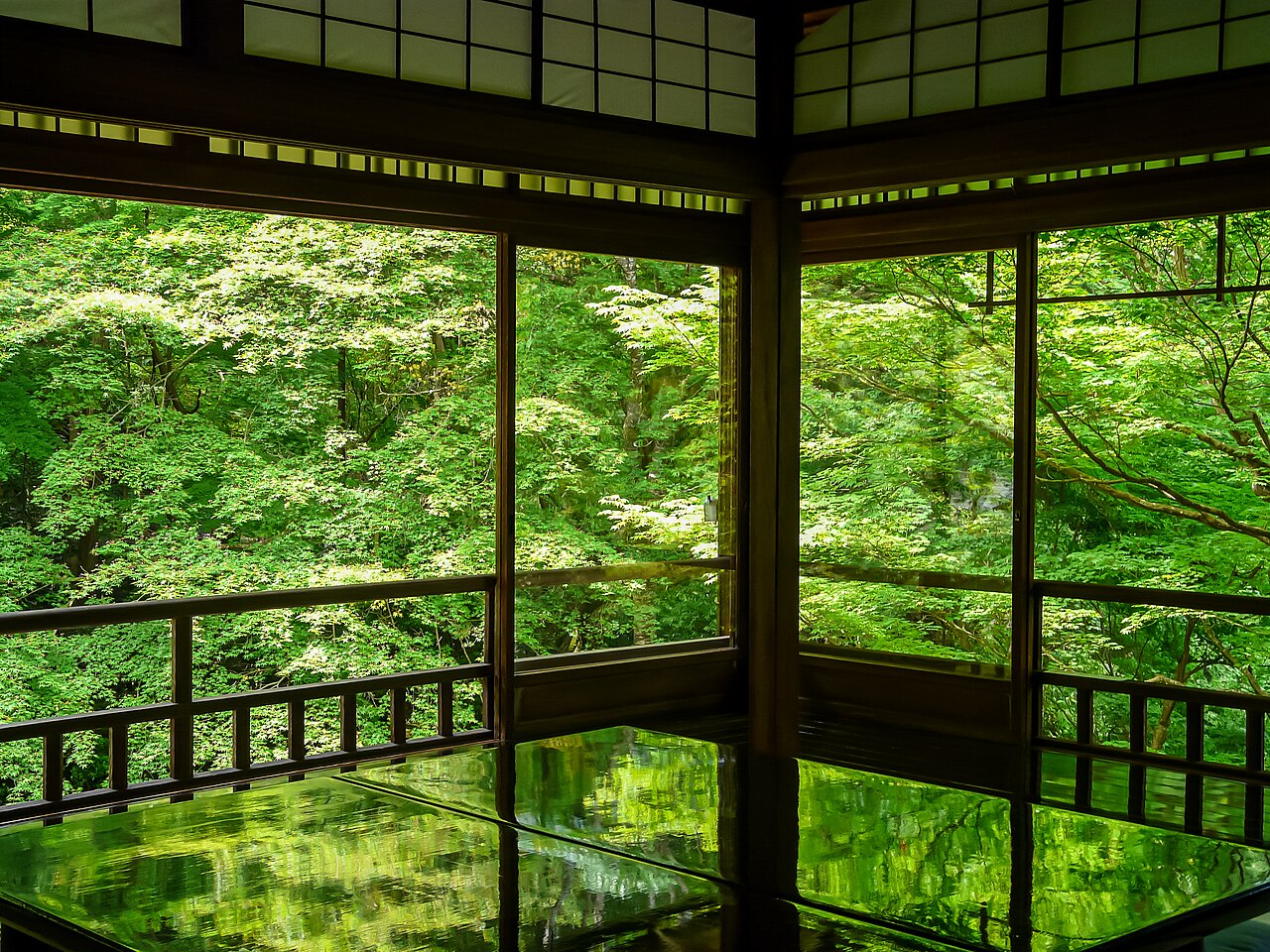 Naokijp / CC BY-SA 4.0
History · Kyoto★★
Rurikoin
2.8 km · straight line
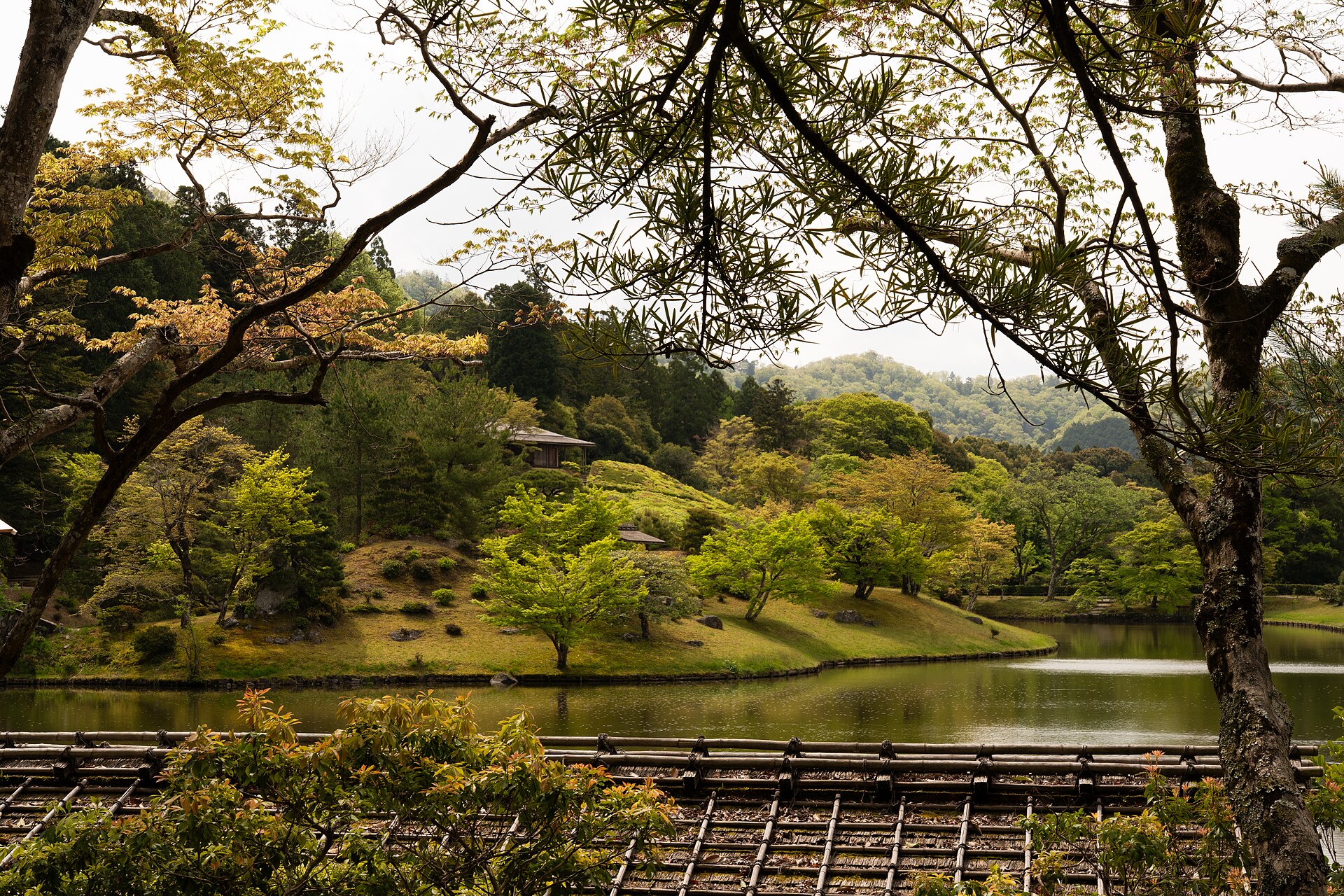 SRP1998 / CC BY-SA 4.0
History · Kyoto★★
Shugakuin Imperial Villa
3.8 km · straight line
Distances are straight lines on the map, not travel times.