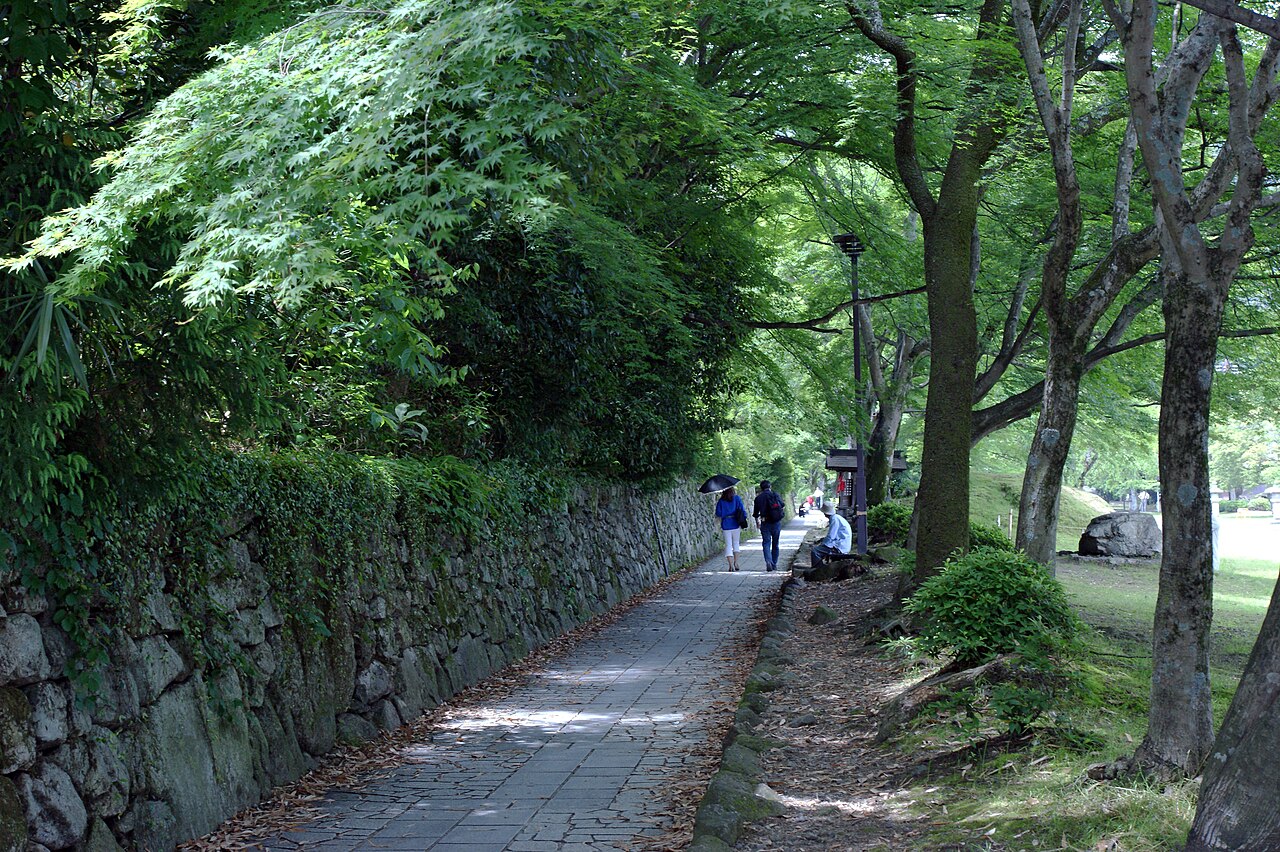
Shiga west · SakamotoNo.039★Open in map →
Sakamoto
— Anō-shū stone-wall lanes below Mt. Hiei
A historic temple town below Enryaku-ji on Mt. Hiei, where the lanes are lined with dry-laid stone walls built by the Anō-shū, a celebrated guild of stonemasons.
- FromKyoto Stn
- ~40 mintrain + walk
- Get off atHieizan-Sakamoto Stn (JR Kōsei Line)
- On foot
- Sakamoto
The sweet spot
Most visitors take the cable car straight up Mt. Hiei and never walk the town below. There is almost no English signage, and the walls read as ordinary background rather than a sight, so first-time visitors rarely stop to look at the stonework itself.
Where it is
21 more notes in Shiga · open the map →What to look for — in walking order
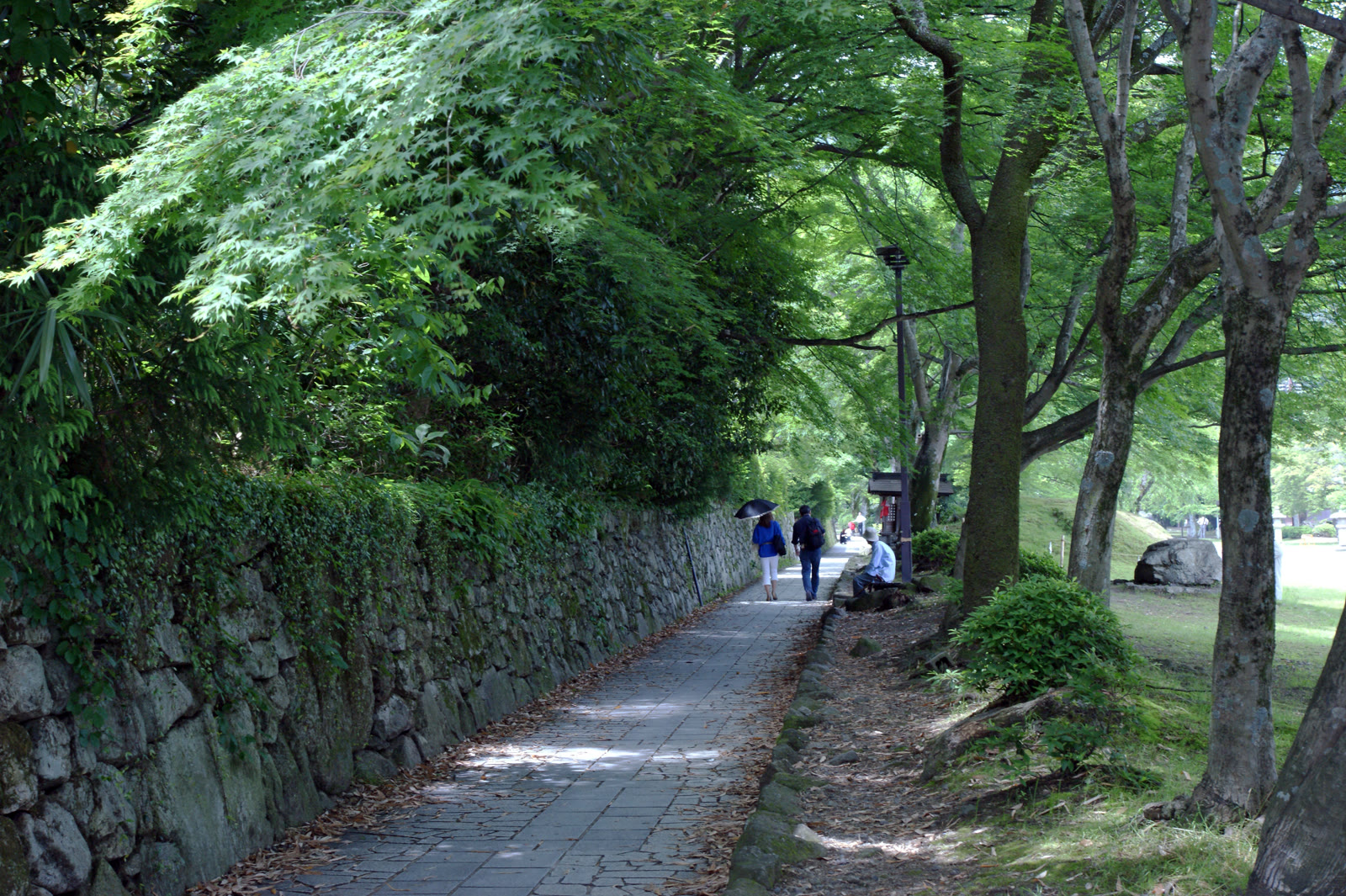
- Anoshuzumi stone wallsdry-laid natural stone fitted without mortar, lining the lanes through the temple-house quarter
- Satobo residencesroughly fifty small temple houses where retired Enryaku-ji monks once lived, still standing today
- Former Chikurin-inone of the satobo; its garden of about 3,300 square metres is a nationally designated scenic beauty
- Hiyoshi Taishathe major Shinto shrine at the top of the walk from the station, a landmark of Sakamoto
How to actually get there
- Kyoto Stn → Hieizan-Sakamoto Stn (JR Kōsei Line, ~15 min, no transfer).
- Hieizan-Sakamoto Stn → stone-walled lanes (walk uphill toward Hiyoshi Taisha, ~20 min).
- Walk the dry-stone temple-house lanes on foot; return by the same JR line.
- JR Kōsei Line, direct
- Kyoto Stn →(JR Kōsei Line, ~15 min)→ Hieizan-Sakamoto Stn. No transfer. From the station it is about a 20-minute walk uphill to the stone-walled lanes and Hiyoshi Taisha shrine. Total about 35-40 min. Trains run 3-4 times an hour.
- return to Kyoto
- The same JR Kōsei Line runs back to Kyoto Stn, 3-4 trains an hour until late. The lanes have no lighting and go dark early under the trees, so aim to finish walking before sunset.
About the place
Sakamoto sits at the eastern foot of Mt. Hiei, serving as gateway to both Enryaku-ji — a major Buddhist temple complex — and Hiyoshi Taisha shrine. Its most distinctive feature is a cluster of satobo, small temple houses where retired monks who had trained on the mountain came to live quietly. The lanes between these houses are edged with walls in a style called anoshuzumi, built by the Anō-shū masons who were based here. The stone is largely unworked, and the pieces are fitted without mortar so their faces and corners lock together. In 1997, a 28.7-hectare area centred on these temple houses was designated a national Important Preservation District for Groups of Traditional Buildings.
How to enjoy it
From JR Hieizan-Sakamoto Station it is about a 20-minute walk uphill to where the stone-walled lanes begin, continuing toward Hiyoshi Taisha shrine. The district is compact and easy to cover on foot. Some satobo gardens open during Japan's early-May national holidays. The lanes have no lighting and grow dark early under the trees, so aim to finish before sunset.
Background & history
Sakamoto grew over centuries as the town serving Enryaku-ji, head temple of the Tendai school of Buddhism, and Hiyoshi Taisha. From the Azuchi-Momoyama period into the Edo period (roughly the late 1500s to the 1800s), monks finishing their training on Mt. Hiei were granted small satobo to live in, and many of these houses still stand. The Anō-shū were 16th-century stonemasons; their dry-stacking method was later adopted for the stone walls of castles across Japan.
Before you go
- Cash
- A few of the temple houses charge a small cash admission to see their gardens; carry coins, as they may not take cards.
- Good to know
- These are lived-in temples and homes. Stay on the public lanes and do not step through private gates.
- Another way
- The Keihan Ishiyama-Sakamoto Line ends at Sakamoto-Hieizanguchi Stn, which is closer to the lanes (about a 5-minute walk), but reaching it from Kyoto needs a change from JR to the Keihan line.
- After you get off
- From JR Hieizan-Sakamoto Stn, walk uphill toward Hiyoshi Taisha shrine; the stone-walled lanes begin along the way, about 15-20 min on paved streets.
Nearby notes
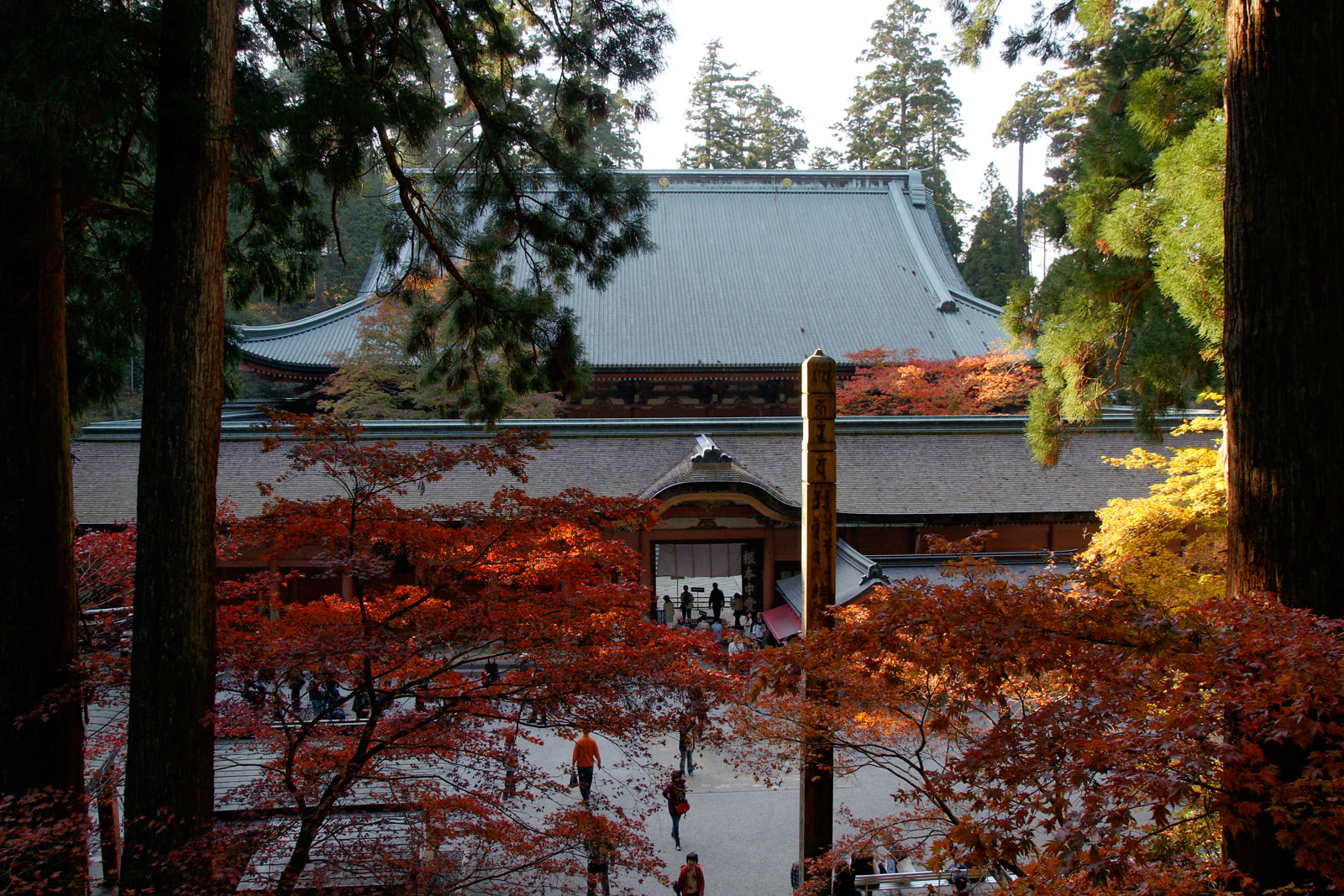 663highland / CC BY 2.5
History · Shiga★★★
Enryaku-ji Temple
2.7 km · straight line
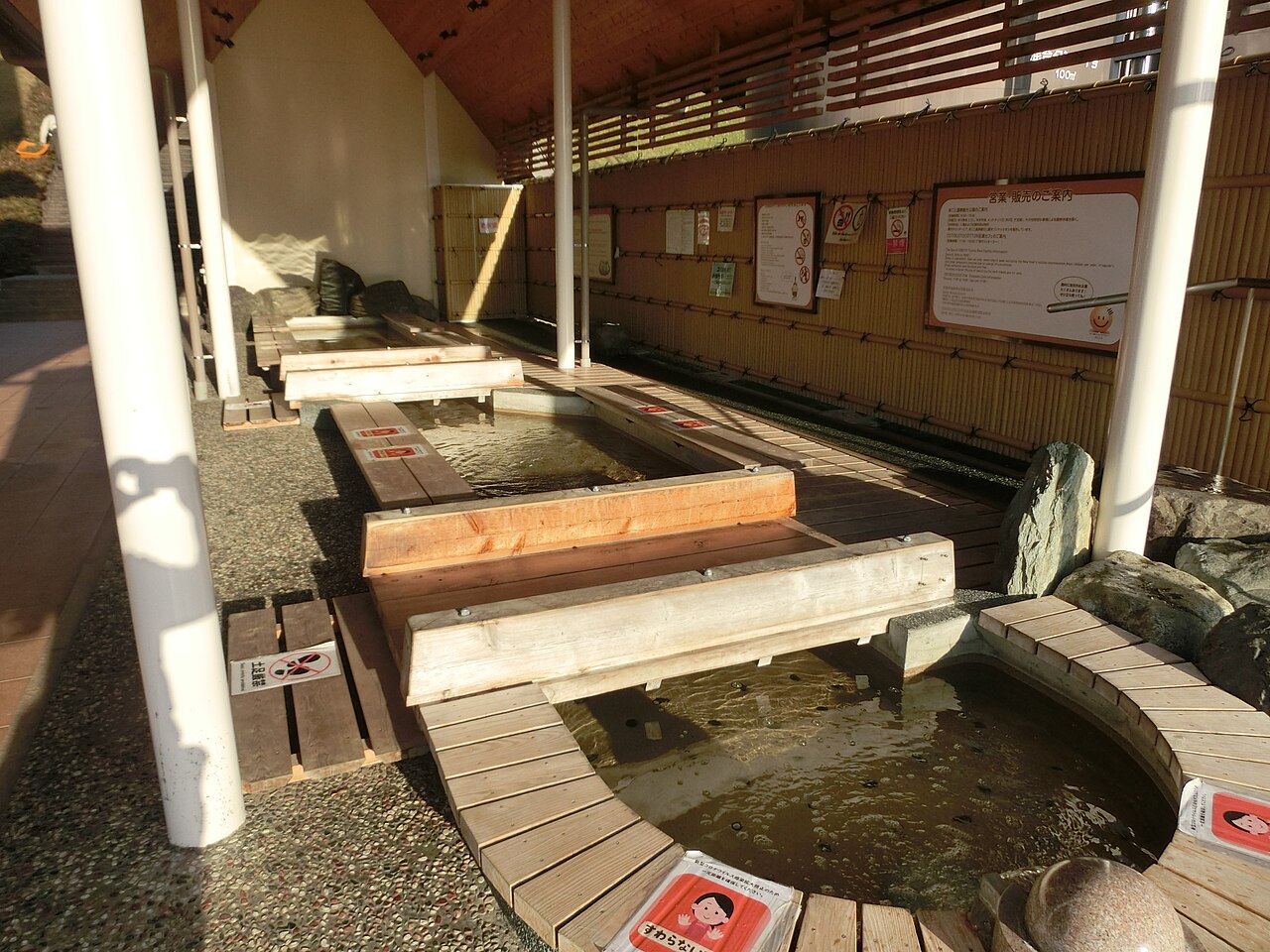 Abasaa / Public domain
Onsen · Shiga★★
Ogoto Onsen
3.4 km · straight line
 Hahifuheho / CC0
Nature · Kyoto★
Yase & the Takano River
5.4 km · straight line
 Naokijp / CC BY-SA 4.0
History · Kyoto★★
Rurikoin
5.5 km · straight line
Distances are straight lines on the map, not travel times.