Nara · NaramachiNo.223★★★Open in map →
Gangō-ji Temple
A UNESCO World Heritage temple founded in the sixth century as Japan's first Buddhist monastery, now sitting quietly in the Naramachi neighbourhood among old townhouses.
- FromKintetsu Nara Station
- ~35 minwalk ~15 min from Kintetsu Nara Stn
- Gangō-ji Temple
Where it is
32 more notes in Nara · open the map →What to look for — in walking order
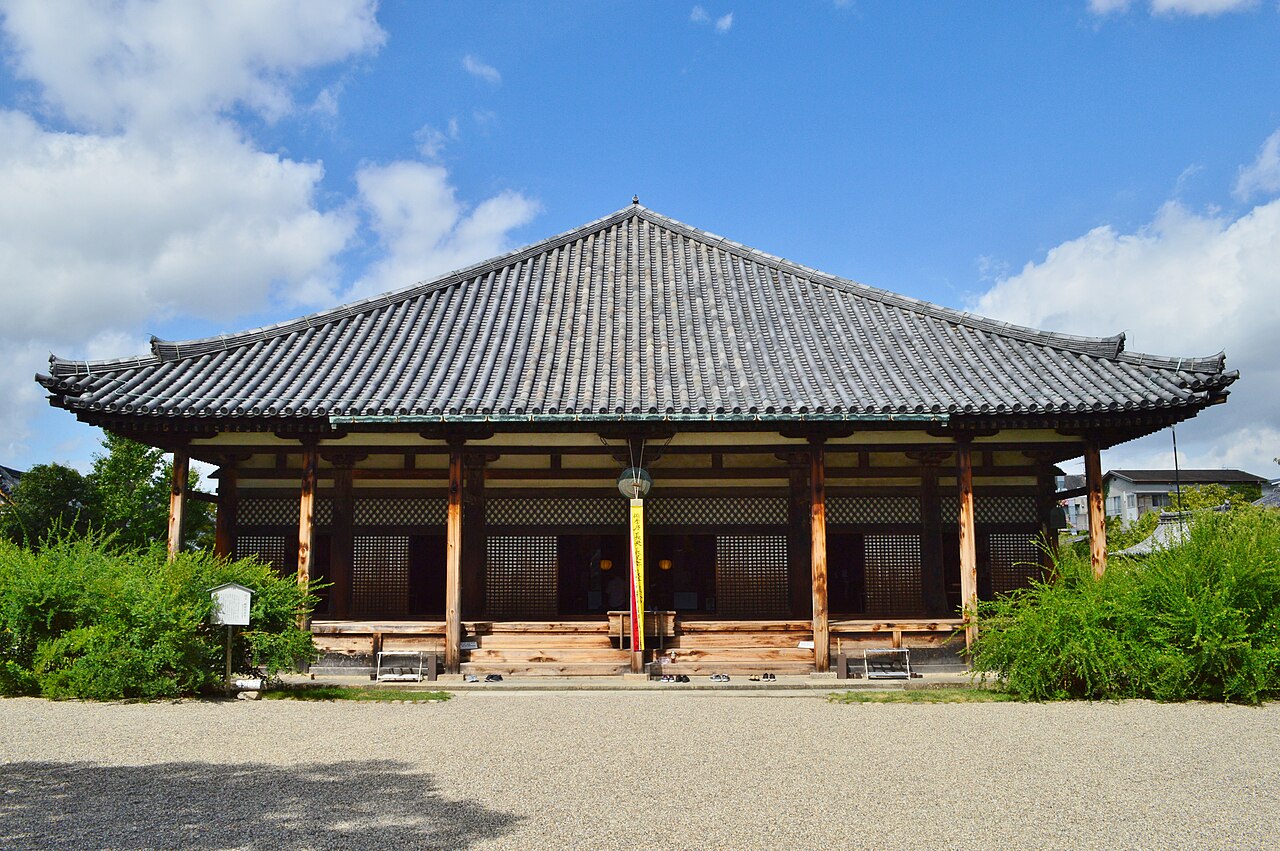
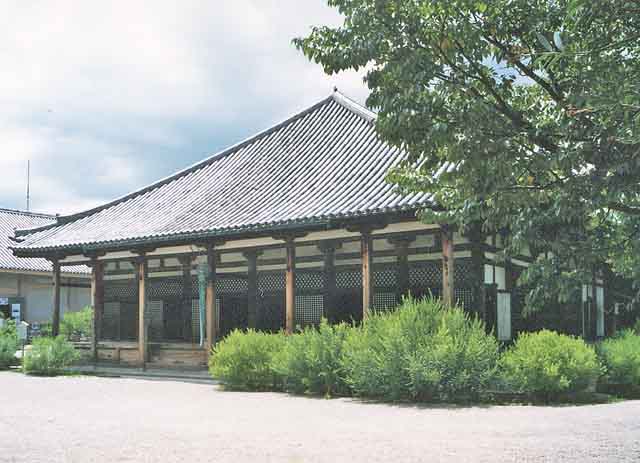
- Gokurakudō main halla Nara-period National Treasure hall; Asuka-period roof tiles from the sixth to seventh century still in place
- Zenshitsu meditation hallthe attached meditation hall, also a National Treasure from the Nara period
- Roof tile museuma small on-site display of original decorative tiles removed from the halls over the centuries
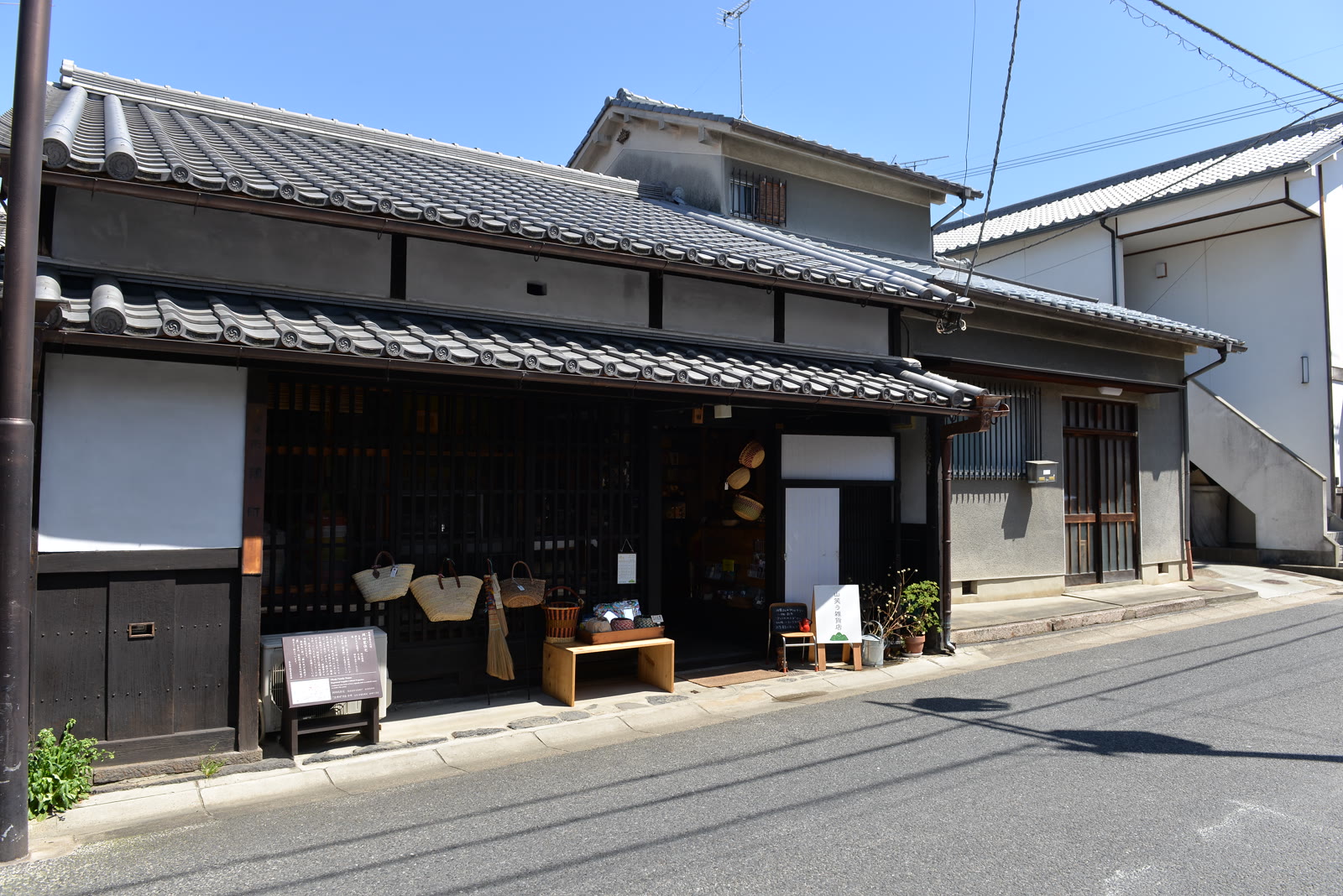
- Surrounding Naramachi streetsthe lattice-windowed machiya townhouses of Naramachi frame the walk in and out
How to actually get there
- Kintetsu Nara Station → south-east walk through Naramachi (~15 min).
- Naramachi lanes → Gangō-ji gate (follow signs or temple address 中院町11).
- Gate → Gokurakudō main hall → tile museum → back through Naramachi streets.
- Walk from Kintetsu Nara Station
- From Kintetsu Nara Station, walk south-east through Naramachi about 15 minutes to reach the temple. The route passes along quiet machiya streets; follow signage for Naramachi or use the temple address (中院町11).
- Walk back or take a bus
- Walk back north through Naramachi to Kintetsu Nara Station (~15 min), or catch a city loop bus from a nearby stop back to JR Nara or Kintetsu Nara stations.
About the place
Gangō-ji stands in the heart of Naramachi, Nara's historic townhouse district, its tiled roofline visible above the surrounding low-rise streets. The temple traces its origin to Asuka-dera, a monastery founded in 588 by Soga no Umako — making it, by tradition, Japan's first full-scale Buddhist temple complex. When the capital moved to Nara in 710, the temple was relocated from the Asuka region and rebuilt as Gangō-ji on its present site in 718. The Garan (main precinct) holds the Gokurakudō main hall and Zenshitsu meditation hall, both built in the Nara period and both designated National Treasures. Many of the decorative tiles on the Gokurakudō roof date to the Asuka period (sixth to seventh century), making them among the oldest roof tiles still in place on any building in Japan. The surrounding Naramachi townhouse streets form a natural extension of the visit.
How to enjoy it
Gangō-ji is compact and rarely crowded, making it a good complement to the larger Nara Park temples. Enter the garan precinct and spend time with the Gokurakudō: the building is small enough to take in fully, and the original tiles on the eaves are visible close up. The Naramachi streets in every direction offer old shopfronts, small cafes, and galleries once you leave the temple.
Background & history
The lineage of Gangō-ji reaches back to Asuka-dera, founded in 588 when Prince Shōtoku's circle and the Soga clan introduced Buddhism to the Japanese court. The Asuka-dera's head monk led the reconstruction in Nara in 718. After the capital later shifted to Kyoto, the temple lost its imperial patronage and shrank; only the core precinct survived. The remaining Nara-period buildings were designated National Treasures, and the temple was added to the UNESCO World Heritage List as part of the Historic Monuments of Ancient Nara.
Before you go
- Cash
- Small temple admission fee payable at the gate; carry cash. The Naramachi cafes and galleries around the temple are mostly cash-friendly, though some accept cards.
- Good to know
- Temple grounds open 9:00–17:00. Confirm current hours and fees on gangoji-tera.or.jp before visiting.
- Another way
- From JR Nara Station, a Nara city loop bus also serves the Naramachi area.
- After you get off
- From Kintetsu Nara Station, follow Sanjo-dori east then turn south into the Naramachi lanes; the temple entrance is on Nakanotsuji-cho (中院町11).
Nearby notes
 Ph0kin / Public domain
History · Nara★★★
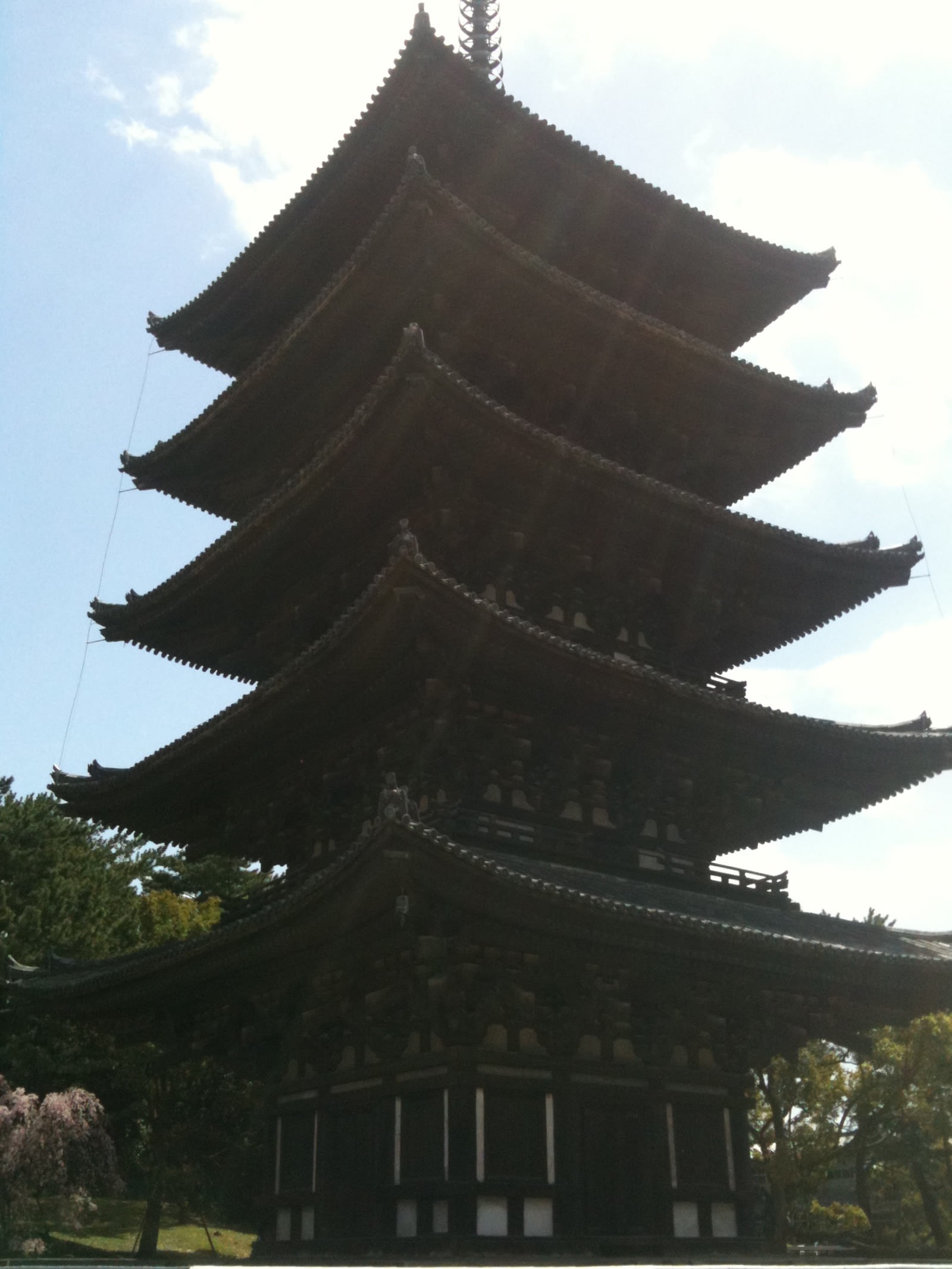
Kofuku-ji
0.4 km · straight line
 shankar s. / CC BY 2.0
Local life · Nara★★★
Naramachi
0.4 km · straight line
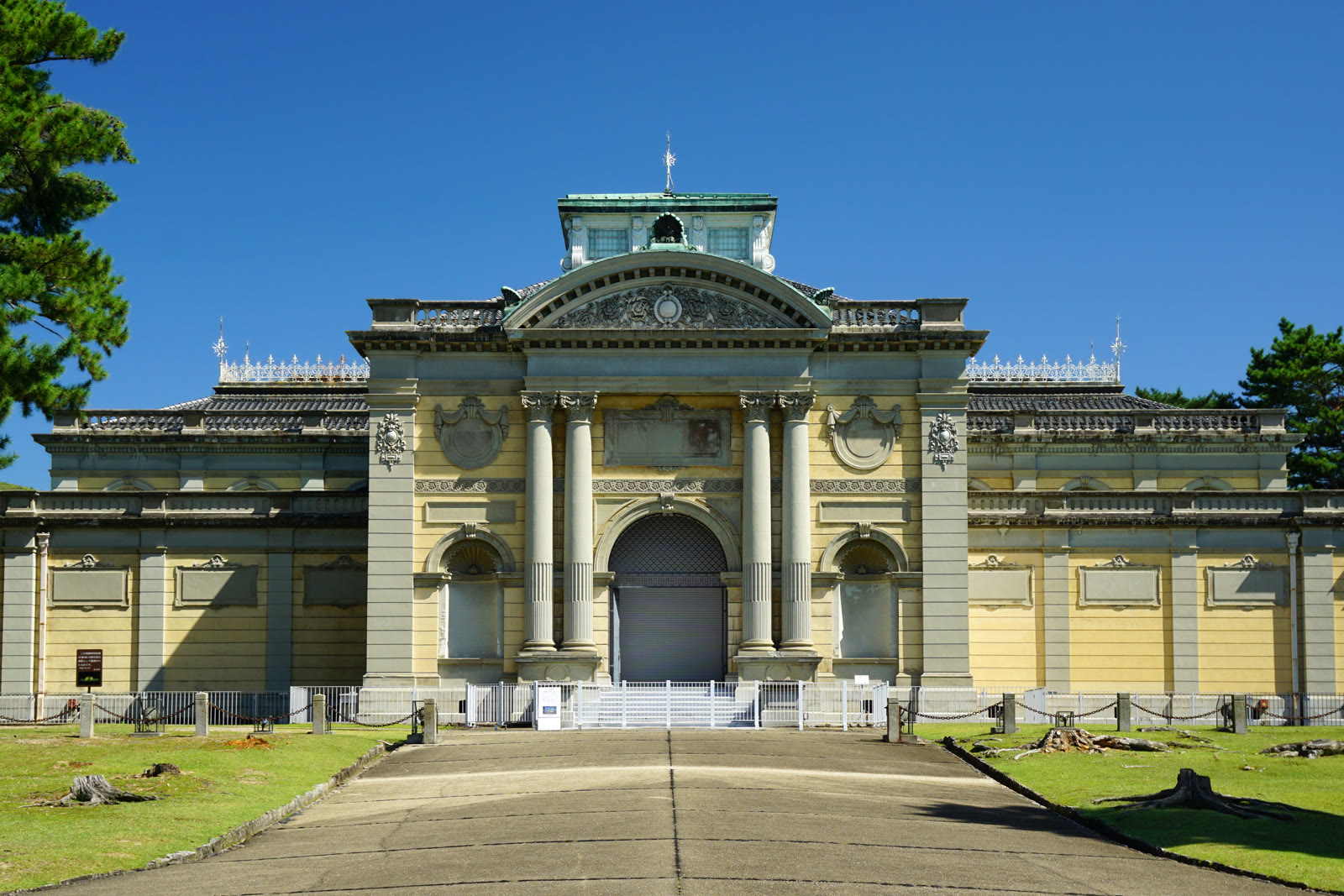 663highland / CC BY 2.5
Culture · Nara★★★
Nara National Museum
0.8 km · straight line
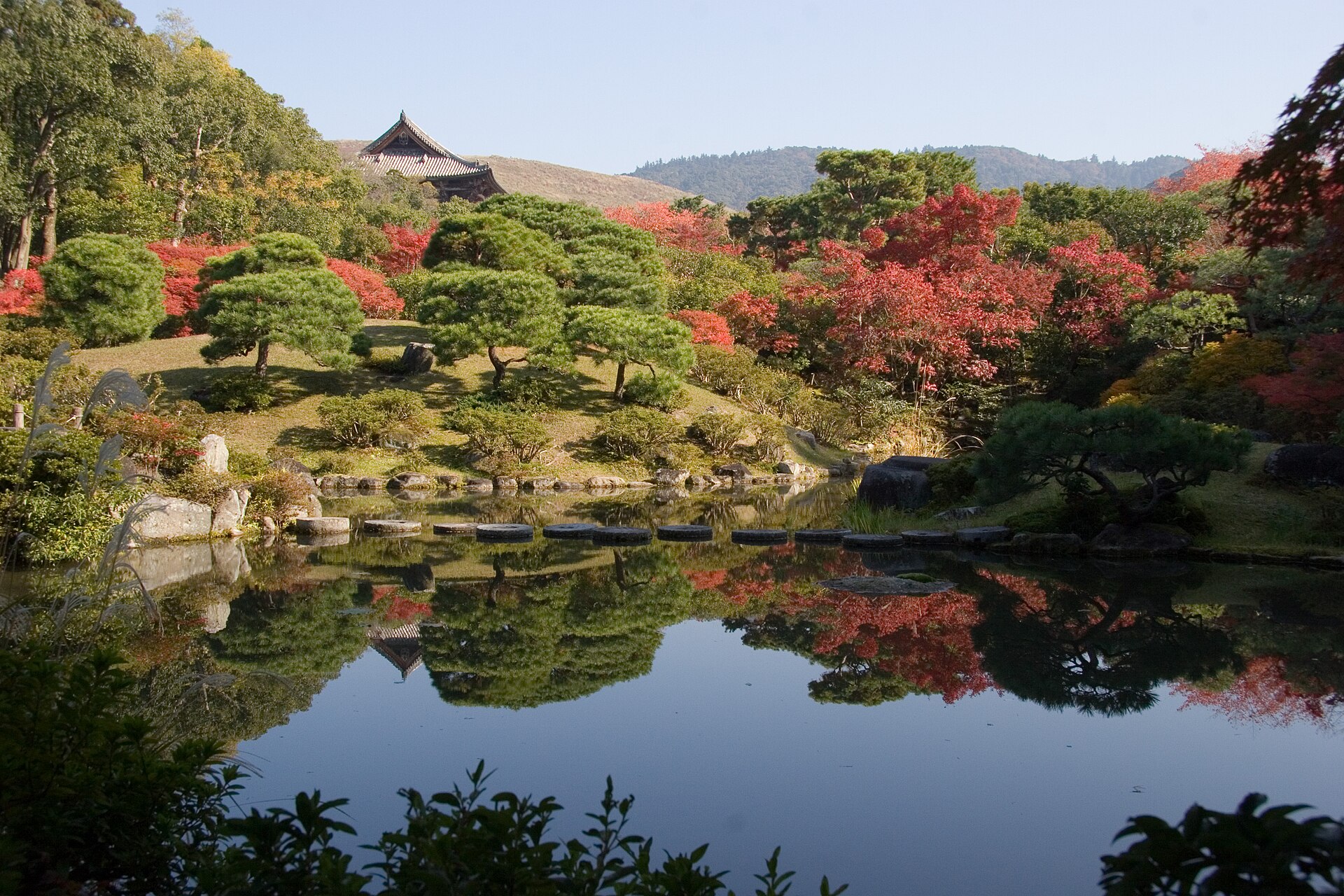 Kimon Berlin (Gribeco) / CC BY-SA 4.0
Culture · Nara★★
Isuien Garden
1.0 km · straight line
Distances are straight lines on the map, not travel times.