Nara · NaramachiNo.242★★★Open in map →
Naramachi
— the lattice-windowed machiya district
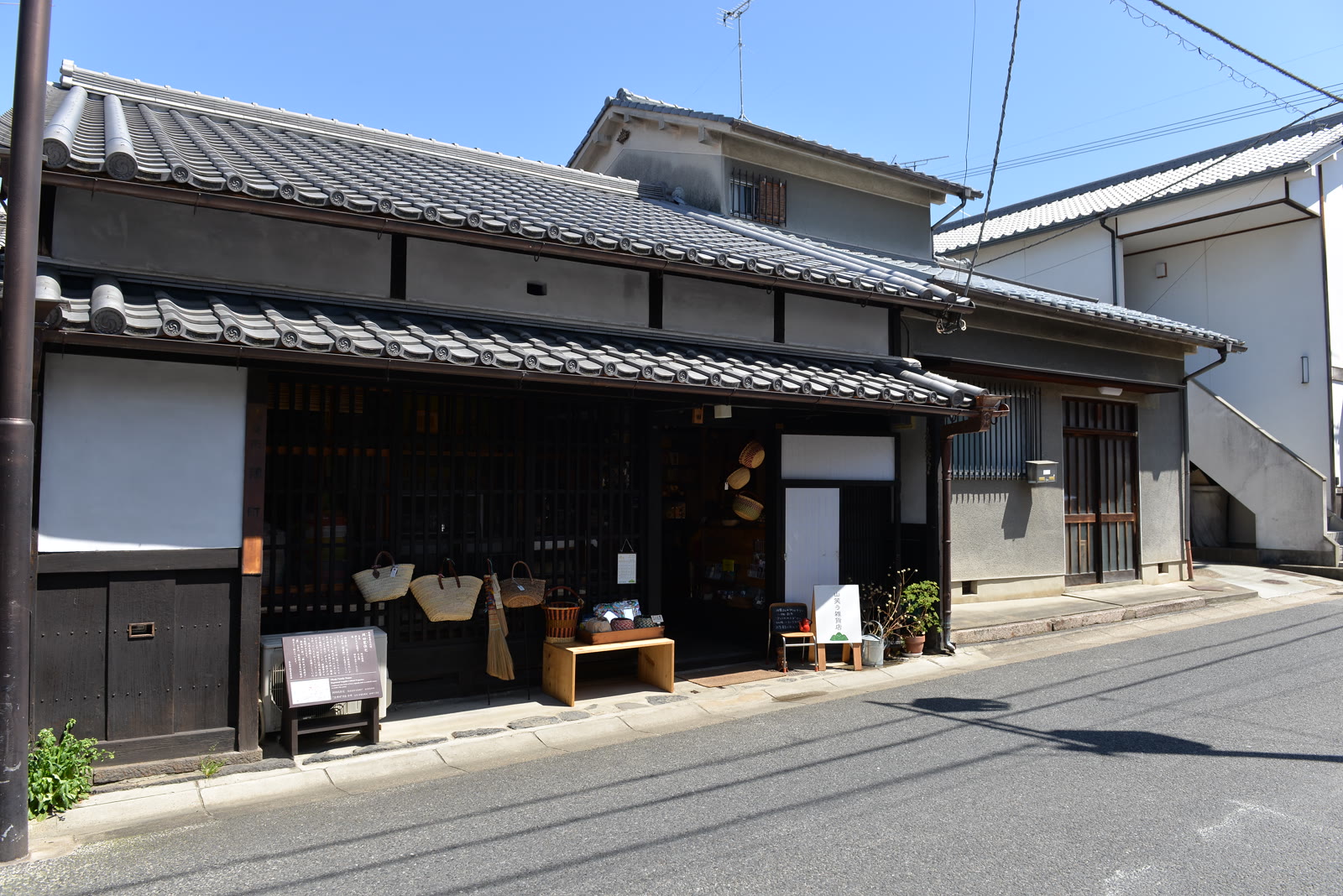
A neighbourhood of Edo- and Meiji-period townhouses (machiya) in the heart of Nara, south of the park deer, where lacquered lattice windows, small museums, cafes, and craft shops line streets unchanged in plan since the eighth century.
- FromKintetsu Nara Station
- ~40 minwalk ~15 min from Kintetsu Nara Stn
- Naramachi
Where it is
32 more notes in Nara · open the map →What to look for — in walking order
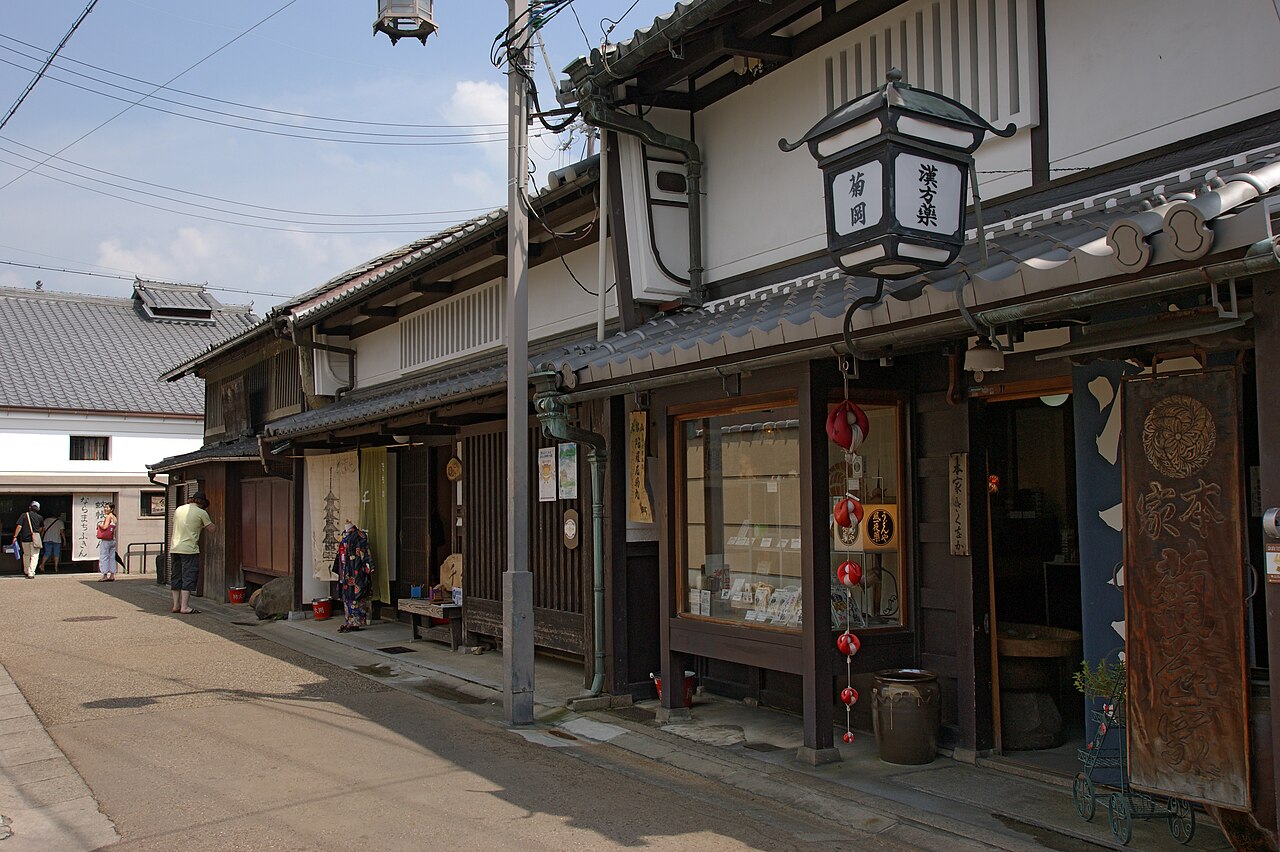
- Naka-no-shōji-chō main lanethe central street with the densest run of preserved machiya frontages and galleries
- Koshi-no-ie (Lattice House)a fully restored Meiji-period machiya open free to the public, showing the deep narrow plan inside; closed Wednesdays
- Migawari-zaru good-luck dollsred monkey figures hung on house eaves as protective charms — a Naramachi folk tradition still visible on many doors
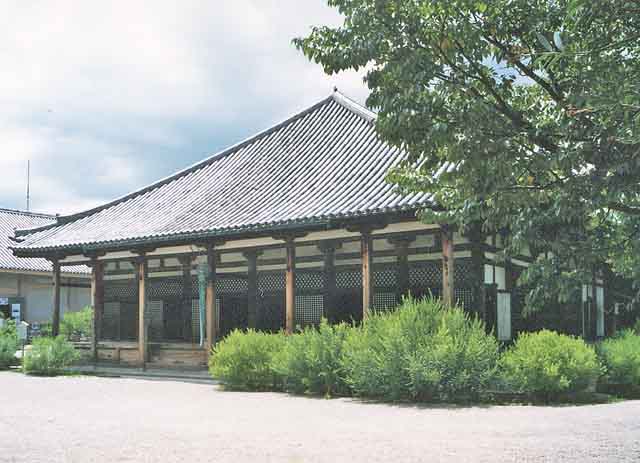
- Gangō-ji garan (temple precinct)the UNESCO temple whose Nara-period main hall anchors the neighbourhood's south end
How to actually get there
- Kintetsu Nara Station → walk south-east along Sanjo-dori (~15 min).
- Sanjo-dori → turn south into Naramachi lanes at the Naramachi signboard.
- Koshi-no-ie Lattice House (free entry) → Naka-no-shōji-chō main lane → Gangō-ji precinct.
- Walk from Kintetsu Nara Station
- From Kintetsu Nara Station, walk south-east about 15 minutes along Sanjo-dori then into the Naramachi lanes. The main Naramachi streets begin at the south side of Nara Park.
- Walk back north or take a city loop bus
- Walk north back to Kintetsu Nara Station (~15 min), or catch a city loop bus from a stop near the neighbourhood.
About the place
Naramachi sits on the south side of Nara Park, between the temple precincts and the modern city centre. The street layout follows the grid of the original eighth-century capital Heijō-kyō, on land where the former outer precincts of Gangō-ji temple once stood. After the capital moved to Kyoto in 794, merchants and craftspeople gradually filled the zone, building the two-storey machiya townhouses with deep narrow plans, latticed front windows, and interior courtyard gardens that still line the alleys today. The neighbourhood was developed without large-scale redevelopment in the twentieth century, leaving a fabric of Edo- and Meiji-period structures intact. Visitors typically walk the main streets, Naka-no-shōji-chō and Gangojicho, dipping into a mix of preserved buildings open to the public, galleries, traditional craft shops, and cafes housed in converted machiya.
How to enjoy it
Walk through the neighbourhood in the morning when the light comes down the east-facing alleys and the craft shops are just opening. The Koshi-no-ie restored townhouse is free to enter and gives a clear sense of the machiya interior arrangement — a useful reference before browsing the converted shops. Look for the red migawari-zaru monkey dolls hanging from eaves as you walk: they are a Naramachi folk tradition said to absorb illness on behalf of the household.
Background & history
The land that Naramachi now occupies was part of the outer precincts of Gangō-ji temple when Nara was the capital (710–784). After the capital relocated, the temple land was gradually converted to merchant and craft use, and the neighbourhood developed its current character over the Edo period. No major urban renewal swept the area in the twentieth century, preserving the street scale and building stock. Naramachi is now designated as a nationally important preservation district.
Before you go
- Cash
- Most Naramachi shops and cafes prefer cash; a few accept IC cards. The Koshi-no-ie Lattice House museum is free. Gangō-ji temple admission requires a small cash fee.
- Good to know
- Naramachi streets are accessible at any time. Most shops open around 10:00–11:00 and close by 17:00–18:00. The Koshi-no-ie is open 9:00–17:00 and closed on Wednesdays (open if Wednesday falls on a public holiday).
- Another way
- From JR Nara Station, it is about 25 minutes on foot, or take the city loop bus to a closer stop.
- After you get off
- From Kintetsu Nara Station, head south-east along Sanjo-dori until you see the Naramachi signage; the main lanes run south from there.
Nearby notes
 / Public domain
History · Nara★★★
Gangō-ji Temple
0.4 km · straight line
 Ph0kin / Public domain
History · Nara★★★
Kofuku-ji
0.8 km · straight line
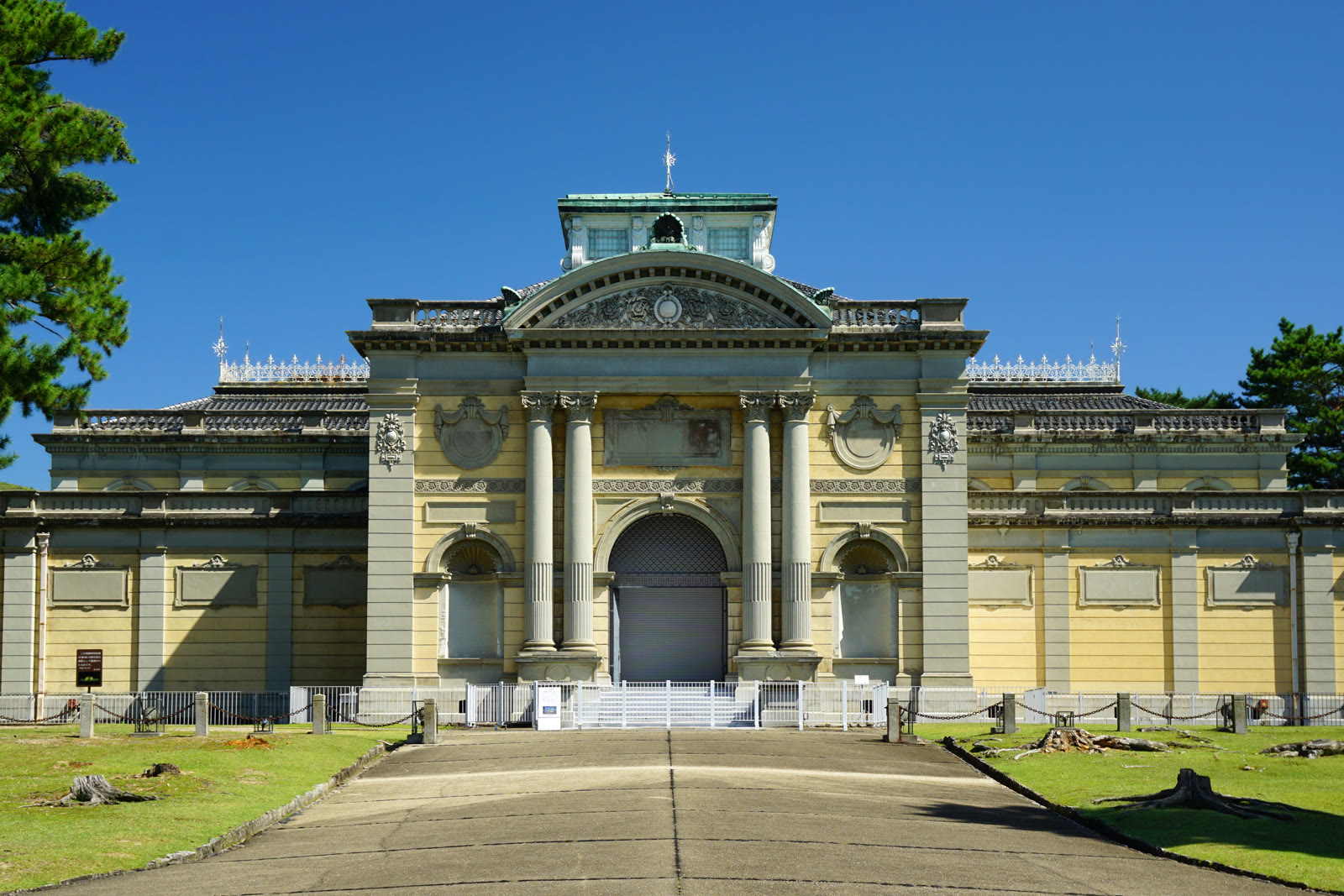 663highland / CC BY 2.5
Culture · Nara★★★
Nara National Museum
1.0 km · straight line
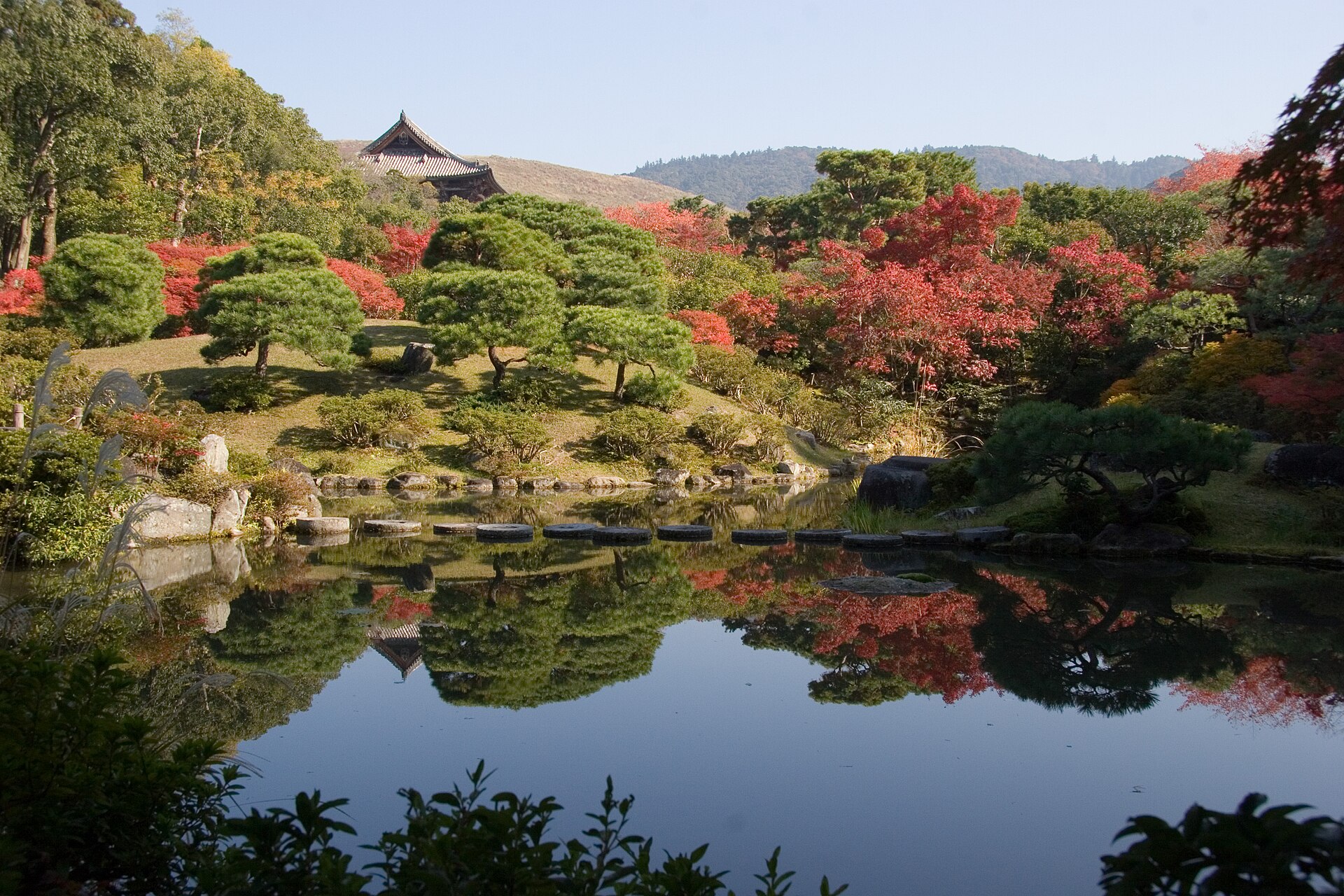 Kimon Berlin (Gribeco) / CC BY-SA 4.0
Culture · Nara★★
Isuien Garden
1.2 km · straight line
On a curated routeDown Into the Old Capital →
Distances are straight lines on the map, not travel times.