Nara · Nara ParkNo.232★★★Open in map →
Kofuku-ji
— the Ashura statue and Japan's second-tallest pagoda
A UNESCO World Heritage temple at the heart of Nara Park, famous for its 50-metre five-storey pagoda and the National Treasure Collection housing the eighth-century Ashura statue.
- FromOsaka (Namba)
- ~50 minwalk 5 min from Kintetsu Nara Stn
- Get off atKintetsu Nara Station
- On foot
- Kofuku-ji
Where it is
32 more notes in Nara · open the map →What to look for — in walking order
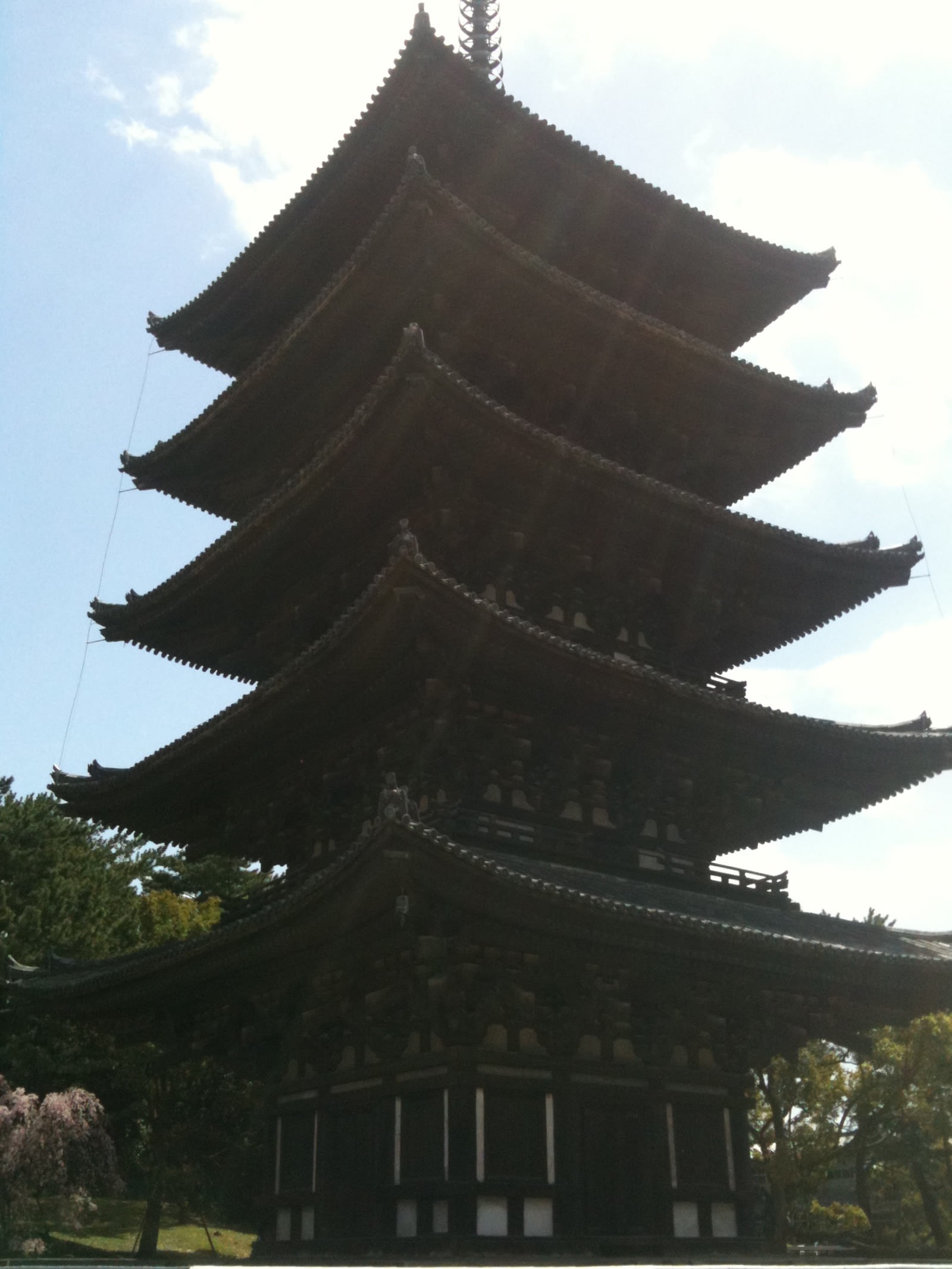
- Five-storey Pagodathe 50-metre wooden pagoda, rebuilt in 1426; Japan's second-tallest
- National Treasure Hall (Kokuhōkan)over 300 Buddhist sculptures including the celebrated Ashura figure
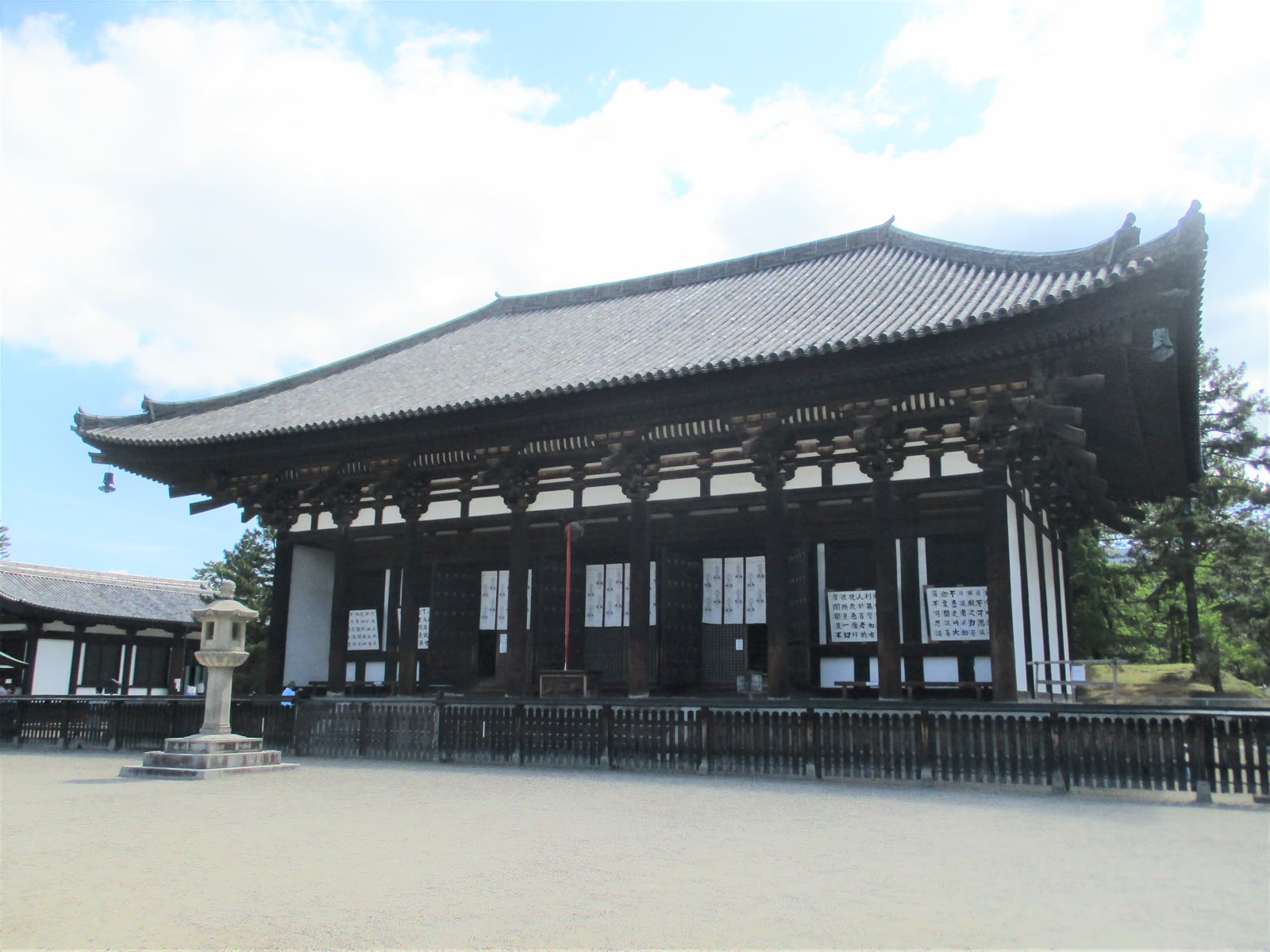
- Tō-kondō (East Golden Hall)a reconstructed Nara-period golden hall with important Buddhist images inside
- Chū-kondō (Central Golden Hall)the main hall, rebuilt in 2018 on the original eighth-century foundations
How to actually get there
- Osaka Namba → Kintetsu Nara Station (Kintetsu Nara Line, express, ~35 min).
- Kintetsu Nara Station → Kofuku-ji pagoda (walk east, ~5 min).
- Pagoda grounds → Tō-kondō → National Treasure Hall (Ashura statue).
- Kintetsu Nara Line from Osaka Namba
- Osaka Namba →(Kintetsu Nara Line, express, ~35 min)→ Kintetsu Nara Station, then walk east about 5 minutes up the slope to the temple. Trains run several times an hour.
- Return to Kintetsu Nara Station
- Walk back up to Kintetsu Nara Station and take the Kintetsu Nara Line to Osaka Namba (~35 min) or Kyoto (~35–50 min).
About the place
Kofuku-ji stands at the western edge of Nara Park, its five-storey pagoda visible from across the city. The temple was founded by the Fujiwara clan in the late seventh century, first in Yamashiro and then relocated to Nara when it became the imperial capital in 710. At its height the complex held more than 175 buildings; today the rebuilt halls and pagodas mark the original footprint. The centrepiece of any visit is the National Treasure Hall (Kokuhōkan), which holds over 300 important Buddhist sculptures, among them the Ashura, a three-faced, six-armed figure from 734, considered one of the masterpieces of Nara-period sculpture. The five-storey pagoda, rebuilt in 1426 after several fires, stands about 50 metres tall and is Japan's second-tallest wooden pagoda.
How to enjoy it
The National Treasure Hall and the Tō-kondō each have a separate admission fee; the pagoda grounds are visible without paying. Enter the National Treasure Hall to see the Ashura statue up close — it is displayed in a well-lit room that lets you walk around it. Morning is the calmest time to visit before day-trip tour groups arrive from Osaka or Kyoto.
Background & history
The temple was established in 669 by Kagami-no-Ōkimi, wife of a leading Fujiwara minister, and relocated to its present site in Nara in 710. The Fujiwara clan, who dominated Japanese court politics through the Heian period, lavished resources on Kofuku-ji as their family temple. The three-faced Ashura statue was created in 734 under the patronage of the Empress Kōmyō. The temple is registered as a UNESCO World Heritage Site as part of the Historic Monuments of Ancient Nara.
Before you go
- Cash
- IC cards (ICOCA, Suica) on Kintetsu. Admission to the National Treasure Hall and Tō-kondō is paid at each building; carry cash as a backup. Pagoda grounds are viewable free of charge.
- Good to know
- The National Treasure Hall closes at 17:00 (last entry 16:45). Confirm current fees on kohfukuji.com before visiting.
- Another way
- From Kyoto Station, take the Kintetsu Kyoto Line (express, ~35–50 min) to Kintetsu Nara Station.
- After you get off
- From Kintetsu Nara Station, walk east along Noboriōji-dori about 5 minutes to the temple grounds; the pagoda is visible from the road.
Nearby notes
 / Public domain
History · Nara★★★
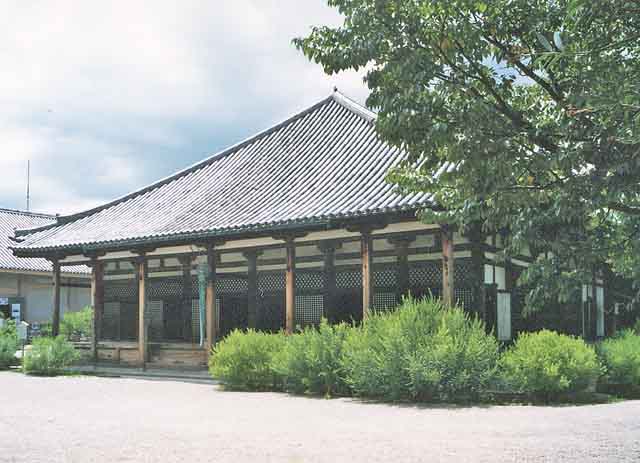
Gangō-ji Temple
0.4 km · straight line
 663highland / CC BY 2.5
Culture · Nara★★★
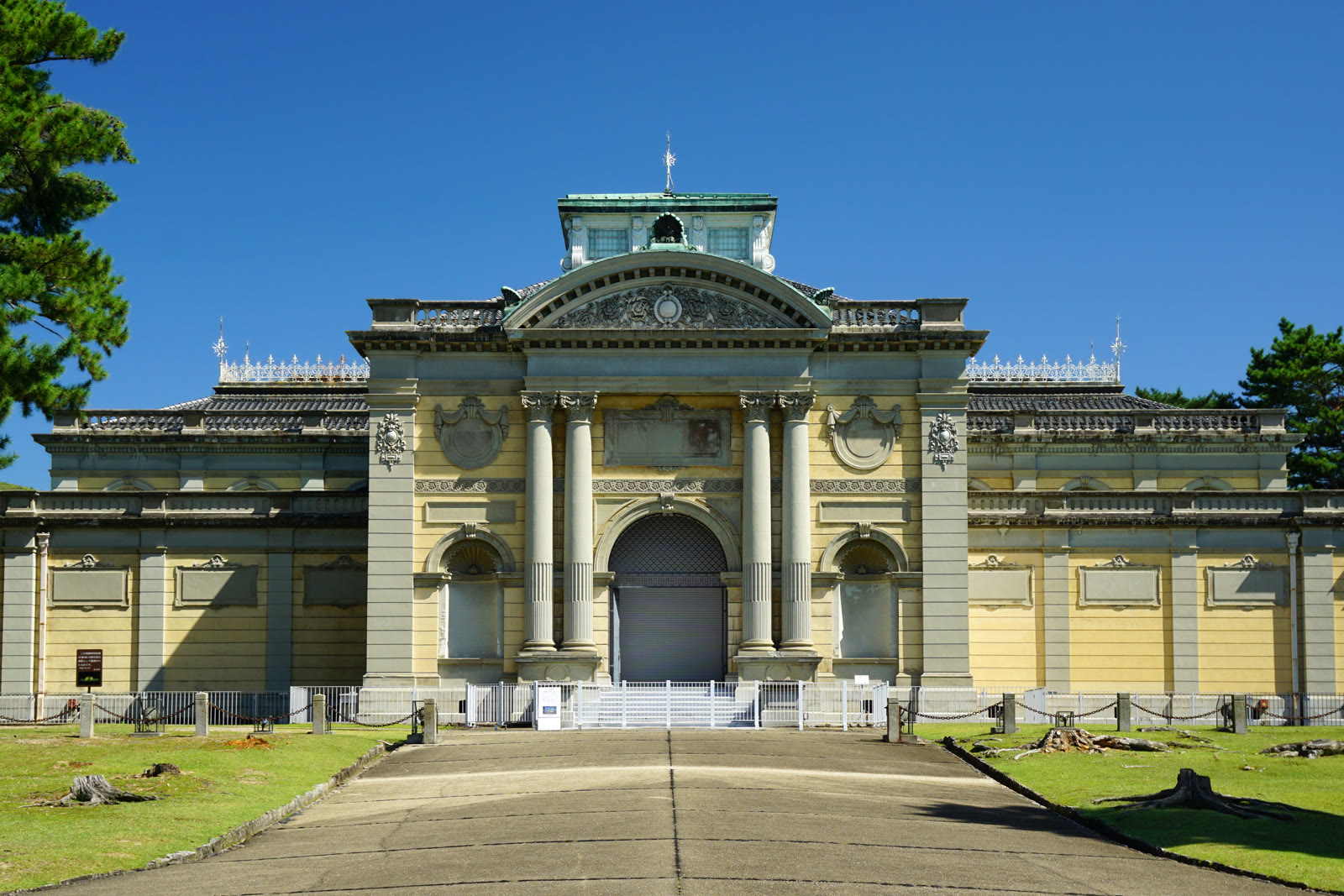
Nara National Museum
0.5 km · straight line
 Kimon Berlin (Gribeco) / CC BY-SA 4.0
Culture · Nara★★
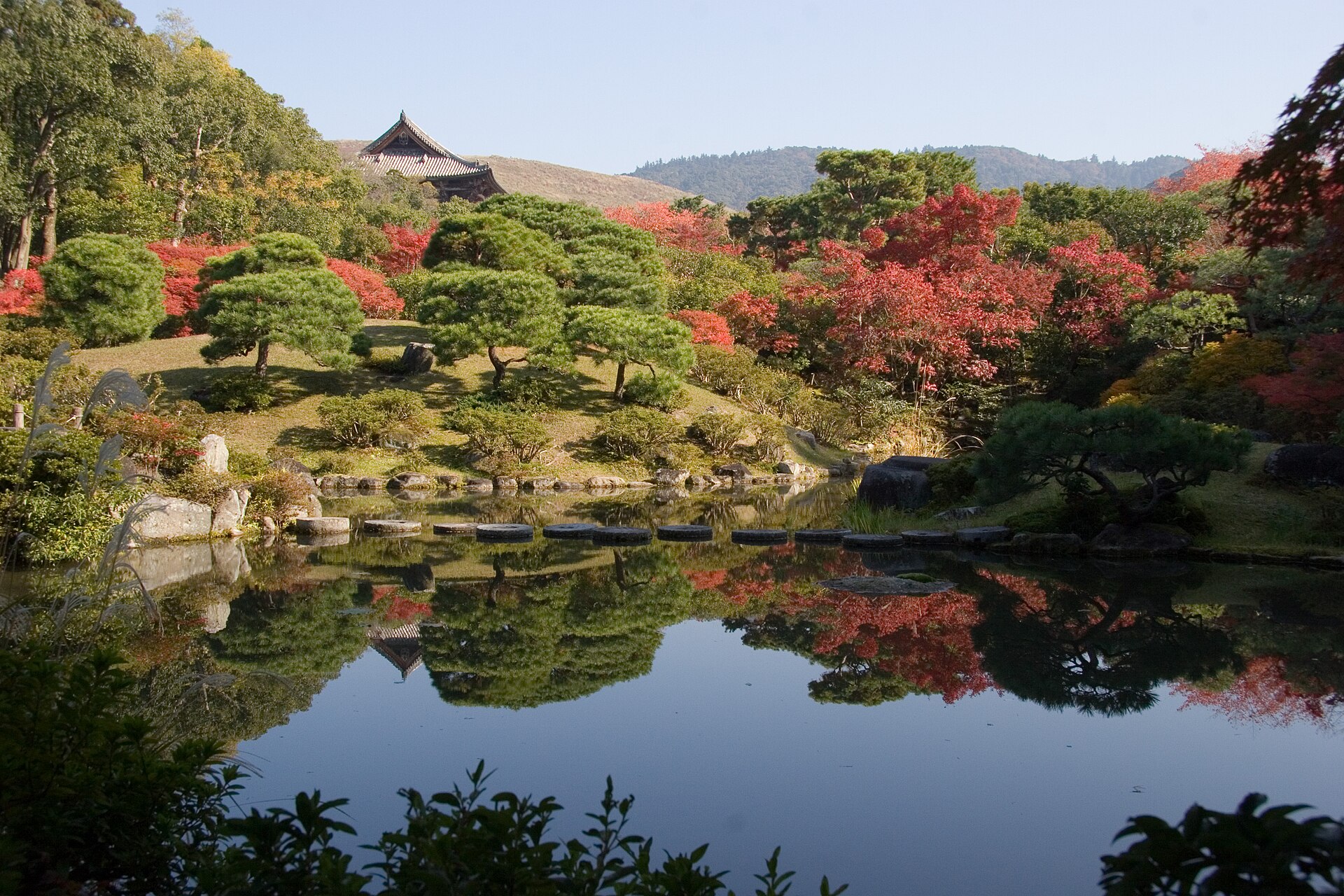
Isuien Garden
0.7 km · straight line
 shankar s. / CC BY 2.0
Local life · Nara★★★
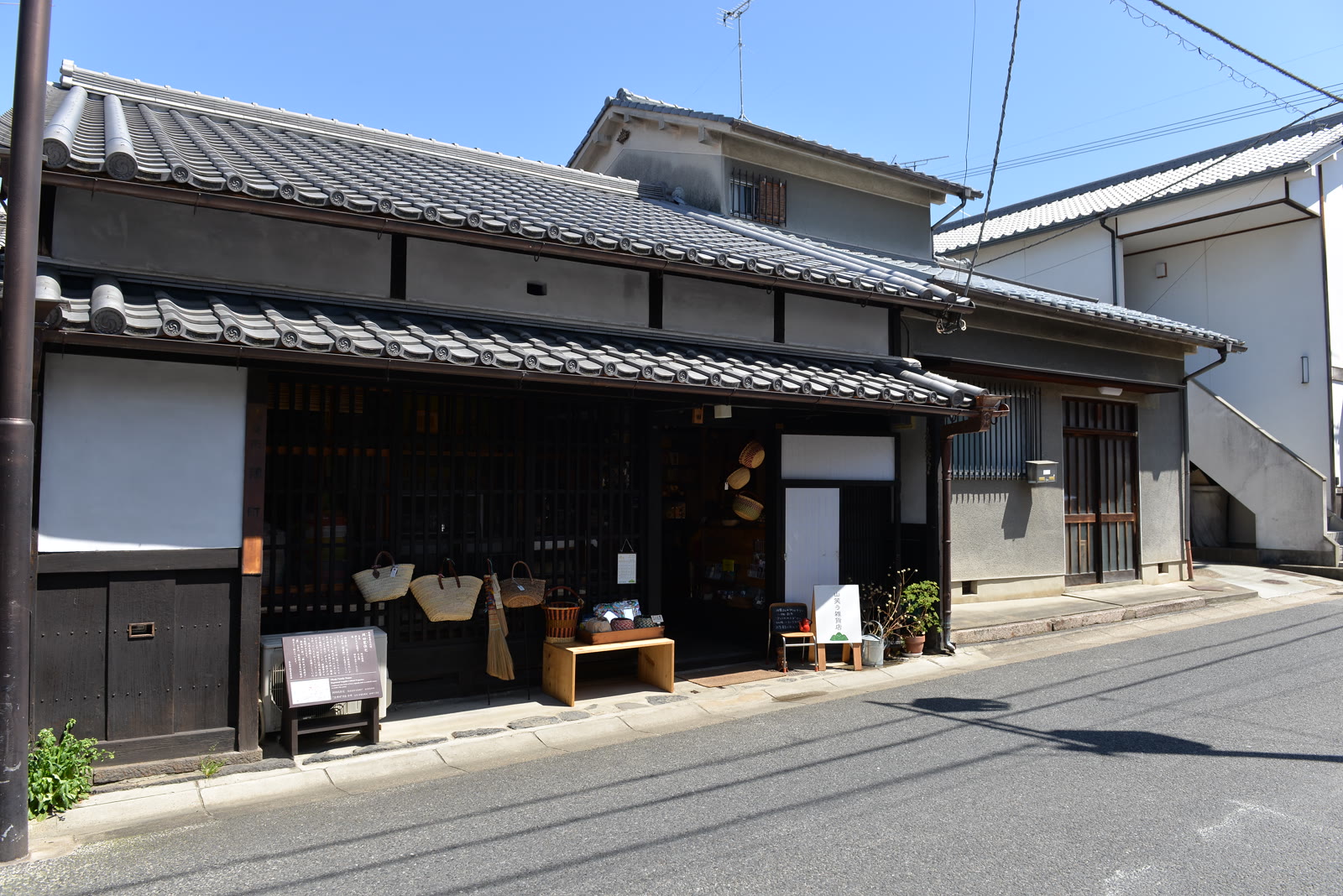
Naramachi
0.8 km · straight line
On a curated routeDown Into the Old Capital →
Distances are straight lines on the map, not travel times.