Kanagawa · Moto-Hakone, HakoneNo.171★★★Open in map →
Hakone Shrine and the Peace Torii
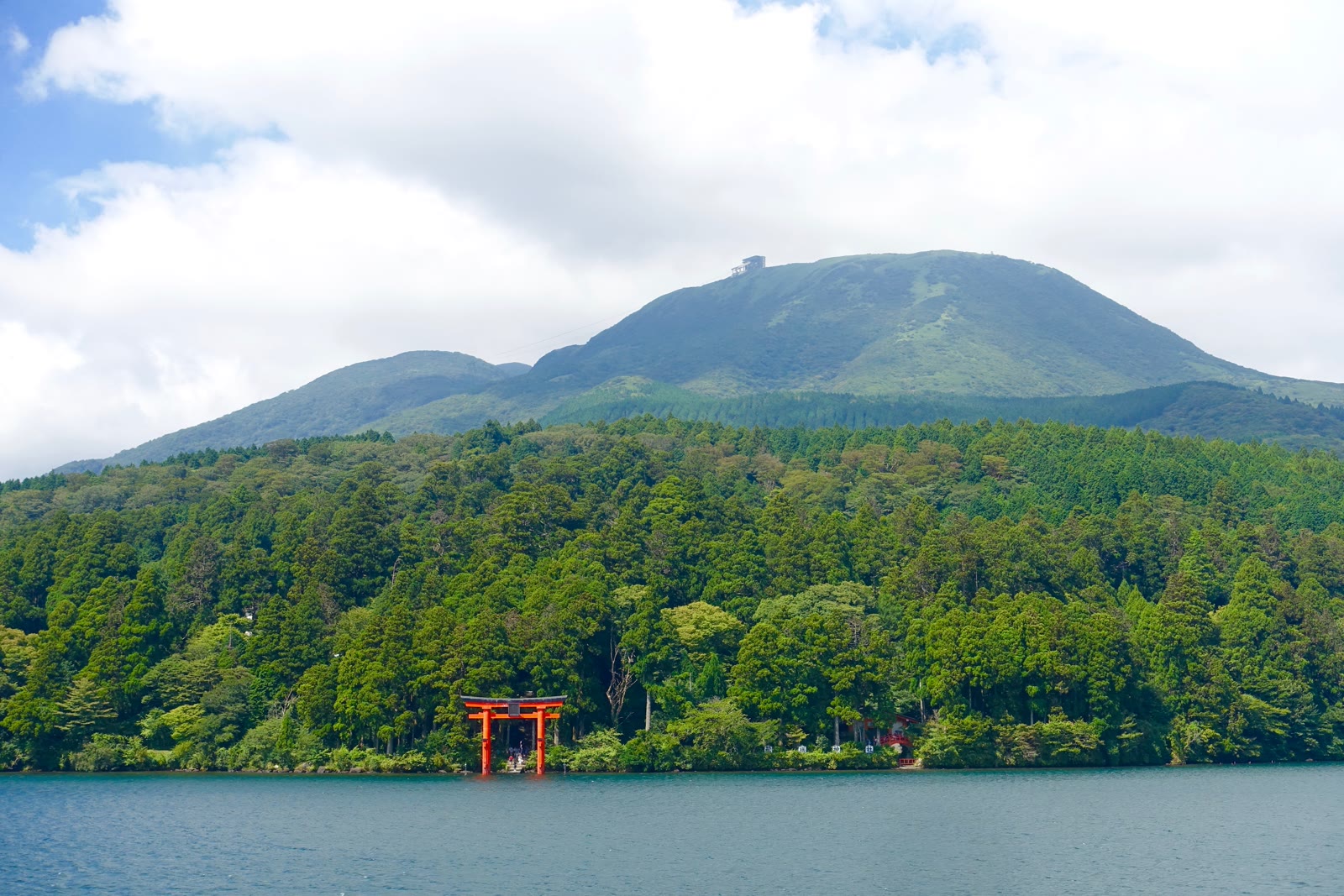
A Shinto shrine on the forested shore of Lake Ashi in Hakone, Kanagawa. Its Peace Torii gate, erected in 1952 to mark the San Francisco Peace Treaty, stands at the water's edge with views across the lake toward Mount Fuji.
- FromShinjuku Stn
- ~90 minbus (~35-40 min from Hakone-Yumoto)
- Get off atMoto-Hakone bus stop (Hakone Tozan Bus line H)
- On foot
- Hakone Shrine and the Peace Torii
Where it is
43 more notes in Kanagawa · open the map →What to look for — in walking order
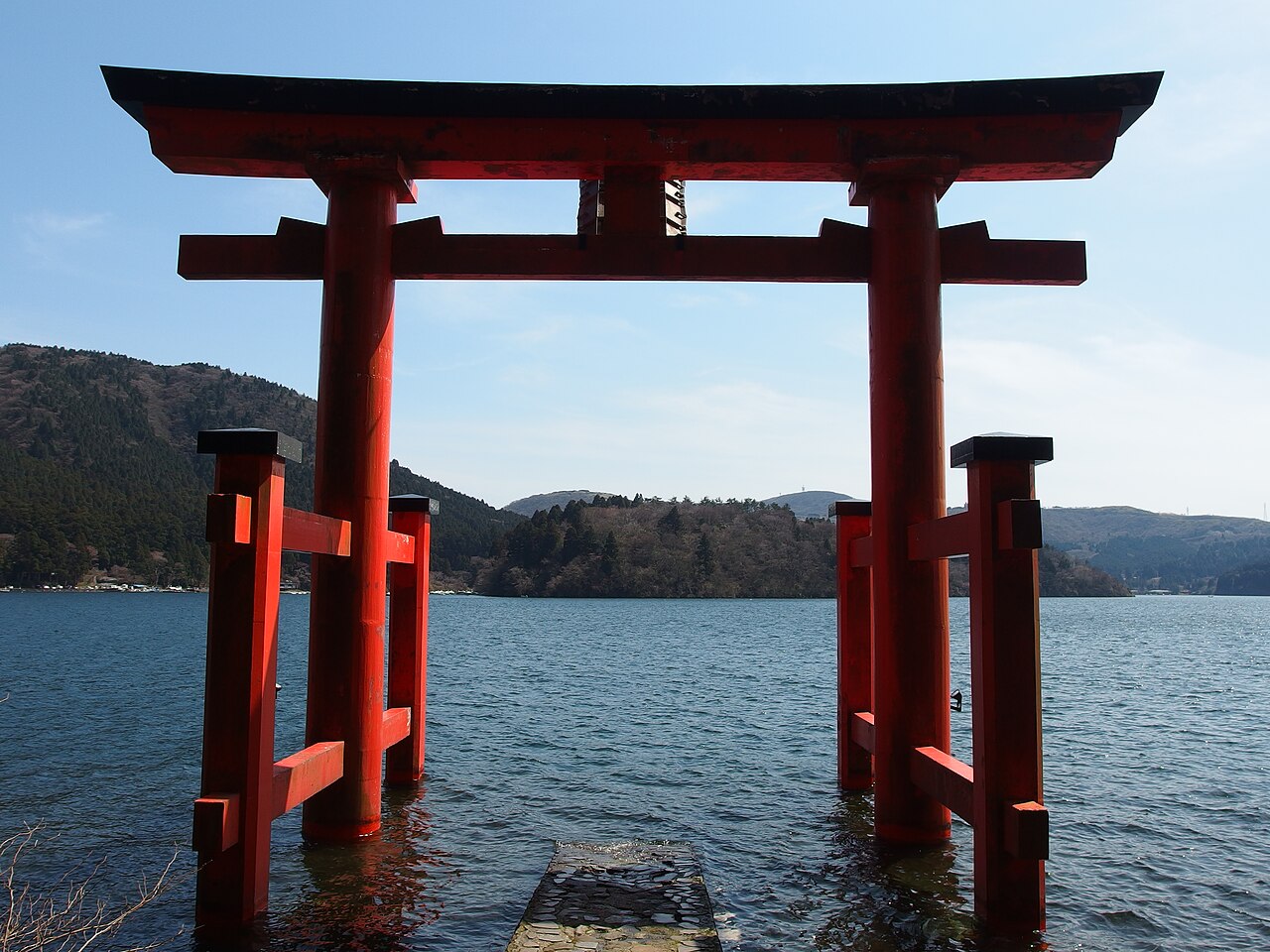
- Heiwa no Torii (Peace Torii)a red torii gate at the lake's edge, built in 1952 to mark the San Francisco Peace Treaty; the plaque reading 'Heiwa' (peace) was written by Prime Minister Yoshida
- Cedar approach (sandō)a long stairway lined with tall cedar trees leading up from the lakeside to the main hall — the classic entrance to the shrine
- Main hall (Honden)the central sanctuary in its current form dating to 1667, enshrining the Hakone Gongen deities
- Lake Ashi viewthe lake spreads out from the shrine shore; on clear mornings in autumn and winter, the silhouette of Mount Fuji is visible across the water
How to actually get there
- Shinjuku Station → Hakone-Yumoto Station (Odakyu Romancecar or regular line, ~85 min).
- Hakone-Yumoto Station → Moto-Hakone bus stop (Hakone Tozan Bus line H, ~35–40 min).
- Moto-Hakone bus stop → Heiwa no Torii / shrine main hall (walk through cedar approach, ~10 min).
- Romancecar from Shinjuku + Hakone Tozan Bus from Hakone-Yumoto
- Shinjuku Station →(Odakyu Romancecar or regular Odakyu Line, ~85 min)→ Hakone-Yumoto Station →(Hakone Tozan Bus line H toward Moto-Hakone-ko / Hakone-machi, ~35–40 min)→ Moto-Hakone bus stop. From the bus stop it is about 10 minutes on foot through the cedar approach to the shrine's lakeside torii. Total journey approximately 2 hours. Buses run regularly.
- Return bus to Hakone-Yumoto, then train to Shinjuku
- From Moto-Hakone bus stop, take the Hakone Tozan Bus back to Hakone-Yumoto Station (line H, ~35–40 min), then Odakyu Line to Shinjuku. Buses run regularly; check the day's timetable at the bus stop when you arrive. Last buses back run in the early evening.
About the place
Hakone Shrine sits on the eastern shore of Lake Ashi, surrounded by cedar forest, at the foot of the Komagatake peak of Mount Hakone. According to shrine tradition, the site has been a place of mountain worship since antiquity, with the shrine in its current lakeside form tracing back to 757, when the priest Mangan Shonin established a sanctuary here. Its current main hall dates to 1667. The shrine is dedicated to the deities of Hakone (known collectively as Hakone Gongen) and has long been regarded as a protector of the Kanto region. The most-photographed element of the precinct is the Heiwa no Torii (Peace Torii): a red gate erected in 1952, the year the San Francisco Peace Treaty came into effect and Japan regained its sovereignty. The plaque on the lake-facing side of the gate bears the inscription 'Heiwa' (peace), written by Prime Minister Shigeru Yoshida. The gate stands in the shallows of Lake Ashi, and on clear mornings it is often visible in the same frame as the outline of Mount Fuji across the water.
How to enjoy it
Arrive at the Moto-Hakone bus stop and walk about 10 minutes through the cedar forest to the shrine's lakeside torii and the stone stairway. The Peace Torii is at the water's edge before you climb the stairs; the main hall is at the top. For the clearest view of Mount Fuji across the lake, come on a calm, clear morning in October through February, when the air is most transparent. The shrine grounds are open daily and free to enter.
Background & history
Shrine records place the founding of Hakone Shrine at 757, by the priest Mangan Shonin, who built a lakeside sanctuary for the mountain deities that had been venerated in the area for centuries. The shrine's original location was on the summit of Komagatake; it was later moved to its current position on the lakeshore. The main hall in its present form dates to 1667. The Peace Torii gate was built in 1952 at the lake's edge to commemorate the peace treaty that ended the postwar Allied occupation of Japan. Hakone itself became a national park in 1936, one of Japan's earliest.
Before you go
- Cash
- IC cards (Suica / PASMO) are accepted on Odakyu trains and most Hakone Tozan buses. Entry to the shrine grounds is free. The Hakone Free Pass (Odakyu) covers buses within the Hakone area and may reduce overall costs if visiting multiple spots.
- Good to know
- The shrine grounds are open daily and free to enter at all hours. The innermost precinct closes in the evening. The area is most crowded during Golden Week (early May) and autumn foliage season (November). Clear Fuji views are most likely October through February on calm mornings.
- Another way
- From Odawara Station (JR Tokaido or Odakyu), take the Hakone Tozan Bus or a taxi to Moto-Hakone. From Togendai (Hakone Ropeway / Lake Ashi sightseeing boat pier), a sightseeing boat runs across Lake Ashi to Moto-Hakone-ko pier, about 5–10 min walk from the shrine.
- After you get off
- From Moto-Hakone bus stop, follow the path into the cedar forest along the lake shore for about 10 minutes to reach the Peace Torii at the water's edge and the stone stairway to the main hall.
Nearby notes
 Kentagon / CC BY-SA 4.0
Nature · Kanagawa★★★
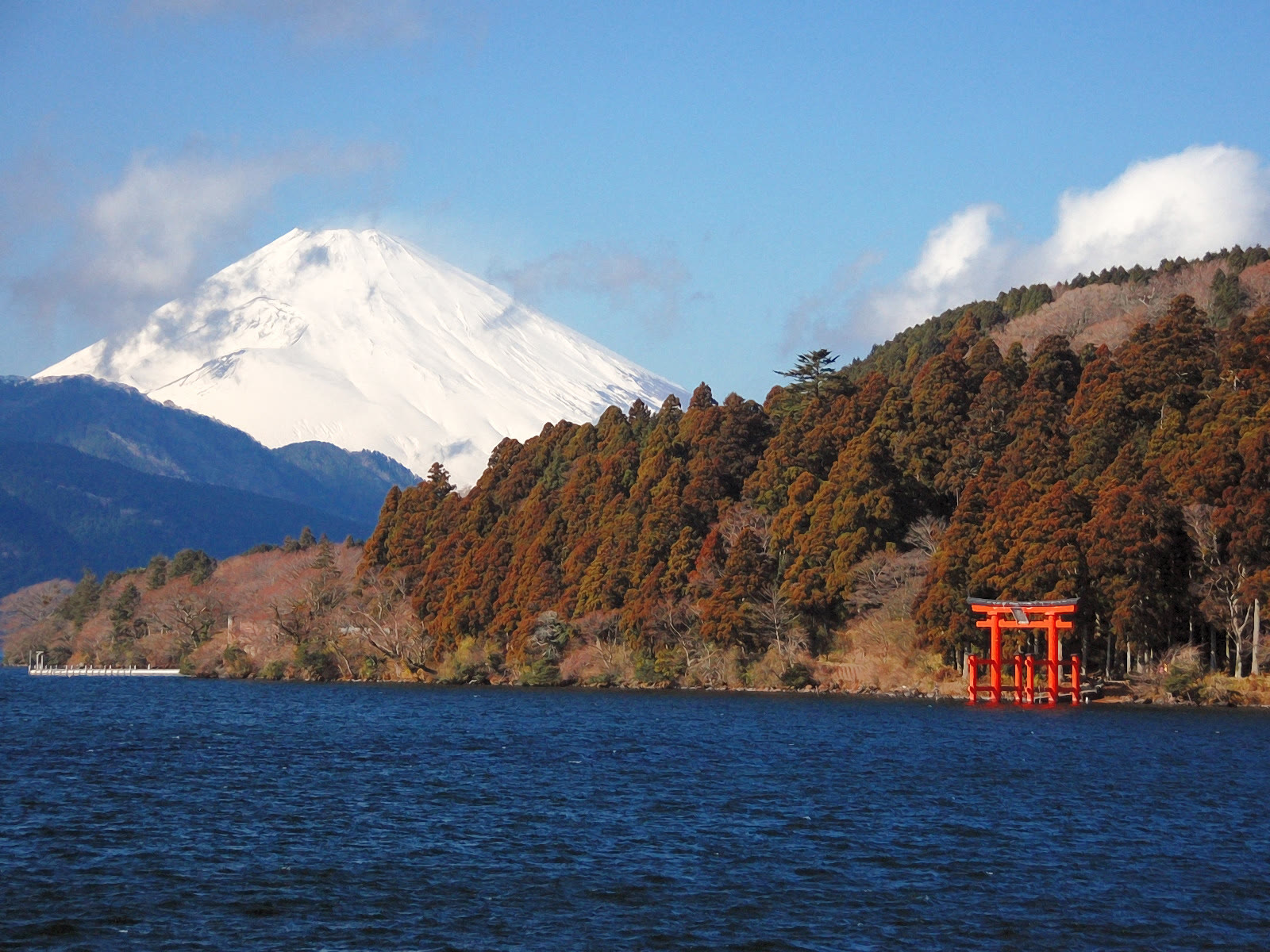
Lake Ashi
0.5 km · straight line
 663highland / CC BY 2.5
Nature · Kanagawa★★★
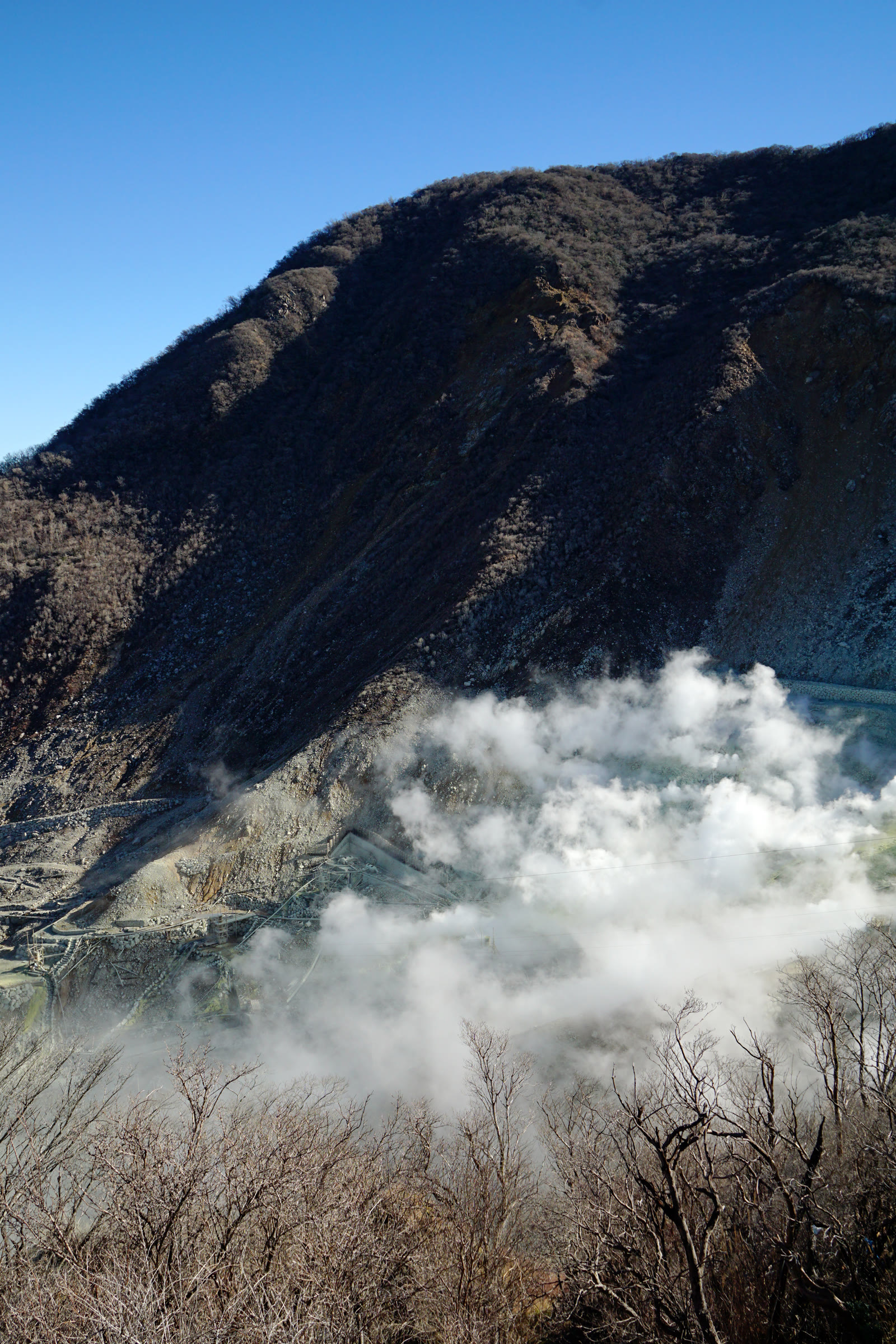
Ōwakudani
4.6 km · straight line
 663highland / CC BY-SA 4.0
Nature · Kanagawa★★★
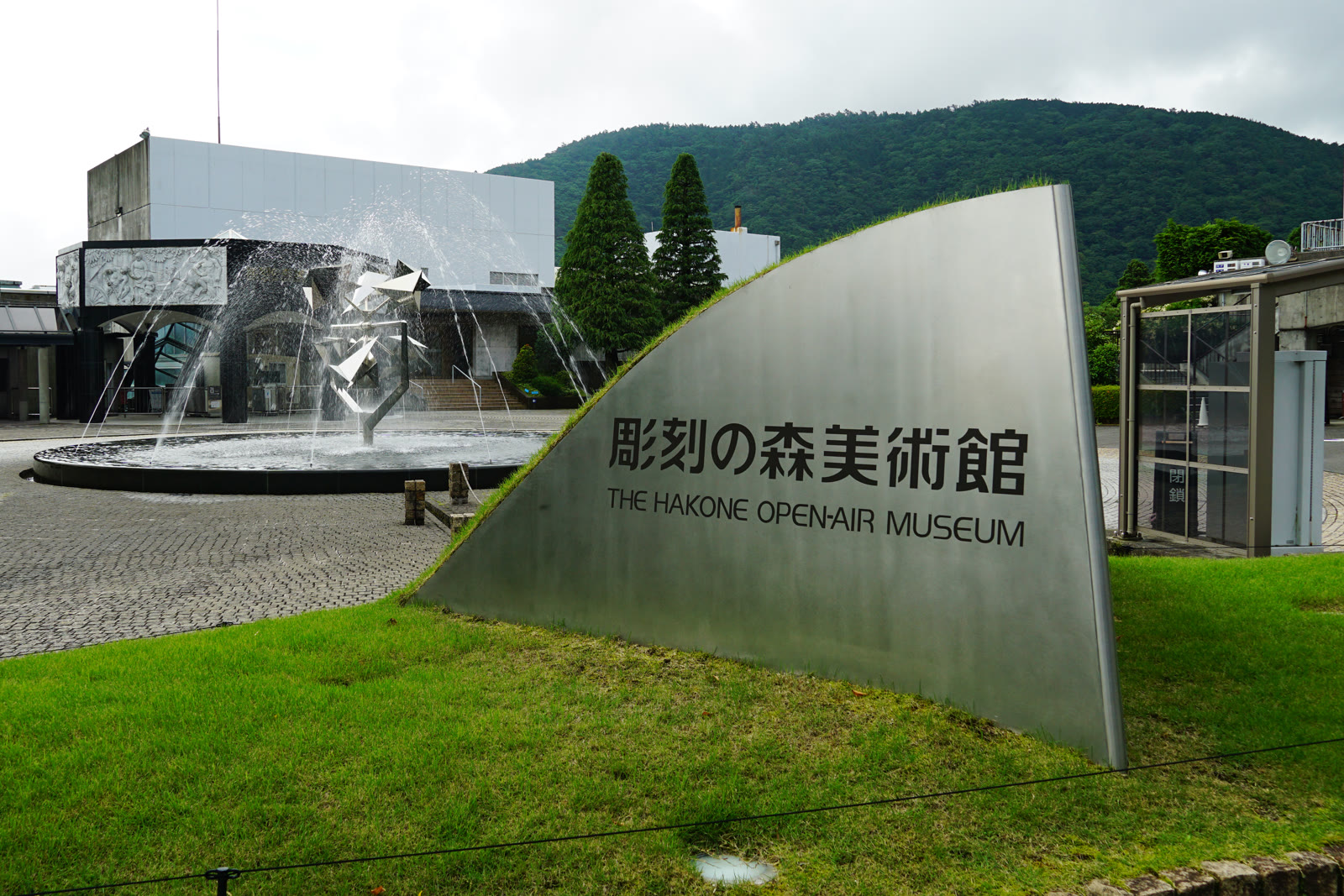
Hakone Open-Air Museum
5.2 km · straight line
 663highland / CC BY 2.5
Culture · Kanagawa★★
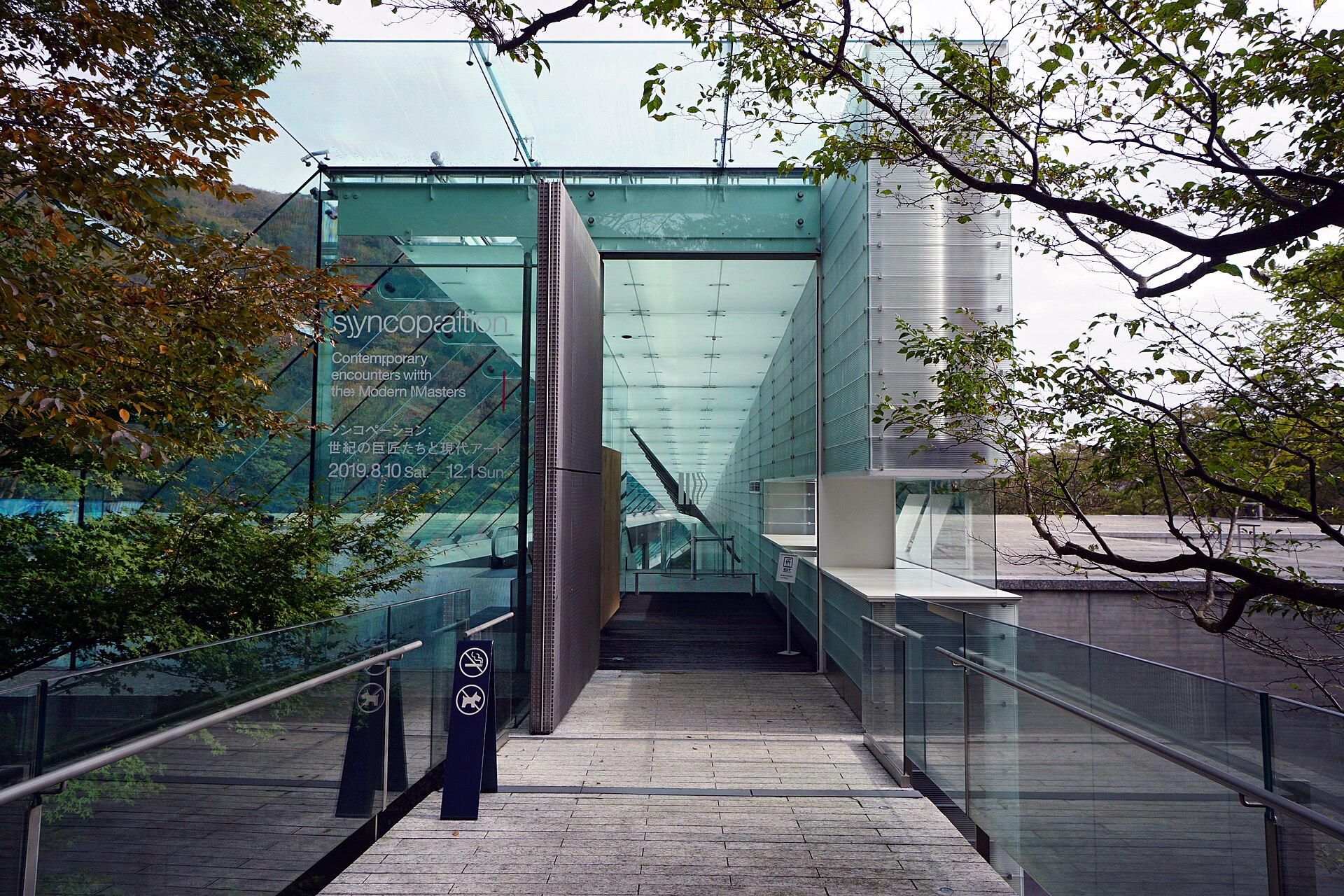
Pola Museum of Art
6.0 km · straight line
On a curated routeThe Hakone Round →
Distances are straight lines on the map, not travel times.