Kanagawa · Ōwakudani, HakoneNo.172★★★Open in map →
Ōwakudani
— an active volcanic valley of steam
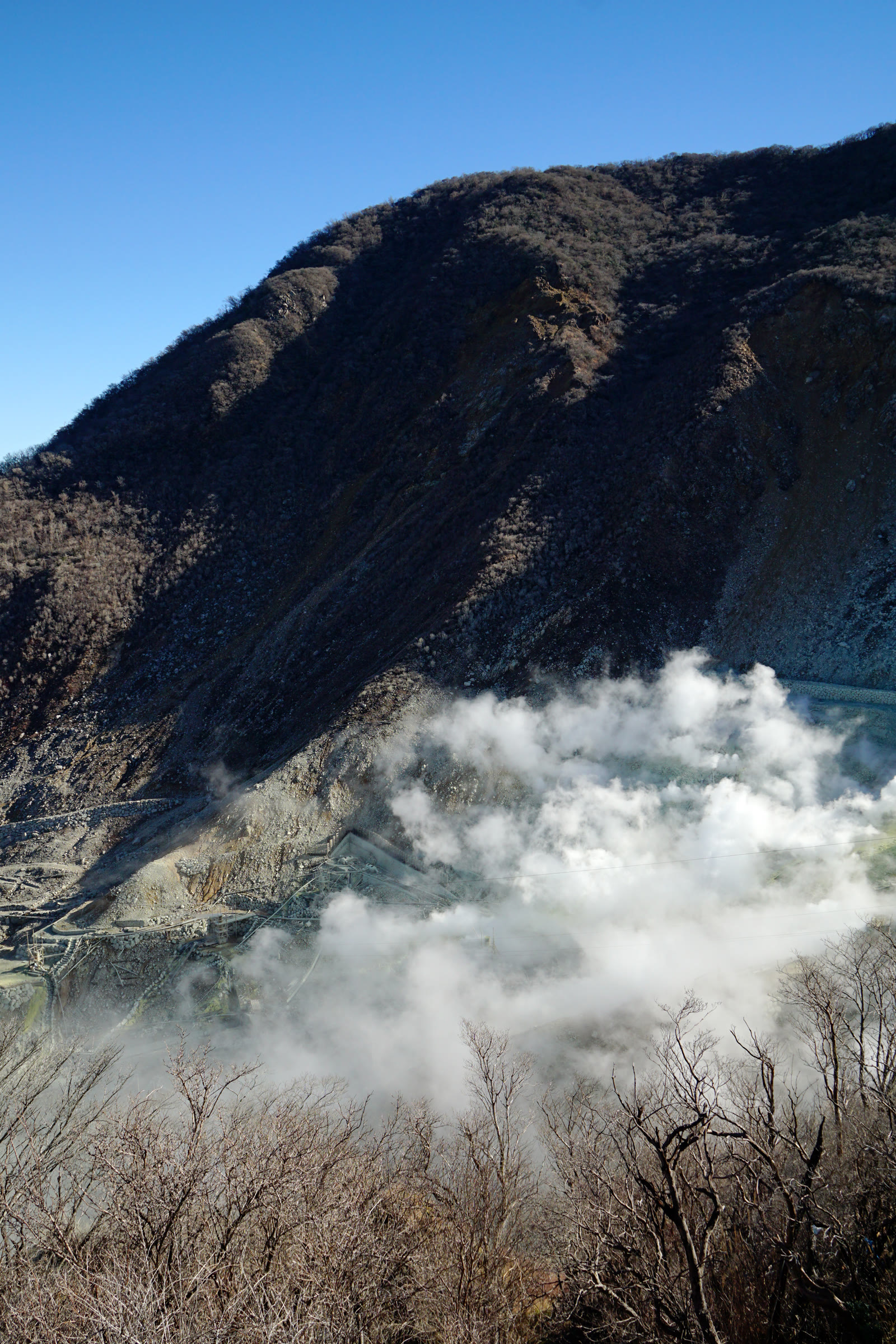
A volcanic valley at around 1,044 metres in the Hakone caldera, formed by Mount Hakone's eruption roughly 3,000 years ago. White steam columns rise from active sulphur vents, and the valley's signature product — kuro-tamago, eggs hard-boiled in the volcanic hot springs — is sold at the visitor facilities.
- FromShinjuku Stn
- ~100-110 minHakone Ropeway
- Get off atŌwakudani Station (Hakone Ropeway)
- From there
- Ōwakudani
Where it is
43 more notes in Kanagawa · open the map →What to look for — in walking order
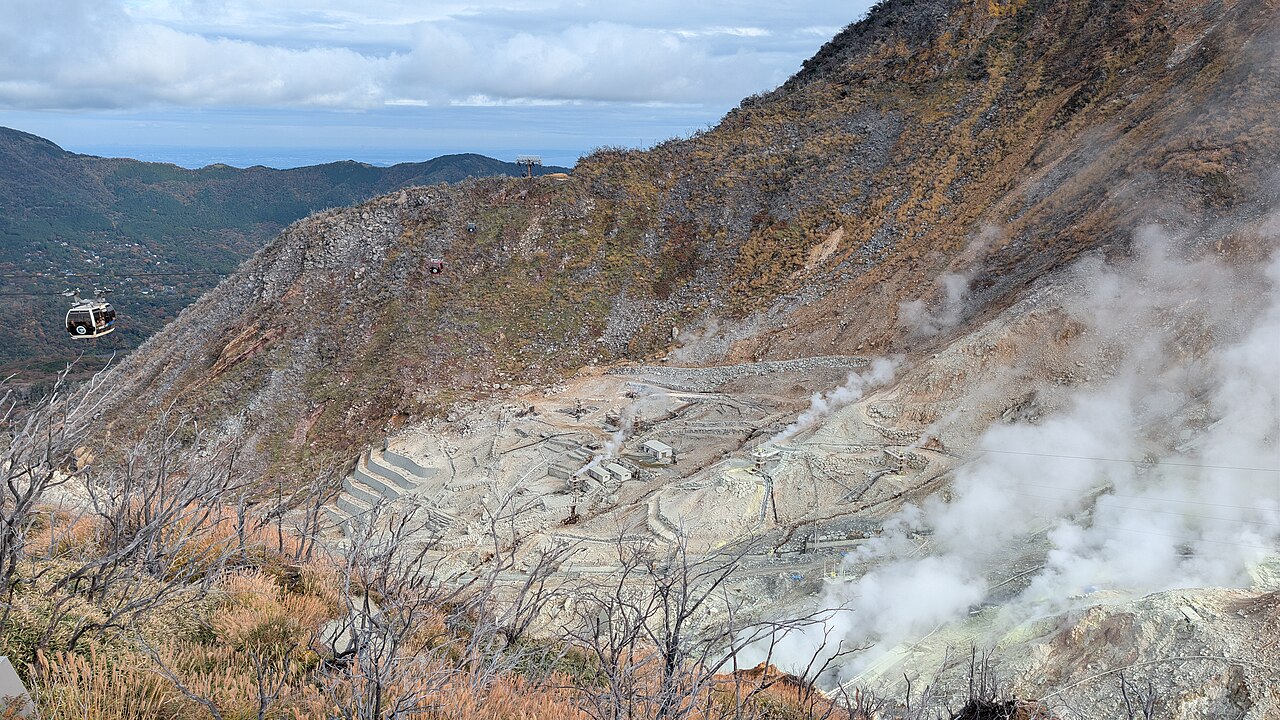
- Active sulphur ventsthe columns of white steam rising from the yellow-stained valley floor — the visual centre of Ōwakudani
- Ōwakudani Station observation areaan open platform at the ropeway station with direct views over the steam fields and the crater landscape
- Kuro-tamago (black eggs)eggs hard-boiled in the sulphurous hot spring water, their shells turned black by a chemical reaction; sold at the visitor facilities and eaten on site
- Ropeway crossingthe Hakone Ropeway passes over the steam fields on the approach to Ōwakudani Station, giving an aerial view of the volcanic valley
How to actually get there
- Shinjuku → Hakone-Yumoto (Odakyu, ~85 min) → Gora (Hakone Tozan Railway, ~40 min) → Sounzan (Cable Car, ~10 min).
- Sounzan → Ōwakudani Station (Hakone Ropeway, ~15 min; the ropeway passes directly over the steam fields).
- Ōwakudani Station → observation area above the vents (walk uphill from the platform, ~2–3 min).
- Odakyu Line from Shinjuku + Hakone Tozan connections + Hakone Ropeway
- Shinjuku Station →(Odakyu Line / Romancecar, ~85 min)→ Hakone-Yumoto Station →(Hakone Tozan Railway, ~40 min)→ Gora Station →(Hakone Tozan Cable Car, ~10 min)→ Sounzan Station →(Hakone Ropeway, ~15 min)→ Ōwakudani Station. Total about 100–110 min from Shinjuku. The Hakone Free Pass (Odakyu) covers all of these connections within the Hakone area.
- Return via ropeway and Hakone Tozan, or continue to Lake Ashi
- From Ōwakudani Station, take the ropeway back to Sounzan and the cable car and Tozan Railway to Hakone-Yumoto, then Odakyu to Shinjuku. Alternatively, continue on the ropeway to Togendai on Lake Ashi, take a sightseeing boat across to Moto-Hakone, and return by bus — a common Hakone loop route.
About the place
Ōwakudani — the name means 'Great Boiling Valley' — is an active volcanic area at the centre of the Hakone caldera, sitting atop what geologists classify as the youngest volcanic crater in the area, formed by the last major eruption of Mount Hakone around 3,000 years ago. Columns of white steam rise from numerous sulphur vents across the valley floor and the slopes above, and the ground is stained yellow and white by sulphur deposits. The valley is reached by the Hakone Ropeway, the longest aerial ropeway in Japan by number of passengers, which carries visitors over the steam fields before stopping at Ōwakudani Station. The station has an observation area with direct views over the steam vents. The valley's best-known food product is kuro-tamago (black eggs): hen's eggs hard-boiled in the hot spring water, whose high sulphur content reacts with the iron in the shell to turn it black. They are sold only here, at the Ōwakudani visitor facilities. Volcanic activity can occasionally restrict access to parts of the valley; the Hakone Town Tourism Association posts current access conditions on its website.
How to enjoy it
Ride the Hakone Ropeway to Ōwakudani Station and walk to the observation area above the station for the main view over the steam fields. Try the kuro-tamago from the on-site vendor — they are eaten on the spot, as they cannot be transported off the mountain. Access to the walking paths on the valley floor depends on volcanic activity levels; check the current status at the Hakone Town Tourism Association website before visiting. The ropeway continues beyond Ōwakudani to Togendai on Lake Ashi, making it easy to combine this stop with the lakeside and Hakone Shrine.
Background & history
The Hakone volcano has been intermittently active for hundreds of thousands of years. The most recent major eruptive phase, which created Ōwakudani and the caldera landscape of central Hakone, occurred roughly 3,000 years ago. Hot spring use in the Hakone area dates back many centuries. As a tourist destination, Ōwakudani became accessible to a wider public when the Hakone Ropeway opened. Hakone National Park, which encompasses Ōwakudani, was established in 1936 as one of Japan's first national parks. The area has been subject to increased volcanic alert levels at various points in recent decades; visitors should check the current status before travelling.
Before you go
- Cash
- The Hakone Free Pass (Odakyu) covers the Odakyu Line from Shinjuku, Hakone Tozan Railway, cable car, ropeway, and Lake Ashi sightseeing boats — strongly recommended for a full Hakone day. IC cards (Suica / PASMO) are accepted on Odakyu trains. Kuro-tamago are cash only at the vendor.
- Good to know
- Volcanic activity can raise alert levels and restrict access to the valley floor or, in rare cases, suspend ropeway service — check current status at hakone.or.jp before visiting. The ropeway and visitor facilities are open daily (hours vary; check hakone-ropeway.co.jp). The area is most crowded during Golden Week, summer, and autumn foliage season.
- Another way
- From Tokyo Station, the JR Tokaido Line to Odawara, then Hakone Tozan connections, is an alternative routing. From Odawara, the Hakone Tozan Bus also runs up to Ōwakudani directly on some routes.
- After you get off
- Ōwakudani Station is a ropeway stop with a built-in observation area. From the station platform, follow the path uphill about 2–3 minutes to reach the main observation point above the steam vents.
Nearby notes
 663highland / CC BY 2.5
Culture · Kanagawa★★
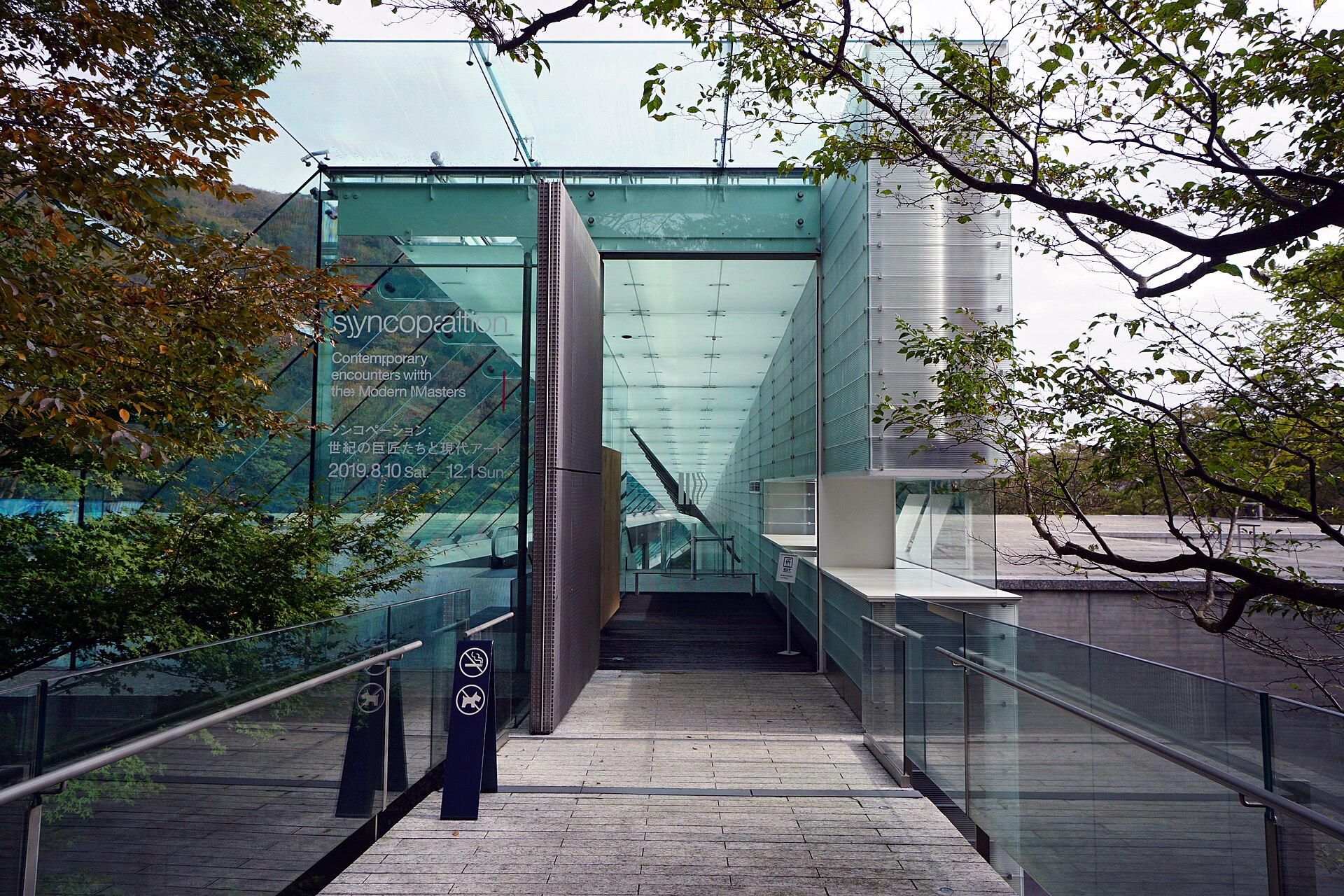
Pola Museum of Art
1.4 km · straight line
 663highland / CC BY-SA 4.0
Nature · Kanagawa★★★
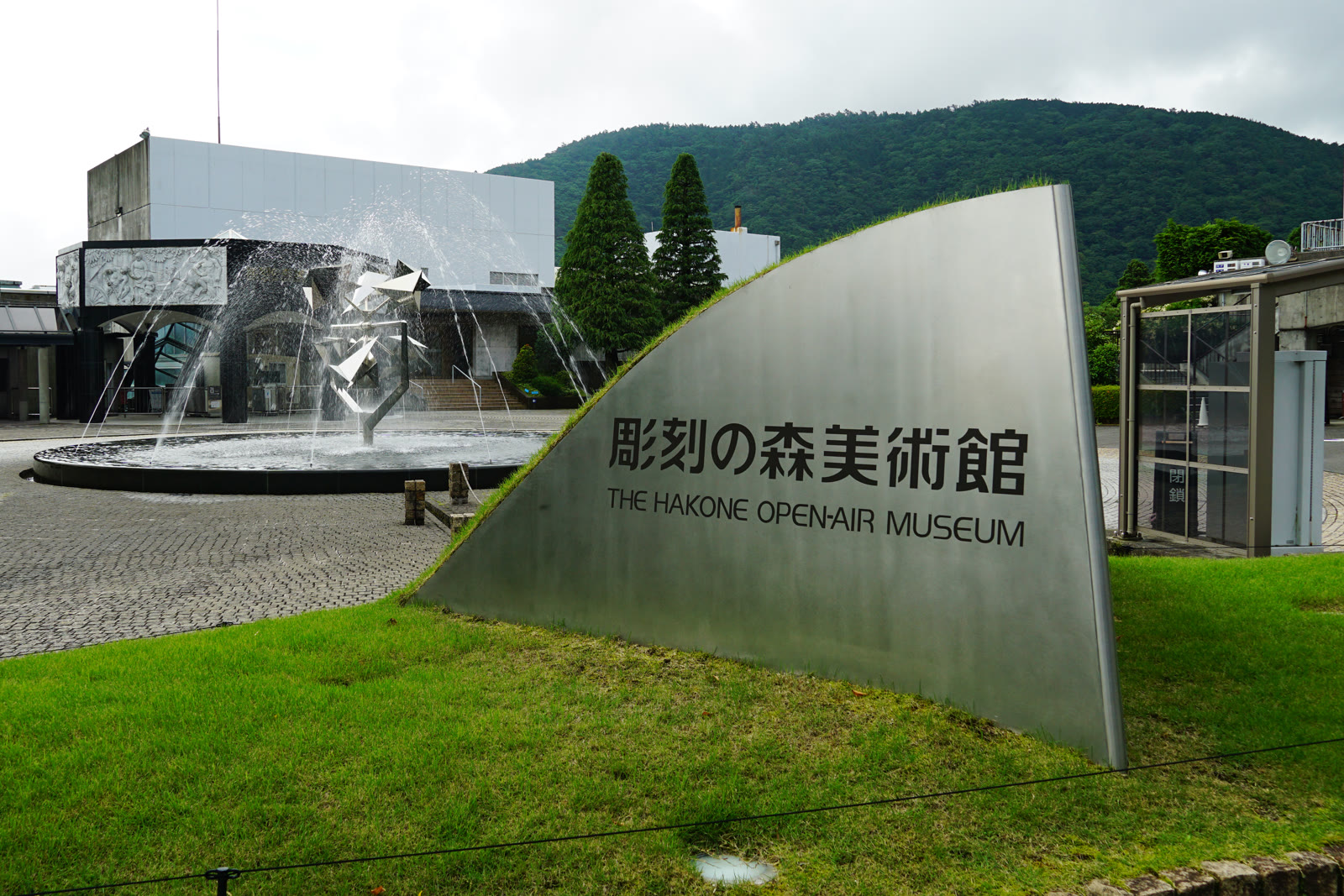
Hakone Open-Air Museum
2.6 km · straight line
 Daderot / CC0
History · Kanagawa★★★
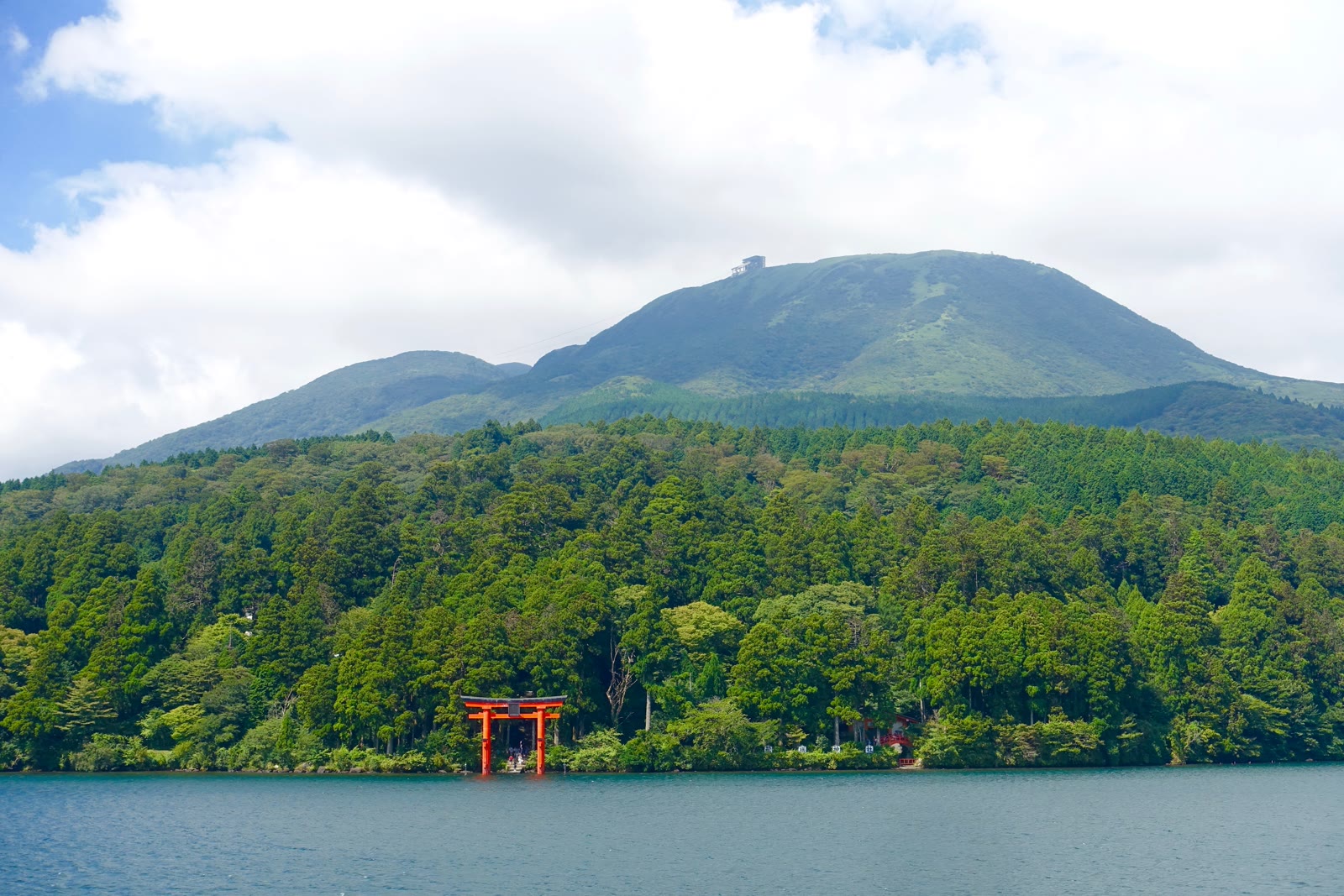
Hakone Shrine and the Peace Torii
4.6 km · straight line
 Kentagon / CC BY-SA 4.0
Nature · Kanagawa★★★
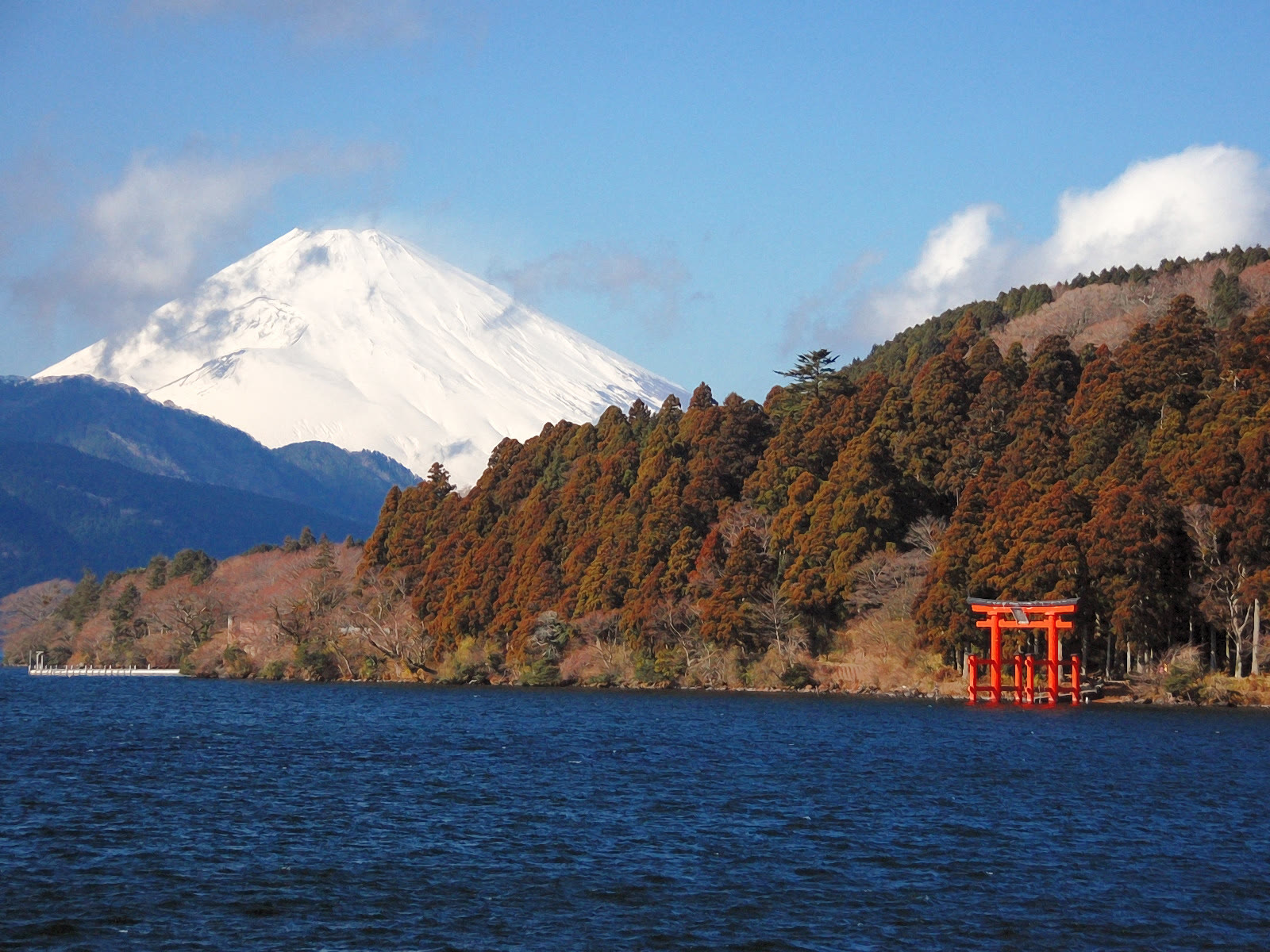
Lake Ashi
4.8 km · straight line
On a curated routeThe Hakone Round →
Distances are straight lines on the map, not travel times.