Kanagawa · Hakone / Moto-HakoneNo.236★★★Open in map →
Lake Ashi
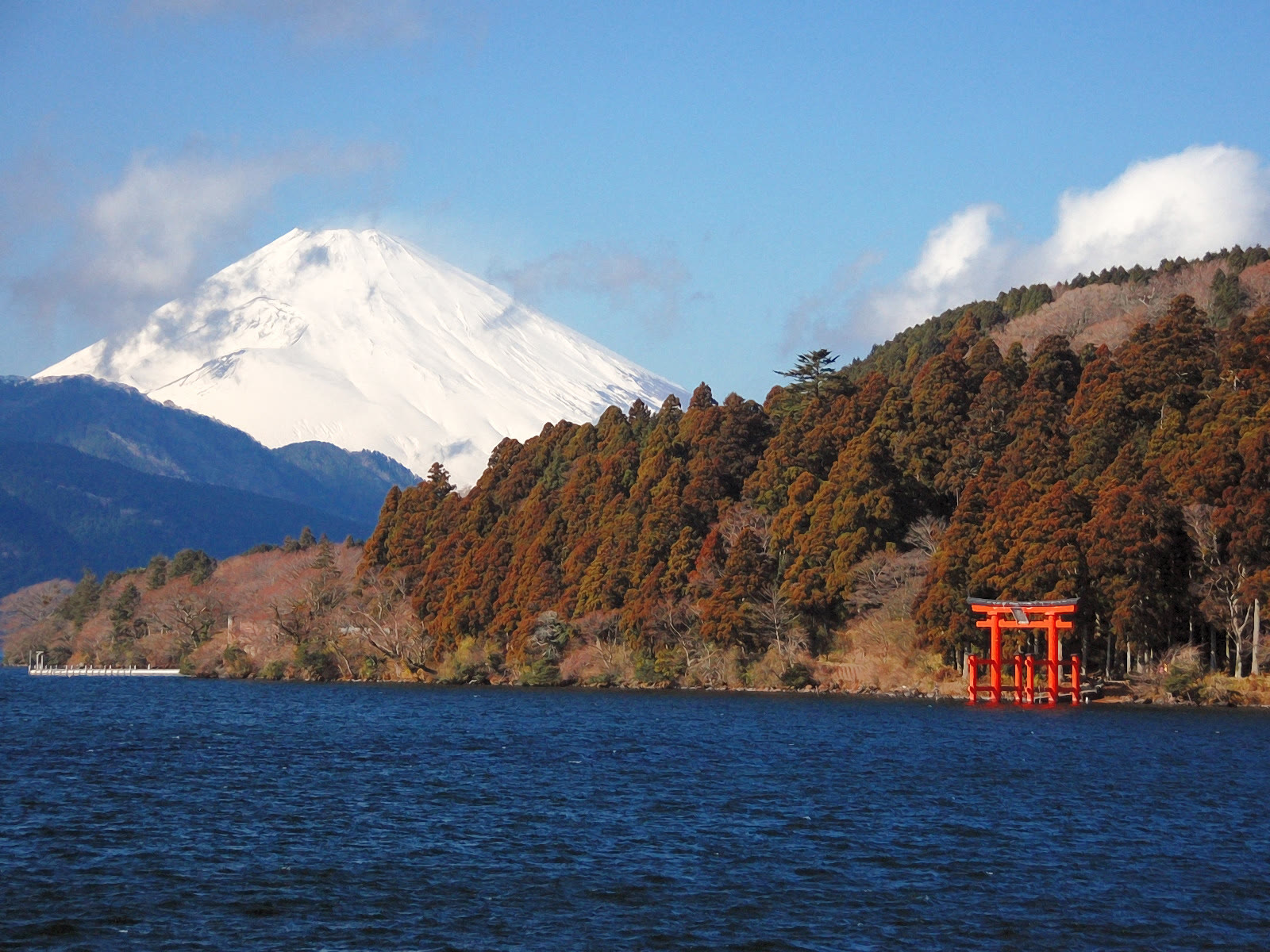
A volcanic caldera lake in the Hakone mountains, crossed by three galleon-styled sightseeing ships. The vermillion torii of Hakone Shrine stands in the lake shallows, and Mount Fuji appears directly above the water on clear days.
- FromShinjuku Stn
- ~115 minbus (from Hakone-Yumoto)
- Get off atMoto-Hakone-ko (Hakone Tozan Bus)
- On foot
- Lake Ashi
Where it is
43 more notes in Kanagawa · open the map →What to look for — in walking order
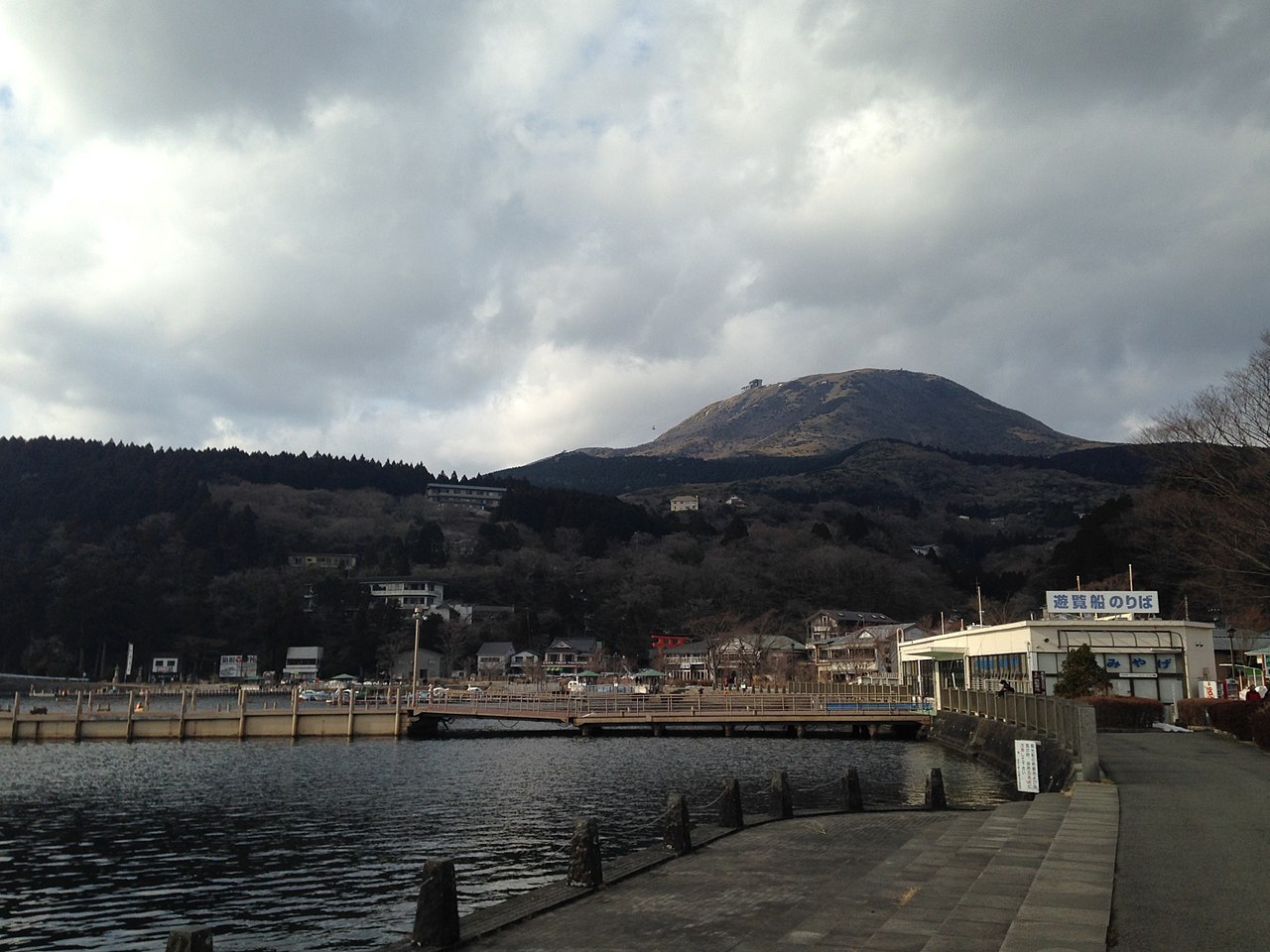
- Moto-Hakone-ko pierthe departure point closest to Hakone Shrine; board here for a full lake crossing
- Hakone Shrine lakeside torii gate (Heiwa no Torii)vermillion gate standing in the shallows a few minutes' walk from Moto-Hakone-ko — most photogenic in the morning when the lake is calm
- On-board Mount Fuji viewthe north-facing crossing from Moto-Hakone-ko to Togendai puts Fuji directly ahead; best from the bow deck
- Hakone Shrine (Hakone-jinja)a cedar-lined path from Moto-Hakone-ko leads to the main shrine precinct, about 10 minutes on foot
How to actually get there
- Shinjuku Station → Hakone-Yumoto Station (Odakyu Romancecar, ~85 min).
- Hakone-Yumoto Station → Motohakone-ko bus stop (Hakone Tozan Bus H or K line, ~35 min).
- Motohakone-ko → lakeside torii gate (walk northwest along the lake, ~10 min) → pirate ship pier (walk back, ~2 min from bus stop).
- Odakyu Romancecar → Hakone-Yumoto → Hakone Tozan Bus (H/K line) → Moto-Hakone
- From Shinjuku Station take the Odakyu Romancecar to Hakone-Yumoto Station (about 85 minutes, reservation recommended). Transfer to the Hakone Tozan Bus H or K line toward Moto-Hakone/Hakonemachi; get off at Motohakone-ko bus stop (about 35 minutes). The pirate ship pier is a 2-minute walk. Total roughly 120–125 minutes. The Hakone Free Pass (¥6,100 from Shinjuku, 2 days) covers the bus and cruise.
- Return from Moto-Hakone or take the full loop
- From Moto-Hakone-ko, take the Hakone Tozan Bus back to Hakone-Yumoto then the Romancecar to Shinjuku. Alternatively, cruise to Togendai (north port) and continue the Hakone loop via the Ropeway and Hakone Tozan Railway back to Hakone-Yumoto — the full loop adds about 2 hours.
About the place
Lake Ashi sits inside the Hakone caldera at 723 metres above sea level, about 85 kilometres from Tokyo. It is the southern end of the classic Hakone loop that most visitors follow after the hot springs. Three sightseeing ships — each styled as a weathered galleon with carved figureheads and a period-pirate theme — cruise between three lakeside ports: Togendai to the north, Hakone-machi-ko to the south, and Moto-Hakone-ko on the southeast shore. Each crossing takes 25 to 40 minutes depending on the route. When the sky clears, Mount Fuji rises directly above the far shore — the classic photograph that appears on most Hakone travel materials. Northwest of Moto-Hakone-ko along the shore, a vermillion torii gate stands in the shallows of the lake, marking the approach to Hakone Shrine through the water.
How to enjoy it
Start at Moto-Hakone-ko: walk about 10 minutes northwest along the lakefront to see the torii gate in the early-morning calm before boarding the ship. Buy your ticket at the port (the Hakone Free Pass covers the standard cabin). The full crossing to Togendai takes about 30 minutes; stand on the forward deck for the Fuji view. Fuji is most visible in autumn and early winter (October–February) on clear mornings. Mist is common in summer. From Togendai you can join the Hakone Ropeway for the loop back.
Background & history
Lake Ashi formed about 3,000 years ago inside the Hakone volcanic caldera. In the Edo period it served as a water crossing on the Tokaido road. Hakone Shrine, traditionally founded in the 8th century, placed its outer sanctuary on the lakeside; the modern torii gate in the water dates from the 20th century. The Odakyu group launched the present cruise service in 1950.
Before you go
- Cash
- One-way cruise fare is approximately ¥1,200–¥1,400 for the standard cabin (premium cabin extra). The Hakone Free Pass includes unlimited standard-cabin crossings. Bus fares accept IC cards and cash. Credit cards are accepted on the ships.
- Good to know
- Cruises operate year-round but may be suspended in strong winds or typhoons. Service intervals are roughly every 30–40 minutes from each port. Fuji is most visible October–February on clear mornings.
- Another way
- If the Romancecar is booked, take an Odakyu express to Odawara (about 75 minutes) then the Hakone Tozan Bus from Odawara Station. Travel time increases by about 20 minutes.
- After you get off
- From Motohakone-ko bus stop, walk 2 minutes to the pier; from the pier, walk about 10 minutes northwest along the lakefront to reach the torii gate.
Nearby notes
 Daderot / CC0
History · Kanagawa★★★
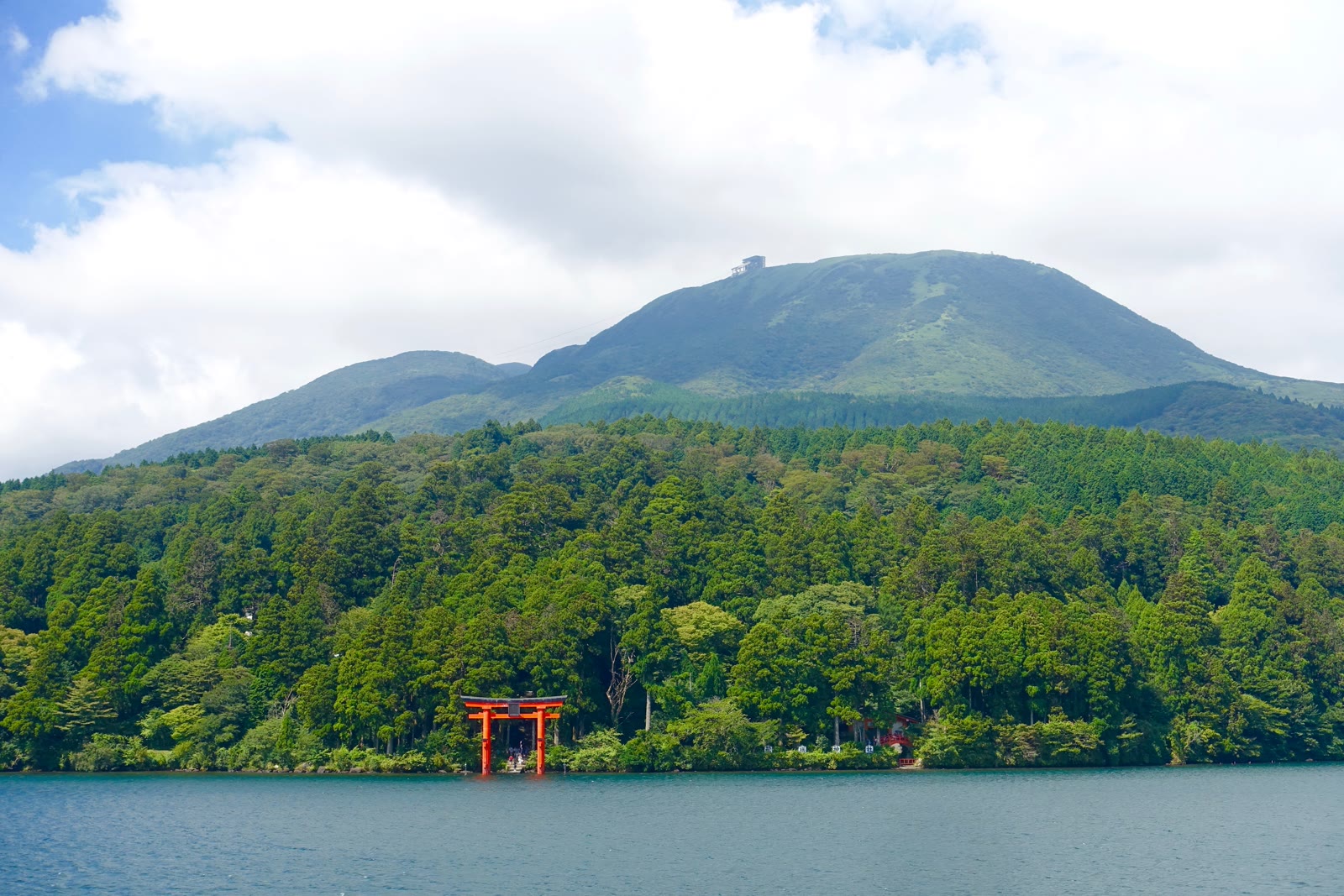
Hakone Shrine and the Peace Torii
0.5 km · straight line
 663highland / CC BY 2.5
Nature · Kanagawa★★★
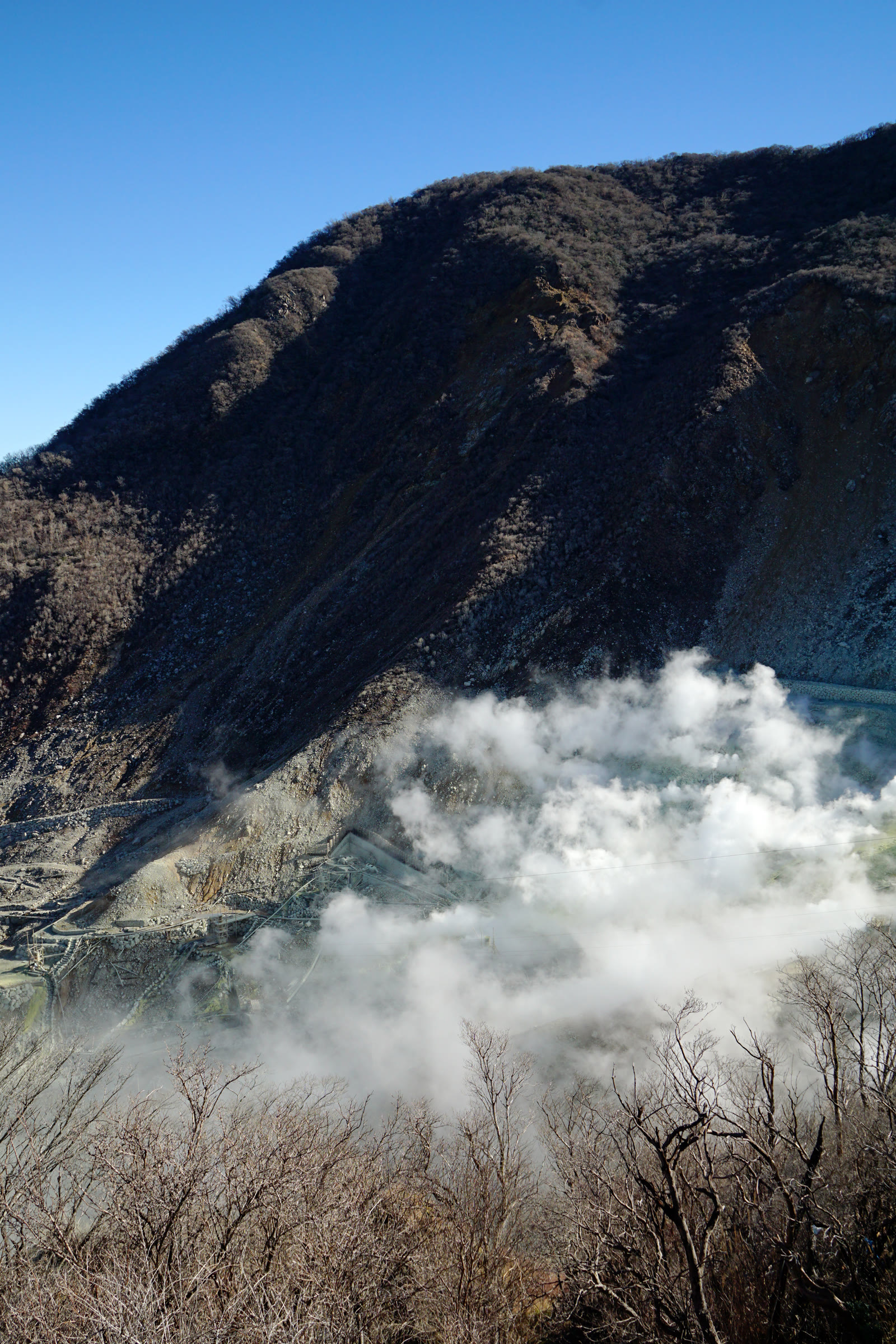
Ōwakudani
4.8 km · straight line
 663highland / CC BY-SA 4.0
Nature · Kanagawa★★★
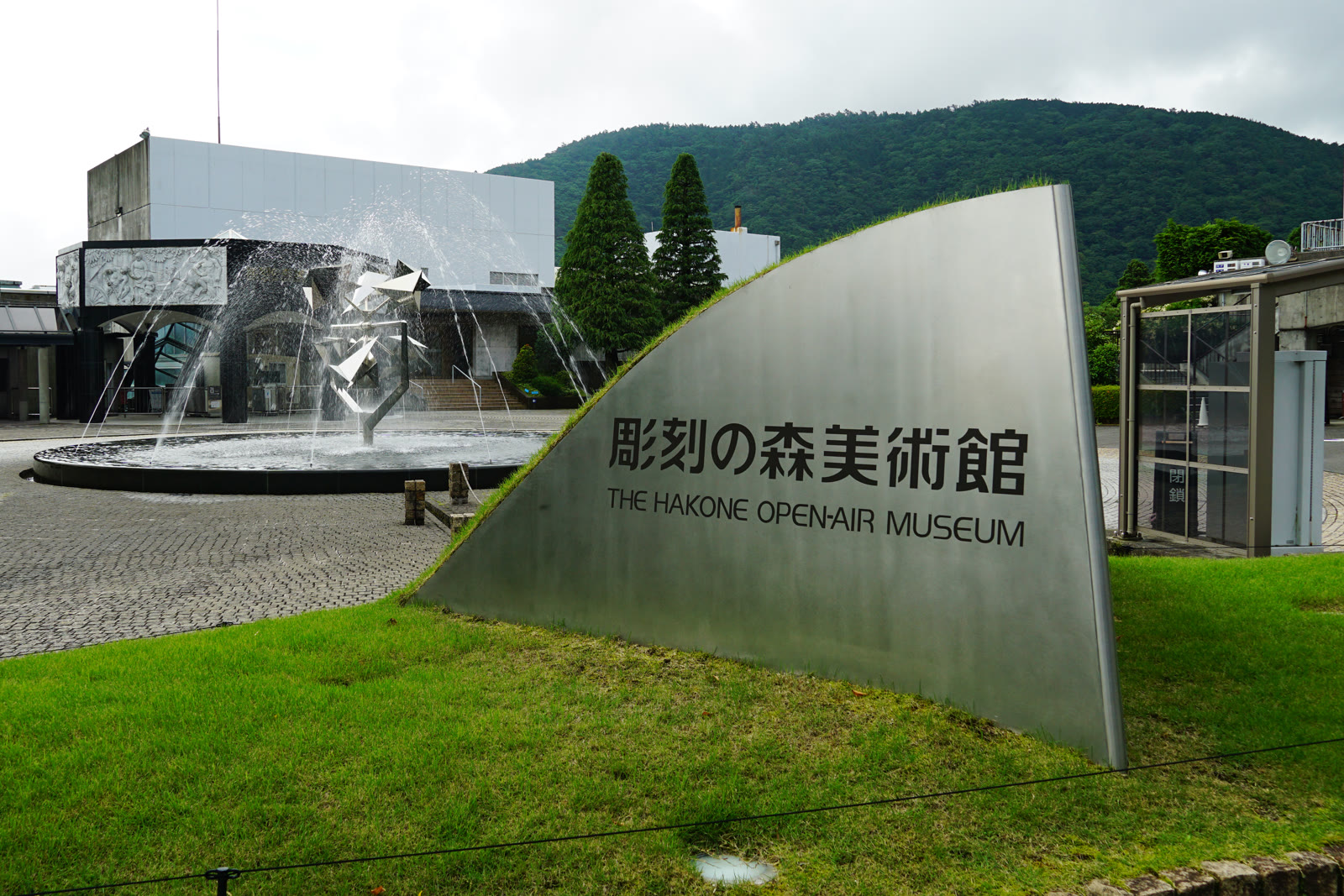
Hakone Open-Air Museum
5.2 km · straight line
 663highland / CC BY 2.5
Culture · Kanagawa★★
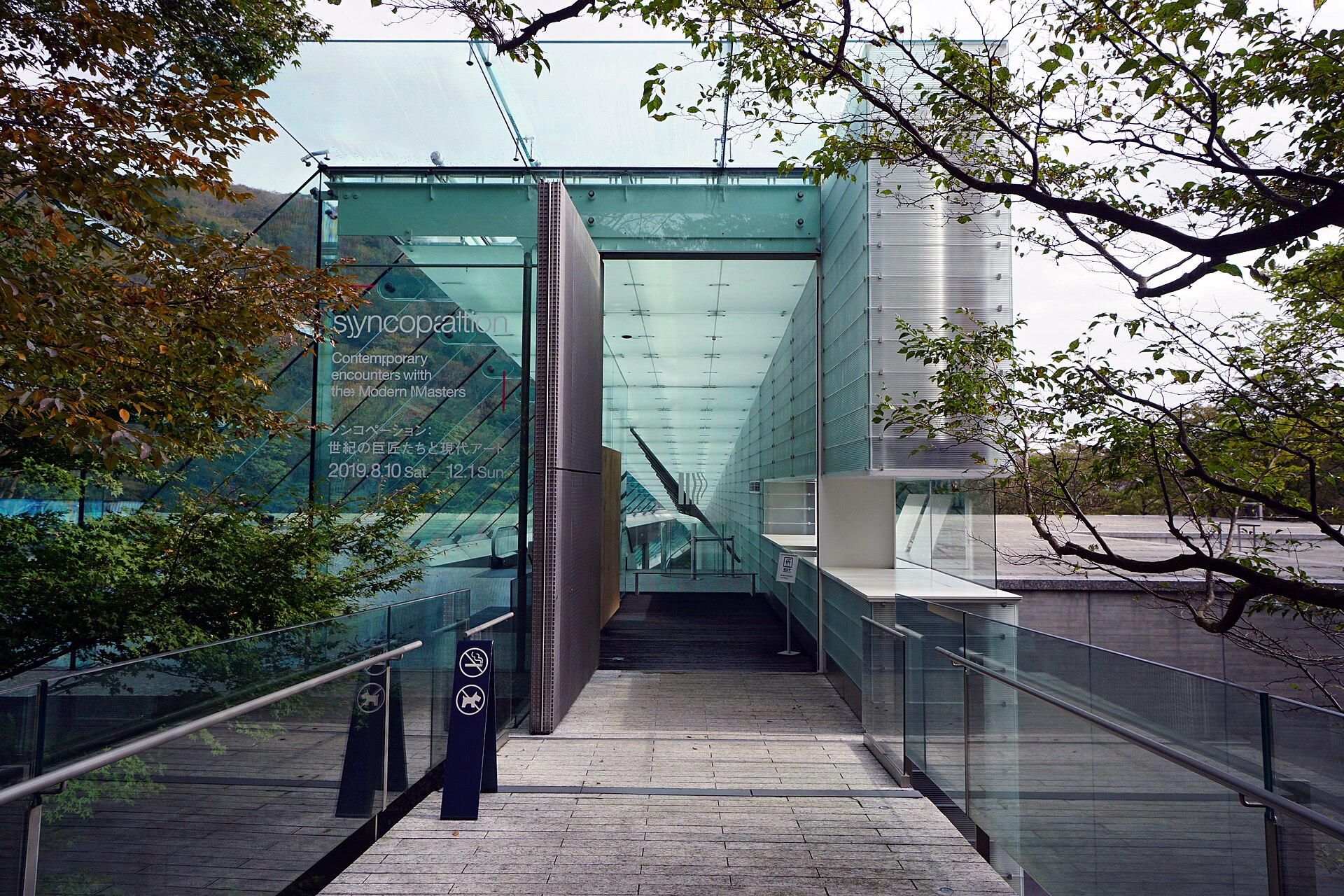
Pola Museum of Art
6.3 km · straight line
Distances are straight lines on the map, not travel times.