Central Okinawa · Uruma IslandsNo.660★★Open in map →
Hamahiga Island
— Sacred sites inside a working village, reached by road
A small island off eastern Okinawa, joined to the main island by causeway and bridge. Sites from the Ryukyuan creation story sit inside villages of red tile and coral stone, where people still farm and fish.
- FromNaha Bus Terminal
- ~2 hr 15 minOkinawa Bus, then island bus or car
- Get off atYakena Bus Terminal (Okinawa Bus routes 27, 52, 80)
- From there
- Hamahiga Island
The sweet spot
This is not an undiscovered island. The prefecture's own travel guide lists it, and the bridge has carried cars for decades. What keeps it calm is that it is a residential island rather than a resort, and that most Okinawa itineraries stay on the main island's western coast.
Where it is
41 more notes in Okinawa · open the map →What to look for — in walking order
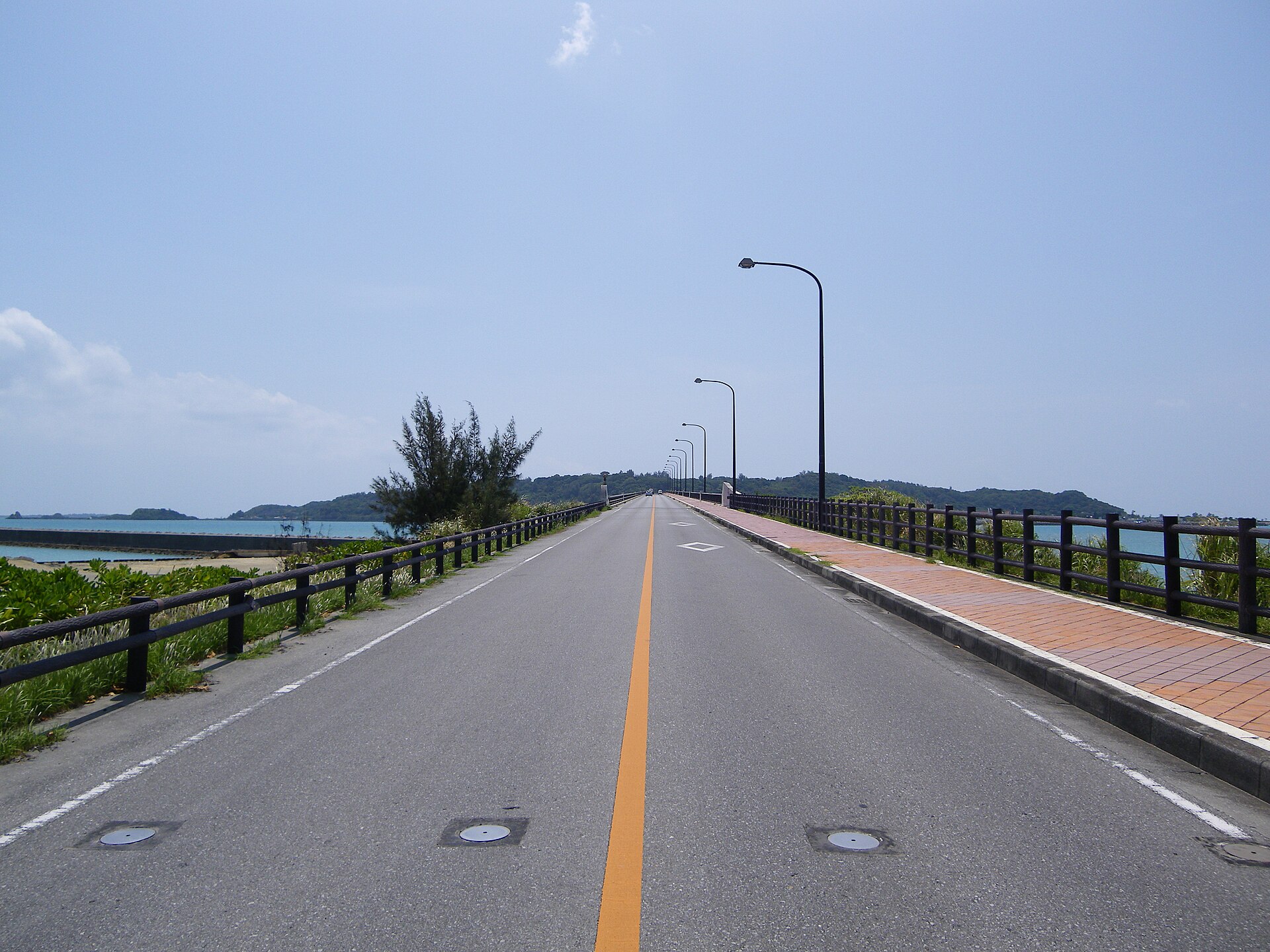
- Hamahiga Bridgethe road crossing from Henza Island, with the island's low green ridge ahead
- Hama villagethe northern settlement of red-tiled roofs and coral-stone walls
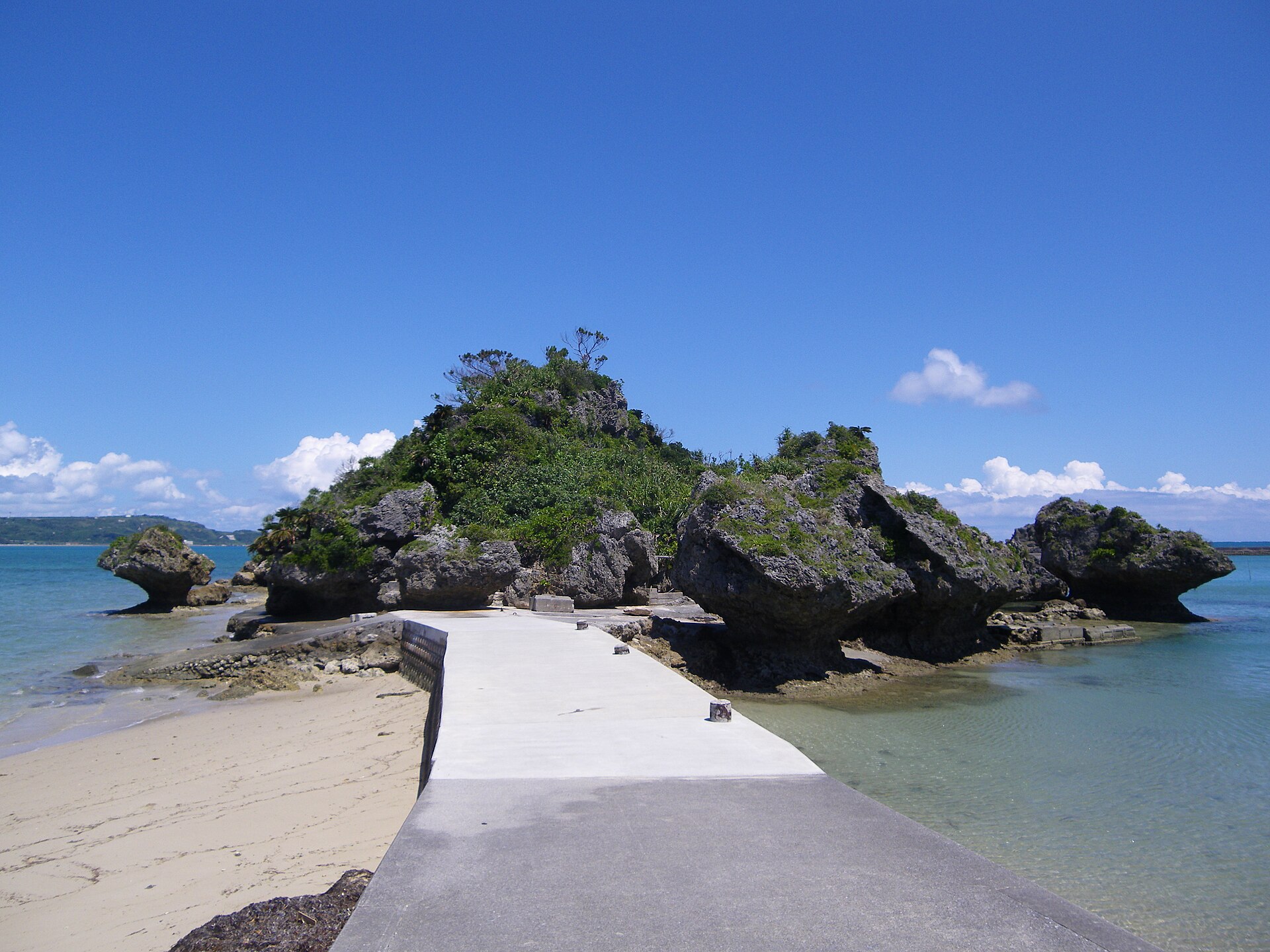
- Tomb of Amamichua prayer site on the rock islet of Amanji, off the eastern shore
- Shirumichua cave shrine in the forest behind Higa, long a place of prayer for children
- Higa Gusukuthe hill behind Higa village, looking out over Henza Island and the Pacific
How to actually get there
- Naha Bus Terminal → Yakena Bus Terminal (Okinawa Bus route 27, 52 or 80; about two hours by the prefectural guide's figure).
- Yakena → Hamahiga Island (city island bus, taxi or car across the Kaichu Doro causeway and Henza Island, then the Hamahiga Bridge).
- Walk Hama village, then the Amanji islet and the Tomb of Amamichu on the eastern shore.
- Continue to Higa village for Shirumichu and Higa Gusuku, then recross the bridge for the bus or the drive back.
- Okinawa Bus to Yakena, then the island bus or a car
- From Naha Bus Terminal, Okinawa Bus routes 27, 52 and 80 all run to Yakena Bus Terminal on the Katsuren peninsula; the prefectural travel guide gives this ride as about two hours. Yakena is the transfer point. A city-run island bus links it with the bridged islands, and taxis and rental cars use the same causeway. Bus fares are paid on board.
- Back from Yakena Bus Terminal
- Return the way you came, as far as Yakena, then take the same Okinawa Bus services back to Naha. The city island bus runs to a short daily timetable rather than a frequent one, so fix your return connection before you set out. Drivers have no such constraint; bus travellers should check the last departure posted at the terminal.
About the place
Hamahiga lies off the Katsuren peninsula in Uruma, on the eastern side of Okinawa's main island. It measures about seven kilometres around, and all of it belongs to two settlements, Hama and Higa, where households have long lived half by farming and half by fishing; cultivated mozuku seaweed is the best known local produce. A prefectural road runs onto the island over a bridge from neighbouring Henza, so there is no ferry timetable to work around. The sacred places are not gathered into a park. They stand at the edge of the villages — a cave in the woods, a rock islet on the shore — and Uruma City lists them among its designated cultural properties.
How to enjoy it
Park once, or get off the bus once, and then walk. The villages are close enough that the island reads as a single route, and the lanes between the stone walls are as much the point as the sacred sites. Give the utaki the manners you would give a working shrine: they belong to people living a few doors away, and signs mark where visitors should stay outside. Afternoon light falls well on the Amanji islet and the eastern shore.
Background & history
In the Ryukyuan account of how the islands began, the goddess Amamichu (Amamikyo) and the god Shirumichu (Shinerikyo) settled here, and their descendants peopled the kingdom. The island keeps the places tied to that story: a tomb on the rock islet of Amanji, and a cave in the forest behind Higa long visited by couples praying for a child. Uruma City has designated both as cultural properties. The eastern utaki known as Shinugu-do is still the setting for the Shinugu rite. Before the bridge, the island was reached by boat from Yakena.
Before you go
- Cash
- None of the sacred sites charges admission, and the causeway and the bridge are ordinary prefectural roads with no toll. Bus fares are paid on board, so carry coins and small notes. Shops on the island are village-scale rather than places to stock up.
- Good to know
- The utaki are active places of worship, and some are entered only by those who come to pray — read the signs and stay outside where asked. The roads are open at all hours, but the sites want daylight. In typhoon season, check road conditions before setting out: both the causeway and the bridge are fully exposed.
- Another way
- By car from the expressway, leave at Okinawa-Kita IC and follow ordinary roads east — the prefectural guide gives about forty minutes — crossing the Kaichu Doro causeway to Henza Island and then the Hamahiga Bridge.
- After you get off
- Yakena Bus Terminal stands on the main island, about five kilometres short of the bridge, so there is no walking route from the terminal to Hamahiga. Cover the last stretch by island bus, taxi or car across the causeway and Henza Island. Once you are over the bridge, Hama and Higa are within walking distance of each other.
Nearby notes
 FoxyStranger Kawasaki / CC BY-SA 3.0
Local life · Okinawa★★
Henza and Miyagi Islands
5.1 km · straight line
 Opqr / CC BY-SA 3.0
Local life · Okinawa★
Ikei Island
8.0 km · straight line
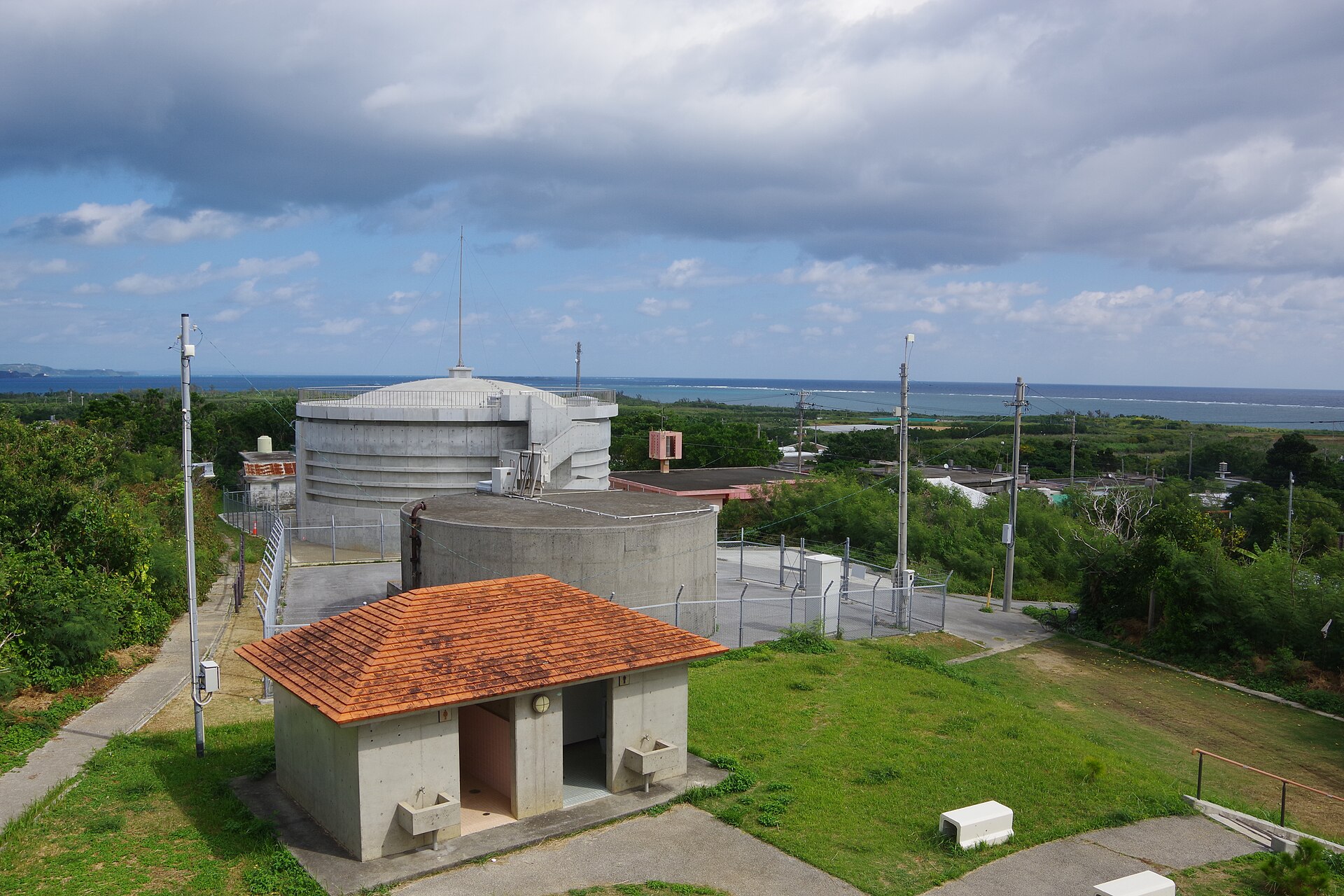 Kugel~commonswiki / CC BY-SA 4.0
Local life · Okinawa★
Tsuken Island
8.4 km · straight line
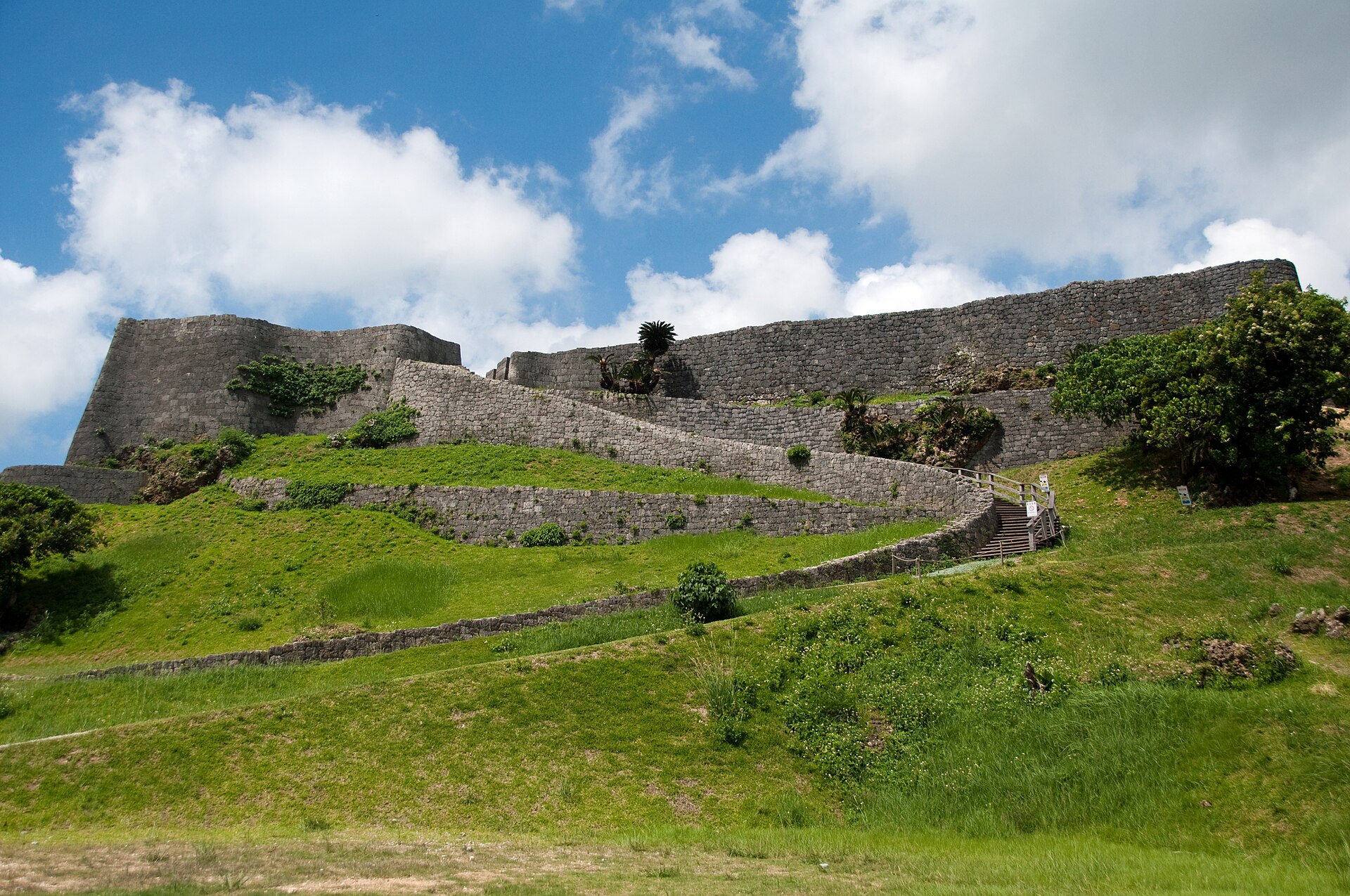 kanegen / CC BY 2.0
History · Okinawa★★★
Katsuren Castle Ruins
8.8 km · straight line
Distances are straight lines on the map, not travel times.