Nara · City Centre (north-west)No.227★★★Open in map →
Heijo Palace Site
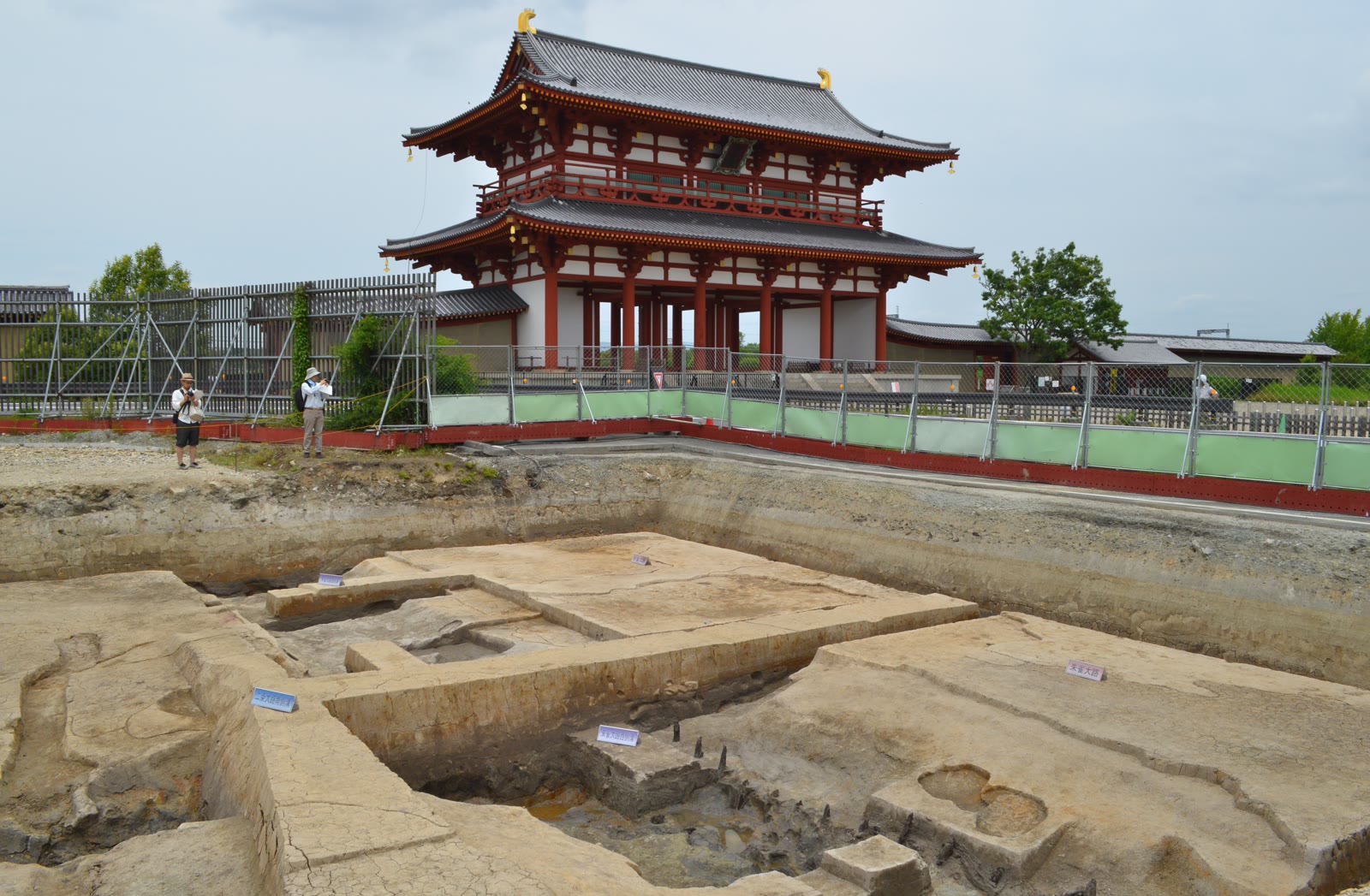
The open grassland where Japan's capital stood for 74 years. Walk among reconstructed gates and a full-scale audience hall — all free to enter.
- FromOsaka / Namba Stn
- ~35 minKintetsu train, every ~10 min
- Get off atYamato-Saidaiji Stn (Kintetsu Nara Line)
- From there
- Heijo Palace Site
Where it is
32 more notes in Nara · open the map →What to look for — in walking order
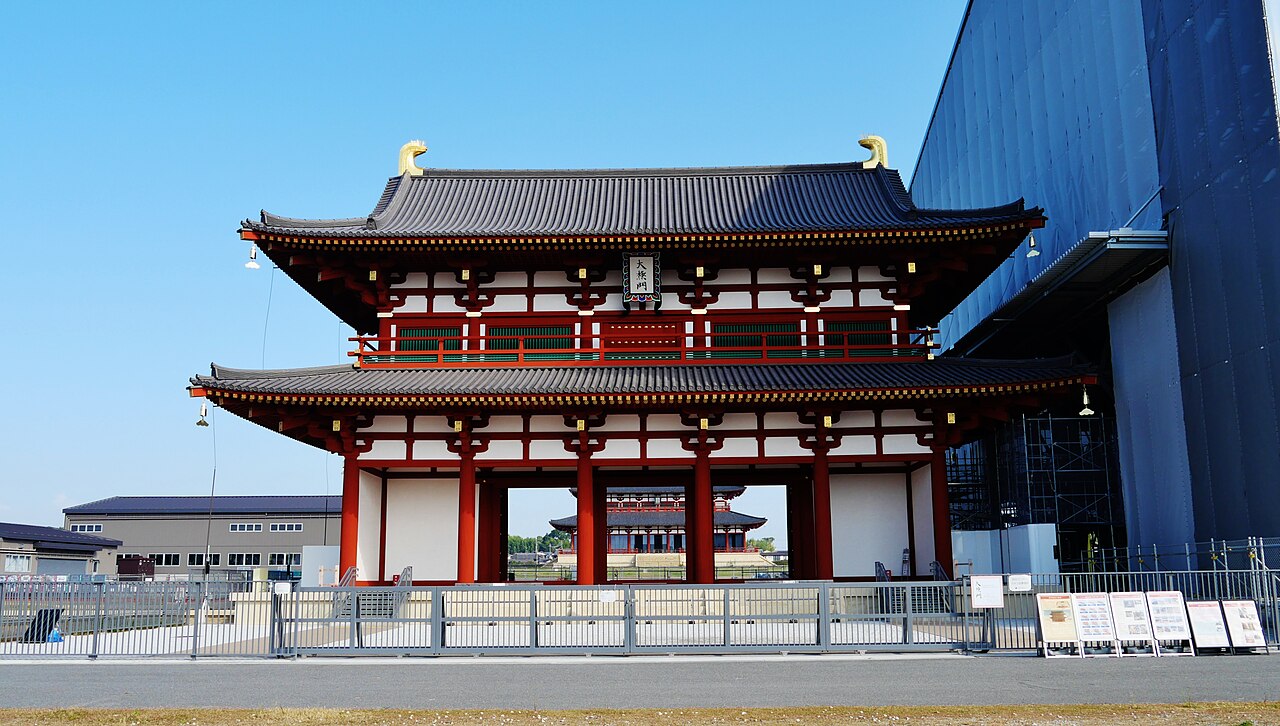
- Suzaku Gate (Suzaku-mon)the reconstructed south gate — two stories, vermilion columns; the classic view from the avenue approach
- Suzaku Avenue (Suzaku-oji)the broad ceremonial boulevard leading south from the gate, flanked by trees
- First Daigokudenthe reconstructed audience hall at the park's centre; open to enter; replica imperial throne inside
- Nara Palace Site Museumartefacts and scale models from the 8th-century court; free for foreign passport holders
How to actually get there
- Osaka Namba Station → Yamato-Saidaiji Station (Kintetsu Nara Line express, ~25 min, ~520 yen).
- Yamato-Saidaiji Station north exit → Suzaku Gate (walk southeast ~15–20 min).
- Walk the ceremonial avenue north to the Daigokuden; enter the audience hall interior for free (open 9:00–16:00).
- Kintetsu Nara Line, direct from Osaka Namba
- From Osaka Namba Station, take the Kintetsu Nara Line express toward Kintetsu Nara and get off at Yamato-Saidaiji Station (about 25 minutes, ~520 yen). From the station's north exit, walk southeast about 15–20 minutes to reach the Suzaku Gate. Total about 40 minutes door to site. Trains run roughly every 10 minutes.
- Return from Yamato-Saidaiji Station
- Walk northwest back to Yamato-Saidaiji Station and take the Kintetsu Nara Line west to Osaka Namba. Services continue until around midnight.
About the place
Between 710 and 784, Nara was the imperial capital of Japan, and this wide plain on the city's north-western edge was its centre of power: the Heijo Palace. Today, the site — a UNESCO World Heritage property within the Historic Monuments of Ancient Nara — is a public park. Reconstructed structures rise from the flat ground: the Suzaku Gate to the south, and at the heart of the park the First Daigokuden, the main audience hall where the emperor presided over court ceremonies. The Daigokuden was rebuilt in 2010 for the 1,300th anniversary of the capital's founding. At 44 metres across and 27 metres high, it gives a tangible sense of how grand the 8th-century court must have looked. The grounds are free to walk; the History Museum beside the palace site has a small admission fee, though foreign visitors with a passport currently enter free.
How to enjoy it
The grounds are open year-round with no fences — enter from any direction, any time. A good loop: start at Yamato-Saidaiji Station, walk east to the Suzaku Gate for the first view, then continue along the avenue to the Daigokuden. Plan at least an hour to cross the site comfortably. The Museum opens at 9:00; the Daigokuden interior at 9:00 as well, closing at 16:00. In autumn, the open plain catches good late-afternoon light.
Background & history
The capital transferred here from Fujiwara-kyo in 710 under Empress Genmei, beginning the Nara period — the era when Buddhism became Japan's state religion and the country's first permanent codes of law were compiled. At its peak, Heijo-kyo held perhaps 100,000 people. The court moved to Nagaoka in 784, and the palace buildings were gradually dismantled or burned; much of the wood was re-used elsewhere. The site was identified and excavated through the 20th century, and the Suzaku Gate was reconstructed in 1998, the Daigokuden in 2010.
Before you go
- Cash
- The palace grounds and Suzaku Gate exterior are free. The Daigokuden interior is free. The Nara Palace Site Museum charges 500 yen (free for foreign visitors on presentation of a passport). Kintetsu accepts IC cards and cash.
- Good to know
- The Daigokuden interior and Museum close at 16:00. The open grounds have no closing time. There is little shade on the plain — carry water in summer.
- Another way
- From Kintetsu Nara Station, take bus number 14 toward Yamato-Saidaiji and alight near the site (about 15 minutes); or cycle from Nara Station — the site is about 2 km and relatively flat.
- After you get off
- From Yamato-Saidaiji Station north exit, walk southeast along the marked path about 15–20 minutes to the Suzaku Gate and the park entrance.
Nearby notes
 663highland / CC BY 2.5
History · Nara★★★
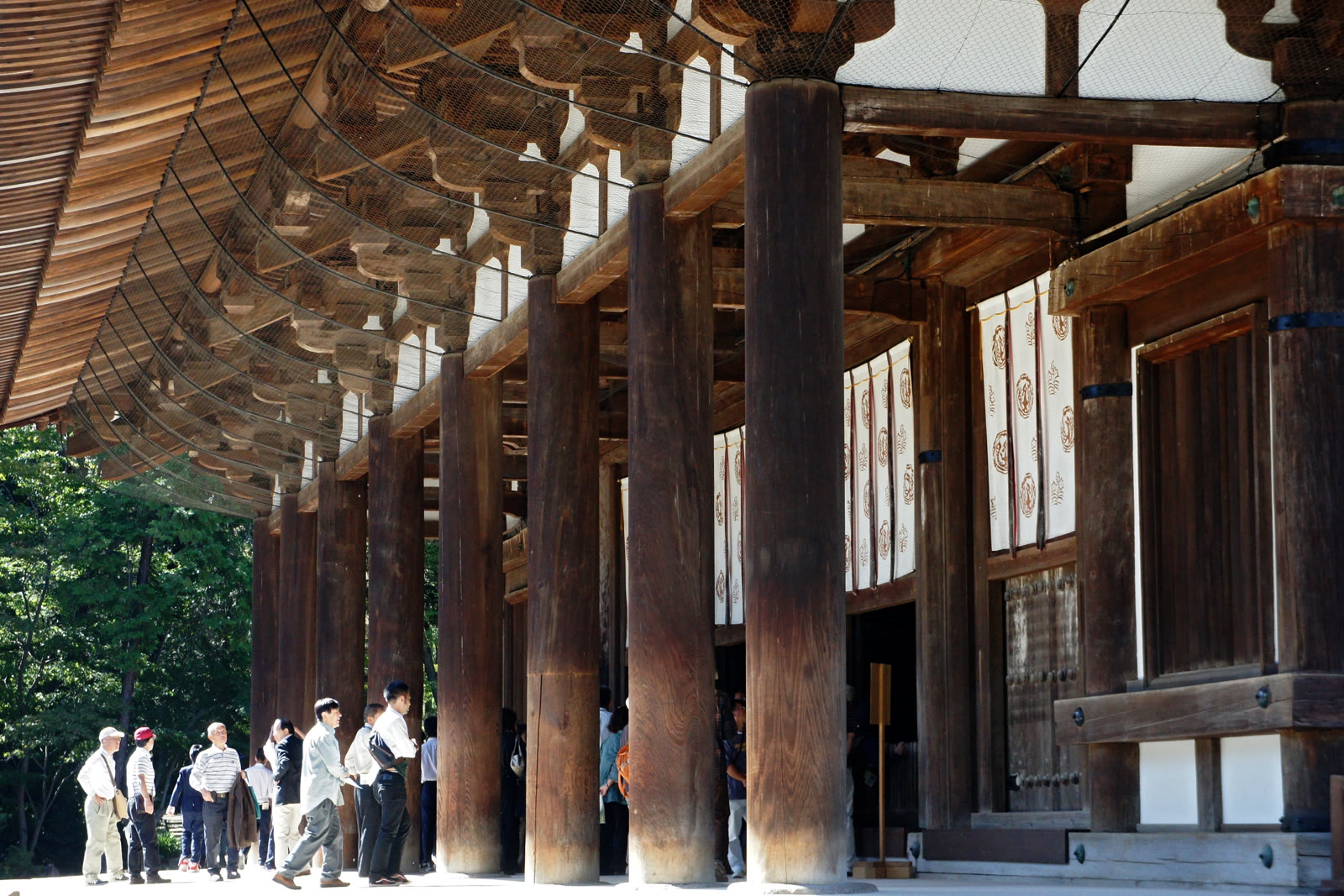
Tōshōdai-ji Temple
2.0 km · straight line
 tak.wing / CC BY-SA 2.0
Food · Nara★★
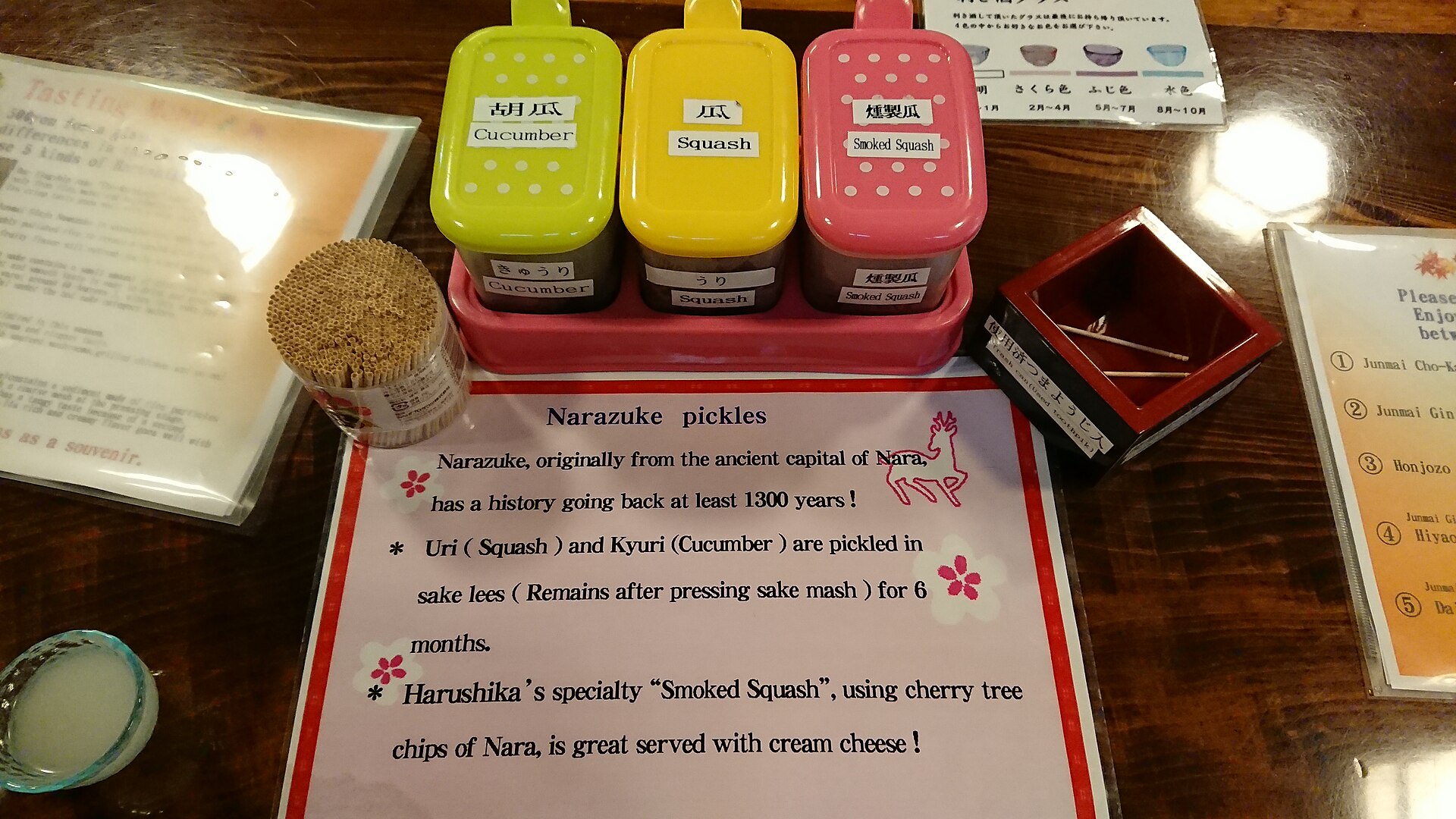
Narazuke
2.4 km · straight line
 Tokumeigakarinoaoshima / CC BY-SA 4.0
History · Nara★★★
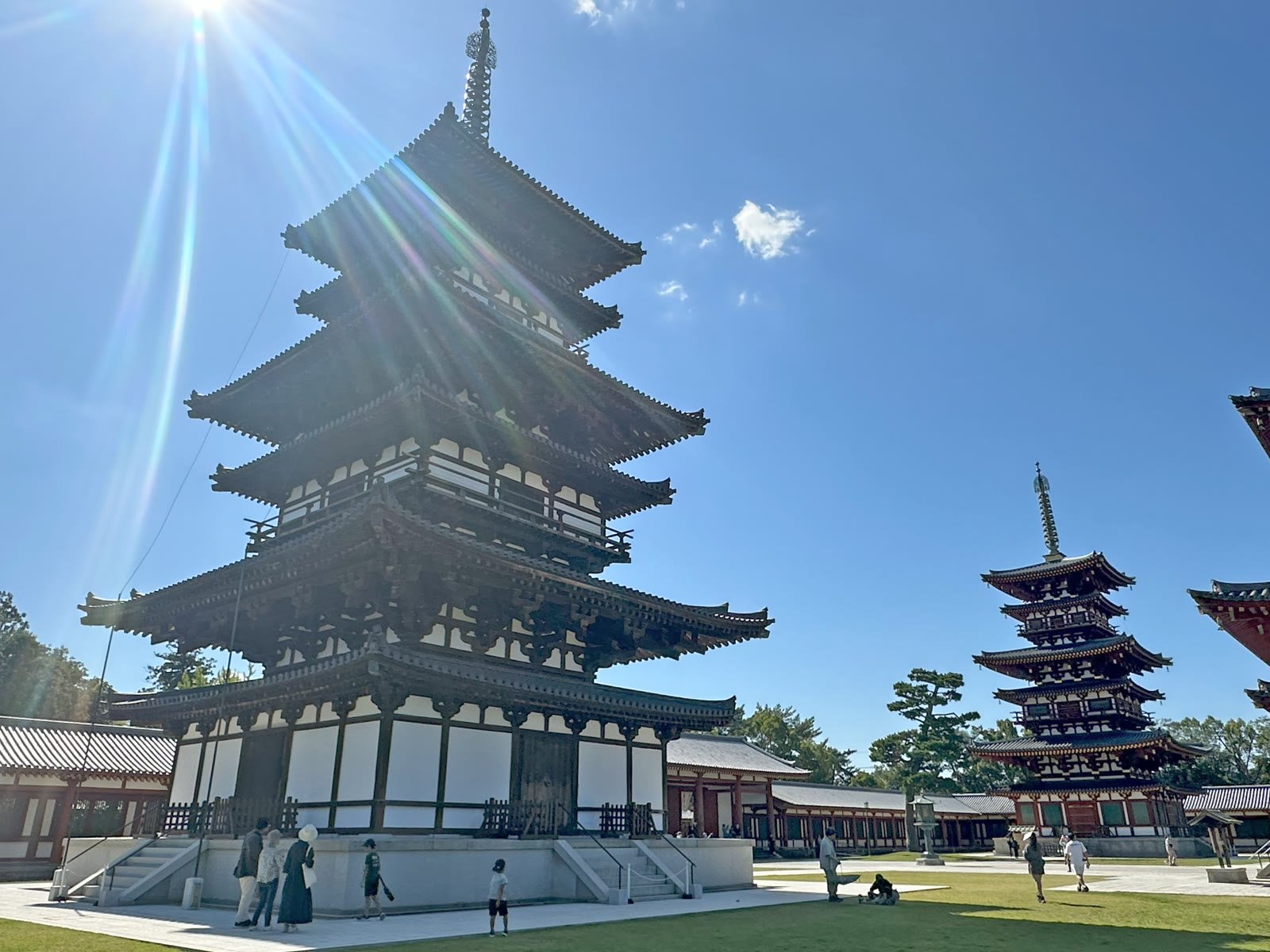
Yakushi-ji Temple
2.7 km · straight line
 Ph0kin / Public domain
History · Nara★★★
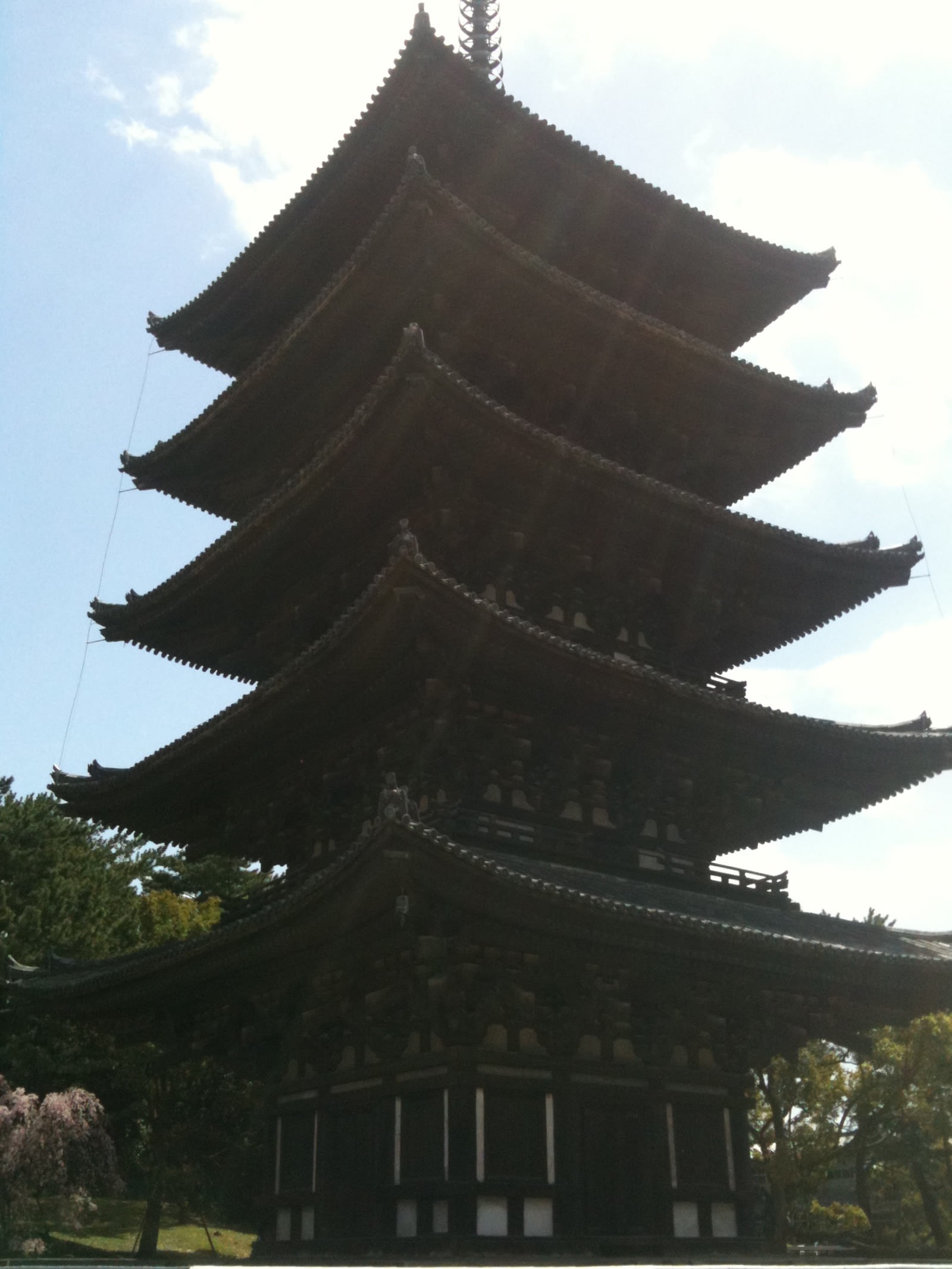
Kofuku-ji
3.5 km · straight line
Distances are straight lines on the map, not travel times.