Nara · NishinokyōNo.259★★★Open in map →
Tōshōdai-ji Temple
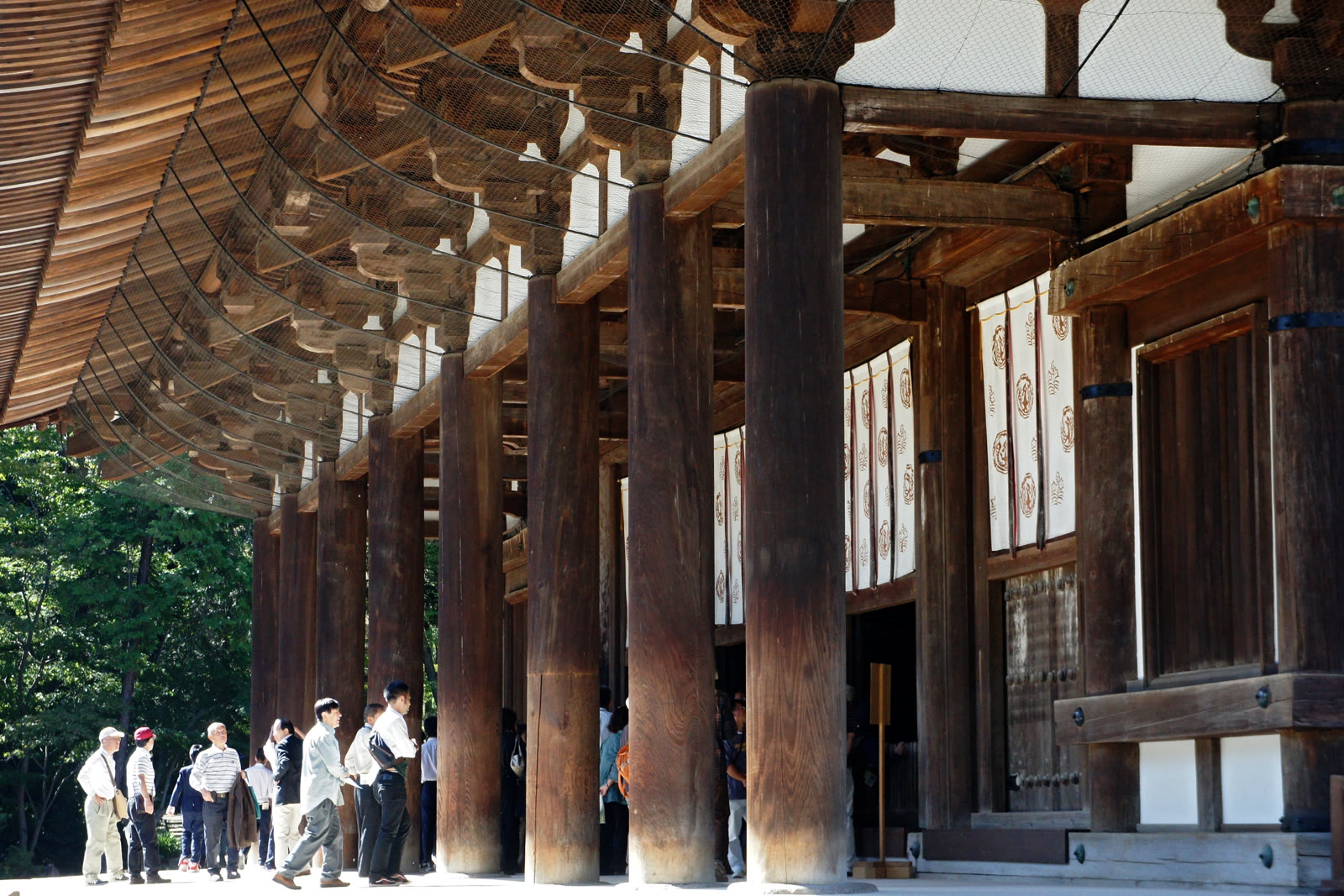
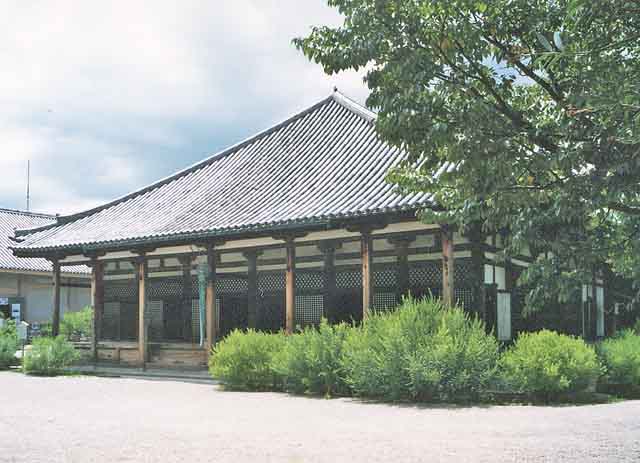
A UNESCO World Heritage temple founded in 759 by the Chinese monk Ganjin, who crossed the sea six times before reaching Japan. Its kondo is one of the finest surviving examples of Nara-period architecture.
- FromKintetsu Nara Stn
- ~15 minKintetsu train ~15 min + 1 transfer
- Get off atNishinokyō Station (Kintetsu Kashihara Line)
- On foot
- Tōshōdai-ji Temple
Where it is
32 more notes in Nara · open the map →What to look for — in walking order
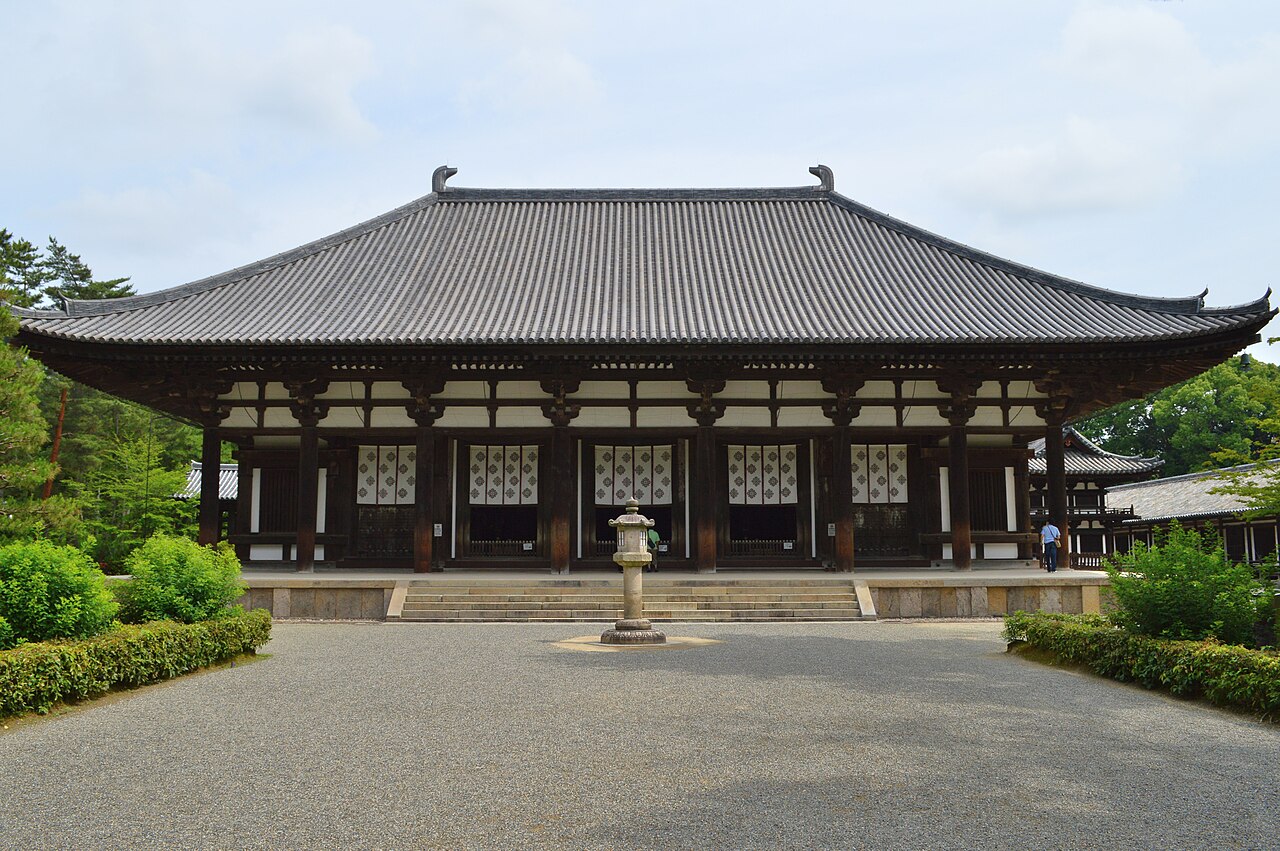
- Kondō (Golden Hall)the main hall completed under Ganjin, about 28 m wide; eight original pillars on the façade; National Treasure
- Mieidō (Founder's Hall)a Kamakura-period hall housing a dry-lacquer portrait statue of Ganjin; opened publicly for a few days around 6 June each year (Ganjin's death anniversary) — confirm exact dates on toshodaiji.jp
- Drum Towera tall timber structure at the entrance, one of the few surviving drum towers of the Nara period
- Treasure hall and gardenthe eastern precinct with a small pond garden and a collection of Nara-period artefacts
How to actually get there
- Kintetsu Nara Station → Yamato-Saidaiji Station (Kintetsu Nara Line, ~5 min); transfer to Kintetsu Kashihara Line → Nishinokyō Station (~4 min).
- Nishinokyō Station → Tōshōdai-ji gate (walk north ~10 min).
- Gate → Kondo façade → inner courtyard → Drum Tower.
- Kintetsu Nara Line → Yamato-Saidaiji → Kashihara Line
- Kintetsu Nara Station → (Kintetsu Nara Line, local, ~5 min) → Yamato-Saidaiji Station; transfer to the Kintetsu Kashihara Line → Nishinokyō Station (~4 min). Total journey about 15 minutes. From Nishinokyō Station, Tōshōdai-ji is about a 10-minute walk north.
- Return from Nishinokyō Station
- Walk back south to Nishinokyō Station and take the Kintetsu Kashihara Line back to Yamato-Saidaiji (~4 min), then transfer to the Kintetsu Nara Line back to Kintetsu Nara (~5 min) or continue south for connections to Osaka or Kyoto.
About the place
Tōshōdai-ji sits a short walk north of Yakushi-ji in the Nishinokyō district of Nara. The temple was founded in 759 by Ganjin (Jianzhen in Chinese), a senior Chinese monk whom Emperor Shōmu invited to Japan to establish proper ordination rites for Japanese Buddhism. Ganjin attempted the crossing six times over eleven years, surviving shipwrecks, storms, and authorities who tried to stop him; by the time he arrived in Japan in 753, he had gone blind. He received a plot of land from the court and built Tōshōdai-ji as the centre for Buddhist training. The kondo (golden hall) he completed, roughly 28 metres wide, is considered one of the largest and finest examples of eighth-century Japanese temple architecture. Eight original pillars on the façade and the three main Buddhist images inside are designated National Treasures.
How to enjoy it
Walk the main hall's façade slowly: the eight columns that Ganjin's craftsmen set in place are still bearing the roof. The Mieidō with Ganjin's portrait statue opens publicly for a few days around 6 June each year; visiting during those days is a rare chance to see the sculpture. Yakushi-ji temple is a short walk south, and combining both in a morning is the standard Nishinokyō itinerary.
Background & history
Ganjin (688–763) was a leading monk of the Tang dynasty in China when Emperor Shōmu's envoys reached him in 742 with an invitation to bring formal ordination practices to Japan. After six attempts and eleven years at sea, he arrived in 754. He was received at Tōdai-ji, where he ordained the emperor himself, before being given the land to build Tōshōdai-ji in 759. He died there in 763. The temple is part of the UNESCO World Heritage Site 'Historic Monuments of Ancient Nara.'
Before you go
- Cash
- IC cards (ICOCA, Suica) on Kintetsu. Temple admission is paid at the gate; check current fees on toshodaiji.jp. The treasure hall is a separate charge.
- Good to know
- Open 8:30–17:00 (last entry 16:30). The Mieidō opens for a few days around 6 June each year; confirm exact dates on the official site.
- Another way
- From Kintetsu Nara Station, buses 72, 78, and 98 also serve the Nishinokyō area (about 20 min, no transfer required).
- After you get off
- From Nishinokyō Station, walk north about 10 minutes along the main road to reach the Tōshōdai-ji gate.
Nearby notes
 Tokumeigakarinoaoshima / CC BY-SA 4.0
History · Nara★★★
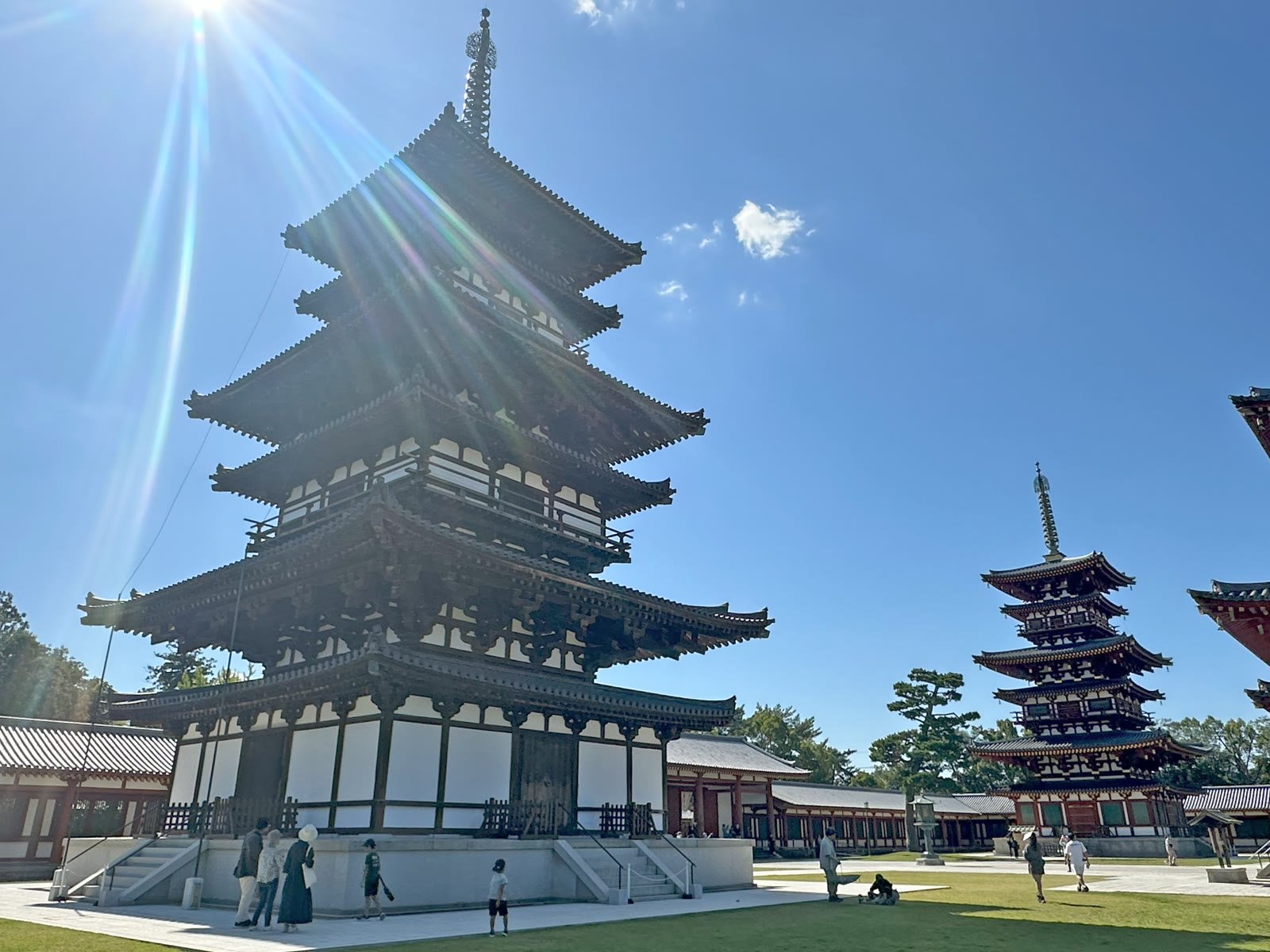
Yakushi-ji Temple
0.8 km · straight line
 Sakaori / CC BY-SA 3.0
History · Nara★★★
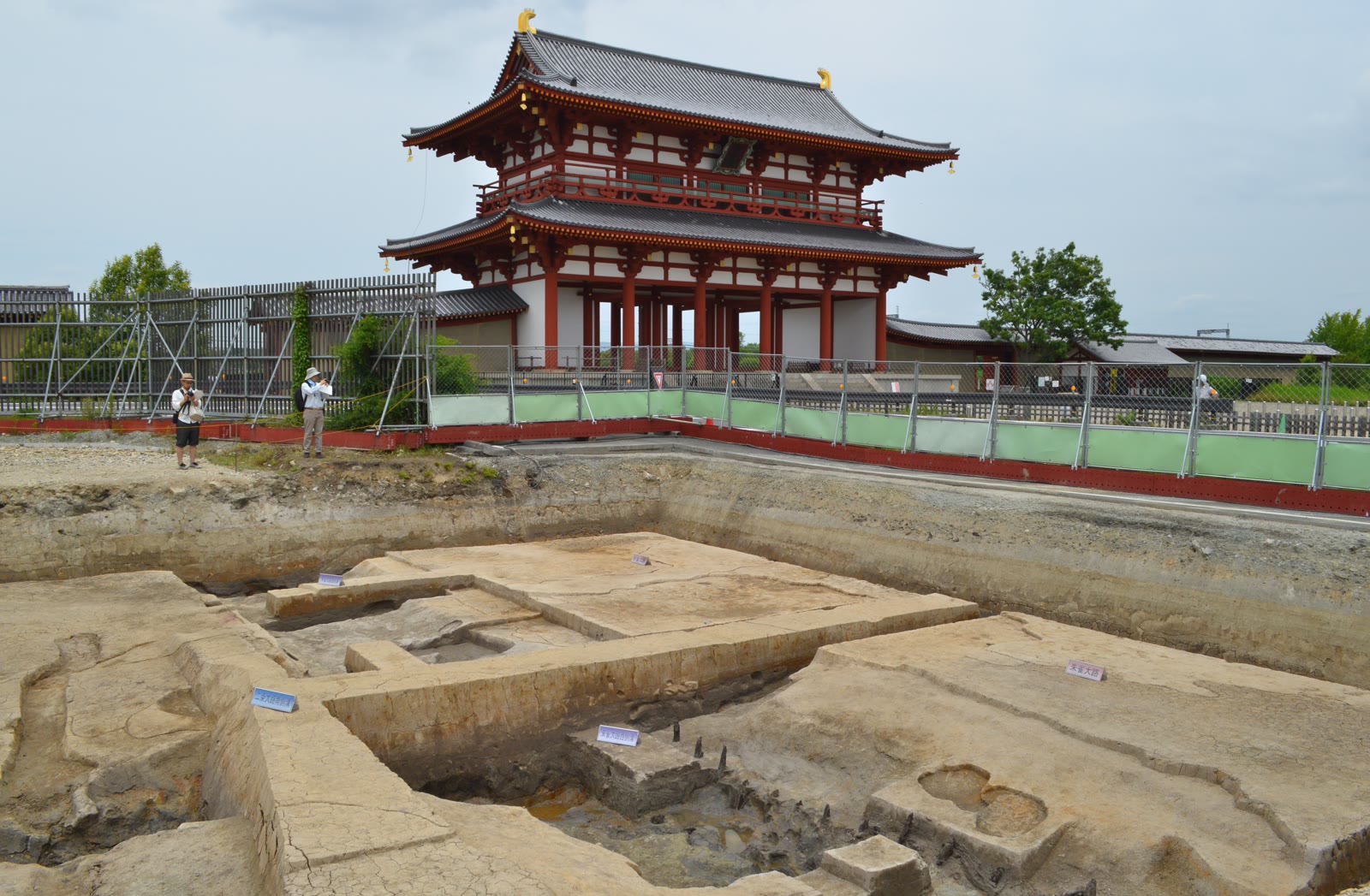
Heijo Palace Site
2.0 km · straight line
 tak.wing / CC BY-SA 2.0
Food · Nara★★
Narazuke
3.3 km · straight line
 / Public domain
History · Nara★★★
Gangō-ji Temple
4.3 km · straight line
Distances are straight lines on the map, not travel times.