Nara · NishinokyōNo.263★★★Open in map →
Yakushi-ji Temple
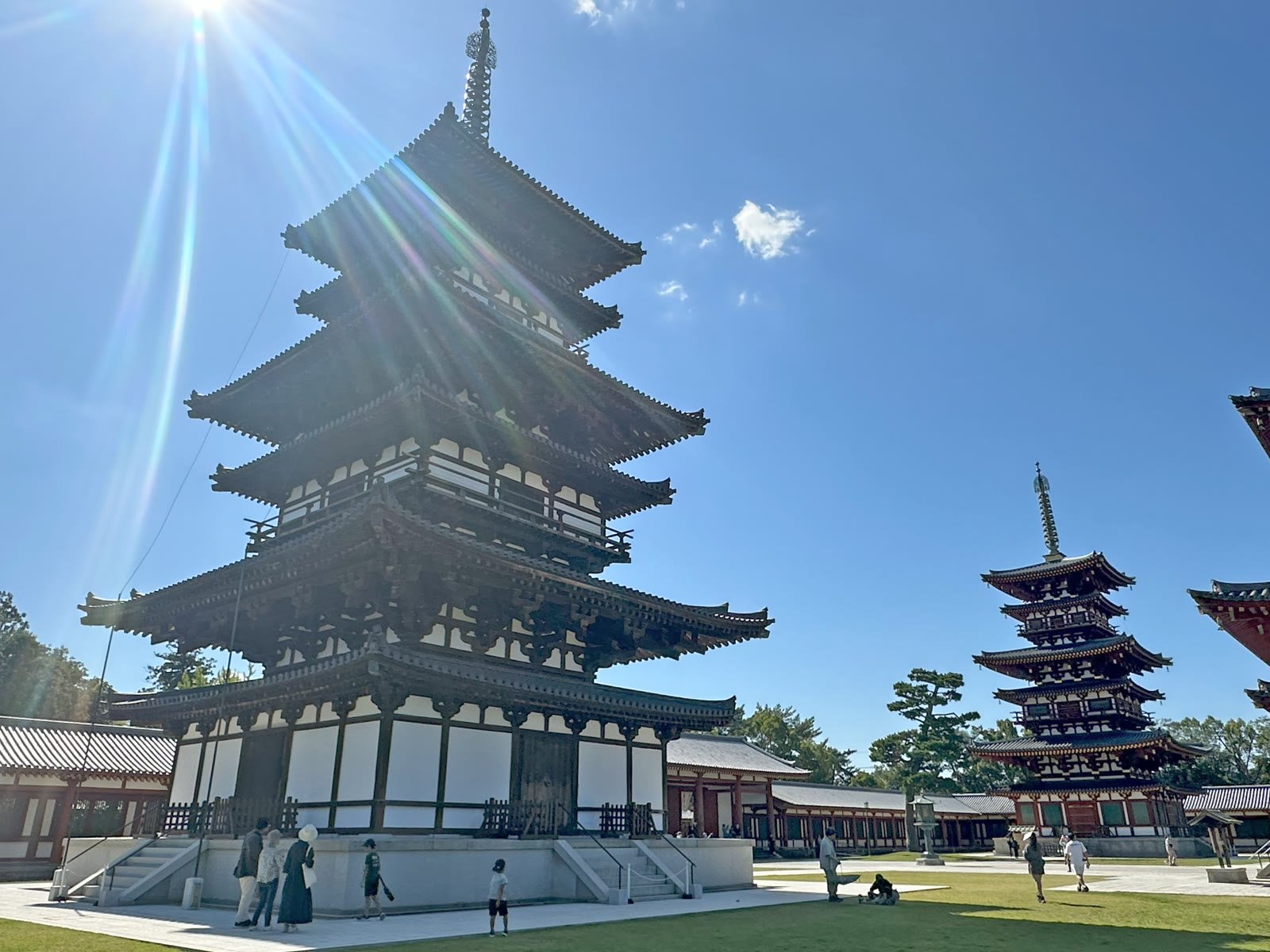
A UNESCO World Heritage temple in the Nishinokyō district of Nara, home to the eighth-century East Pagoda — a six-storey National Treasure that the art historian Ernest Fenollosa famously called 'frozen music'.
- FromKintetsu Nara Stn
- ~15 minKintetsu train ~25 min + 1 transfer
- Get off atNishinokyō Station (Kintetsu Kashihara Line)
- On foot
- Yakushi-ji Temple
Where it is
32 more notes in Nara · open the map →What to look for — in walking order
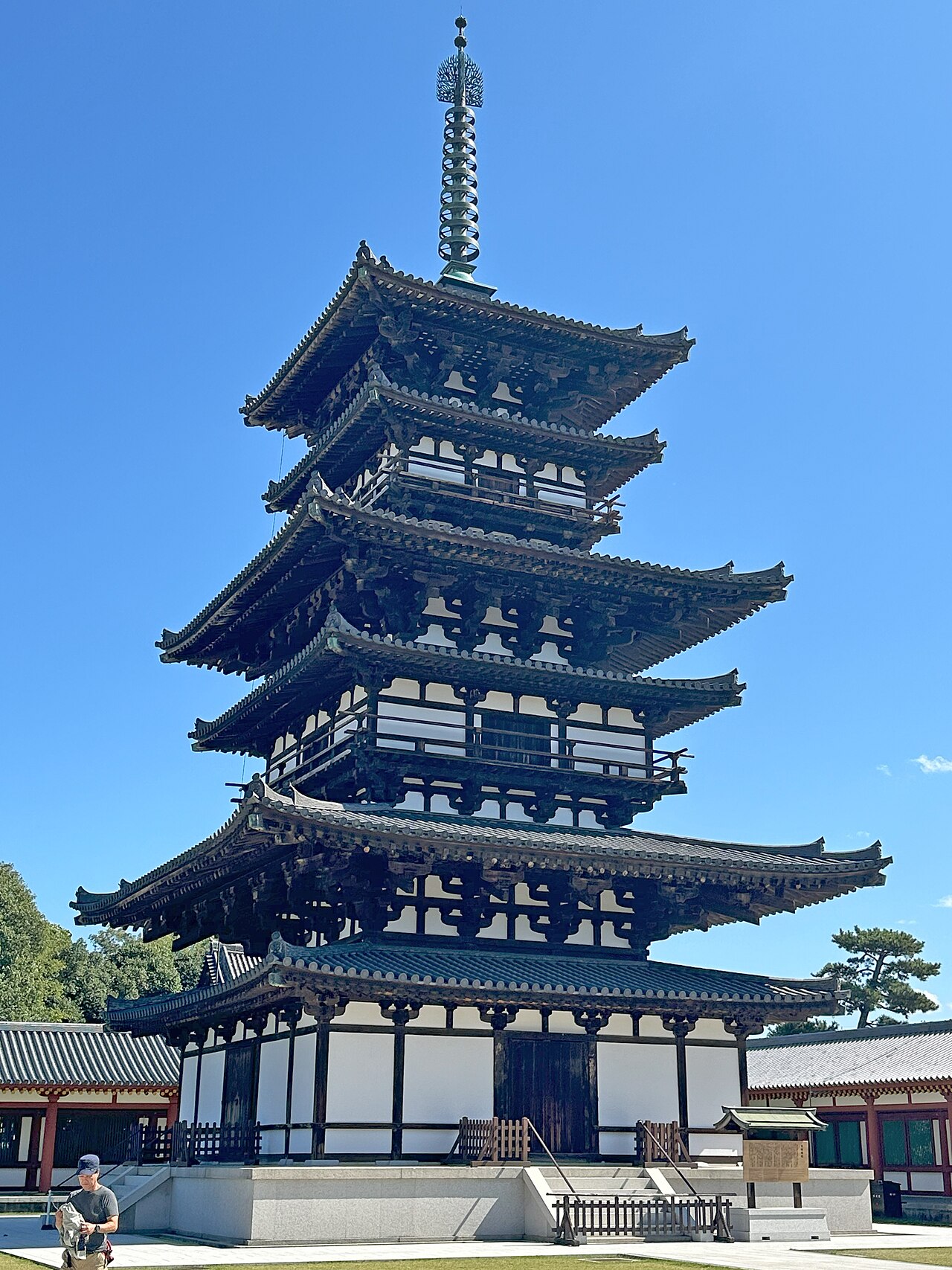
- East Pagoda (Tōtō)built in 730 and intact; three storeys with alternating mokoshi eaves — a National Treasure
- West Pagoda (Saitō)a full reconstruction completed in 1981, showing how the original symmetrical courtyard once looked
- Kondō (Main Hall)houses the Yakushi Triad — the Healing Buddha flanked by Nikkō and Gakkō bodhisattvas
- Tōin Gardenthe east garden precinct of the temple, with a small pond and reconstructed halls
How to actually get there
- Kintetsu Nara Station → Yamato-Saidaiji Station (Kintetsu Nara Line, ~5 min); transfer to Kintetsu Kashihara Line → Nishinokyō Station (~4 min).
- Nishinokyō Station → Yakushi-ji gate (walk east, 1 min — the gate is in front of the station).
- Main gate → Kondō → East Pagoda → West Pagoda courtyard view.
- Kintetsu Nara Line → Yamato-Saidaiji → Kashihara Line
- Kintetsu Nara Station → (Kintetsu Nara Line, local, ~5 min) → Yamato-Saidaiji Station; transfer to the Kintetsu Kashihara Line → Nishinokyō Station (~4 min). Total journey about 25 minutes. The temple entrance is directly in front of the station exit.
- Return from Nishinokyō Station
- Return from Nishinokyō Station to Yamato-Saidaiji (Kashihara Line, ~4 min), then transfer to the Kintetsu Nara Line back to Kintetsu Nara (~5 min), or continue south on the Kashihara Line toward Osaka or Kyoto.
About the place
Yakushi-ji stands in the Nishinokyō district, a short train ride south-west of central Nara. The temple was originally founded in 680 by Emperor Tenmu to pray for the recovery of his consort, and moved to its present site in 718 when Nara became the capital. Its East Pagoda, built in 730, is one of the oldest wooden structures in Japan still standing in its original form. The pagoda appears to have six storeys because each of its three true storeys has a smaller intermediate roof, called mokoshi, creating an elegant rhythm of projecting eaves. This visual cadence led the American art historian Ernest Fenollosa to describe it as 'frozen music' — a phrase that still appears on the temple's signage. The taller West Pagoda beside it was rebuilt in 1981 to its historical design, showing how the original pair once framed the central courtyard.
How to enjoy it
The East Pagoda rewards slow looking: walk around the full base to see how the mokoshi eaves change the light at different angles. Arrive early to have the courtyard quiet before day-trippers arrive from Nara Park. The nearby Tōshōdai-ji temple is a short walk north, and visiting both in the same morning is a well-established Nishinokyō combination.
Background & history
Emperor Tenmu founded Yakushi-ji in 680 as a prayer for his consort's health; she survived, but Tenmu died before the temple was completed. After the capital moved to Nara in 710, the temple was rebuilt at its current Nishinokyō site, with most of the main halls completed by 730. The temple is designated a UNESCO World Heritage Site as part of the Historic Monuments of Ancient Nara.
Before you go
- Cash
- IC cards (ICOCA, Suica) on Kintetsu. Temple admission is paid at the gate; confirm current fees on yakushiji.or.jp. The Tōin Garden precinct has a separate charge.
- Good to know
- Temple grounds open 8:30–17:00 (last entry 16:30). Confirm on the official site before visiting.
- Another way
- From Kintetsu Nara Station, buses 72, 78, and 98 run to the Yakushiji stop (about 20 min, 310 yen) — useful if you prefer a direct ride without transferring.
- After you get off
- Nishinokyō Station has only one exit; the temple gate is visible immediately to the east.
Nearby notes
 663highland / CC BY 2.5
History · Nara★★★
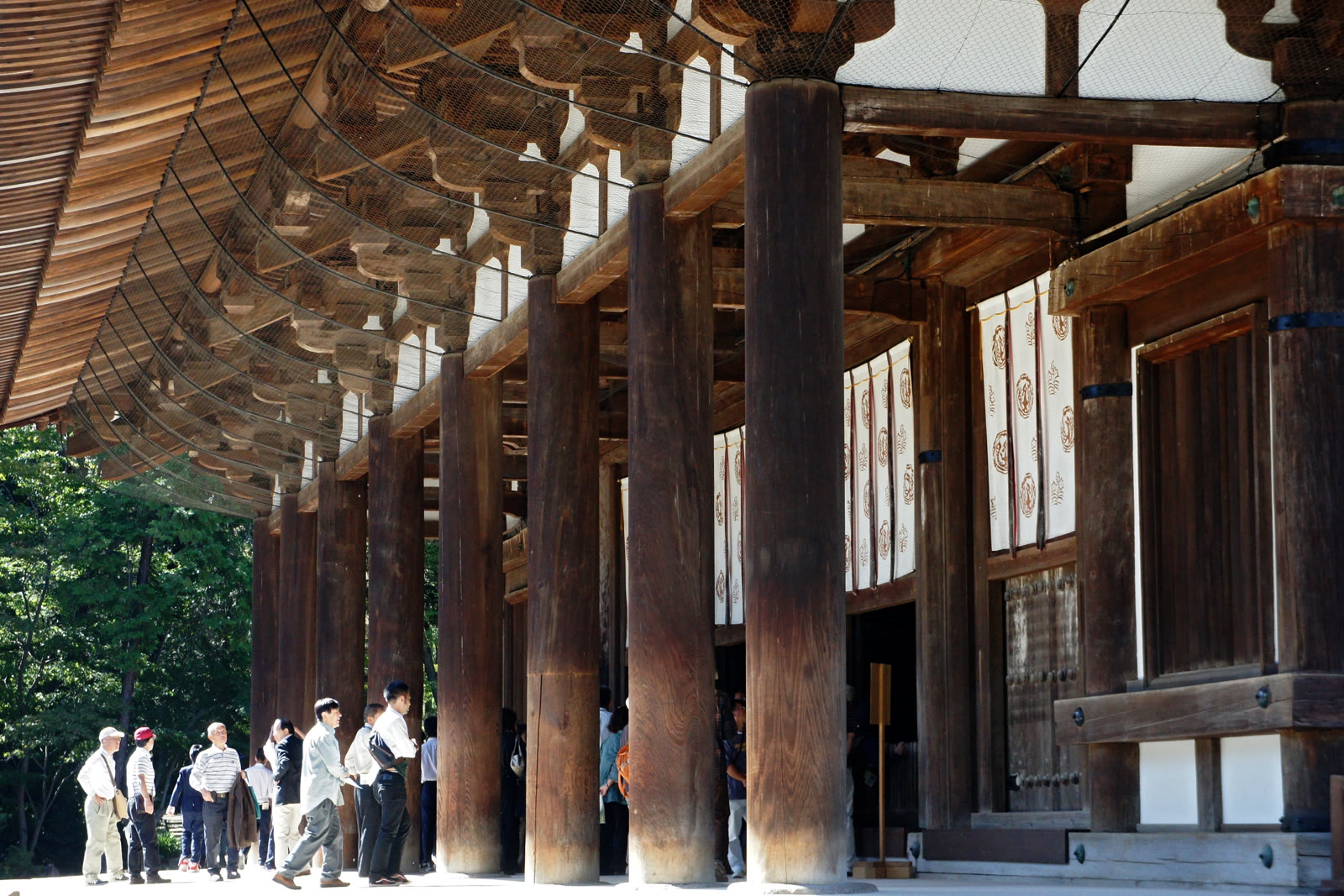
Tōshōdai-ji Temple
0.8 km · straight line
 Sakaori / CC BY-SA 3.0
History · Nara★★★
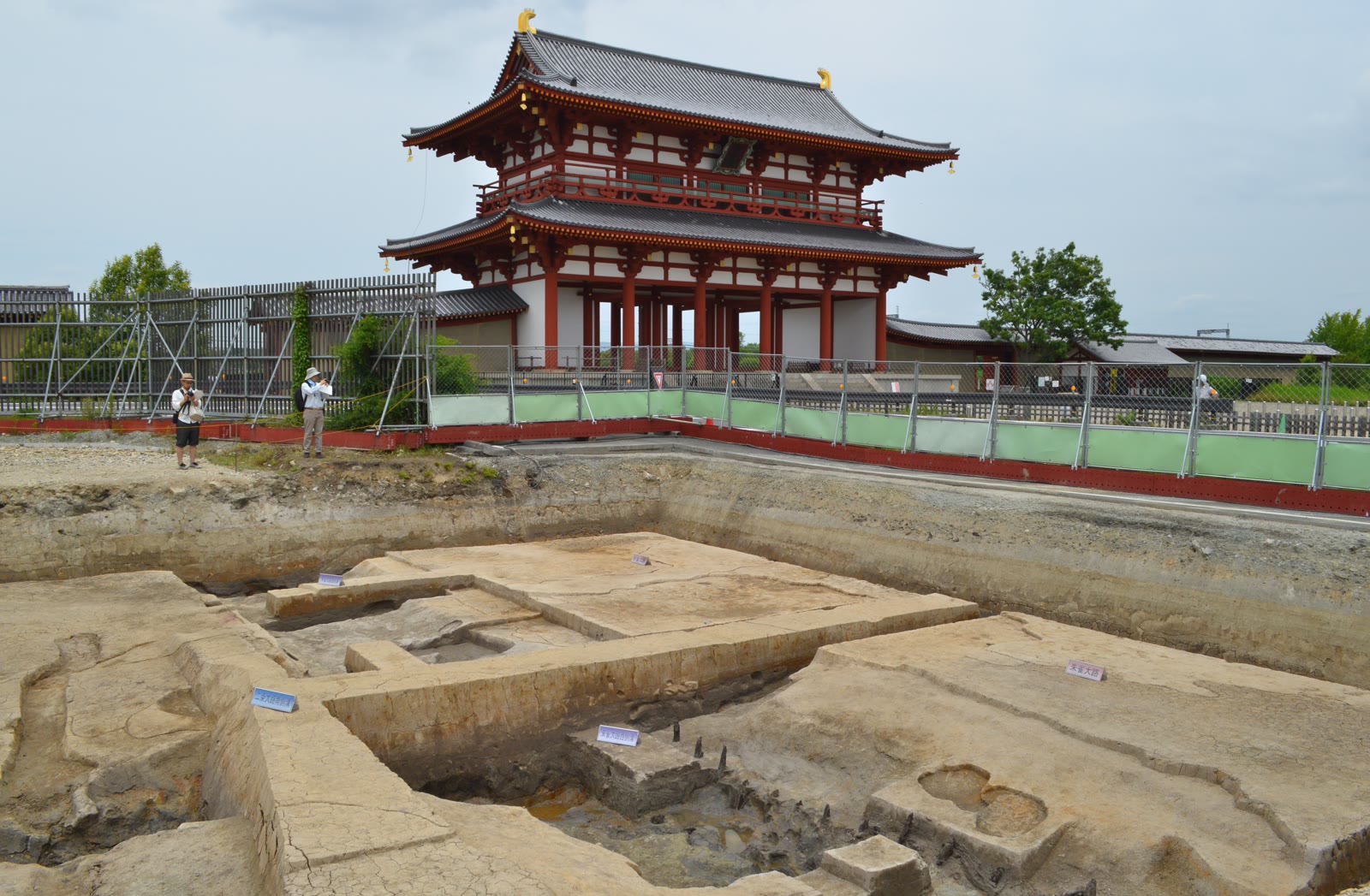
Heijo Palace Site
2.7 km · straight line
 tak.wing / CC BY-SA 2.0
Food · Nara★★
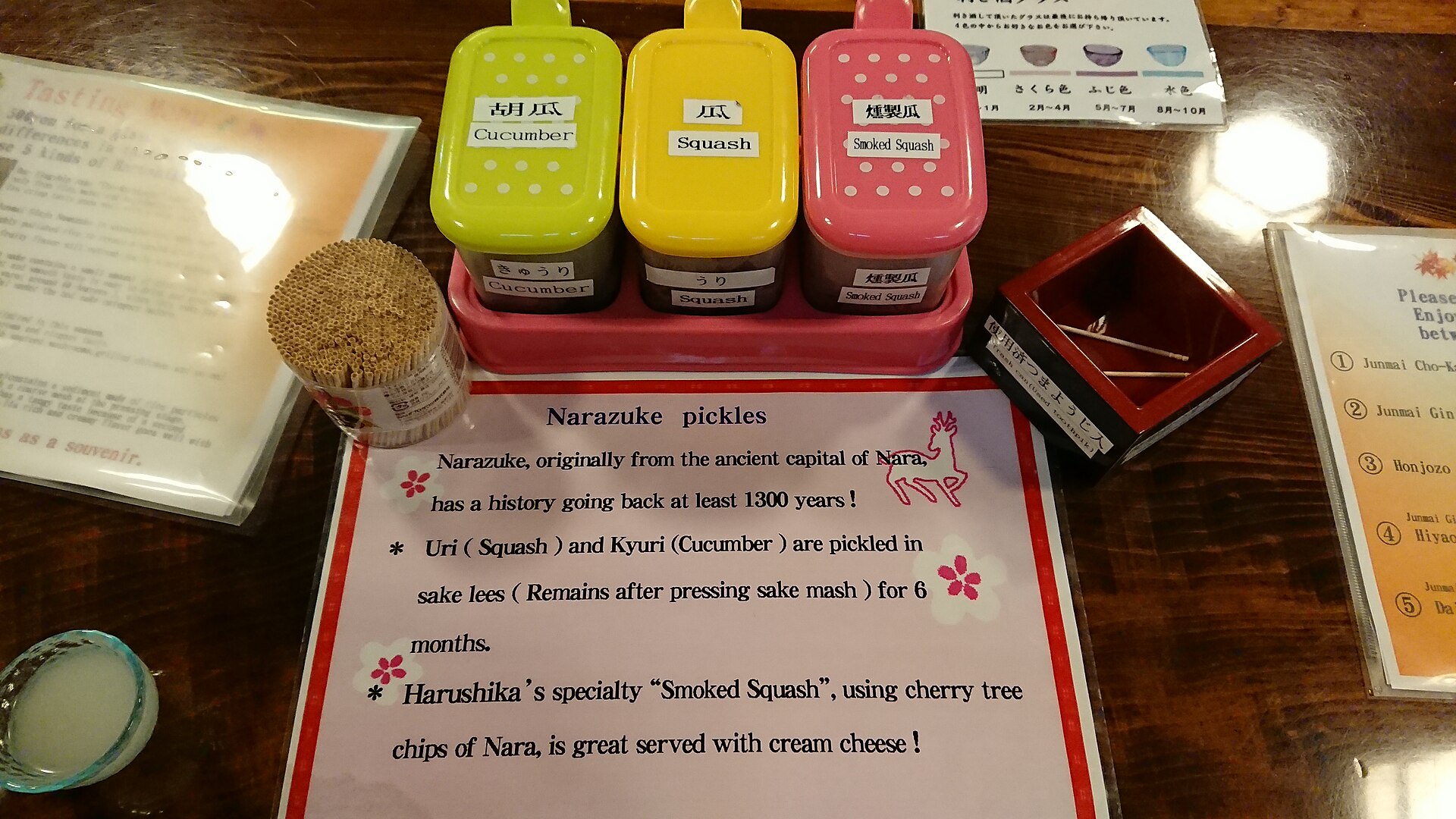
Narazuke
3.6 km · straight line
 / Public domain
History · Nara★★★
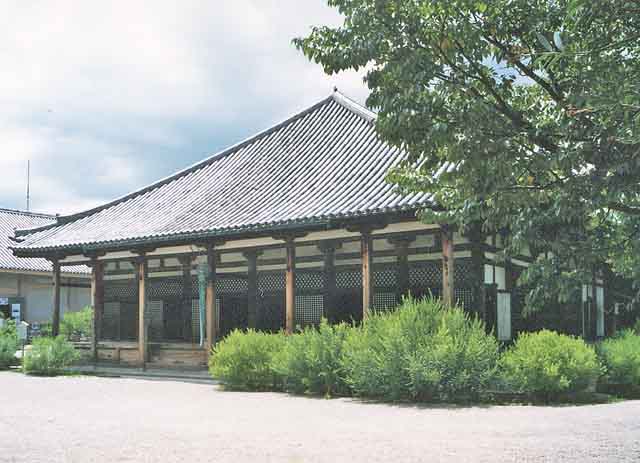
Gangō-ji Temple
4.4 km · straight line
Distances are straight lines on the map, not travel times.