Kanagawa · east KamakuraNo.290★Open in map →
Hokokuji
— the Kamakura temple with a bamboo garden
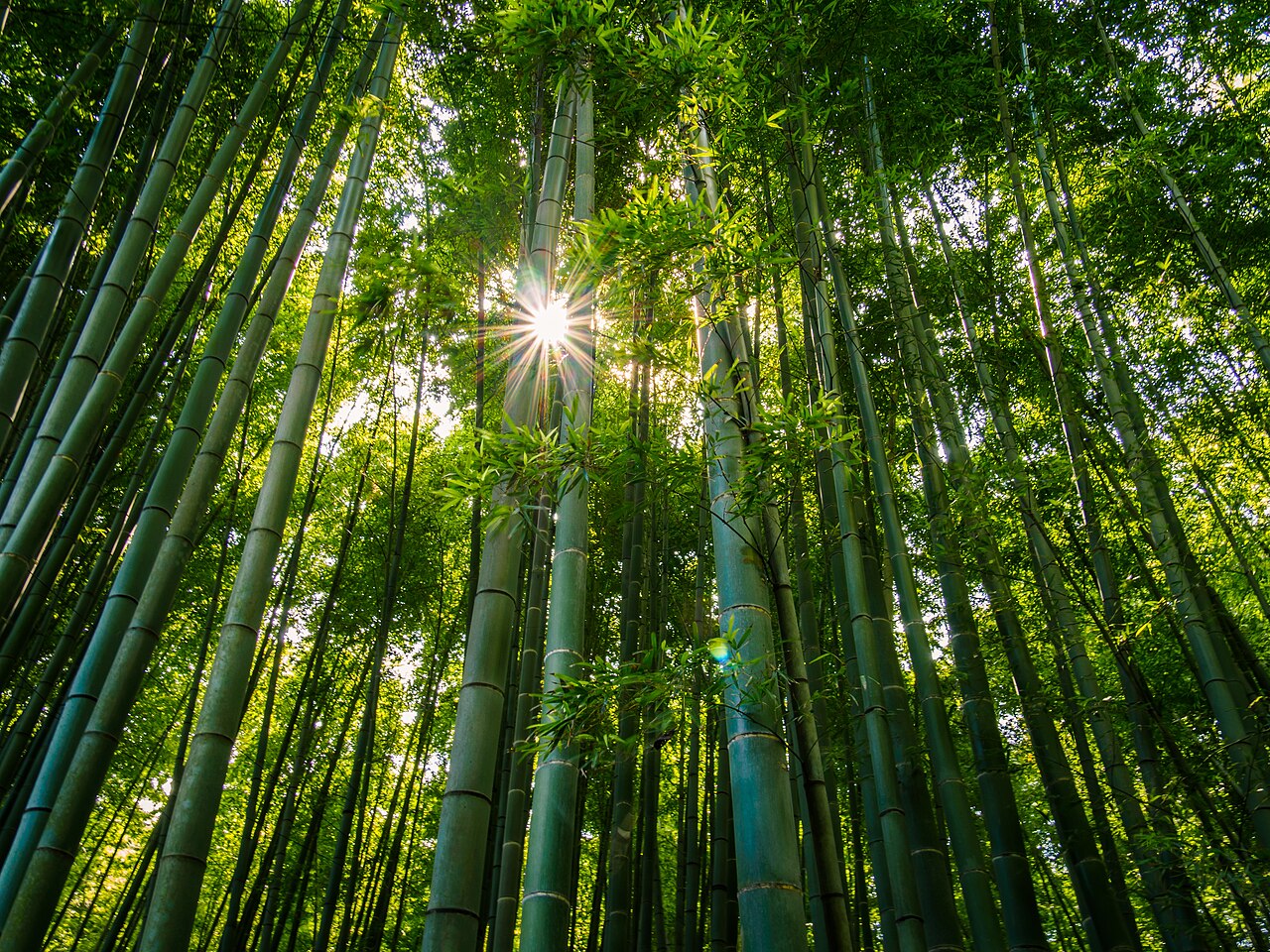
A Rinzai temple of 1334 in eastern Kamakura, known for a garden of about 2,000 moso bamboo with a tea seat set among the stems.
- FromTokyo Stn
- ~75 mintrain + 8 min bus
- Get off atJomyoji bus stop
- On foot
- Hokokuji
The sweet spot
Kamakura's crowds concentrate on the Great Buddha, Tsurugaoka Hachimangu and the Enoden coast — all west and south of the station. Hokokuji is east, out past Jomyoji, on a road most day-trippers never take, which is how a bamboo grove this good is still quiet at nine in the morning.
Where it is
43 more notes in Kanagawa · open the map →What to look for
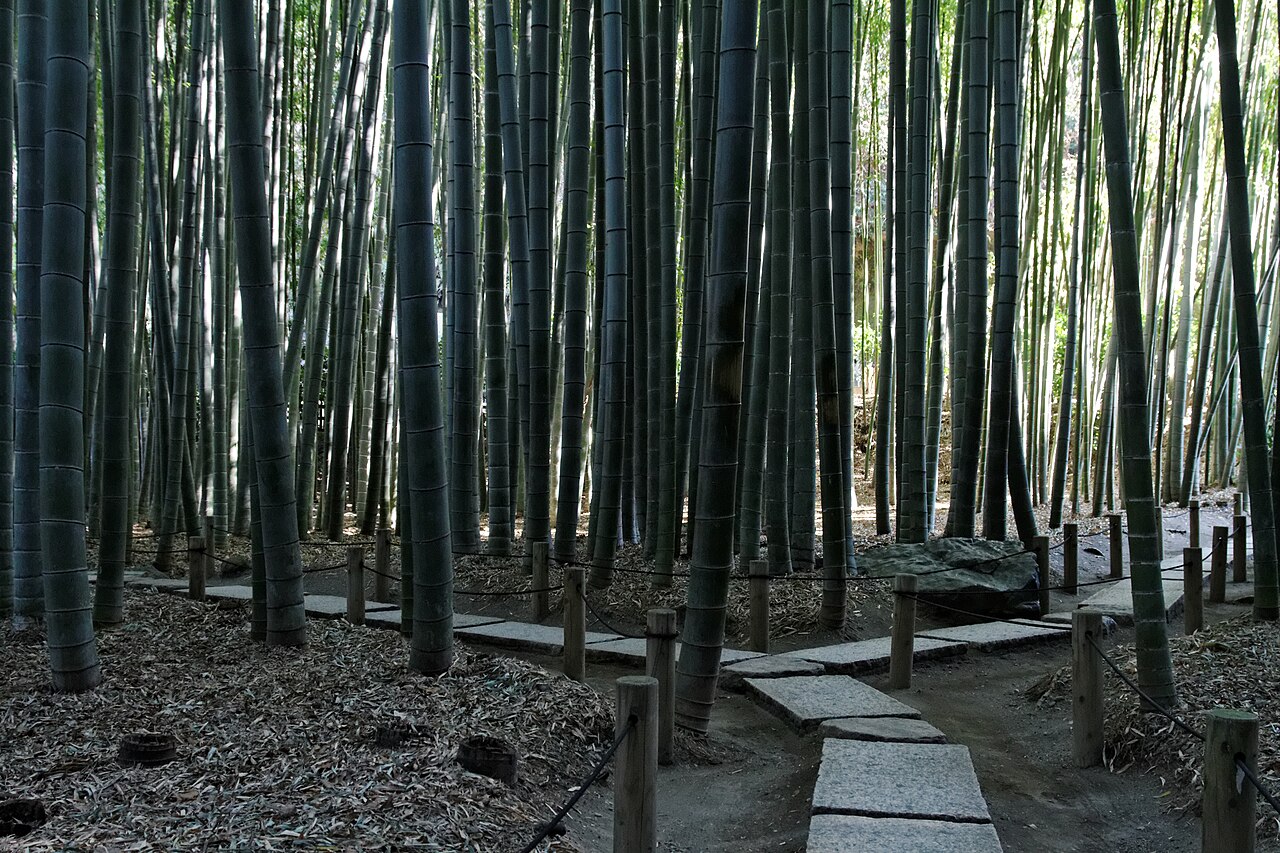
- The bamboo gardenAbout 2,000 moso bamboo planted close together, with a single path cut through them.
- Matcha inside the groveA tea seat set within the bamboo garden, where matcha is served facing straight into the stems.
- The yagura tombsRock-cut cave graves behind the main hall, said to hold Ashikaga Ietoki and Ashikaga Yoshihisa.
- The dry landscape gardenA karesansui garden set deeper in the precinct, beyond the bamboo.
How to actually get there
- Tokyo Stn → Kamakura Stn (JR Yokosuka Line, ~55 min)
- Kamakura Stn east exit → Jomyoji bus stop (Keikyu bus, ~8 min)
- Jomyoji bus stop → Hokokuji gate (walk, ~2 min)
- JR to Kamakura, then a short bus east
- Tokyo Stn → (JR Yokosuka Line, bound for Zushi / Kurihama, ~55 min) → Kamakura Stn east exit → bus stand → (Keikyu bus heading east on the Kanazawa road, ~8 min) → Jomyoji bus stop → walk ~2 min. Total ~75 min.
- Bus back, or walk in reverse via Sugimotodera
- The same bus returns to Kamakura Stn in about 8 minutes. If your legs are willing, walk instead — roughly 28 minutes on the flat, past Jomyoji, Sugimotodera and Hokaiji, which is the best temple-per-kilometre stretch in Kamakura.
About the place
Hokokuji was founded in 1334, the first year of the Kenmu era, as a temple of the Kenchoji branch of Rinzai Zen. Its founding priest was the Zen master Tengan Eko; its founding patron was Ashikaga Ietoki, and the temple was raised by Uesugi Shigekane to pray for Ietoki's soul. The Ashikaga connection did not end gently. In 1438, during the Eikyo Rebellion, Yoshihisa — son of Ashikaga Mochiuji, the fourth Kamakura kubo — took his own life here. Behind the main hall the ground climbs into a hillside cut with yagura, the horizontal tomb caves peculiar to Kamakura; the ones here are said to hold Ietoki and Yoshihisa. Past them stands the thing the temple is now known for: about two thousand moso bamboo, planted tight, with a single path cut through.
How to enjoy it
Be at the gate for the 9:00 opening — a grove this size holds only a few dozen people before it stops feeling like a grove, and it fills through the morning. Take the matcha; it is the one way to sit still inside the bamboo rather than walk through it. Then go back toward the station on foot, picking up Jomyoji, Sugimotodera and Hokaiji on the way, which turns a twenty-minute stop into a well-shaped half day.
Background & history
The temple belongs to the Kenchoji branch of Rinzai Zen and dates to 1334, founded by Tengan Eko with Ashikaga Ietoki as patron and Uesugi Shigekane as builder. That places it exactly on the hinge between the fall of the Kamakura shogunate and the rise of Ashikaga power, and it carried the family's fortunes with it. When the Eikyo Rebellion broke the fourth Kamakura kubo in 1438, his heir Yoshihisa died here. The yagura behind the hall — rock-cut horizontal tombs of the kind found across Kamakura's hillsides, where flat ground for burial was scarce — are said to be the graves of Ietoki and Yoshihisa. The bamboo garden that draws visitors today sits behind all of it, so the walk in passes through the history before it reaches the view.
Before you go
- Cash
- Bring coins. The garden fee is paid at a small entrance beside the main hall, and the matcha served inside the grove is charged separately — assume cash for both.
- Good to know
- Open 9:00–16:00, closed 29 December to 3 January. This is a working temple precinct rather than a photo set: keep to the path, keep your voice down, and do not set up a tripod on the walkway.
- Another way
- Walking from Kamakura Stn takes about 28 minutes on level ground and is a good route in its own right; a taxi from the station is under ten minutes.
- After you get off
- Get off at the Jomyoji stop, cross toward the hills, and take the small road that climbs gently away from the main street. The temple gate is about two minutes up. The bamboo garden is behind the main hall, through its own entrance.
Nearby notes
 Tarourashima / Public domain
History · Kanagawa★
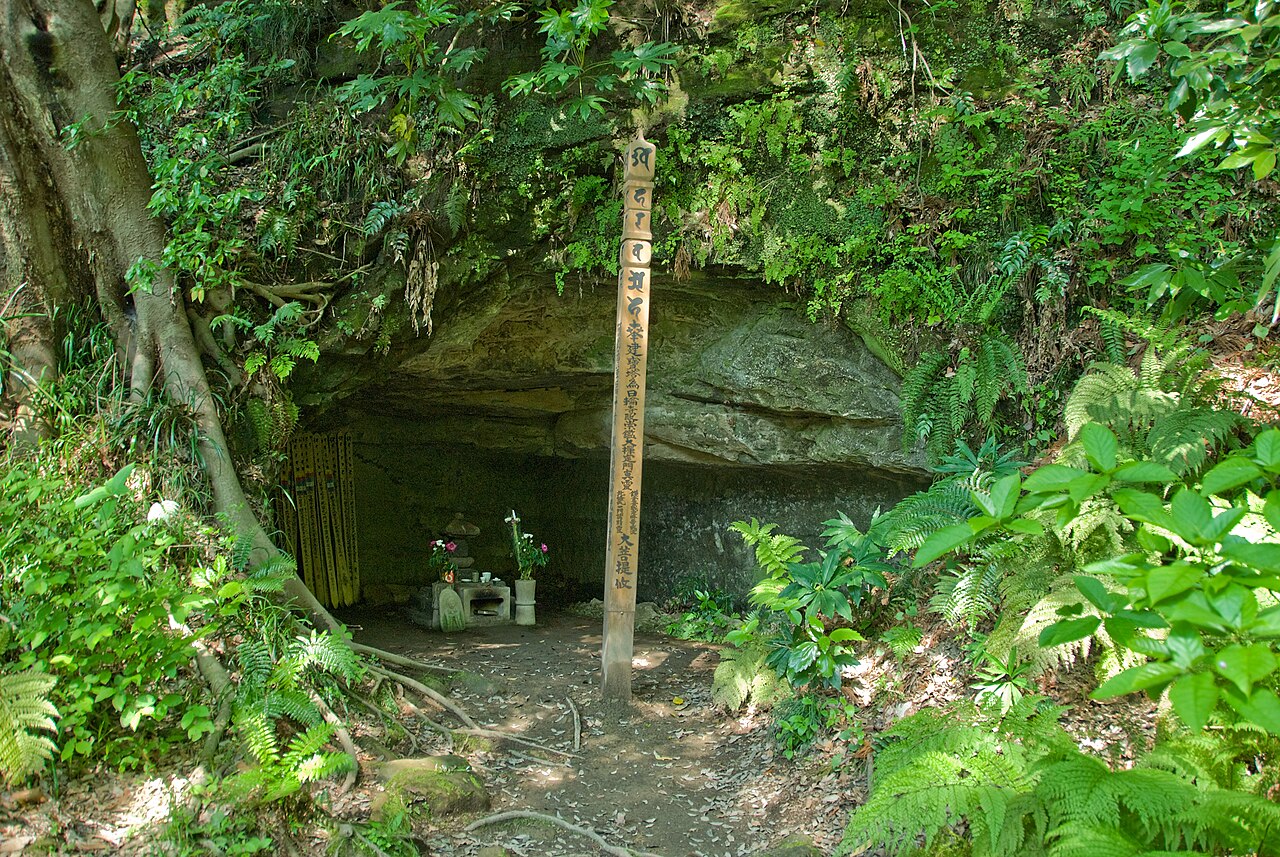
Toshoji Ruins & Harakiri Yagura
0.8 km · straight line
 Ocdp / CC0
History · Kanagawa★★
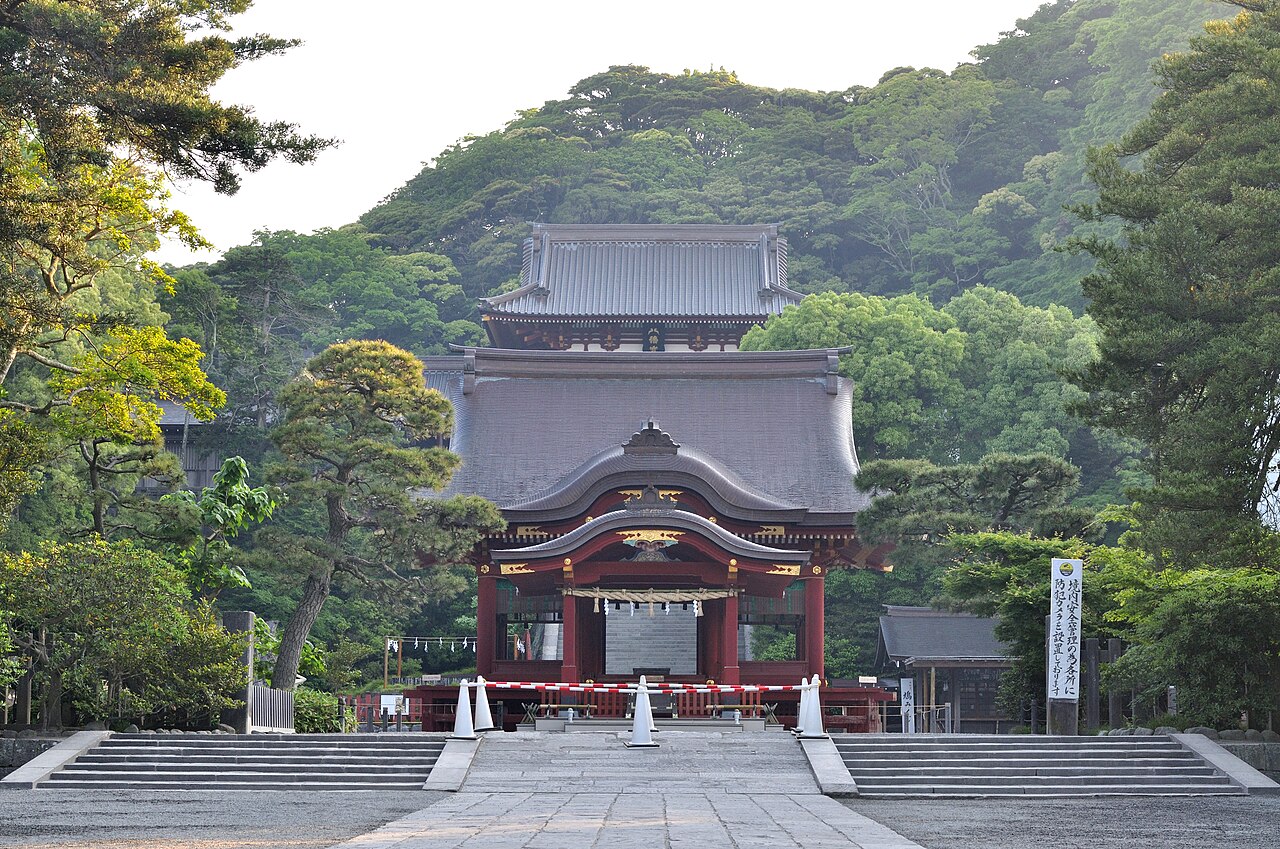
Tsurugaoka Hachimangu
1.3 km · straight line
 Urashimataro / Public domain
Local life · Kanagawa★★
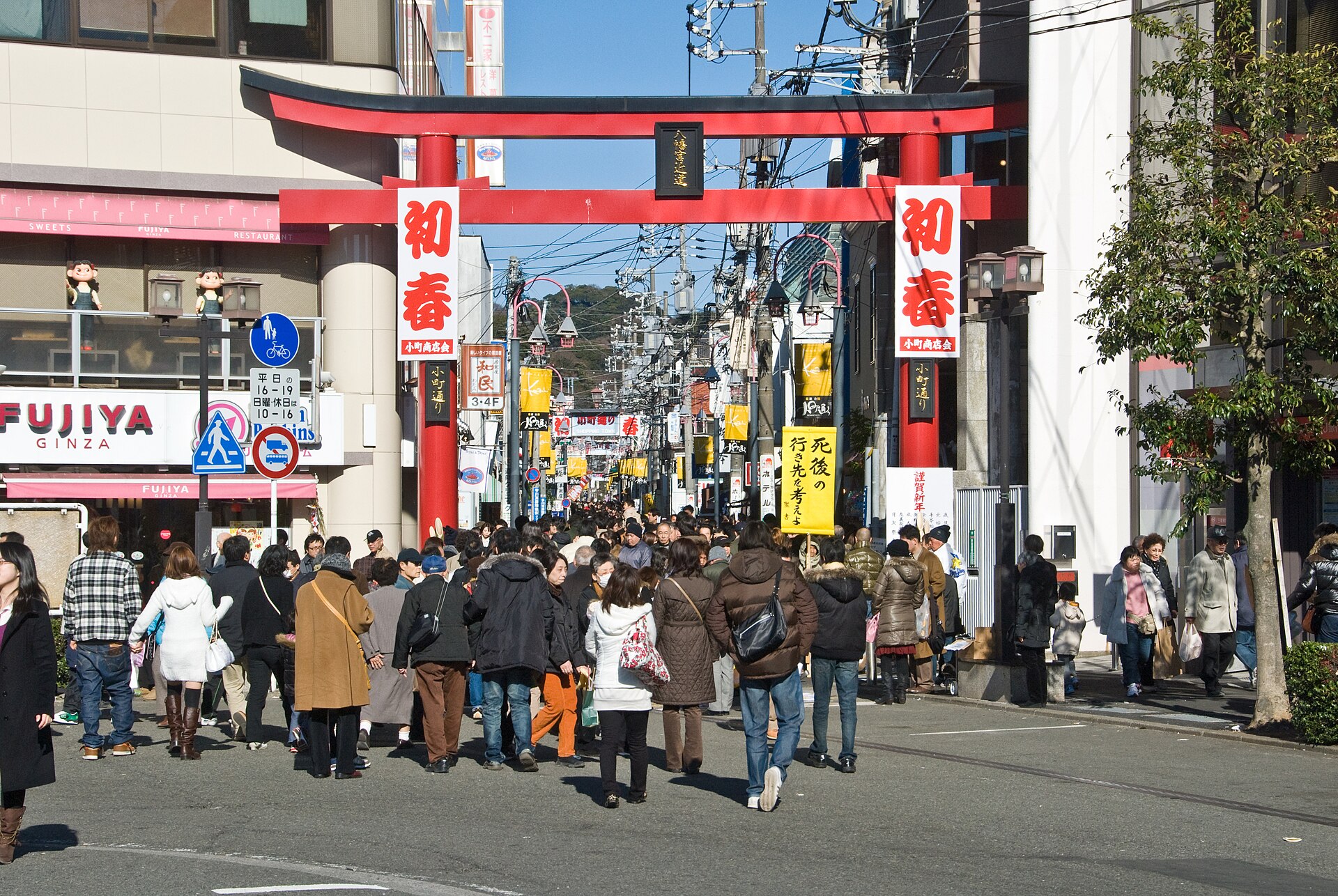
Komachi-dori
1.6 km · straight line
 Guilhem Vellut from Annecy, France / CC BY 2.0
History · Kanagawa★★★
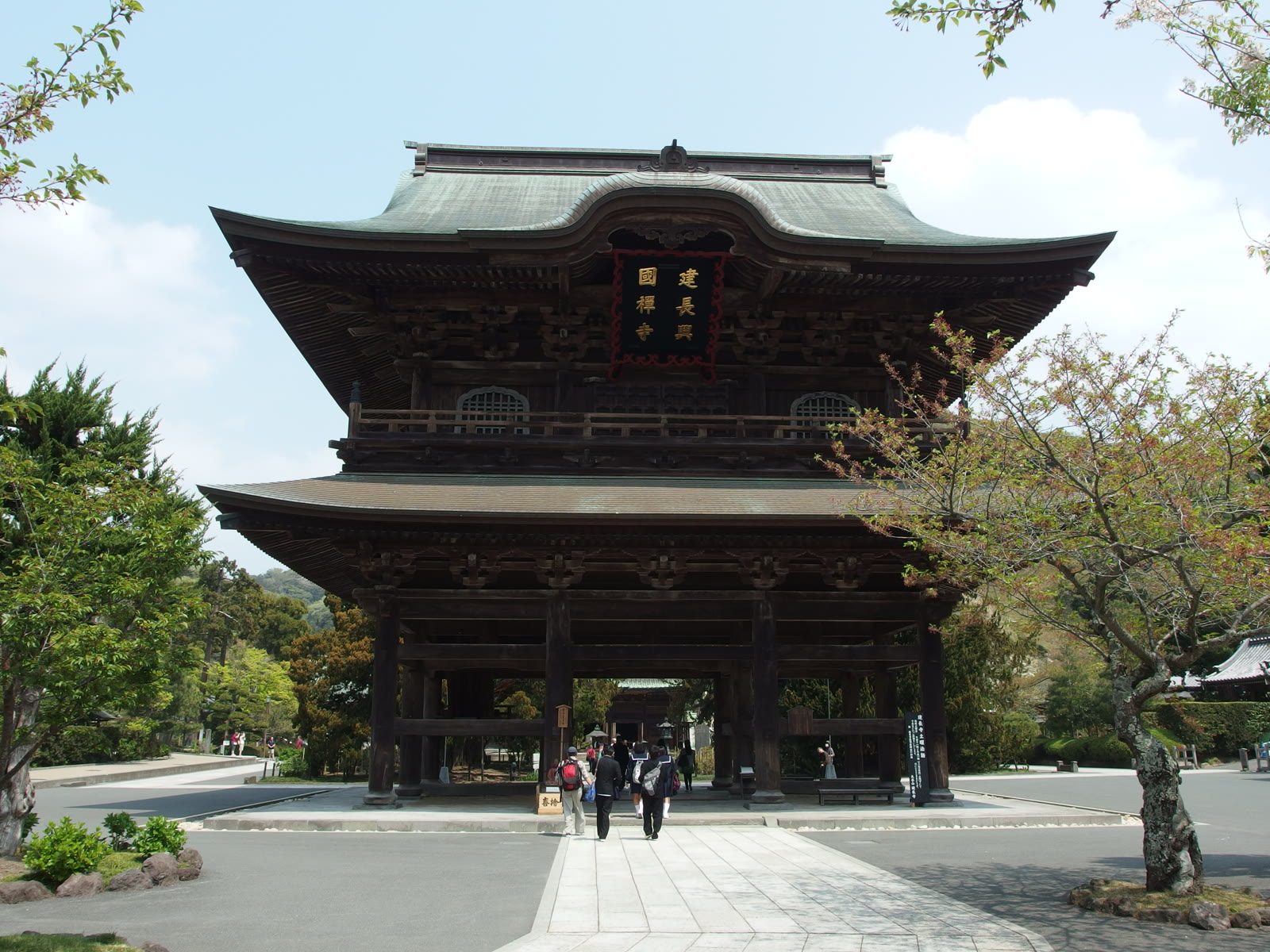
Kencho-ji
1.8 km · straight line
Distances are straight lines on the map, not travel times.