Kamakura east · GionyamaNo.098★Open in map →
Toshoji Ruins & Harakiri Yagura
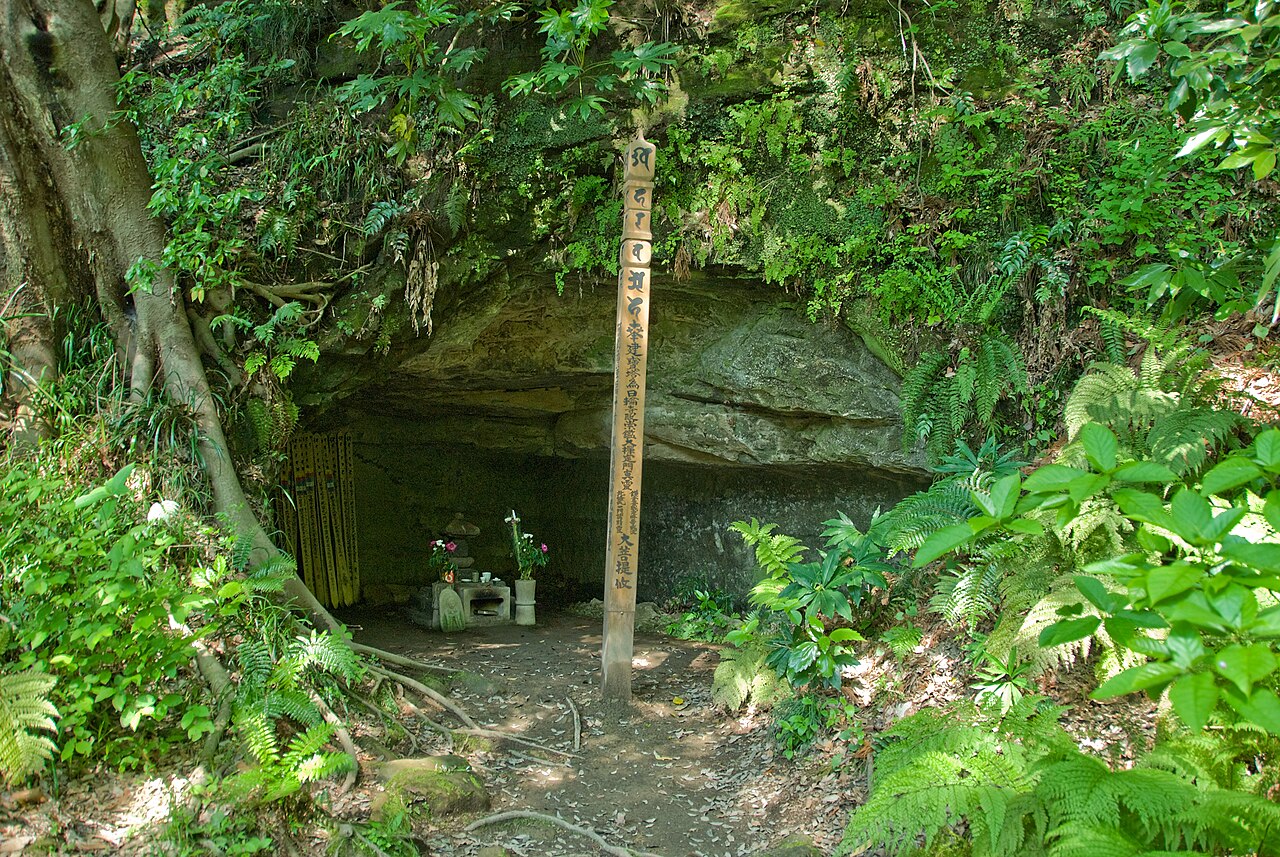
A fenced hillside and a cliff-cut tomb mark the site where the last Hojo regent and hundreds of his retainers took their lives in 1333 — the understated, unmarketed end of the Kamakura shogunate.
- FromTokyo Stn
- ~80 mintrain + 20 min walk
- Get off atKamakura Stn (East Exit)
- On foot
- Toshoji Ruins & Harakiri Yagura
The sweet spot
It stays quiet because there is little English signage, it sits off the main temple-hopping routes behind Kamakura Station, and the cliff tomb is roped off for safety, so it draws only history-minded walkers rather than sightseeing crowds.
Where it is
43 more notes in Kanagawa · open the map →What to look for — in walking order
- Toshoji-bashi bridgethe 1924 arched approach bridge, marking the start of the valley path
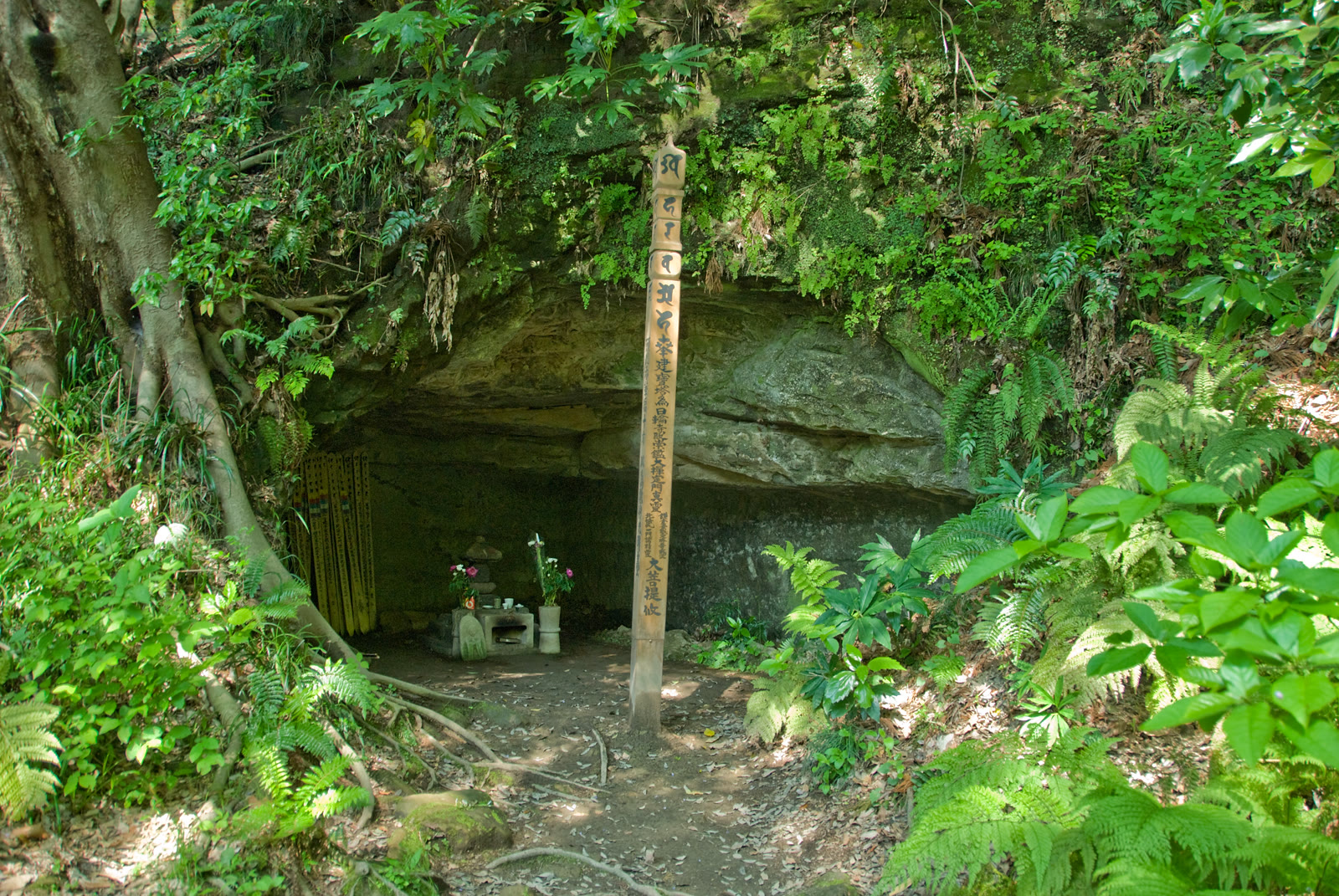
- Toshoji temple ruinsfenced grassy slope with an explanatory marker, the former site of the Hojo family temple
- Harakiri Yaguratomb carved into the cliff about 100 metres uphill, now roped off for safety
- Gionyama settingwooded valley in the Komachi hills, one of Kamakura's designated scenic views
How to actually get there
- Tokyo Stn → Kamakura Stn (JR Yokosuka Line, direct, ~60 min).
- Kamakura Stn East Exit → Toshoji-bashi bridge (on foot, ~12 min).
- Toshoji-bashi bridge → fenced ruins and cliff tomb (uphill on foot, ~8 min).
- JR Yokosuka Line + 20 min walk
- Tokyo Stn →(JR Yokosuka Line, direct, no transfer, ~60 min)→ Kamakura Stn. From the East Exit, walk inland about 20 min over the Toshoji-bashi bridge and up into the valley to the ruins. Total ~80 min. Trains run every 10-15 min, so check the next departure before you leave.
- return
- The JR Yokosuka Line from Kamakura back to Tokyo runs all day at 10-15 min intervals, so there is no last-connection pressure — but the hillside has no lighting, so leave before dusk.
About the place
In the Komachi hills east of central Kamakura lie the ruins of Toshoji, the Buddhist temple that served the Hojo clan, who effectively ran the shogunate. In 1333, as the forces of Nitta Yoshisada broke into the city, the last Hojo regent Takatoki retreated here; the temple was set ablaze and, by the records, more than 870 people took their own lives. A short distance uphill sits the harakiri yagura — a tomb carved into the soft cliff face — by tradition the spot where Takatoki died. The ruins today are a quiet, fenced slope with an explanatory marker; the yagura itself is closed to entry. It is a plain, sober place where the city's noise barely reaches.
How to enjoy it
Walk from central Kamakura, crossing the 1924 Toshoji-bashi bridge into the quiet valley. Read it as a sober historic landmark rather than a photo stop: view the fenced ruins and the sealed yagura from the path, and keep to the marked route. The Gionyama hiking trail continues from here toward Yakumo Shrine.
Background & history
Toshoji was founded in the mid-13th century by Hojo Yasutoki, the third shogunate regent, and became one of the Hojo family temples. Its destruction in 1333 marked the end of both the Kamakura shogunate and the Hojo regency that had held power for over a century. The site was designated a National Historic Site on 31 July 1998. No bones or urns have been recovered from the yagura, and other spots in Kamakura also claim the seppuku tradition, so the cave's exact role rests on legend.
Before you go
- Cash
- There is no entrance fee and no facilities on the hill — bring your own water; carry an IC card or coins for the train.
- Good to know
- This is a grave site and the cliff is unstable — the yagura is roped off and off-limits. Stay outside the fence and keep quiet.
- Another way
- From the ruins you can join the Gionyama hiking course, a wooded ridge trail that runs about 30 min toward Yakumo Shrine.
- After you get off
- From Kamakura Station East Exit, walk inland along the back streets, cross the Toshoji-bashi bridge, and continue up the paved lane — about 20 min in all to the fenced ruins.
Nearby notes
 Ocdp / CC0
History · Kanagawa★★
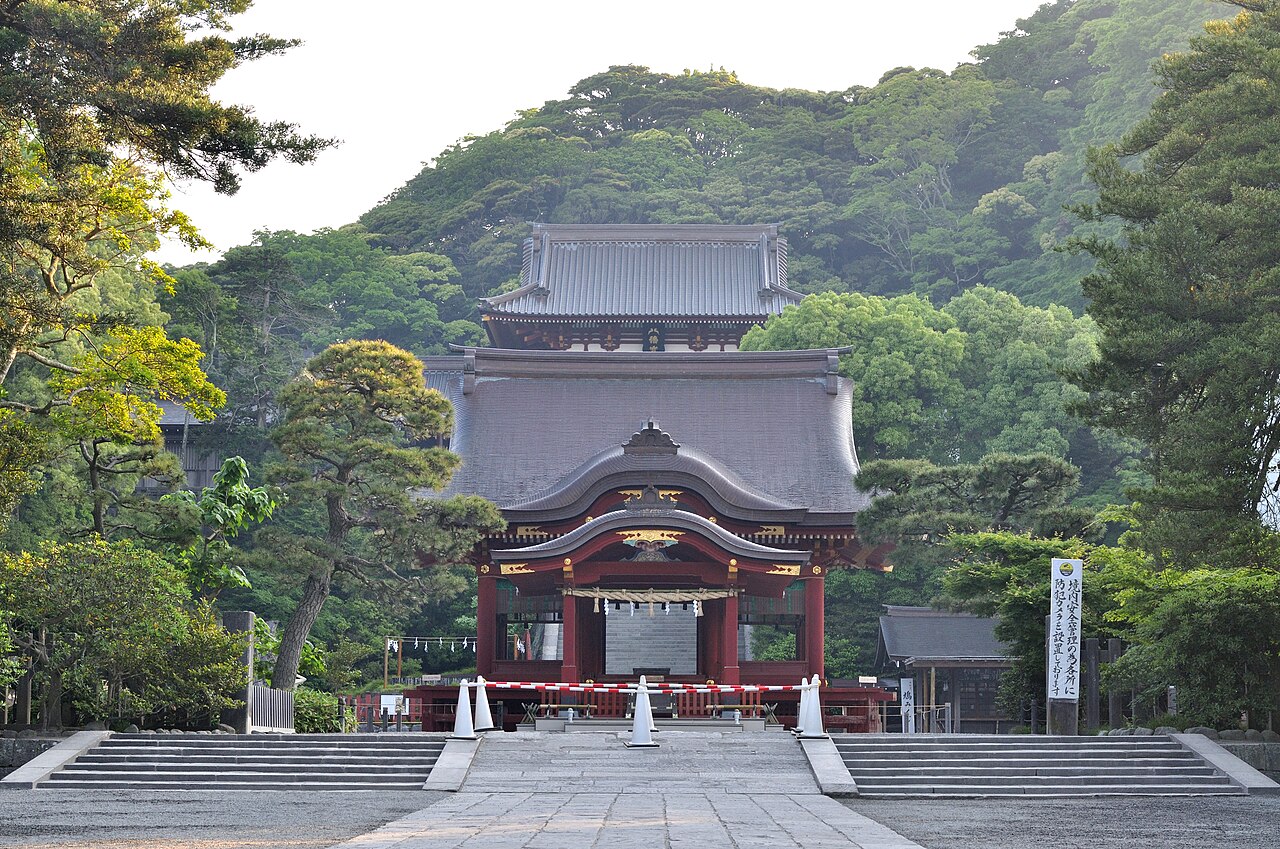
Tsurugaoka Hachimangu
0.7 km · straight line
 Urashimataro / Public domain
Local life · Kanagawa★★
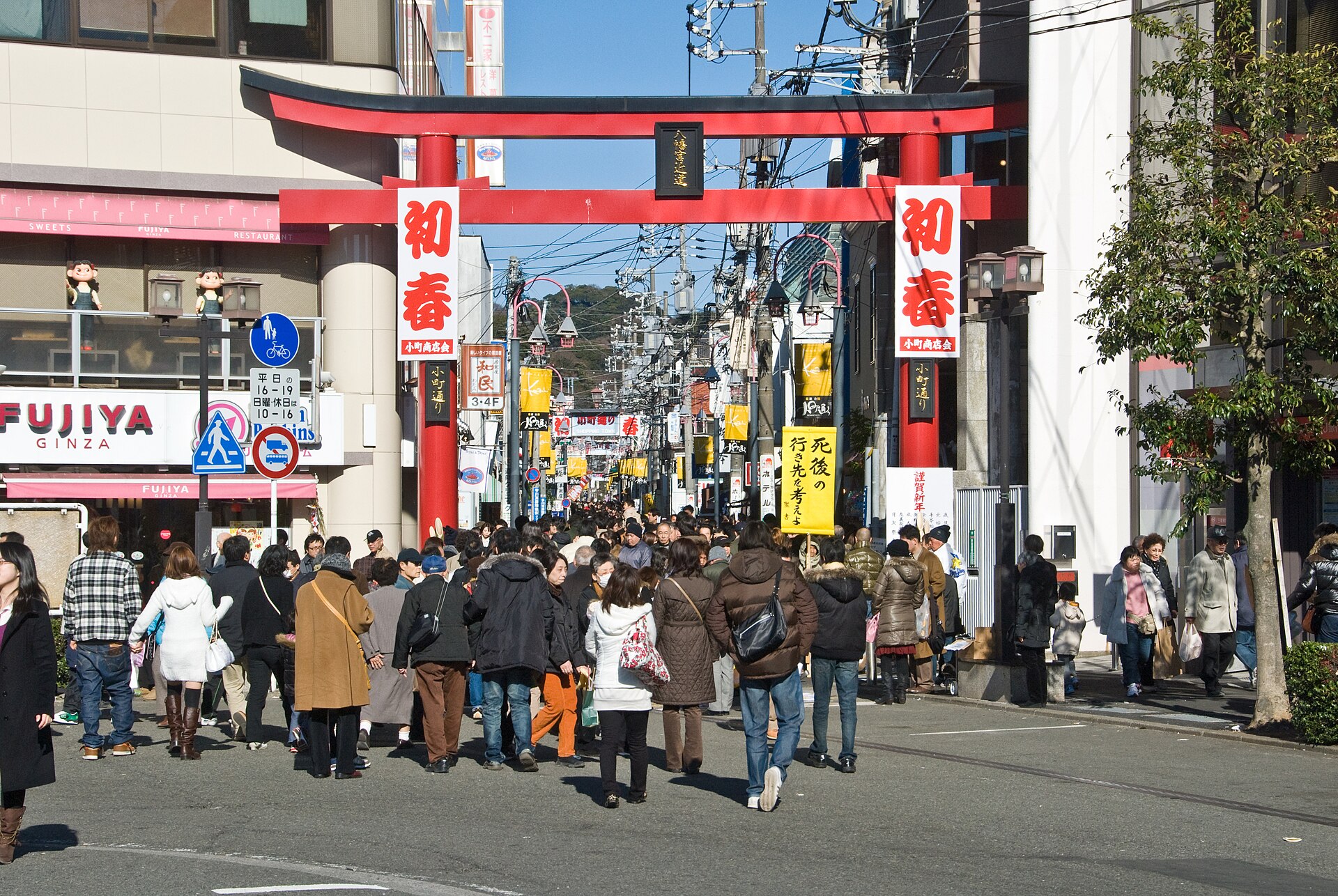
Komachi-dori
0.8 km · straight line
 Reginald Pentinio / CC BY 2.0
History · Kanagawa★
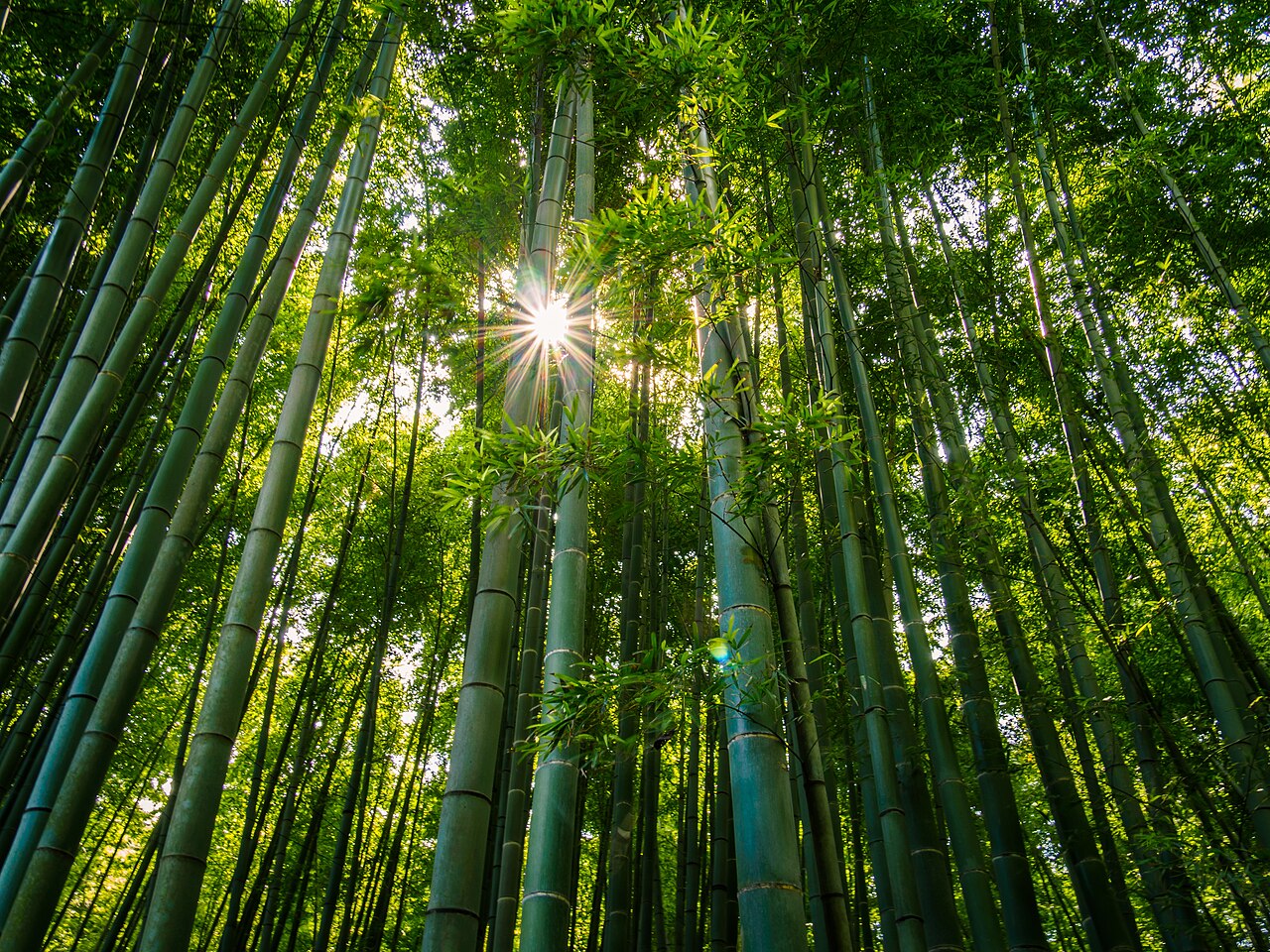
Hokokuji
0.8 km · straight line
 Guilhem Vellut from Annecy, France / CC BY 2.0
History · Kanagawa★★★
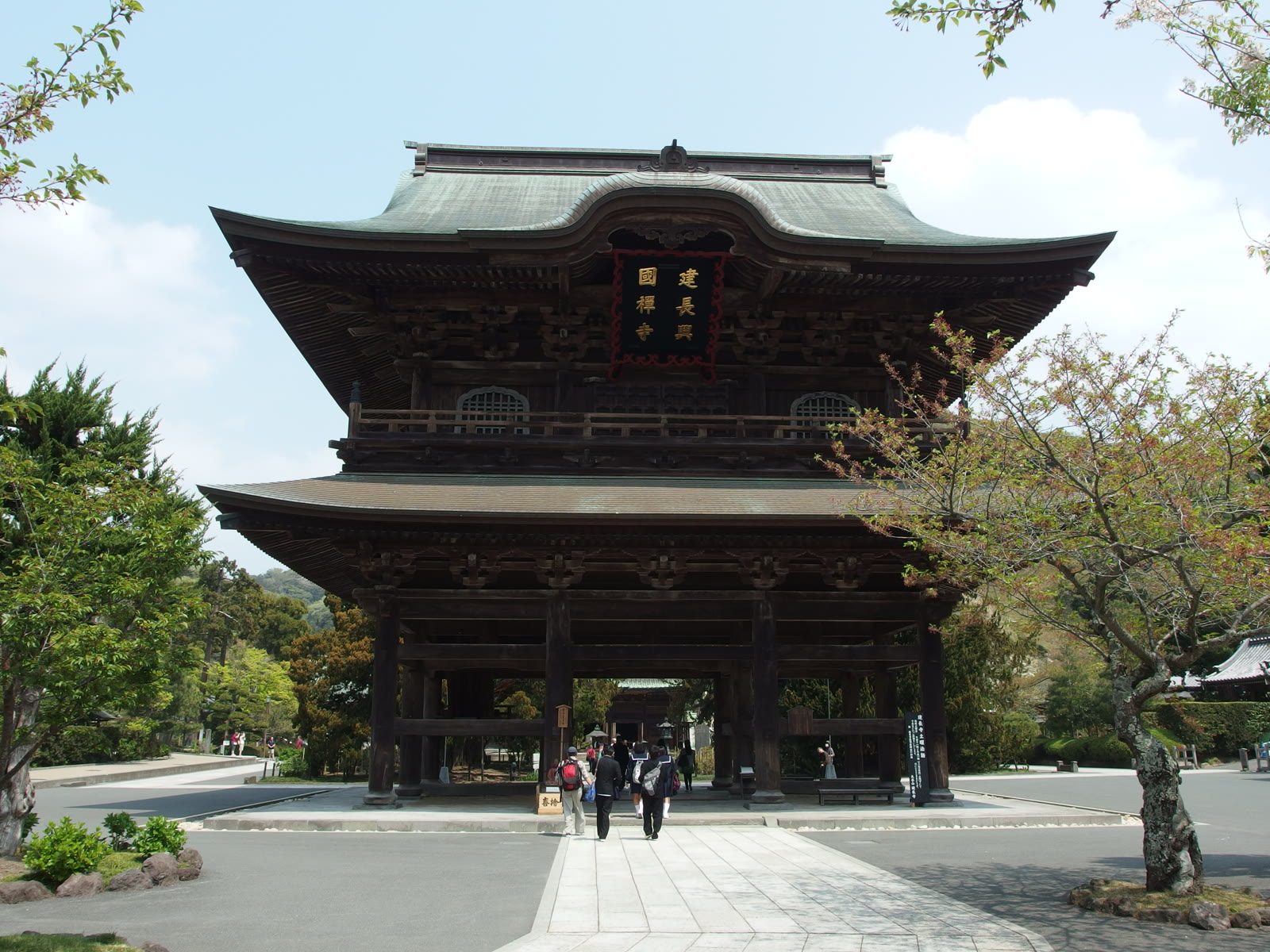
Kencho-ji
1.3 km · straight line
Distances are straight lines on the map, not travel times.