Osaka · NambaNo.408★★★Open in map →
Hozenji Yokocho
— a stone lane behind Dotonbori
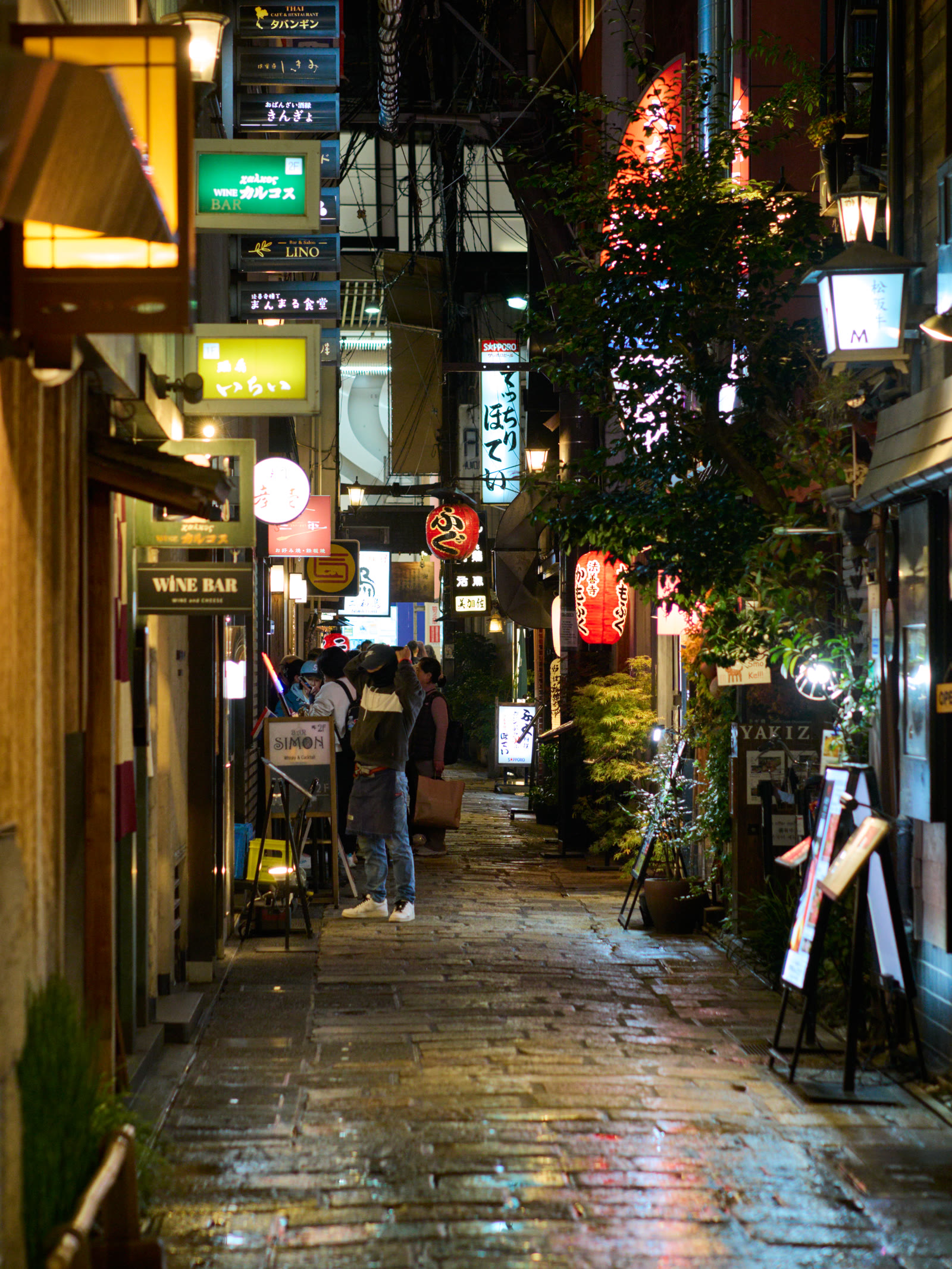
A narrow stone-paved lane immediately south of Dotonbori, running past Hozenji temple and its moss-covered Fudo statue. Visitors throw water over the statue, which is why it is green — and the lane has burned down and been rebuilt twice.
- FromShin-Osaka Stn
- ~20 minOsaka Metro, 3-min walk
- Get off atNamba Station (Midosuji, Yotsubashi, Sennichimae lines)
- On foot
- Hozenji Yokocho
Where it is
40 more notes in Osaka · open the map →What to look for — in walking order
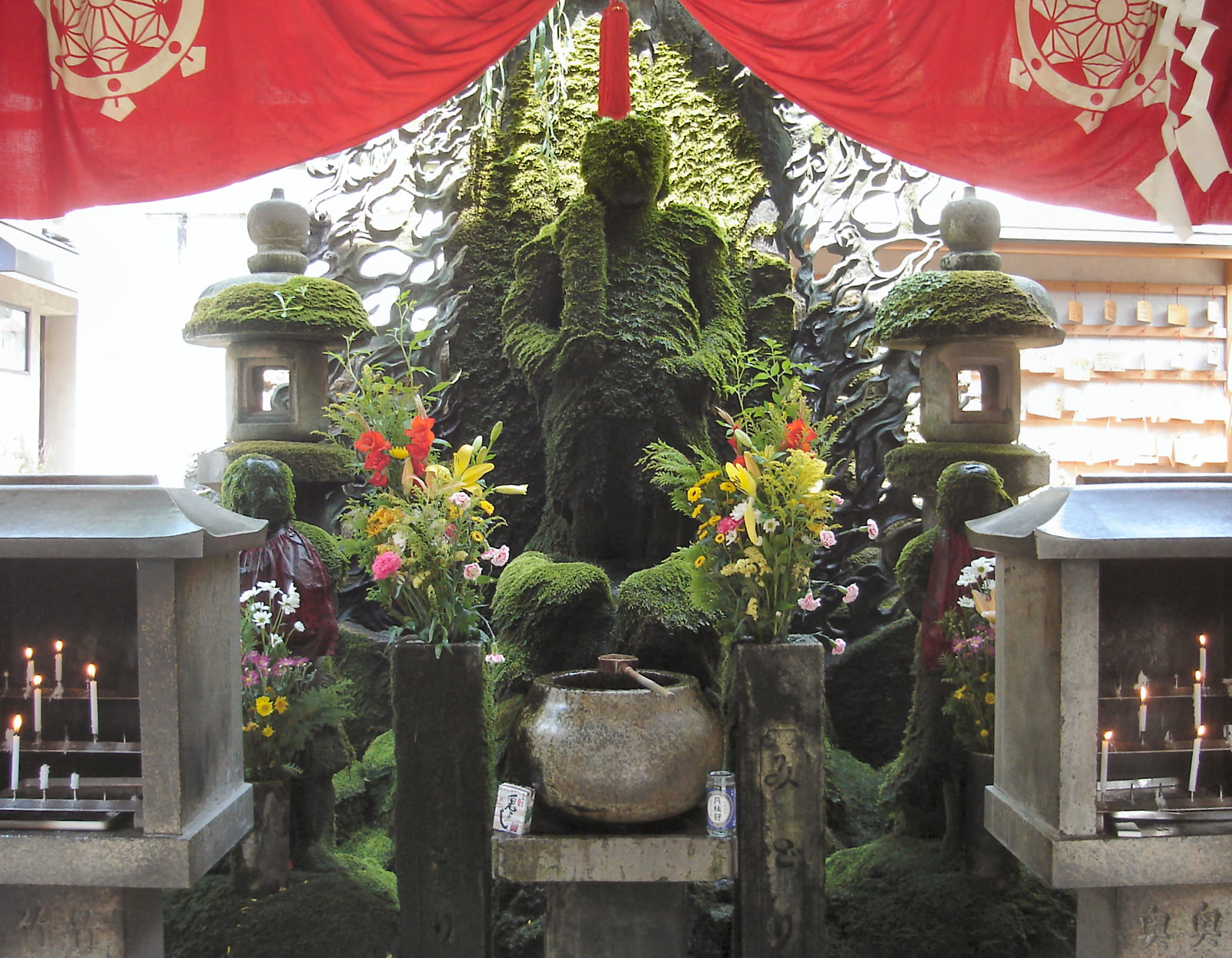
- Mizukake Fudothe Fudo Myoo statue so thickly mossed that no stone is visible, the result of water ladled over it by visitors for generations
- The stone lane itselfflagstones, lanterns and wooden shopfronts, wide enough for two people, immediately behind Dotonbori's neon
- The literary connectionthe setting of Oda Sakunosuke's Meoto Zenzai — the books that gave the lane its name in the public mind
- The rebuilt frontagesrestored after the 2002 gas explosion destroyed nineteen businesses; the lane was put back in its old form rather than modernised
How to actually get there
- Shin-Osaka Stn → Namba Stn (Osaka Metro Midosuji Line, ~15 min).
- Namba Stn → northeast toward Dotonbori (walk, ~3-5 min).
- Enter the lane → Mizukake Fudo (ladle water over the statue) → walk the flagstones east to west.
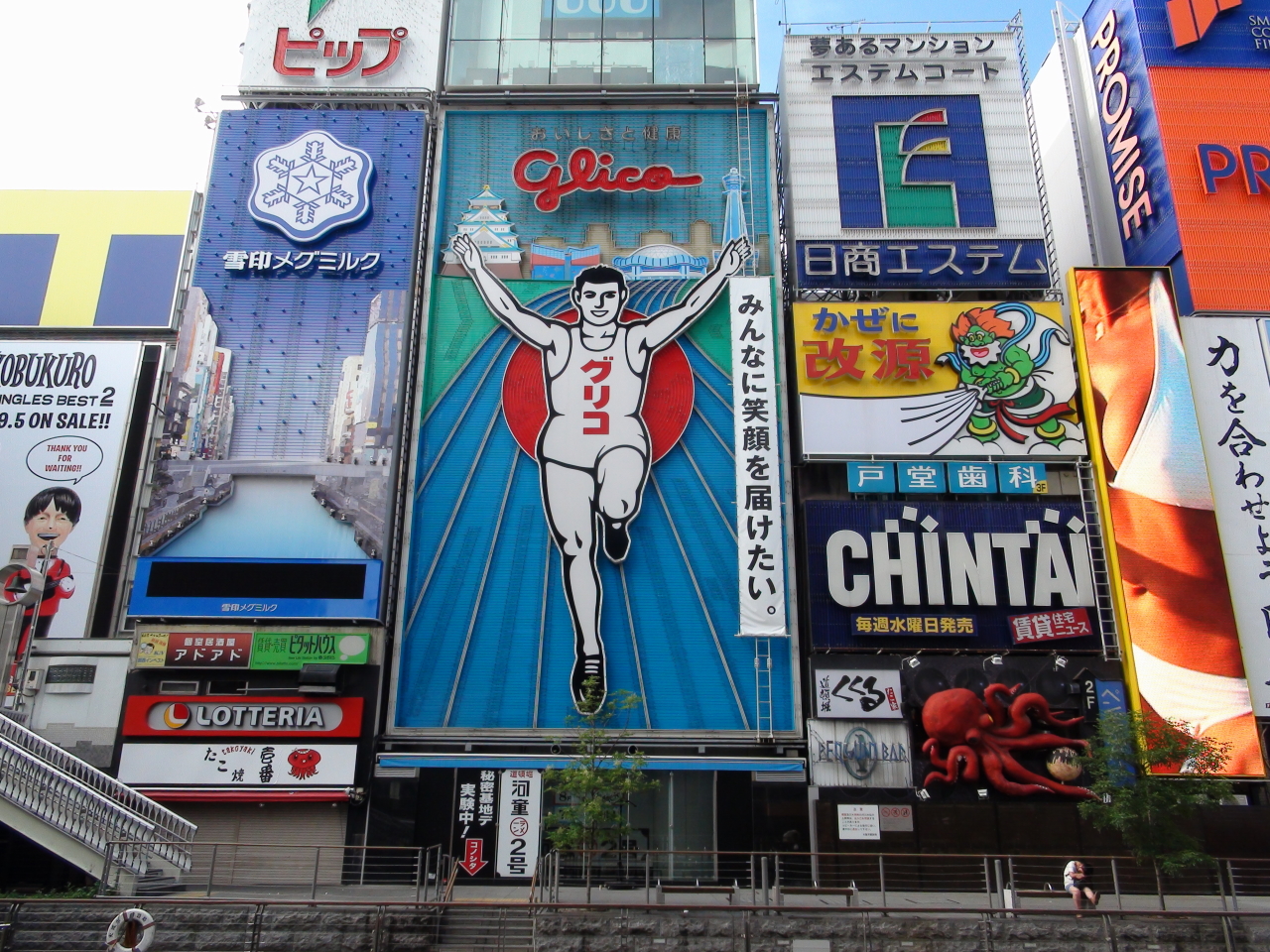
- One street north for Dotonbori and the Glico sign.
- Shin-Osaka Stn → Namba Stn (Osaka Metro Midosuji Line), then walk
- From Shin-Osaka take the Osaka Metro Midosuji Line south to Namba, about 15 minutes with no change. From the station walk northeast toward Dotonbori for about 3 to 5 minutes; the lane runs east to west just south of the Dotonbori canal, behind the main street frontages.
- Namba Stn → Shin-Osaka Stn
- The Midosuji Line runs back north to Umeda and Shin-Osaka until late. Namba also connects to the Kintetsu and Nankai networks for Nara and Kansai Airport, and Shinsaibashi is one stop or a ten-minute walk north up the arcade.
About the place
Hozenji Yokocho runs east to west on the north side of Hozenji temple, a few steps from Dotonbori. The change is abrupt: leave the neon and the crowds, turn into the lane, and you are on wet flagstones between wooden shopfronts and lanterns, with the sound dropping away. The thing everyone comes for is the Mizukake Fudo, a statue of Fudo Myoo so completely covered in moss that no stone shows. The moss is a by-product of devotion — visitors ladle water over the figure as an offering, and have done so for so long that the statue has become a green form rather than a carved one. The lane's name and fame come from literature: Oda Sakunosuke set his 1940 novel Meoto Zenzai and a companion story here, and it is those books that fixed the name Hozenji Yokocho in the public mind. Two disasters bracket its modern history. In the 1945 firebombing of Osaka everything here burned except the Fudo statue itself. Then in September 2002, a gas explosion during demolition work on the neighbouring former Naka-za theatre destroyed nineteen businesses; the lane was rebuilt and the shops reopened in stages through to March 2004. It is a street that has twice been reduced to almost nothing and twice been put back.
How to enjoy it
Come after dark, when the lanterns are lit and the contrast with Dotonbori one street north is at its sharpest. Ladle water over the Fudo if you visit it — that is the correct way to engage with it, not an act of vandalism, and the moss depends on it. The lane is very narrow and lined with working restaurants, so walk it rather than standing in the middle to photograph; there are people trying to get to dinner. It sits within a few minutes of Dotonbori, Shinsaibashi-suji and Kuromon Market, so it slots into a Minami evening without any detour at all.
Background & history
The lane took its identity in the early Showa period, when Oda Sakunosuke's Meoto Zenzai and his story Hozenji Yokocho made it a literary location and the name stuck. The Osaka air raids of 1945 destroyed the whole area, with the Mizukake Fudo the one thing left standing — a fact that gave the statue additional significance in the postwar rebuilding. On 9 September 2002 a gas explosion during the demolition of the adjacent former Naka-za theatre burned out nineteen premises along the lane. Reconstruction followed, and businesses reopened progressively until March 2004, with the rebuilt lane keeping the stone paving and low wooden frontages rather than modernising.
Before you go
- Cash
- Walking the lane and visiting the Fudo cost nothing; a ladle is provided at the statue. The restaurants along the lane are small and several are cash-only, so carry notes if you intend to eat here.
- Good to know
- The lane is a public street open at all hours, but the restaurants set their own hours and many close one day a week. It is genuinely narrow — do not block it to photograph. The businesses along it are working establishments, not a display.
- Another way
- Osaka Metro Nippombashi Station on the Sennichimae and Sakaisuji lines is about 5 minutes' walk east. From Shinsaibashi, walk south through the arcade to Ebisubashi and continue past Dotonbori.
- After you get off
- From Namba Station head northeast toward the Dotonbori canal. The lane runs parallel to and one block south of Dotonbori's main frontage — look for the low lantern-lit entrance between shopfronts.
Nearby notes
 Sakaori (talk) / CC BY-SA 3.0
Food · Osaka★★★
The Glico Sign at Dotonbori
0.1 km · straight line
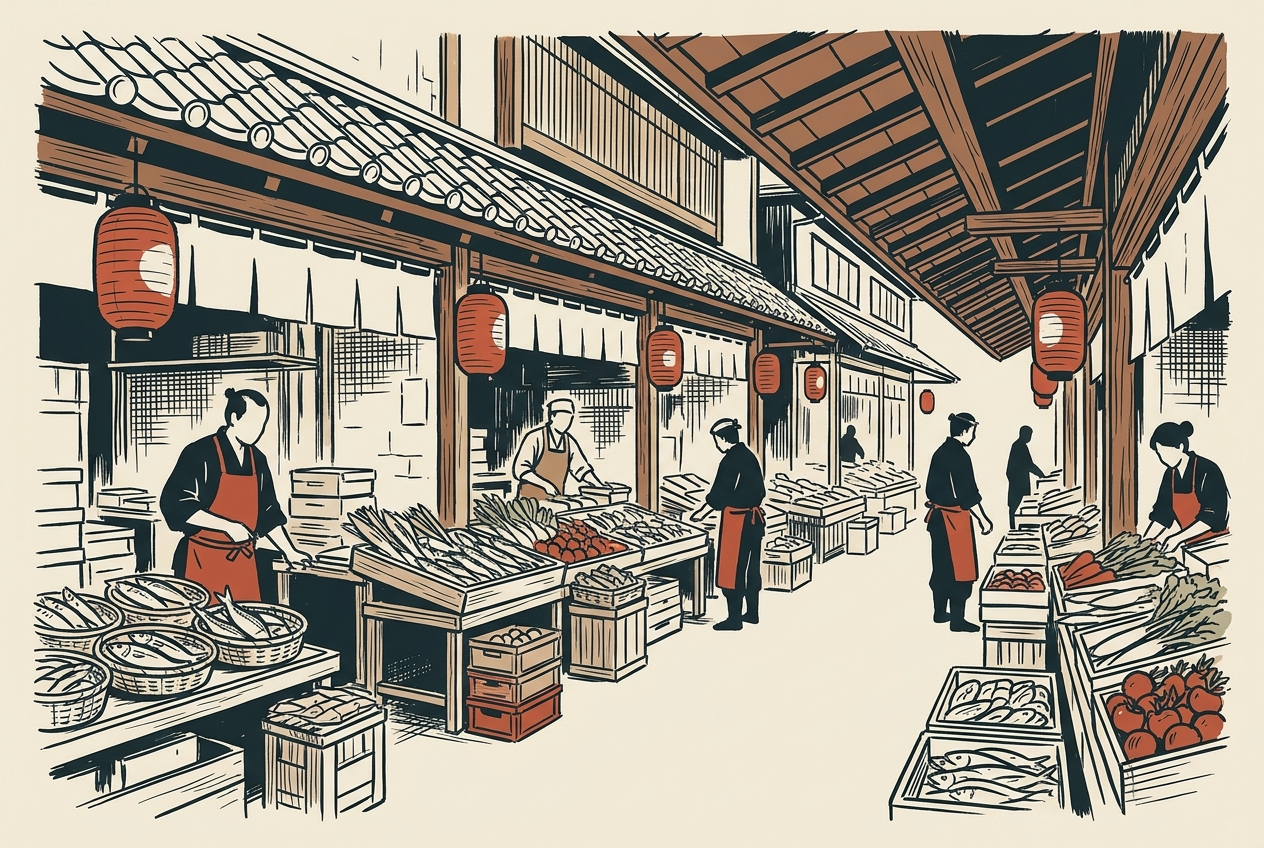 illustration (AI-illustrated)
Food · Osaka★★★
Kuromon Ichiba Market
0.4 km · straight line
 そらみみ / CC BY-SA 4.0
Local life · Osaka★★★
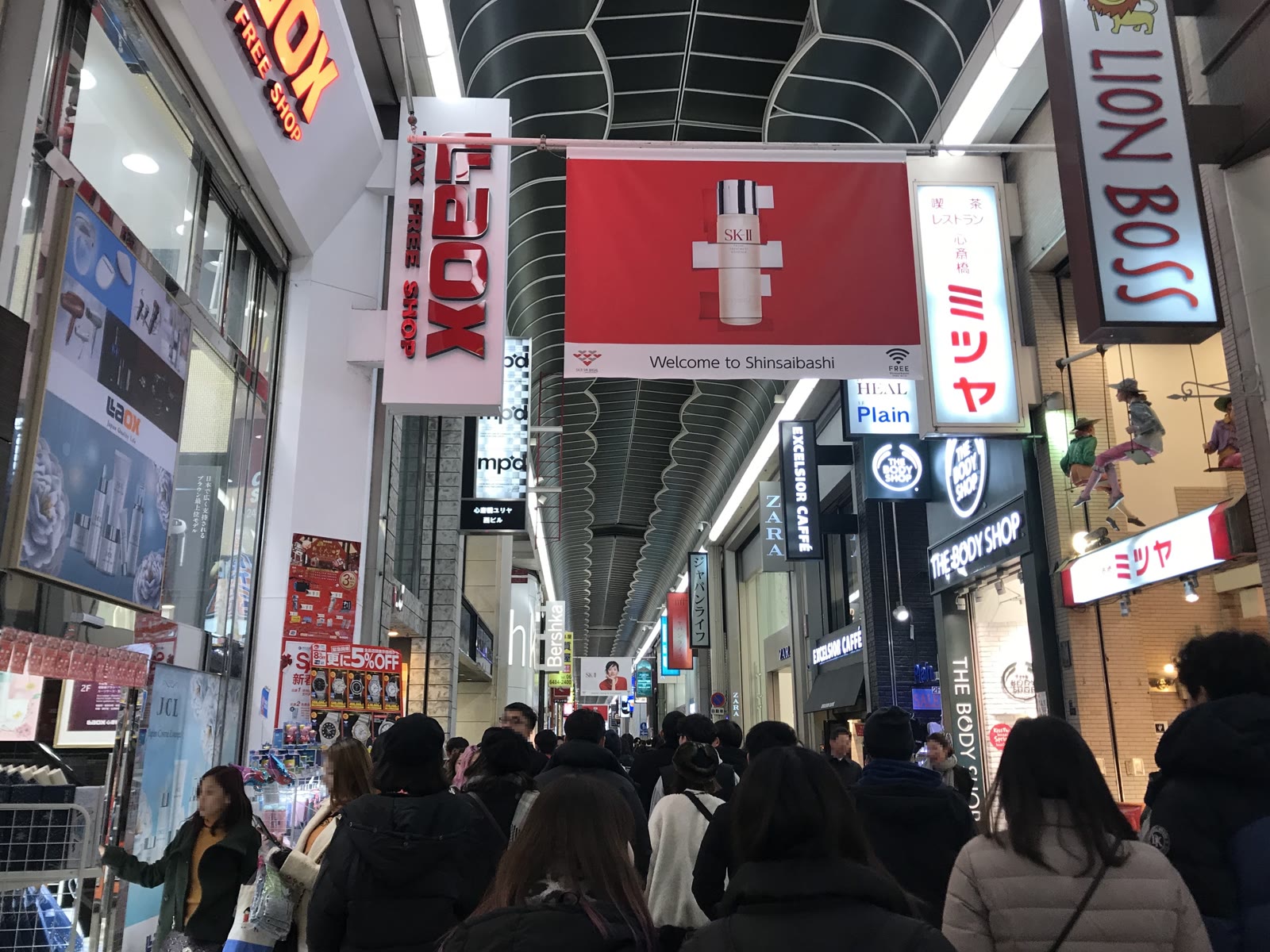
Shinsaibashi-suji
0.5 km · straight line
 Dick Thomas Johnson from Tokyo, Japan / CC BY 2.0
Craft · Osaka★★
Doguyasuji
0.5 km · straight line
On a curated routeOsaka, Morning to Neon →
Distances are straight lines on the map, not travel times.