South Kyoto · YawataNo.1199★★Open in map →
Iwashimizu Hachimangu
— The hilltop guardian shrine south of Kyoto
A shrine on the ridge of Mount Otokoyama in Yawata, at the southern edge of Kyoto Prefecture. Its gates open well before the first cable car runs, so the hour after dawn belongs to whoever walks up the old stone approach.
- FromKyoto Station
- ~45 minKeihan line, then a cable car
- Get off atIwashimizu-Hachimangu Station (Keihan Main Line)
- From there
- Iwashimizu Hachimangu
The sweet spot
This is a major shrine with deep imperial history, not a hidden one. It simply falls outside the usual Kyoto sightseeing loop, in a separate city on the far side of the rivers, so it holds fewer people than the shrines inside the city. Many visitors also ride the cable car both ways and see only the ridge, when half the site is down at the foot.
Where it is
90 more notes in Kyoto · open the map →What to look for — in walking order
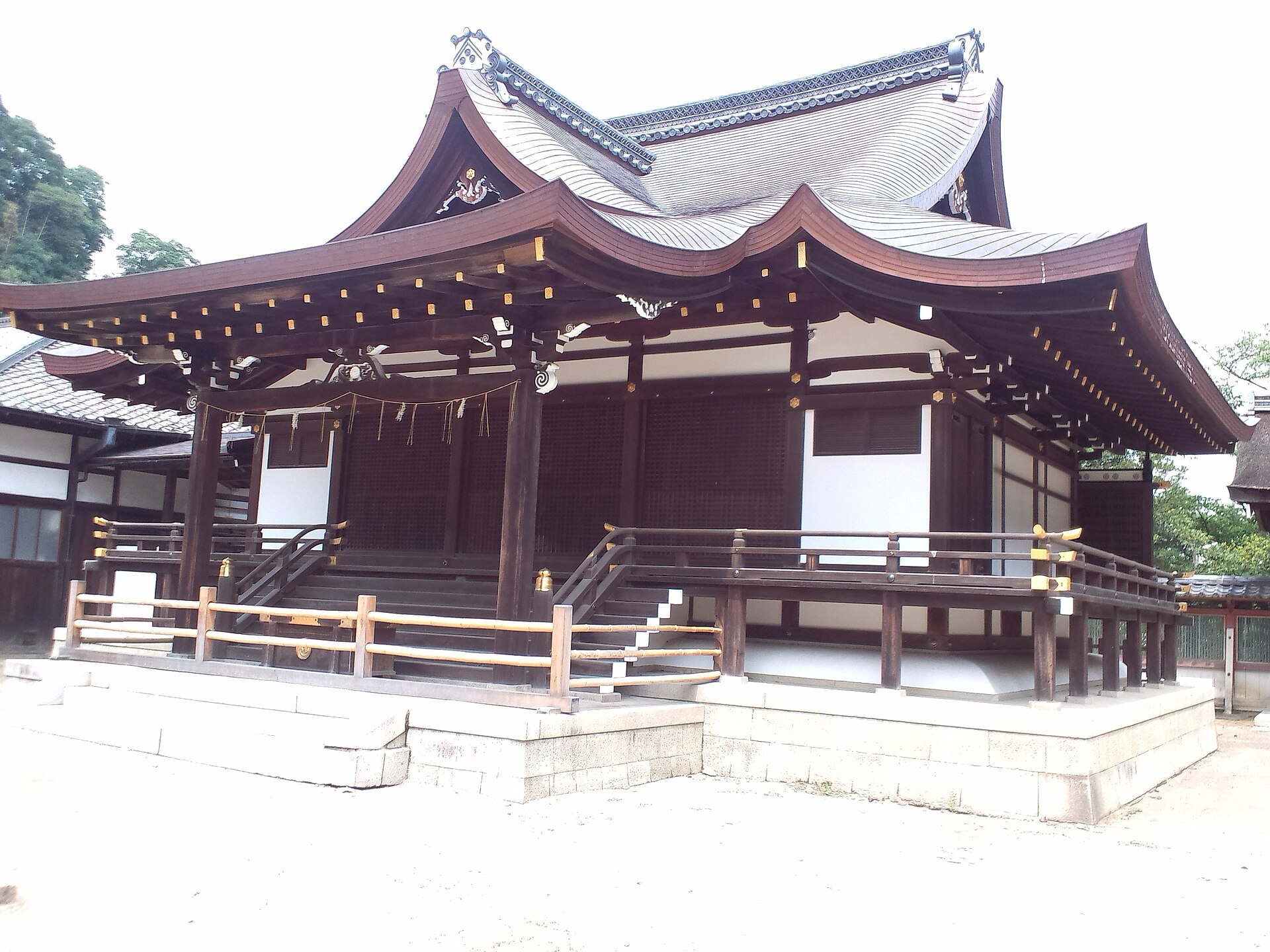
- Ichi-no-Torii and the Tonguthe first gate of the approach, and the lower hall used once a year for the Iwashimizu Festival
- Kora Shrinethe small shrine at the foot that a monk in the classic essay Tsurezuregusa mistook for the main sanctuary
- Minami-somon gatethe gate where the paved approach reaches the ridge and turns to face the main precinct
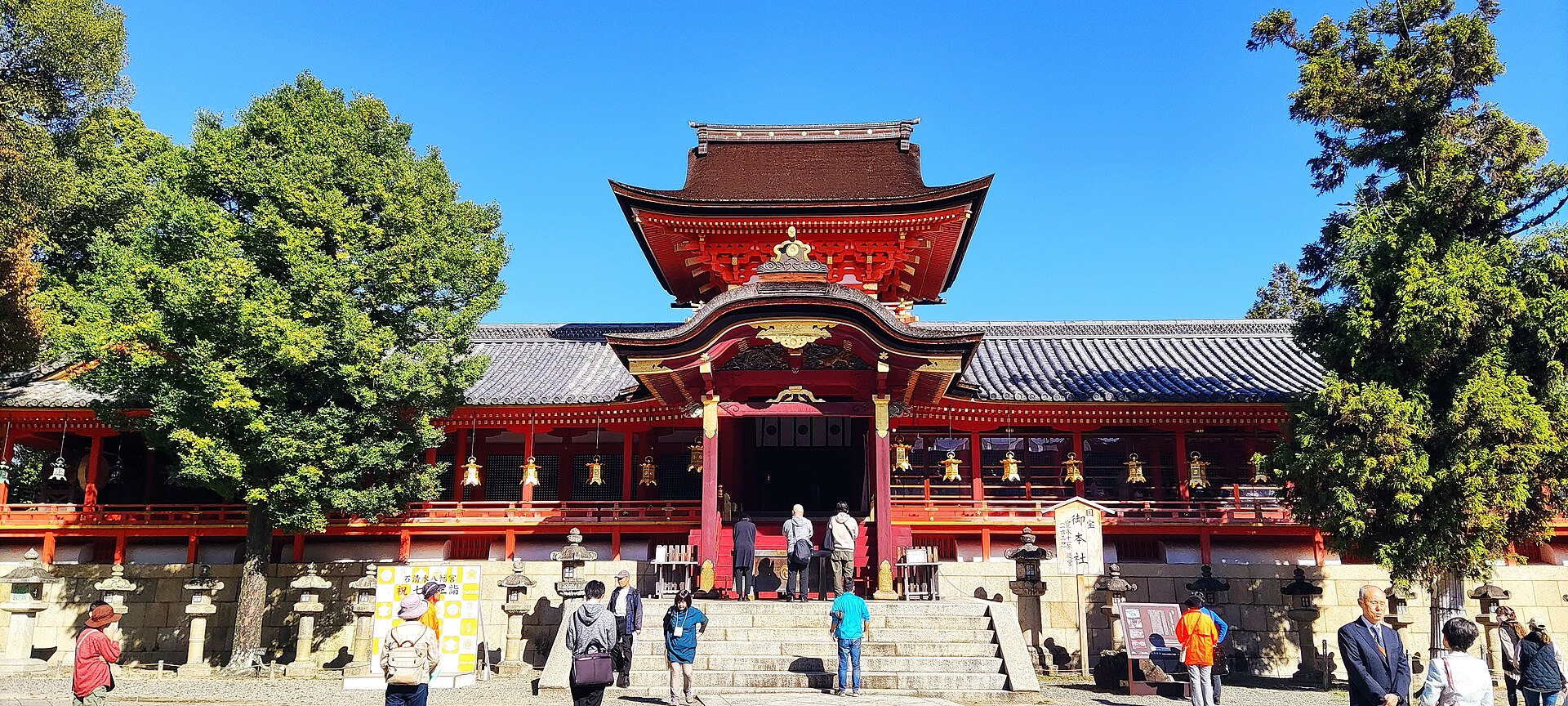
- The romon and the main sanctuarya vermilion tower gate with the hachiman-zukuri hall behind it, the core of the shrine
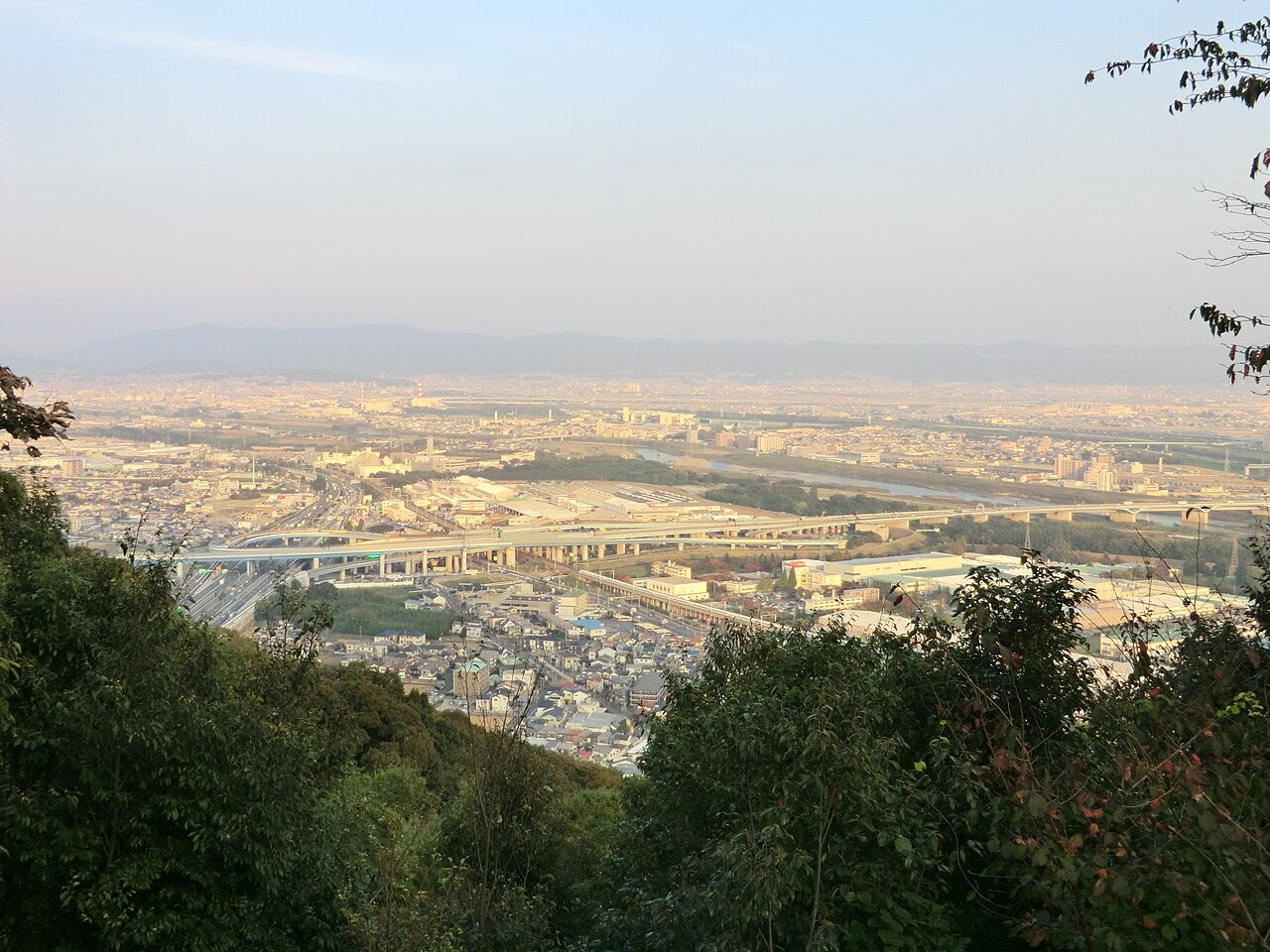
- The lookout on the ridgean open terrace facing Mount Tennozan to the northwest and Mount Hiei to the northeast
How to actually get there
- Kyoto Station → Iwashimizu-Hachimangu Station (change to the Keihan Main Line at Tofukuji from JR, or at Tambabashi from Kintetsu).
- Iwashimizu-Hachimangu Station → the first torii and the lower precinct (straight out of the station forecourt).
- Lower precinct → the ridge (approach cable car to Cable Hachimangu-Sanjo, or the stone path on foot).
- Cable Hachimangu-Sanjo → the main sanctuary (about five minutes on the level).
- Kyoto Station to Yawata by Keihan
- From Kyoto Station, reach the Keihan Main Line either via Tofukuji on the JR Nara Line or via Tambabashi on the Kintetsu line, then ride south to Iwashimizu-Hachimangu Station. From there the ridge is reached by the approach cable car or on foot. Allow a little under an hour door to door including the change. Keihan trains are frequent through the day, so there is no timetable to plan around.
- Back to Kyoto from Iwashimizu-Hachimangu Station
- Come down by cable car or on the stone approach, then take the Keihan Main Line north and change at Tofukuji for JR, or at Tambabashi for the Kintetsu line, to return to Kyoto Station. The cable car stops running in the evening, so if you are still on the ridge as the light goes, plan on walking down.
About the place
Iwashimizu Hachimangu stands on the ridge of Mount Otokoyama, in the city of Yawata at the southern edge of Kyoto Prefecture. The hill rises beside the point where the Kizu, Uji and Katsura rivers merge into the Yodo, and it faces Mount Tennozan across the water. That crossing once controlled the road between Kyoto and Osaka. Ten buildings of the main shrine are designated National Treasures, and the precinct as a whole is a National Historic Site. The grounds come in two halves — a lower precinct at the foot of the hill, and the main sanctuary on the ridge above — linked by a short cable car and by a paved approach.
How to enjoy it
The gates open at six in the morning and close at six in the evening, while the approach cable car starts later than that, so an early visit means walking up the stone path and riding down afterwards — which covers both the lower precinct and the ridge in one trip. Come after nine and everything is running, the amulet office included, and you can go round in either direction. The hill is known for cherry blossom in spring and for colour in autumn.
Background & history
The shrine was founded in 859, when the monk Gyokyo brought the deity Hachiman here from Usa in Kyushu after receiving an oracle there. Standing southwest of the capital, it was treated as the guardian of the city's unlucky quarter and, alongside Ise, as one of the two imperial ancestral shrines. The halls standing today were rebuilt in 1634 by Tokugawa Iemitsu, the third shogun, and they are the oldest and largest surviving example of the hachiman-zukuri form. The listing came in 2016.
Before you go
- Cash
- The approach cable car is a separate paid ride operated by Keihan, and its fare is listed on Keihan's own timetable page. IC cards such as ICOCA and Suica work on the Keihan trains. The shrine's car park is charged with a daily maximum, posted on the shrine's access page.
- Good to know
- The ridge is open to the wind, and the stone approach has uneven steps in places. The cable car is taken out of service for maintenance on announced days, and the shrine posts those notices on its news page — worth checking if the climb is not an option for you. Gate hours shift over the New Year period.
- Another way
- From the Osaka side, the Keihan Main Line runs north from Yodoyabashi or Kyobashi straight through to Iwashimizu-Hachimangu Station, with no change needed.
- After you get off
- Leave Iwashimizu-Hachimangu Station and the shrine's first torii stands directly ahead across the forecourt. The cable car's lower station is beside it, and the walking approach passes under the torii and climbs through the lower precinct.
Nearby notes
 663highland / CC BY-SA 4.0
History · Osaka★
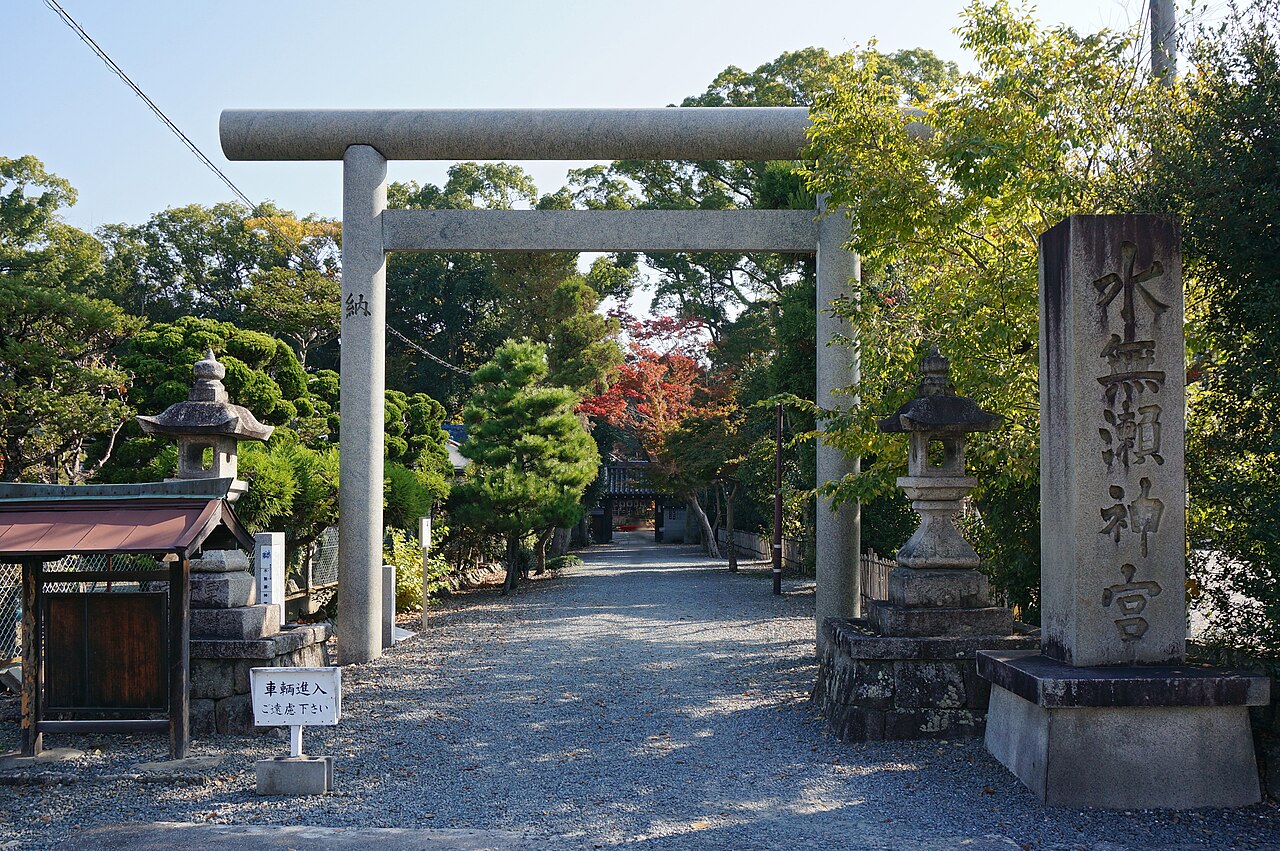
Minase Jingu
2.5 km · straight line
 Motokoka / CC BY-SA 4.0
History · Osaka★
Mt. Tennozan
2.8 km · straight line
 663highland / CC BY 2.5
Craft · Kyoto★
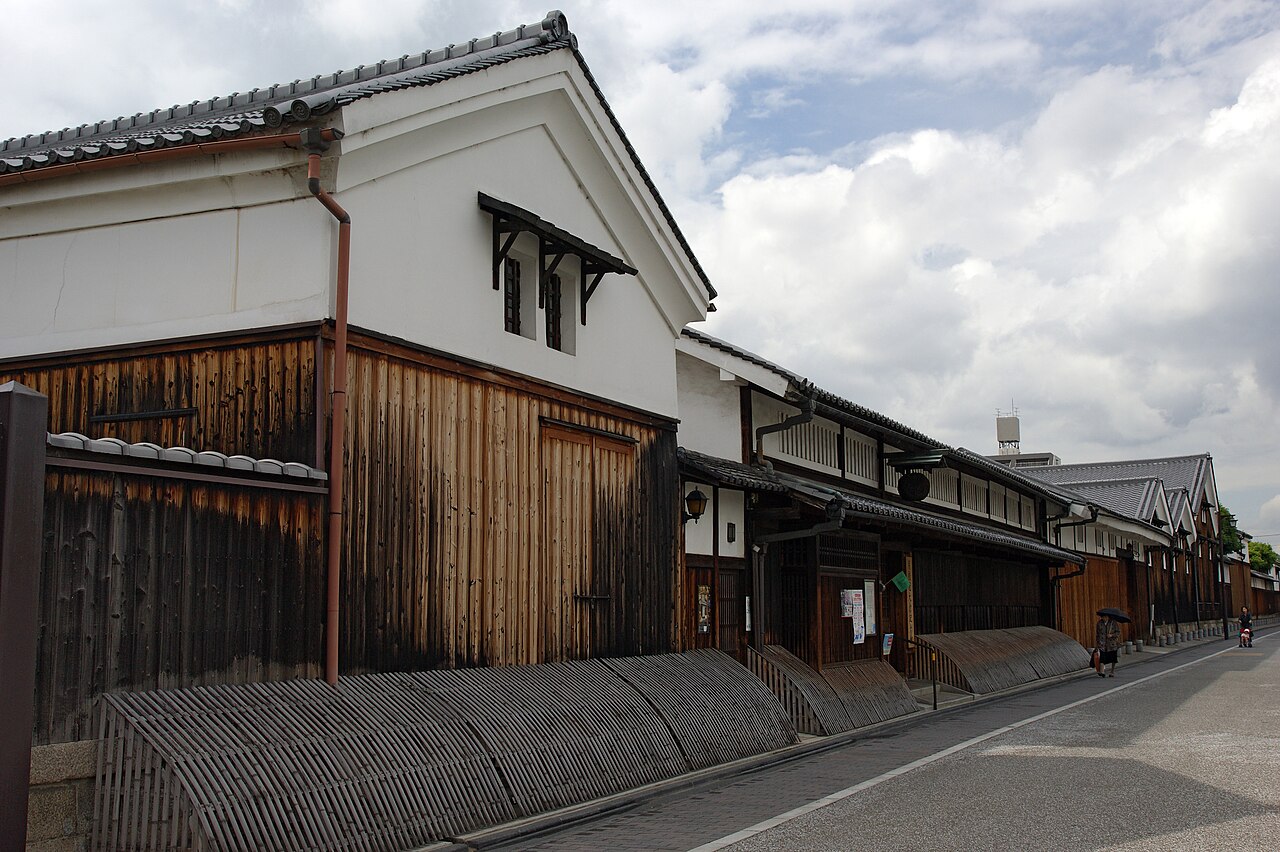
Fushimi's sake quarter
7.9 km · straight line
 bethom33 / CC BY-SA 2.0
Food · Kyoto★
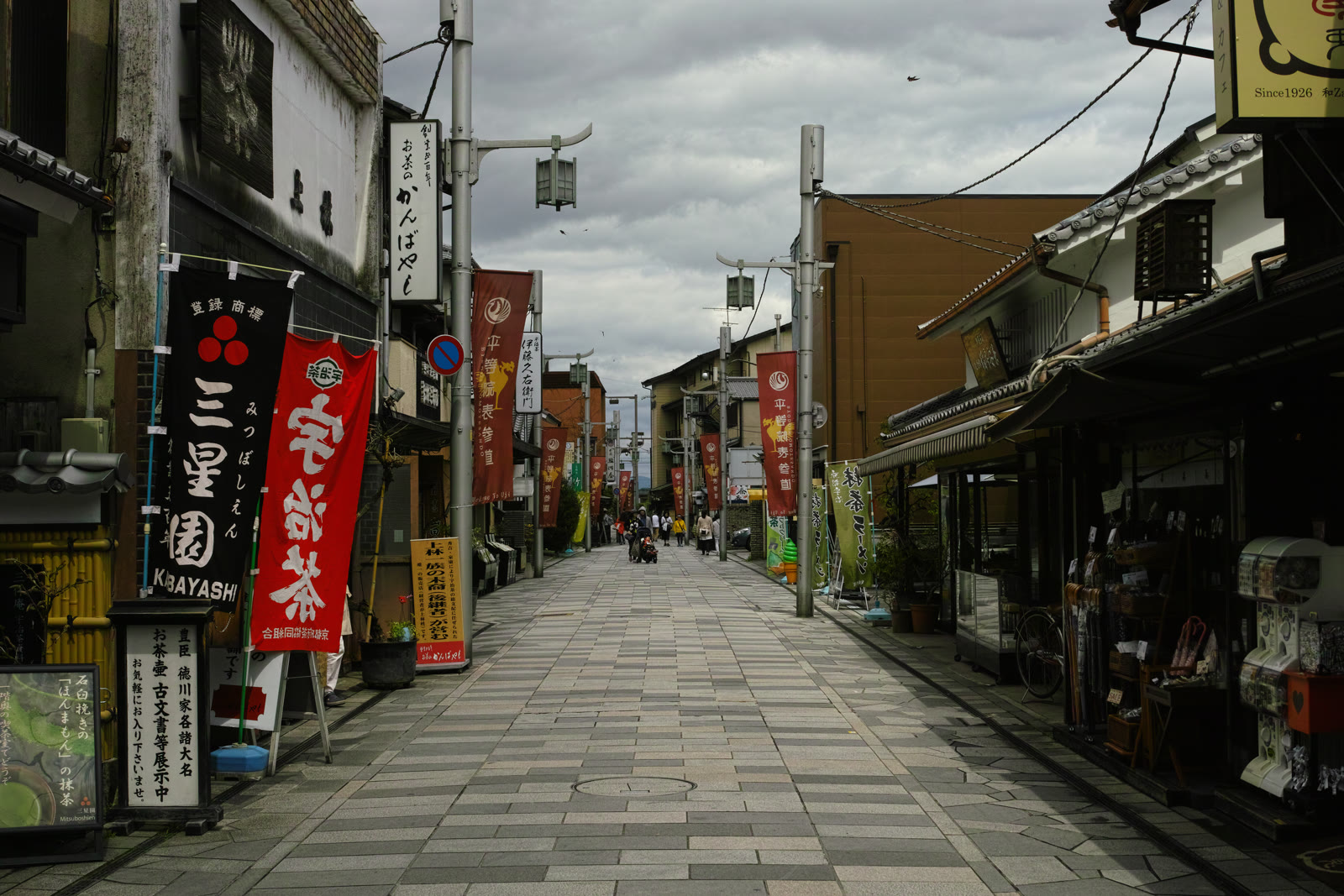
Uji's matcha street
9.8 km · straight line
Distances are straight lines on the map, not travel times.