Osaka north · ShimamotoNo.031★Open in map →
Minase Jingu
— shrine on a retired emperor's palace site
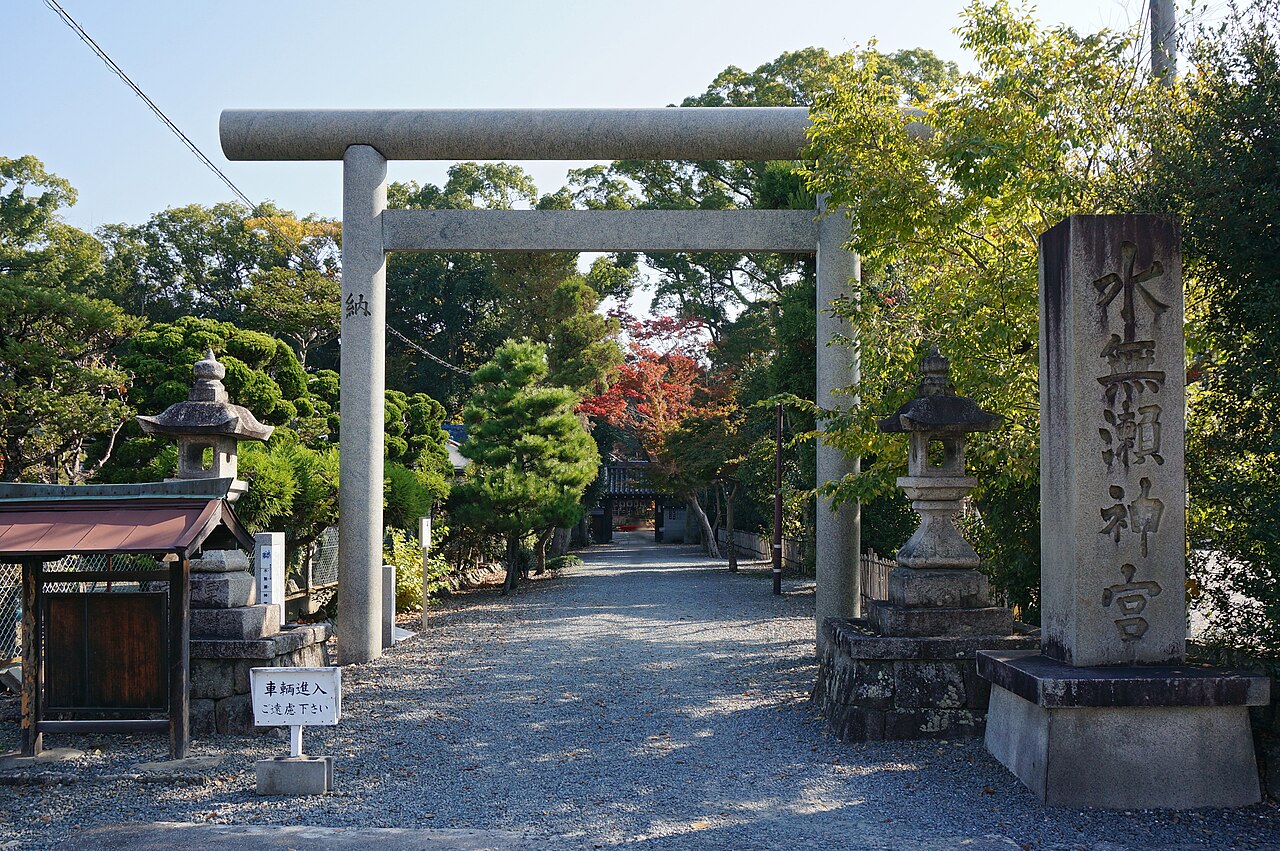
A quiet shrine in Shimamoto, north Osaka, built on the site of Emperor Go-Toba's medieval detached palace. Its spring, Rikyu-no-Mizu, is the only water in Osaka Prefecture named to Japan's 100 Famous Waters.
- FromOsaka-umeda (Hankyu)
- ~40 mintrain + 10-min walk
- Get off atMinase Stn (Hankyu Kyoto Line)
- On foot
- Minase Jingu
The sweet spot
It sits between two bigger draws, Kyoto to the north and the Yamazaki whisky distillery next door, so tour groups pass it by. There is little English information, and the idea of 'a shrine where you draw water' does not map onto a tourist checklist, so mostly locals and water enthusiasts come.
Where it is
40 more notes in Osaka · open the map →What to look for — in walking order
- Go-Toba's palace sitethe shrine stands where the retired emperor's Minase-dono villa once overlooked the river
- Rikyu-no-Mizu springOsaka's only entry on Japan's 100 Famous Waters, drawn from the Minase River's underground flow; open for drawing 6:00–17:00, up to 20 litres per person
- Toshin-tei teahousea teahouse on the grounds designated a national Important Cultural Property (advance booking required)
- Imperial treasuresthe shrine keeps a National Treasure portrait of Emperor Go-Toba and examples of his handwriting (not usually on public display)
How to actually get there
- Osaka-umeda Station → Minase Station (Hankyu Kyoto Line, Semi-Express, ~30 min).
- Minase Station → Minase Jingu (walk, ~10 min, flat streets).
- Alternative: JR Shimamoto Station → shrine (walk, ~10 min) on the JR Kyoto Line.
- Hankyu Kyoto Line to Minase, then walk
- Osaka-umeda Station →(Hankyu Kyoto Line, Semi-Express, ~30 min)→ Minase Station →(walk, ~10 min)→ Minase Jingu. Total ~40 min. Note: only Local and Semi-Express trains stop at Minase — the faster Limited Express does not. Daytime trains run often, about every 10 min.
- Return the same way; go earlier for the spring
- Return the same route from Minase Station to Osaka-umeda; daytime trains run about every 10 minutes, so no fixed last-train worry in the daytime. The shrine grounds and the water-drawing spring keep daytime hours (spring 6:00-17:00), so come in the morning if you want the quiet.
About the place
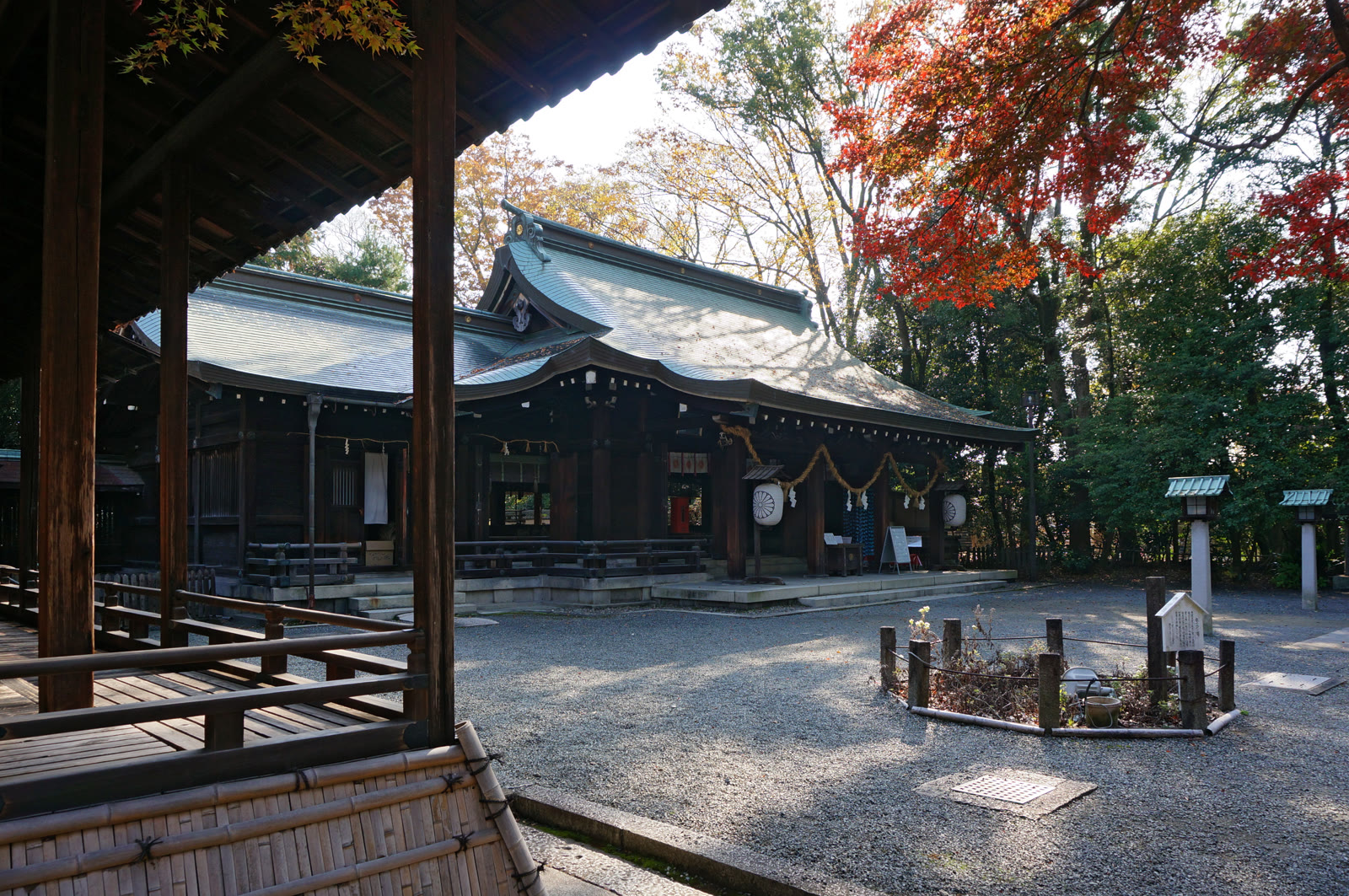
Minase Jingu is a Shinto shrine about a ten-minute walk from Hankyu Minase Station, on the ground where the retired Emperor Go-Toba once kept a riverside villa called the Minase-dono. The shrine was founded in 1240 to enshrine Go-Toba after he died in exile, and it later came to venerate two other exiled emperors, Tsuchimikado and Juntoku. Within the grounds, a spring called Rikyu-no-Mizu flows from the underground water of the Minase River. The Ministry of the Environment named this spring to its list of 100 Famous Waters — it remains the only such spring in Osaka Prefecture. The same soft water is linked to the tea and whisky country around nearby Yamazaki.
How to enjoy it
The grounds are free to enter and open in daytime — a short, calm stop near the Kyoto–Osaka border. The spring is open for drawing water from 6:00 to 17:00, up to 20 litres per person, so bring your own container if you want to take some home. Japan's three main Sen tea schools make yearly tea offerings here using this water.
Background & history
The site began as a detached palace of Emperor Go-Toba (reigned 1183–1198). He was banished to the island of Oki after losing the Jokyu uprising of 1221, his failed revolt against the Kamakura shogunate. A shrine was raised on the palace ruins in 1240; in the Meiji era the spirits of Emperors Tsuchimikado and Juntoku were added. Long ranked as an imperial shrine, it was elevated in 1940 and has since carried the higher title 'jingu.' The spring water was prized in the tea ceremony and is associated with Sen no Rikyu, the 16th-century master who shaped the Japanese way of tea.
Before you go
- Cash
- Entry to the grounds is free. Carry some cash and coins — small local shops near the station may not take cards.
- Good to know
- This is a working shrine and a shared spring. Draw water only within the posted limit (up to 20 liters per person, 6:00-17:00) and follow the signs.
- Another way
- You can also walk in from JR Shimamoto Station (~10 min) or JR Yamazaki Station (~15 min) on the JR Kyoto Line.
- After you get off
- From Minase Station, walk toward the Minase River; the shrine is about 10 minutes on flat streets and is signposted.
Nearby notes
 Motokoka / CC BY-SA 4.0
History · Osaka★
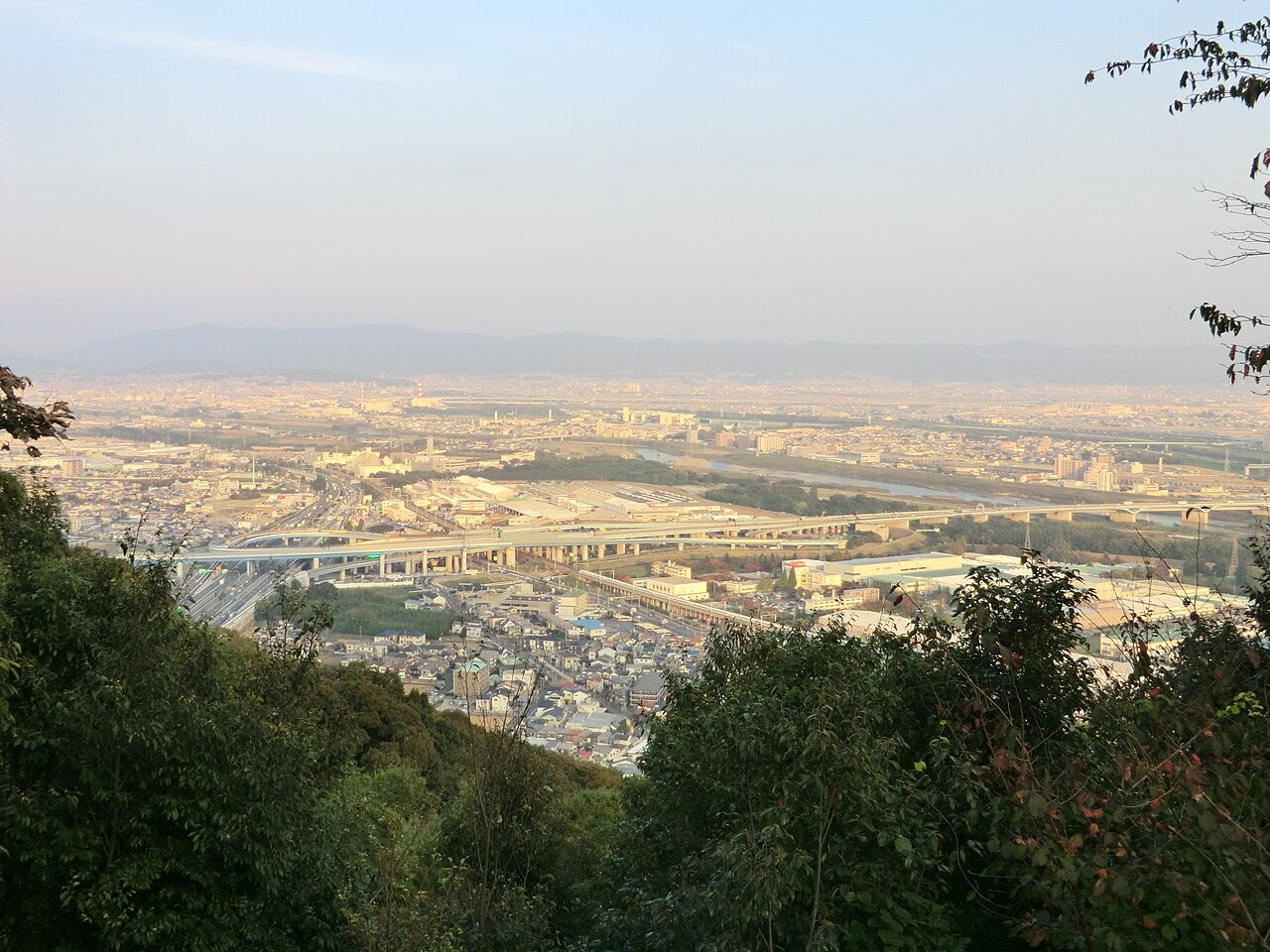
Mt. Tennozan
1.9 km · straight line
 C2revenge / CC0
History · Kyoto★★
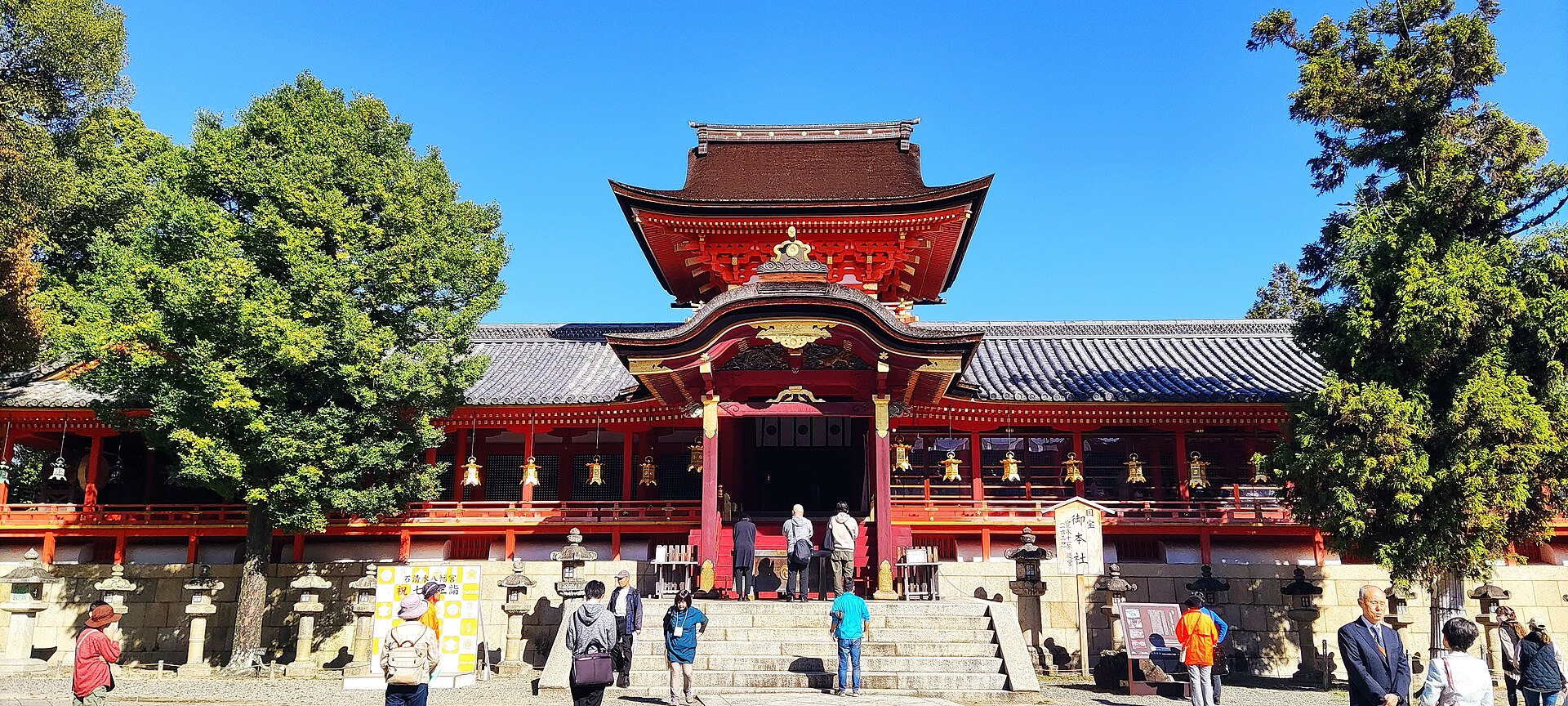
Iwashimizu Hachimangu
2.5 km · straight line
 663highland / CC BY 2.5
Nature · Osaka★
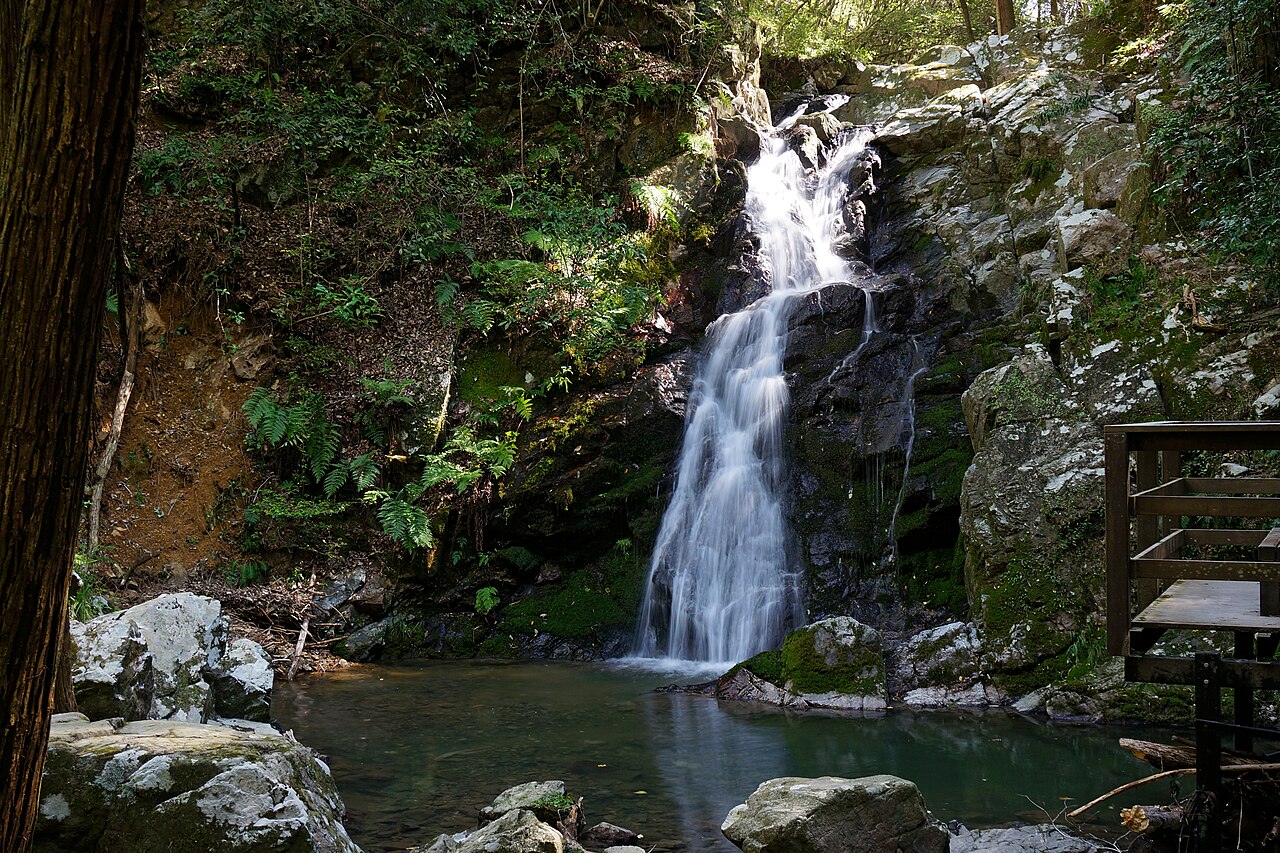
Settsu Gorge & Shirataki Falls
7.9 km · straight line
 663highland / CC BY 2.5
Craft · Kyoto★
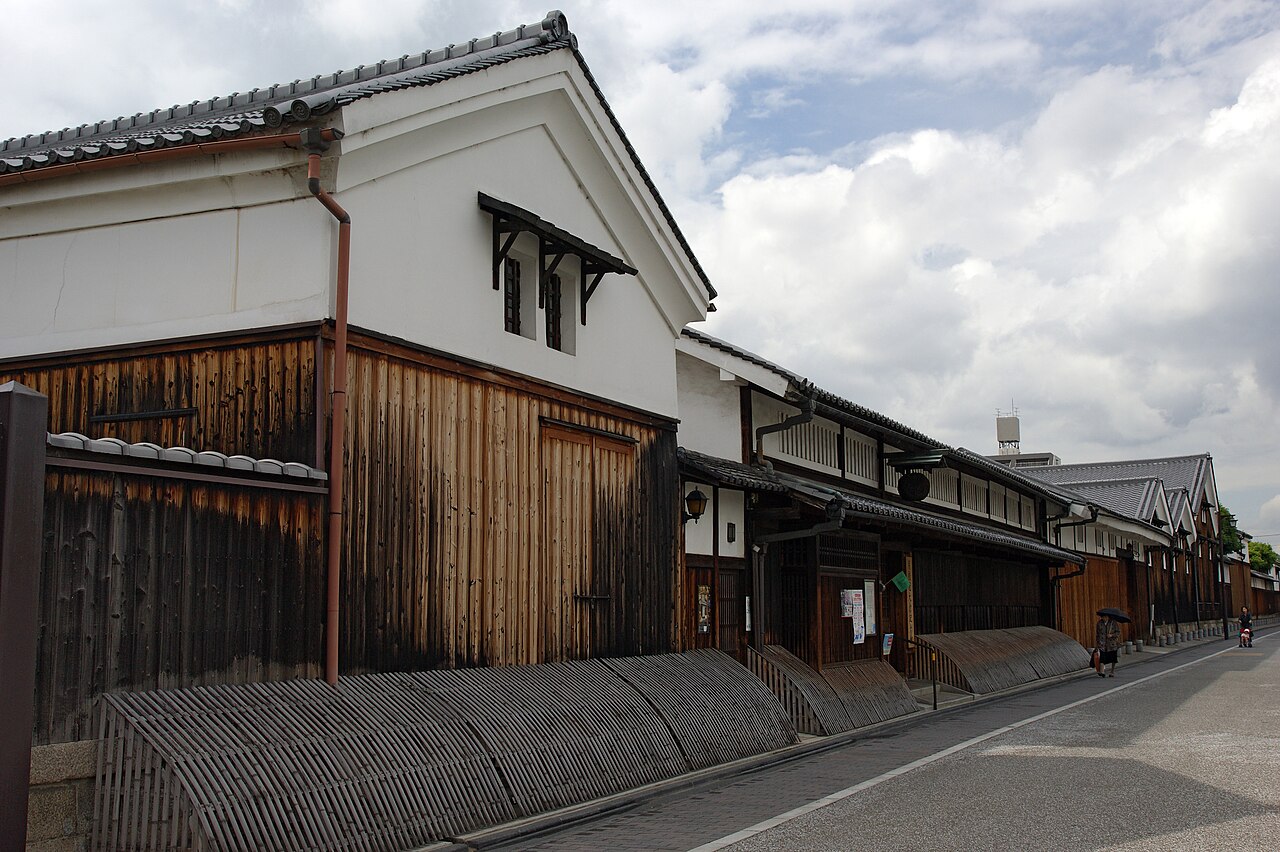
Fushimi's sake quarter
9.5 km · straight line
Distances are straight lines on the map, not travel times.