Kyoto by the sea · Miyazu highlandsNo.025★Open in map →
Kami-Seya
— thatched village and rice terraces above Amanohashidate
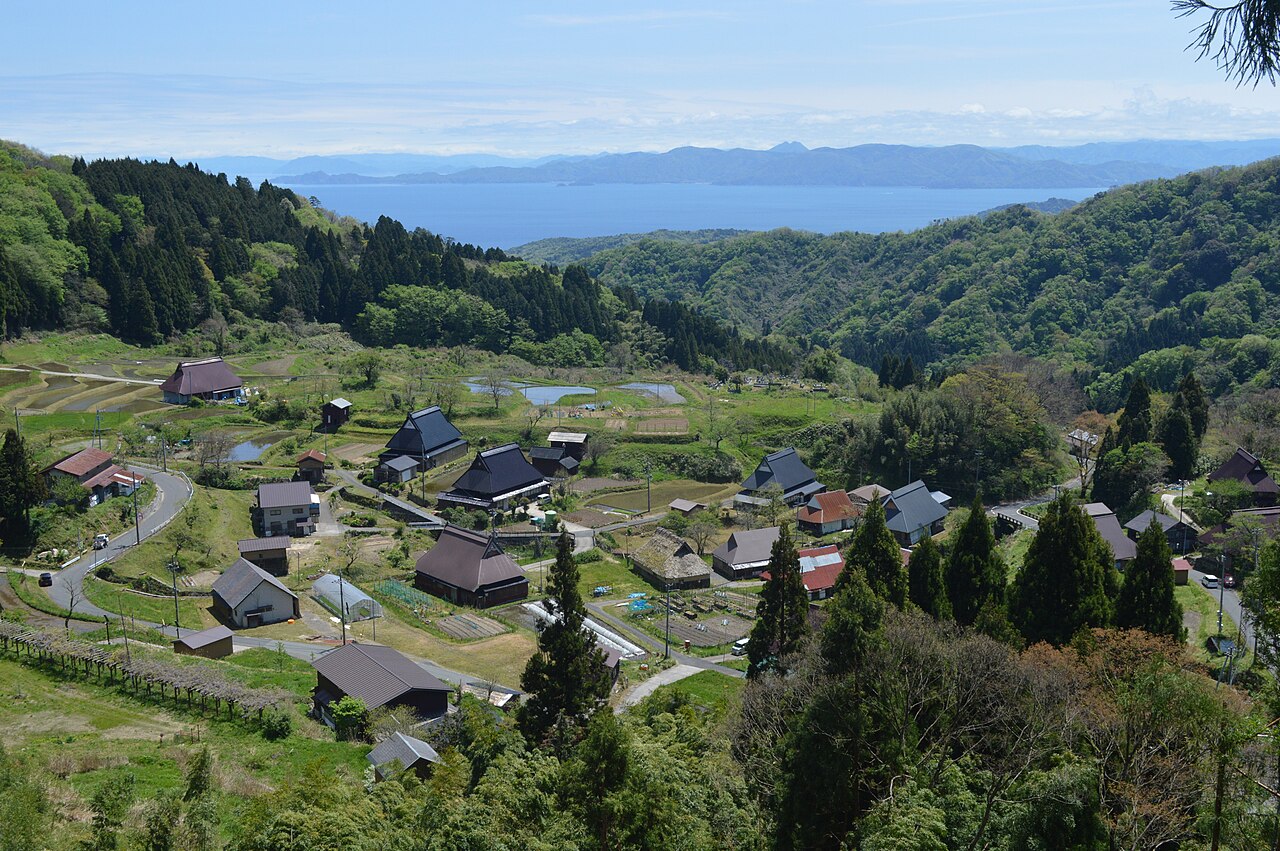
A working farm hamlet in the highlands of northern Miyazu, Kyoto, where thatched houses stand among terraced rice paddies — tucked into the hills inland from the famous pine-covered sandbar.
- FromKyoto Stn (then Amanohashidate)
- ~3 hr from Kyoto (train + ~40 min drive)car (no through bus)
- Get off atKami-Seya village
- On foot
- Kami-Seya
The sweet spot
There is no train station and the old fixed-route bus was withdrawn, so getting up here needs a car or taxi. Day-trippers stay down by the bay at Amanohashidate, and there is little English information about the village, so it stays quiet.
Where it is
90 more notes in Kyoto · open the map →What to look for — in walking order
- Sasabuki thatched housesfarmhouses roofed with dwarf bamboo grass, a rare style in Japan
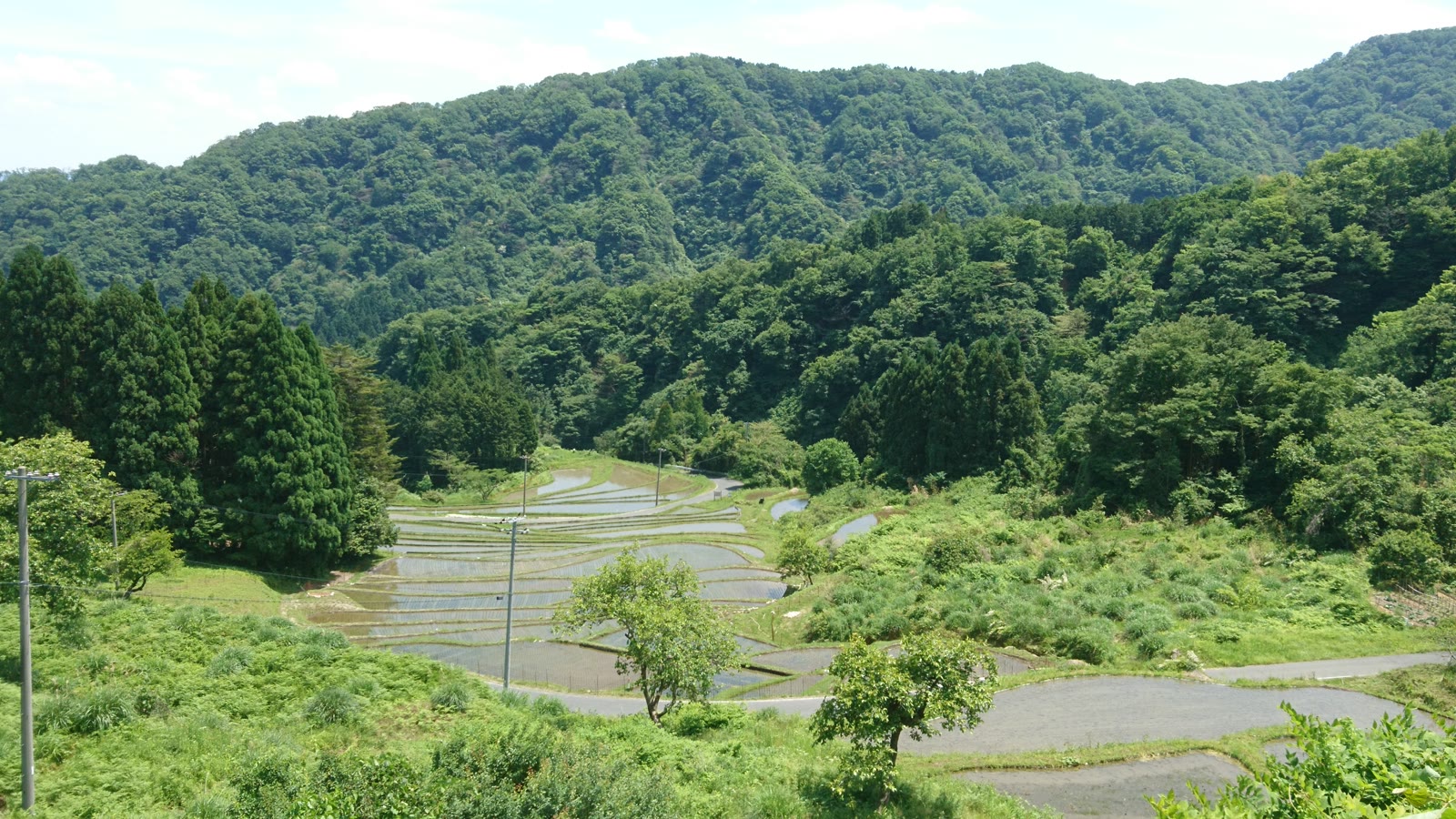
- The rice terracesabout 207 stepped paddies over roughly 18 hectares, climbing the slopes
- Traditional farming methodskonawa water channels that warm irrigation water before it enters the paddies, and old-style rack-drying of cut rice
- Highland satoyama settingfarmed hills and village landscape in the mountains inland from the coast
How to actually get there
- Kyoto Station → Amanohashidate Station (Hashidate limited express, ~2 hr)
- Amanohashidate area → downtown Miyazu (short local hop, ~10 min)
- Downtown Miyazu → Kami-Seya village (car or taxi up the mountain road, ~40 min)
- Car or taxi (no through bus)
- Kami-Seya has no train station. The old fixed-route bus to the village was withdrawn in 2021, so the realistic way up is by car or taxi. By car it is about a 40-minute drive up the mountain road from downtown Miyazu. The mountain road is narrow and slow, so allow extra time.
- Leave before dark
- Drive back down while it is still light: the ridge road is narrow and has no street lights. If you came by taxi, arrange your return pickup in advance, because you cannot flag one down in the village.
About the place
Kami-Seya is a still-farmed village in the Seya highlands of northern Miyazu, on the Sea of Japan side of Kyoto. Its terraced paddies climb the hillsides in roughly 207 stepped plots across about 18 hectares, tended by longtime farming families and newcomers who have moved in to keep the fields worked. The houses keep the old sasabuki style of thatch — dwarf bamboo grass instead of the usual reed — rare enough that the whole landscape is registered as a scenic asset by Kyoto Prefecture. This is deep-snow country, where winter can pile up more than two metres. A lived-in rural landscape, not a preserved open-air museum.
How to enjoy it
Come in early summer, when the flooded terraces mirror the sky, or in autumn when the rice turns gold and hangs on wooden drying racks. Getting here really needs a car — about 40 minutes up from downtown Miyazu. Explore slowly: people still live and farm here.
Background & history
In March 2009, Kyoto Prefecture registered the village's setting as a scenic asset under a name that translates as "the satoyama landscape of Kami-Seya, woven from rice terraces and sasabuki thatched houses." The same year, Kami-Seya was named to the Nihon no Sato 100 Selection — a list of 100 rural villages chosen from more than 4,400 nominations. In February 2022, the Kami-Seya and Matsuo terraces were added to the Ministry of Agriculture's "Tsunagu Tanada" heritage list of terraced-paddy landscapes worth passing on. Conservation has been led by the local nonprofit Satoyama Network Seya.
Before you go
- Cash
- There are no shops in the village, so bring your own water and snacks, and carry cash — nothing here takes cards.
- Good to know
- This is a living farm village. Stay on the lanes, and do not step onto the paddies or into the yards of the houses.
- Another way
- There is no regular tourist bus. A local demand-response transport service covers the Seya area, but it needs advance booking and is really meant for residents, so do not rely on it as a visitor.
- After you get off
- From where you park by the village lane, the terraces are a short, mostly level walk along the ridge.
Nearby notes
 663highland / CC BY 2.5
Nature · Kyoto★★★
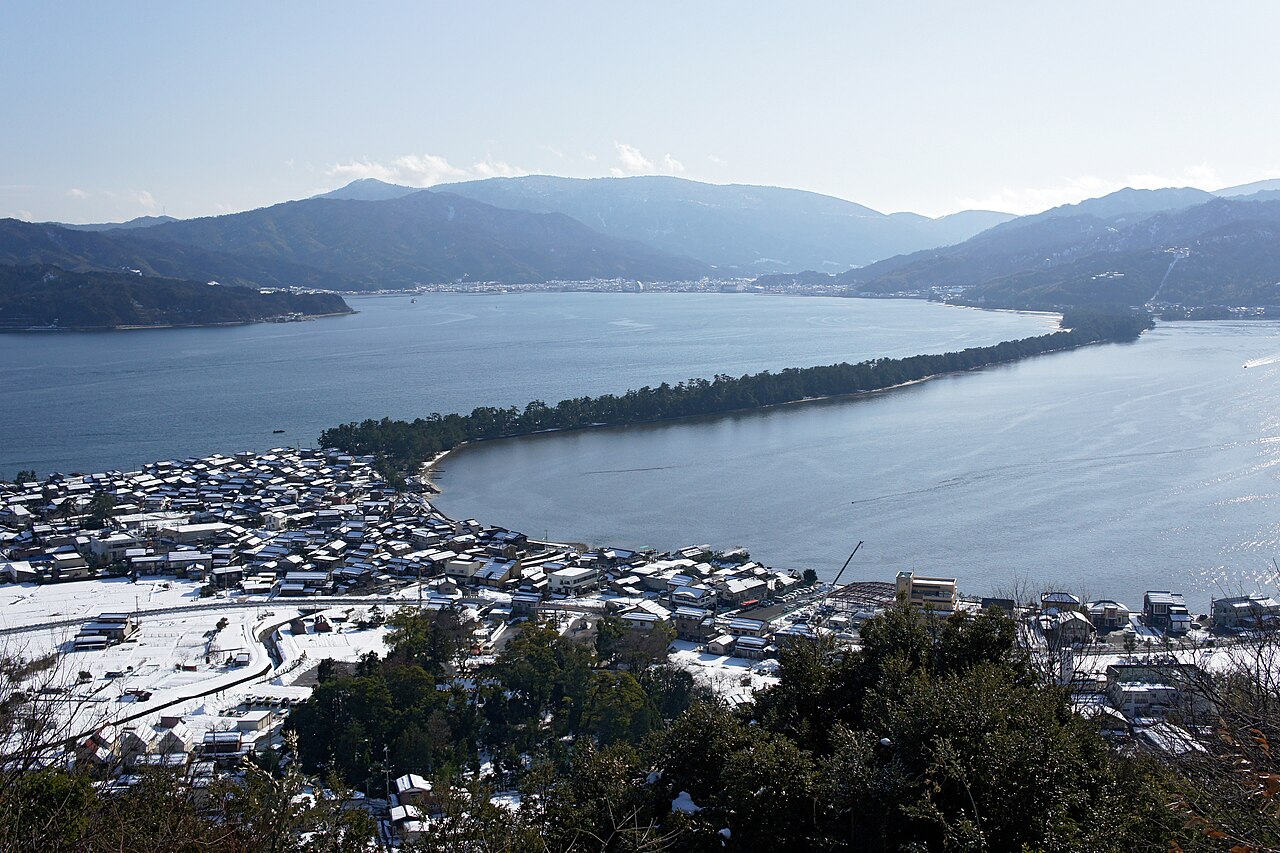
Amanohashidate
7.6 km · straight line
 Naokijp / CC BY-SA 4.0
Local life · Kyoto★★
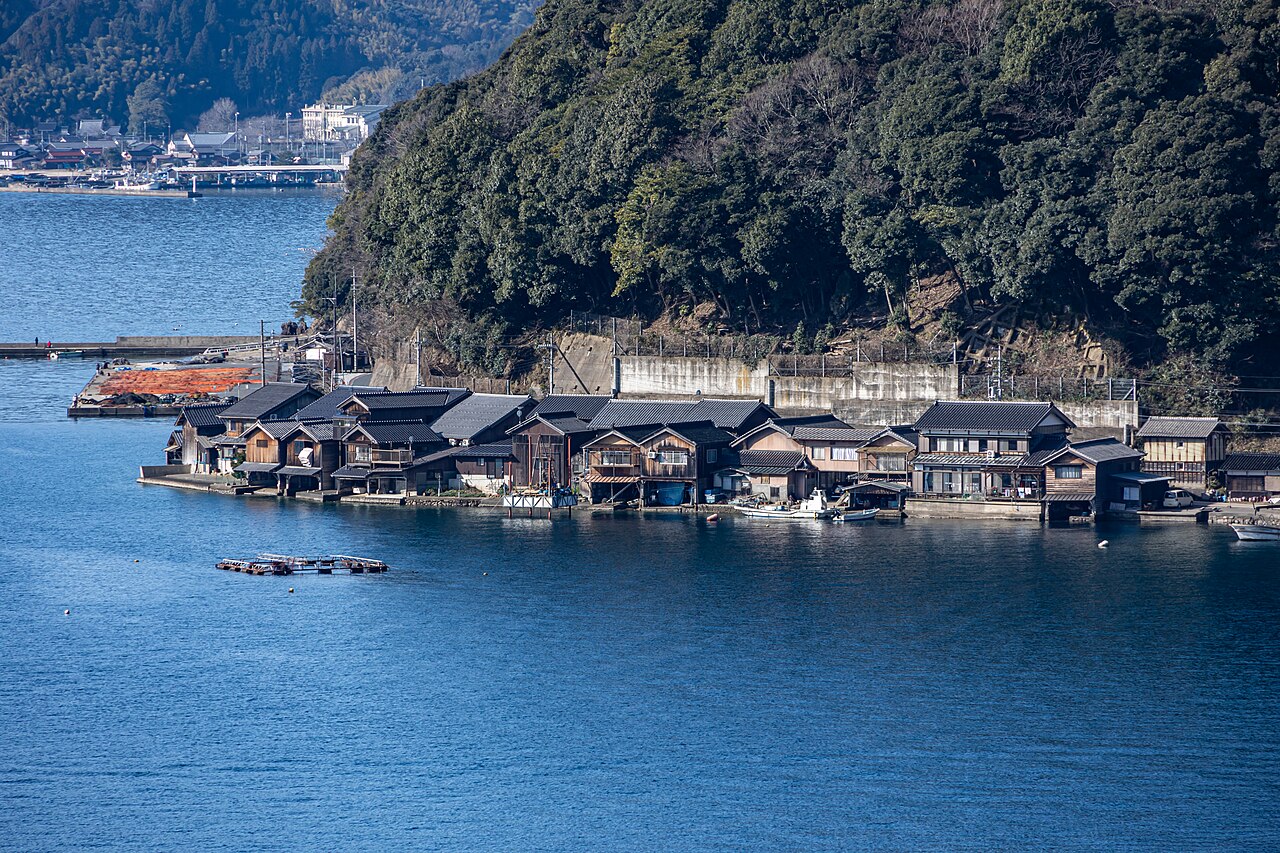
Ine no Funaya
10.2 km · straight line
 At by At / CC BY-SA 3.0
Craft · Kyoto★
Chirimen Kaido
17.1 km · straight line
Distances are straight lines on the map, not travel times.