Kyoto north · MiyazuNo.268★★★Open in map →
Amanohashidate
— the pine sandbar across Miyazu Bay
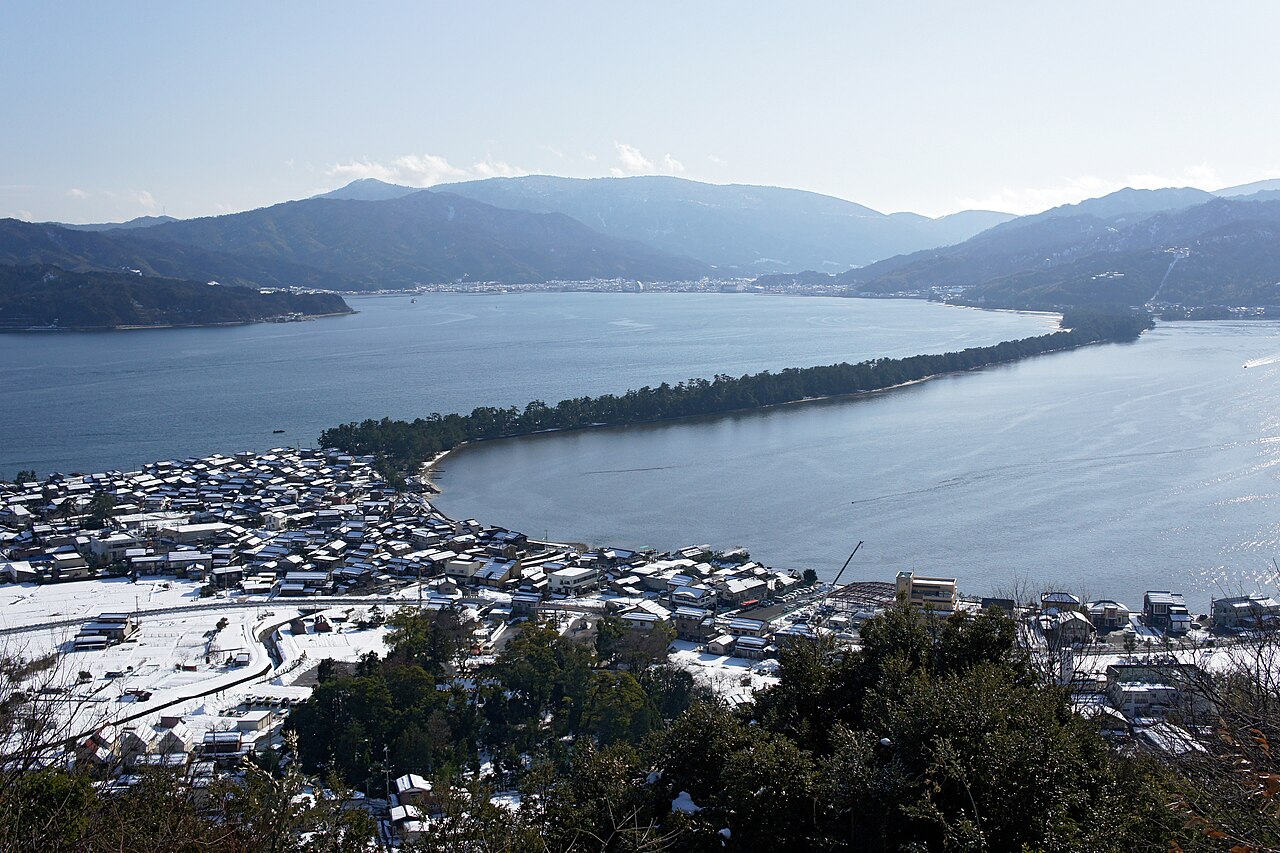
A natural sandbar about 3.6 km long, covered in pine trees, reaching across Miyazu Bay on the northern coast of Kyoto Prefecture. It is counted as one of Japan's Three Scenic Views, and unlike most famous viewpoints you can walk or cycle the whole length of it.
- FromKyoto Stn
- ~2 h 10 minlimited express (direct)
- Get off atAmanohashidate Station (Kyoto Tango Railway)
- From there
- Amanohashidate
Where it is
90 more notes in Kyoto · open the map →What to look for — in walking order
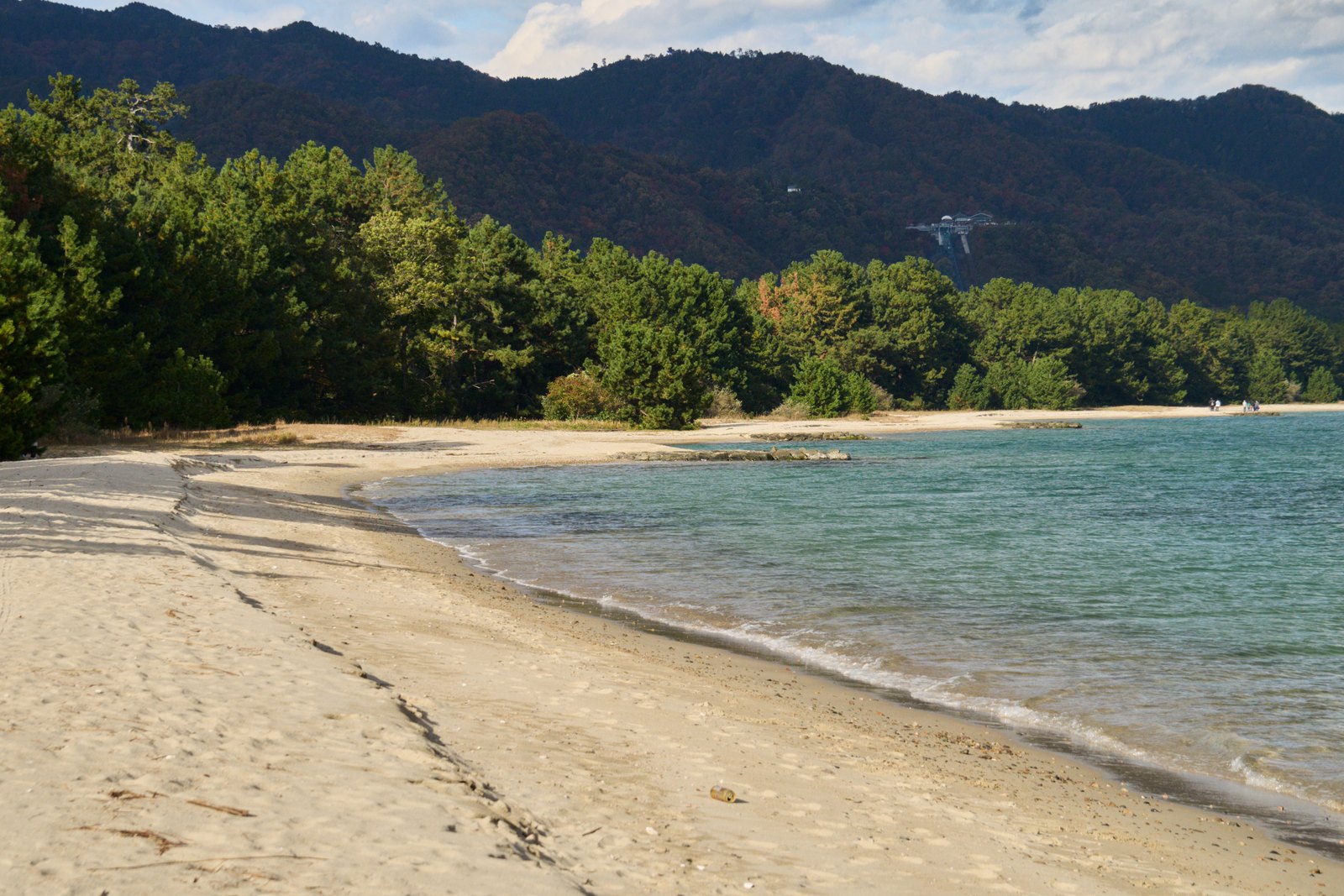
- The sandbar walka flat path under pines running the full 3.6 km, roughly 50 minutes on foot or about 20 minutes by rental bicycle, with sea on both sides
- Kasamatsu Park (north terrace)reached by cable car or chairlift from the northern end; the classic matanozoki upside-down view of the sandbar as a bridge in the sky
- Amanohashidate View Land (south terrace)a hilltop viewpoint above the station side, reached by chairlift or monorail, giving the sandbar its dragon-in-flight profile
- Chion-ji and the swing bridgethe temple at the southern approach, beside Kaisenkyo — a bridge that rotates on its axis to let boats through
How to actually get there
- Kyoto Stn → Amanohashidate Stn (limited express Hashidate, direct, ~2 h 10 min).
- Station → Chion-ji → swing bridge → southern end of the sandbar (walk, ~5 min).
- Cross the sandbar on foot (~50 min) or by rental bicycle (~20 min), then take the cable car or chairlift up to Kasamatsu Park at the northern end.
- Return across the bay by sightseeing boat (~12 min) to the southern side.
- Kyoto Stn → Amanohashidate Stn (direct limited express Hashidate)
- From Kyoto Station take the limited express Hashidate, which runs through from the JR line onto the Kyoto Tango Railway and reaches Amanohashidate Station directly in about 2 hours 10 minutes. Services are limited to a handful per day, so check the timetable before setting out. The southern end of the sandbar is about a 5-minute walk from the station.
- Amanohashidate Stn → Kyoto Stn
- The same limited express returns to Kyoto. Because departures are infrequent, fix your return train before you start walking the sandbar. If you miss it, local trains via Fukuchiyama with a transfer will get you back, but the journey is considerably longer.
About the place
Amanohashidate sits on the Sea of Japan coast of Kyoto Prefecture, a side of Kyoto that the vast majority of visitors never reach. The sandbar runs about 3.6 km across the mouth of Miyazu Bay, wide enough in places for a path and narrow enough elsewhere that you can see water on both sides at once. It is ranked with Matsushima in Miyagi and Miyajima in Hiroshima as one of the Three Scenic Views of Japan, a grouping that has shaped Japanese landscape taste for centuries. The classic way to see it is from a hillside terrace at either end, and the classic pose is matanozoki — bending forward and viewing the sandbar upside down between your legs, so that the strip of pines appears to hang in the sky like a bridge to heaven, which is what the name Amanohashidate means. The northern terrace at Kasamatsu Park frames what is called the soaring dragon view; the southern terrace at View Land frames the flying dragon view. Between the two viewpoints is the sandbar itself, which most day-trippers skip and which is the better half of the visit.
How to enjoy it
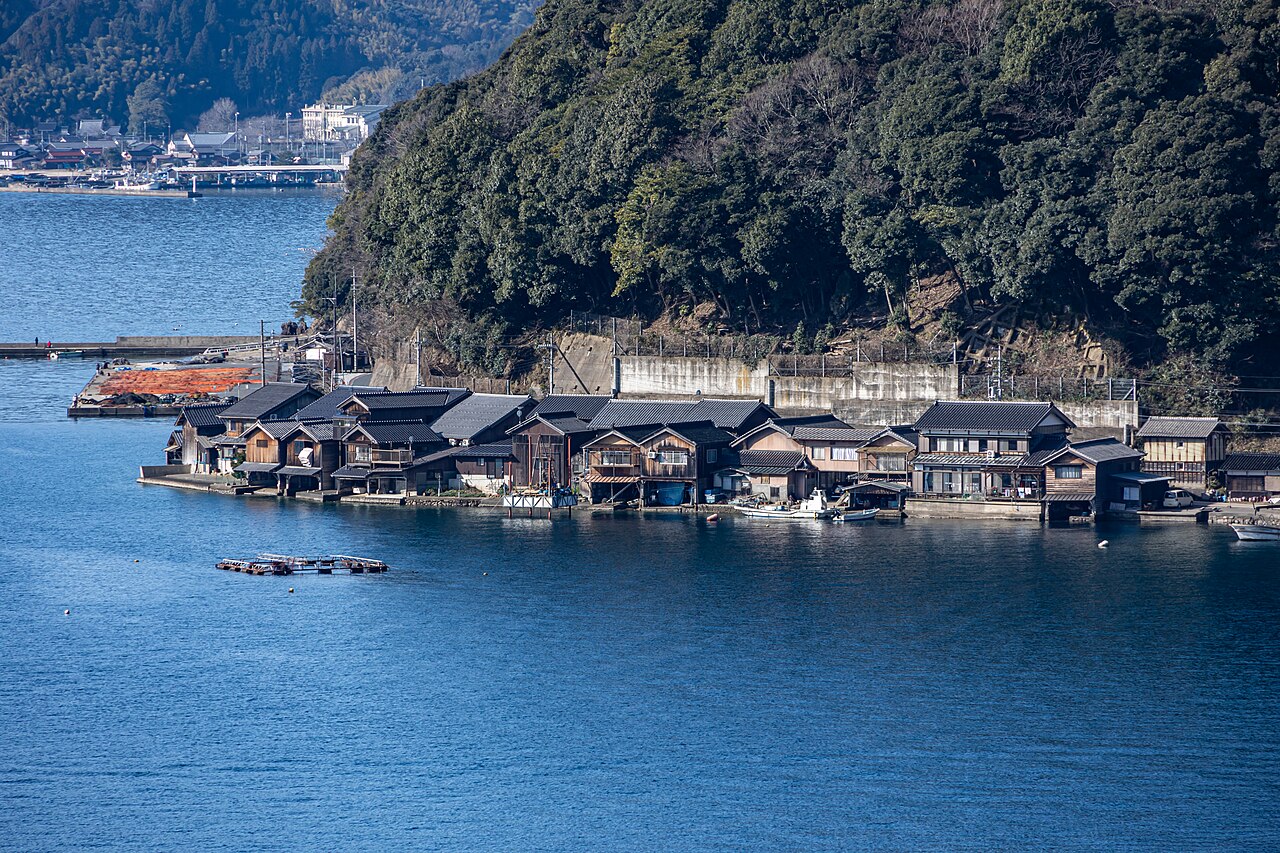
Do it as a loop rather than an out-and-back: cross the sandbar on foot or by rental bicycle one way, ride the sightseeing boat across the bay the other way (about 12 minutes), and take a terrace at each end. Half a day covers it comfortably; a full day lets you add the fishing village of Ine, with its boat garages built over the water, about an hour further up the coast by bus. Weekdays outside the summer holidays are noticeably quieter, and the pine path is pleasant even in light rain.
Background & history
The name Amanohashidate — 'bridge standing in heaven' — comes from a creation legend recorded in the Tango Fudoki, in which the deity Izanagi built a ladder to reach the earthly world and it fell to become the sandbar. Geologically the strip is an accumulation of sediment carried by currents at the mouth of Miyazu Bay over thousands of years. The site's status as one of the Three Scenic Views of Japan derives from a seventeenth-century listing by the Confucian scholar Hayashi Gaho, which paired it with Matsushima and Miyajima; the grouping has been repeated in guidebooks and prints ever since. Chion-ji, the temple at the southern approach, has stood at the foot of the sandbar for centuries and its Monju hall draws students praying for success in examinations.
Before you go
- Cash
- Buy a through ticket at the JR ticket counter rather than relying on an IC card — the Kyoto Tango Railway section is a separate private operator and IC coverage is not consistent. Carry cash for the cable car, chairlift, sightseeing boat, and bicycle rental, which are handled locally. Fares to budget for: the Kasamatsu cable car or chairlift is ¥800 return for adults and ¥400 for children; the sightseeing boat is ¥800 one way and ¥1,300 return for adults; View Land on the south side is about ¥1,000 return including park entry.
- Good to know
- The sandbar path is public and open at all hours, but the cable car, chairlift, boats, and bicycle rental all run on daytime hours only. Check the last departure times before you cross, so you are not stranded on the far side. Winter needs one extra check at Kasamatsu: the chairlift runs daily from 1 March to 30 November, opens at 10:00 through December and the first days of January, and then runs only on weekends and public holidays from 6 January through February. The cable car alongside it operates year-round and runs 9:00–18:00 from March to October, closing earlier in the winter months — so a winter visit works fine, but go up by cable car rather than counting on the lift.
- Another way
- From Osaka, the limited express Konotori to Fukuchiyama with a transfer, roughly 2 hours 40 minutes. Direct highway buses also run from Kyoto and Osaka.
- After you get off
- Amanohashidate Station sits at the southern approach. Turn toward the water and walk about 5 minutes past Chion-ji temple and over the swing bridge to reach the start of the sandbar.
Nearby notes
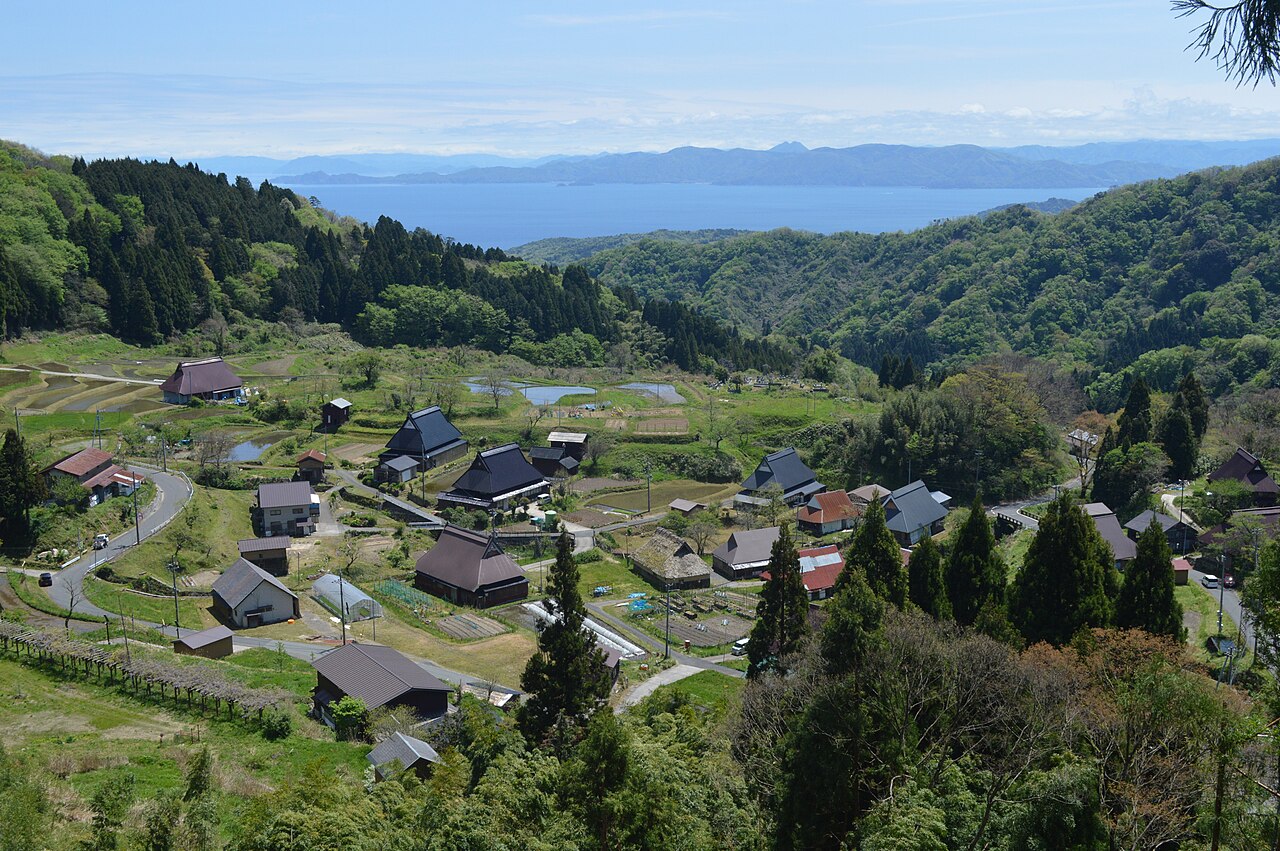 Asturio Cantabrio / CC BY-SA 4.0
Nature · Kyoto★
Kami-Seya
7.6 km · straight line
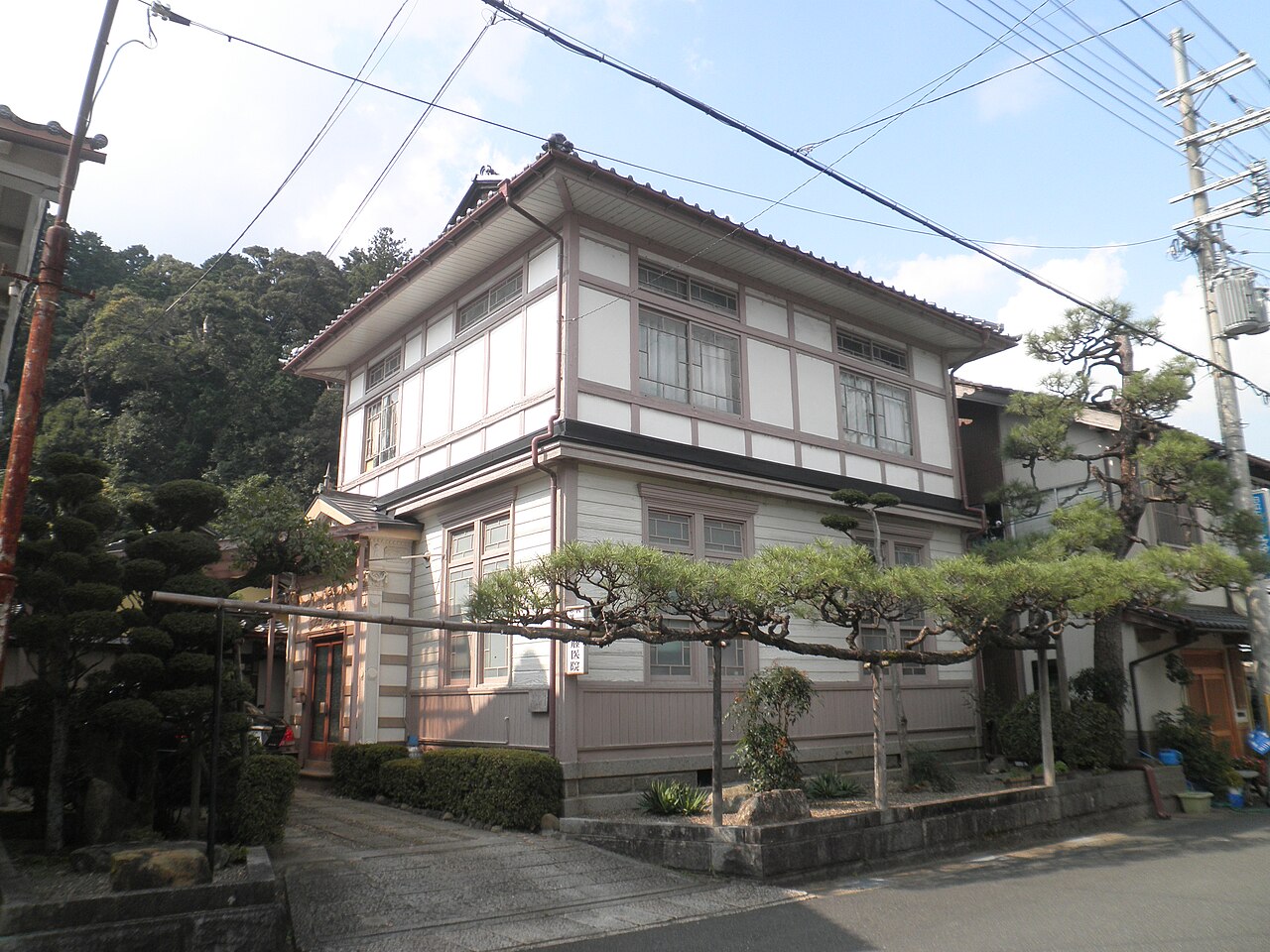 At by At / CC BY-SA 3.0
Craft · Kyoto★
Chirimen Kaido
11.3 km · straight line
 Naokijp / CC BY-SA 4.0
Local life · Kyoto★★
Ine no Funaya
14.7 km · straight line
 小池 隆 / CC BY 3.0
History · Kyoto★
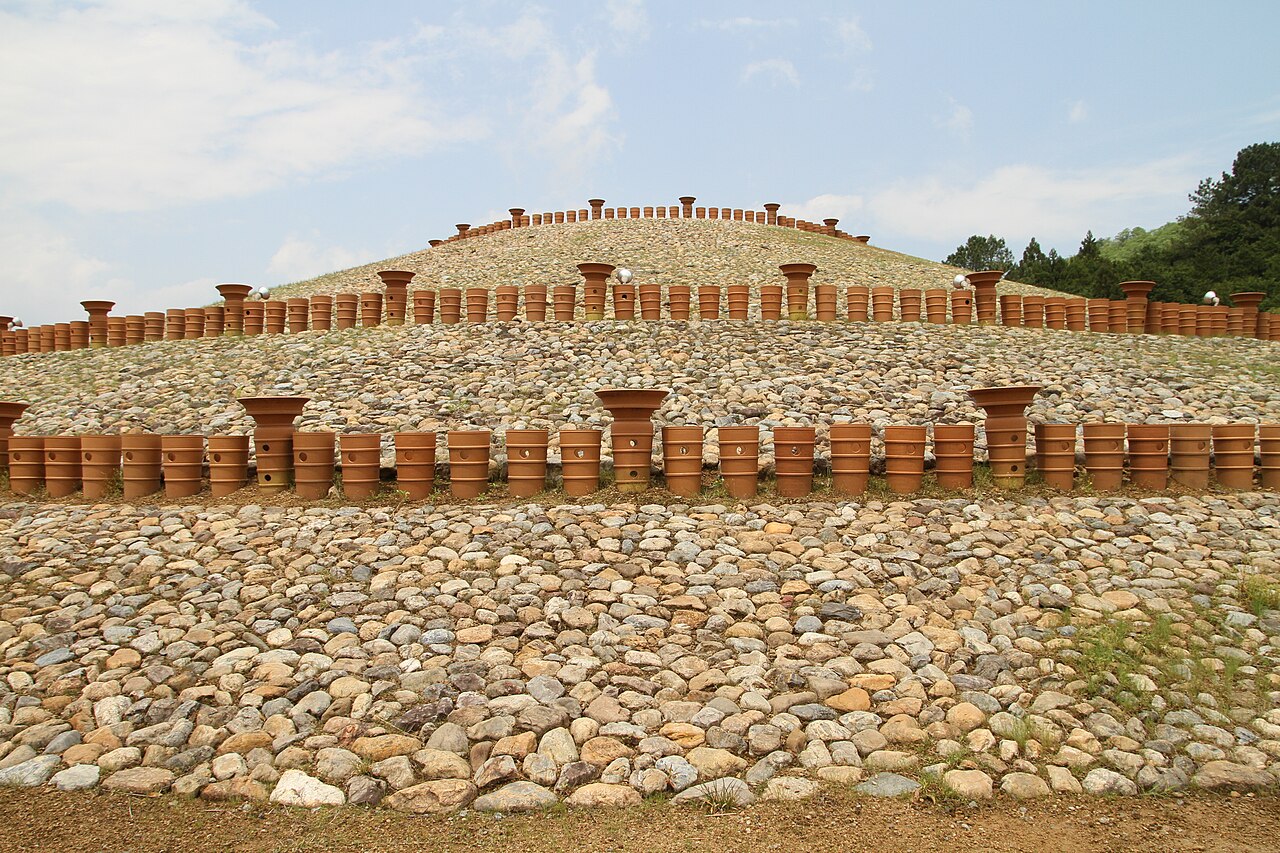
Kisaichi Maruyama Kofun
28.2 km · straight line
Distances are straight lines on the map, not travel times.