Chiba south · KamogawaNo.281★Open in map →
Kamogawa Sea World
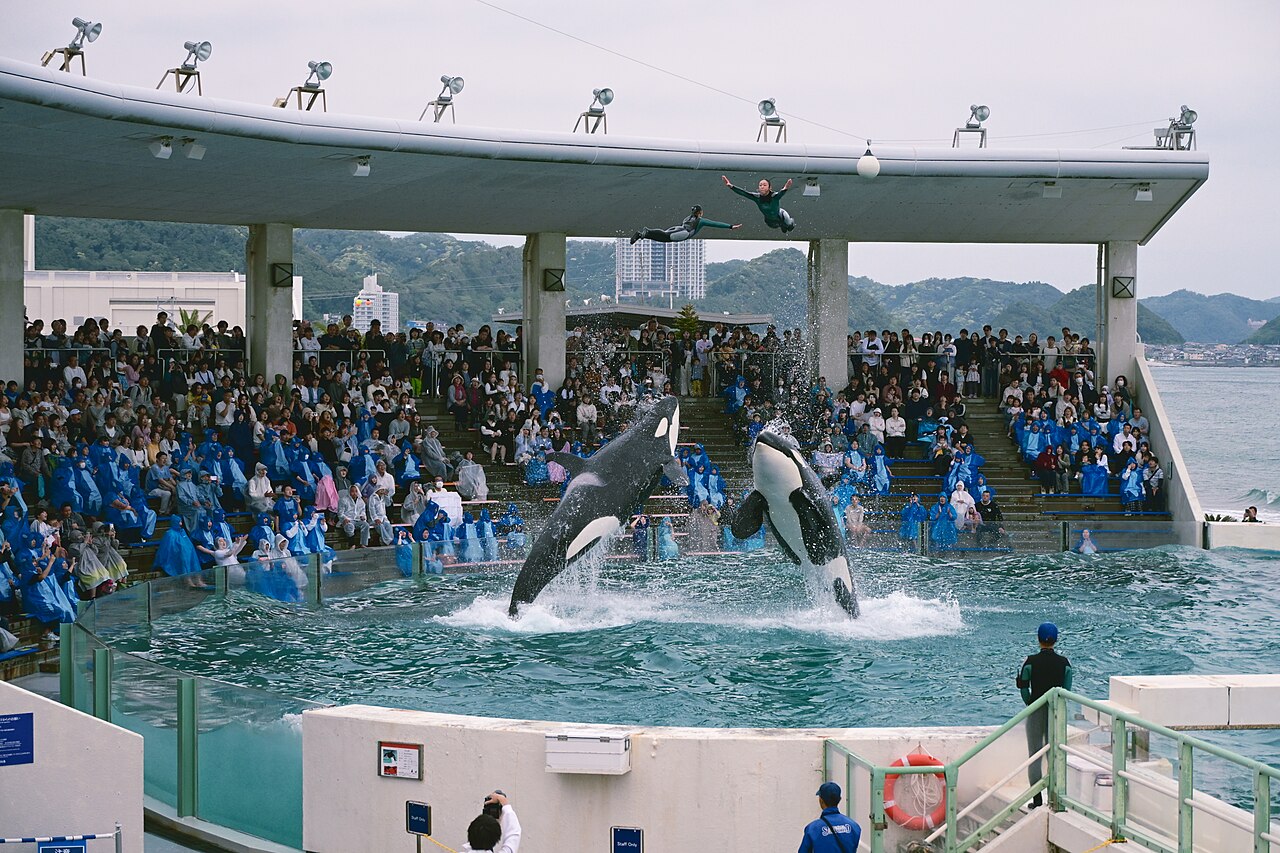
A large marine park on the Pacific coast of Kamogawa, Chiba, opened in October 1970. Its orca performance — staged in an ocean-facing stadium with the open sea as the backdrop — is the best known in Japan, alongside belugas, dolphins and sea lions.
- FromTokyo Stn
- ~2 hr 15 minlimited express + free shuttle
- Get off atAwa-Kamogawa Station (free shuttle bus, ~10 min)
- From there
- Kamogawa Sea World
The sweet spot
Foreign visitors default to the aquariums inside Tokyo, which are indoor and urban. Kamogawa is two hours out on the Pacific coast, and the difference is structural rather than a matter of scale: the show is built around an ocean horizon that no city aquarium can reproduce.
Where it is
50 more notes in Chiba · open the map →What to look for
- Orca performance (Ocean Stadium)the park's centrepiece — a roughly 2,000-seat arena built in 1987 with the Pacific as the backdrop
- Beluga whaleswhite Arctic whales in their own hall, demonstrating the sounds and echolocation they navigate by
- Bottlenose dolphinsa separate dolphin performance running to its own daily schedule
- Sea lionsa comic, close-quarters show — the one most families rate alongside the orcas
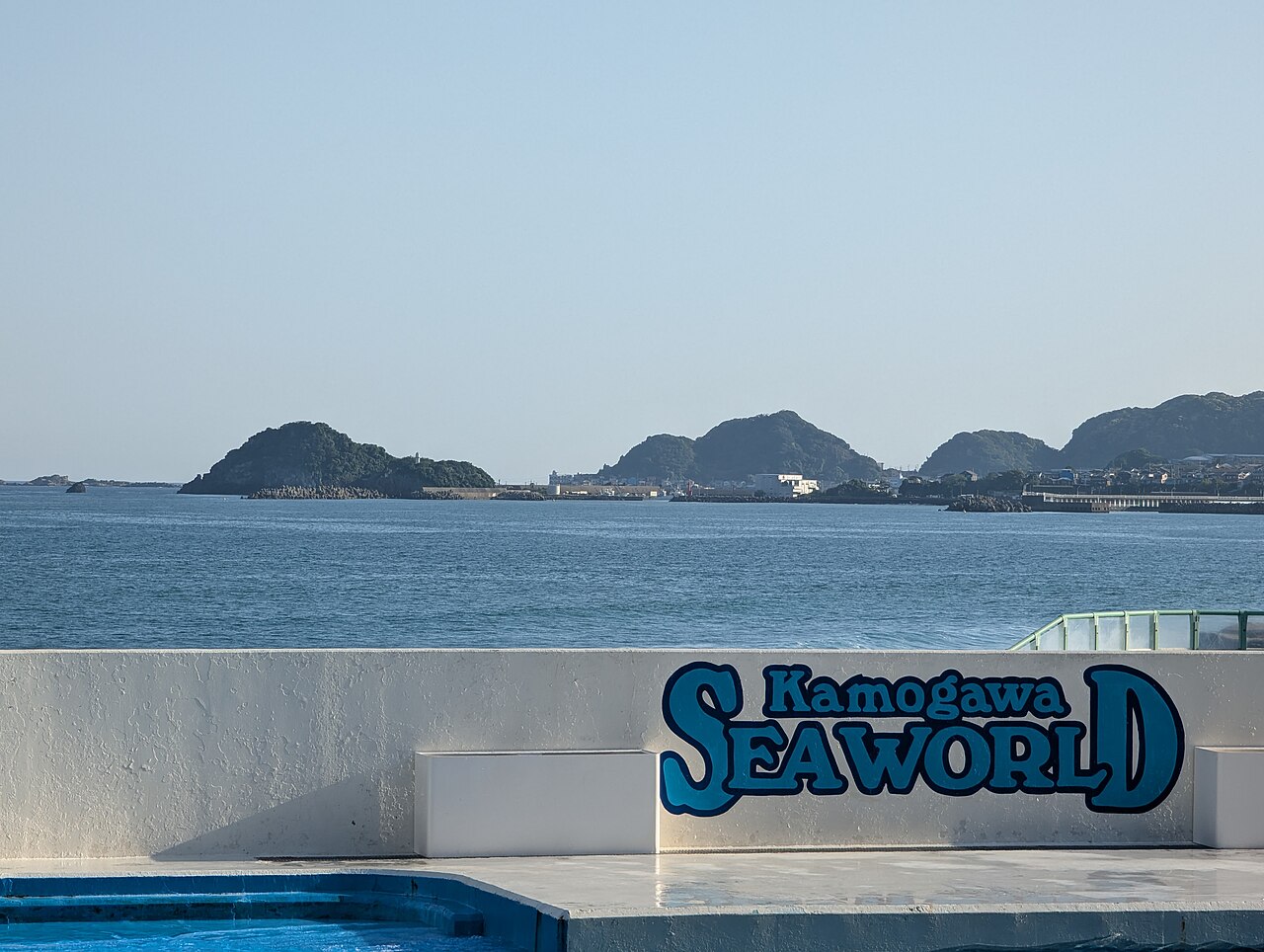
- The coastal setting itselfthe park fronts directly onto the open Pacific; the walk between halls is along the sea
How to actually get there
- Tokyo Stn → Awa-Kamogawa Stn (Limited Express Wakashio, ~2 hr).
- Awa-Kamogawa Stn west exit → park entrance (free shuttle bus, ~10 min).
- Take the day's performance schedule at the gate and build the day around the orca slot.
- Tokyo Stn → Awa-Kamogawa → free shuttle
- Tokyo Stn →(Limited Express Wakashio, ~2 hr)→ Awa-Kamogawa Stn →(free shuttle bus from the west exit bus stop, ~10 min)→ the park entrance. Total about 2 hr 15 min. The Wakashio runs only a few times a day, so check the day's timetable before you leave; the free shuttle runs roughly from 8:00 into the mid-afternoon, with departure times varying by date.
- Return by shuttle and limited express
- Take the free shuttle back to Awa-Kamogawa Station and the Limited Express Wakashio to Tokyo (~2 hr). Both the shuttle and the express thin out through the late afternoon, so check the last shuttle time posted at the park exit and the return express times when you arrive — this is the one thing that can strand you.
About the place
Kamogawa Sea World opened in October 1970 on the Pacific shore of southern Chiba, and in the same year became the first facility in Japan to keep orcas successfully. The orca performance has been its signature ever since. In 1987 the park built the Ocean Stadium specifically for it — a roughly 2,000-seat arena arranged so that the pool's far edge lines up with the horizon, which is what gives the show its particular effect: the animals appear to be launching out of the open sea rather than out of a tank. Around that core the park keeps belugas, bottlenose dolphins, sea lions, fish and other marine life across several buildings, each with its own performance or feeding session running to a daily timetable. It sits directly on the coast in Kamogawa city, which the city's own tourism pages treat as the area's principal draw.
How to enjoy it
Plan a full day, and plan it around the timetable rather than the map. Performances for orcas, belugas, dolphins and sea lions each run several times daily at staggered times — take the day's schedule at the entrance and work backwards from the orca slot you want, because that is the one that fills. Arrive for opening at 9:00; closing is around 16:00 on weekdays and 16:30 at weekends, and seasonal variation is real, so confirm on the official site before travelling. The lowest rows of the Ocean Stadium face the pool directly and get thoroughly wet — sit high if you would rather stay dry, low if the soaking is the point. Coming out from Tokyo, the limited express is the sane option: two hours each way makes this a day of its own, not an add-on.
Background & history
Southern Boso was opened up to Tokyo leisure travel in the postwar decades, and Kamogawa Sea World was built in 1970 as part of that wave, backed by a tourism operator. Its founding coincided with a period when Japanese aquariums were moving from static tanks toward large marine mammals and staged performances, and the park's success with orcas from its opening year put it at the front of that shift. The purpose-built Ocean Stadium of 1987 marked the point at which the orca show stopped being one attraction among many and became the thing the park was known for nationally.
Before you go
- Cash
- A 1-Day ticket is 3,300 yen for adults (high school and above), 2,000 yen for elementary and junior high school students, 1,300 yen for children aged 4 and over, and 2,700 yen for visitors aged 60 and over. The Wakashio limited express charges a reserved-seat surcharge on top of the base fare; reserving in advance is worthwhile on weekends.
- Good to know
- Opening is 9:00; closing is around 16:00 on weekdays and 16:30 at weekends, but hours shift by season — check the official site before you travel. Performance times for each species are set daily and published at the entrance.
- Another way
- A highway bus from Tokyo via the Aqua-Line is an alternative to the train and takes roughly the same time; it is worth comparing if the Wakashio timetable does not fit your day. By car, Kamogawa is about two hours from central Tokyo via the Aqua-Line.
- After you get off
- The free shuttle leaves from the bus stop at the west exit of Awa-Kamogawa Station and drops you at the park entrance in about 10 minutes; departure times are posted at the stop and vary by date.
Nearby notes
 Autumn Snake (おぉたむすねィく探検隊) / CC BY-SA 3.0
History · Chiba★★
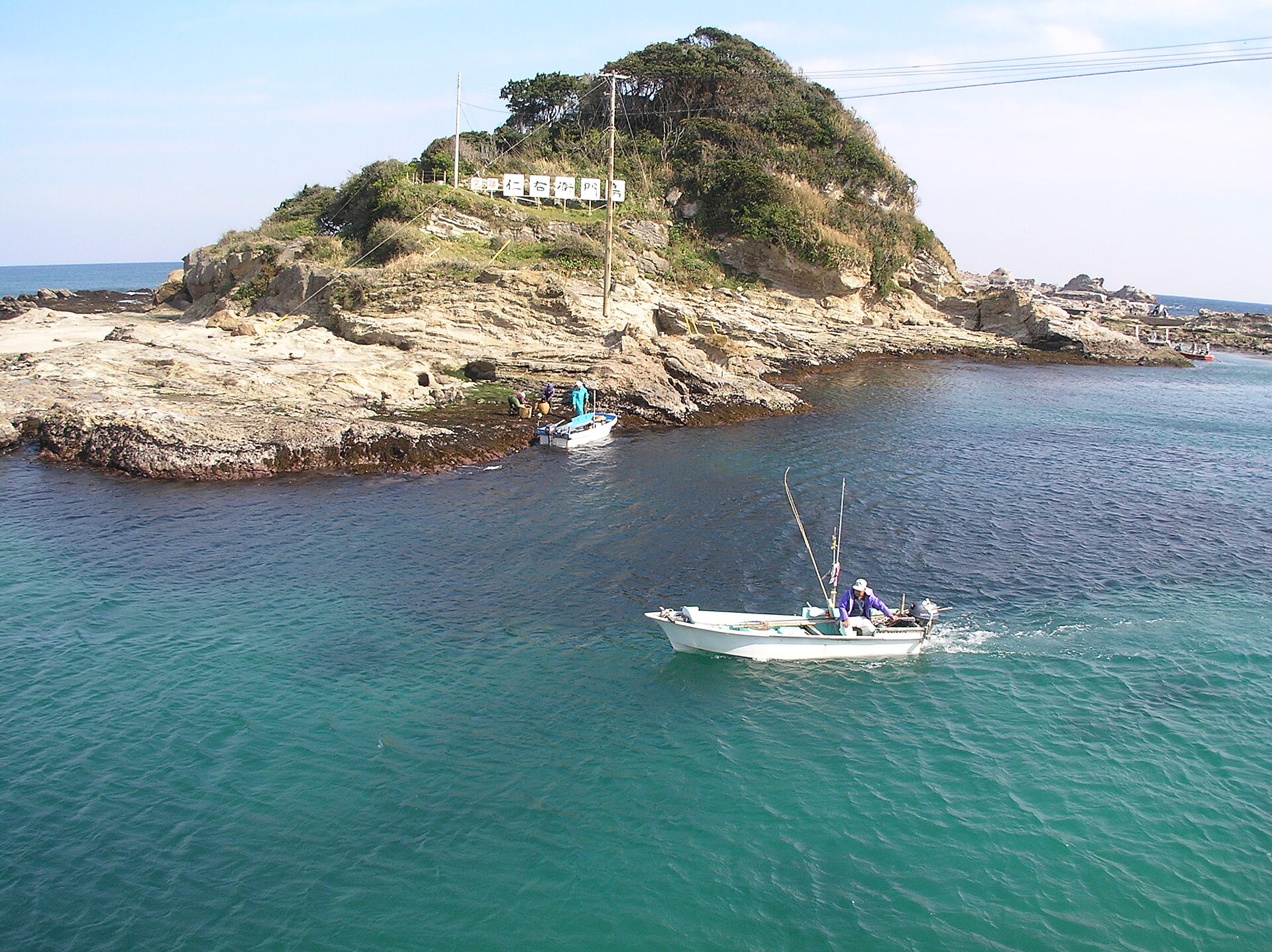
Niemonjima
4.6 km · straight line
 Sakaori / CC BY-SA 3.0
Nature · Chiba★★
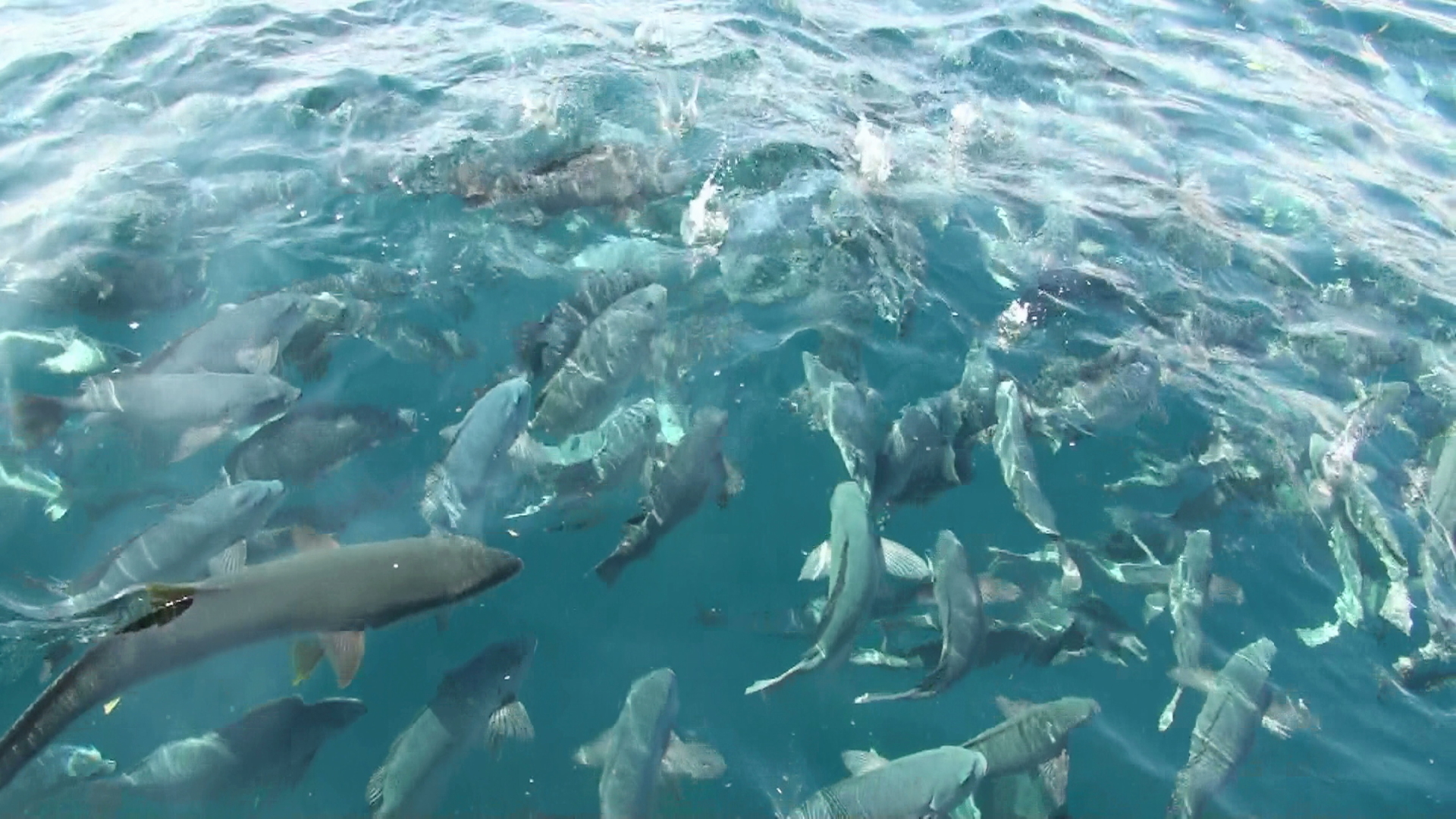
Tainoura
6.9 km · straight line
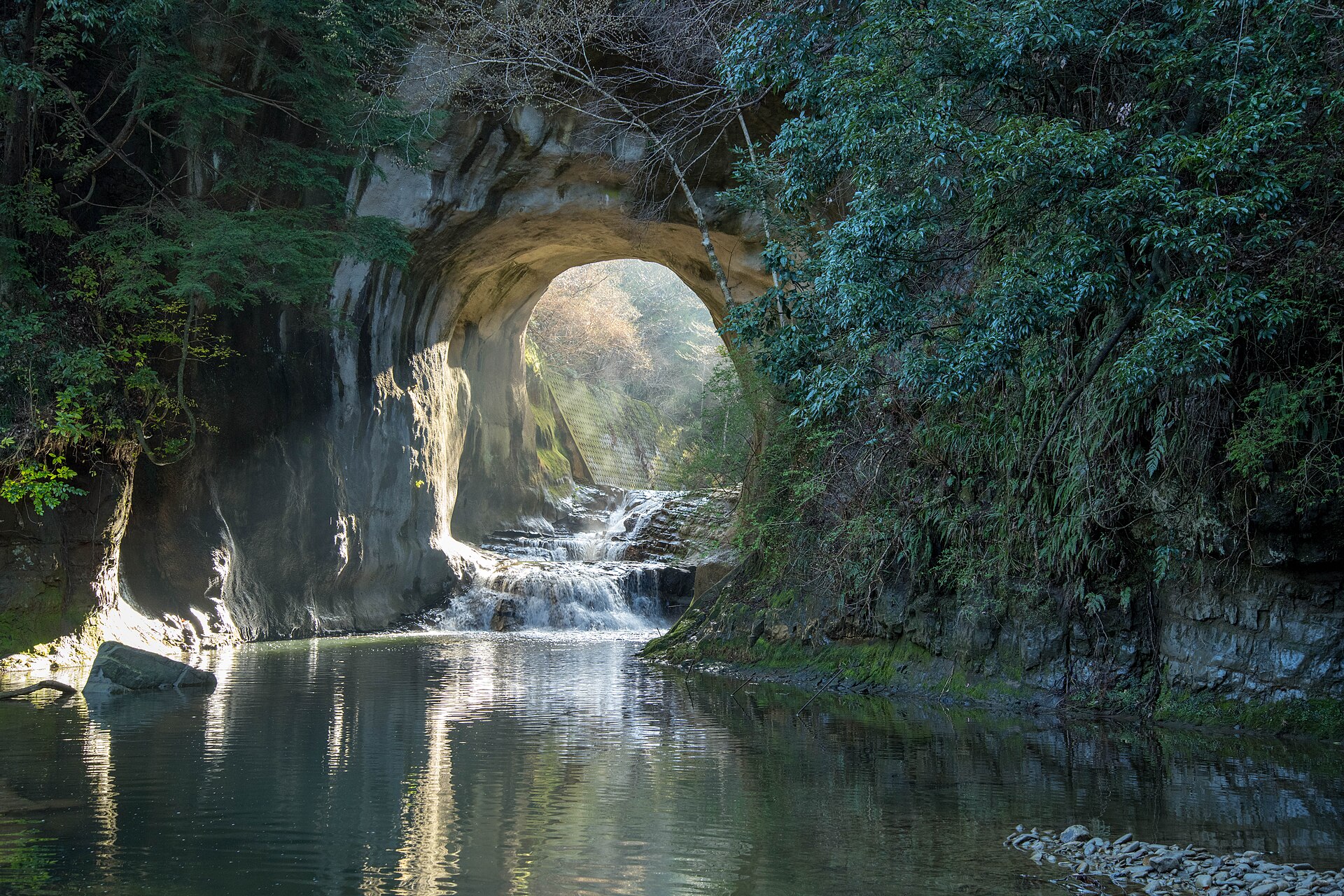 Tetsuji Sakakibara / CC BY-SA 2.0
Nature · Chiba★★
Kameiwa Cave and Nomizo Falls
9.5 km · straight line
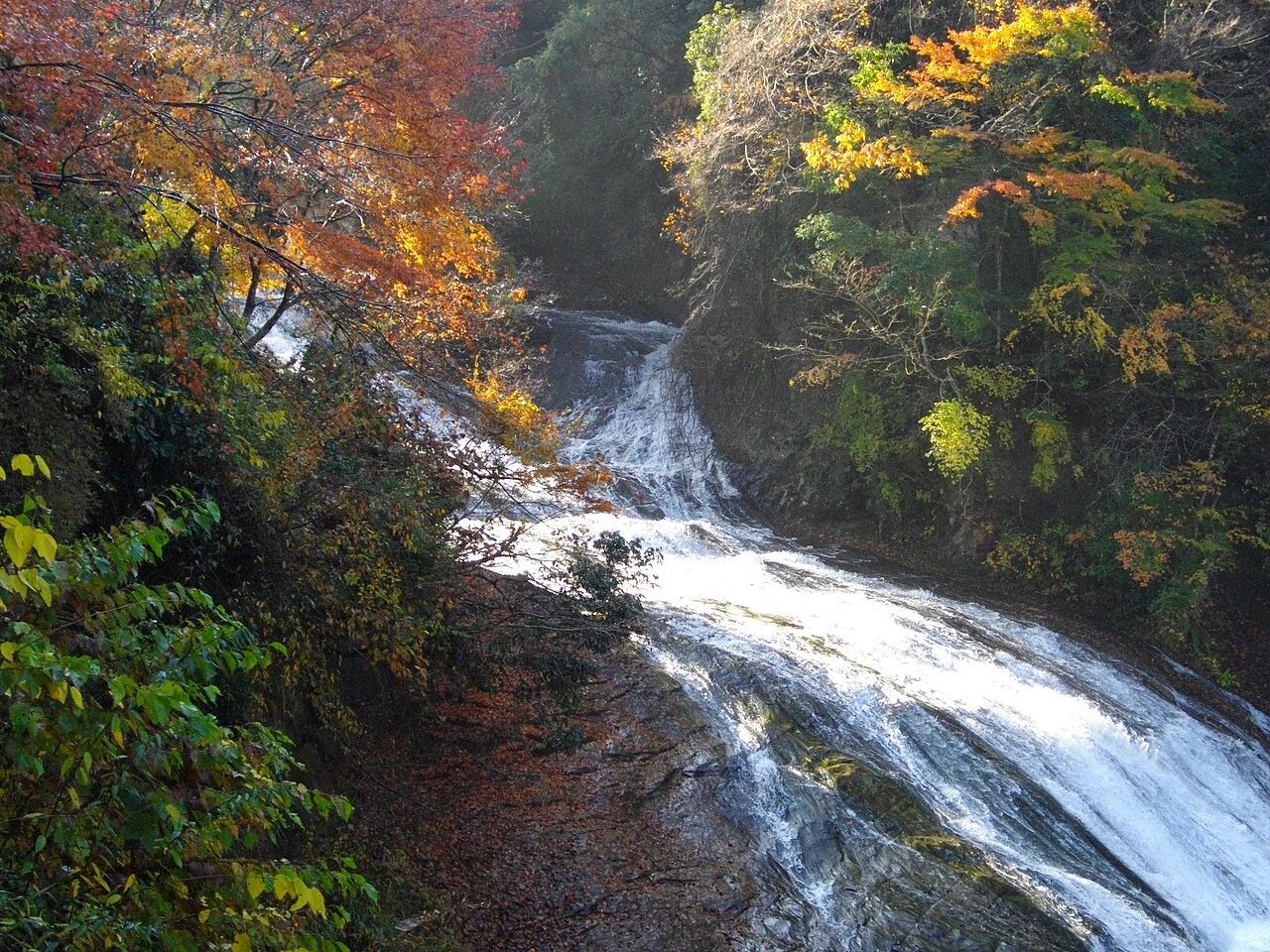 Abasaa / Public domain
Nature · Chiba★
Awamata Falls
12.8 km · straight line
Distances are straight lines on the map, not travel times.