Tokyo northeast · TaitoNo.288★Open in map →
Kappabashi Kitchen Town
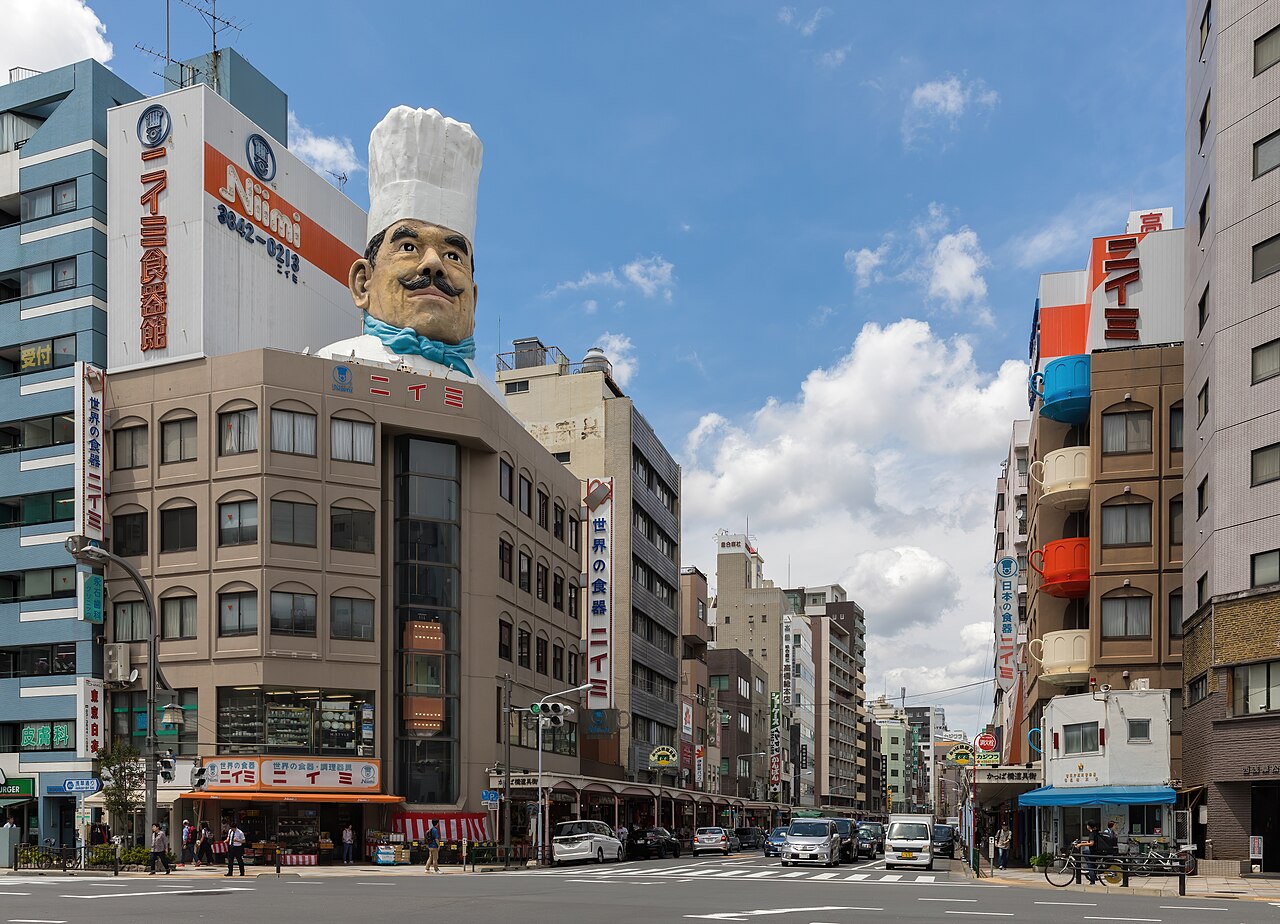
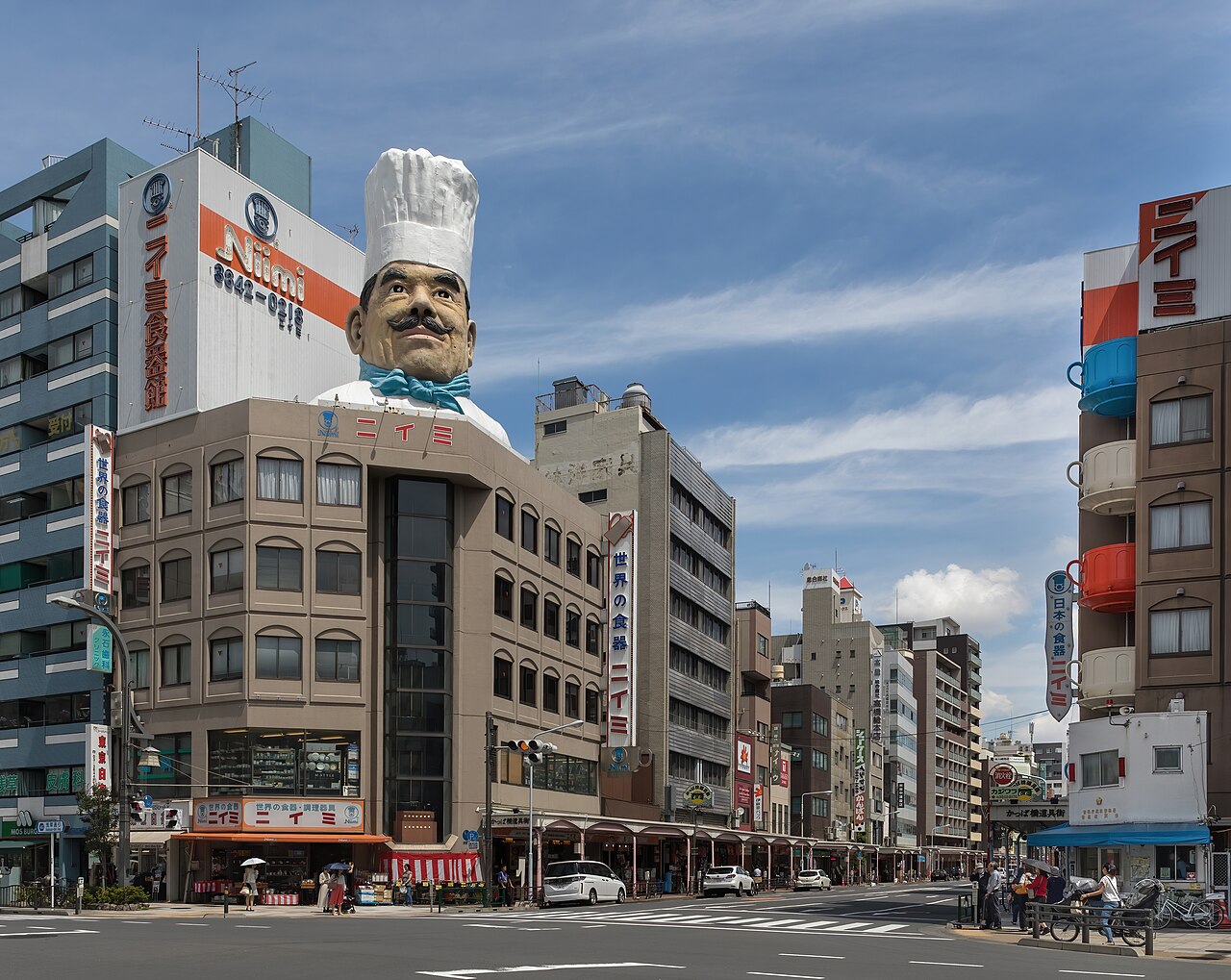
An 850-metre wholesale street in Taito with about 160 shops selling knives, tableware, kitchen equipment, shop fittings and plastic food samples.
- FromTokyo Stn
- ~25 minsubway + 5 min walk
- Get off atTawaramachi Stn
- On foot
- Kappabashi Kitchen Town
The sweet spot
Nearly every visitor to Asakusa walks past the foot of this street without turning up it. It is a professional supply district rather than a shopping attraction, which is precisely why the knives are better and cheaper than the ones sold to tourists a few blocks east.
Where it is
77 more notes in Tokyo · open the map →What to look for
- The knife shopsHigh-quality Japanese-made blades, sold to the restaurant trade rather than to gift shoppers.
- Food sample shopsThe lifelike plastic food models used in restaurant windows nationwide, sold by the single piece.
- Noren, signboards and fittingsCurtains, signage, ornaments and display fixtures — the visual furniture of a Japanese restaurant.
- Lacquerware and pro equipmentUrushi bowls and serving ware alongside professional stoves and confectionery and bread-making tools.
How to actually get there
- Tokyo Stn → Ueno Stn (JR Yamanote Line, ~8 min)
- Ueno Stn → Tawaramachi Stn (Tokyo Metro Ginza Line, ~4 min)
- Tawaramachi Stn → Kikuyabashi crossing, south end of the street (walk, ~5 min)
- Ginza Line to Tawaramachi, then five minutes on foot
- Tokyo Stn → (JR Yamanote or Keihin-Tohoku Line, bound for Ueno, ~8 min) → Ueno Stn → (Tokyo Metro Ginza Line, bound for Asakusa, ~4 min) → Tawaramachi Stn → walk northwest along Asakusa-dori to the Kikuyabashi crossing and turn north into Kappabashi-dori (~5 min). Total ~25 min.
- Out the north end to Iriya, or south to Asakusa
- From the top of the street, Iriya Stn on the Hibiya Line is about 6 minutes' walk. From the bottom, Sensoji and Asakusa Stn are about 10 minutes east. Most people reach the north end, turn, and shop their way back down.
About the place
Kappabashi is a wholesale street that never quite stopped being one. A few tool dealers and secondhand traders set up here in the first year of Taisho, 1912; by 1921 they had organised into an association and a streetcar was running down the road. A century on, the street holds about 850 metres of Route 56 — from the Kikuyabashi crossing on Asakusa-dori north to the Kinryusho crossing on Kototoi-dori — and roughly 160 shops on it sell tools for food and nothing else. The name has two competing explanations. One is prosaic: raincoats, kappa, hung out to dry on a nearby bridge whenever the weather turned fine. The other is that around 180 years ago a merchant named Kappaya Kihachi funded drainage works on the Shinbori canal, and the kappa river-spirits of the Sumida came out at night to help him dig.
How to enjoy it
Walk the street end to end once before buying anything — the shops are narrowly specialised, so the knife you actually want may be four doors past the first knife shop you see. Go on a weekday morning, when the trade is open. Pair it with Sensoji ten minutes east or Ueno Park about fifteen minutes west. Allow ninety minutes; longer if you are buying a blade, because choosing one properly is a conversation.
Background & history
The district took shape in the first year of Taisho, 1912, when a handful of tool dealers and secondhand traders opened here. In 1921 they organised as the Gosei-kai and a streetcar line was laid along Kappabashi-dori, which fixed the shape the street still has. The Asakusa Kappabashi Densha-dori Shoko-kai followed in 1947 as the postwar trade rebuilt itself. The association runs the street today under the registered name Kappabashi Dogugai, and holds a tool festival along it each autumn.
Before you go
- Cash
- Card acceptance varies shop to shop and some of the smallest specialists are cash-only, so carry some. If you want tax-free processing, bring your passport and ask at the counter first — not every shop offers it.
- Good to know
- This is a wholesale district first. Many shops close on Sundays and public holidays, and hours run roughly 10:00–17:00, so a Sunday afternoon finds shutters. A weekday morning is the street at full strength.
- Another way
- Iriya Stn on the Hibiya Line is about 6 minutes from the north end; Asakusa Stn (Ginza, Asakusa and Tsukuba Express lines) is about 10 minutes from the south end.
- After you get off
- Leave Tawaramachi Stn and walk northwest along Asakusa-dori about 400 metres to the Kikuyabashi crossing, which is the southern end of the street. Turn north into Kappabashi-dori; the shops then run without a break for 850 metres to the Kinryusho crossing on Kototoi-dori.
Nearby notes
 Ray in Manila / CC BY 2.0
History · Tokyo★★★
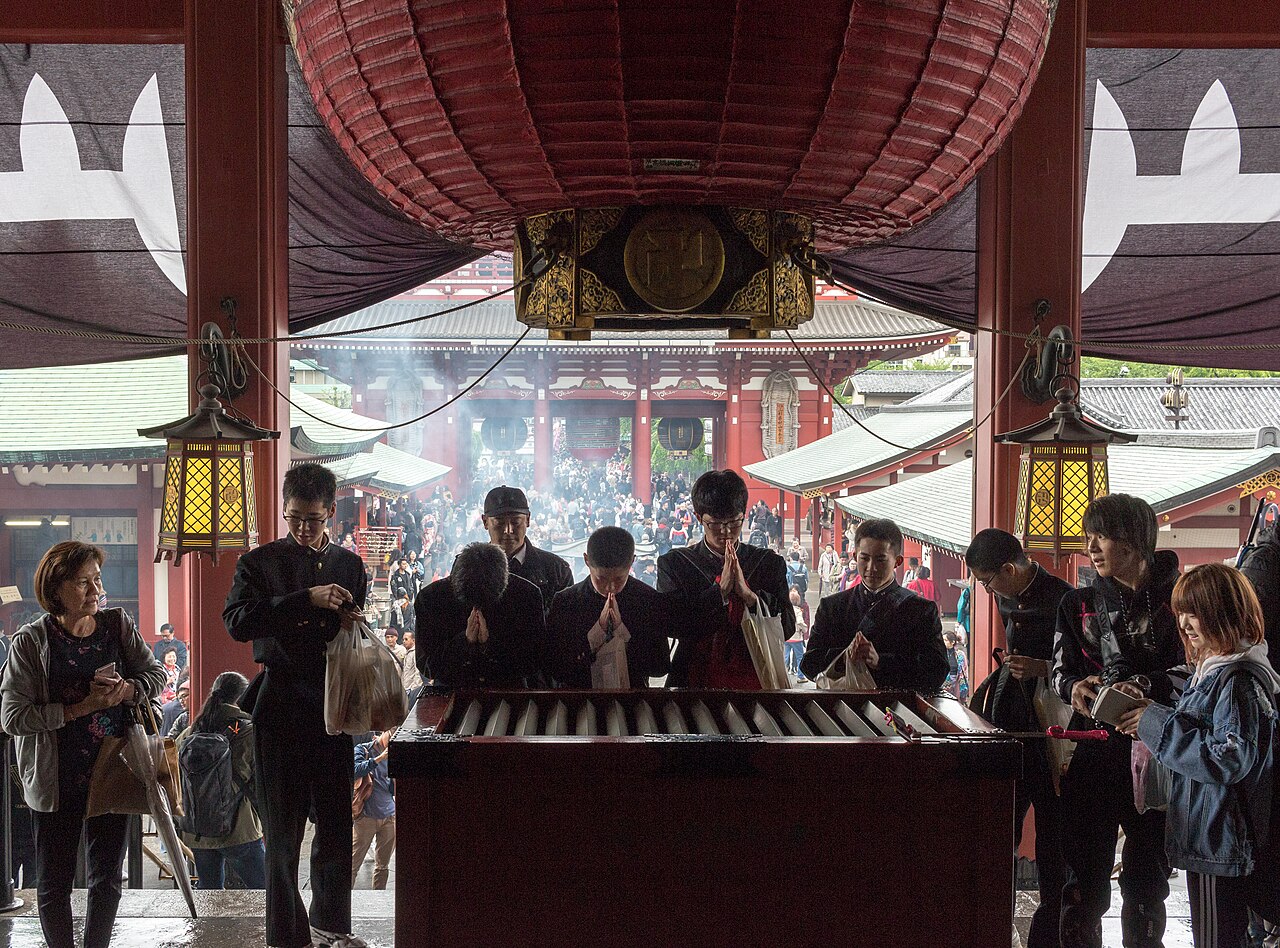
Senso-ji
0.8 km · straight line
 istolethetv / CC BY 2.0
History · Tokyo★★★
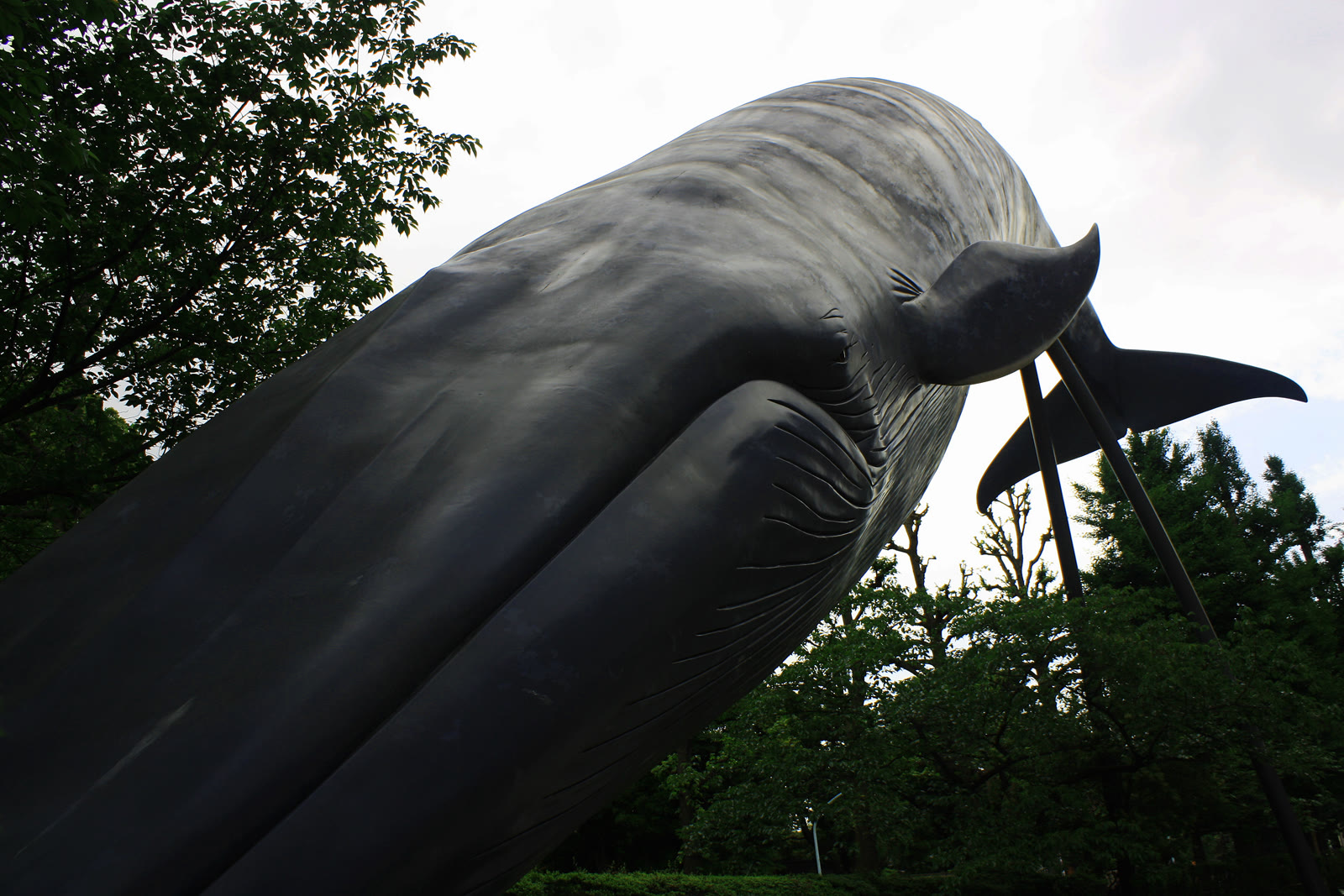
National Museum of Nature and Science
1.1 km · straight line
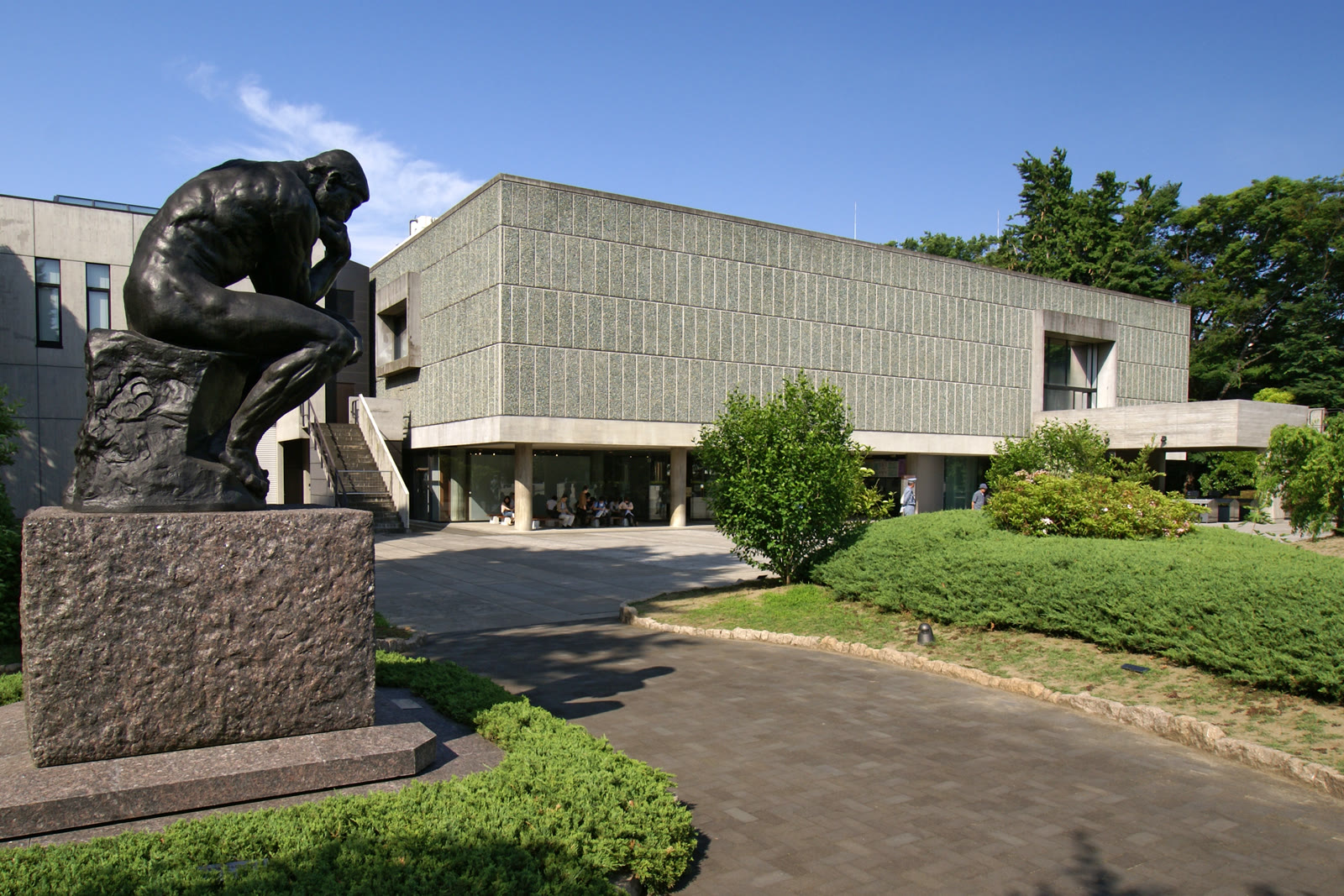 663highland / CC BY 2.5
History · Tokyo★★★
National Museum of Western Art
1.1 km · straight line
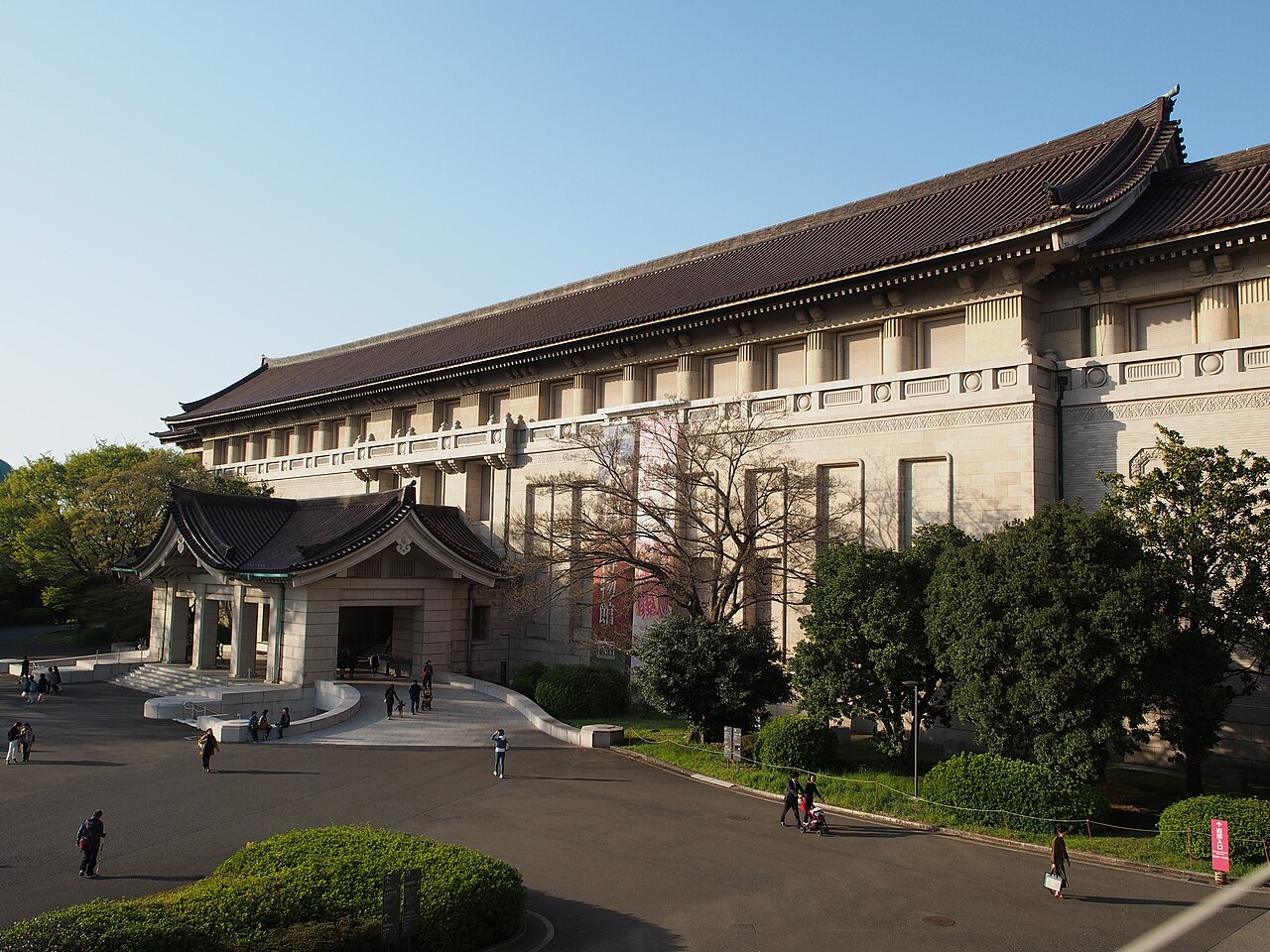 Kestrel / CC BY-SA 4.0
Culture · Tokyo★★
Tokyo National Museum
1.1 km · straight line
Distances are straight lines on the map, not travel times.