Shiga west · KatataNo.042★Open in map →
Katata & Ukimido
— the lake-clan port on Lake Biwa
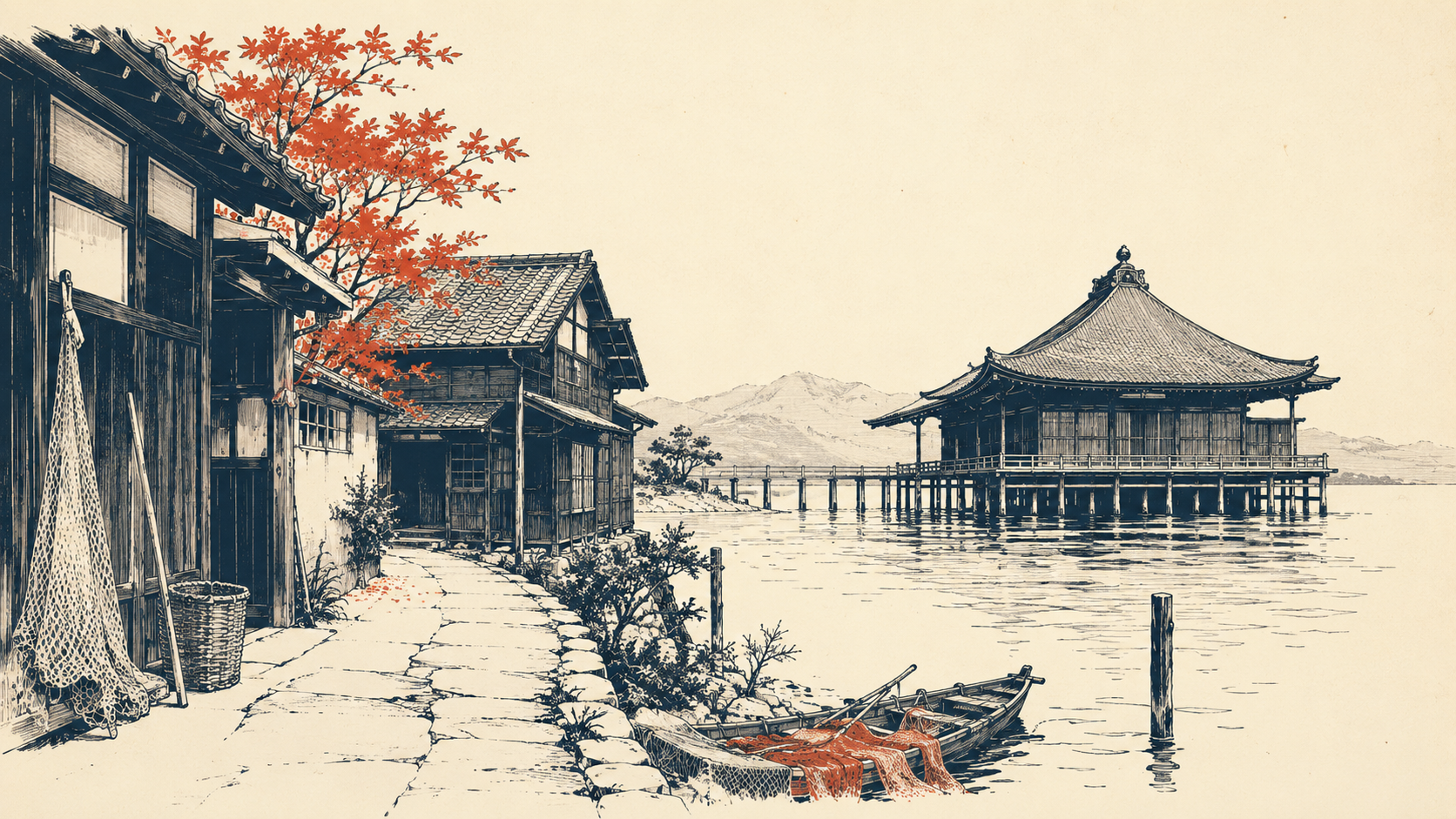
Katata is a historic port in Otsu, Shiga, whose medieval 'lake people' (kozoku) once controlled shipping across Lake Biwa. Its landmark is Ukimido, a small wooden hall standing out over the water at Mangetsu-ji temple.
- FromKyoto Stn
- ~35-40 mintrain + bus (infrequent)
- Get off atKatata Stn (JR Kosei Line)
- From there
- Katata & Ukimido
The sweet spot
Visitors photograph the floating hall and leave. The old town behind it has almost no English signage or guides and looks like ordinary residential streets, so few foreign visitors realise it has its own history worth walking.
Where it is
21 more notes in Shiga · open the map →What to look for — in walking order
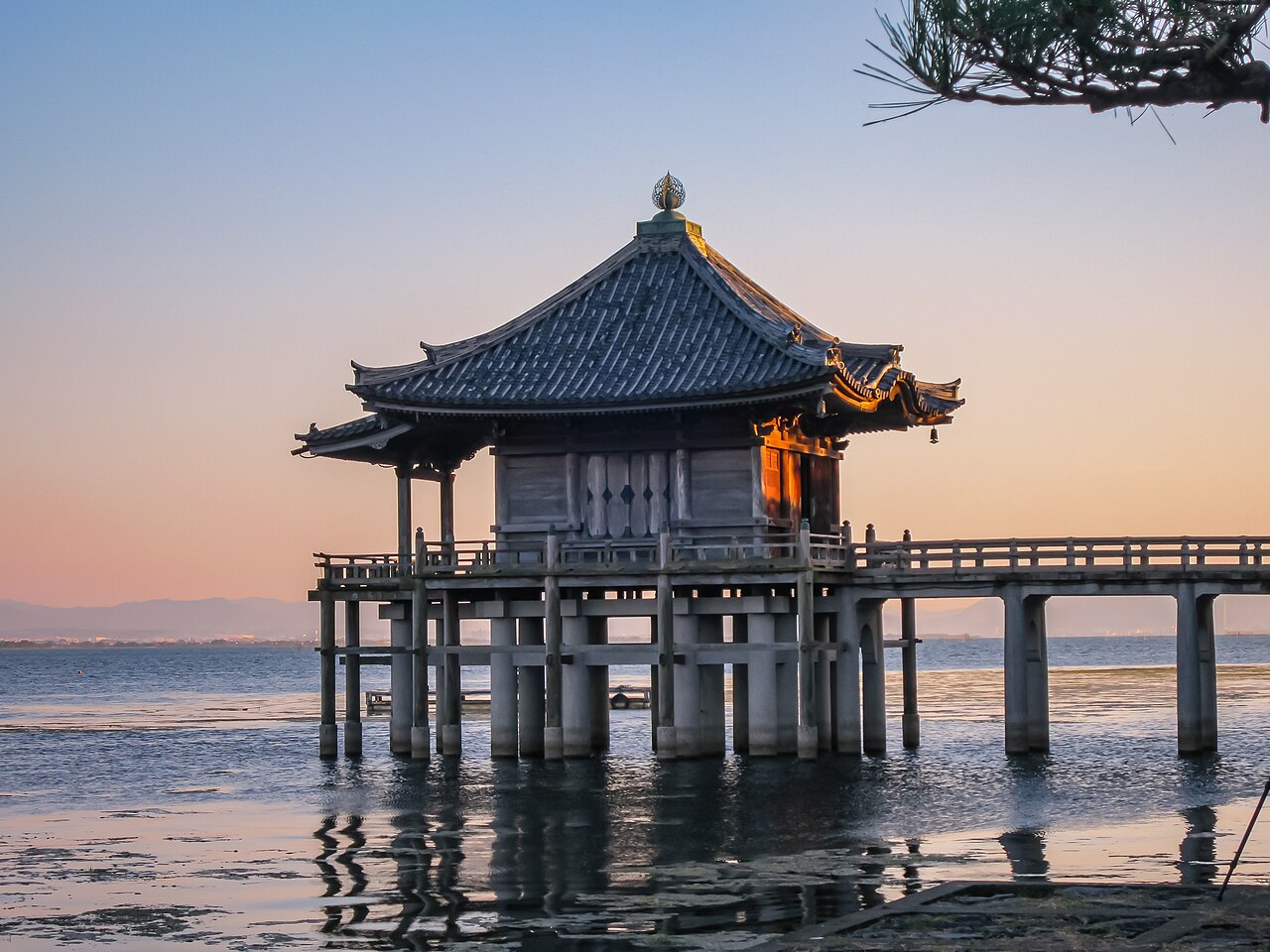
- Ukimido floating hallthe small wooden hall at Mangetsu-ji temple, built out over Lake Biwa; one of the Eight Views of Ōmi
- Kozoku Heritage Museuma small local museum in the old town documenting the lake people's self-governing port history
- Izu ShrineKatata's tutelary Shinto shrine in the old town, facing the water
- Shozui-ji templea Zen temple linked to the monk Ikkyu, on the old port lanes behind the lakeshore
How to actually get there
- Kyoto Stn -> Katata Stn (JR Kosei Line, ~25 min)
- Katata Stn -> 'Demachi' bus stop (town-loop bus, ~5 min)
- 'Demachi' stop -> Ukimido (walk, ~7 min)
- JR Kosei Line + town-loop bus
- Kyoto Stn -(JR Kosei Line, ~25 min)-> Katata Stn -(town-loop bus, ~5 min)-> 'Demachi' stop -> walk to Ukimido. Total about 35-40 min. You can also skip the bus and walk about 20 min from Katata Station to the hall. On weekends and holidays some buses run directly to the 'Ukimido-mae' stop next to the hall. The town-loop bus is infrequent, so check the next departure at the station before you set off.
- return via Katata Station
- Trains back to Kyoto on the JR Kosei Line run frequently through the day, so the return is easy. The town-loop bus, though, is infrequent — when you arrive, check the return bus times posted at the stop, or just plan to walk the ~20 min back to Katata Station.
About the place
Katata sits where Lake Biwa pinches to its narrowest point, and that geography made it powerful. Its residents, known as the kozoku or 'lake people,' controlled shipping and fishing across the lake, inspecting and taxing boats that passed, and grew into a self-governing town often compared to Sakai, the famous merchant city near Osaka. The district is best known today for Ukimido, a compact wooden hall standing out over the water at Mangetsu-ji temple — one of the classic Eight Views of Ōmi and depicted by Hiroshige as 'Wild Geese Returning Home at Katata.' Behind the hall, the old port neighborhood keeps shrines, temples, and a small museum that record this water-facing history.
How to enjoy it
Reach Katata on the JR Kosei Line in about 25 minutes from Kyoto. Combine the Ukimido view with a walk through the old port streets behind it — the shrines, temples, and museum fill out the kozoku story well. The hall over the lake shows best in clear morning or evening light, and the district has long been loved for its still water and moon-viewing.
Background & history
From 1090, Katata's fishers reportedly offered lake fish to Shimogamo Shrine in Kyoto and secured exclusive fishing and passage rights on Lake Biwa — the basis of the kozoku's wealth and self-rule. By legend, Ukimido was founded in the Heian period (794–1185) by the monk Genshin, who is said to have carved 1,000 Buddha images and built a hall out over the lake to house them. The current Ukimido was rebuilt in 1937 after a 1934 typhoon and repaired in 1982. Mangetsu-ji preserves a seated statue of Sho Kannon designated an Important Cultural Property. Katata's influence as the lake's shipping hub faded in the early Edo period (1603–1868) as boat traffic shifted to nearby Otsu.
Before you go
- Cash
- The Ukimido hall charges a small cash admission of 300 yen (open 8:00-17:00, until 16:30 in December); the old lanes are free to walk. Trains take IC cards such as ICOCA or Suica, but keep coins ready for the local bus.
- Good to know
- People live in the old town, so keep your voice down and do not enter private gardens or gateways.
- Another way
- On weekends and holidays, a direct bus runs from Katata Station to the 'Ukimido-mae' stop right by the hall.
- After you get off
- From Katata Station, head toward the lake: about a 20-minute walk on paved streets, or a short town-loop bus ride to the 'Demachi' stop and then a walk from there.
Nearby notes
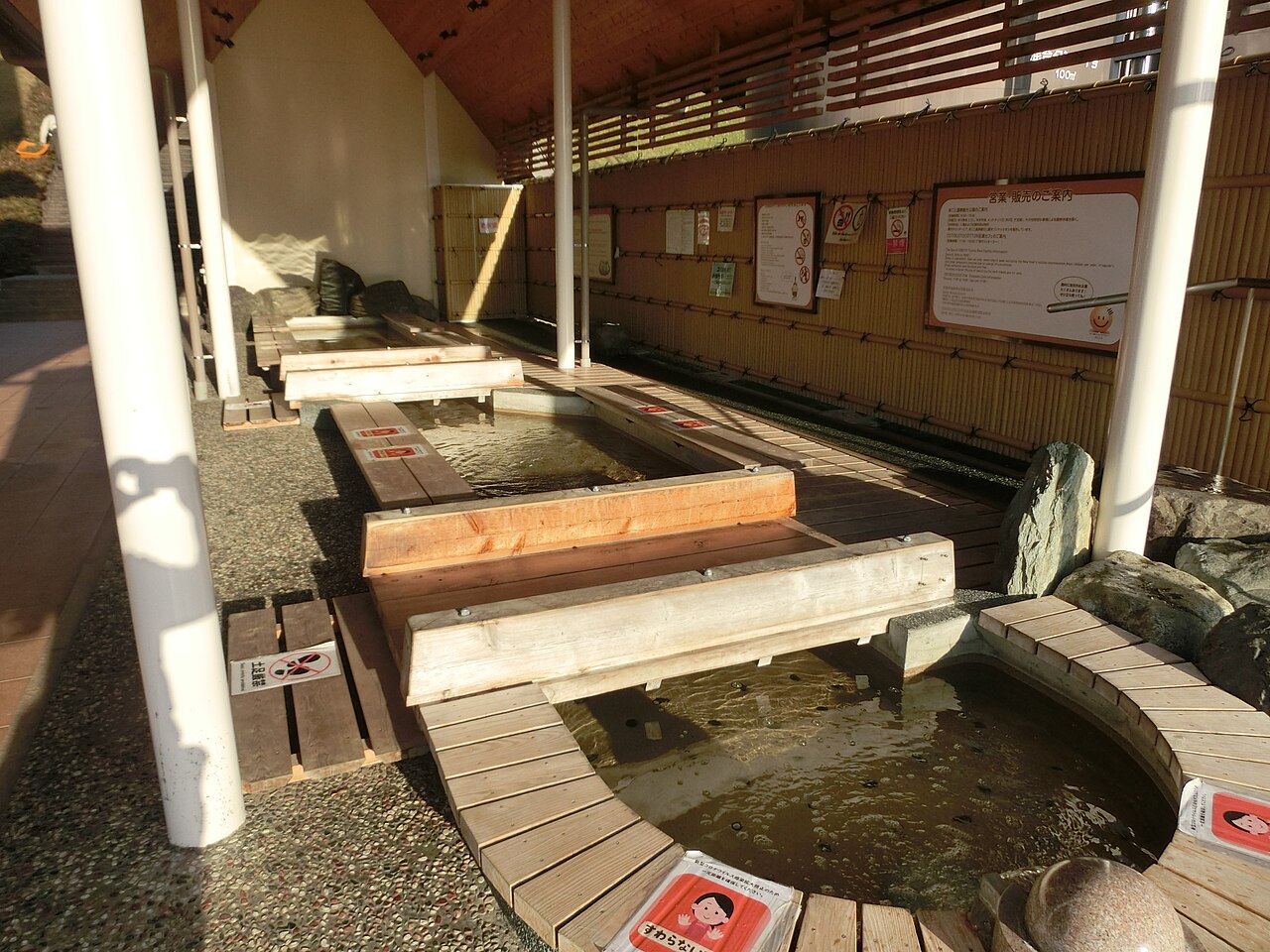 Abasaa / Public domain
Onsen · Shiga★★
Ogoto Onsen
3.1 km · straight line
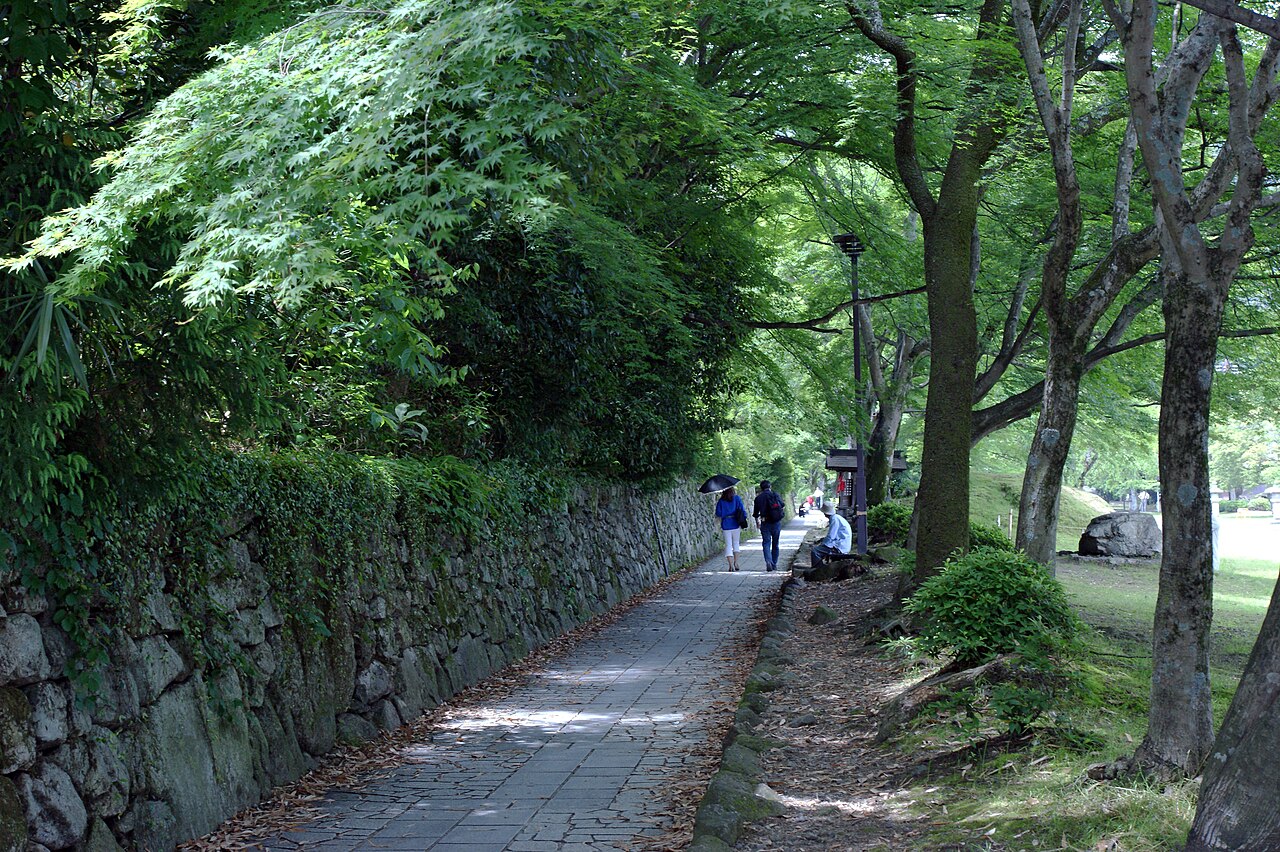 663highland / CC BY 2.5
Craft · Shiga★
Sakamoto
6.5 km · straight line
 Arvined Winstud / CC BY-SA 3.0
History · Kyoto★★★
Sanzen-in
8.0 km · straight line
 663highland / CC BY 2.5
History · Shiga★★★
Enryaku-ji Temple
8.8 km · straight line
Distances are straight lines on the map, not travel times.