Kyoto north · ŌharaNo.323★★★Open in map →
Sanzen-in
— Ōhara's moss garden and hidden jizo
A Tendai monzeki temple — one of the small group whose head priests were drawn from the imperial family — in the Ōhara valley north of Kyoto, known for its moss garden, the National Treasure Amida triad inside Ōjō Gokuraku-in, and the small warabe jizo statues set into the moss.
- FromKyoto Stn
- ~60 minsubway + bus
- Get off atŌhara bus stop (Kyoto Bus)
- On foot
- Sanzen-in
Where it is
90 more notes in Kyoto · open the map →What to look for — in walking order
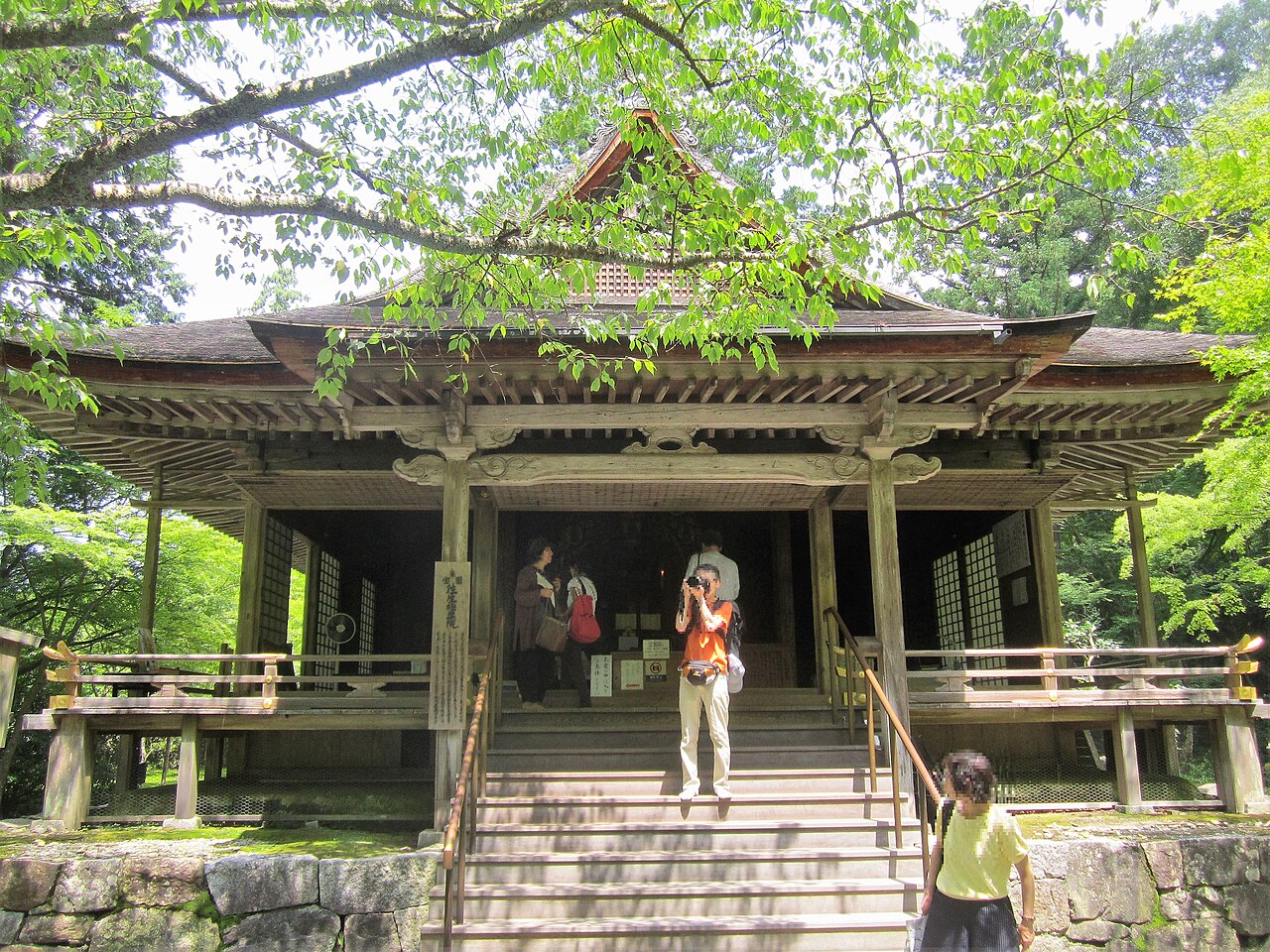
- Ōjō Gokuraku-in and the Amida triadthe small hall standing in the moss; inside, the National Treasure seated Amida with Kannon and Seishi kneeling forward, under a curved 'boat bottom' ceiling
- Yūseien moss gardenan unbroken sheet of moss running under cedar and maple — the garden you walk onto rather than look at
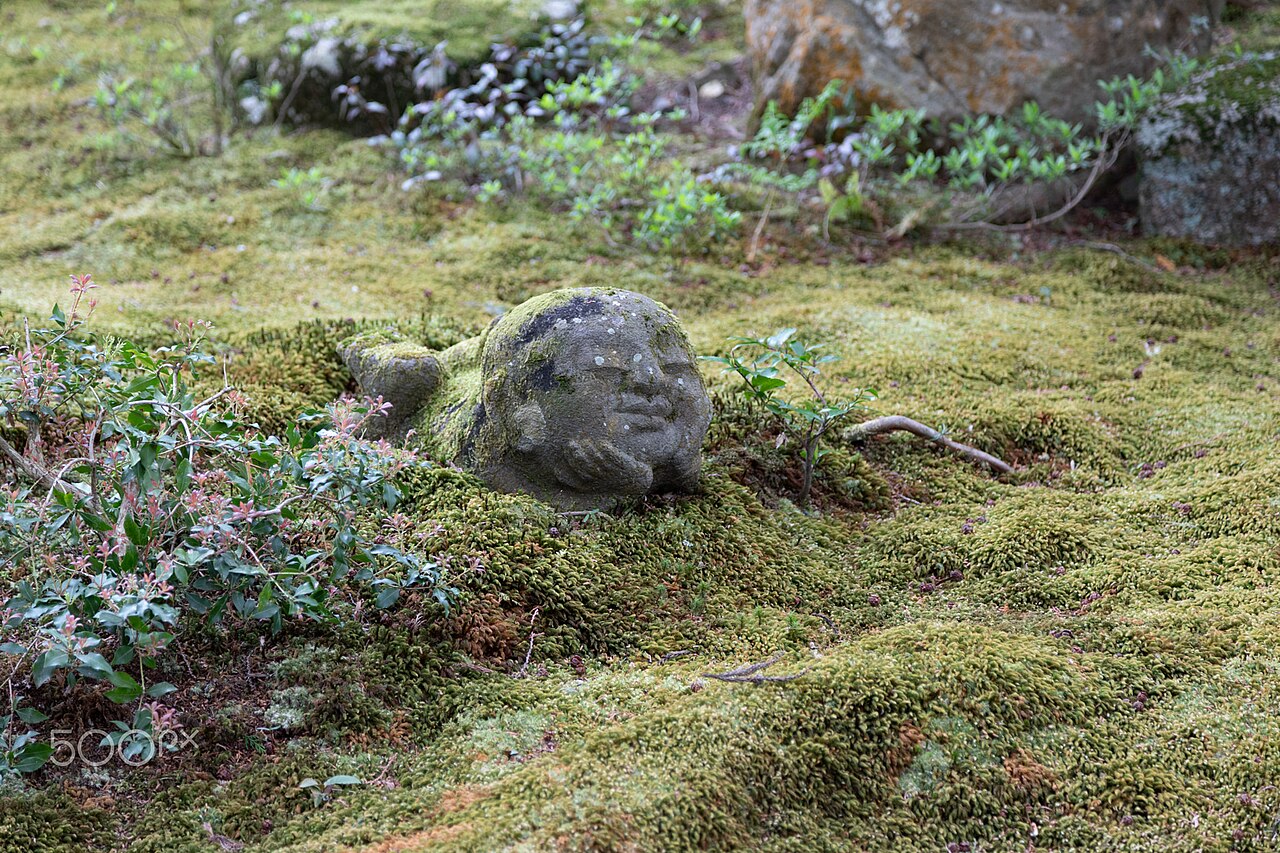
- The warabe jizosmall round-faced stone children set low in the moss, one lying on its side; easy to miss unless you are watching the ground
- Shuhekien from the Kyakuden verandaa pond-and-hill garden framed by the open hall, designed to be viewed sitting down from a fixed position
How to actually get there
- Kyoto Station → Kokusaikaikan Station (subway Karasuma Line, ~20 min, 290 yen).
- Kokusaikaikan Station → Ōhara bus stop (Kyoto Bus 19, ~20 min, 400 yen).
- Ōhara bus stop → temple gate (walk uphill beside the stream, ~10 min); Kyakuden and Shuhekien → Ōjō Gokuraku-in and the moss garden → Konjiki Fudō-dō.
- Kyoto Stn →(subway Karasuma Line)→ Kokusaikaikan Stn →(Kyoto Bus 19)→ Ōhara
- Kyoto Station →(subway Karasuma Line to the northern terminus, ~20 min, 290 yen)→ Kokusaikaikan Station →(Kyoto Bus 19 toward Ōhara, ~20 min, 400 yen)→ Ōhara bus stop. Total about 45–60 min. This is the faster and more reliable route. Kyoto Bus 17 also runs direct from Kyoto Station to Ōhara (~60 min, 630 yen) but is slower and gets caught in traffic.
- Return by Kyoto Bus from the Ōhara stop
- Buses back to Kokusaikaikan run roughly 2–3 times an hour and thin out in the late afternoon; the last services leave Ōhara earlier than you would expect for Kyoto. Check the return times posted at the Ōhara stop when you arrive, especially in winter.
About the place
Ōhara is a valley about an hour north of Kyoto Station, high enough and cold enough that its autumn colour arrives before the city's. Sanzen-in stands on the east side of it, behind heavy stone walls that look more like a castle than a temple, reached up a lane of pickle shops beside the Ryo river. Inside, the route runs first through the Kyakuden reception hall, where a low pond-and-hill garden called Shuhekien is framed by the open veranda — the kind of garden meant to be sat in front of, not walked in. Then the building opens onto Yūseien, and the ground changes completely: an unbroken sheet of moss running away under cedar and maple, with the small hipped roof of the Ōjō Gokuraku-in hall sitting in the middle of it. That hall holds the temple's National Treasure, a seated Amida flanked by Kannon and Seishi; unusually, the two attendants kneel forward as if rising to meet someone, and the ceiling above them was built in a curved 'boat bottom' shape to fit the tall figures under a low roof. Scattered through the moss outside, low enough that many visitors miss them, are the warabe jizo — small round-faced stone children, one lying on its side, one with its chin in its hands.
How to enjoy it
Arrive for the opening hour. Ōhara is far enough out that the first buses are quiet, and the moss garden is at its best while the light is still low and the ground still damp. The route through the buildings is one-way, so do not rush the Kyakuden veranda — sit down in front of Shuhekien before moving on, because the design assumes you will. Hydrangeas fill the upper slope in June; mid-November is the autumn peak and the busiest week of the year. Bring warmer clothing than you would for central Kyoto.
Background & history
The temple traces its founding to Saichō, who introduced Tendai Buddhism to Japan in the early ninth century, and its lineage as a monzeki temple meant its head priests were imperial princes. Its buildings moved several times over the centuries before the community settled on the present Ōhara site in the Meiji period. Ōjō Gokuraku-in, the oldest structure on the grounds, was first built in 985 and rebuilt in 1143; the seated Amida with the kneeling Kannon and Seishi inside it is a National Treasure. Ōhara has been a centre of shōmyō, the Tendai school of Buddhist chant, since the Heian period — the two streams that run through the valley are named Ryo and Ritsu after the two chant scales, and the Japanese phrase for slurred speech, roretsu ga mawaranai, is said to come from them.
Before you go
- Cash
- Admission is 700 yen, paid in cash at the gate. IC cards (ICOCA, Suica) work on both the subway and Kyoto Bus. The pickle and sesame shops on the approach lane are largely cash.
- Good to know
- Opening hours change by season: 9:00–17:00 from March to October, 8:45–16:45 in November, and 9:00–16:30 from December to February. Ōhara is noticeably colder than central Kyoto — the autumn colour peaks around mid-November, earlier than the city, and the valley can hold snow in midwinter.
- Another way
- Jakkō-in, the small nunnery on the west side of the same valley, is about 15 minutes on foot from the Ōhara bus stop in the opposite direction and pairs naturally with Sanzen-in for a half-day in Ōhara.
- After you get off
- From the Ōhara bus stop, cross to the lane on the east side and walk uphill beside the stream past the pickle shops — about 10 minutes to the temple gate.
Nearby notes
 Katie from USA / CC BY-SA 2.0
Food · Kyoto★★★
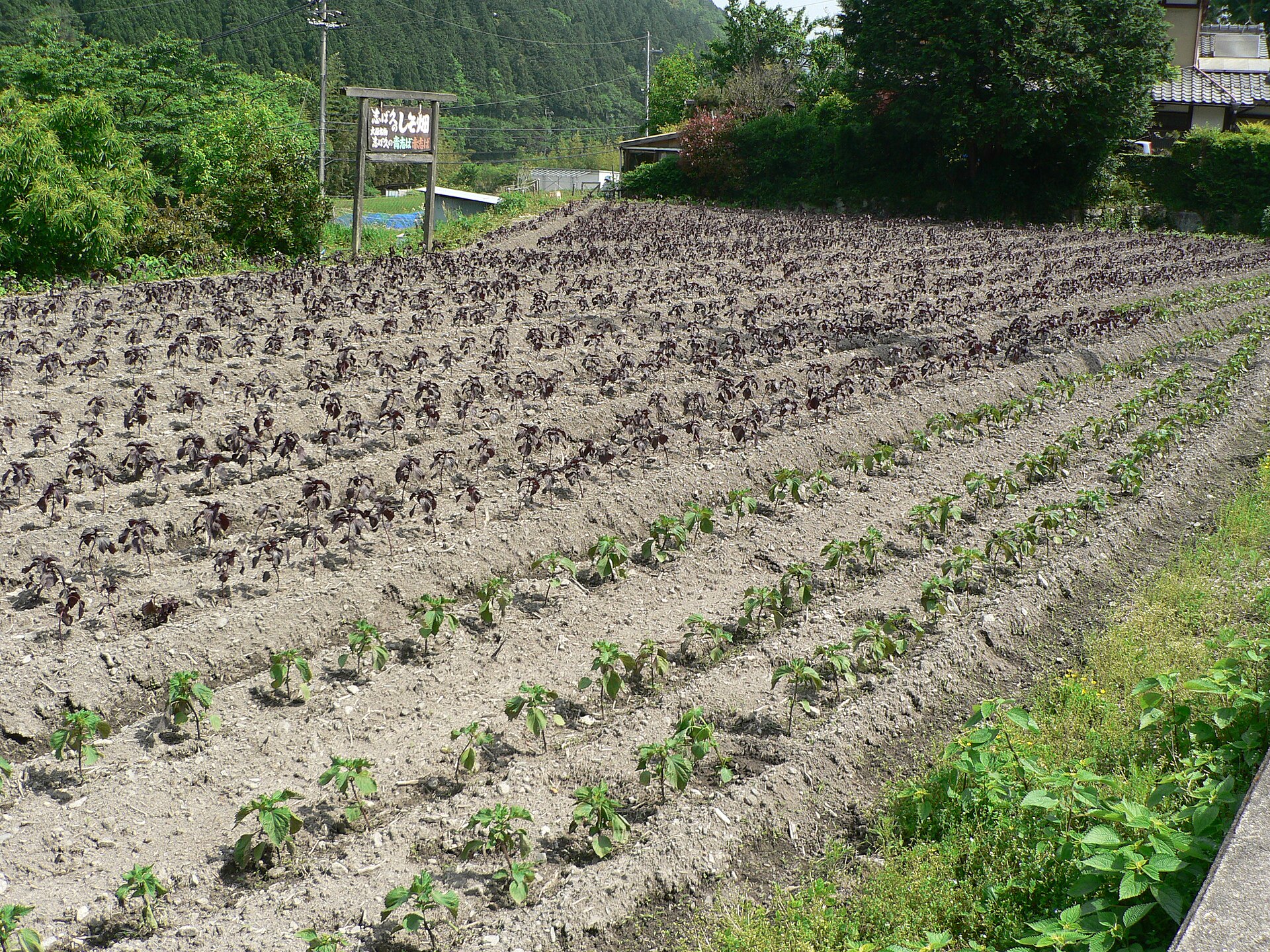
Kyoto Pickles
1.2 km · straight line
 Suikotei / CC BY-SA 4.0
History · Kyoto★★
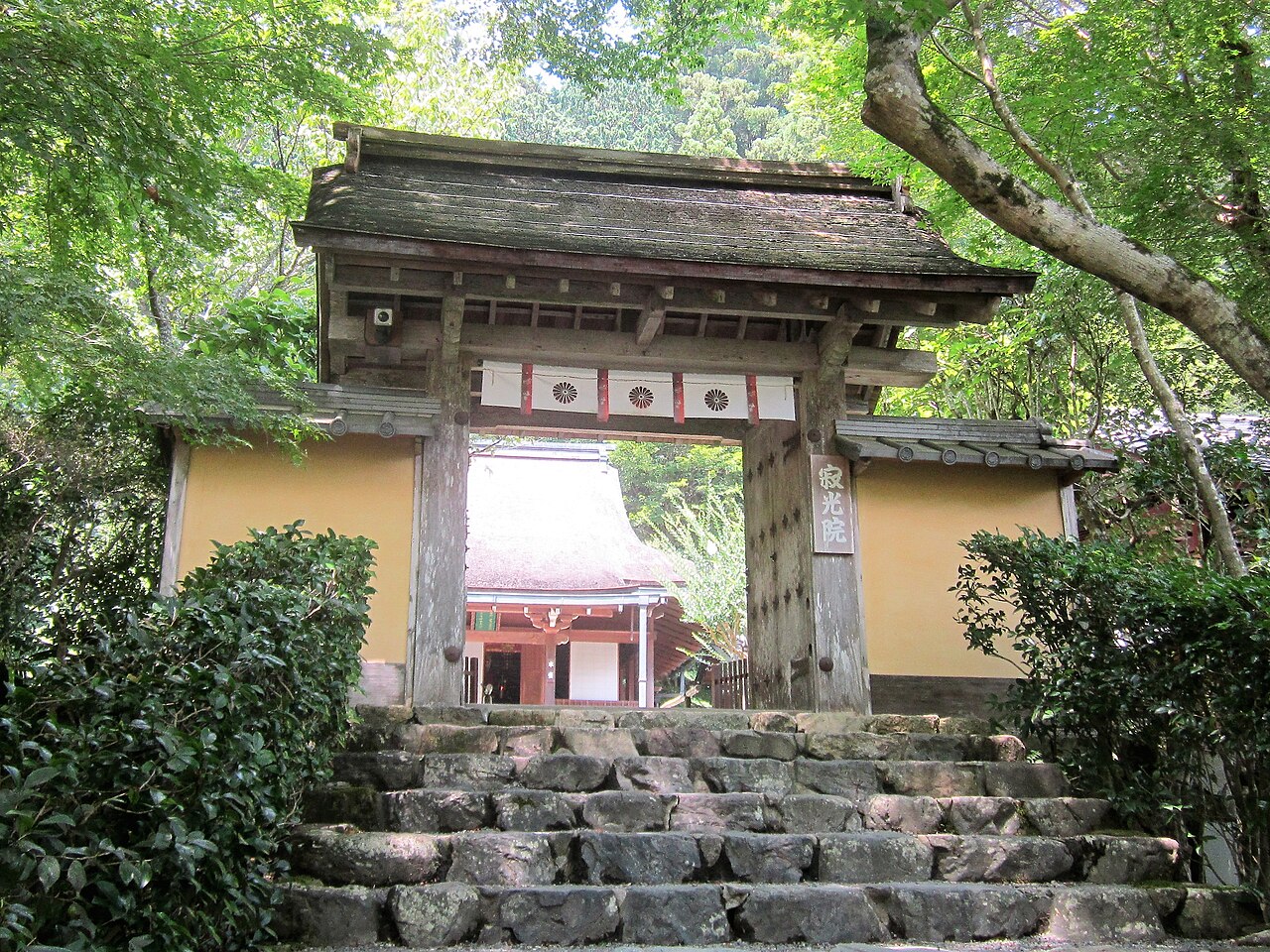
Jakkō-in
1.3 km · straight line
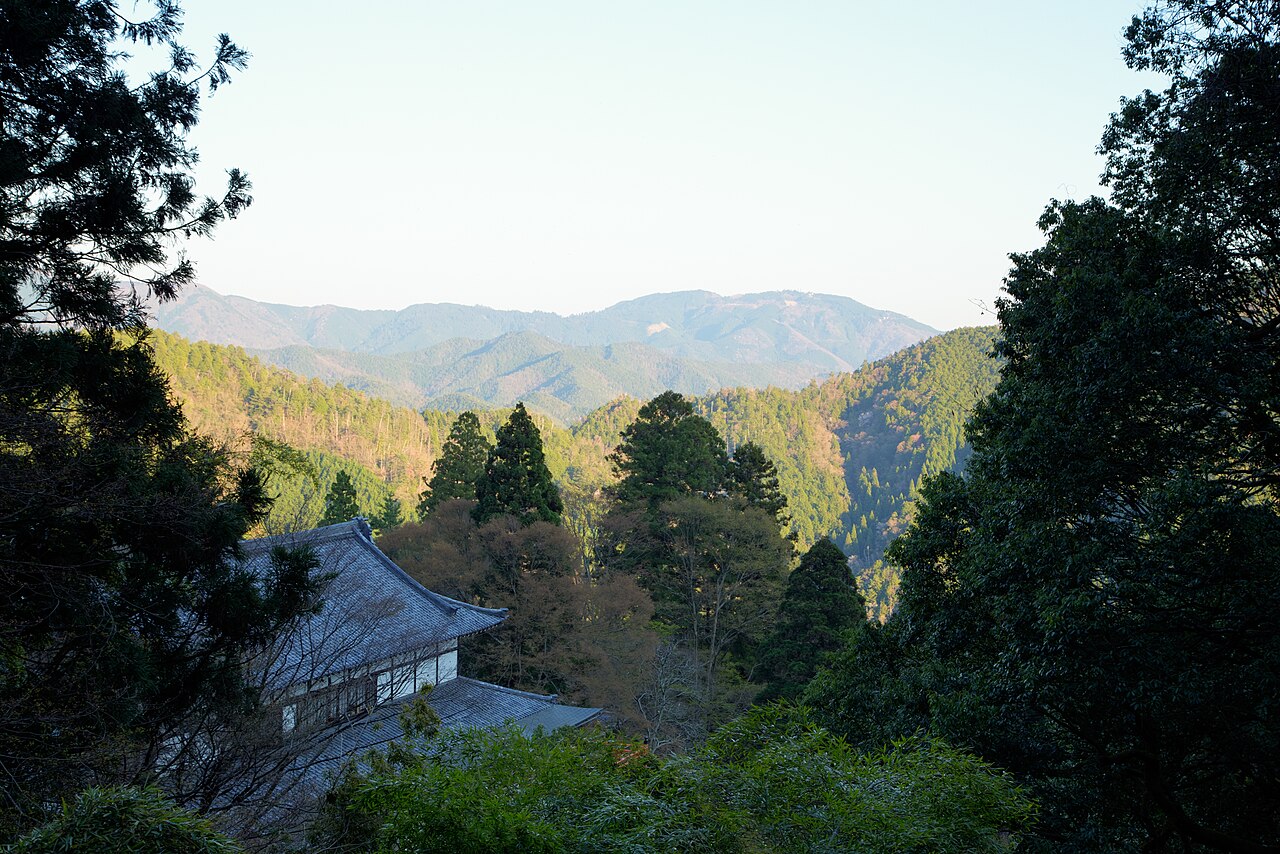 Yiannis Theologos Michellis / CC0
Onsen · Kyoto★★
Kurama Onsen
5.3 km · straight line
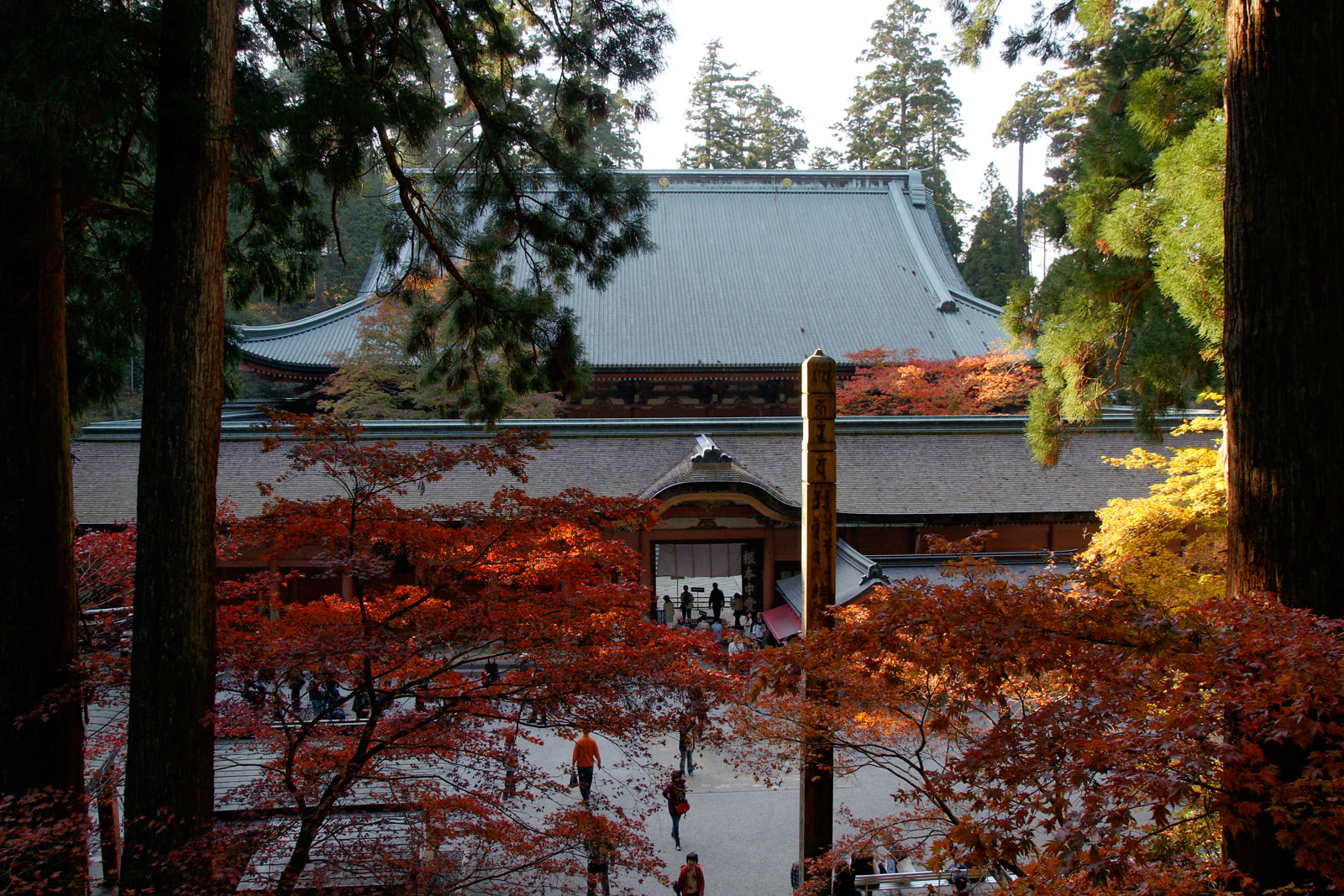 663highland / CC BY 2.5
History · Shiga★★★
Enryaku-ji Temple
5.6 km · straight line
On a curated routeNorth of Kyoto, Into the Hills →
Distances are straight lines on the map, not travel times.