Kyoto north · ŌharaNo.002★★Open in map →
Jakkō-in
— Ōhara's quiet west-side nunnery
A small Tendai convent on the quiet western side of Ōhara, reached by a farm lane and a stone stairway, with a thousand-year history told in The Tale of the Heike.
- FromKyoto Stn
- ~75 minbus ~2/h
- Get off atŌhara bus stop
- On foot
- Jakkō-in
The sweet spot
Jakkō-in stays quiet because English-language guides mostly cover the busier east side of the valley around Sanzen-in, the walk from the bus stop takes about fifteen minutes through farmland, and it sits off the main Kyoto sightseeing route north of the city.
Where it is
90 more notes in Kyoto · open the map →What to look for — in walking order
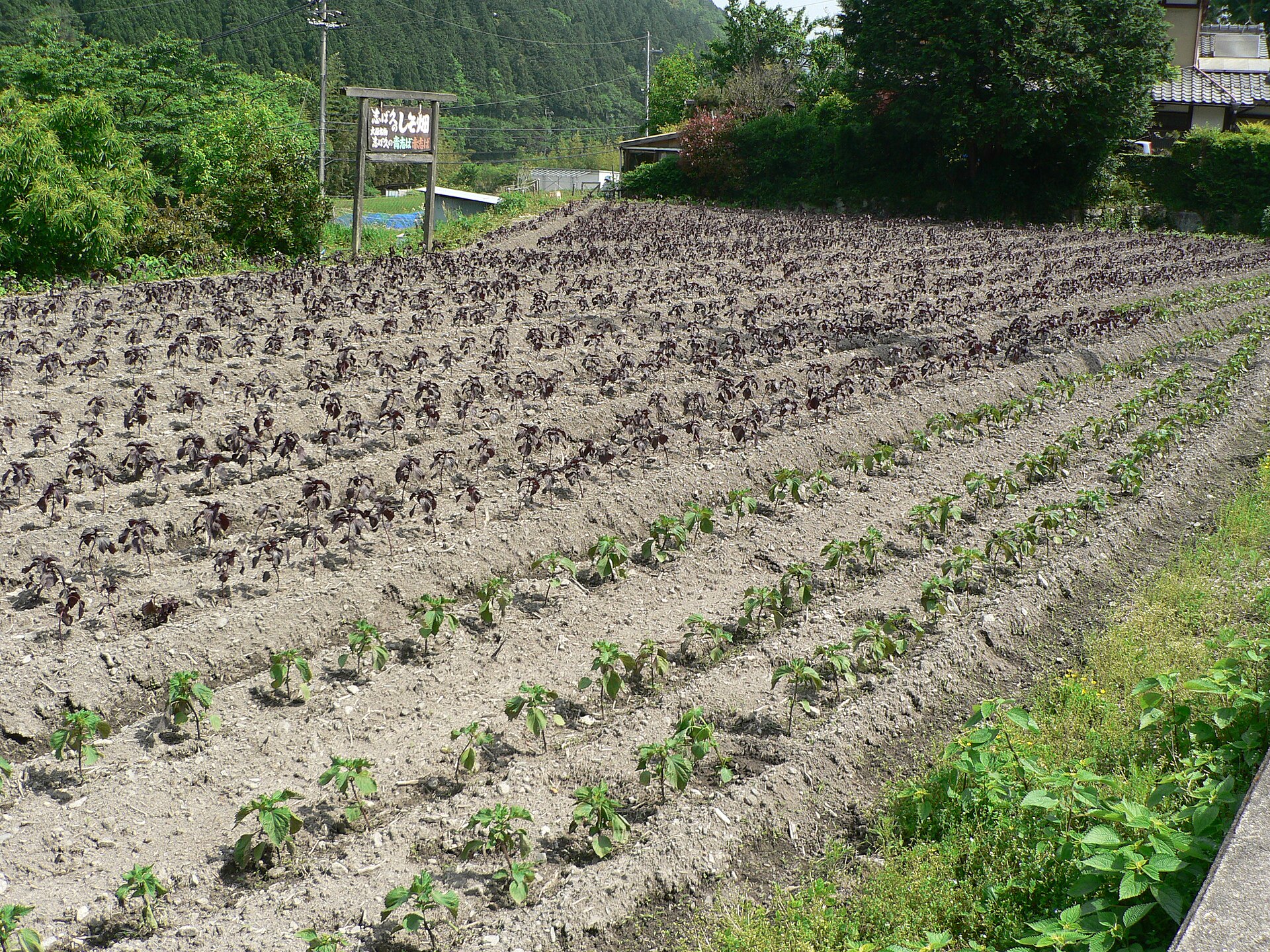
- Farm lane and shiso fieldsthe approach from the bus stop through Ōhara's red-shiso growing country
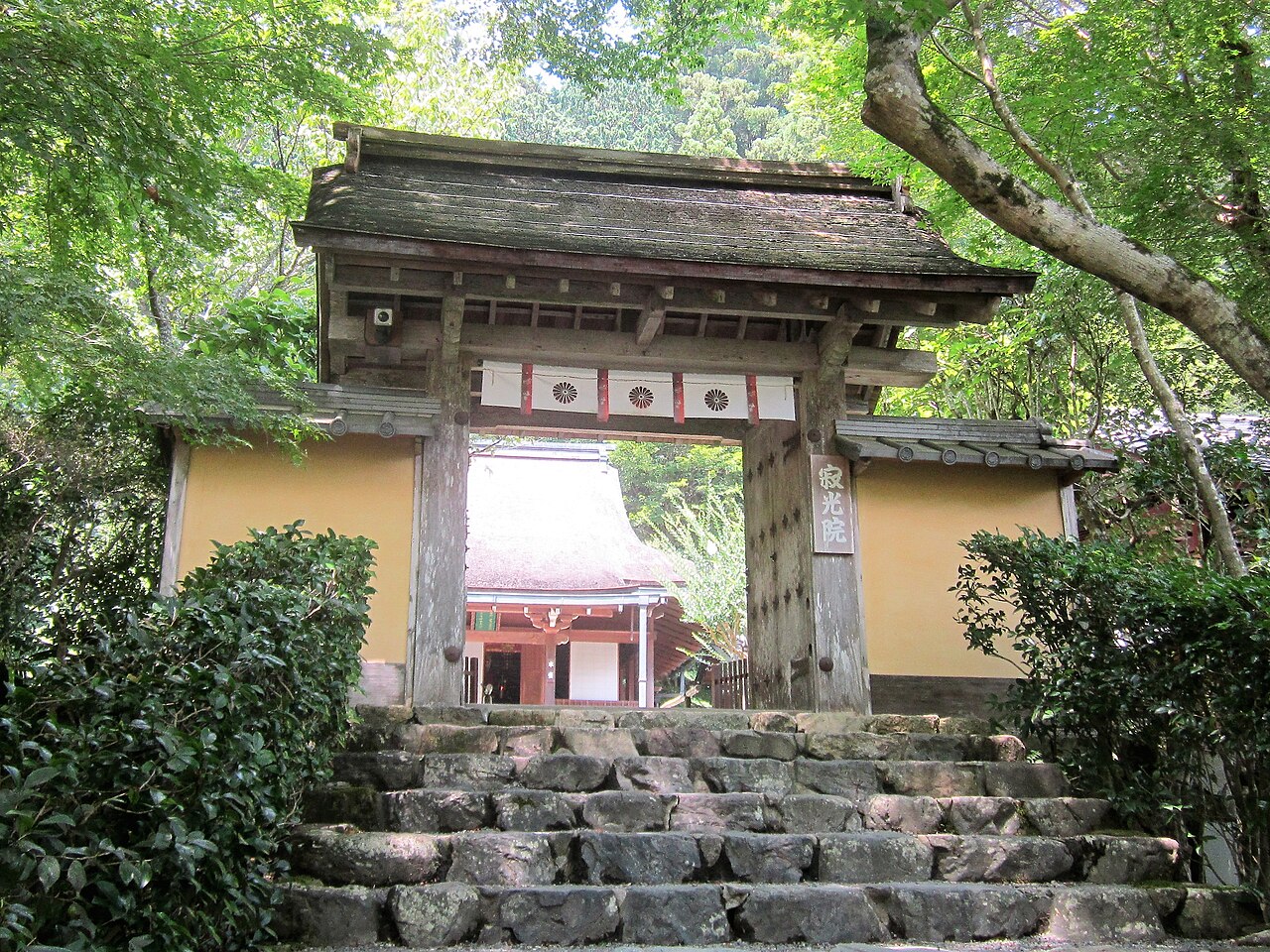
- Stone stairway and gatea flight of steps rising to a small maple-framed gate, striking when the leaves turn red in autumn
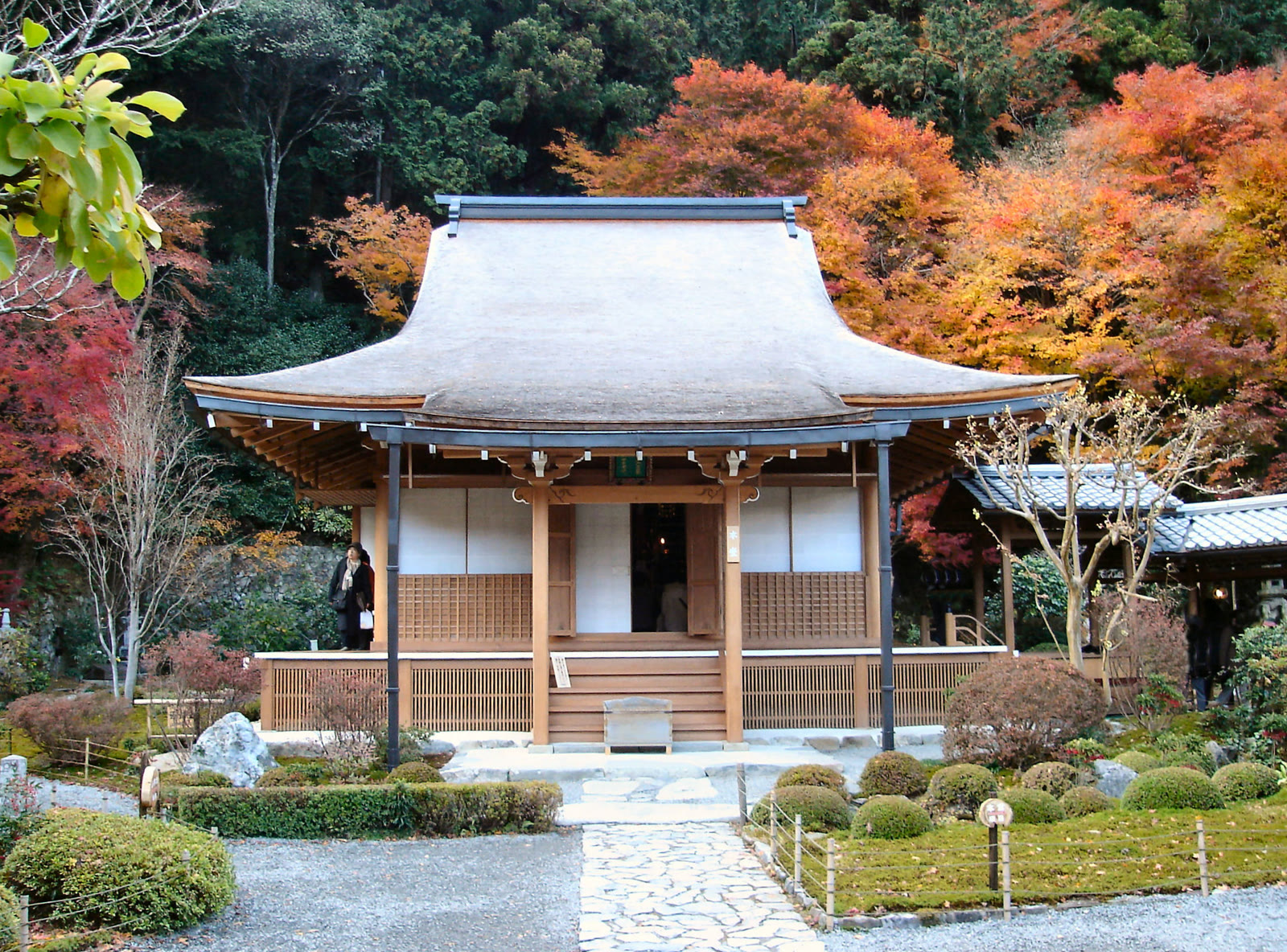
- Main hall (Hondo)the rebuilt hall of the convent where Kenreimon-in lived in retirement
- Rokumantai Jizō statuethe fire-damaged original Jizō Bosatsu, an Important Cultural Property, kept on the grounds
How to actually get there
- 1. Kyoto Station → Ōhara bus stop (Kyoto Bus route 17, direct, ~60 min).
- 2. Ōhara bus stop → walk west uphill through the farmland (~15 min).
- 3. Arrive at Jakkō-in's stone stairway and gate at the end of the lane.
- Kyoto Bus 17 (direct)
- Kyoto Station →(Kyoto Bus route 17, direct, ~60 min)→ Ōhara bus stop →(walk west, ~15 min uphill through farmland)→ Jakkō-in. Total about 75 min. Board the tan-colored Kyoto Bus, not the green Kyoto City Bus. Buses run roughly every 30 minutes in the daytime; fare is about ¥630.
- Return: Kyoto Bus 17
- Take Kyoto Bus 17 back from the Ōhara bus stop toward Kyoto Station. Services thin out in the late afternoon and end in the evening — when you arrive, check the last-bus time posted at the Ōhara stop before you set out to the temple.
About the place
Jakkō-in sits apart from Ōhara's main temple cluster on the western side of the valley, about fifteen minutes' walk from the bus stop through farmland. Ōhara is a noted growing area for red shiso (aka-jiso), the herb that gives the region's shibazuke pickles their colour and flavour. Past the fields, stone steps climb to a small gate framed by maples. The temple is best known as the retreat where Kenreimon-in — a former empress and daughter of the warlord Taira no Kiyomori — lived alone after her family lost a civil war. Her story features prominently in The Tale of the Heike. The main hall was destroyed by arson in 2000 and rebuilt in 2005.
How to enjoy it
Allow fifteen minutes on foot from the Ōhara bus stop, walking west through the farmland. In autumn the maples around the gate turn red. The grounds are compact; combine the visit with shibazuke pickles at the shops on the way back.
Background & history
Temple tradition holds that Jakkō-in was founded in 594 by Prince Shōtoku to honour his late father, Emperor Yōmei. It later became the retreat of Kenreimon-in (Taira no Tokuko), mother of the child Emperor Antoku. She became a Buddhist nun and entered this convent after the Taira clan's defeat at the naval Battle of Dan-no-ura in 1185, remaining here until her death in 1214. Her years of seclusion, and a visit by the retired Emperor Go-Shirakawa, are recounted in The Tale of the Heike. The original main statue — a wooden Jizō Bosatsu from the Kamakura period, listed as an Important Cultural Property — was damaged in the 2000 fire and is kept on the grounds.
Before you go
- Cash
- IC cards (such as ICOCA and Suica) work on Kyoto Bus 17. Small shops and farm stands in Ōhara may be cash-only, so carry some coins.
- Good to know
- Jakkō-in is open 9:00–17:00 (March–November) and 9:00–16:30 (December–February); admission is ¥600 for adults.
- Another way
- Alternative: take the Karasuma subway line to Kokusaikaikan Station (~20 min), then Kyoto Bus 19 to Ōhara (~20 min). This puts more of the trip on the train and shortens the bus leg.
- After you get off
- From the Ōhara bus stop, walk west toward the temple side of the valley for about 15 minutes, uphill on a paved farm lane past the shiso fields; Jakkō-in's gate is at the end.
Nearby notes
 Katie from USA / CC BY-SA 2.0
Food · Kyoto★★★
Kyoto Pickles
1.1 km · straight line
 Arvined Winstud / CC BY-SA 3.0
History · Kyoto★★★
Sanzen-in
1.3 km · straight line
 Yiannis Theologos Michellis / CC0
Onsen · Kyoto★★
Kurama Onsen
4.1 km · straight line
 KENPEI / CC BY-SA 3.0
History · Kyoto★★
Kurama-dera
4.5 km · straight line
On a curated routeNorth of Kyoto, Into the Hills →
Distances are straight lines on the map, not travel times.