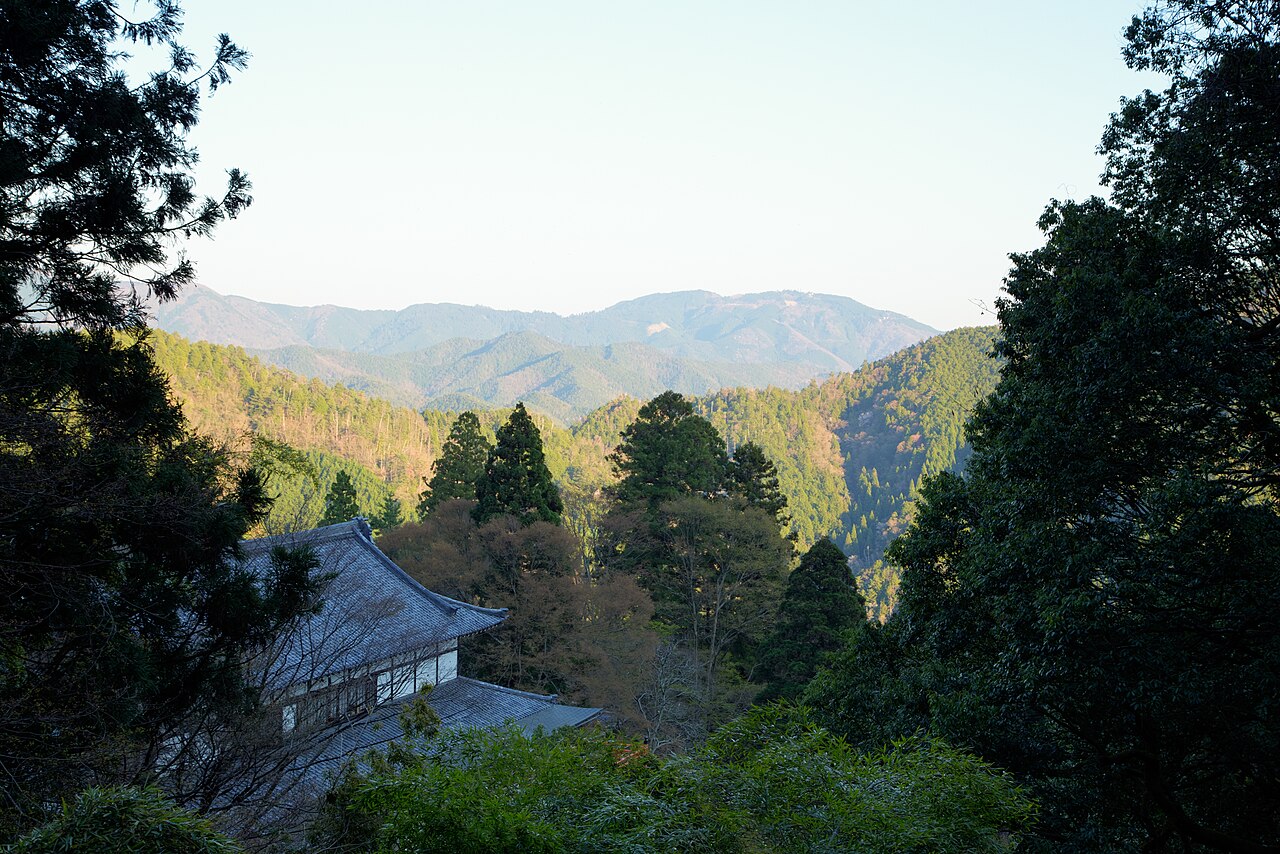
Kyoto north · KuramaNo.003★★Open in map →
Kurama Onsen
A natural sulfur hot spring at the foot of Mt. Kurama, open to day visitors and overnight guests, with a hilltop open-air bath looking out over the forest.
- FromKyoto Stn
- ~50 mintrain + shuttle
- Get off atKurama Stn
- From there
- Kurama Onsen
The sweet spot
English guides treat Kurama as a temple-and-hike day trip and rarely mention the onsen, so most foreign visitors leave before reaching it; the bath sits a short ride beyond the temple, off the main tourist path.
Where it is
90 more notes in Kyoto · open the map →What to look for — in walking order
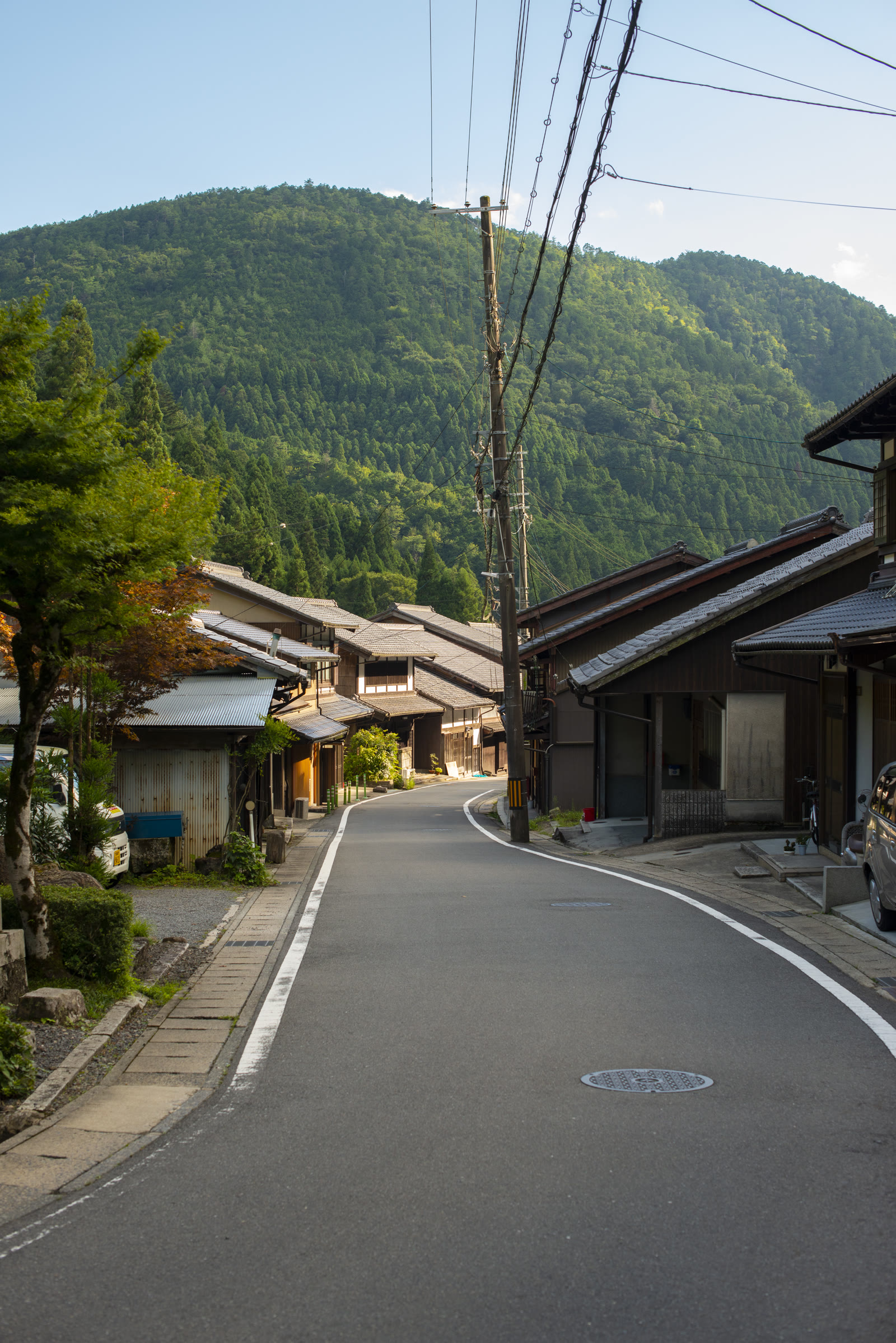
- Kurama-dera templethe mountain temple a short walk from the station, visited before the onsen
- Hilltop open-air baththe rotenburo set apart from the main building, open to the surrounding forested mountains
- Indoor bath and saunathe combined indoor-plus-outdoor plan that adds an indoor bath and sauna to the rotenburo
- Sulfur spring wateran iron-rich hydrogen-sulfide spring valued for its effect on skin and tired muscles
How to actually get there
- Kyoto Stn → Demachiyanagi (JR Nara Line to Tofukuji, then Keihan Main Line, ~15 min).
- Demachiyanagi → Kurama Stn (Eizan Railway, ~30 min, ¥470, every 15-20 min).
- Kurama Stn → Kurama Onsen (free shuttle bus ~3 min, or ~10 min walk uphill).
- Keihan + Eizan Railway
- Kyoto Stn →(JR Nara Line to Tofukuji, then Keihan Main Line to Demachiyanagi, ~15 min total)→ Demachiyanagi →(Eizan Railway, the scenic single line north, ~30 min, ¥470)→ Kurama Stn →(free shuttle bus, ~3 min, or a ~10 min walk)→ Kurama Onsen. Total about 50-55 min. Eizan trains run every 15-20 min.
- Same line back
- Return the same way: free shuttle or walk to Kurama Stn, then the Eizan Railway back to Demachiyanagi. Trains run into the evening but not late at night — check the last-train time posted at Kurama Stn when you arrive so you do not miss the bath's last entry and the train down.
About the place
Kurama Onsen sits in the mountain village of Kurama in Kyoto's Sakyo Ward, about thirty minutes north of central Kyoto on the Eizan Railway. It is a public day-trip onsen anyone can enter: pay at the front desk, choose the open-air bath alone or a combined indoor-and-outdoor plan, and eat at the on-site restaurant; overnight lodging is also available. The main draw is the rotenburo (open-air bath), set on a rise apart from the main building and ringed by forested slopes that change with the seasons — new green in spring, red maples in autumn. The water is a sulfur spring rich in iron, and the bathhouse is open year-round from morning until evening.
How to enjoy it
Ride the Eizan Railway to Kurama Station, visit Kurama-dera temple, then take the free shuttle bus or walk ten minutes uphill to the baths. Late afternoon in autumn is ideal, when the maples around the hilltop open-air bath are at their reddest. Last-entry times shift by season, so check current hours before you go.
Background & history
Kurama has long been counted among the few natural hot springs within Kyoto city, its source traced to spring water in the surrounding hills. The onsen closed in 2021 following the pandemic and typhoon damage to the Eizan rail line, then reopened in November 2024 after crowdfunded repairs and renovation — in time for the autumn-foliage season when Kurama and its temple, Kurama-dera, are at their busiest.
Before you go
- Cash
- Day-use fee is paid at the front desk. As of 2026: outdoor bath only about ¥1,400 on weekdays / ¥1,600 on weekends and holidays; the indoor-plus-outdoor set with sauna about ¥2,500 / ¥2,700. Rural onsen often prefer cash — carry some yen to be safe.
- Good to know
- Open 10:00-21:00 (year-round). Last entry is earlier and shifts by season — around 20:20 in the warmer months and earlier in winter, so confirm the day's last-entry time on the official site.
- Another way
- A free shuttle bus links Kurama Stn and the onsen and is timed to train arrivals; if you would rather walk, it is about ten minutes uphill along the road from the station.
- After you get off
- From Kurama Station it is a ~3 min free shuttle ride, or a ~10 min walk uphill along the paved road, to the onsen entrance.
Nearby notes
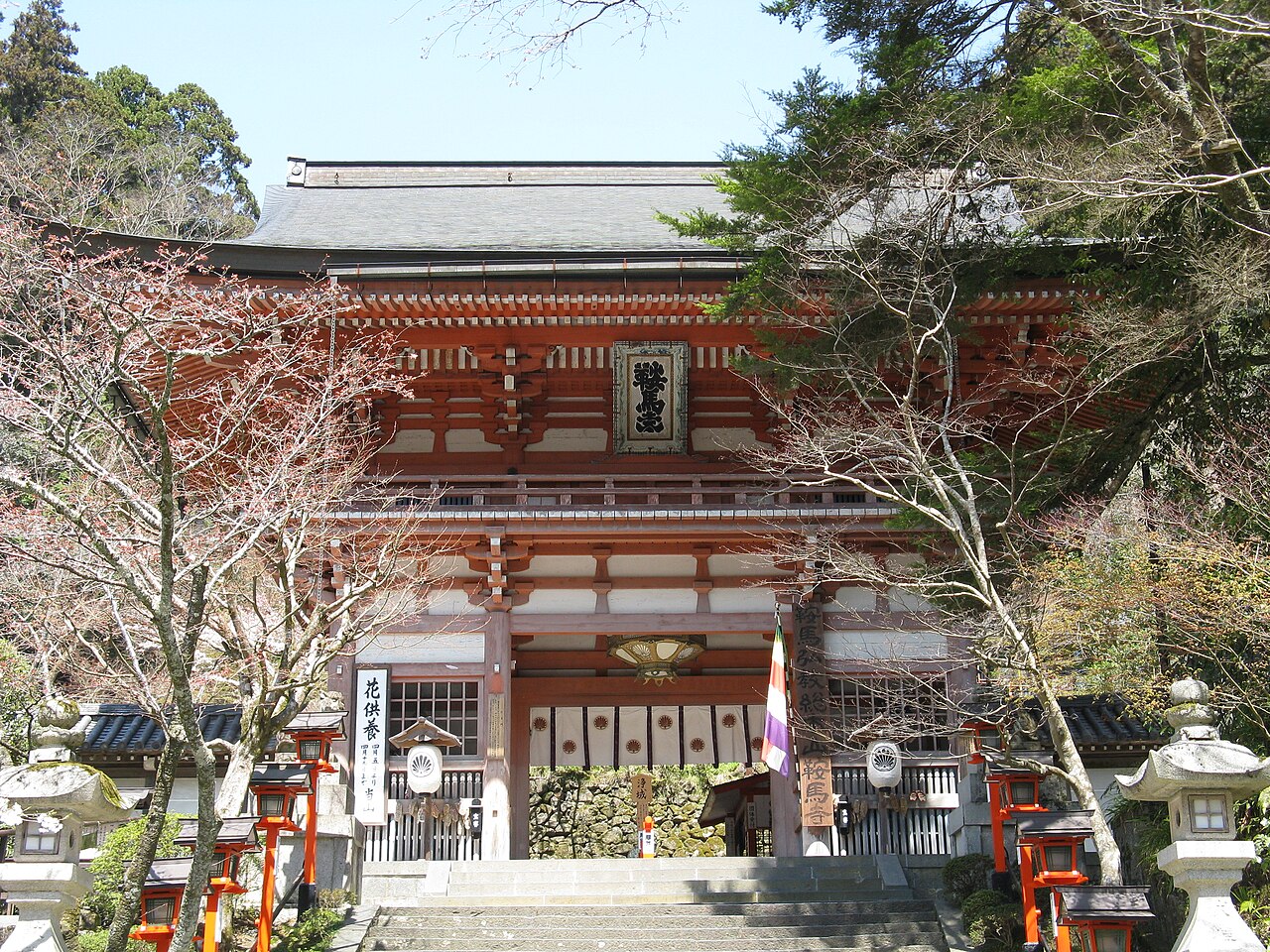 KENPEI / CC BY-SA 3.0
History · Kyoto★★
Kurama-dera
0.5 km · straight line
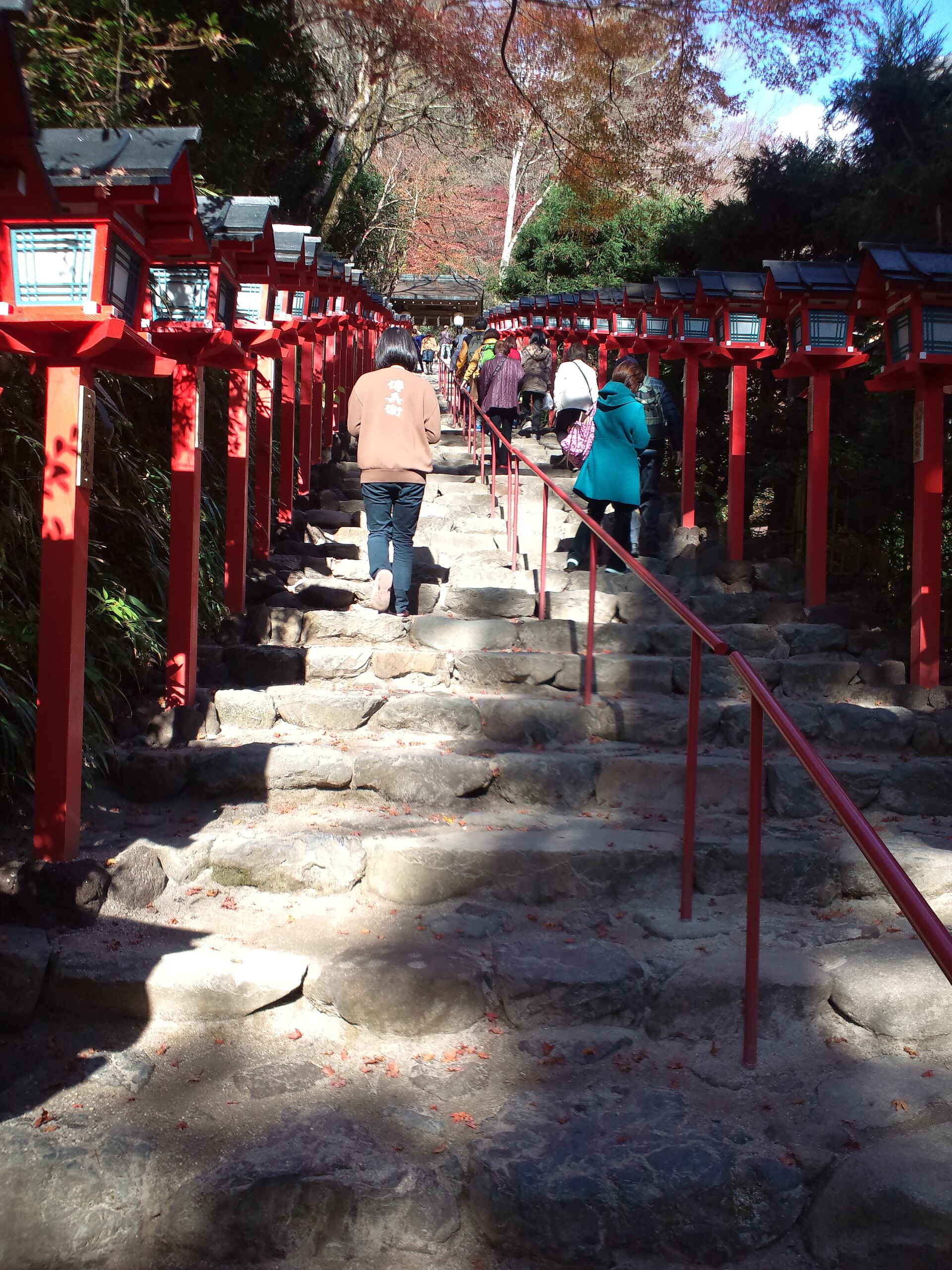 Yanajin33 / CC BY-SA 4.0
Culture · Kyoto★★★
Kifune Shrine
1.3 km · straight line
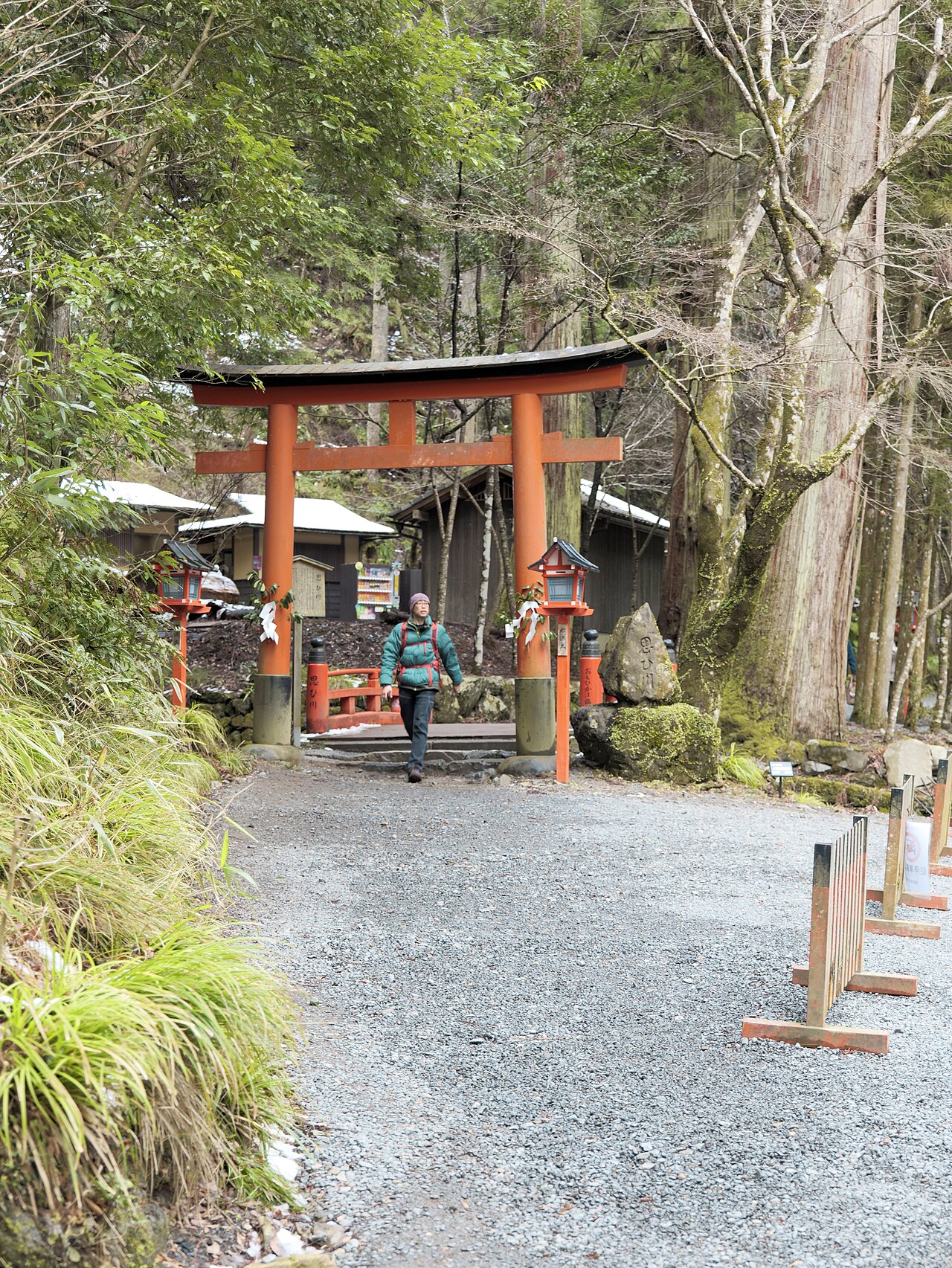 Hyppolyte de Saint-Rambert / CC BY 4.0
Nature · Kyoto★
Kifune Shrine Okumiya
1.5 km · straight line
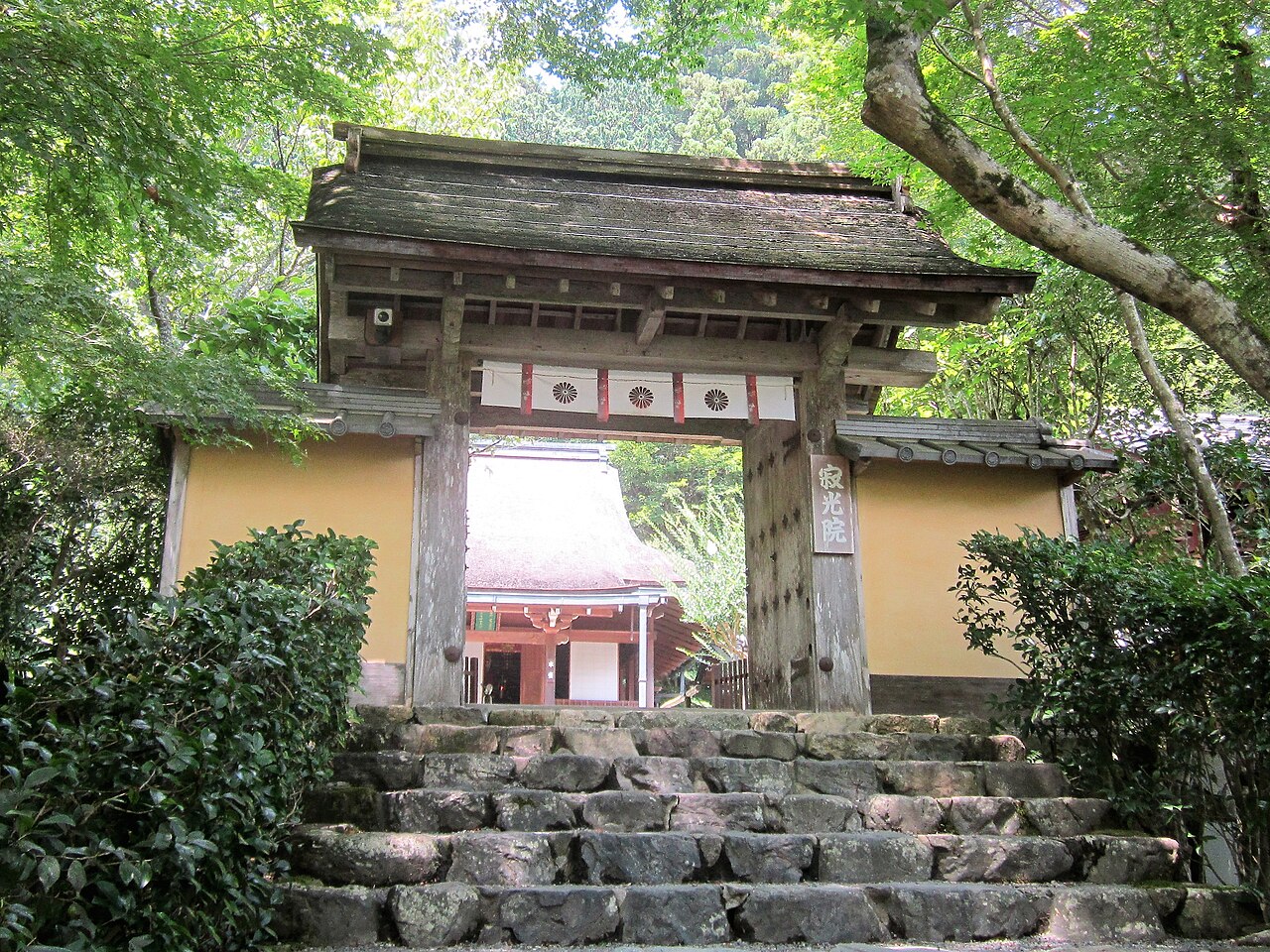 Suikotei / CC BY-SA 4.0
History · Kyoto★★
Jakkō-in
4.1 km · straight line
On a curated routeNorth of Kyoto, Into the Hills →
Distances are straight lines on the map, not travel times.