North Kyoto · KibuneNo.873★★★Open in map →
Kifune Shrine
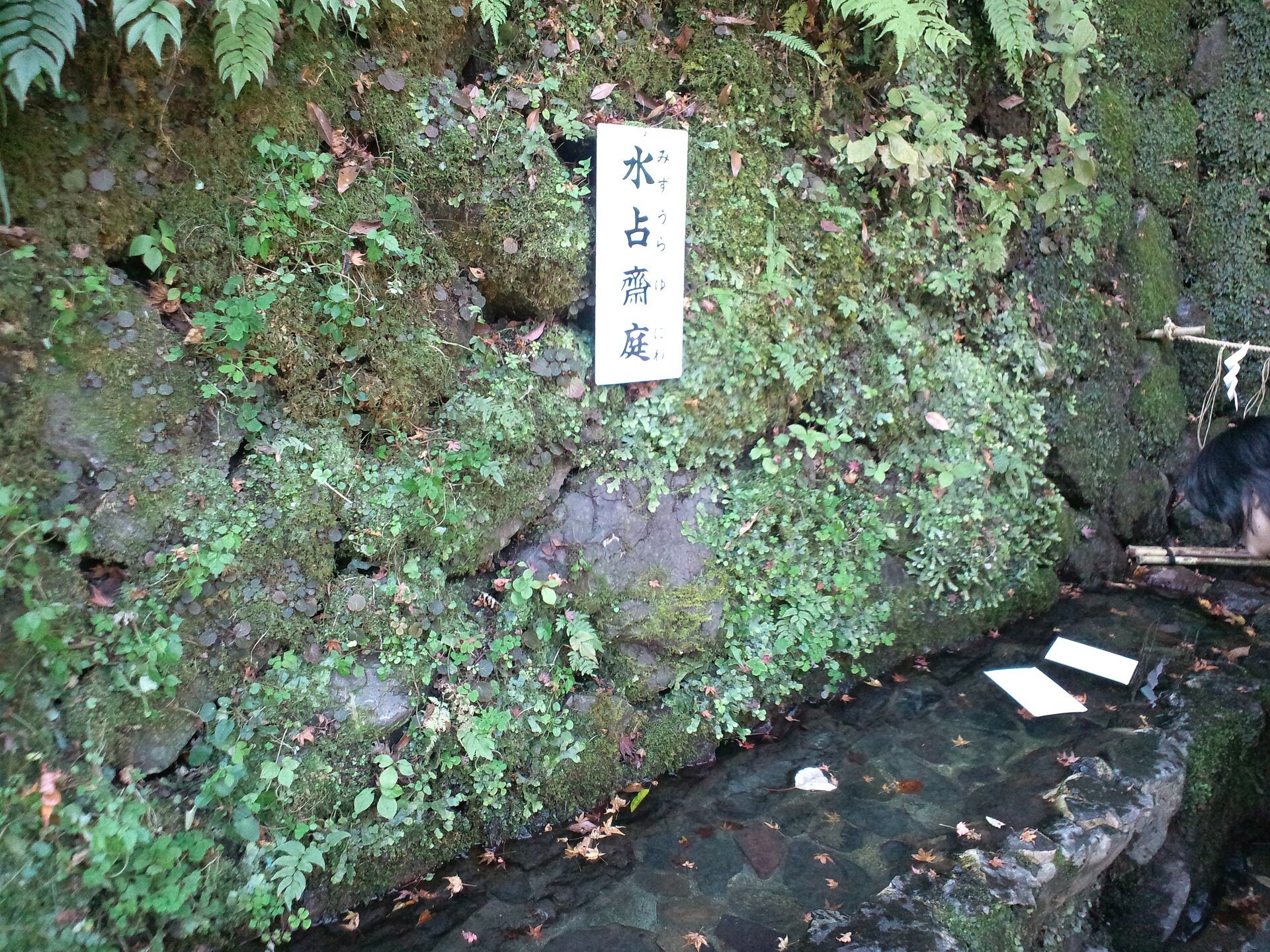
A water-god shrine set in a river gorge in the hills north of Kyoto, spread across three separate precincts strung along one valley road. Its paper fortunes come out blank, and the writing appears only when you float them on the shrine's spring water.
- FromDemachiyanagi Station
- ~40 minEizan train + local bus
- Get off atKibuneguchi Station (Eizan Railway Kurama Line)
- From there
- Kifune Shrine
Where it is
90 more notes in Kyoto · open the map →What to look for — in walking order
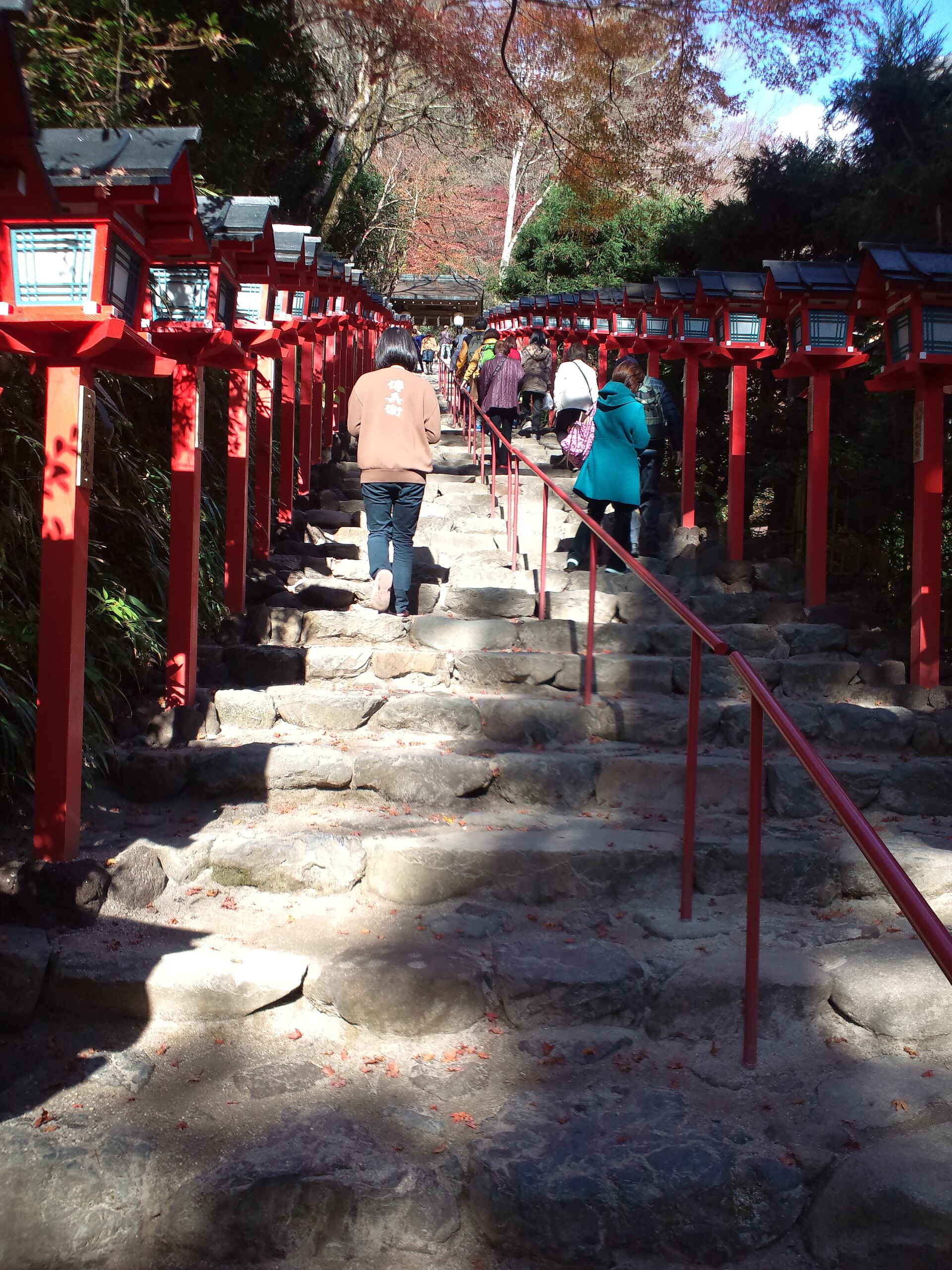
- The lantern stepsthe stone staircase up to the main shrine, lined on both sides with vermilion-framed lanterns
- Mizuura-yuniwa springthe shallow basin of shrine spring water where blank paper fortunes are floated
- Yui-no-yashirothe middle shrine to Iwanaga-hime, a short way further up the valley road
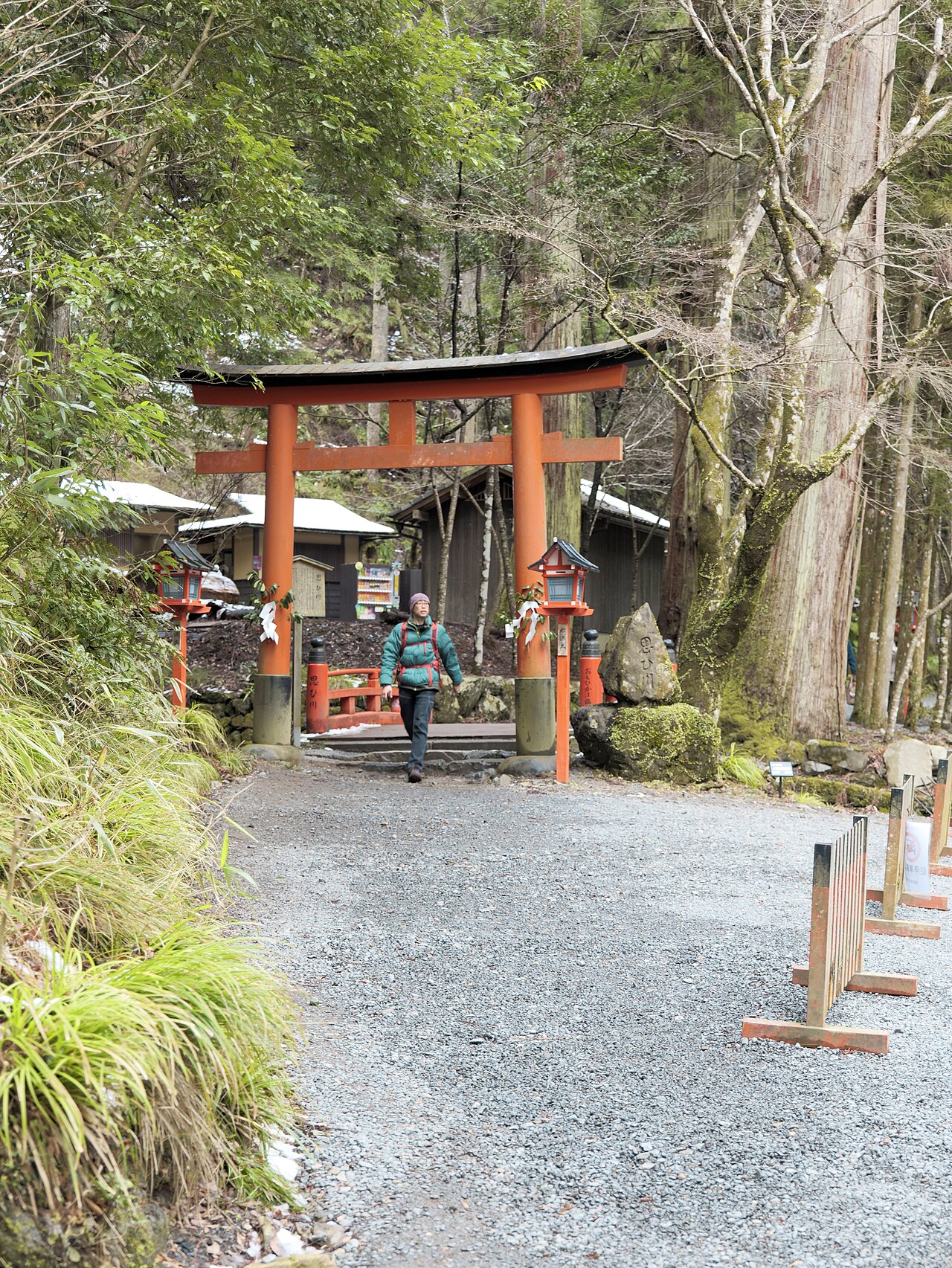
- Okumiyathe inner shrine on the founding ground, furthest upstream among old cedars
How to actually get there
- Demachiyanagi Station → Kibuneguchi Station (Eizan Railway, Kurama Line).
- Kibuneguchi Station → Kibune bus stop (Kyoto Bus route 33).
- Kibune stop → main shrine and the lantern steps (walk up the lane).
- Main shrine → Yui-no-yashiro → Okumiya, continuing up the same valley road.
- Eizan Railway Kurama Line, then Kyoto Bus 33
- Demachiyanagi Station → Kibuneguchi Station on the Eizan Railway Kurama Line, then Kyoto Bus route 33 from the station front to the Kibune stop. Daytime trains on this line run about every 15 minutes, so the rail leg needs no timetable planning. The bus is a small local service and runs far less often.
- Back down the valley the same way
- Kyoto Bus route 33 from Kibune back to Kibuneguchi Station, then the Eizan Railway to Demachiyanagi. The bus finishes for the day well before the trains do. Check the posted return times at the Kibune stop when you get off, so you are not left walking the valley road in the dark.
About the place
Kifune Shrine stands in a narrow gorge on the Kibune River, in the hills north of central Kyoto. It is the head shrine of a water-god cult that counts some two thousand shrines across Japan, and rites for rain and for the stopping of rain were performed here on behalf of the capital downstream. The precinct is not one place but three: the main shrine, the Yui-no-yashiro in the middle of the valley, and the Okumiya furthest upstream. All three sit on the same road, so a visit here is a walk rather than a stop. The lantern-lined stone steps at the main shrine are the image most people arrive with.
How to enjoy it
The precinct opens at 6:00, and the first part of the morning is the quietest stretch of the day on the steps, before the buses start bringing people up. Work up the valley in order — main shrine, then the middle shrine, then the inner shrine — and come back down the same road. The fortune-floating is at the main shrine, which you pass again on the way out.
Background & history
By tradition the shrine began when Tamayori-hime came up the rivers from the sea in a yellow boat and enshrined the water deity at the spring here; the name of the place is often traced back to that boat. The oldest surviving record of the shrine buildings being rebuilt is dated to the sixth year of the Hakuho era, so a shrine already stood on this ground in the seventh century. Flooding later destroyed the buildings at the founding spot, and the main shrine was rebuilt downstream. The original ground became the Okumiya.
Before you go
- Cash
- Entry to all three precincts is free. Carry coins even so — the local bus, the offering boxes and the paper fortunes are all handled in cash.
- Good to know
- This is a working water source and a place of prayer. Do not step into the spring or the river, and keep your voice down near the inner shrine. The gorge is narrow and cold, and opening hours shift with the season.
- Another way
- From the city centre you can also come in by subway: Karasuma Line to Kokusaikaikan Station, then Kyoto Bus route 52 to Kibuneguchi, changing there to route 33.
- After you get off
- Ride Kyoto Bus route 33 from in front of Kibuneguchi Station to the Kibune stop, at the foot of the village. The main shrine is about five minutes on foot up the lane from there.
Nearby notes
 Hyppolyte de Saint-Rambert / CC BY 4.0
Nature · Kyoto★
Kifune Shrine Okumiya
0.8 km · straight line
 KENPEI / CC BY-SA 3.0
History · Kyoto★★
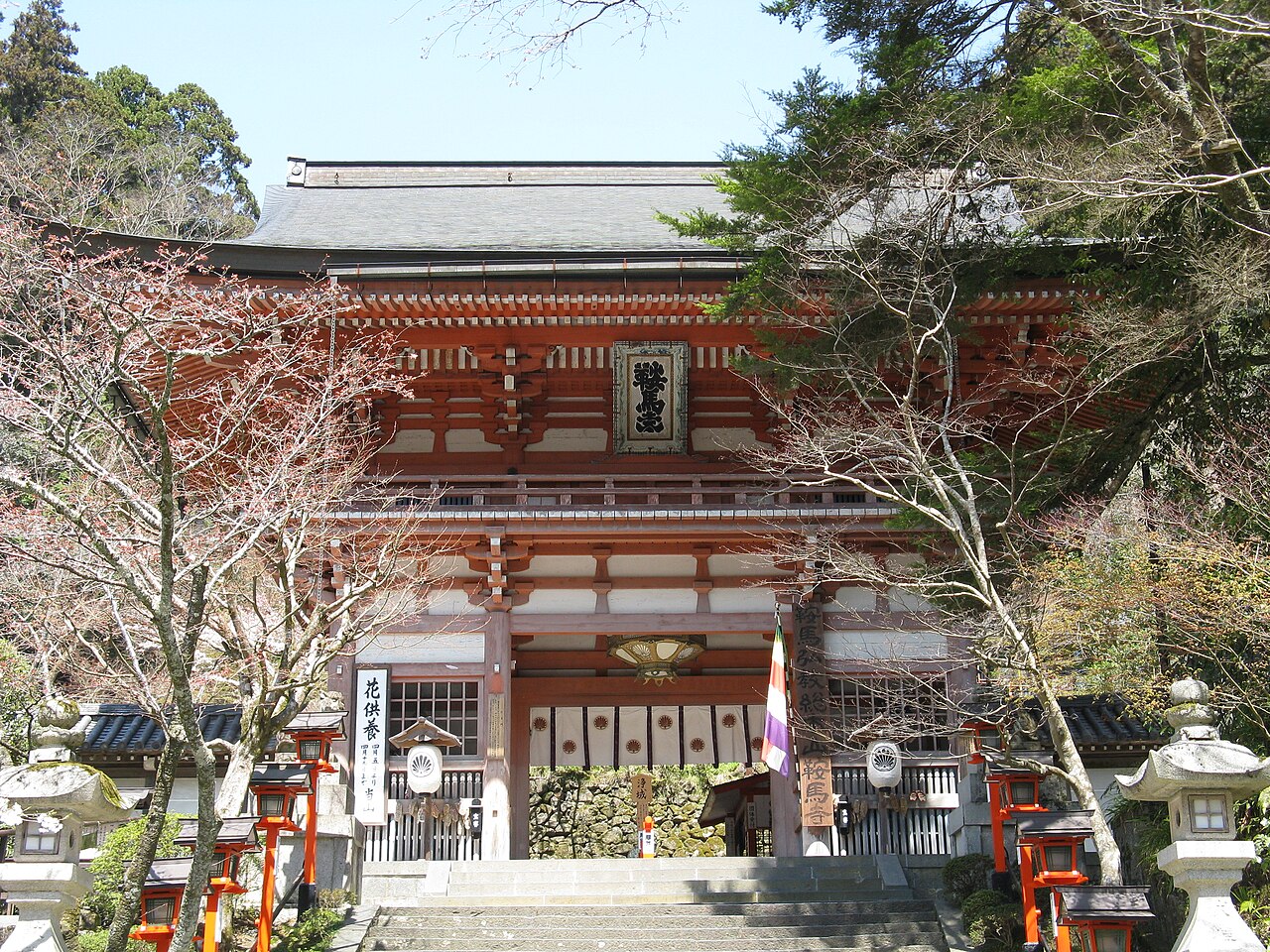
Kurama-dera
0.8 km · straight line
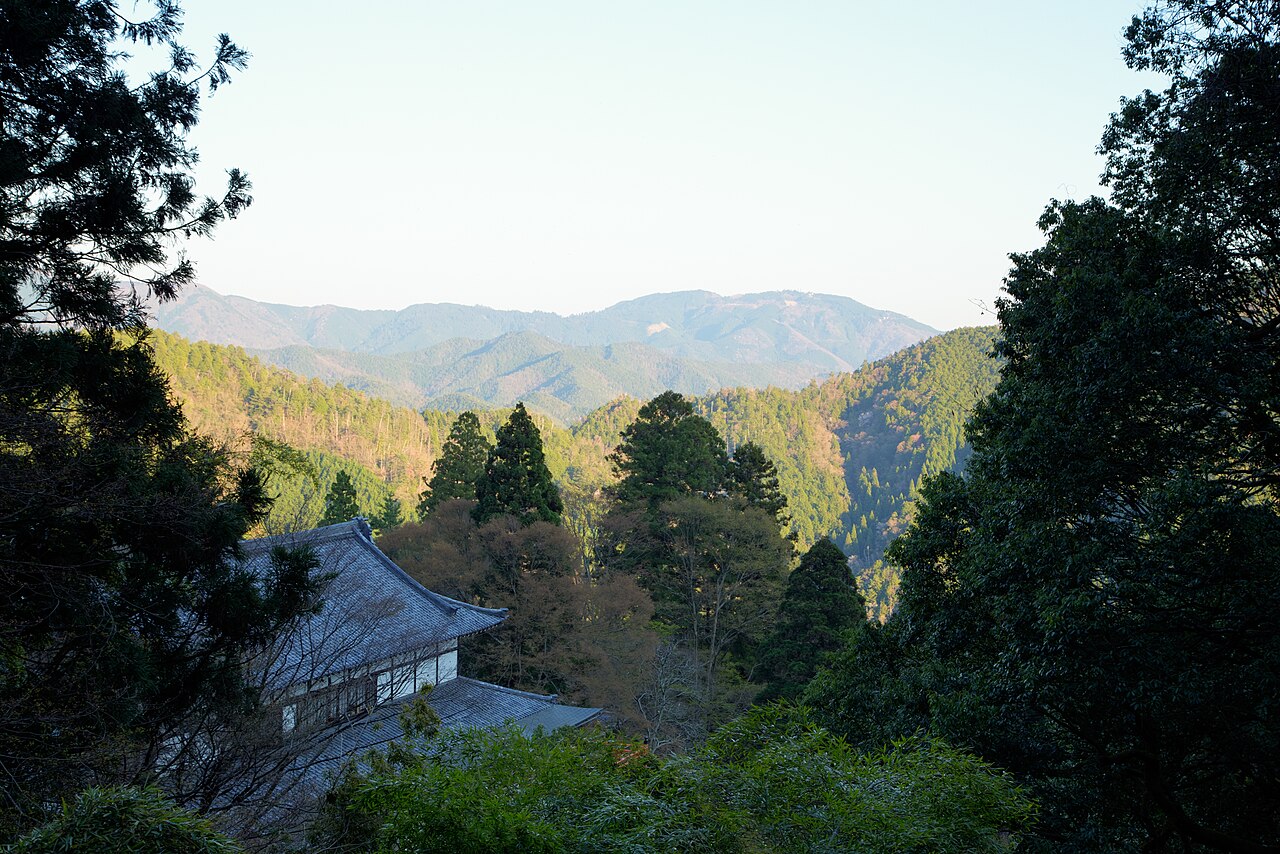 Yiannis Theologos Michellis / CC0
Onsen · Kyoto★★
Kurama Onsen
1.3 km · straight line
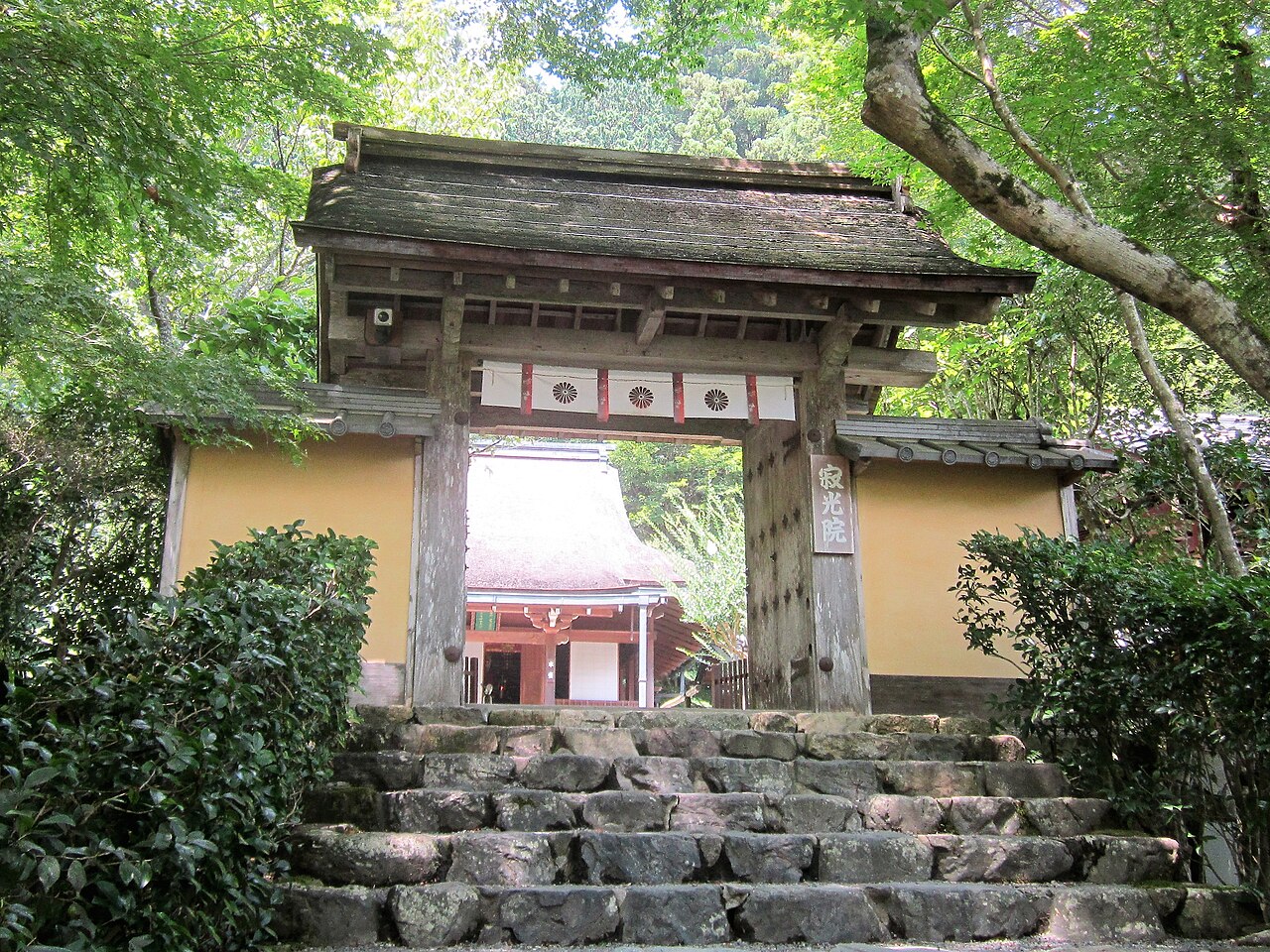 Suikotei / CC BY-SA 4.0
History · Kyoto★★
Jakkō-in
5.3 km · straight line
Distances are straight lines on the map, not travel times.