North Kyoto · KibuneNo.012★Open in map →
Kifune Shrine Okumiya
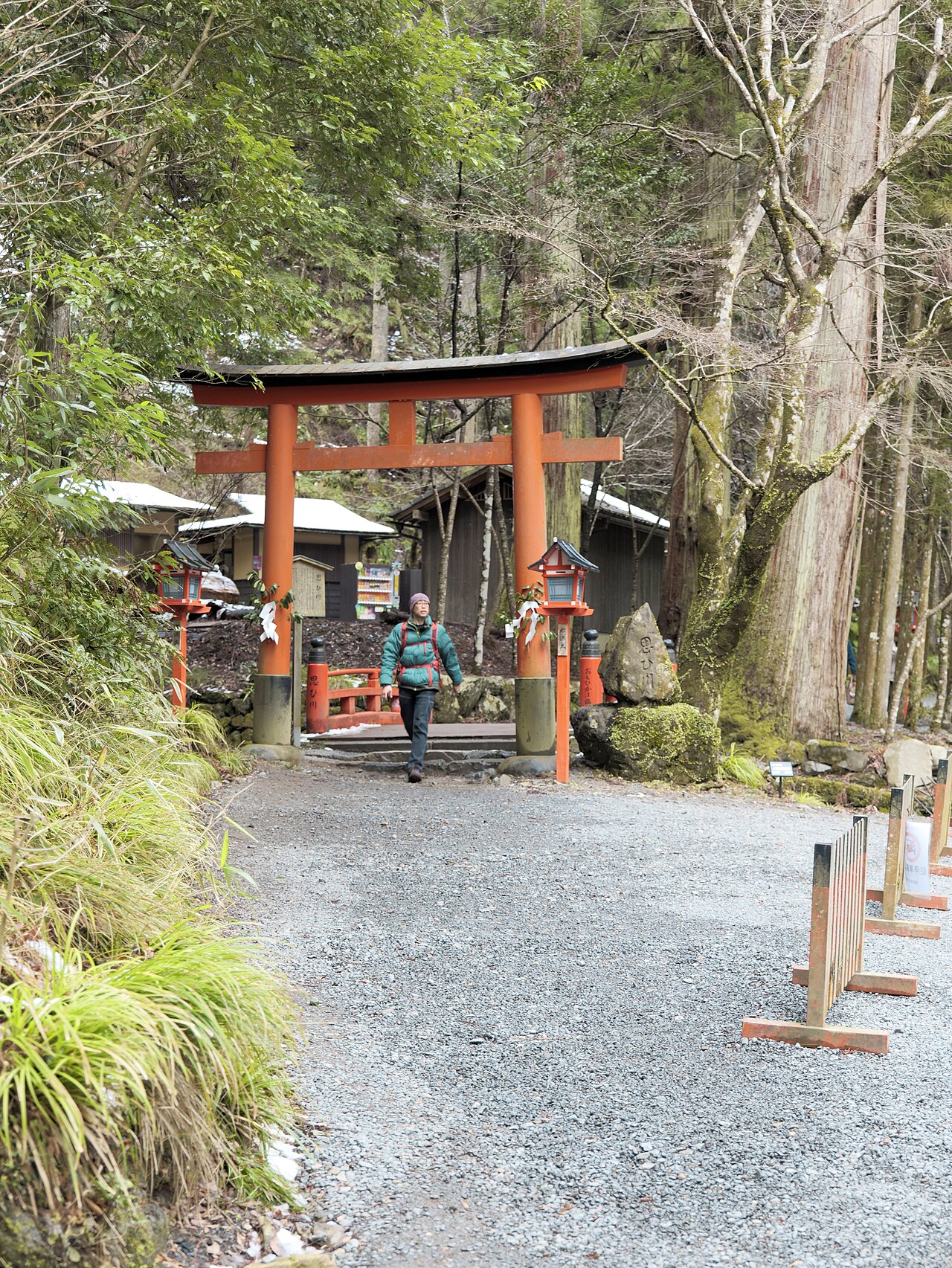
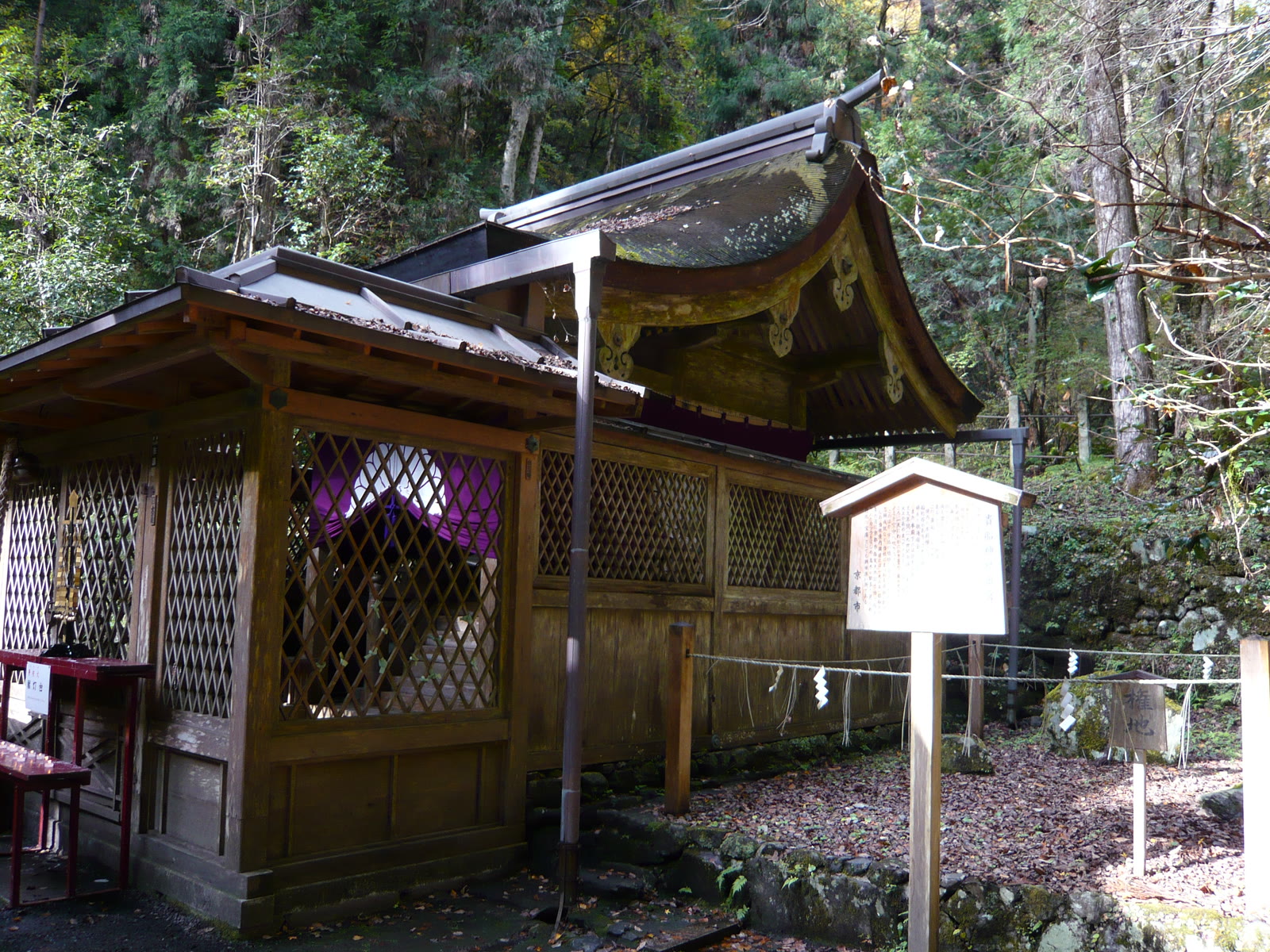
Walk past the famous lantern staircase and continue up the valley. The Okumiya — the founding site of Kifune Shrine — stands quietly among old cedar trees, further upstream.
- FromDemachiyanagi Stn
- ~40 mintrain + bus (check times)
- Get off atKibune bus stop
- On foot
- Kifune Shrine Okumiya
The sweet spot
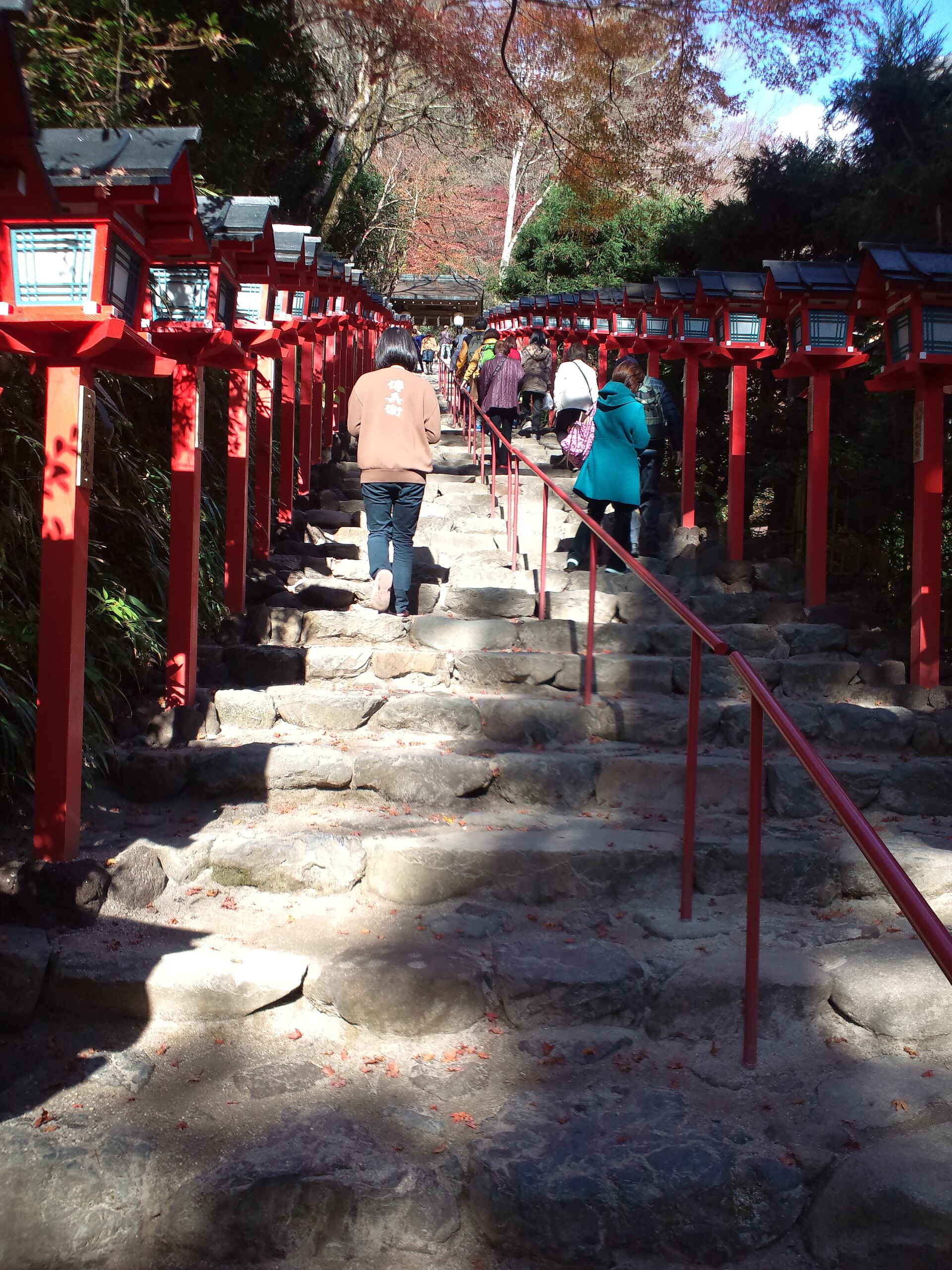
The lantern staircase at the main shrine is the postcard shot, so most day-trippers stop there. The Okumiya is a further fifteen-minute walk up the valley, and there is little English signage pointing the way, so most visitors never continue to it.
Where it is
90 more notes in Kyoto · open the map →What to look for — in walking order
- The main shrine approachthe famous lantern-lined stone staircase at the foot of the valley
- The valley approacha cedar-shaded walk up the river road, past the main shrine and the middle shrine
- Funagata-ishi (the boat stone)a boat-shaped mound of stones tied to the legend of the goddess Tamayori-hime's yellow boat
- The ryuketsu springa sacred 'dragon hole' said to lie beneath the main building, counted among Japan's great dragon holes
How to actually get there
- Demachiyanagi Stn → Kibuneguchi Stn (Eizan Railway, Kurama Line, ~30 min).
- Kibuneguchi Stn → Kibune stop (Kyoto Bus No. 33, ~5 min).
- Kibune stop → main shrine (walk, ~5 min).
- Main shrine → Okumiya inner shrine (walk up the valley road, ~15 min).
- Eizan Railway + Kyoto Bus 33
- Demachiyanagi Stn →(Eizan Railway, Kurama Line, ~30 min)→ Kibuneguchi Stn →(Kyoto Bus No. 33, ~5 min)→ Kibune stop. Total ~40 min, then a short walk up the valley. Bus 33 is a small local bus and can run reduced or seasonal schedules — check the day's timetable before you go.
- Return the same way
- Take Kyoto Bus No. 33 back to Kibuneguchi Stn, then the Eizan Railway to Demachiyanagi. Buses end in the evening — check the return times posted at the Kibune stop when you arrive, so you are not left walking the valley road after dark.
About the place
Most visitors stop at Kifune Shrine's famous lantern-lined stone staircase and, in summer, the dining decks built out over the river. Continue up the valley road for about fifteen minutes, though, and you reach the Okumiya — the shrine's quiet inner sanctuary. This is the original founding site, before flooding forced the main hall to be rebuilt further downstream. The Okumiya sits among old cedar trees beside the Kibune River, and beneath its main building lies a sacred spring known as a ryuketsu (a 'dragon hole'), counted among the great dragon holes of Japan.
How to enjoy it
Start at the main shrine's lantern staircase, then continue up the valley road on foot. The Okumiya is roughly fifteen minutes further, past the crowds. Coming early in the morning or on a weekday lets you enjoy the cedars, the river sound, and the inner shrine at their best.
Background & history
Kifune Shrine is dedicated to Takaokami no Kami, a dragon deity of rain and water. In times of flood and drought, the people of Kyoto long came here to pray. By legend the shrine began when the goddess Tamayori-hime sailed a yellow boat up the rivers to this spot and enshrined the water deity at its spring. After flooding in the 11th century damaged the original site, the main hall was rebuilt downstream — and the earlier location became the Okumiya.
Before you go
- Cash
- Rural buses in Japan are often cash-only, so carry coins for Kyoto Bus No. 33. Small shrine offerings are also cash.
- Good to know
- This is a sacred water source: do not enter the water, and keep quiet near the inner shrine.
- Another way
- If you would rather not wait for the bus, you can walk the whole valley up from Kibuneguchi Stn to the Kibune area (roughly 30 min on the road).
- After you get off
- From the Kibune stop, walk up the valley road past the main shrine to the inner shrine, about 15 min uphill on the paved lane.
Nearby notes
 Yanajin33 / CC BY-SA 4.0
Culture · Kyoto★★★
Kifune Shrine
0.8 km · straight line
 KENPEI / CC BY-SA 3.0
History · Kyoto★★
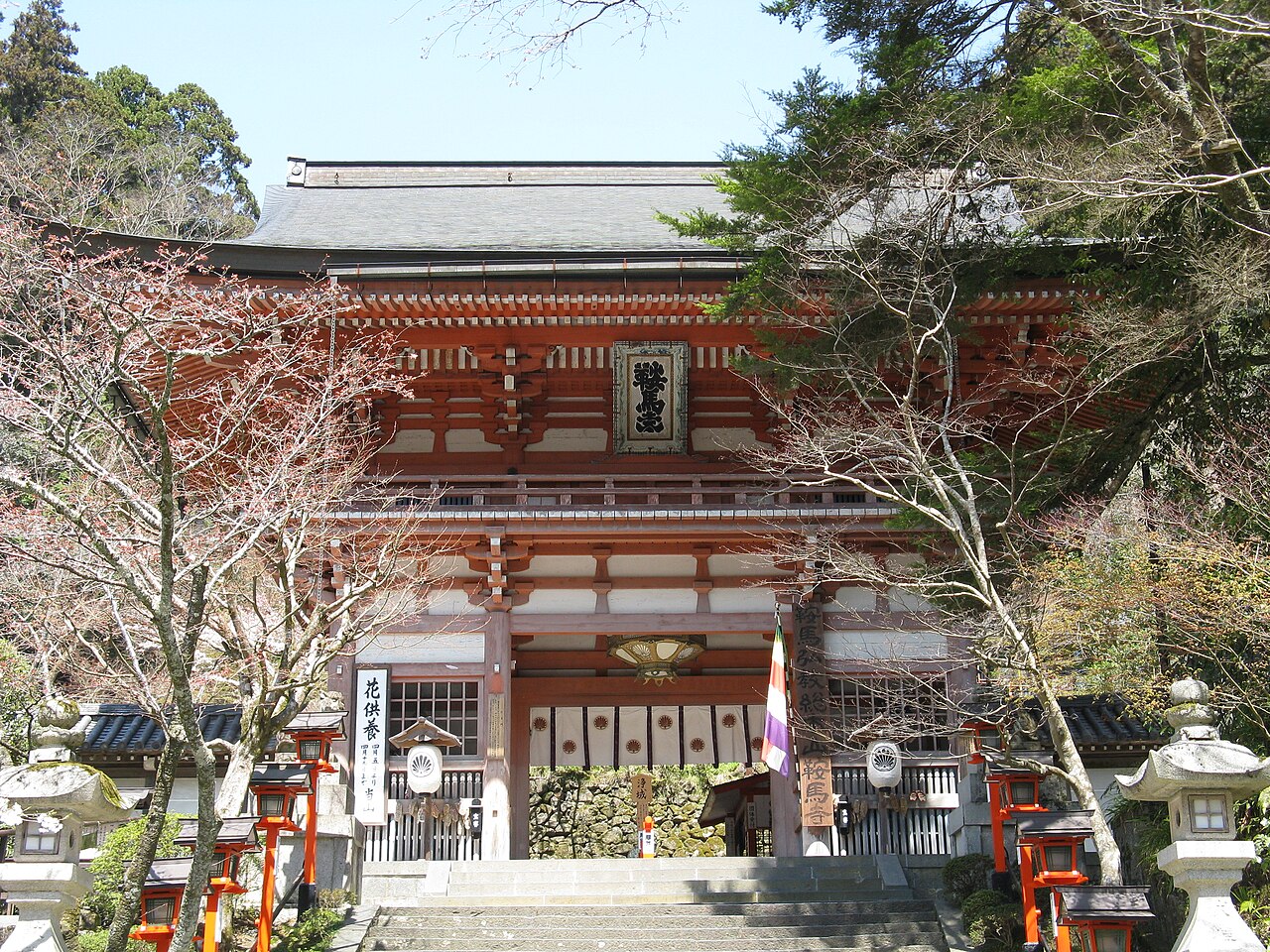
Kurama-dera
1.2 km · straight line
 Yiannis Theologos Michellis / CC0
Onsen · Kyoto★★
Kurama Onsen
1.5 km · straight line
 Suikotei / CC BY-SA 4.0
History · Kyoto★★
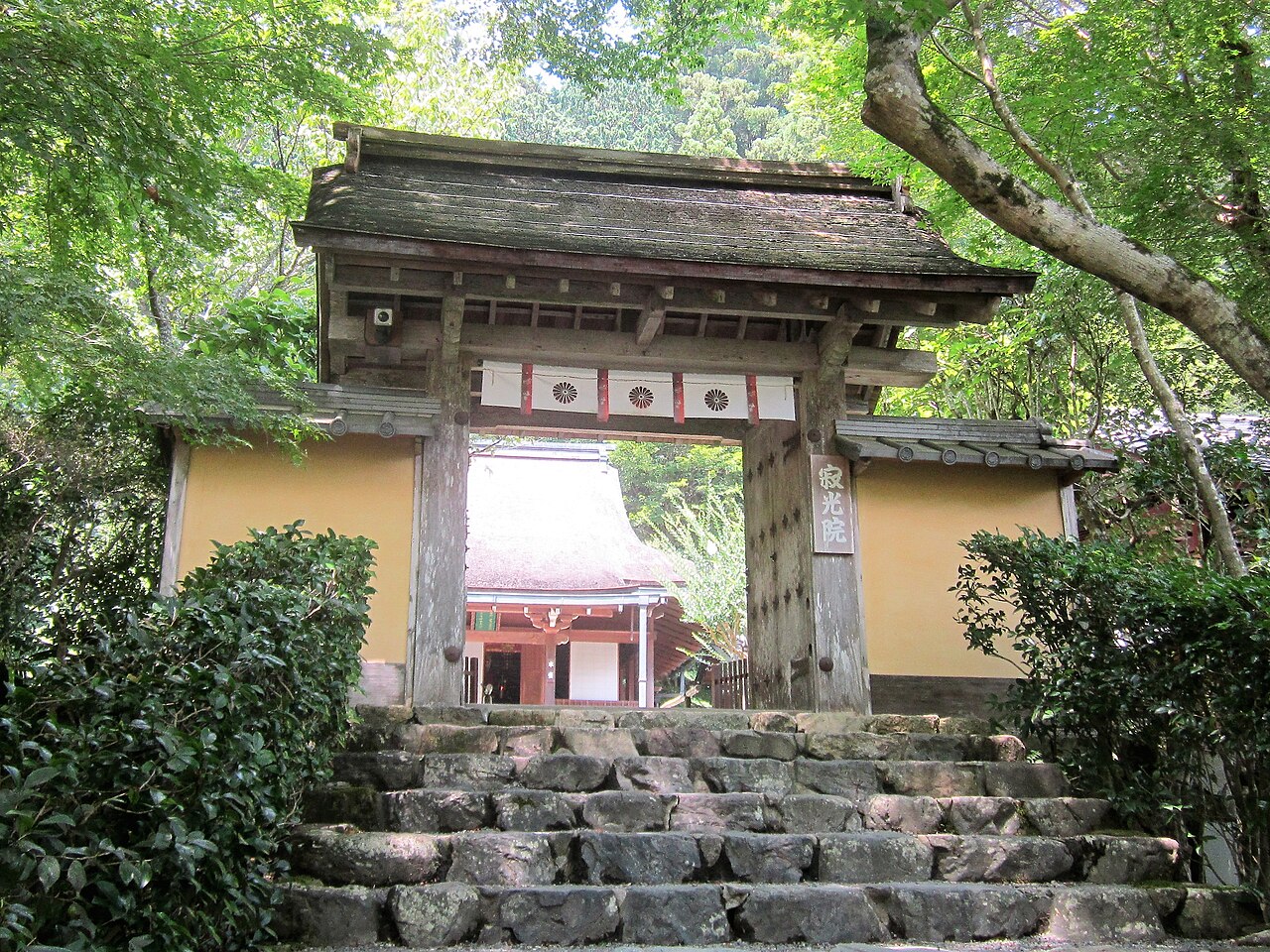
Jakkō-in
5.1 km · straight line
On a curated routeNorth of Kyoto, Into the Hills →
Distances are straight lines on the map, not travel times.