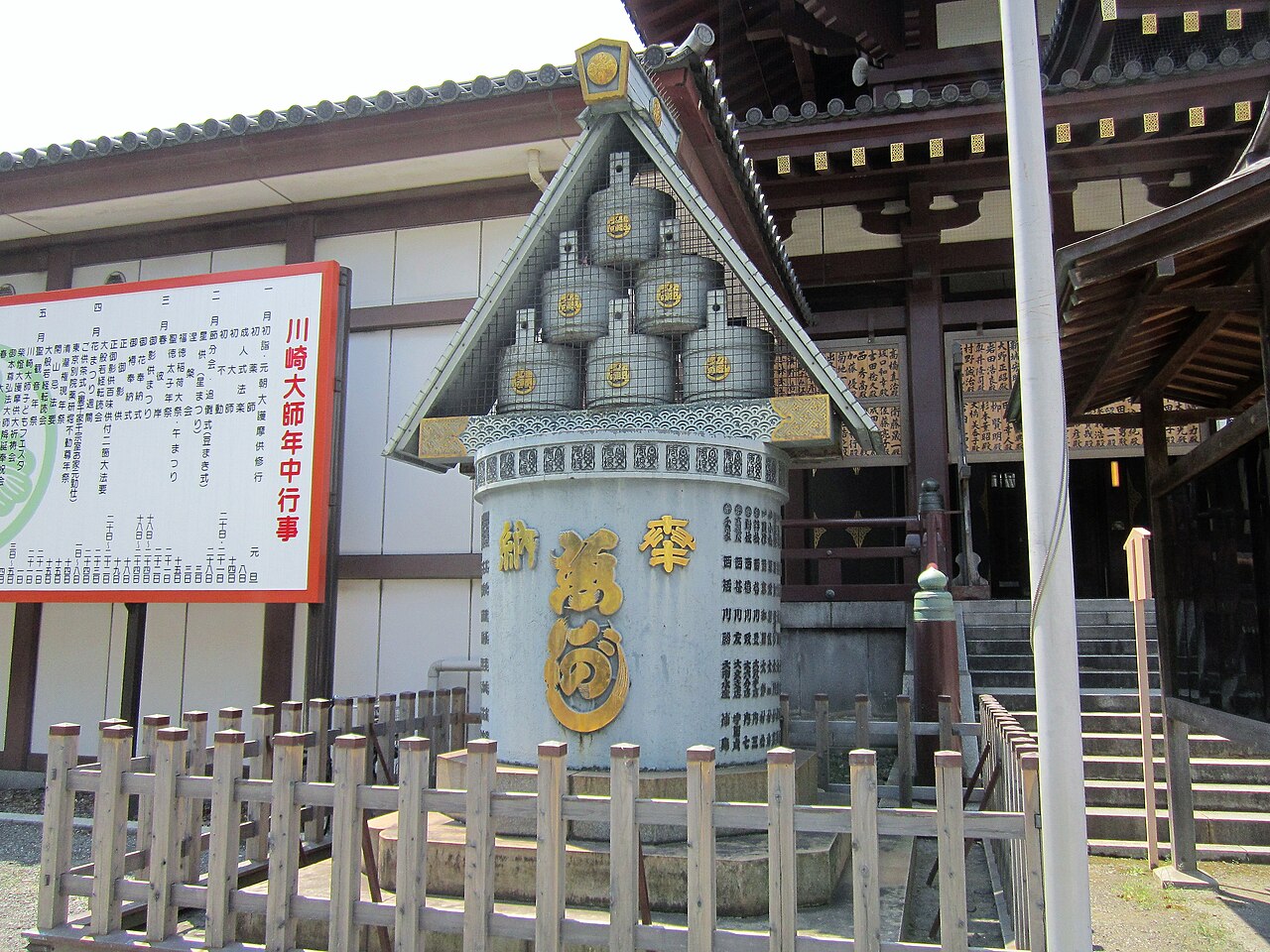
Kanagawa · Kawasaki cityNo.279★Open in map →
Kawasaki Daishi
— the temple that clears away misfortune
A head temple of the Chisan branch of Shingon Buddhism in Kawasaki, founded in 1128 and known nationwide as the Yakuyoke Daishi — the great teacher who wards off misfortune. Its 200-metre approach street is lined with candy-cutters and sweet shops.
- FromTokyo Stn
- ~40 minJR + Keikyu (frequent)
- Get off atKawasaki-Daishi Station (Keikyu Daishi Line)
- On foot
- Kawasaki Daishi
The sweet spot
Almost every foreign visitor to Tokyo skips Kawasaki entirely, treating it as the industrial belt on the way to Yokohama. The temple is forty minutes from Tokyo Station and, outside the New Year weeks, is a working pilgrimage site rather than a sightseeing one — the crowd around you is local and there for a reason.
Where it is
43 more notes in Kanagawa · open the map →What to look for
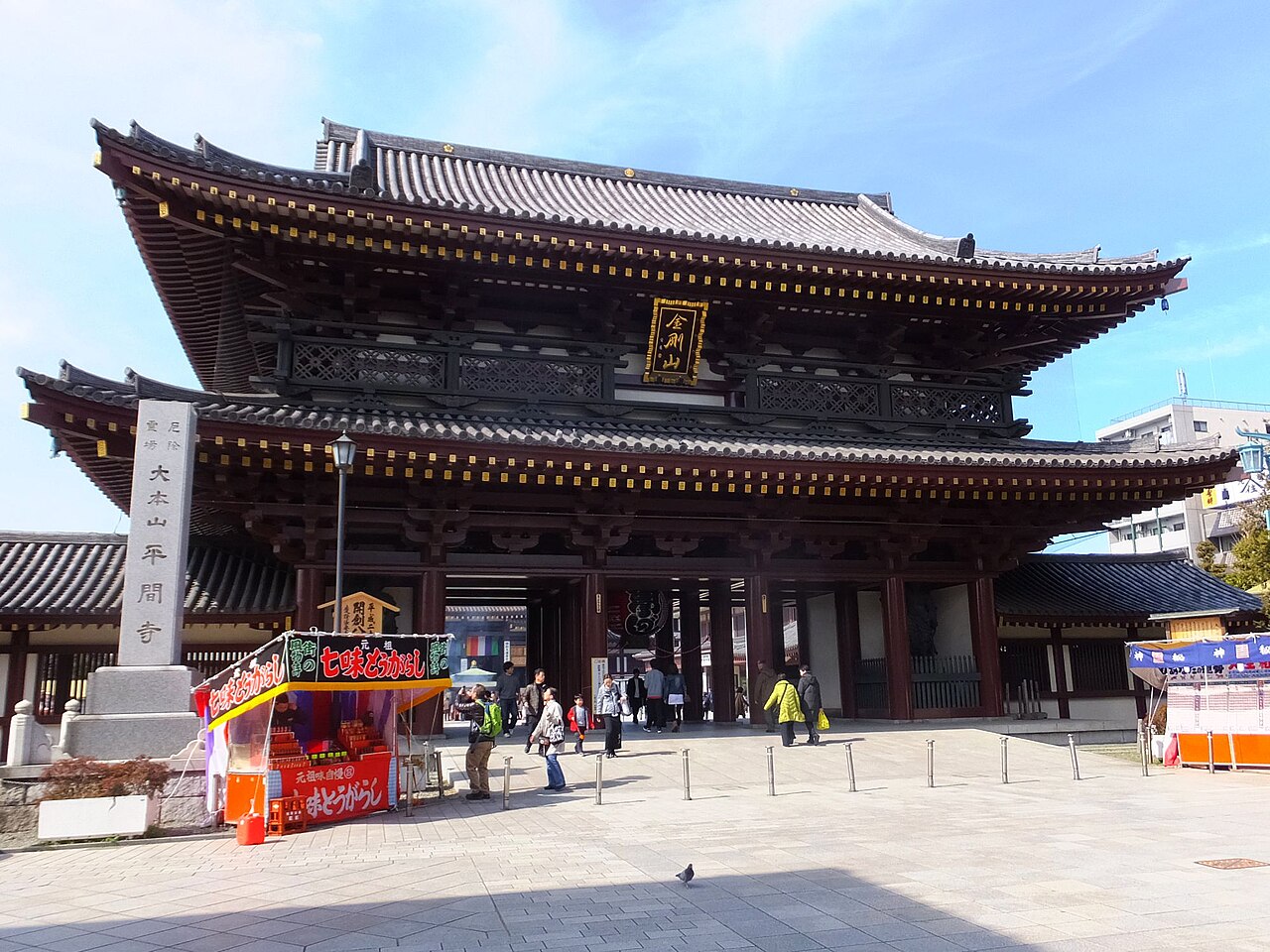
- Daizanmon (great gate) and the main hallthe ceremonial entrance and the hall where the goma fire ritual is performed before worshippers
- Octagonal five-storey pagodaan unusual eight-sided pagoda rising behind the precinct — the temple's most photographed silhouette
- Nakamise approach streetabout 200 m of shops selling kuzumochi, daruma dolls and hand-cut candy right up to the gate
- Tontoko candy cuttingcandy-makers chop hard candy in a fast two-knife rhythm on the street — the sound carries the whole approach
- Furin-ichi (windchime market)a summer market that fills the approach with glass and iron windchimes from across Japan
How to actually get there
- Tokyo Stn → Kawasaki Stn (JR Tokaido Line, ~18 min).
- Kawasaki Stn → Keikyu Kawasaki Stn (walk, ~5 min) → Kawasaki-Daishi Stn (Keikyu Daishi Line, ~6 min).
- Walk ~8 min via the nakamise approach to the Daizanmon gate and main hall.
- Tokyo Stn → Kawasaki → Keikyu Daishi Line
- Tokyo Stn →(JR Tokaido Line, ~18 min)→ Kawasaki Stn →(walk, ~5 min)→ Keikyu Kawasaki Stn →(Keikyu Daishi Line, 3 stops, ~6 min)→ Kawasaki-Daishi Stn →(walk, ~8 min)→ the temple gate. Total about 40 min. JR and Keikyu both run every few minutes all day, so no reservation or timetable check is needed.
- Return the same way from Kawasaki-Daishi Station
- Take the Keikyu Daishi Line back to Keikyu Kawasaki, then either JR from Kawasaki Stn to Tokyo (~18 min) or the Keikyu main line to Shinagawa (~12 min) and on to Yokohama or Haneda Airport. Trains run late into the night, so the return is flexible.
About the place
Kawasaki Daishi is the popular name of Heikenji, a head temple of the Chisan branch of Shingon Buddhism, founded in 1128. Temple tradition traces its origin to Hirama Kanenori, a man from Owari province who had lost his position and settled here as a fisherman; he is said to have pulled a wooden image of Kobo Daishi from the sea, and with the monk Sonken enshrined it and built the temple, which took his family name. The figure enshrined is Kobo Daishi — Kukai, the ninth-century founder of Shingon Buddhism — and the temple's reputation rests on yakuyoke, the ritual clearing away of misfortune. That reputation has made it one of the most visited temples in Japan at New Year, with pilgrim numbers ranked among the very highest nationally. Behind the great gate, the Daizanmon, stand the main hall and an octagonal five-storey pagoda; in front of it runs the nakamise, a covered approach of about 200 metres.
How to enjoy it
Give it a half day. The main hall opens very early — 5:30 in April to September, 6:00 from October to March — so an early arrival buys you the precinct in near silence before the shops raise their shutters. Then walk the nakamise back the other way once the candy-cutters start, buy kuzumochi, and eat it there. If you can time it, the summer windchime market layers thousands of chimes over the candy rhythm. Avoid the first three days of January unless the crush is what you came for: this is one of the most heavily attended New Year pilgrimage temples in the country.
Background & history
The temple dates its founding to 1128, in the late Heian period, and is named after Hirama Kanenori, the layman credited in temple tradition with recovering the image of Kobo Daishi from the sea. It grew through the Edo period as a destination for ordinary pilgrims from Edo, close enough to reach and return in a day along the Tokaido highway — the beginning of the mass-pilgrimage character it still has. In the modern era the Keikyu Daishi Line was laid to carry worshippers directly to the gate, and the approach street of confectioners and candy-makers grew up to serve them. Kawasaki city's board of education lists the temple among the district's principal historic sites.
Before you go
- Cash
- Entry to the grounds and main hall is free; the goma fire ritual and amulets are paid separately at the temple office. The nakamise is small independent shops — many are cash-only or cash-preferring, so carry a few thousand yen. JR and Keikyu both take IC cards.
- Good to know
- The main hall opens 5:30–18:00 from April to September and 6:00–17:30 from October to March, with extended opening to 21:00 on the 20th of each month. Open year-round. The first three days of January are extremely crowded — among the highest pilgrim counts in Japan.
- Another way
- From Shinagawa or Yokohama, take the Keikyu main line direct to Keikyu Kawasaki and change to the Daishi Line there — this skips JR entirely. Haneda Airport is about 20 minutes away on the same Keikyu network, which makes the temple a workable stop on an arrival or departure day.
- After you get off
- Leave Kawasaki-Daishi Station by the single exit, turn right and follow the signposted route about 8 minutes; the last stretch runs down the nakamise straight to the Daizanmon gate.
Nearby notes
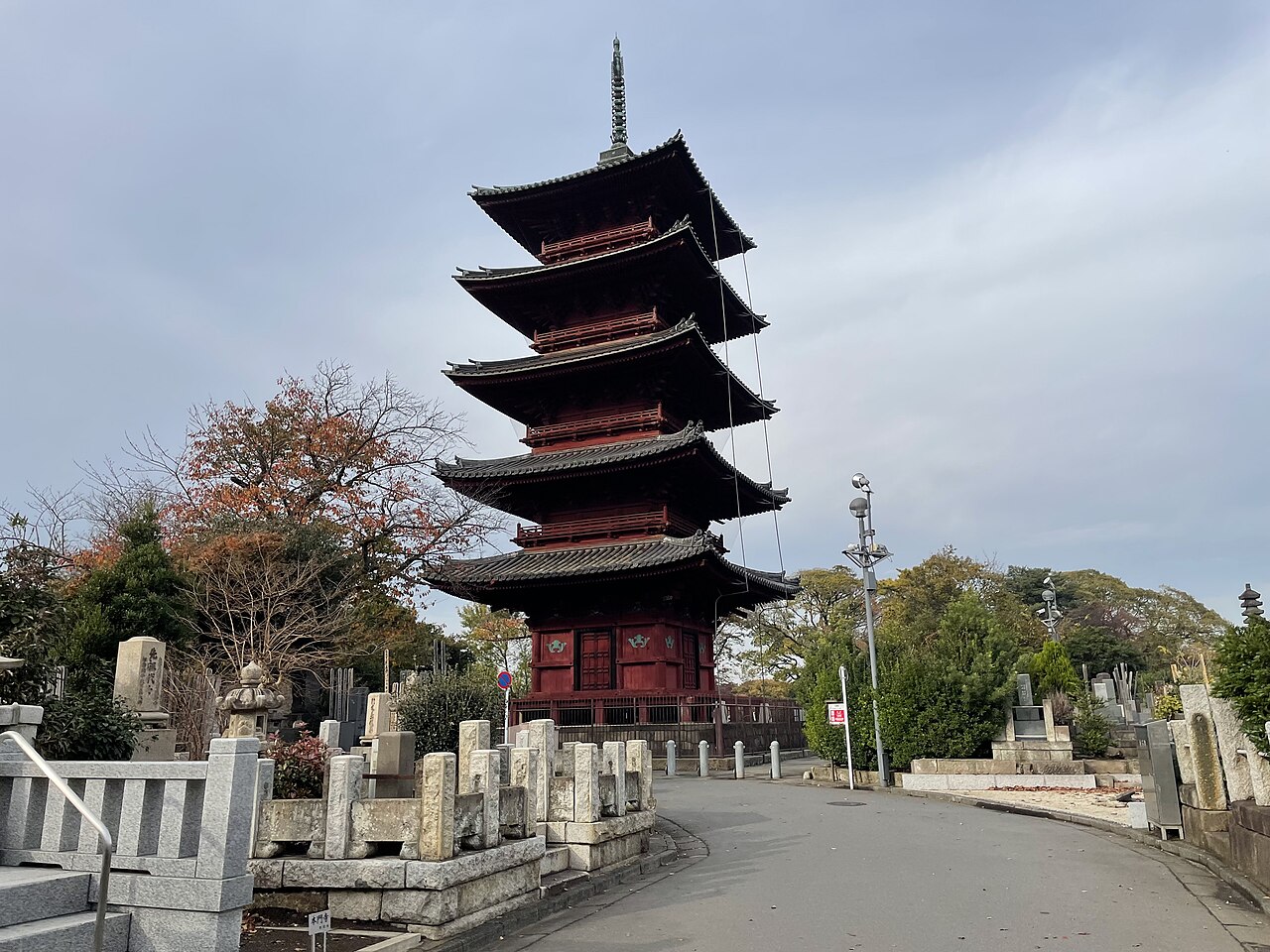 Higa4 / CC0
History · Tokyo★★
Ikegami Honmonji
5.3 km · straight line
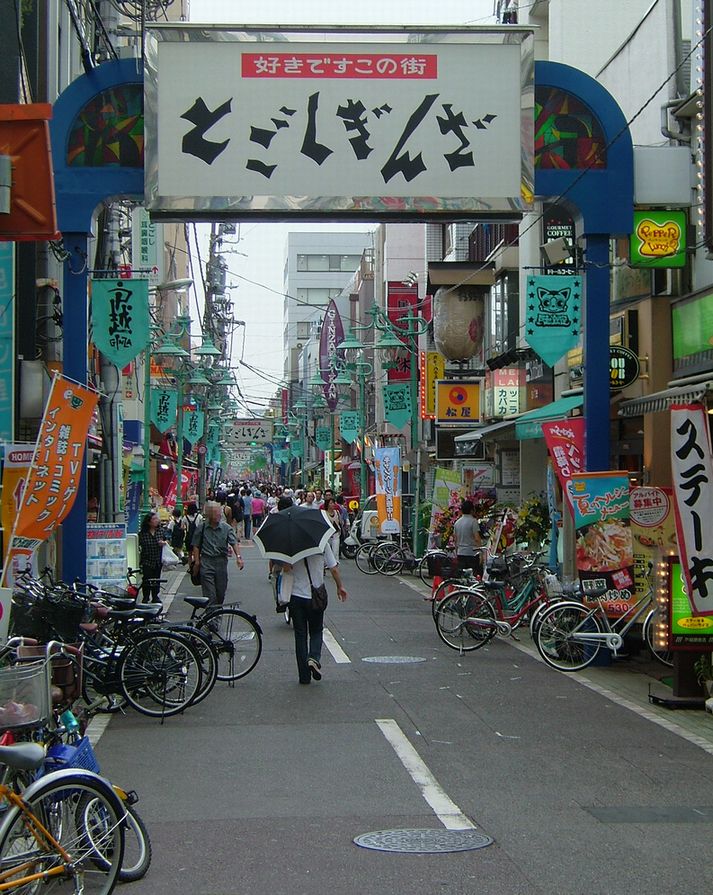 The original uploader was パリカール at Japan / CC BY-SA 3.0
Local life · Tokyo★★
Togoshi Ginza
9.2 km · straight line
 Douglas P Perkins / CC BY 3.0
Food · Kanagawa★★
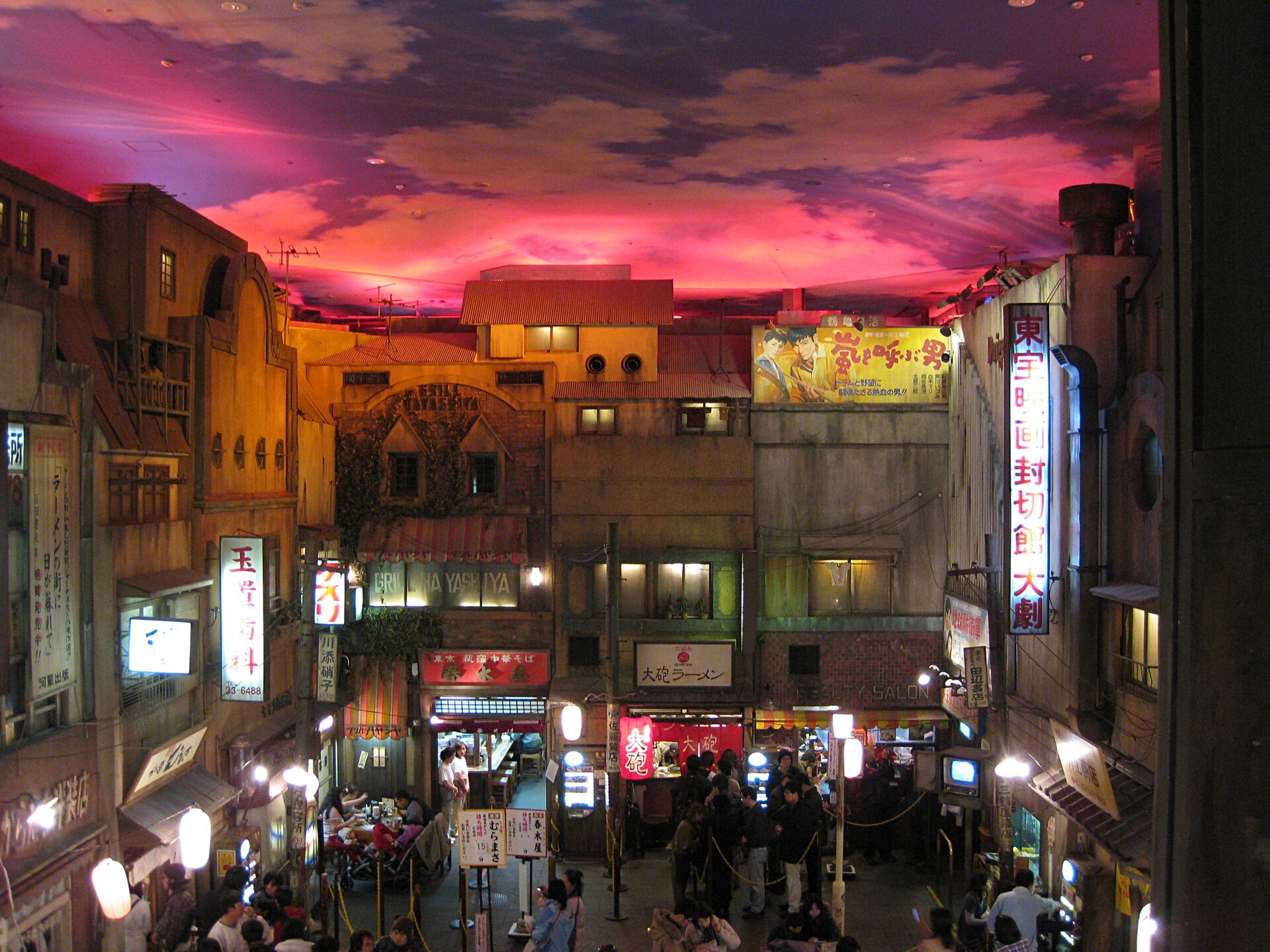
Shin-Yokohama Ramen Museum
10.8 km · straight line
 おむこさん志望 / CC BY 3.0
Nature · Tokyo★
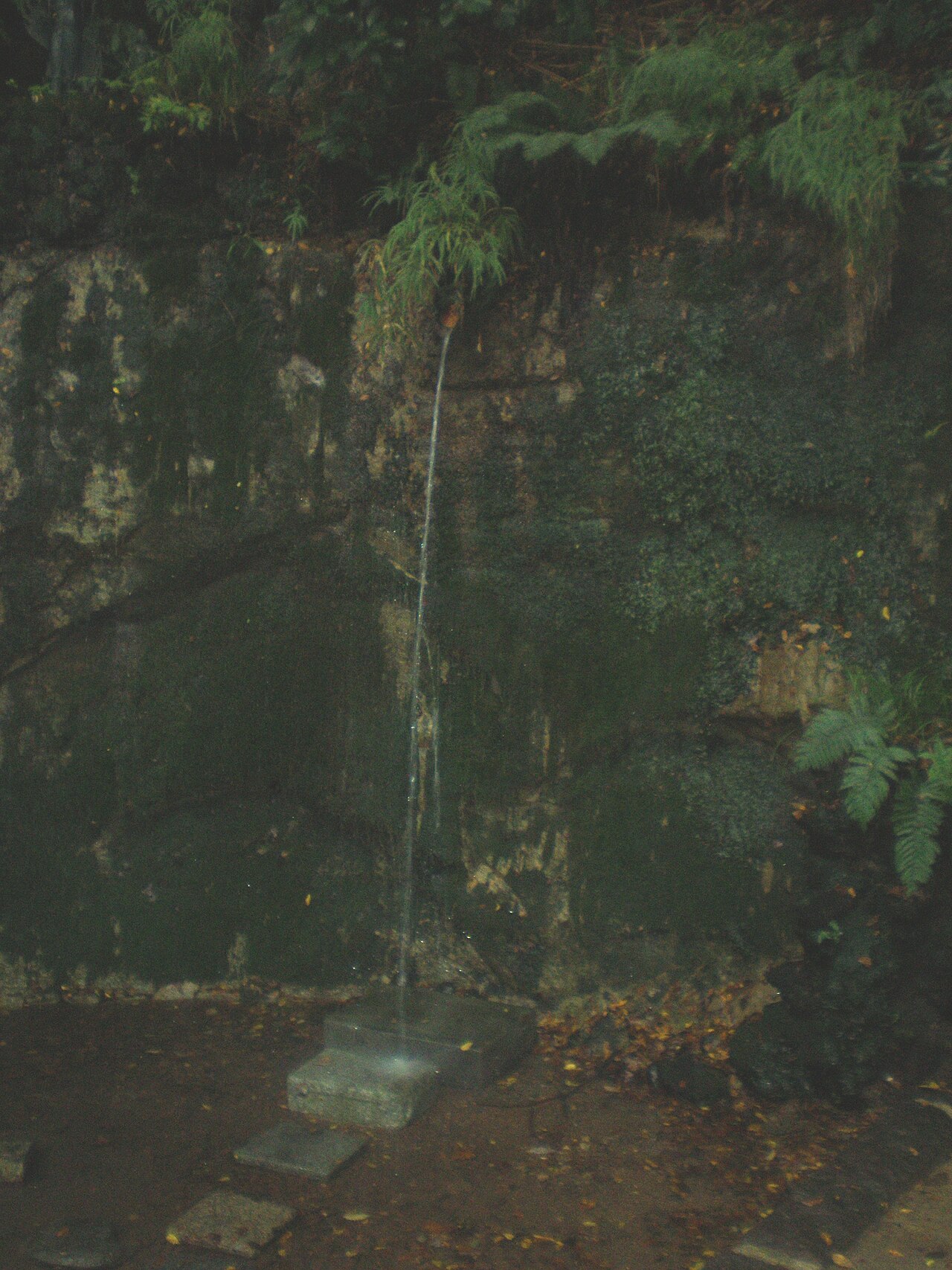
Todoroki Ravine
11.0 km · straight line
Distances are straight lines on the map, not travel times.