Tokyo · Ota / IkegamiNo.363★★Open in map →
Ikegami Honmonji
— the temple with Kanto's oldest pagoda
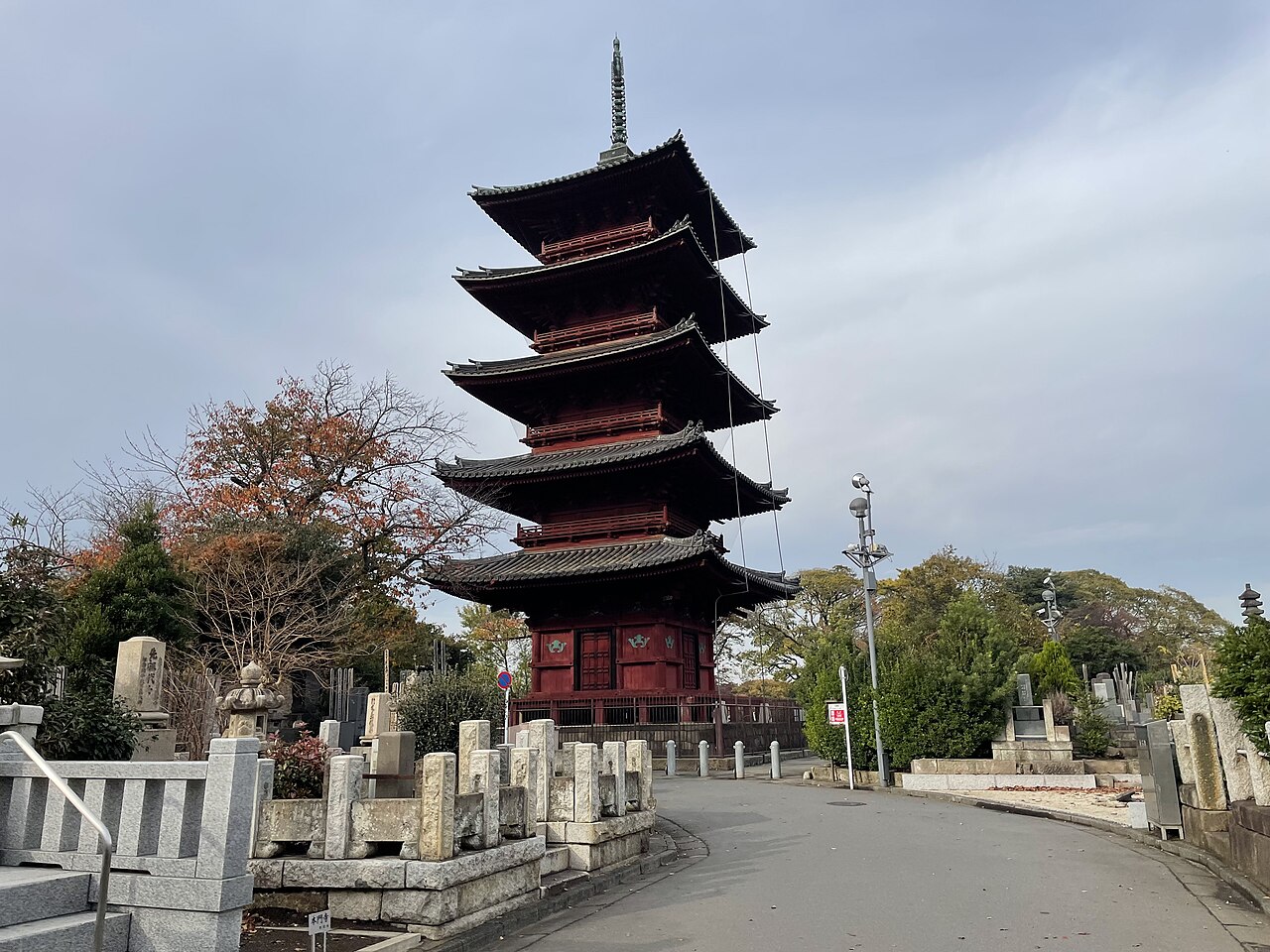
A head temple of the Nichiren school in Ota Ward, built on the spot where Nichiren died in 1282. Its five-storey pagoda, raised in the early 17th century, is the oldest in the Kanto region and a national Important Cultural Property.
- FromShinagawa Stn
- ~35 mintrain only (frequent)
- Get off atIkegami Station (Tokyu Ikegami Line)
- On foot
- Ikegami Honmonji
The sweet spot
Tokyo's famous temples are Sensoji and Zojoji, and both are reconstructions surrounded by crowds. Ikegami Honmonji has an original early-17th-century pagoda, a hill, thirty thousand tsubo of grounds and, on most days, hardly anyone. It is a fifteen-minute ride from Gotanda on a two-car suburban line, which is the other half of the appeal: the journey there is already a different Tokyo.
Where it is
77 more notes in Tokyo · open the map →What to look for — in walking order
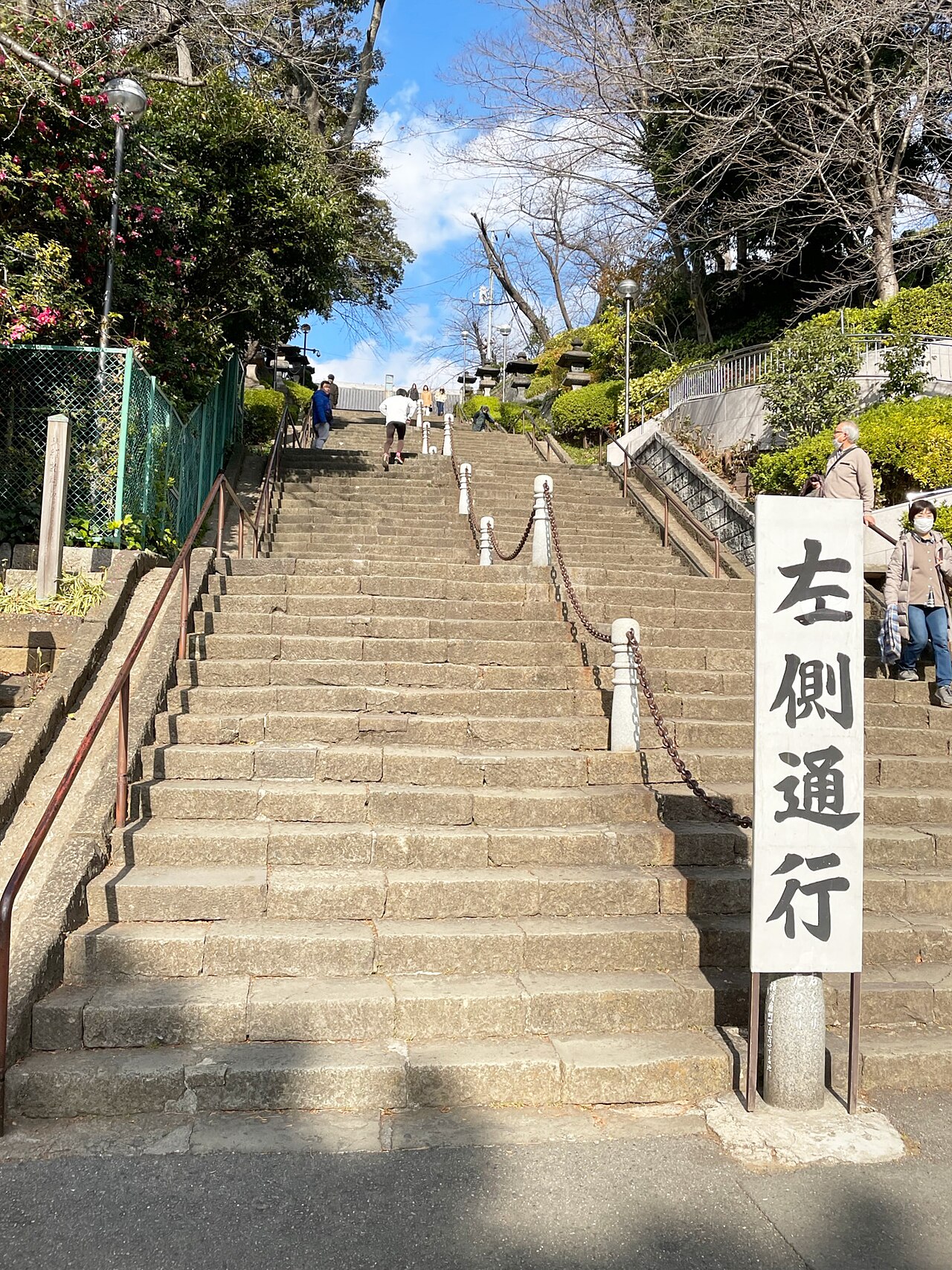
- The 96 stone stepsthe approach staircase, said to be a donation from Kato Kiyomasa, that lifts you out of the residential streets into the precinct
- The five-storey pagodaearly 17th century, Momoyama style, a national Important Cultural Property and the oldest surviving pagoda in Kanto
- The Daido great hallthe main hall at the top of the steps, rebuilt after the war, and the working centre of the temple
- Oeshiki in mid-Octoberthe night observance of Nichiren's death — a two-kilometre lantern procession of about three thousand people, drawing crowds near three hundred thousand
How to actually get there
- Shinagawa Station → Gotanda Station (JR Yamanote Line, ~5 min).
- Gotanda Station → Ikegami Station (Tokyu Ikegami Line, ~20 min).
- Ikegami Station → the temple gate (walk ~10 min through the shopping street).
- Climb the 96 stone steps to the main precinct, then continue to the five-storey pagoda.
- JR + Tokyu Ikegami Line
- Shinagawa Station →(JR Yamanote Line, ~5 min)→ Gotanda Station →(Tokyu Ikegami Line, ~20 min)→ Ikegami Station → about a 10-minute walk to the temple gate. Total about 35 minutes. The Ikegami Line is a short local line with frequent trains, so no timetable planning is needed.
- The same route, or via Nishi-magome
- Return from Ikegami Station on the Tokyu Ikegami Line to Gotanda, or walk about 12 minutes to Nishi-magome Station on the Toei Asakusa Line, which runs directly to Asakusa and Nihombashi. Choosing the return station by where you are staying saves a transfer.
About the place
Nichiren, the monk whose teaching became one of the major schools of Japanese Buddhism, died at this spot in 1282 while travelling, and the temple grew from that fact. Today it is a head temple of the Nichiren school and the administrative centre of a lineage that traces to the Kamakura period, spread across grounds of roughly thirty thousand tsubo on a low hill in Ota Ward. The approach is a staircase of 96 stone steps, said to have been donated by the warlord Kato Kiyomasa, and it sets the whole visit up: you climb out of an ordinary residential neighbourhood and the halls open out at the top. The five-storey pagoda was raised in the Keicho era in Momoyama style and is the oldest surviving pagoda in the Kanto region — significant partly because so much of Tokyo's pre-modern architecture did not survive the war. The Daido, the great hall, is a postwar rebuilding. Once a year in mid-October the temple holds Oeshiki, the observance of Nichiren's death, when something like three thousand people carry illuminated lantern floats in a two-kilometre night procession and the crowd runs to three hundred thousand.
How to enjoy it
Walk from the station rather than taking a taxi — the approach through the old shopping street and up the 96 steps is how the place is meant to be entered, and the pagoda is best reached last rather than first. Allow an hour and a half for the grounds; at thirty thousand tsubo they are far larger than the view from the gate suggests. Cherry blossom in early April is the quiet high season. If you want the temple at full volume, come for Oeshiki in mid-October and accept the crowds as part of it.
Background & history
Nichiren died here in 1282, and the temple was founded on that ground; it became one of the head temples of the Nichiren school, whose lineage dates to the Kamakura period. The five-storey pagoda dates from the Keicho era in the early 17th century, is built in Momoyama style, and is a nationally designated Important Cultural Property — the oldest pagoda still standing anywhere in the Kanto region. Much of the rest of the complex, including the great hall, was rebuilt after wartime damage, which is precisely why the pagoda matters. The Oeshiki observance each October commemorates Nichiren's death and has been held here for centuries.
Before you go
- Cash
- The grounds and the main halls are free to enter and there is no ticket gate. Carry small change for incense, votive offerings and the shops along the approach; the neighbourhood around the temple is old-fashioned enough that cash is the safer assumption.
- Good to know
- The grounds are open through the day and the halls keep standard temple hours, generally closing in the late afternoon. The one date to plan around is Oeshiki in mid-October: the night procession is the temple at its most extraordinary and its most crowded, so go then deliberately or avoid it deliberately, not by accident.
- Another way
- From Haneda Airport the temple is unusually convenient — Keikyu to Kamata, then a short ride or taxi — which makes it a workable first or last stop on a trip. By Toei Asakusa Line, Nishi-magome Station is about 12 minutes' walk from the grounds.
- After you get off
- From Ikegami Station it is about 10 minutes on foot through a quiet shopping street to the temple gate, and then the 96 steps. There is a road route around the steps for anyone who needs it.
Nearby notes
 The original uploader was パリカール at Japan / CC BY-SA 3.0
Local life · Tokyo★★
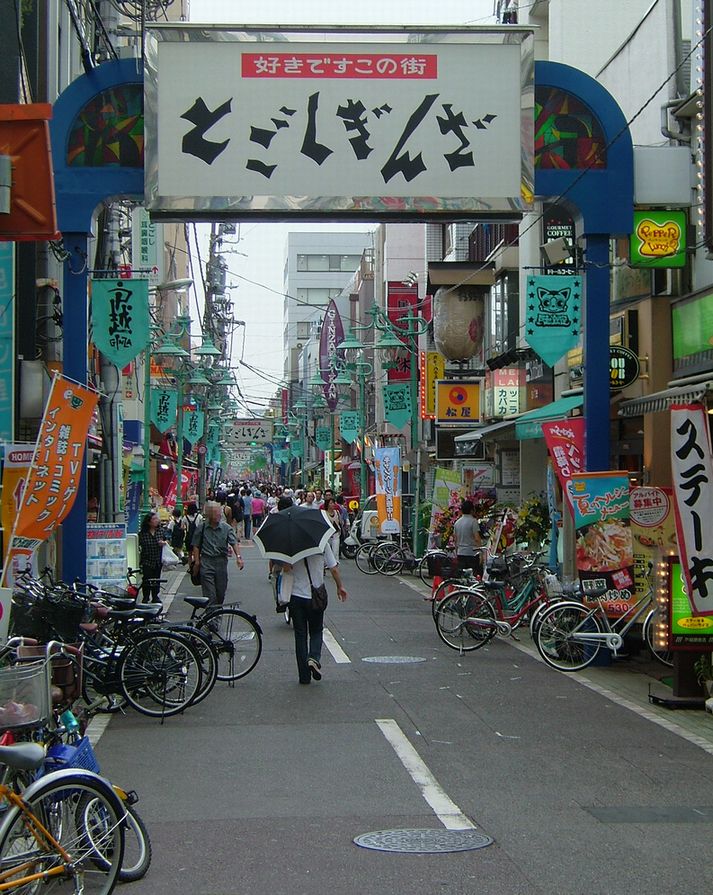
Togoshi Ginza
4.5 km · straight line
 Suikotei / CC BY-SA 4.0
History · Kanagawa★
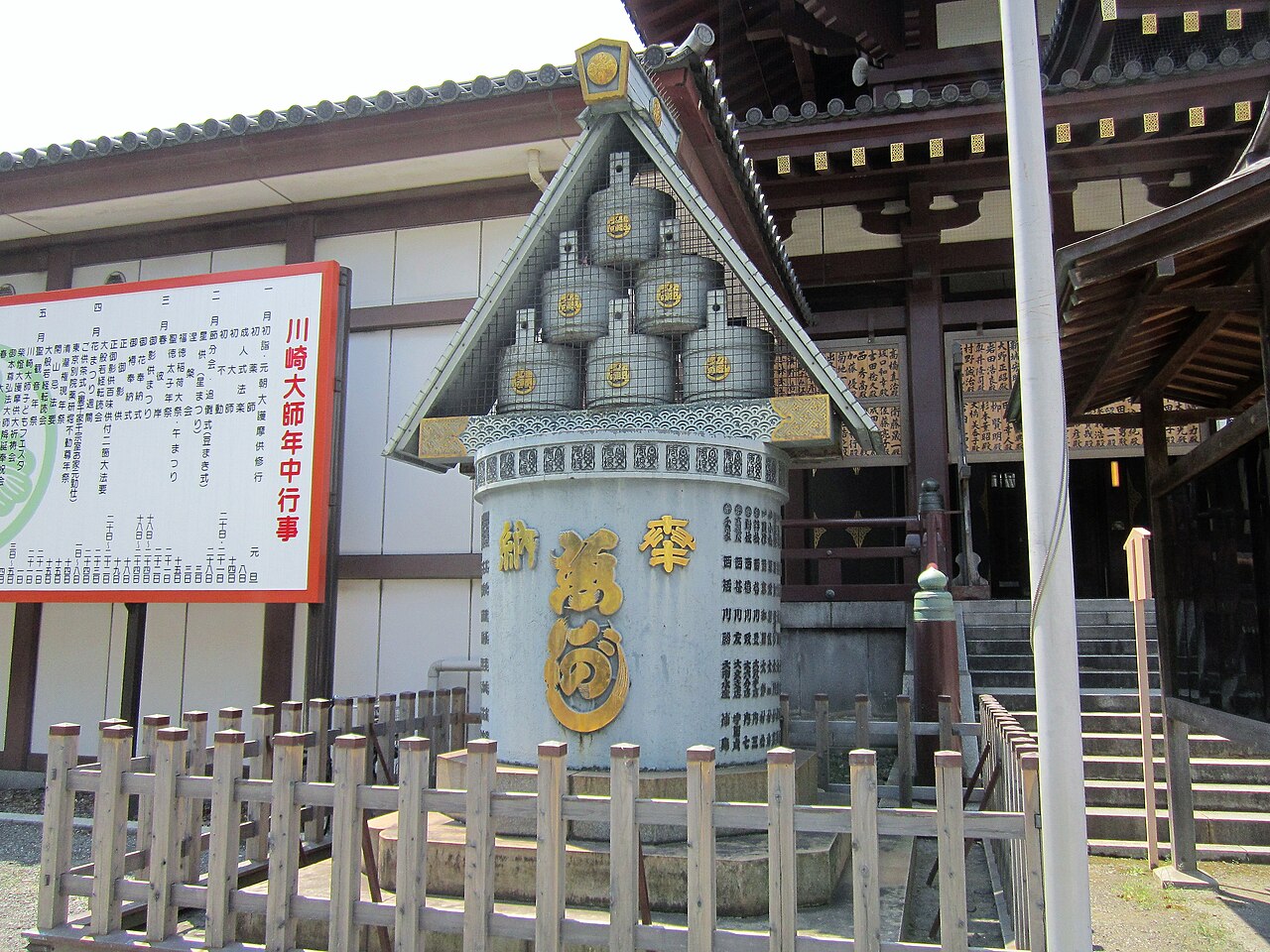
Kawasaki Daishi
5.3 km · straight line
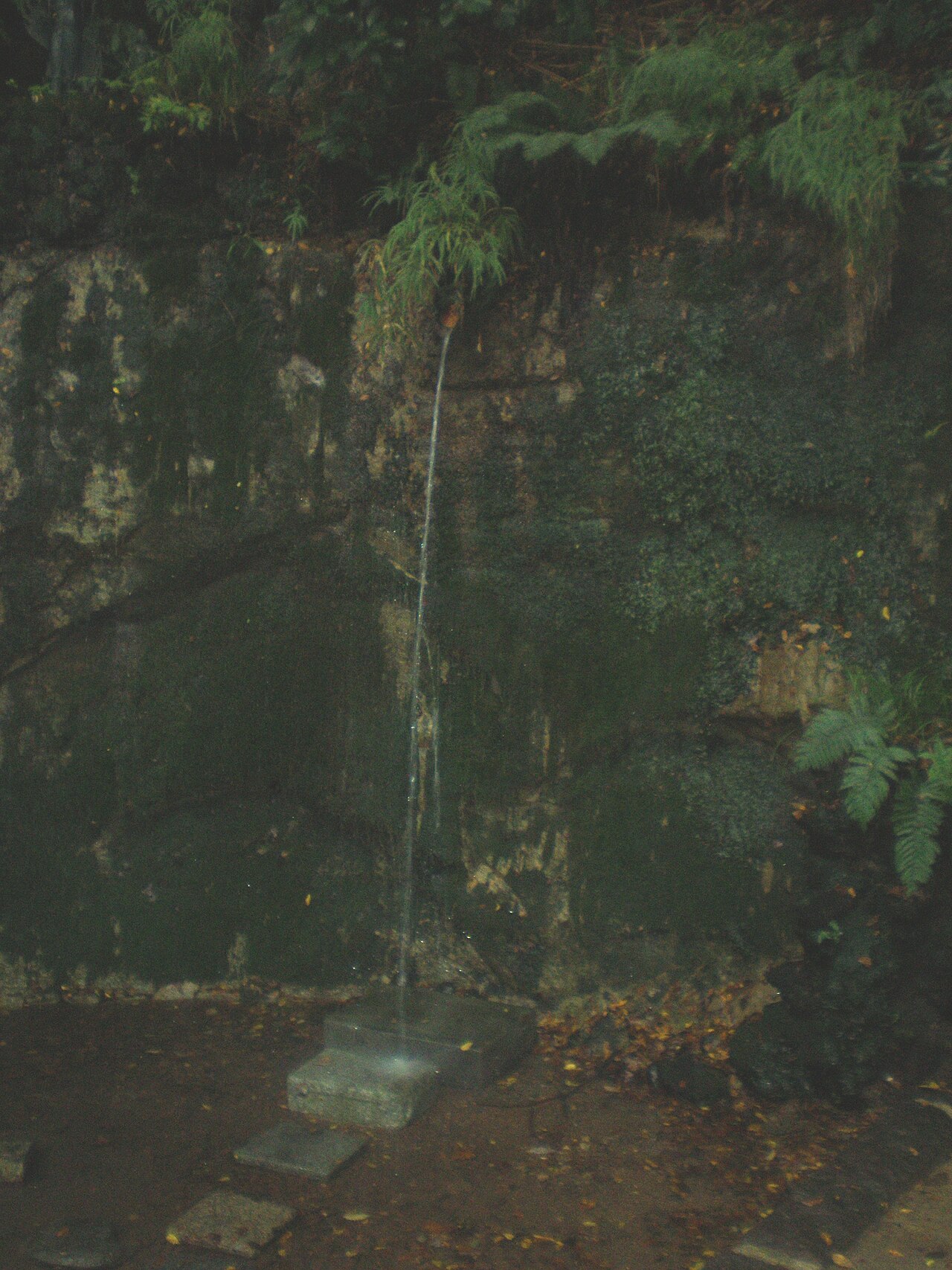 おむこさん志望 / CC BY 3.0
Nature · Tokyo★
Todoroki Ravine
6.1 km · straight line
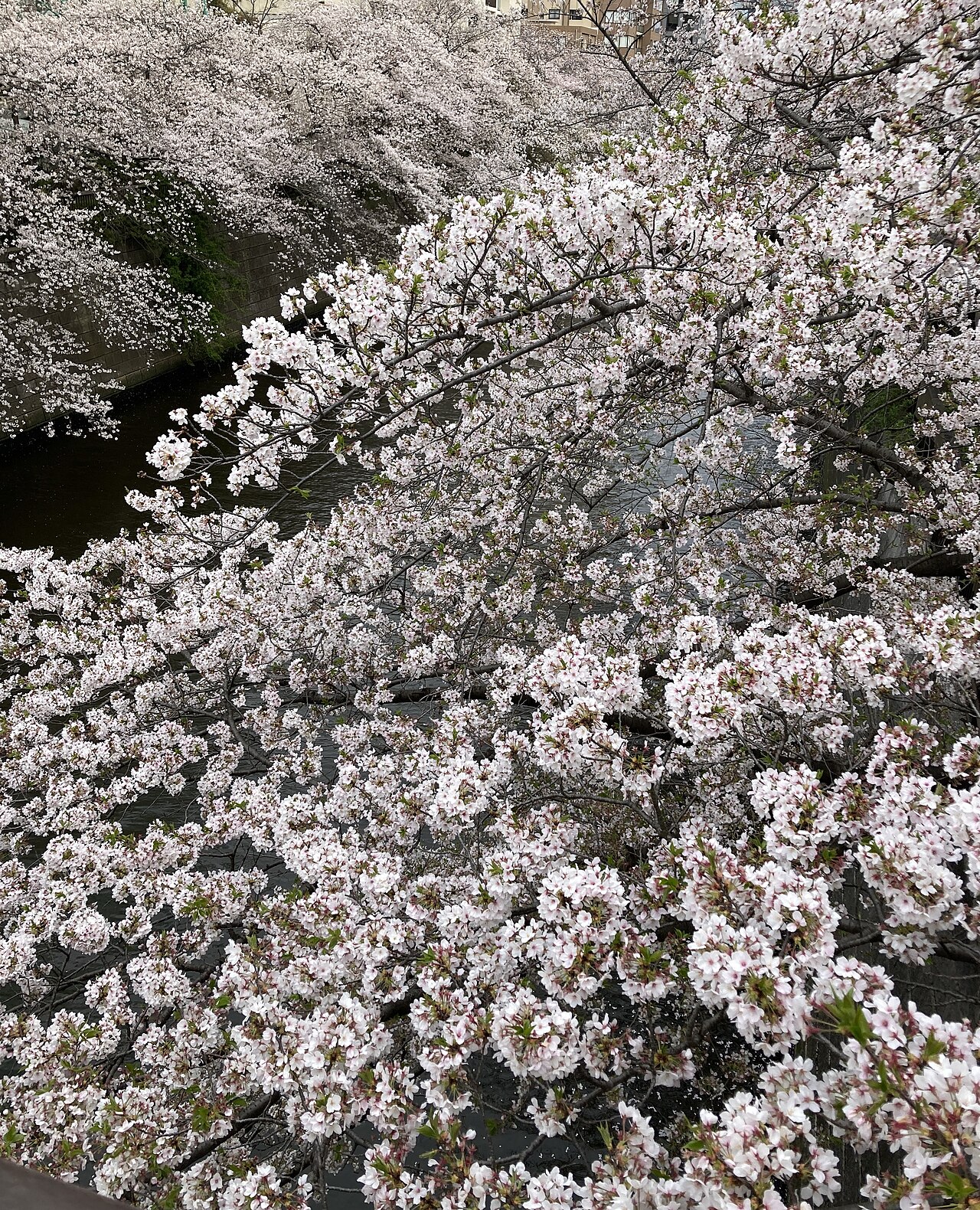 Wadakuramon / CC0
Nature · Tokyo★
The Meguro River cherry tunnel
7.6 km · straight line
Distances are straight lines on the map, not travel times.