Tokyo · ShinagawaNo.312★★Open in map →
Togoshi Ginza
— Tokyo's longest shopping street
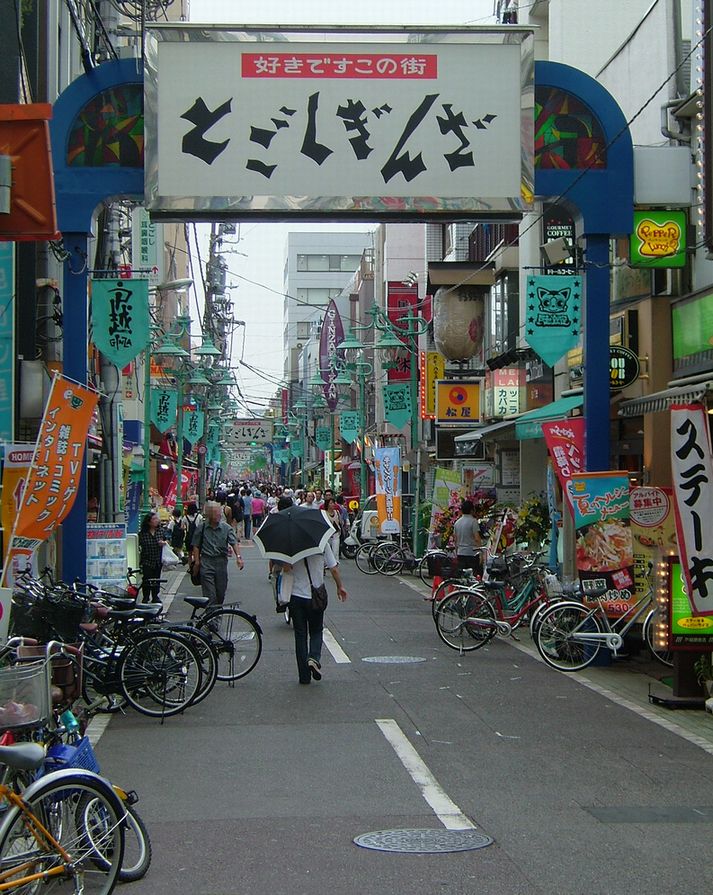
A 1.3-kilometre, roughly 400-shop neighbourhood shopping street in Shinagawa — the longest in Tokyo, and the original street to borrow the name Ginza.
- FromShinagawa Stn
- ~15 mintrain, 1 easy transfer
- Get off atTogoshi-Ginza Station (Tokyu Ikegami Line)
- On foot
- Togoshi Ginza
The sweet spot
It is a working neighbourhood high street rather than a sight, so it is barely listed in English guides, and it is reached only by a short local line that most visitors never board. There is no landmark to photograph and no single famous shop — the interest is the density of small independent businesses, which does not translate into a guidebook entry.
Where it is
77 more notes in Tokyo · open the map →What to look for — in walking order
- The croquette countersbutchers and delis frying korokke to order — the street's signature thing to buy and eat on the spot
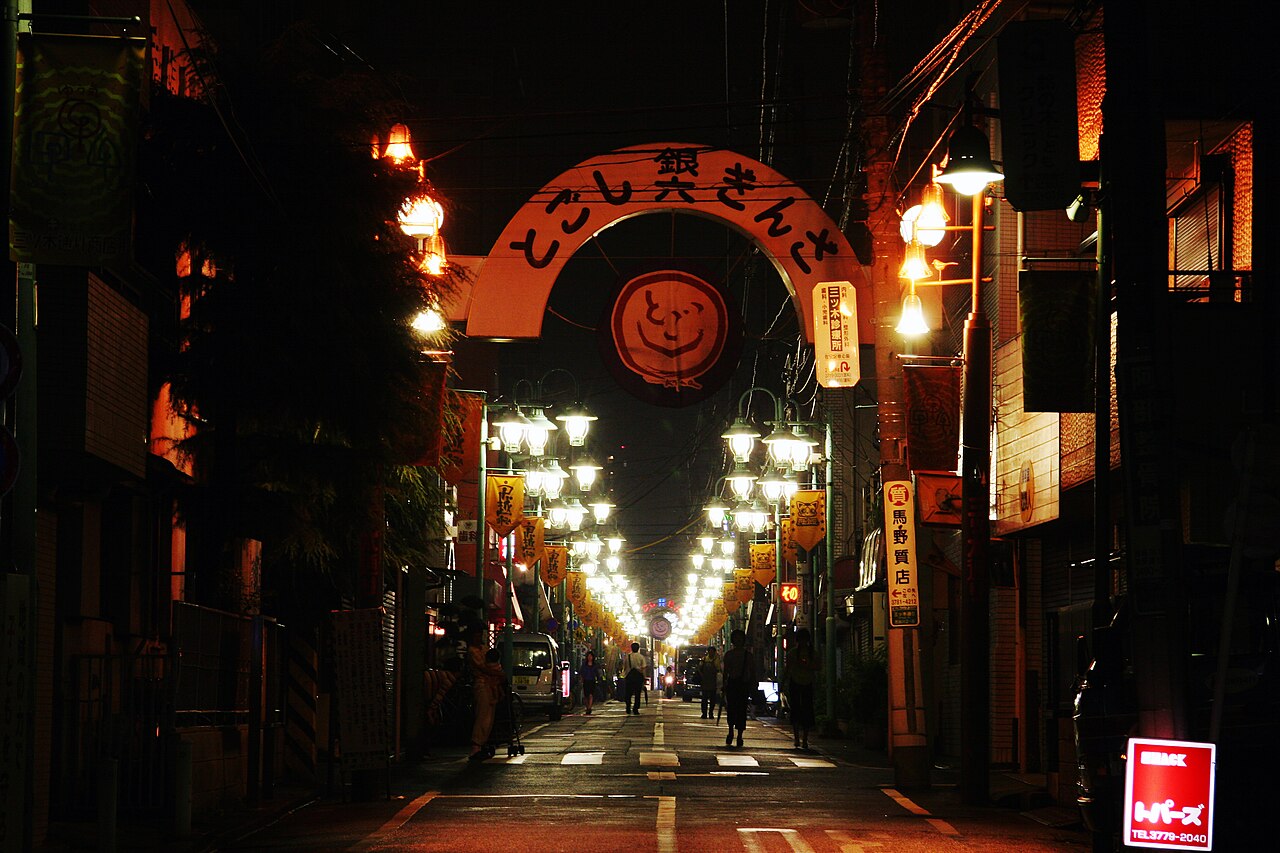
- Three streets in onethree merchants' associations run consecutive stretches, each with its own awnings, lamp-posts and character
- The Ikegami Linea three-carriage local line at street level, its small station and crossing sitting in the middle of the shops
- The 1923 bricksGinza's earthquake rubble paved this road, and the street took the name in return
How to actually get there
- Shinagawa Stn → Gotanda Stn (JR Yamanote Line, 1 stop, ~4 min)
- Gotanda Stn → Togoshi-Ginza Stn (Tokyu Ikegami Line, 3 stops, ~5 min)
- Walk the street east and west from the station (~1.3 km end to end)
- JR Yamanote to Gotanda, then the Tokyu Ikegami Line
- Shinagawa Stn →(JR Yamanote Line toward Shibuya, 1 stop, ~4 min)→ Gotanda Stn →(Tokyu Ikegami Line toward Kamata, 3 stops, ~5 min)→ Togoshi-Ginza Stn. Total about 15 minutes including the transfer. Both lines run every few minutes all day, so no advance planning is needed. From Asakusa or Haneda, the Toei Asakusa Line's Togoshi Station is about 5 minutes' walk from the middle of the street.
- Same route in reverse
- Take the Ikegami Line back to Gotanda and the Yamanote Line onward. Both run late into the night, so an evening visit is easy — the shops close well before the trains do.
About the place
Togoshi Ginza runs about 1.3 kilometres east to west through Shinagawa, crossing at the small Tokyu Ikegami Line station that shares its name. Roughly four hundred shops line it: greengrocers, fishmongers, tofu makers, butchers frying croquettes to order, oden counters, coffee roasters, secondhand bookshops, and an unusual number of places that sell one thing and sell it very well. Three separate merchants' associations run consecutive stretches, which is why the awnings and lamp-posts change character as you walk east. The street is narrow, has no arcade roof, and carries local traffic at walking pace. Nothing about it is arranged for visitors, which is the whole point — this is the longest shopping street in Tokyo, and it is busiest not at midday but in the hour before dinner.
How to enjoy it
Arrive around 16:00 and the street does what it is for: the neighbourhood comes out to shop for dinner, the fryers are going, and the counters are at their fullest. Walk the whole 1.3 kilometres rather than stopping at the station end — the character shifts across the three associations. Buy small and often rather than sitting down for a meal, and use each shop's own counter or step to the side to eat.
Background & history
The name dates from the Great Kanto Earthquake of 1923. Ginza, in central Tokyo, lost most of its brick buildings and pavements, and the rubble was given away; Togoshi took the discarded bricks and used them to drain and pave its own perpetually muddy road. Hoping some of Ginza's prosperity would travel with them, the street joined its own place name to Ginza and called itself Togoshi Ginza. It was the first street in Japan to do so, and more than three hundred '—Ginza' shopping streets around the country have since followed the pattern.
Before you go
- Cash
- Small shops here are cash-first. Many croquette and oden counters take coins only, and the older greengrocers have no card reader at all. Bring small notes.
- Good to know
- The street asks visitors not to eat while walking: buy, step aside or use the shop's own counter, and put the wrapper in that shop's bin. It is a residential street with local traffic, so keep to one side and do not block shopfronts for photographs.
- Another way
- Some shops rest on an irregular midweek day. Because three associations run consecutive sections, walking further along the street almost always finds an open run.
- After you get off
- Togoshi-Ginza Station sits in the middle of the street; the shops continue roughly 650 metres in each direction from the level crossing.
Nearby notes
 Wadakuramon / CC0
Nature · Tokyo★
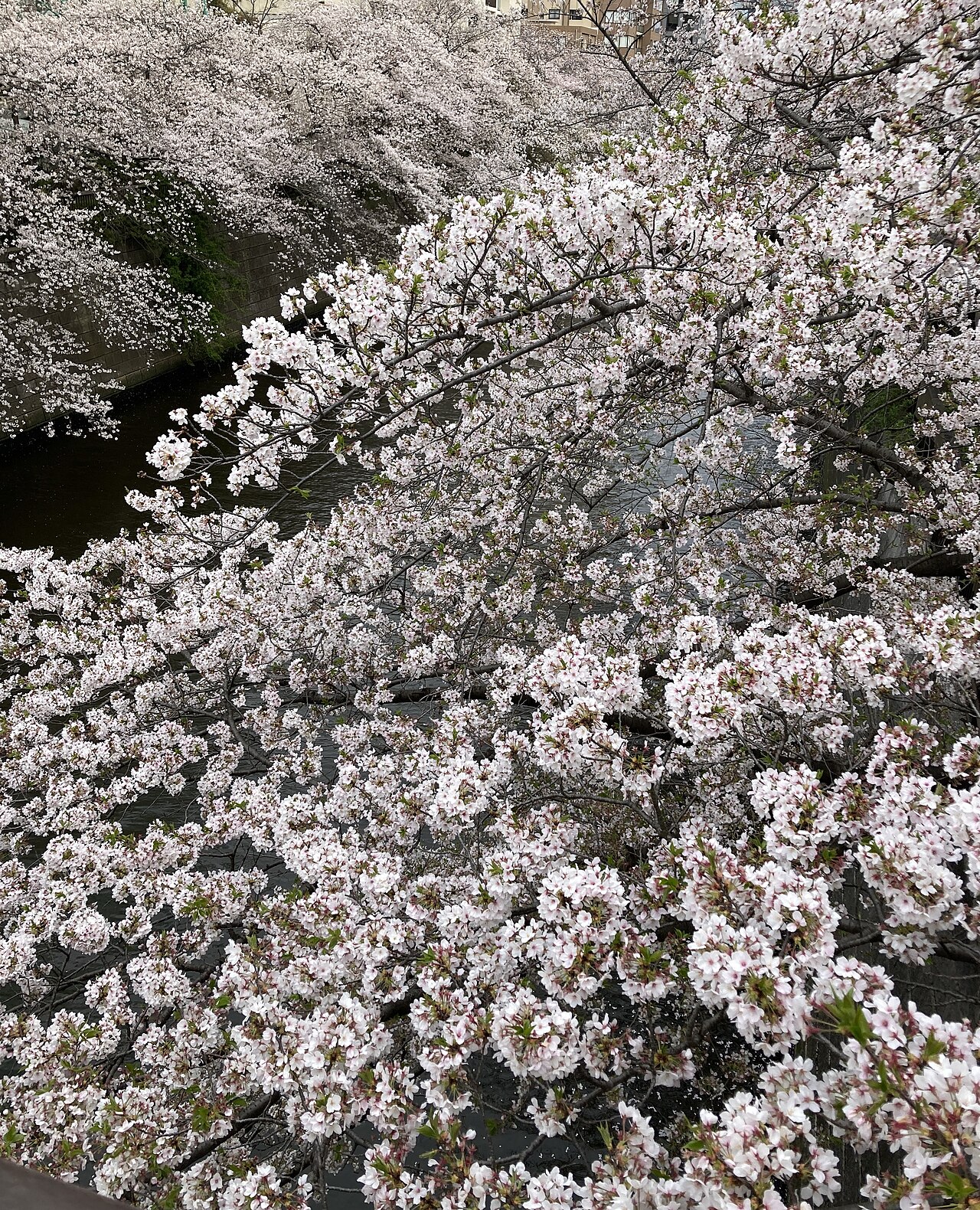
The Meguro River cherry tunnel
3.5 km · straight line
 Higa4 / CC0
History · Tokyo★★
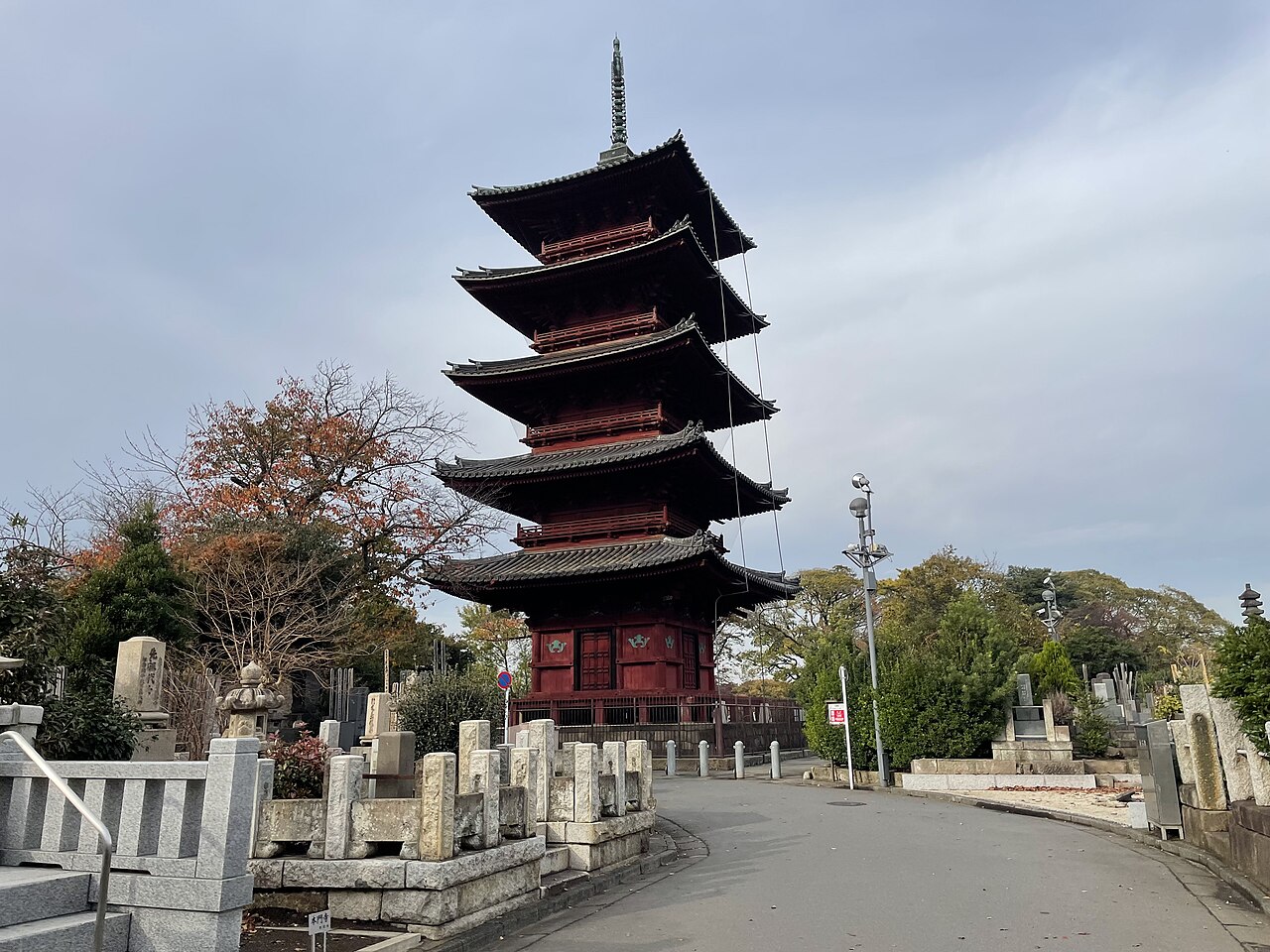
Ikegami Honmonji
4.5 km · straight line
 Dick Thomas Johnson from Tokyo, Japan / CC BY 2.0
Local life · Tokyo★★
SHIBUYA SKY
4.8 km · straight line
 PEPSI697 / CC BY-SA 4.0
Local life · Tokyo★★★
Shibuya Scramble Crossing
5.0 km · straight line
Distances are straight lines on the map, not travel times.