Tochigi · Kinugawa, NikkoNo.283★Open in map →
Kinugawa Onsen
— a hot-spring town in Nikko's river gorge
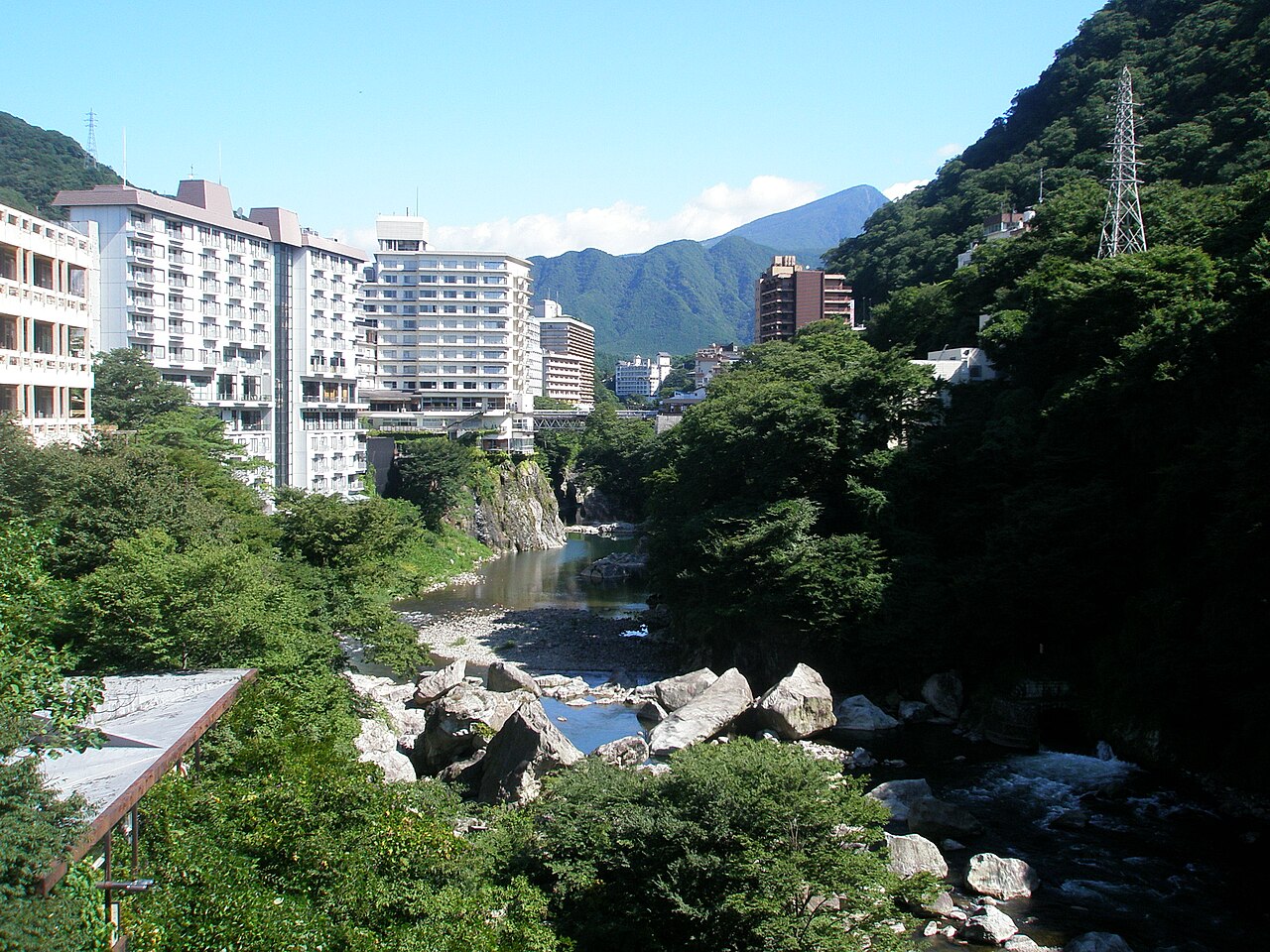
A hot spring resort strung along the Kinugawa River gorge in Nikko, Tochigi. The water is an alkaline simple spring — odorless, tasteless and gentle on the skin — and a direct limited express runs from Asakusa in about two hours.
- FromTobu Asakusa Stn
- ~2 hrdirect limited express, no transfer
- Get off atKinugawa-Onsen Station (Tobu Kinugawa Line)
- From there
- Kinugawa Onsen
The sweet spot
Most foreign itineraries treat Nikko as a day trip from Tokyo and never see the gorge 30 minutes further north, even though it is a single direct train from Asakusa and solves the problem of Nikko's short daylight sightseeing window. The water itself is unusually easy for first-time onsen bathers: no sulfur smell, no strong minerality.
Where it is
16 more notes in Tochigi · open the map →What to look for
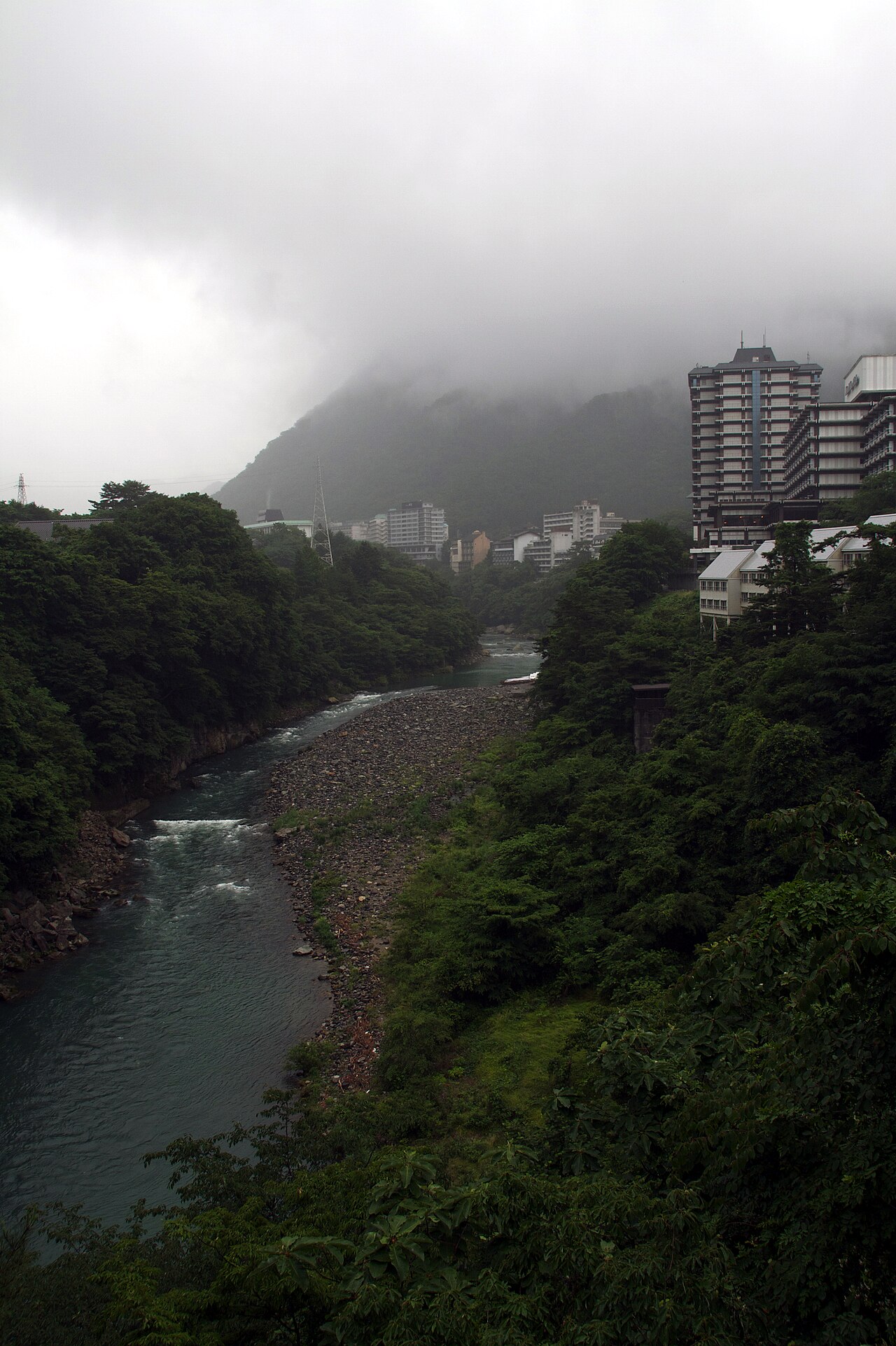
- Gorge-side bathsmany ryokan build their open-air baths facing directly onto the Kinugawa gorge, which is the reason the town exists in this particular spot
- Kinugawa river boat ridea run down the rapids between the gorge walls, generally operating from around April to November
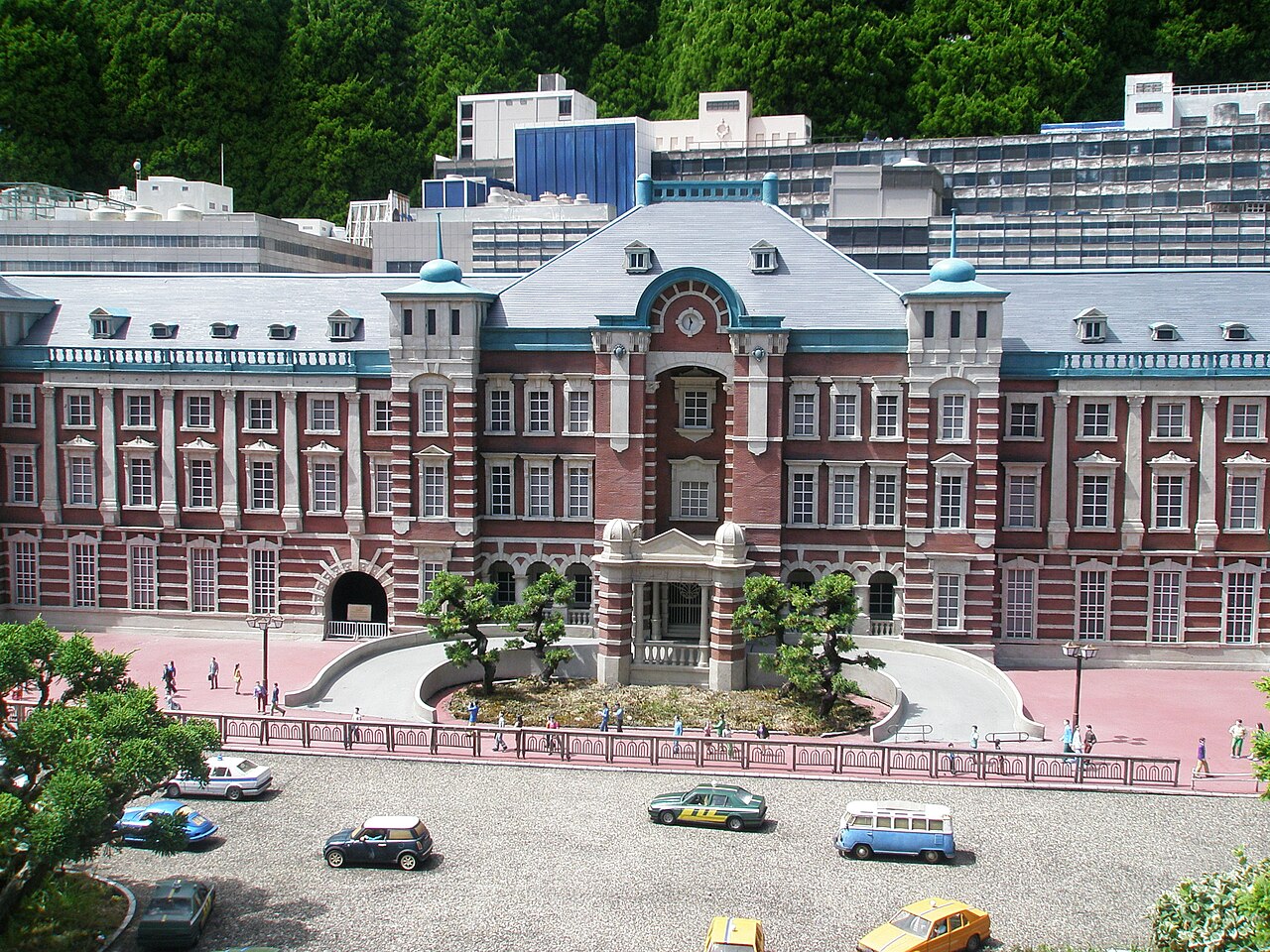
- Tobu World Squarean outdoor park of 102 famous buildings from around the world at 1:25 scale, populated by roughly 140,000 miniature figures
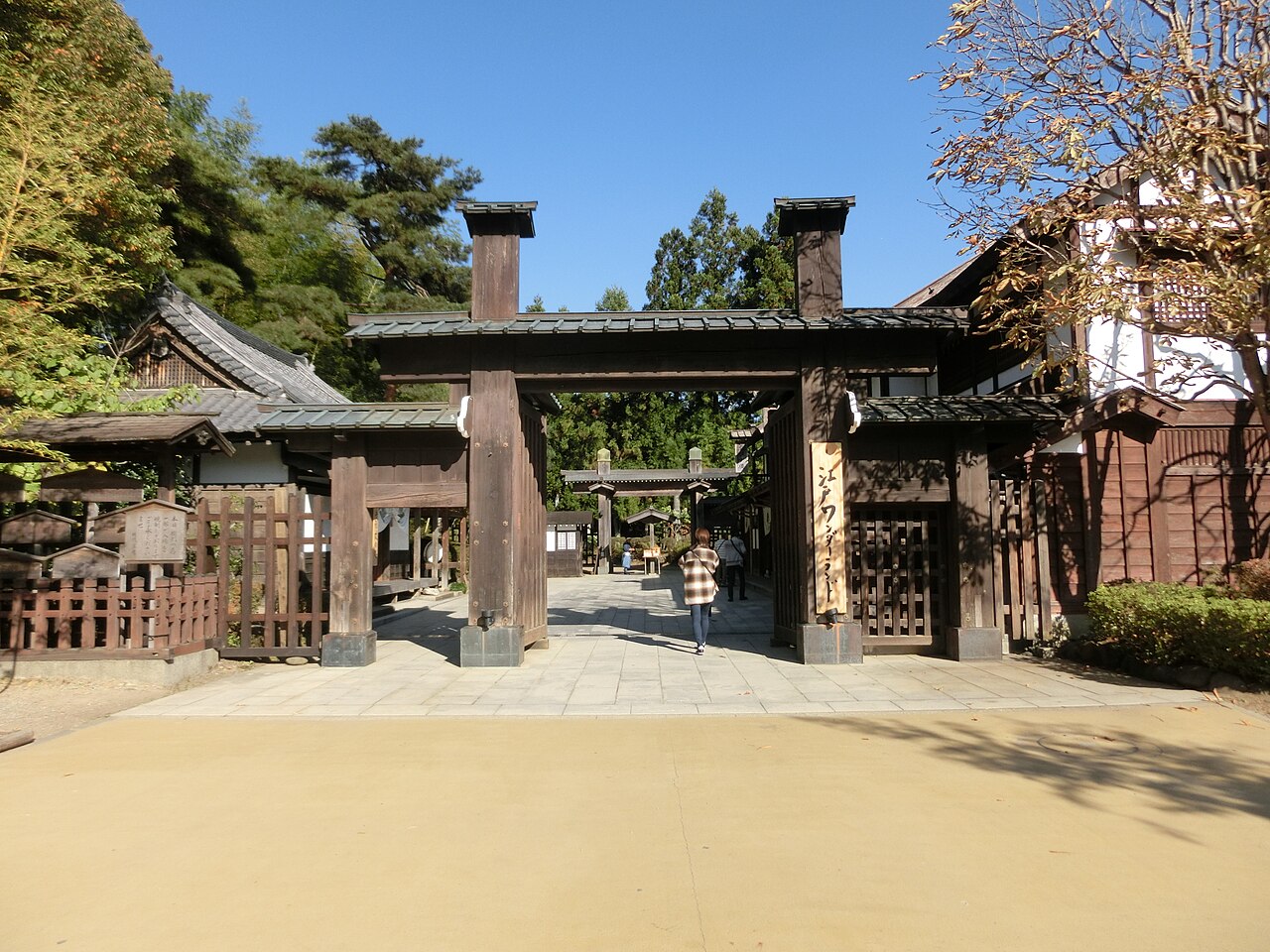
- Edo Wonderland Nikko Edomuraa re-created Edo-period town with ninja and courtesan performances, a short ride from the onsen
- Kinugawa Onsen Ropewaya cable car up the valley side for a view over the gorge and the town
How to actually get there
- Tobu Asakusa Station → Kinugawa-Onsen Station (Tobu Limited Express 'Spacia Kinu', direct, ~2 hr).
- Kinugawa-Onsen Station → your ryokan (on foot 5–25 min, or hotel shuttle).
- Tobu limited express direct from Asakusa
- Tobu Asakusa Station →(Tobu Limited Express 'Spacia Kinu', direct, ~2 hr)→ Kinugawa-Onsen Station. No transfer required. Limited express seats are reserved, so buy them in advance at the Asakusa station counter or online. Ryokan cluster within roughly 10–25 minutes on foot from the station, and most offer a pick-up shuttle if you tell them your arrival time.
- Same limited express back to Asakusa
- Kinugawa-Onsen Station →(Tobu Limited Express toward Asakusa, ~2 hr)→ Tobu Asakusa Station. Reserve the return seat when you buy the outbound ticket, especially on Sunday afternoons in autumn. Non-reserved local trains also run via Shimo-Imaichi if the express is full, but take considerably longer.
About the place
Kinugawa Onsen lies in the northern part of Nikko, where the Kinugawa River has cut a steep gorge through the hills, and the ryokan and hotels are built right along its rim. The springs were found in the Edo period, and for most of that era they were not a public resort at all: bathing was permitted only to the priests and feudal lords who came to worship at the Nikko shrines. The town opened to ordinary travelers after the Meiji Restoration, and grew into one of the largest hot spring towns in the Kanto region. Its water is an alkaline simple spring — no smell, no taste, mild on the skin — traditionally recommended for neuralgia, frozen shoulder and general fatigue. The resort boom peaked in the 1970s, and the recession that followed the bubble years left some of the largest concrete buildings empty along the gorge; they still stand, half-reclaimed by vegetation, beside the ryokan that kept going. It is an honest place to visit: a working onsen town with a visible history rather than a polished set piece.
How to enjoy it
Treat it as the night half of a Nikko trip rather than a destination on its own: the World Heritage shrines at Nikko are about 30 minutes away by car, so a day at Toshogu and an evening in the gorge fit together well. Arrive in the afternoon, walk the riverside before dinner, and bathe after dark when the gorge goes quiet. If you are travelling with children, Tobu World Square and Edo Wonderland are both close enough to add without moving base.
Background & history
The springs were discovered during the Edo period, when Nikko was a national pilgrimage destination as the site of Tokugawa Ieyasu's mausoleum, and access to the baths was restricted to visiting priests and daimyo. General public bathing began after the Meiji Restoration. In the twentieth century the arrival of the Tobu Kinugawa Line turned the gorge into a mass-tourism destination reachable in a single ride from Tokyo, and the 1970s saw large-scale hotel construction along the river. The recession of the 1990s, compounded by the failure of local banks, hit the town hard and left several derelict buildings. From the late 2000s rising fuel costs renewed interest in destinations reachable by train, and the town remains one of the Kanto region's main onsen bases.
Before you go
- Cash
- IC cards (Suica / PASMO) work on Tobu trains, but limited express tickets need a separate reserved-seat purchase. Smaller shops and some ryokan in the town still prefer cash — carry some. Tobu World Square and Edo Wonderland both charge admission.
- Good to know
- Day-use bathing at ryokan (higaeri nyuyoku) is usually offered only in limited afternoon hours and varies by property, so check the specific ryokan on the day. The river boat ride does not operate year-round. Tattoo policies differ by property — worth confirming when booking.
- Another way
- From Shinjuku, the through-service limited express 'Spacia Kinugawa' runs to Kinugawa-Onsen via the JR and Tobu lines. Coming from Nikko itself, take the Tobu Nikko Line to Shimo-Imaichi and change to the Kinugawa Line. From the north, the Yagan Railway Aizu-Kinugawa Line connects the town toward the Aizu region in Fukushima.
- After you get off
- From Kinugawa-Onsen Station the onsen street runs toward the river; the nearest ryokan are 5–10 minutes on foot and the furthest around 25 minutes. Free shuttle buses and taxis wait outside the station.
Nearby notes
 掬茶 / CC BY-SA 3.0
Entertainment · Tochigi★★
Tobu World Square
1.9 km · straight line
 Abasaa / Public domain
Entertainment · Tochigi★★
Edo Wonderland Nikko Edomura
4.0 km · straight line
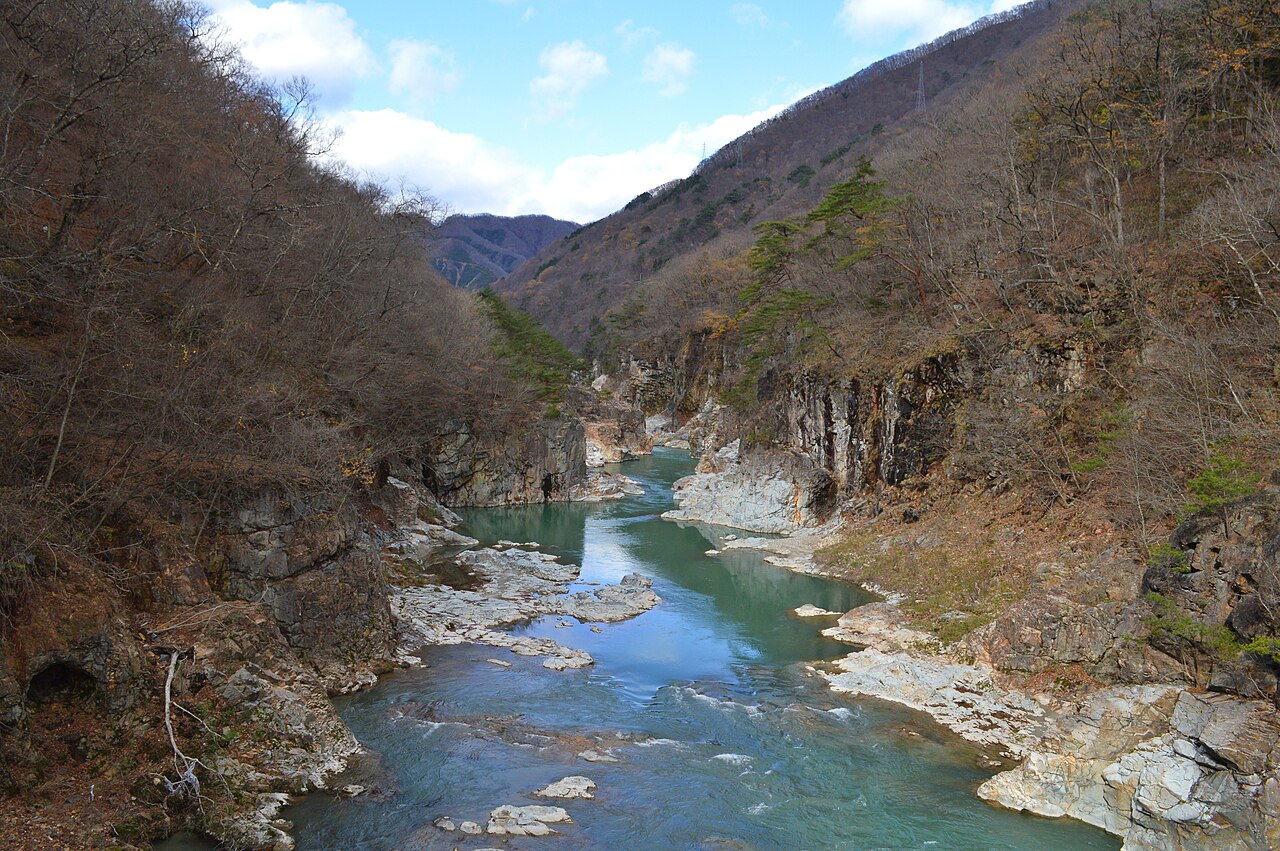 Saigen Jiro / CC0
Nature · Tochigi★★
Ryuokyo Ravine
4.3 km · straight line
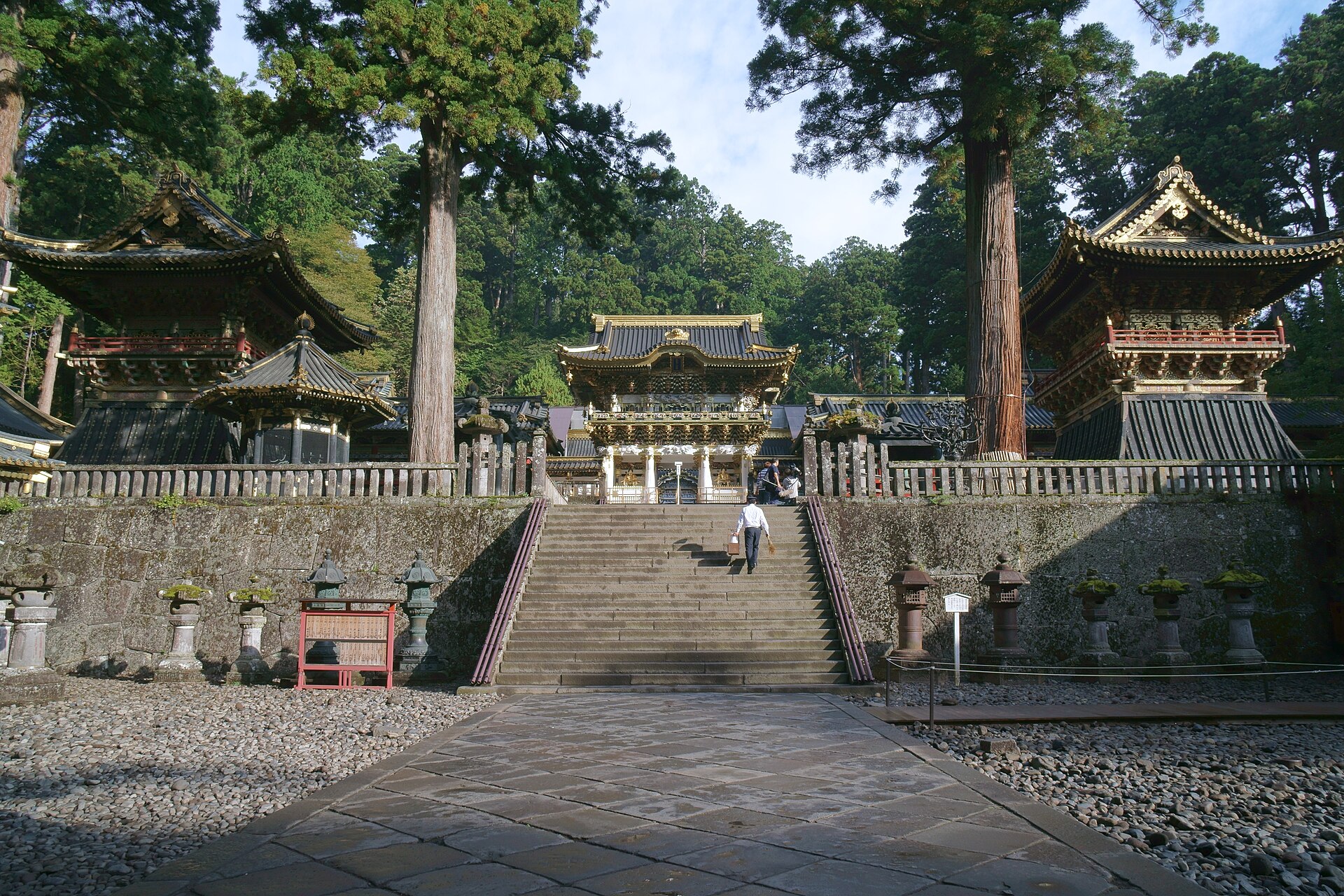 Koichi Sato / CC BY-SA 4.0
History · Tochigi★★★
Nikko Toshogu and the Yomeimon gate
12.8 km · straight line
Distances are straight lines on the map, not travel times.