Tochigi · NikkoNo.265★★★Open in map →
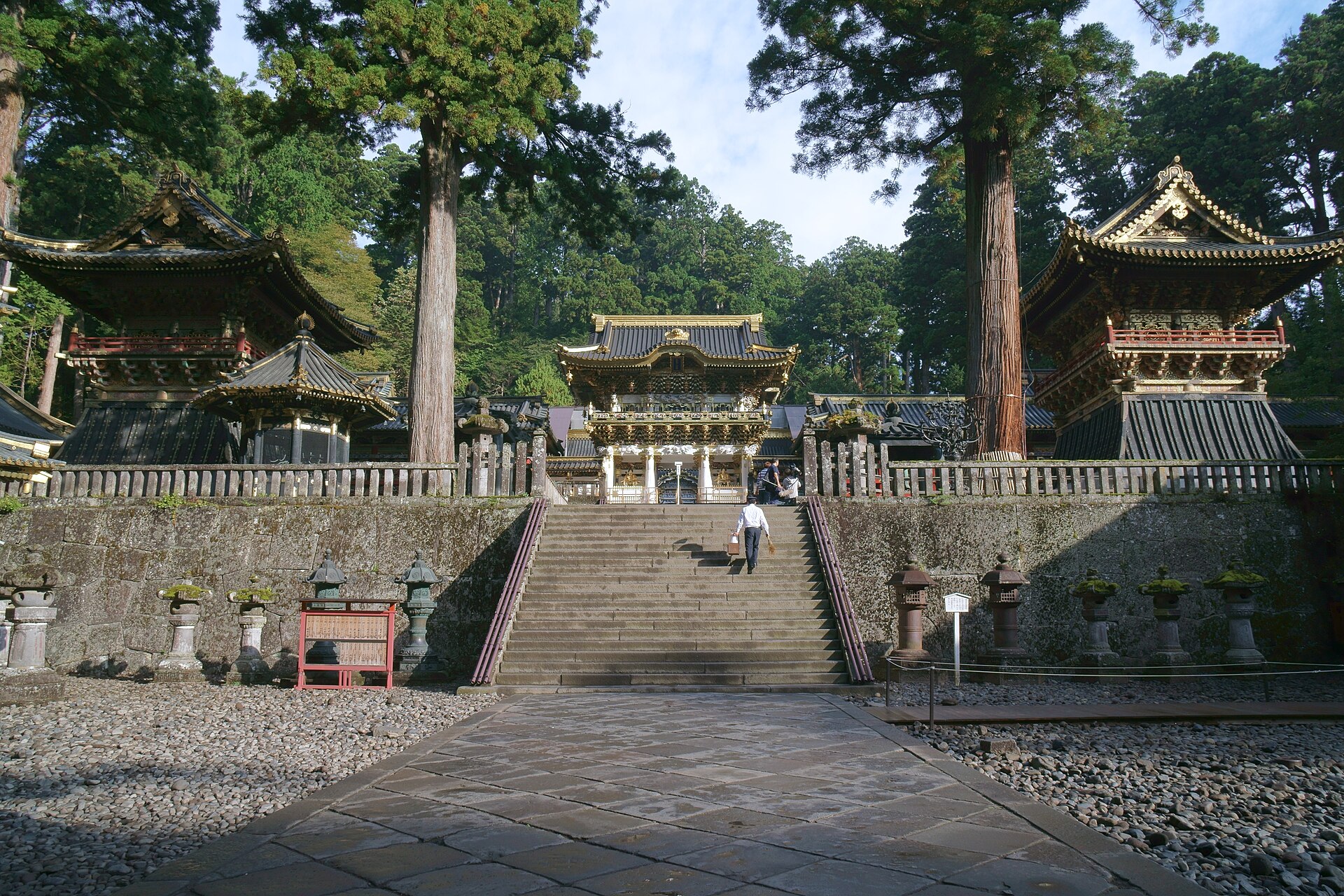
Nikko Toshogu and the Yomeimon gate
— the shrine where Ieyasu became a god
The mountain shrine in Tochigi where Tokugawa Ieyasu is enshrined. Its 55 buildings — eight of them National Treasures — include the Yomeimon, Japan's most lavishly decorated gate, and the precinct is a UNESCO World Heritage site.
- FromAsakusa Stn
- ~2 hours 15 minlimited express + bus
- Get off atOmotesando bus stop (World Heritage tour bus)
- On foot
- Nikko Toshogu and the Yomeimon gate
Where it is
16 more notes in Tochigi · open the map →What to look for — in walking order
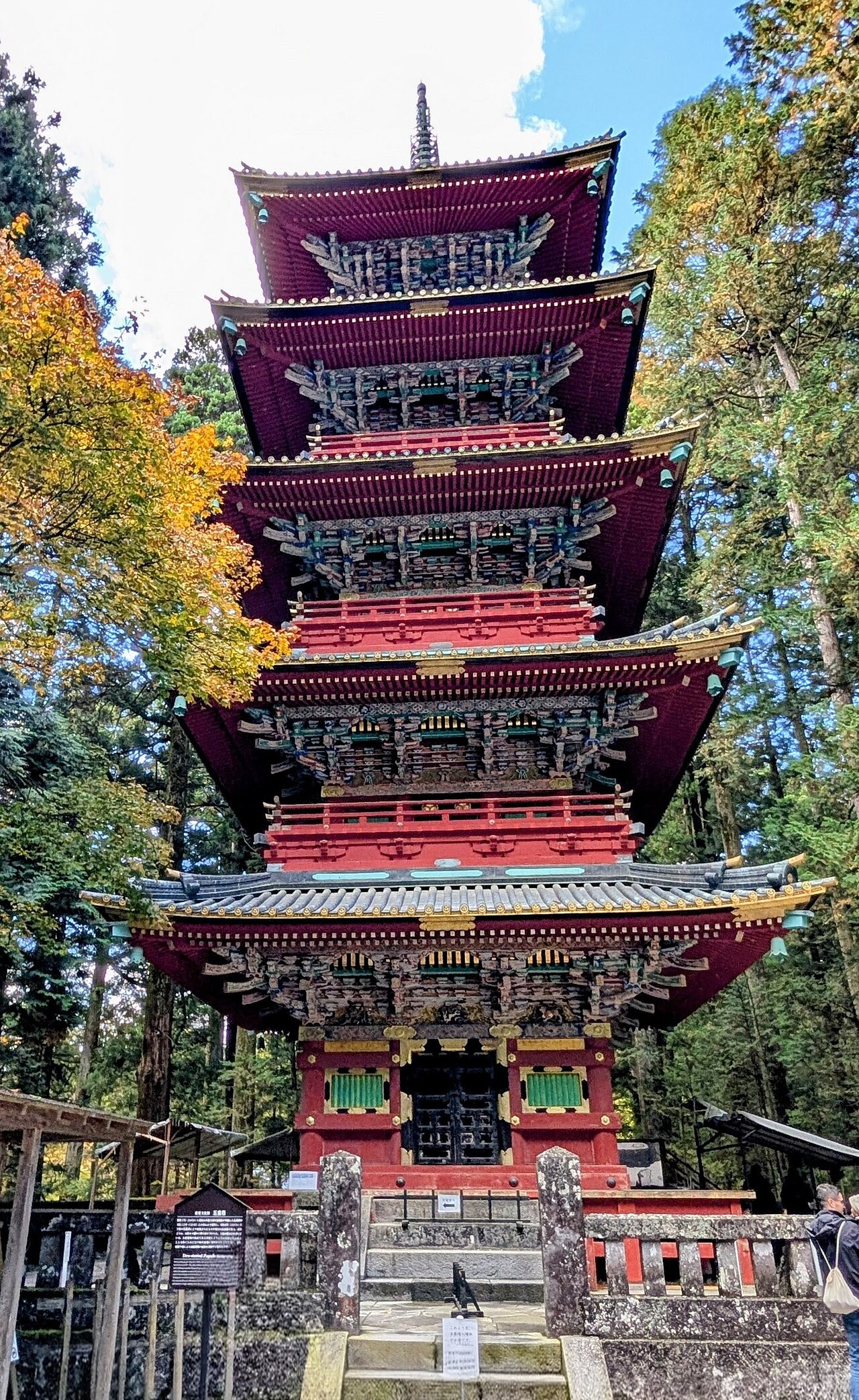
- Five-story pagodaa tall, brightly painted pagoda standing just inside the first stone torii, before you reach the ticket gate
- Sacred Stable and the Three Wise Monkeysthe see-no-evil, hear-no-evil, speak-no-evil carving sits on the wall of the stable built for the shrine's sacred horse
- Yomeimon gateJapan's most lavishly decorated gate, covered with 508 carvings in gold leaf and polychrome
- Nemuri-neko (Sleeping Cat)a small carving of a sleeping cat above the gateway that opens onto the path up to Ieyasu's tomb
- Okusha (inner shrine)at the top of the stone stairway behind the main hall, the inner shrine and the tomb of Tokugawa Ieyasu
- The crying dragon at Honjidoa dragon painted across the ceiling of the Honjido hall; a monk strikes wooden clappers beneath its head and the echo rings like a bell only on that exact spot
How to actually get there
- Asakusa Station → Tobu-Nikko Station (Tobu Nikko Line limited express, ~2 hours).
- Tobu-Nikko Station → Omotesando bus stop (World Heritage tour bus, ~10 min).
- Omotesando bus stop → Toshogu ticket gate (walk, ~5 min).
- Tobu limited express from Asakusa + World Heritage tour bus
- Asakusa Station →(Tobu Nikko Line limited express, ~2 hours)→ Tobu-Nikko Station →(World Heritage tour bus, ~10 min)→ Omotesando bus stop →(walk ~5 min)→ shrine ticket gate. Total journey about 2 hours 15 minutes. Getting off one stop earlier at Shinkyo adds a ~15 minute walk but takes you past the red Shinkyo bridge on the way in.
- Tour bus back to Tobu-Nikko, then limited express to Asakusa
- From the Omotesando bus stop, take the World Heritage tour bus back to Tobu-Nikko Station (~10 min), then the Tobu Nikko Line toward Asakusa. Closing is early — 16:00 from November through March — so in winter check the return bus times before you start the climb to the Okusha.
About the place
Nikko Toshogu was founded in 1617, the year after Tokugawa Ieyasu's death, to enshrine the first Tokugawa shogun as a deity. What stands today is not that first shrine but the rebuilding of 1636, ordered by his grandson Iemitsu, which turned the precinct into the most heavily decorated religious complex in Japan. Fifty-five structures sit in the cedar forest here — eight designated National Treasures, thirty-four Important Cultural Properties. The centrepiece is the Yomeimon, a gate carrying 508 separate carvings of sages, children, dragons and peonies in gold leaf and full colour. The approach roads were planted with cedars from around 1625 and donated to the shrine; roughly 12,500 of those trees are still standing. In 1999 the precinct was inscribed on the UNESCO World Heritage list as part of the Shrines and Temples of Nikko.
How to enjoy it
Take the World Heritage tour bus from Tobu-Nikko Station and get off at Omotesando; the ticket gate is about five minutes on foot. Walk the precinct in order — pagoda, Sacred Stable, Yomeimon, then the Sleeping Cat and the stairway up to the Okusha — which takes roughly 90 minutes to two hours at an unhurried pace. Arrive close to the 9:00 opening: the Yomeimon is at its clearest before the tour groups reach it.
Background & history
Tokugawa Ieyasu died in 1616, and a year later, in 1617, he was enshrined at Nikko and elevated to divine status as a guardian of the realm. The buildings visitors see date from the Kan'ei rebuilding of 1636, undertaken by the third shogun Tokugawa Iemitsu, who replaced the modest original structures with the gilded complex now on the site. The cedar avenues leading toward Nikko were planted from about 1625 and presented to the shrine, and around 12,500 of the trees survive. Throughout the Edo period (1603–1867) Nikko remained the destination of formal shogunal pilgrimages. In 1999 the shrine, together with the neighbouring Futarasan Shrine and Rinnoji Temple, was inscribed by UNESCO as the Shrines and Temples of Nikko. Ieyasu was first interred at Kunozan in Suruga before being moved here, and the 1636 rebuilding fixed the visual grammar of the Gongen style that later Tokugawa mausolea copied. The Yomeimon gate emerged from a multi-year restoration in 2017, so the gold and pigment now on show are close to what 1636 intended.
Before you go
- Cash
- Admission is 1,600 yen for adults (high school age and above) and 550 yen for elementary and junior high school students. IC cards (Suica / PASMO) are accepted on Tobu trains and local buses. Carry some cash as well for the ticket window and the smaller shops along the approach.
- Good to know
- Open daily. April–October 9:00–17:00 (last entry 16:30); November–March 9:00–16:00 (last entry 15:30). This is a working shrine — keep to the marked route and follow the photography restrictions posted inside the buildings.
- Another way
- From Tokyo Station, take the Tohoku Shinkansen to Utsunomiya and change to the JR Nikko Line for JR Nikko Station, which sits beside Tobu-Nikko Station and is served by the same tour bus. From either station you can also walk to the shrine along the old approach past the Shinkyo bridge, a little over 2 km.
- After you get off
- From the Omotesando bus stop, walk up the slope toward the stone torii for about 5 minutes to reach the ticket gate. From the Shinkyo bus stop it is about 15 minutes on foot.
Nearby notes
 Joli Rumi / CC BY-SA 4.0
History · Tochigi★★★
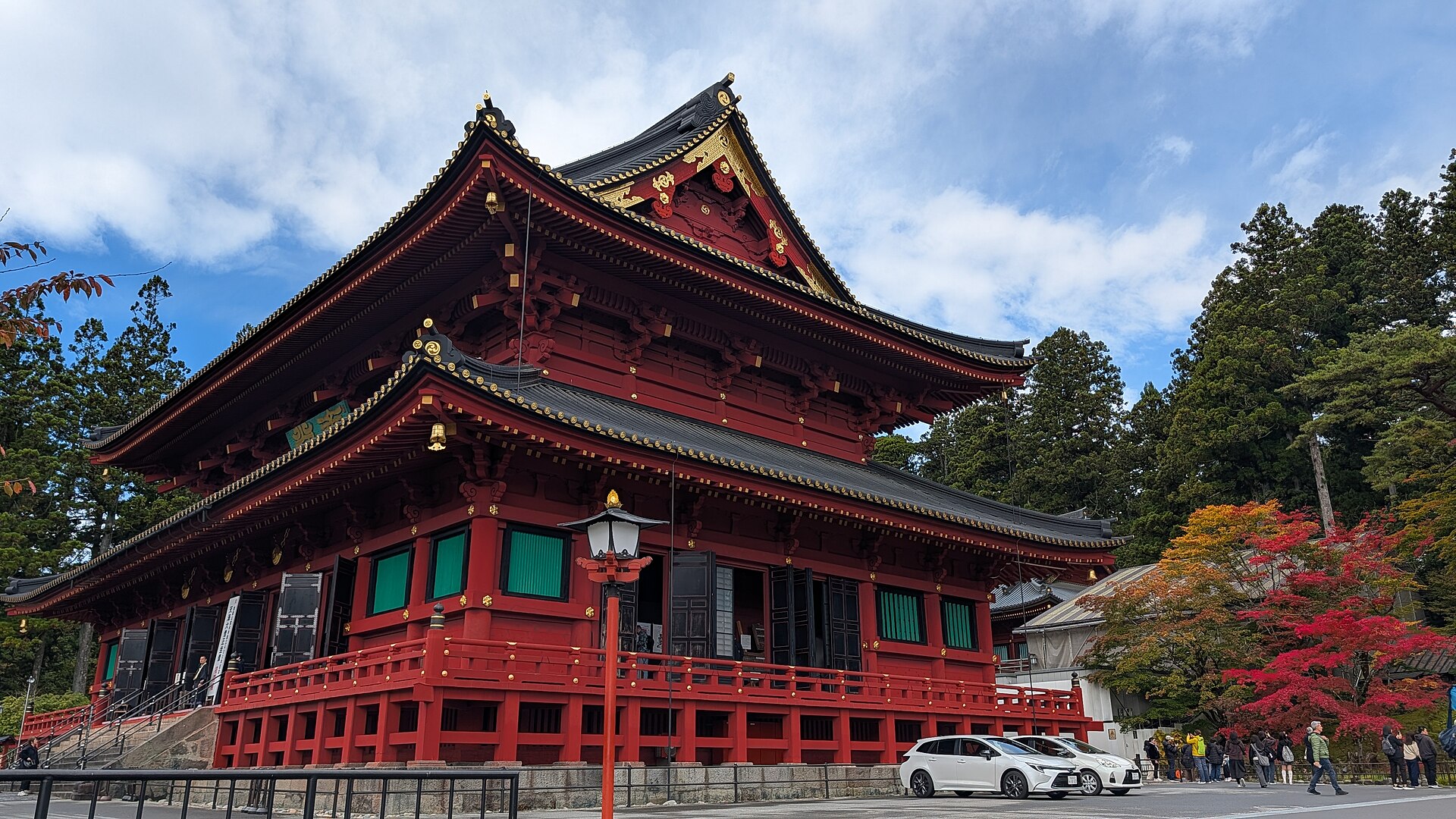
Nikkozan Rinnoji and Taiyuin
0.5 km · straight line
 Jordy Meow / CC BY-SA 3.0
Nature · Tochigi★
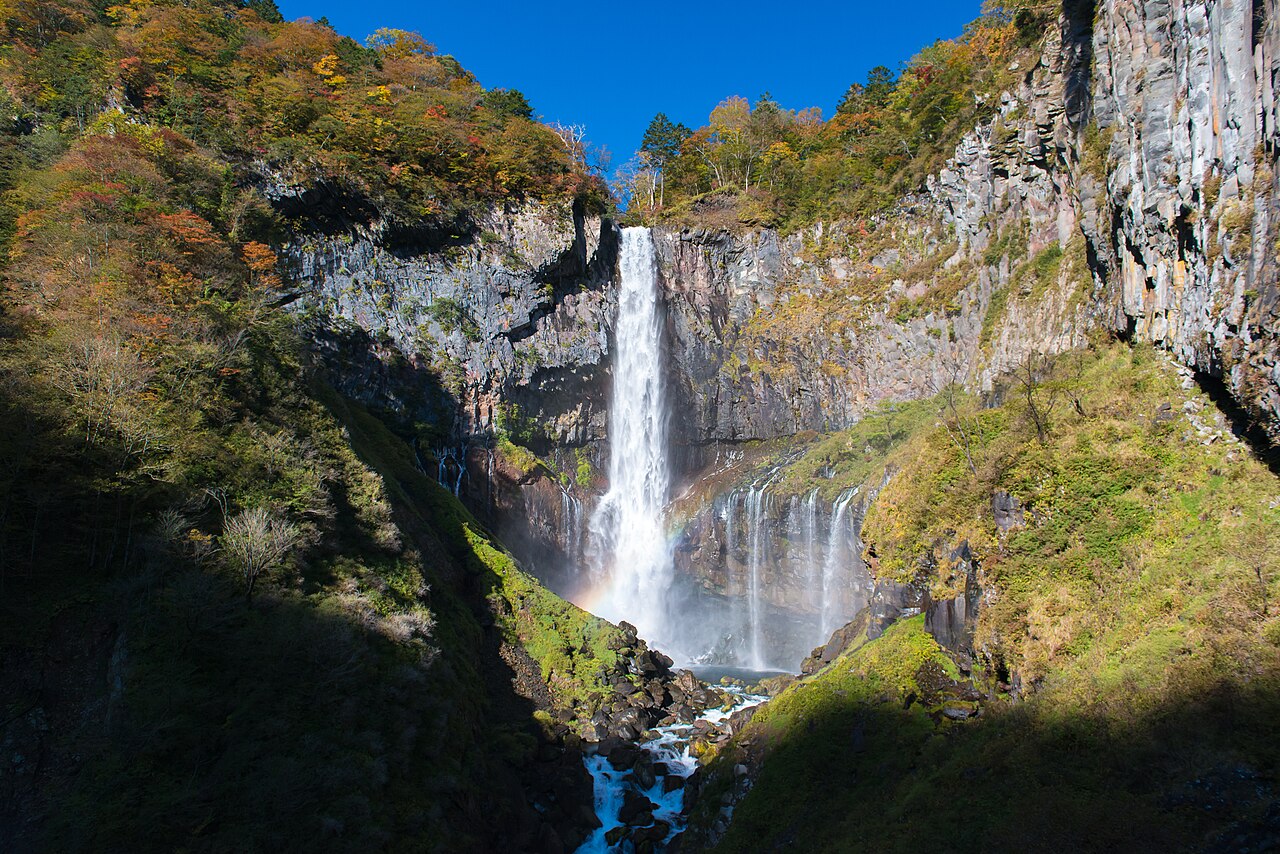
Kegon Falls
8.8 km · straight line
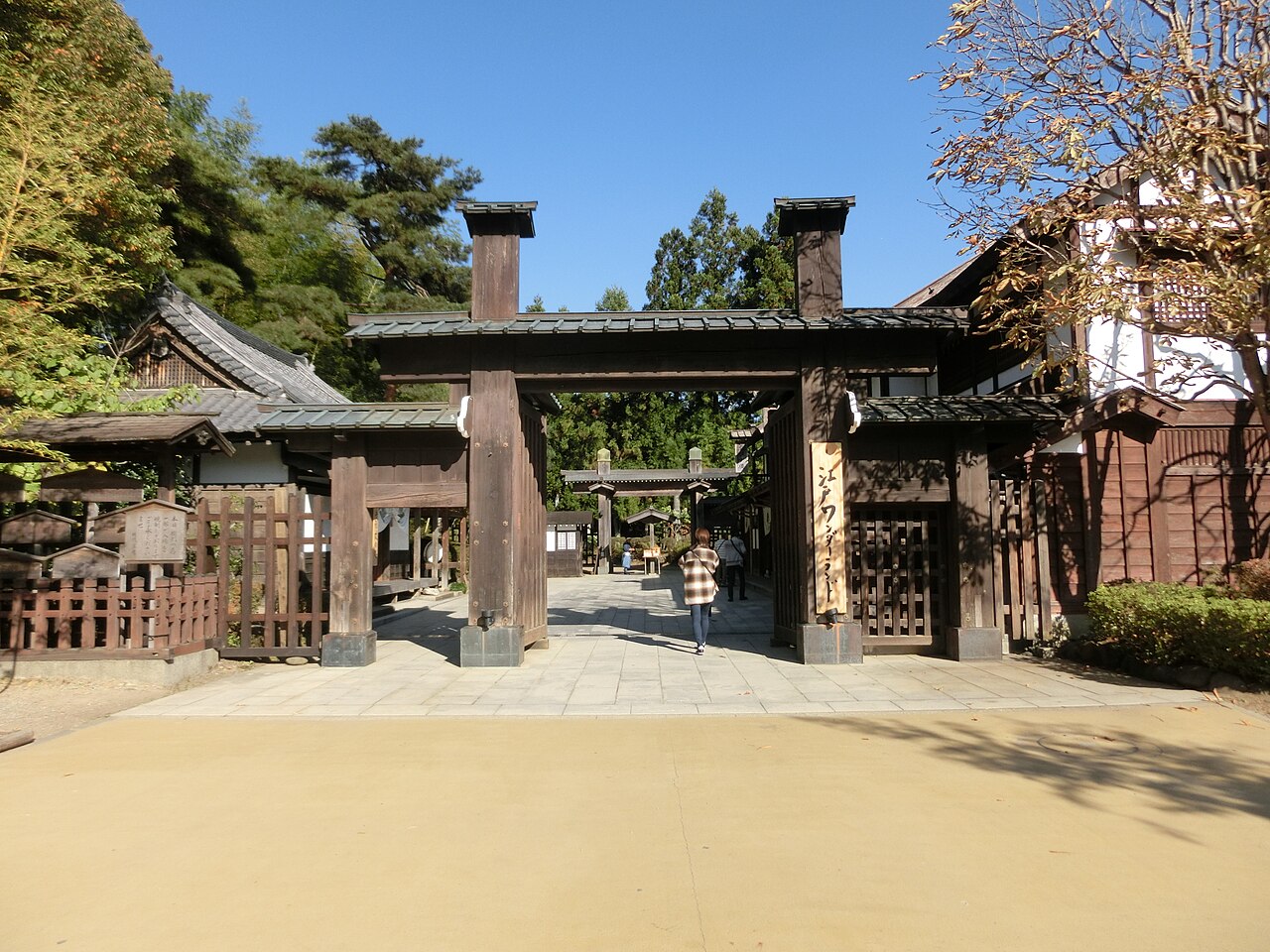 Abasaa / Public domain
Entertainment · Tochigi★★
Edo Wonderland Nikko Edomura
9.5 km · straight line
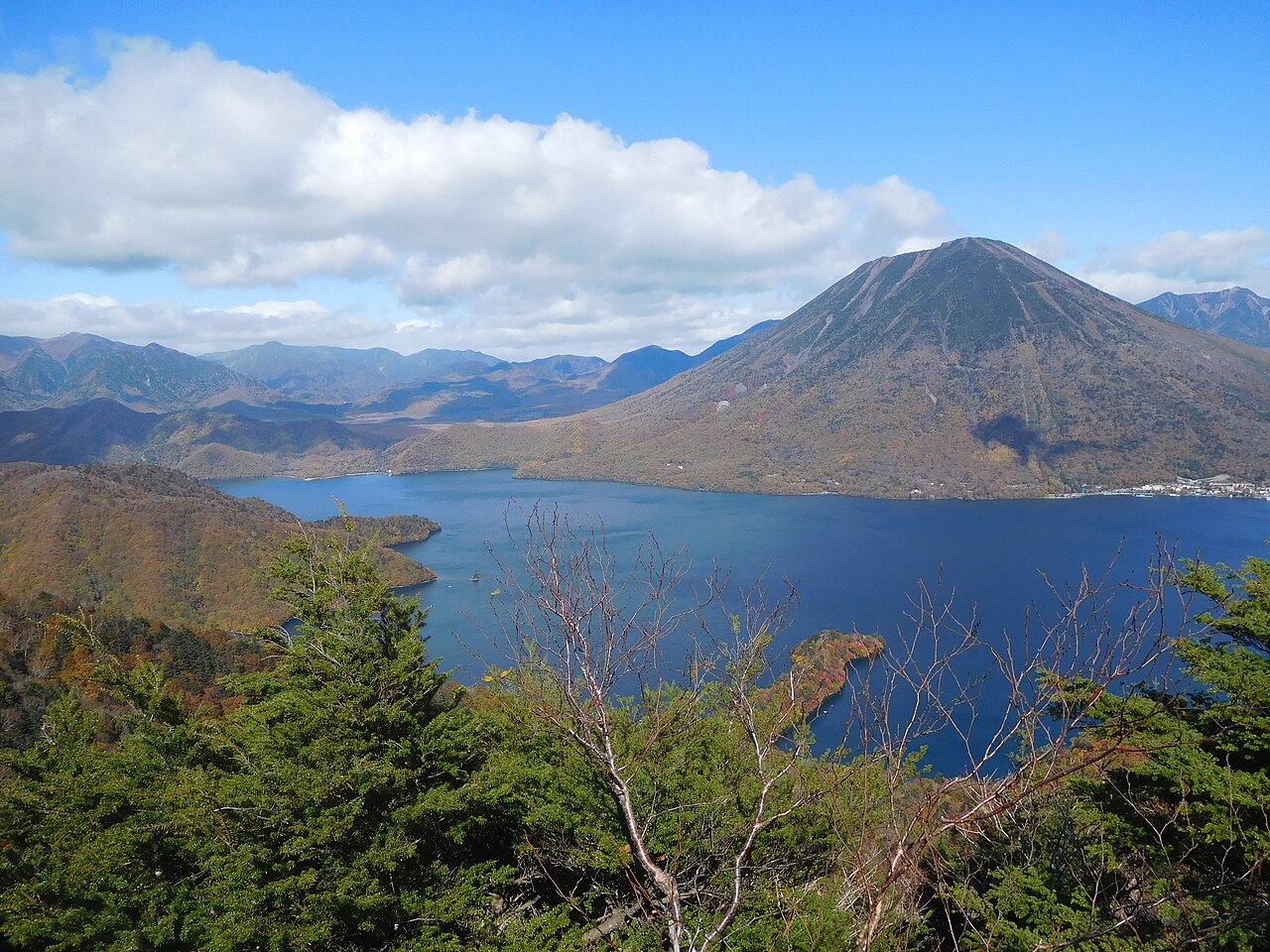 Miyuki Meinaka / CC BY-SA 4.0
Nature · Tochigi★
Lake Chuzenji
9.7 km · straight line
Distances are straight lines on the map, not travel times.