Tochigi west · Oku-NikkoNo.270★Open in map →
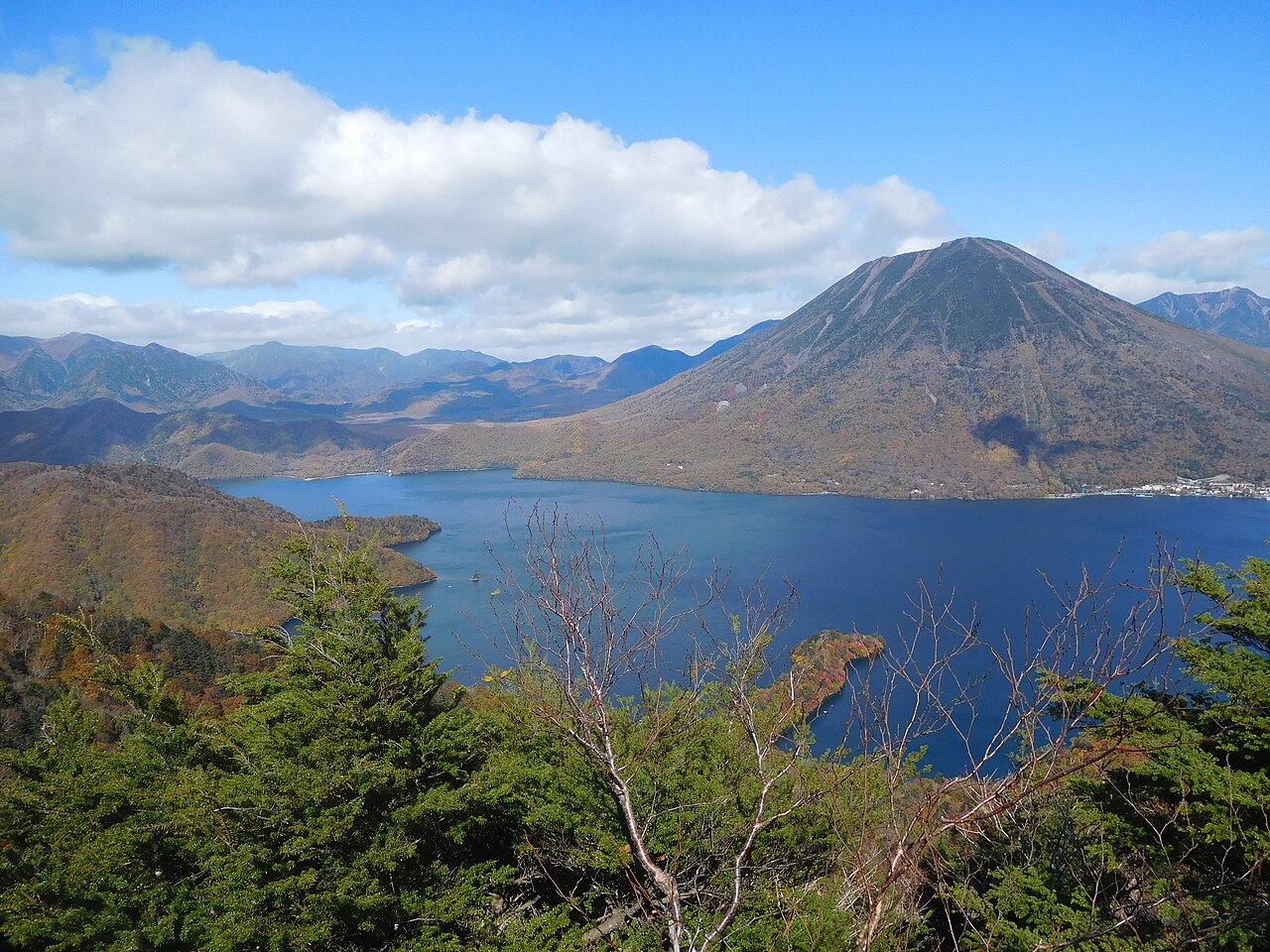
Lake Chuzenji
A volcanic lake at 1,269 metres in Oku-Nikko, formed when lava from Mount Nantai dammed a valley — about 25 km around and 163 m deep, with sightseeing cruises and a shoreline of former embassy villas.
- FromNikko Stn
- ~50 min by bustrain + bus (frequent)
- Get off atChuzenji Onsen bus terminal
- From there
- Lake Chuzenji
The sweet spot
Most visitors to Nikko stop at Toshogu and turn back, but the lake is a different landscape entirely — alpine, cool in high summer, and carrying an unusual layer of history as an international summer colony rather than a temple town.
Where it is
16 more notes in Tochigi · open the map →What to look for
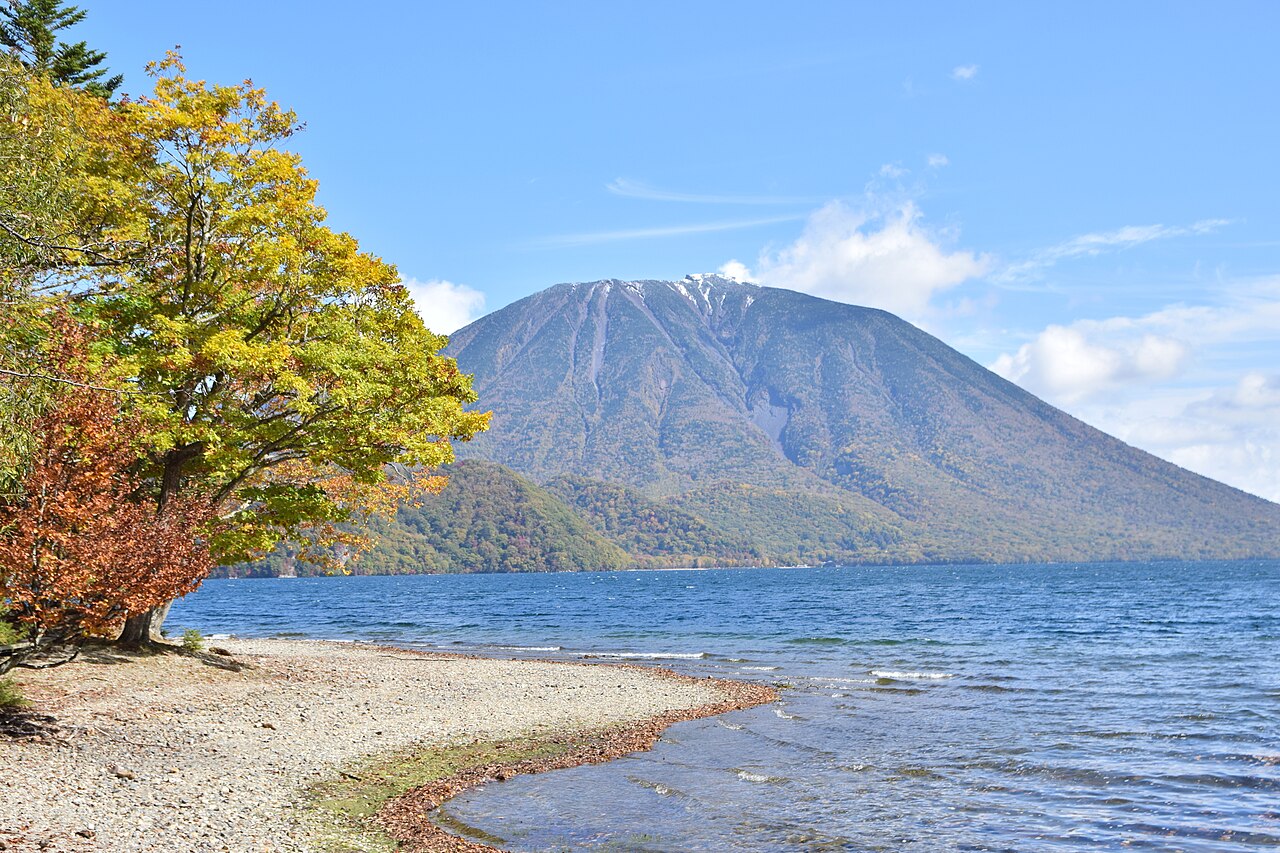
- The lake against Mount Nantaithe volcano that made the lake rises directly from the north-east shore — the defining view, and best in clear morning air
- Sightseeing cruise from Chuzenji Onsenboats run from the pier near the bus terminal and take in shoreline you cannot reach on foot; autumn routes are added in foliage season
- British Embassy Villa Memorial Parkthe restored summer villa of the British legation on the shore, preserving the rooms and the lake view that drew Tokyo's diplomats up here
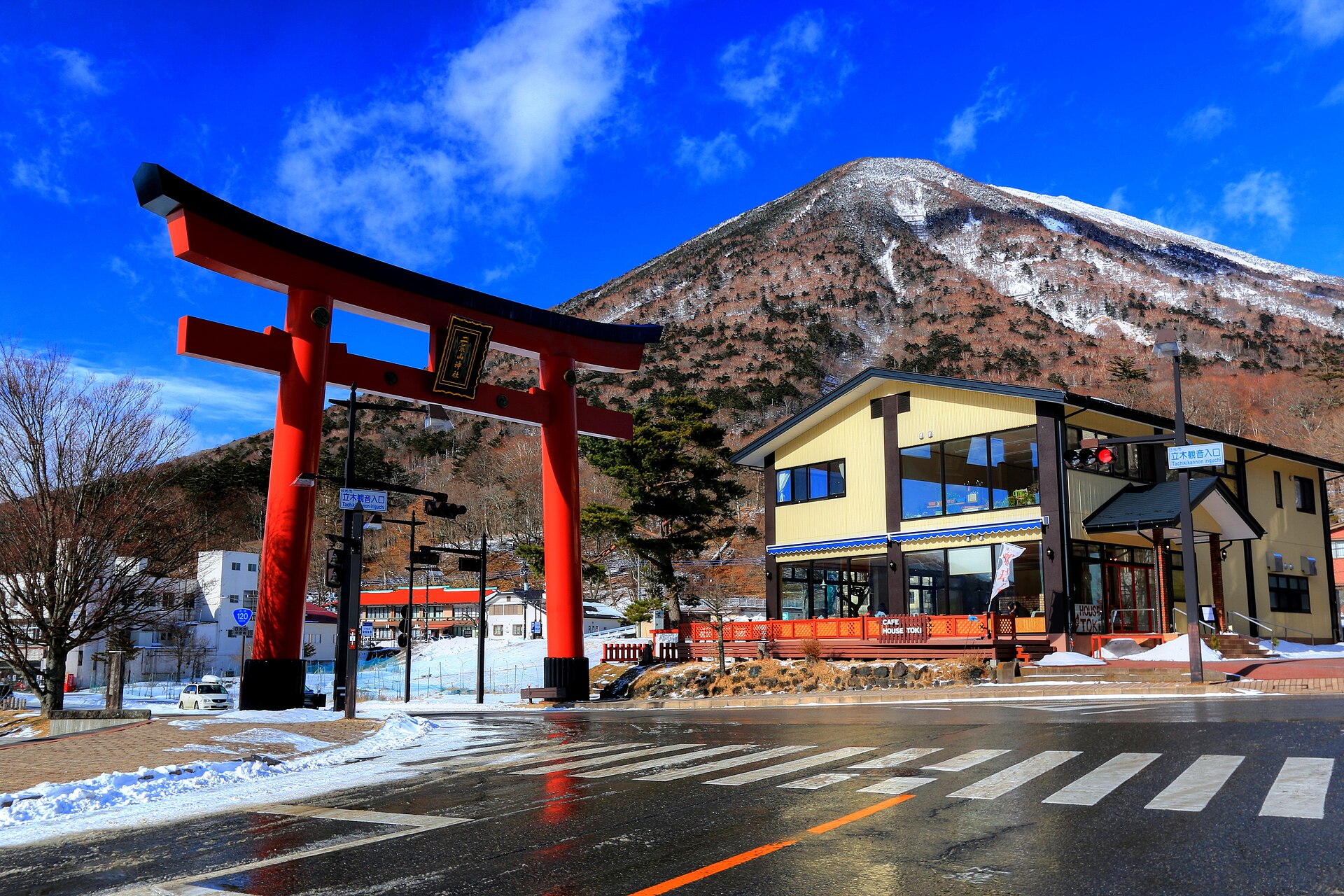
- Futarasan-jinja Chugushithe mid-mountain shrine at the foot of Mount Nantai and the gate through which climbers start up the volcano
How to actually get there
- Tokyo → Nikko (JR Nikko Line via Utsunomiya, or Tobu Nikko Line from Asakusa).
- Nikko Station → Chuzenji Onsen (Tobu bus toward Chuzenji Onsen / Yumoto Onsen, ~50 min, up the Irohazaka switchbacks).
- Chuzenji Onsen terminal → the lakeshore (~5 min on foot).
- Train to Nikko, then bus up the Irohazaka switchbacks
- Reach JR Nikko Station or Tobu Nikko Station (the two sit side by side), then take the bus bound for Chuzenji Onsen or Yumoto Onsen from the station bus stop. The ride is about 50 minutes and climbs the Irohazaka hairpin road; get off at the Chuzenji Onsen terminus, and the lakeshore is about a 5-minute walk. Sit on the right side going up for the valley views.
- Return by bus from Chuzenji Onsen
- Buses run back down to Nikko Station from the Chuzenji Onsen terminal throughout the day (~50 min). Autumn foliage weekends jam the Irohazaka road badly and the return trip can take far longer than the timetable says — leave the lake early on those days.
About the place
Roughly 20,000 years ago, lava from an eruption of Mount Nantai blocked a valley in the mountains west of Nikko, and the water that backed up behind it became Lake Chuzenji. It sits 1,269 metres above sea level, runs about 25 kilometres around its shore, and reaches 163 metres at its deepest — which is why the bus from Nikko has to climb the tight hairpin switchbacks of the Irohazaka road to get there at all. From the late Meiji period into the early Showa era the lake became the summer retreat of foreign residents escaping the heat of the plains, and the embassy villas they built along the shore still stand as museum houses. The shrine at the foot of Mount Nantai, Futarasan-jinja Chugushi, marks the start of the climb up the volcano that made the lake.
How to enjoy it
The two peaks of the year are the azaleas in early summer and the autumn colour, and both are worth planning around — though foliage weekends turn the Irohazaka road into a long queue, so go on a weekday if you can. A comfortable half-day is the cruise plus a walk along the shore to one of the embassy villas; a full day adds Kegon Falls, which sits at the lake's outflow a short walk from the bus terminal. In midsummer the altitude alone is the attraction: it is a different climate from the plain below.
Background & history
The lake is the product of a single geological event: an eruption of Mount Nantai sent lava across a valley about 20,000 years ago, and the trapped water rose behind it. For most of recorded history the area belonged to the mountain-worship tradition centred on Nantai, with Futarasan-jinja Chugushi at the foot of the peak as the gateway for pilgrims climbing it. From the late Meiji period into the early Showa era the character of the shore changed: foreign residents and diplomats posted to Tokyo took to the lake as a summer retreat from the heat of the plains, building villas along the water. The British Embassy villa survives as a memorial park open to visitors, preserving the interiors of that international summer colony.
Before you go
- Cash
- Buses accept IC cards, and area passes covering the Nikko–Chuzenji–Yumoto bus corridor are sold at the station — worth it if you are combining the lake with Kegon Falls or Yumoto. The lakeshore itself is free; the cruise and the embassy villa museums each charge separately.
- Good to know
- The lake sits at 1,269 m and is markedly colder than Nikko town below — bring a layer even in summer. In winter the road can require chains or close in snow, and some lakeside facilities shut for the season; check before travelling between December and March.
- Another way
- By car it is about 20 minutes from Kiyotaki IC, but the Irohazaka road is one-way in each direction on separate routes and backs up severely in autumn colour season, when the bus is usually the faster choice.
- After you get off
- From the Chuzenji Onsen bus terminal, walk downhill toward the water for about 5 minutes to reach the shore, the boat pier and the start of the lakeside path.
Nearby notes
 くろふね / CC BY-SA 4.0
Culture · Tochigi★★★
Futarasan Chugushi Shrine
0.6 km · straight line
 Jordy Meow / CC BY-SA 3.0
Nature · Tochigi★
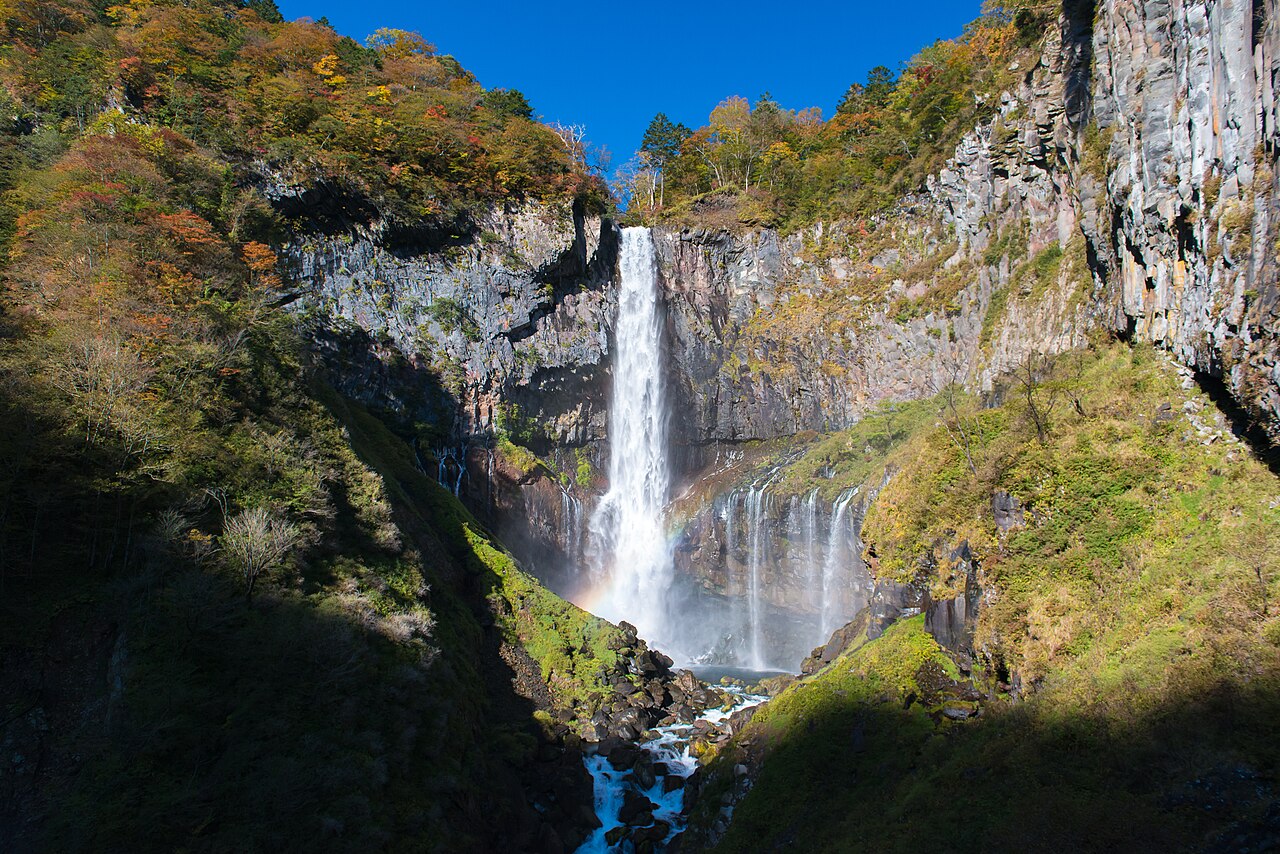
Kegon Falls
0.9 km · straight line
 Guilhem Vellut from Annecy, France / CC BY 2.0
Nature · Tochigi★★
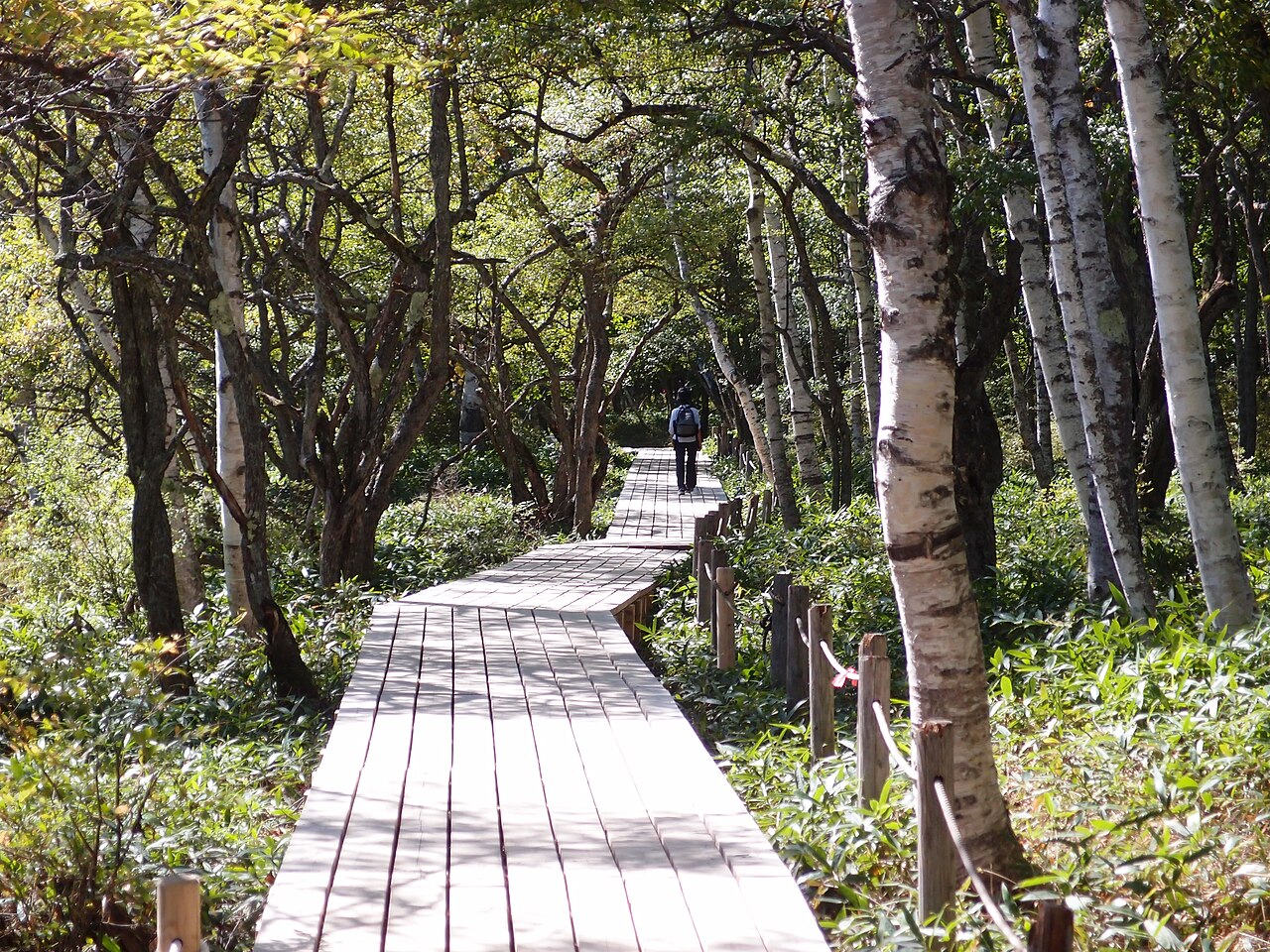
Senjogahara
6.2 km · straight line
 Koichi Sato / CC BY-SA 4.0
History · Tochigi★★★
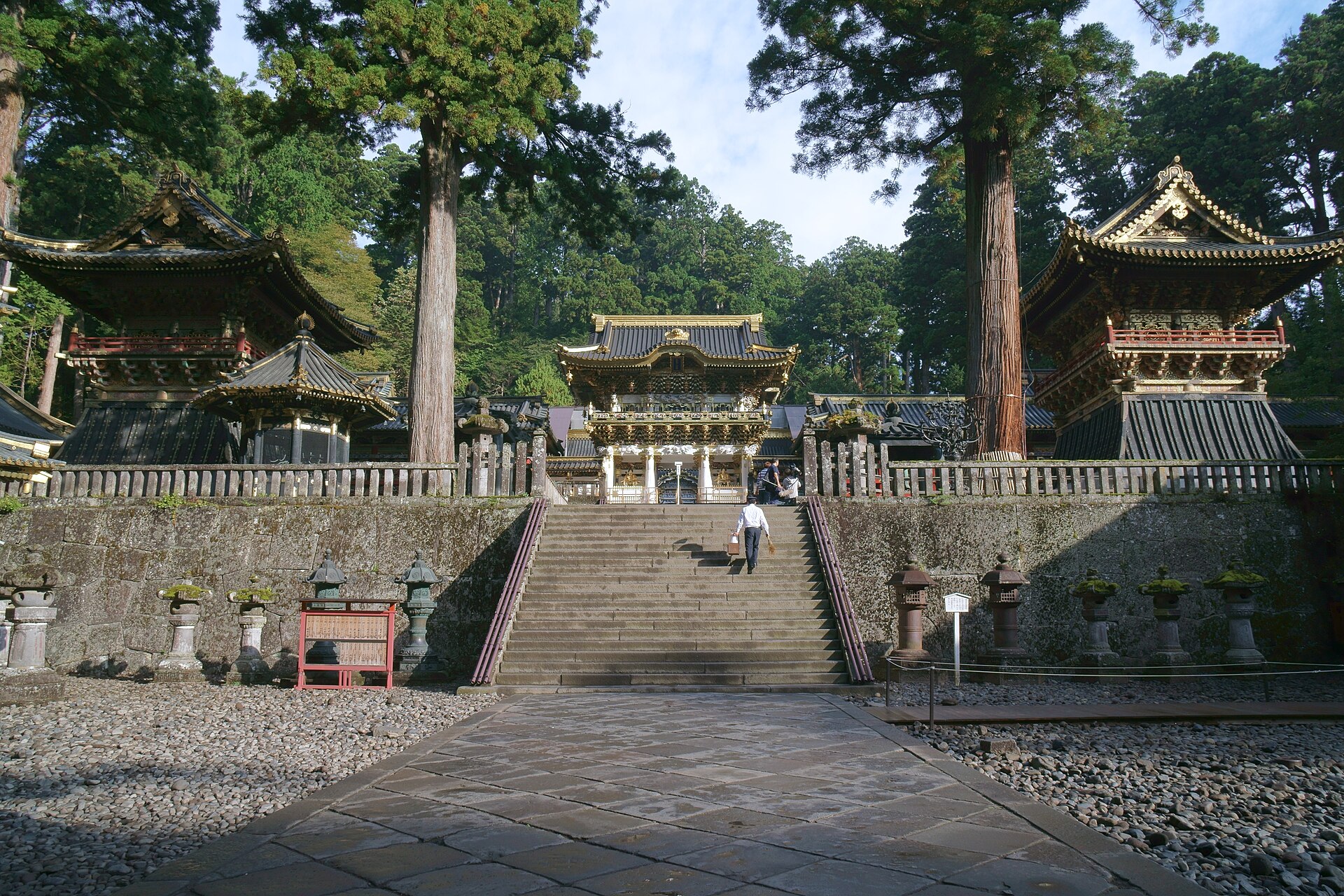
Nikko Toshogu and the Yomeimon gate
9.7 km · straight line
Distances are straight lines on the map, not travel times.