Tochigi · Nikko / Oku-NikkoNo.267★Open in map →
Kegon Falls
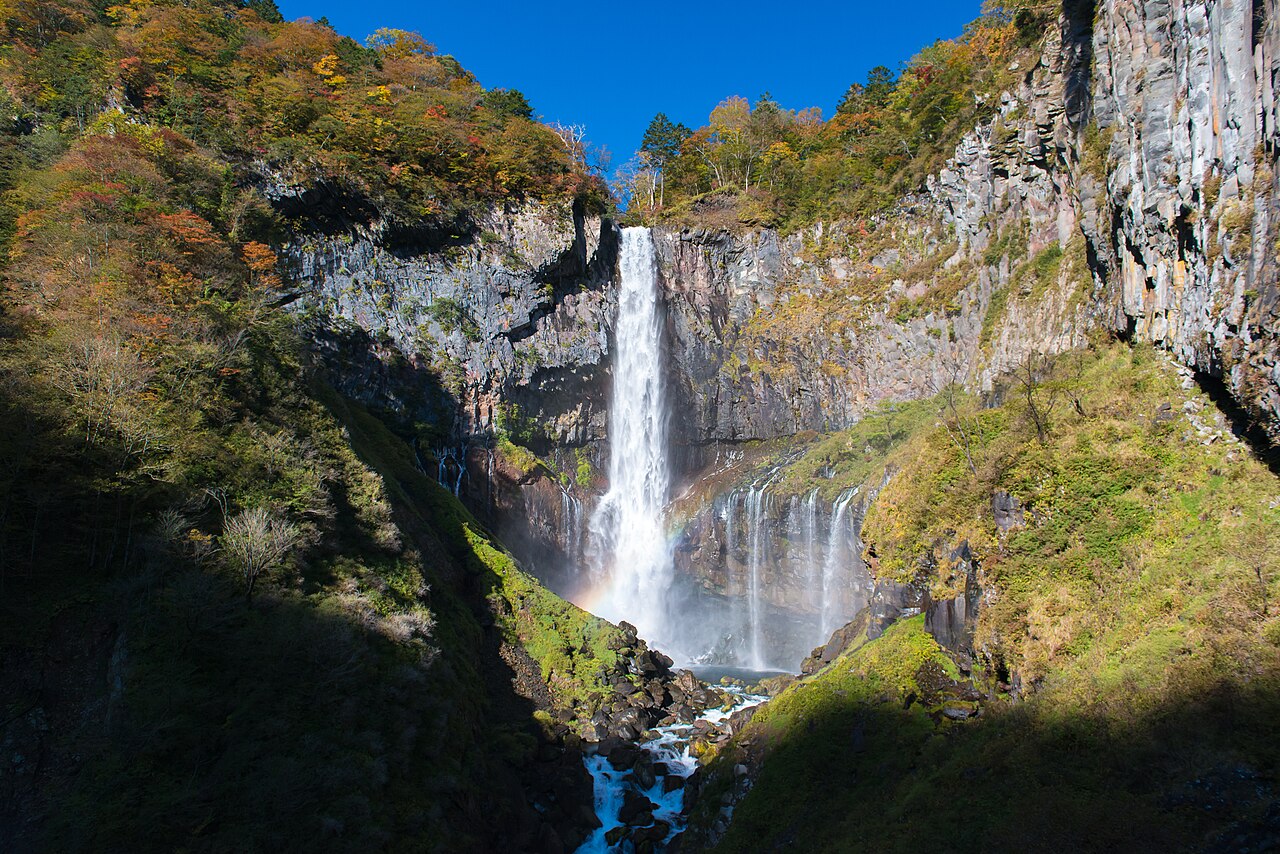
The only outflow of Lake Chuzenji drops about 97 metres over a cliff in Nikko — one of Japan's three great waterfalls, with an elevator cut through the rock down to a deck facing the plunge pool.
- FromAsakusa Stn (Tokyo)
- ~180 mintrain + bus (frequent)
- Get off atChuzenji Onsen bus stop
- On foot
- Kegon Falls
The sweet spot
Kegon is on every Nikko itinerary, but most visitors look from the free deck at the top of the cliff and move straight on. The reason to come is what is below it — the paid elevator puts you level with the plunge pool, close enough that spray reaches you when the wind turns. Timetables matter more than crowds here, so check the return bus times the moment you arrive.
Where it is
16 more notes in Tochigi · open the map →What to look for
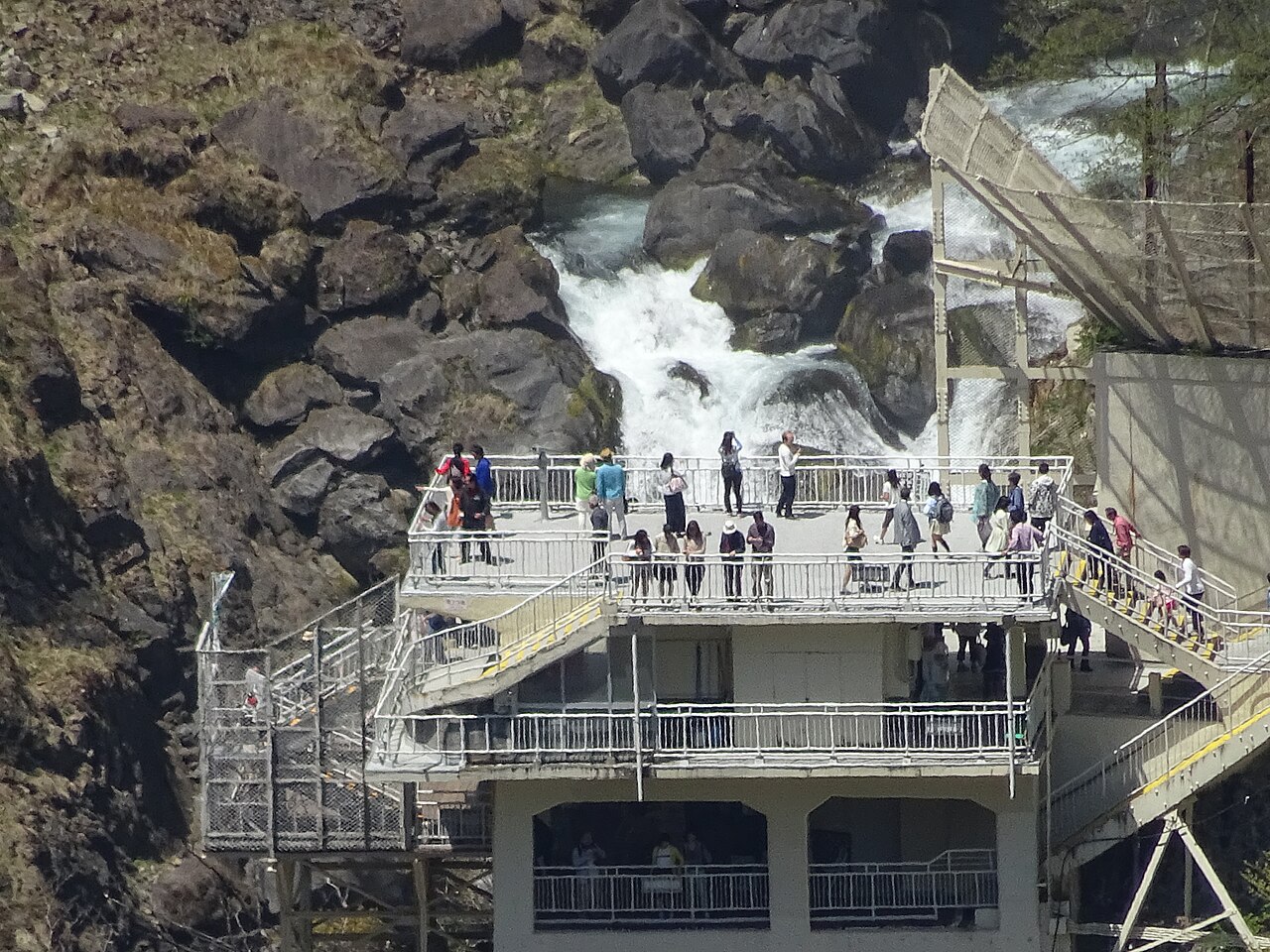
- The base observation deckreached by the 100 m elevator; the platform faces the plunge pool head-on, close enough for spray on windy days
- The free upper deckat the top of the cliff, no ticket needed, with a ramp that makes it wheelchair accessible
- The Junitaki side fallstwelve thinner streams seeping from the rock either side of the main drop; they freeze to pale blue ice in January and February
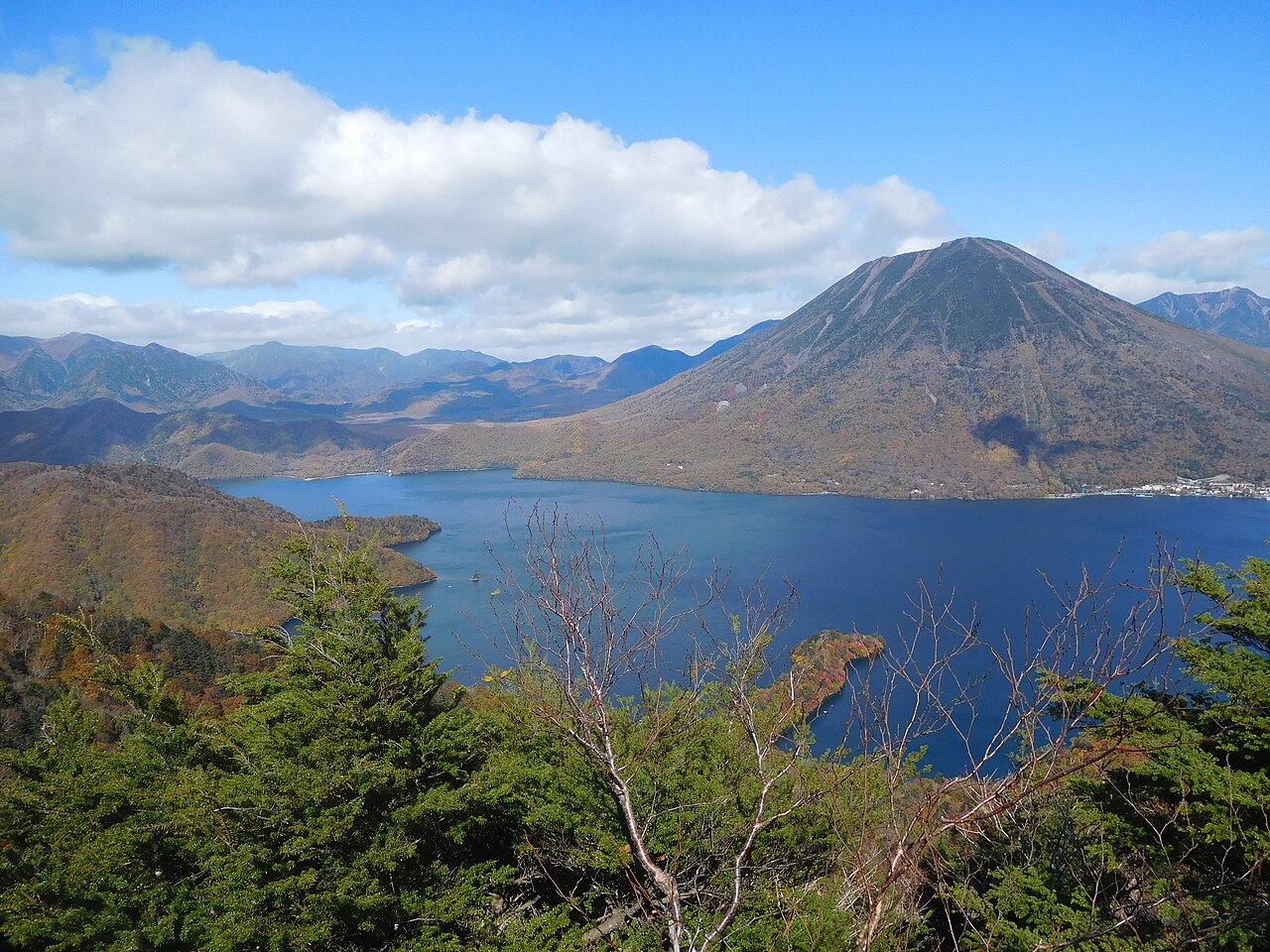
- Lake Chuzenjithe source of the water, a few minutes' walk from the same bus stop; at 1,269 m it is the highest lake surface in Japan
How to actually get there
- Asakusa Station (Tokyo) → Tobu-Nikko Station (Tobu Nikko Line limited express, ~2 hr, direct).
- Tobu-Nikko Station → Chuzenji Onsen bus stop (Tobu bus toward Chuzenji Onsen / Yumoto Onsen, ~50 min, up the Irohazaka switchbacks).
- Chuzenji Onsen bus stop → the falls entrance (walk ~5 min).
- Ride the elevator 100 m down to the base observation deck (~1 min).
- Tobu limited express + Tobu bus
- Asakusa Station (Tokyo) →(Tobu Nikko Line limited express, ~2 hr, direct)→ Tobu-Nikko Station →(Tobu bus bound for Chuzenji Onsen or Yumoto Onsen, ~50 min)→ Chuzenji Onsen bus stop → ~5 min walk to the falls entrance. Total about 3 hours one way. The bus climbs the Irohazaka switchbacks, so allow extra time in the autumn foliage season.
- The same route in reverse
- Take the Tobu bus from Chuzenji Onsen back down to Tobu-Nikko Station (~50 min), then the limited express or a local train to Asakusa. The elevator stops with the closing time — 17:00 from March to November, 16:30 from December to February — so check the return bus departures posted at the Chuzenji Onsen stop as soon as you get there.
About the place
Lake Chuzenji sits at 1,269 metres, the highest lake surface in Japan, formed when an eruption of Mt. Nantai dammed the valley. The lake has exactly one outflow — the Daiya River — and where that river leaves the lake it runs off the edge of a cliff and falls about 97 metres in a single column. Around the drop, thinner streams called the Junitaki, the twelve falls, seep out of the rock face on either side. The seasons change the scene completely: fresh green on the surrounding slopes in May, Asian house martins arriving in June to skim through the spray, and the side streams frozen to pale blue ice in January and February. An elevator cut vertically through the bedrock, in service since 1930, carries visitors 100 metres down to the deck at the base.
How to enjoy it
Look from the free upper deck first, then buy the elevator ticket and go down — the two views have almost nothing in common, and the lower one is what the fare is for. The lake shore is only a few minutes from the same bus stop, so the falls and Lake Chuzenji fit together into a single half-day out of Nikko. If you are coming in the autumn foliage season, start early: the Irohazaka switchback road backs up badly and the bus can take far longer than its scheduled 50 minutes.
Background & history
The falls exist because of a volcano. Eruptions of Mt. Nantai (2,486 m) dammed the valley and created Lake Chuzenji, and the trapped water found its single escape over the cliff edge. Kegon is counted among Japan's three great waterfalls, alongside Nachi Falls in Wakayama and Fukuroda Falls in Ibaraki. The elevator through the bedrock opened in 1930 and is still the only way down to the base observation deck.
Before you go
- Cash
- The elevator is a paid round trip: 600 yen for adults (junior-high school age and up), 400 yen for elementary school children, free below that. The upper observation deck at the top of the cliff is free. Carry cash for the elevator fare.
- Good to know
- Elevator hours are 8:00-17:00 from 1 March to 30 November, and 9:00-16:30 from 1 December to the end of February. It runs year-round but can be suspended in bad weather. Oku-Nikko is far colder than Nikko town — the falls sit above 1,200 metres, so bring a layer even in summer.
- Another way
- By JR: Tokyo Station →(Tohoku Shinkansen, ~50 min)→ Utsunomiya →(JR Nikko Line, ~45 min)→ JR Nikko Station, then the same bus (~50 min). By car it is about 20 minutes from Kiyotaki IC on the Nikko-Utsunomiya Road.
- After you get off
- From the Chuzenji Onsen bus stop it is about a 5-minute walk on level streets to the falls entrance and the elevator building.
Nearby notes
 Miyuki Meinaka / CC BY-SA 4.0
Nature · Tochigi★
Lake Chuzenji
0.9 km · straight line
 くろふね / CC BY-SA 4.0
Culture · Tochigi★★★
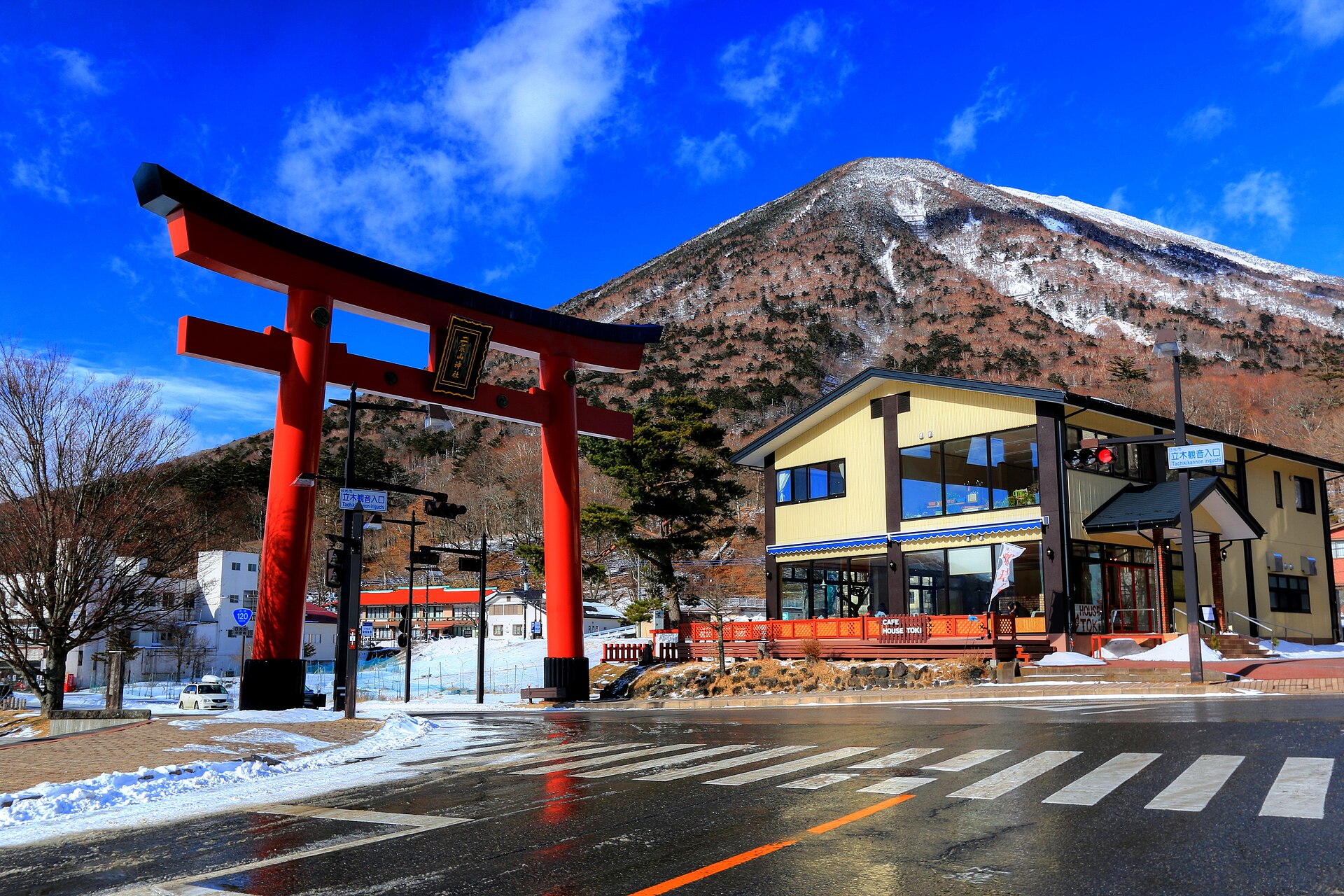
Futarasan Chugushi Shrine
1.5 km · straight line
 Guilhem Vellut from Annecy, France / CC BY 2.0
Nature · Tochigi★★
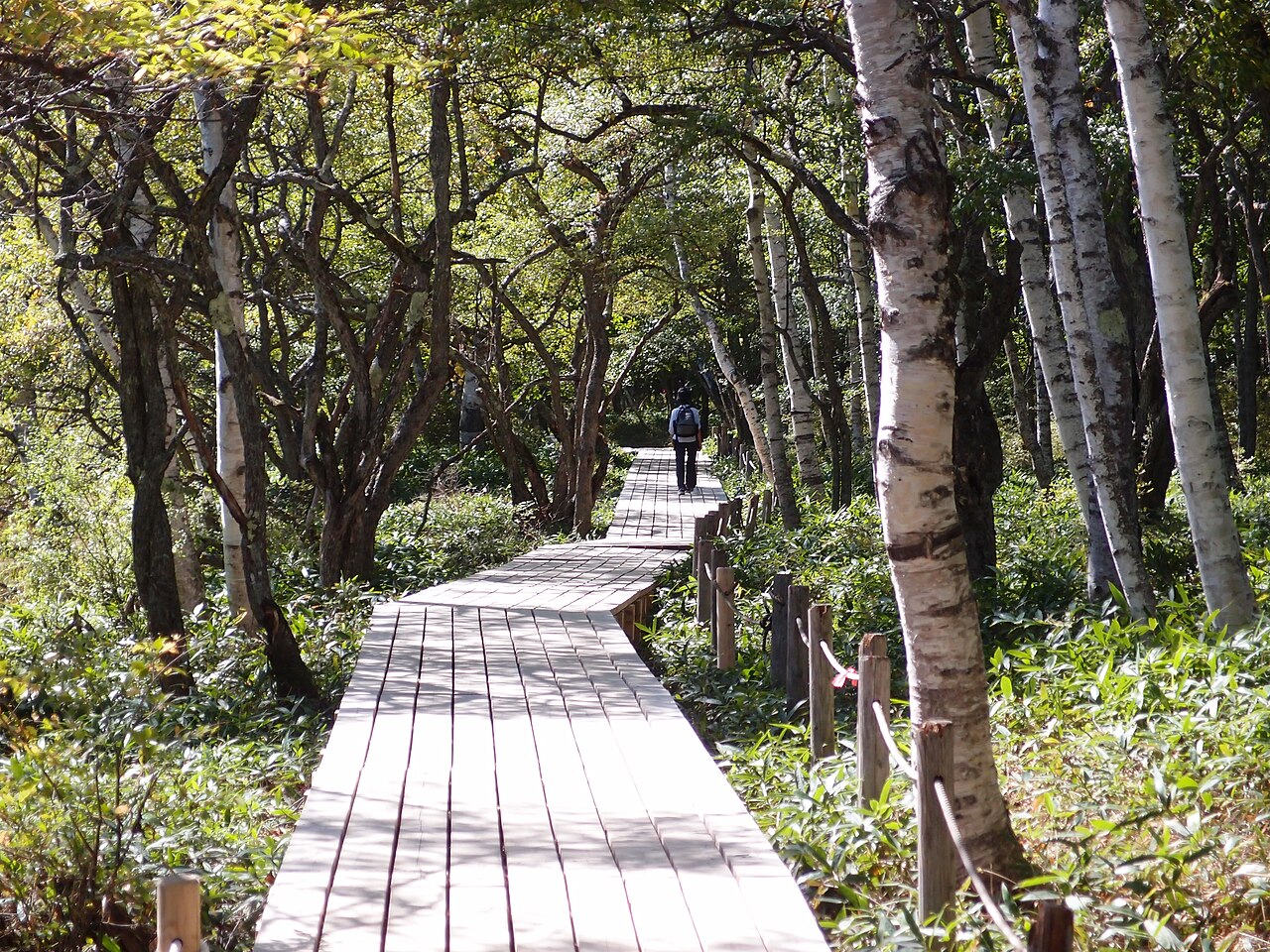
Senjogahara
6.9 km · straight line
 Koichi Sato / CC BY-SA 4.0
History · Tochigi★★★
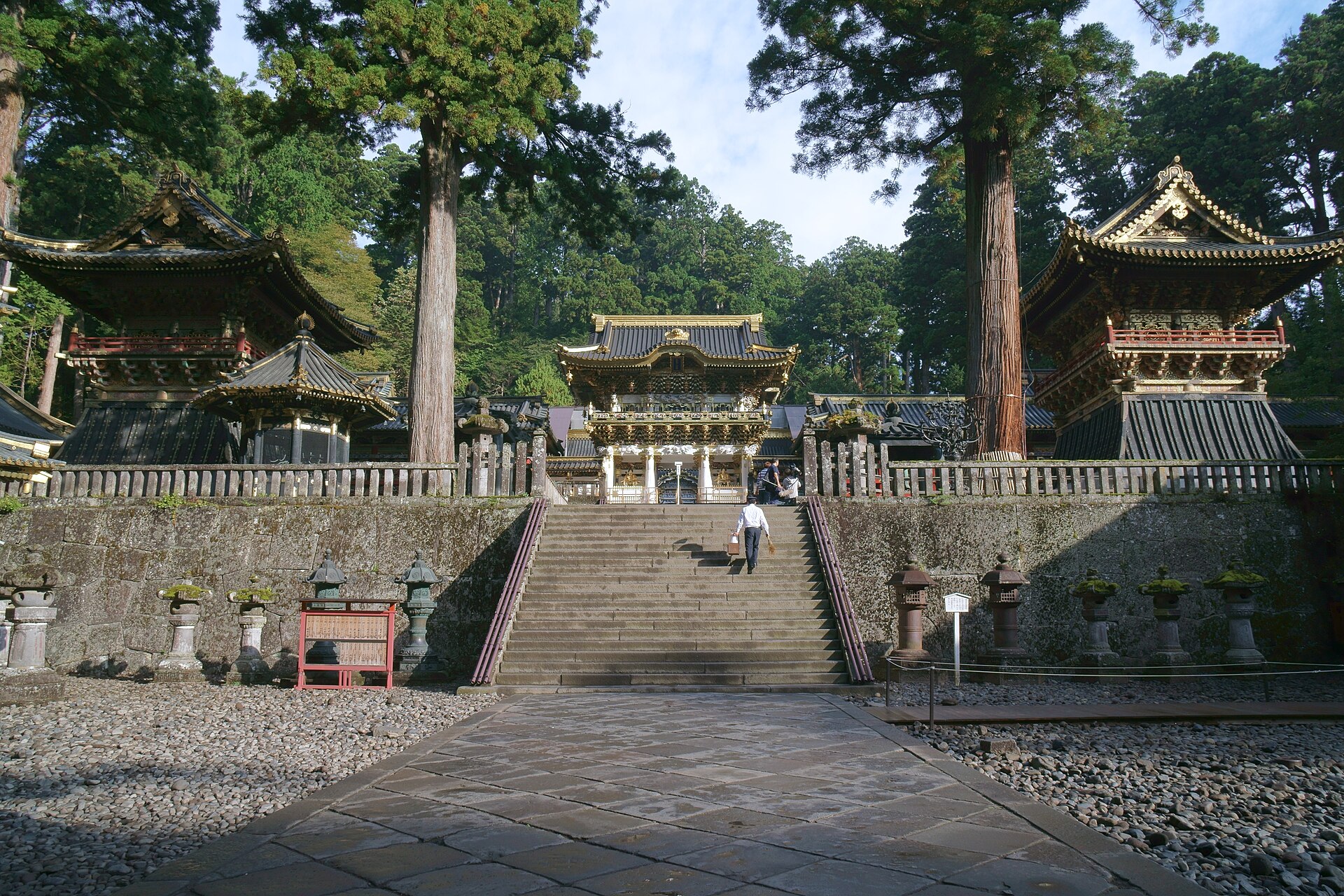
Nikko Toshogu and the Yomeimon gate
8.8 km · straight line
Distances are straight lines on the map, not travel times.