Mie · FutamiNo.393★★★Open in map →
Meoto Iwa
— two rocks tied together off Ise
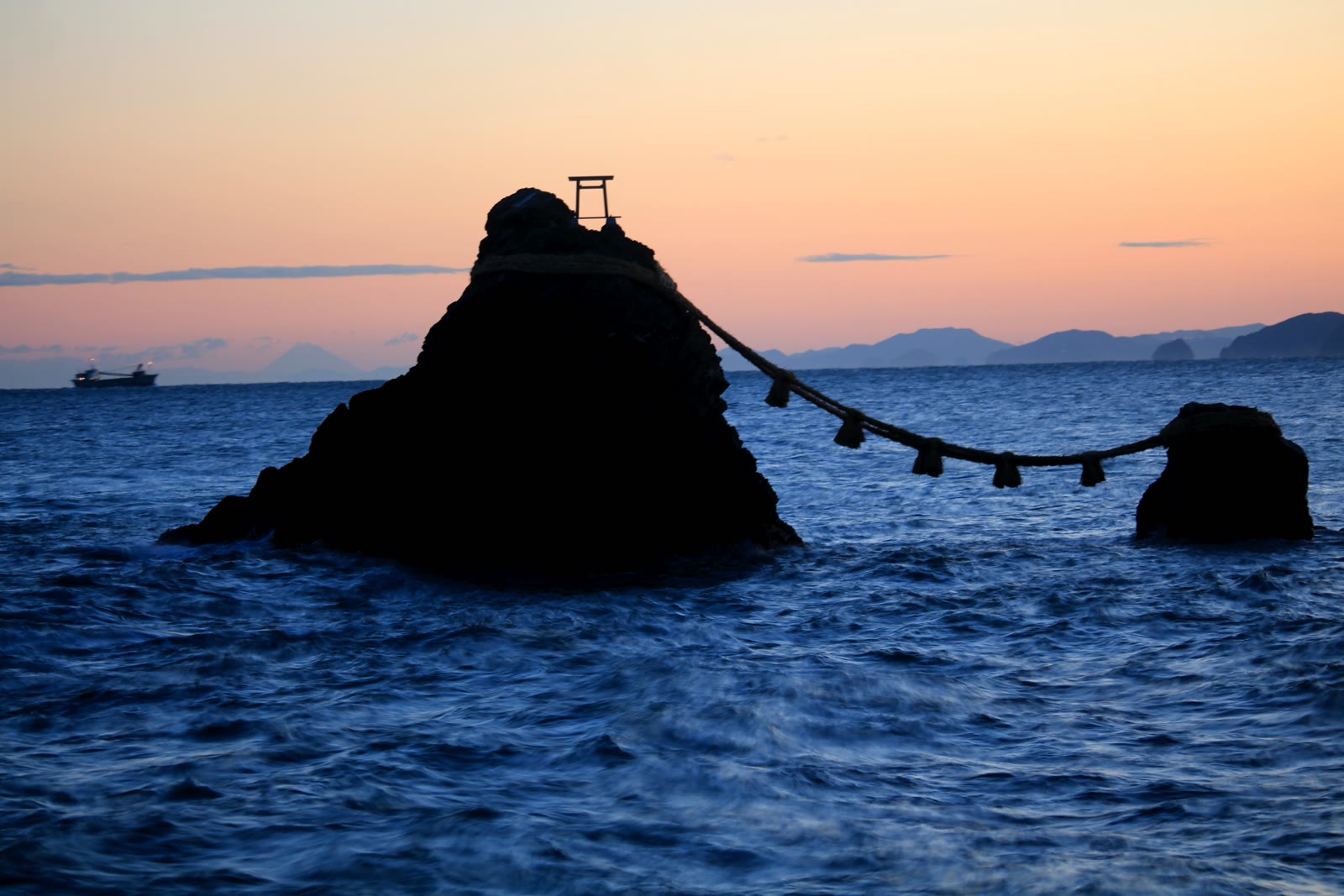
Two rocks standing in the sea off Futami Okitama Shrine, joined by a heavy sacred rope. They function as a torii framing a submerged sacred stone offshore, and the sun rises between them in early summer.
- FromNagoya Stn
- ~100 minJR local, then a 20-min walk
- Get off atFutaminoura Station (JR Sangu Line)
- On foot
- Meoto Iwa
Where it is
17 more notes in Mie · open the map →What to look for — in walking order
- Meoto Iwa at sunrisethe rocks framing the rising sun from roughly May to July; on exceptionally clear mornings Mount Fuji appears on the horizon in the gap
- The shimenawa ropethe heavy rice-straw rope binding the two rocks, replaced by hand three times a year in a ceremony parishioners wade out to perform
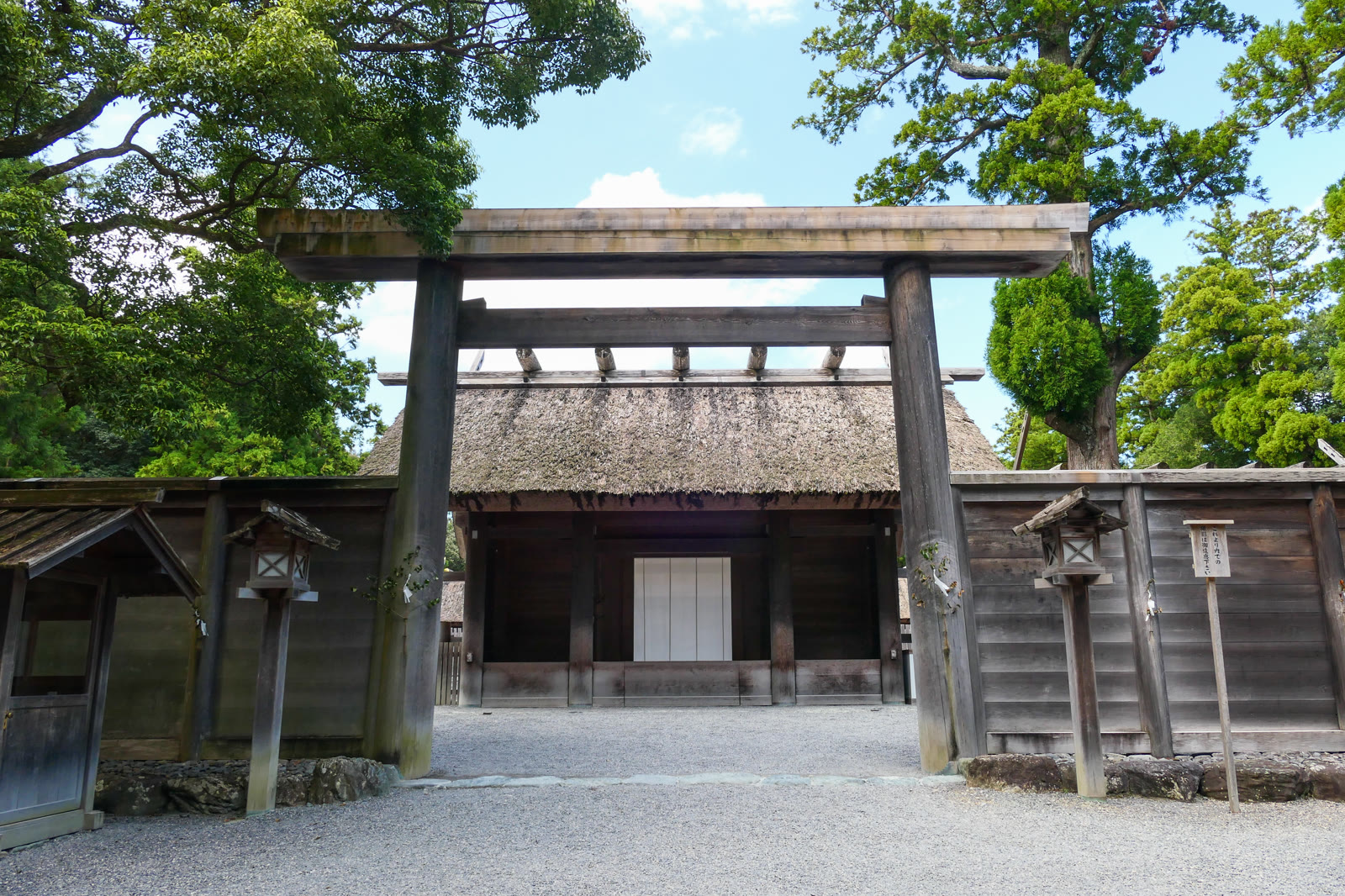
- Futami Okitama Shrinethe shrine on the shore enshrining Sarutahiko-no-Okami, deity of guidance, and the site of the hamasangu sea purification before an Ise pilgrimage
- The frog statuesfrogs left as offerings all over the grounds — messengers of the deity, and a pun on the word for returning safely
How to actually get there
- Nagoya Stn → Futaminoura Stn (JR rapid to Ise-shi, then the Sangu Line, ~100 min total).
- Station → shore road → Futami Okitama Shrine and Meoto Iwa (walk east, ~20 min).
- Traditional order: purification at Futami first, then on to Ise Jingu from Ise-shi Station.
- Nagoya Stn → Futaminoura Stn (JR), then walk along the shore
- From Nagoya Station take the JR Kaisoku Mie rapid service toward Toba and change at Ise-shi or ride through to the Sangu Line, reaching Futaminoura Station in roughly 100 minutes. From the station, walk toward the sea and follow the shore road east for about 20 minutes to the shrine and the rocks. The route is flat and signposted.
- Futaminoura Stn → Ise-shi Stn or Nagoya Stn
- Trains on the Sangu Line are infrequent — check the return time before you set out. Ise-shi Station is about 10 minutes away and connects to Ise Jingu and to the Kintetsu network, which is the natural next move rather than returning straight to Nagoya.
About the place
The rocks sit just offshore from Futami Okitama Shrine, which enshrines Sarutahiko-no-Okami, the deity of guidance. The larger rock and the smaller one are bound together by a shimenawa, a thick rice-straw rope marking sacred ground, and the pair are called Meoto Iwa — the married rocks. The important thing, and the thing most visitors miss, is that they are not the object of worship. They act as a torii gate: the shrine's true object is Okitama Shinseki, a stone lying under the sea some distance beyond them, and you are meant to look through the gap between the rocks toward it. From roughly May to July the sun rises through that gap, and on the clearest mornings Mount Fuji can be seen on the horizon behind it. In winter the moon takes the same line. Futami is also where the pilgrimage to Ise traditionally begins: before visiting Ise Jingu, pilgrims came here to perform hamasangu, a purification by the sea, and the practice continues. Frogs appear everywhere on the grounds because the frog is the messenger of Sarutahiko, and because the word for frog puns on 'return'.
How to enjoy it
This is a sunrise site and only half works otherwise. If you can stay overnight in Futami or Ise, come before dawn between May and July and stand on the seawall; the rest of the day the rocks are pleasant but ordinary. Do it in the traditional order if you have two days — purification at Futami first, Ise Jingu second — which costs nothing extra and makes the geography make sense. The walk from Futaminoura Station takes about 20 minutes along the shore and is flat the whole way. Check the rope-changing dates in May, September and December if you want to see the ceremony, as it draws a crowd.
Background & history
Futami Okitama Shrine takes its name from the submerged Okitama Shinseki, the sacred stone offshore, and the shrine has long served as the purification stop on the road to Ise. The rope joining the rocks is not permanent: it is replaced by hand in a public ceremony held three times a year, in May, September and December, with parishioners hauling the new rope out into the water. The sequence of visiting Futami first and Ise afterwards is what gave the district its role in the Ise pilgrimage economy, and the coastal village retains inns and shops from that trade. The rocks themselves have been a fixture of Japanese landscape painting and photography for well over a century.
Before you go
- Cash
- The shrine grounds and the view of the rocks are free. Carry cash: this is a small coastal village and the shops and inns along the approach are not reliably card-enabled. IC cards work on the JR and Kintetsu lines.
- Good to know
- The rocks are outdoors and always visible, but the shrine office keeps daytime hours. Sunrise viewing means standing on an exposed seawall — it is cold and windy before dawn even in early summer. The rope-changing ceremonies in May, September and December draw large crowds.
- Another way
- From Osaka or Kyoto, take the Kintetsu limited express to Ujiyamada or Ise-shi and change to the JR Sangu Line for Futaminoura. A bus also runs along the coast between Ise and Toba, stopping near the shrine.
- After you get off
- From Futaminoura Station, head toward the water and turn east along the shore road. The shrine and the rocks are about 20 minutes' walk, past the old inns of the pilgrim village.
Nearby notes
 Ganokure / CC BY-SA 4.0
Craft · Mie★★★
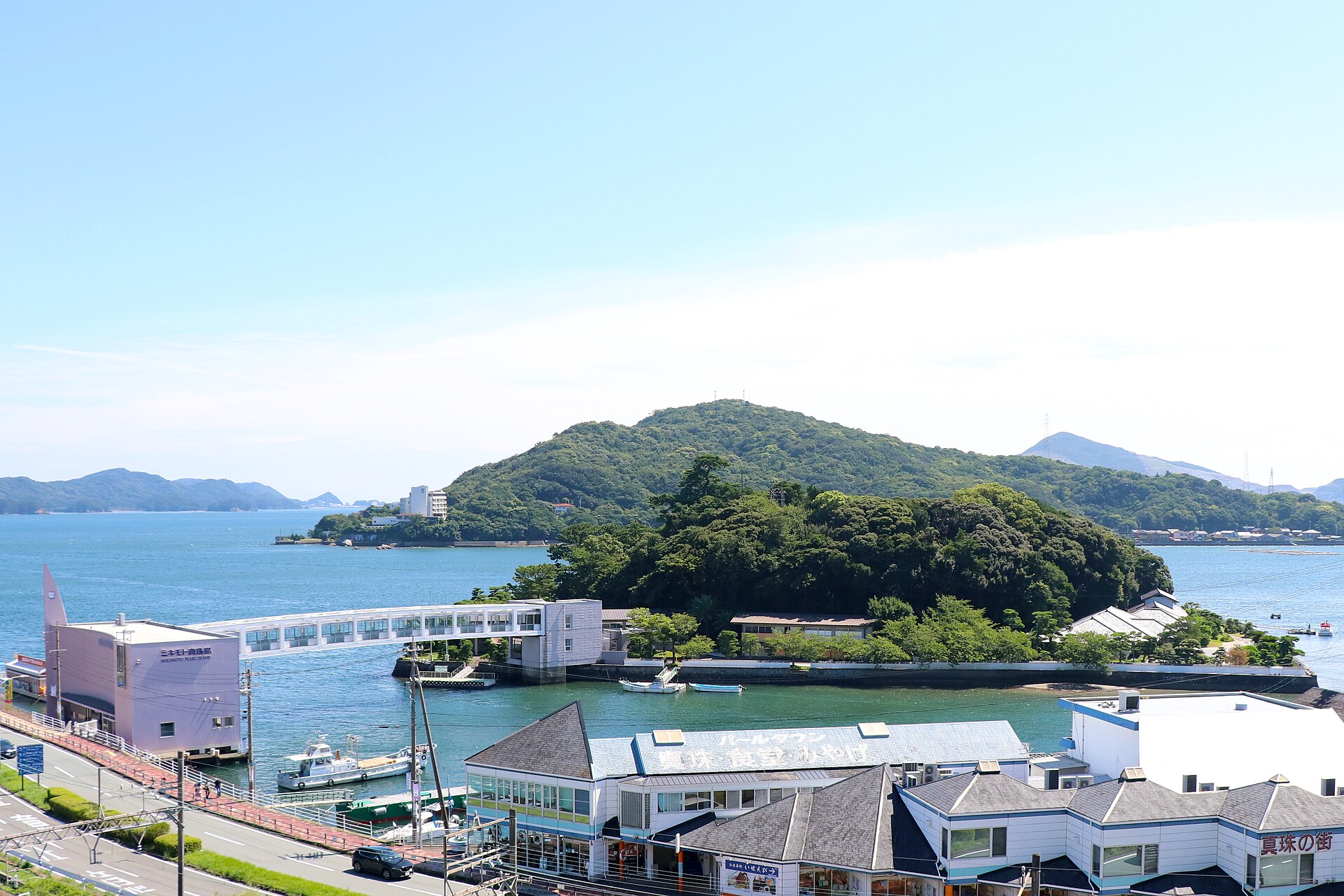
Akoya Pearls
6.1 km · straight line
 Miyuki Meinaka / CC BY-SA 3.0
Nature · Mie★★
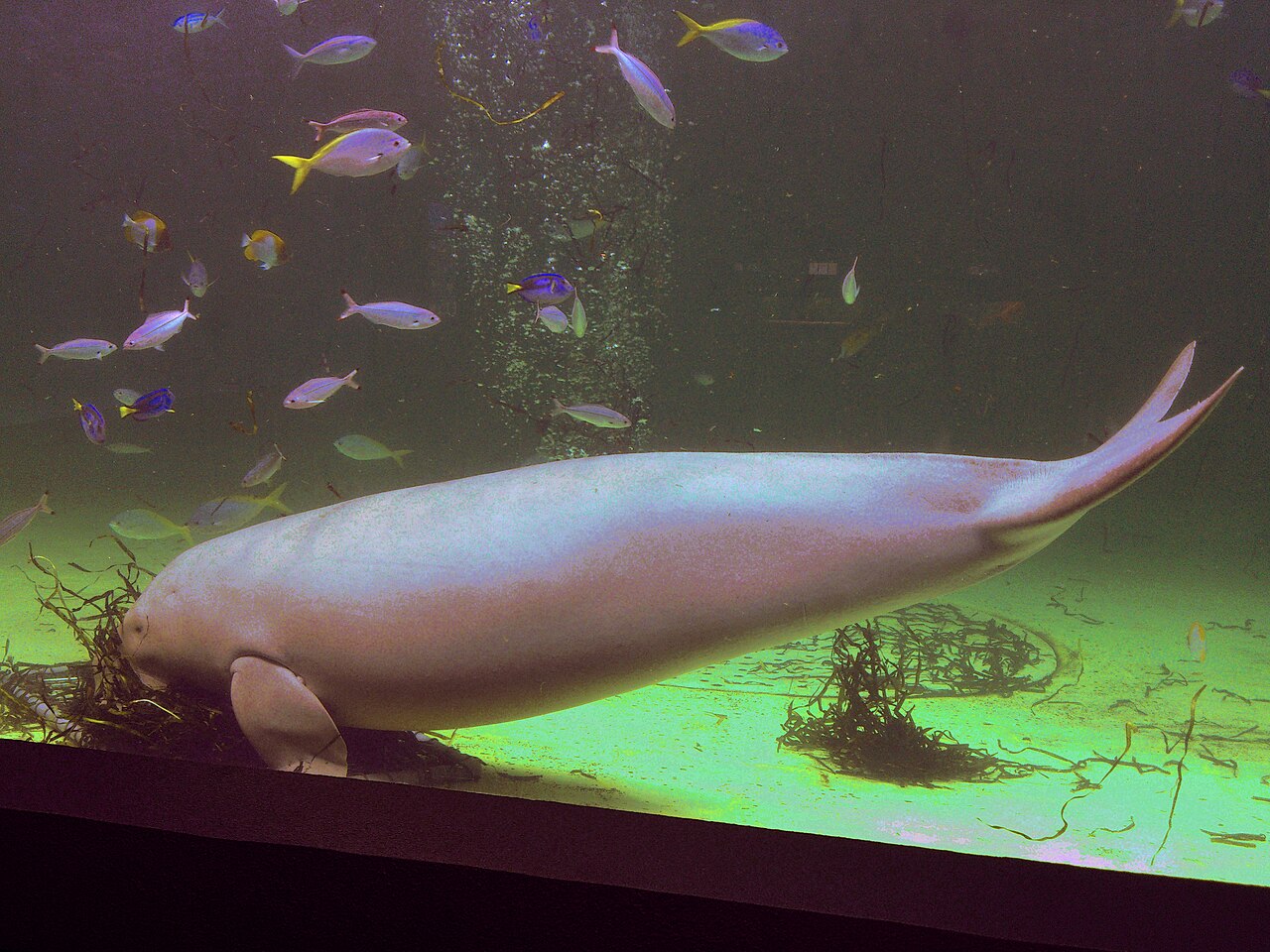
Toba Aquarium
6.1 km · straight line
 imgdive / CC BY 2.0
Food · Mie★★
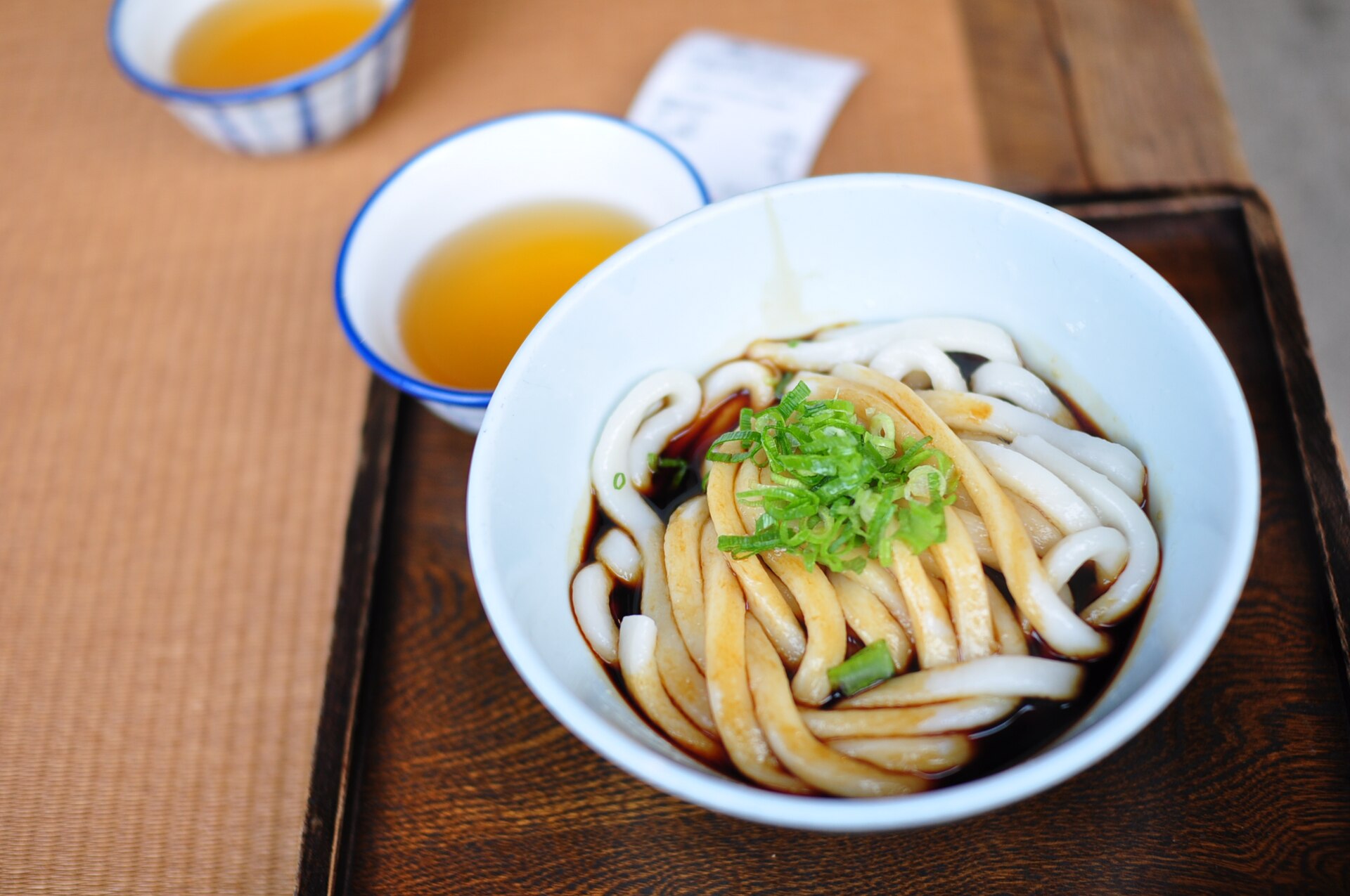
Ise Udon
7.9 km · straight line
 MaedaAkihiko / CC0
History · Mie★★★
Ise Jingu Geku
8.0 km · straight line
Distances are straight lines on the map, not travel times.