Mie · IseNo.397★★★Open in map →
Ise Jingu Geku
— the outer shrine you should visit first
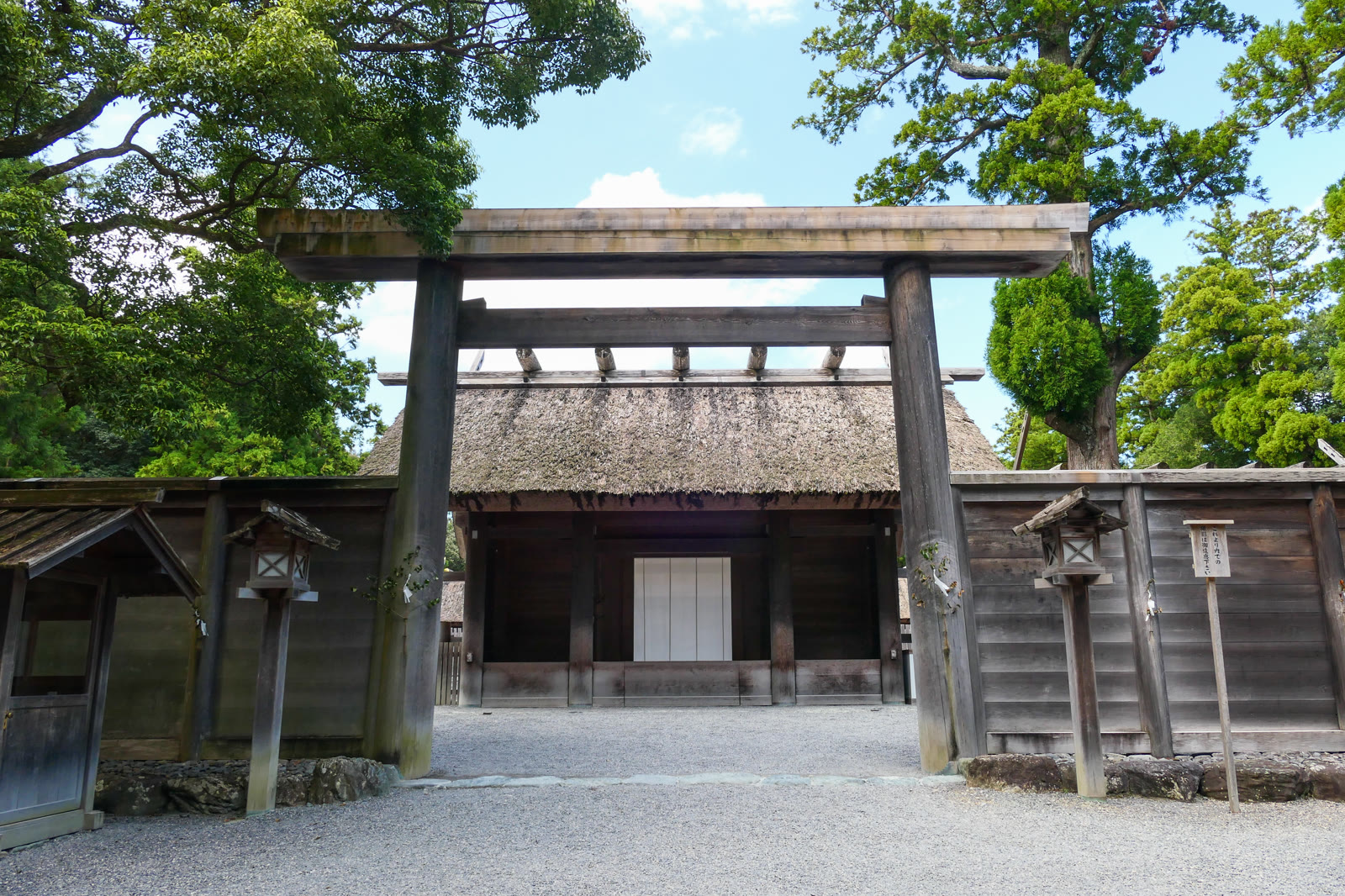
The Outer Shrine of Ise Jingu, enshrining Toyouke-no-Omikami, deity of food, clothing, shelter and industry. Correct practice is to visit here before the Inner Shrine, and unlike the Inner Shrine it is a short walk from the station.
- FromNagoya Stn
- ~80 minwalk from the station
- Get off atIseshi Station (JR / Kintetsu)
- On foot
- Ise Jingu Geku
Where it is
17 more notes in Mie · open the map →What to look for — in walking order
- The main sanctuarythe innermost buildings in the same unpainted cypress style as the Inner Shrine, visible in outline beyond a wooden fence
- The empty adjacent plotthe cleared ground beside the sanctuary where the next rebuilding will stand — the twenty-year cycle made physically visible
- Taka-no-miya and the slope shrinesthree subsidiary shrines on the wooded rise behind the main precinct, reached by a stone stair and almost always empty
- Sengukan museumthe museum at the entrance explaining the rebuilding cycle and the crafts it sustains, which makes the rest of the visit legible
How to actually get there
- Nagoya Stn → Iseshi Stn (Kintetsu limited express or JR rapid, ~80 min).
- Iseshi Stn → Outer Shrine entrance (walk south, ~5 min).
- Sengukan → main sanctuary (keep left) → the slope shrines behind.
- Outer Shrine bus stop → Naiku-mae for the Inner Shrine (Mie Kotsu bus, ~15 min).
- Nagoya Stn → Iseshi Stn, then walk
- From Nagoya Station take the Kintetsu limited express toward Toba or Kashikojima to Iseshi Station, about 80 minutes; the JR Kaisoku Mie rapid also runs to the same station. From the station it is roughly a 5-minute walk south to the Outer Shrine entrance — no bus needed, which is the main practical difference from the Inner Shrine.
- Geku → Naiku by bus, or back to Iseshi Stn
- The Mie Kotsu bus from the Outer Shrine stop runs directly to Naiku-mae in about 15 minutes, so the natural move is onward rather than back. Returning to Iseshi Station is a 5-minute walk, and Kintetsu limited express services run to Nagoya, Osaka and Kyoto into the evening.
About the place
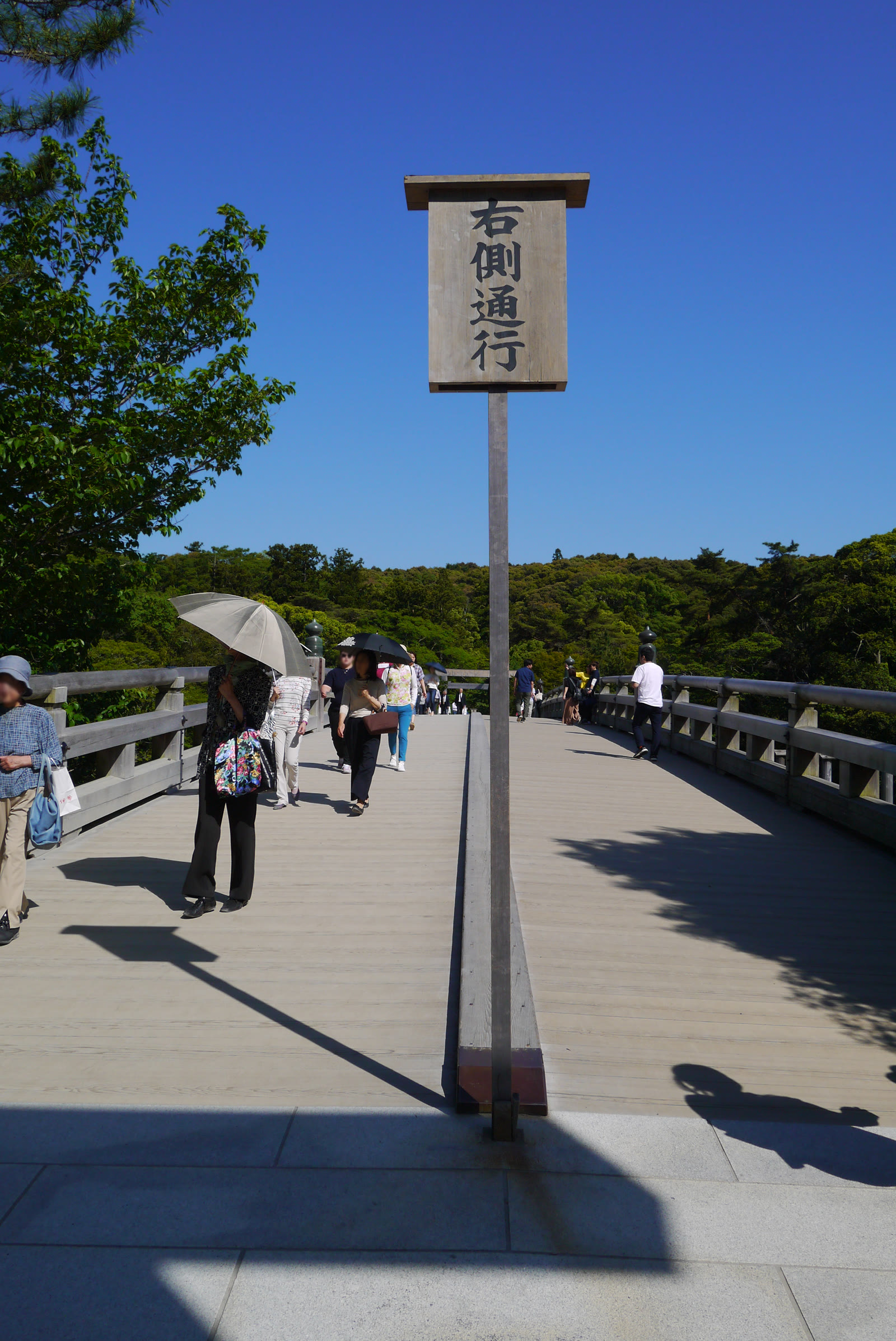
Ise Jingu is two principal shrines, and the Outer Shrine is the one people skip. It enshrines Toyouke-no-Omikami, who was summoned here to provide the sacred food for Amaterasu at the Inner Shrine, and who is worshipped more broadly as the deity of food, clothing, shelter and industry. The established order of visiting is Geku first, then Naiku — the same order the priests use, since every ceremony in the Ise calendar is performed at the Outer Shrine before the Inner. There is a detail that catches out almost everyone: at the Outer Shrine you walk on the left of the approach, and at the Inner Shrine you walk on the right. The rule follows the position of the purification basin at each site, and the signs assume you know. Practically, the Outer Shrine has an advantage the Inner Shrine does not — it is about a five-minute walk from Iseshi Station, so it needs no bus. The precinct is smaller, wooded, and noticeably calmer, and it holds three subsidiary shrines on the slope behind the main sanctuary.
How to enjoy it
Do it in the correct order and the day works better logistically as well as ritually: walk from Iseshi Station to the Outer Shrine, then take the bus from the Outer Shrine directly to the Inner Shrine, which runs frequently and saves backtracking. Allow an hour here. Remember the left-hand walking rule at this shrine and the right-hand rule at the Inner Shrine. The grounds open before dawn and entry is free at both shrines, so an early start costs nothing and avoids the mid-morning coaches entirely.
Background & history
The Outer Shrine is traditionally held to have been established some five centuries after the Inner Shrine, when Toyouke-no-Omikami was brought from Tanba province to serve the food offerings to Amaterasu. Both shrines are rebuilt on the twenty-year cycle of the Shikinen Sengu, a practice fixed in 690 CE, and the Outer Shrine likewise keeps two adjacent plots so that the cycle is visible in the ground itself. The precedence of the Outer Shrine in ritual — geku-sensai, 'Outer Shrine first' — governs the order of every ceremony in the shrine year and is the reason the visiting order exists.
Before you go
- Cash
- Entry to both shrines is free. The Kintetsu limited express needs a base fare plus a limited express supplement. IC cards work on Kintetsu, JR and the local buses. Carry cash for the shops on the approach.
- Good to know
- Photography is not permitted beyond the first fence at the sanctuary. Walk on the left side of the approach here — the opposite of the Inner Shrine — and dress with reasonable modesty. The precinct opens before sunrise and closes at sunset, with hours shifting by season.
- Another way
- From Osaka-Namba or Kyoto the Kintetsu limited express runs direct to Iseshi in roughly 2 hours. Ujiyamada Station is also within walking distance of the Outer Shrine and is served by the same Kintetsu line.
- After you get off
- Leave Iseshi Station by the south exit and walk straight ahead for about 5 minutes; the torii and the bridge into the Outer Shrine precinct are directly at the end of the street.
Nearby notes
 imgdive / CC BY 2.0
Food · Mie★★
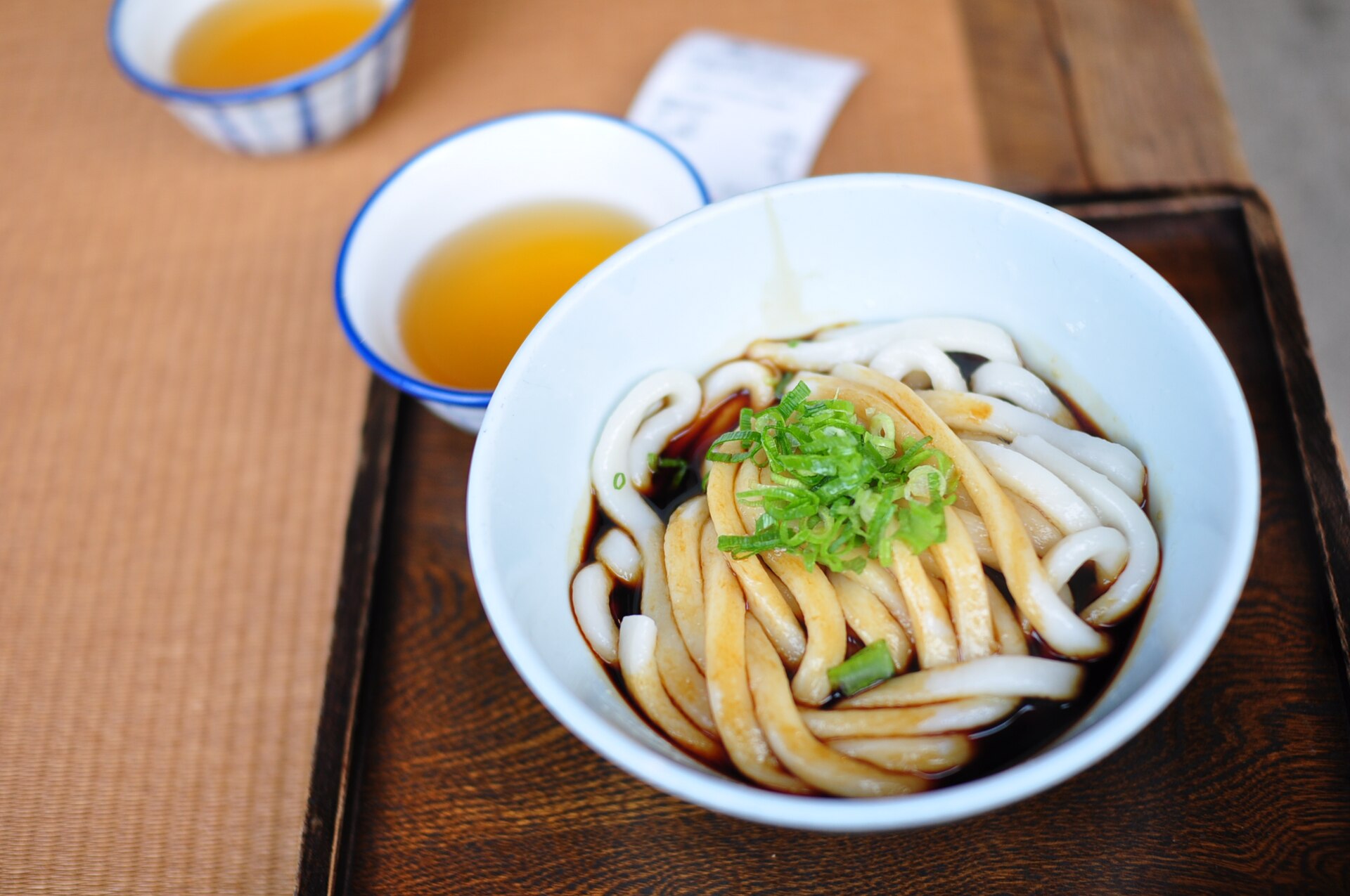
Ise Udon
3.3 km · straight line
 Oilstreet / CC BY 2.5
History · Mie★★★
Ise Jingu Naiku & Oharai-machi
4.1 km · straight line
 Alpsdake / CC BY-SA 4.0
History · Mie★★★
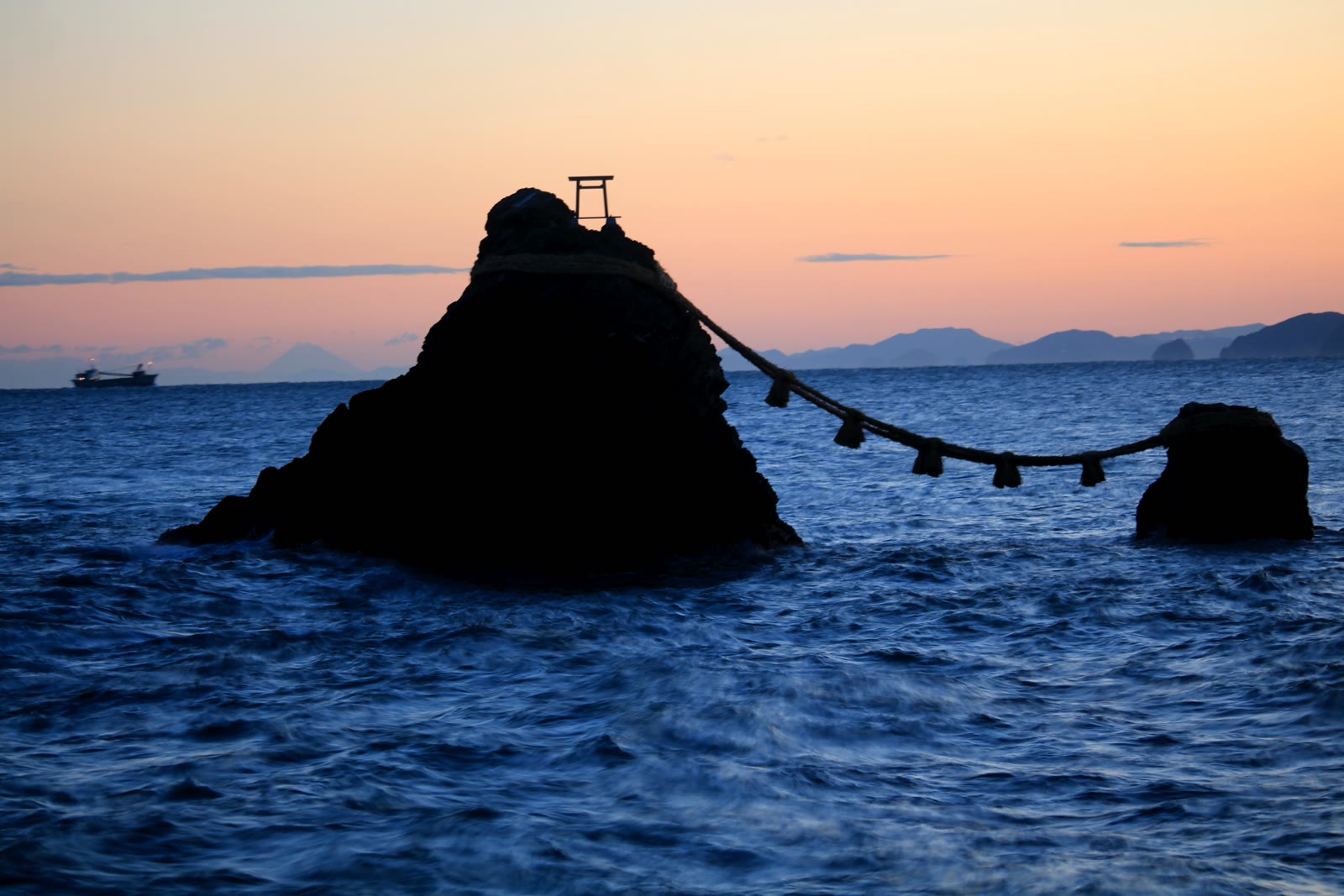
Meoto Iwa
8.0 km · straight line
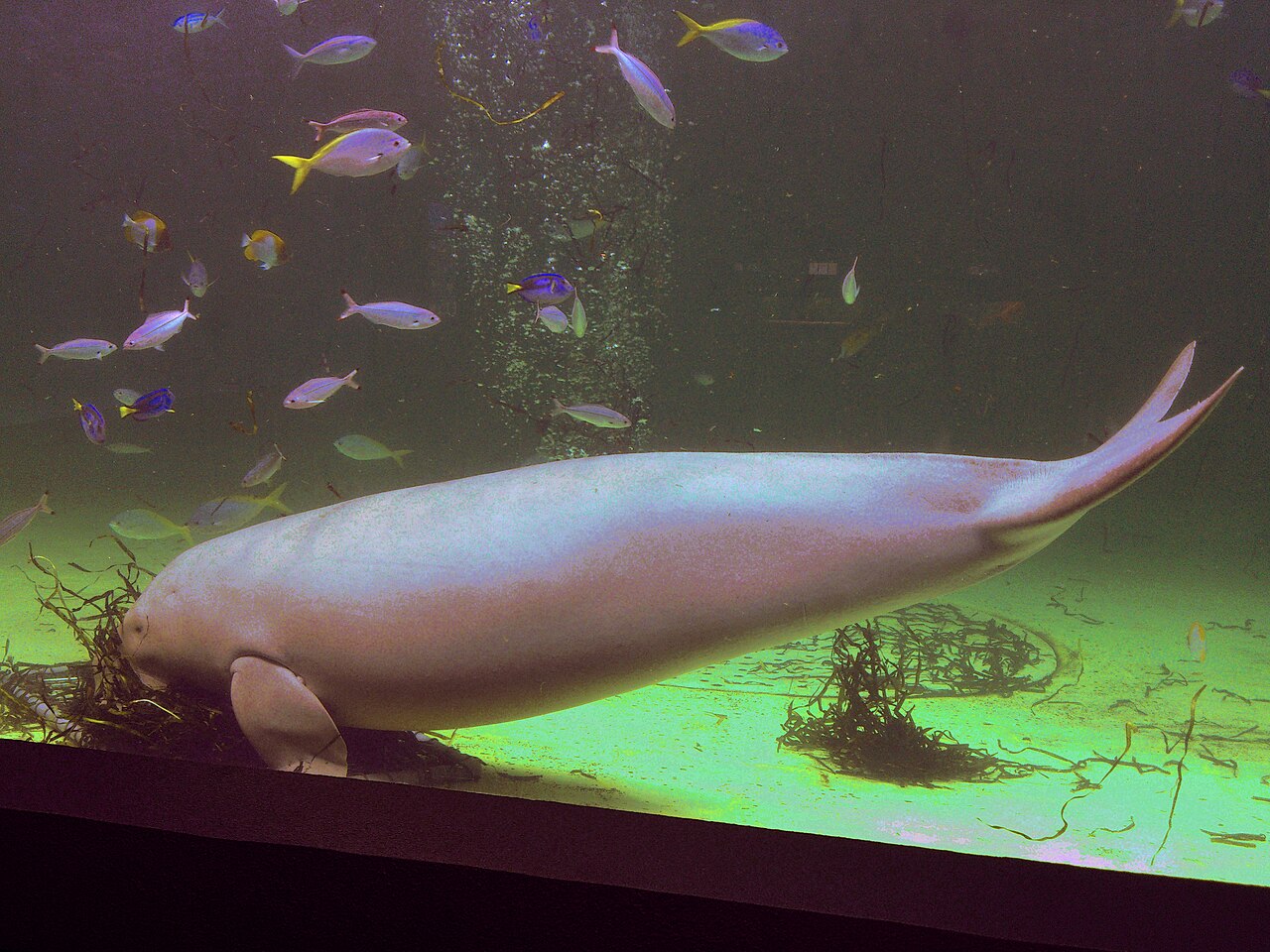 Miyuki Meinaka / CC BY-SA 3.0
Nature · Mie★★
Toba Aquarium
13.0 km · straight line
Distances are straight lines on the map, not travel times.